The Moment It Becomes Official
Becoming Australian doesn’t happen quietly or automatically. While the approval process can take months or even years, citizenship itself happens at a specific moment. It happens when you stand with others, say the pledge out loud, and sign your name.
Australia doesn’t treat citizenship as something you finish online or by mail. You have to show up. You speak the words. You sign the register. That signature is what makes it real. From then on, you’re an Australian.
This is why the moment is commemorated. Not with big gestures or spectacle, but with intention. It’s the point where belonging is made official and shared — witnessed by the community and remembered long after the day itself.
How Citizenship Is Recognised in Australia
In Australia, citizenship isn’t granted behind closed doors. It’s recognised in public, usually through a ceremony run by a local council. These ceremonies are often held in community halls, council chambers, or public spaces — places people already associate with civic life.
The size of the event isn’t what matters. Some ceremonies are large, others are small. What they share is the idea that becoming Australian is something people see and acknowledge. You’re welcomed by the place you live, not just by the government in Canberra.
Family members are usually there. So are local officials. Everyone stands together, listens, and takes part. It reinforces the idea that citizenship isn’t just paperwork — it’s about being recognised as part of a community.
Australia does this on purpose. Citizenship isn’t handled quietly or in private. It’s done in front of others so the moment is seen and understood.
The Pledge and the Signature
At the centre of the ceremony is the pledge. Everyone stands and says the words together. It’s a public promise to Australia and to the values that come with belonging here.
But the moment doesn’t end there. After the pledge, each new citizen signs their name in the citizenship register. This is the point where the words spoken out loud are formally recorded.
The signature matters because it turns the moment into something lasting. It’s not just heard by the people in the room — it’s written down and kept. Long after the day is over, that signed record remains as proof of when the change happened.
This is where many people pause. It’s a quiet moment, but a meaningful one. The act of signing is simple, but it carries weight. It marks the point where becoming Australian moves from intention to reality.
Why Australians Commemorate This Moment Quietly
Australians don’t usually make a big show of important moments. When something matters, it’s often acknowledged in a simple, practical way rather than with spectacle. Becoming Australian fits that pattern.
For most people, the day isn’t about celebration in the usual sense. There may be photos and a gathering afterwards, but the focus stays on the moment itself. The words spoken. The name signed. The meaning behind it.
This quieter approach doesn’t make the moment smaller. If anything, it gives it more weight. It leaves room for reflection and for people to take the significance in their own way, without feeling rushed or put on display.
Commemorating the day this way reflects how Australians tend to treat responsibility. Important things are handled with care, not noise. They’re recognised, respected, and carried forward.
What Endures After the Day
When the ceremony is over and everyone heads home, a few things remain. The most obvious is the citizenship certificate. It’s kept safely, often framed or stored away, as a record of the day.
But what people remember most isn’t the paperwork. It’s the feeling of standing in the room, hearing the pledge, and signing their name. That moment tends to stay clear, even years later.
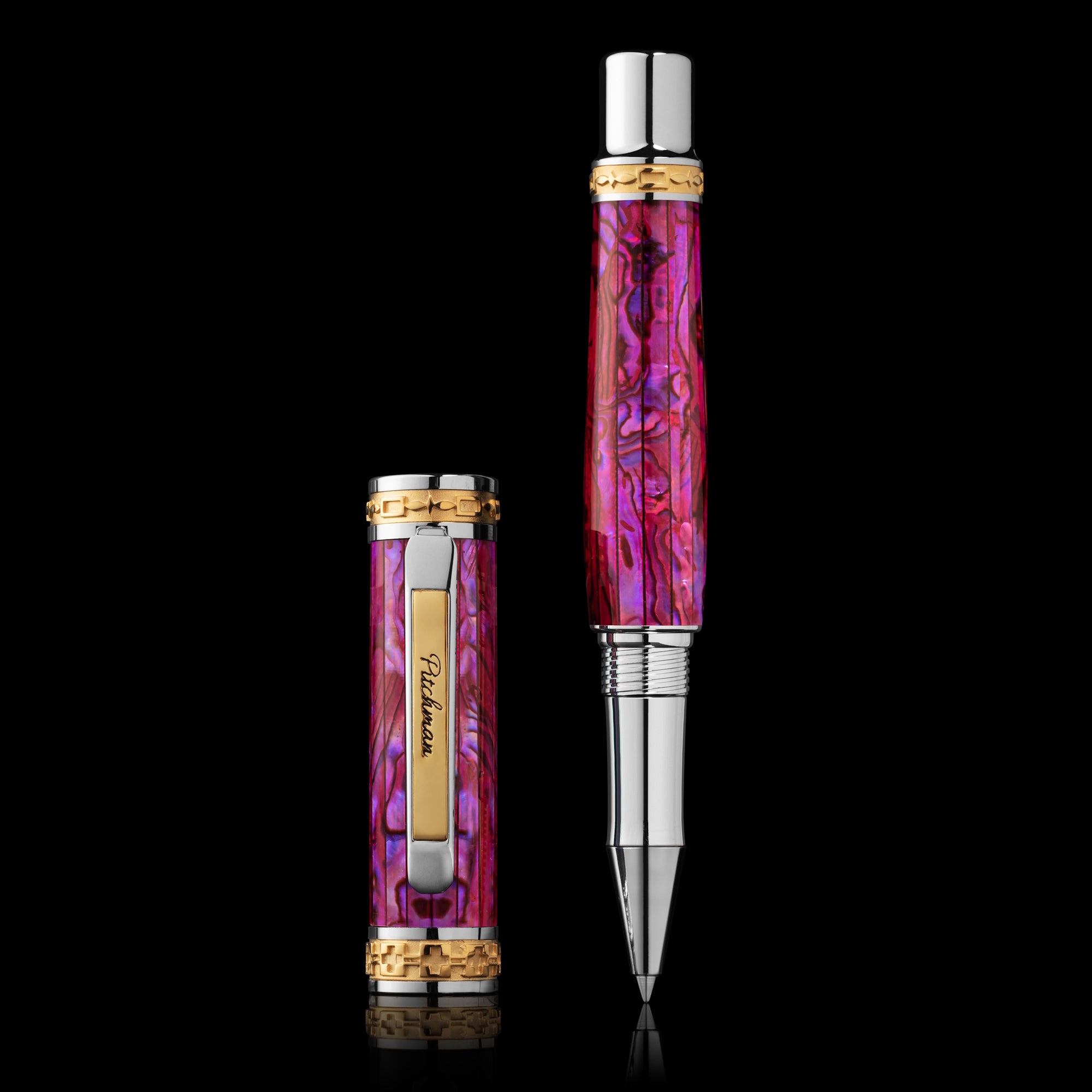
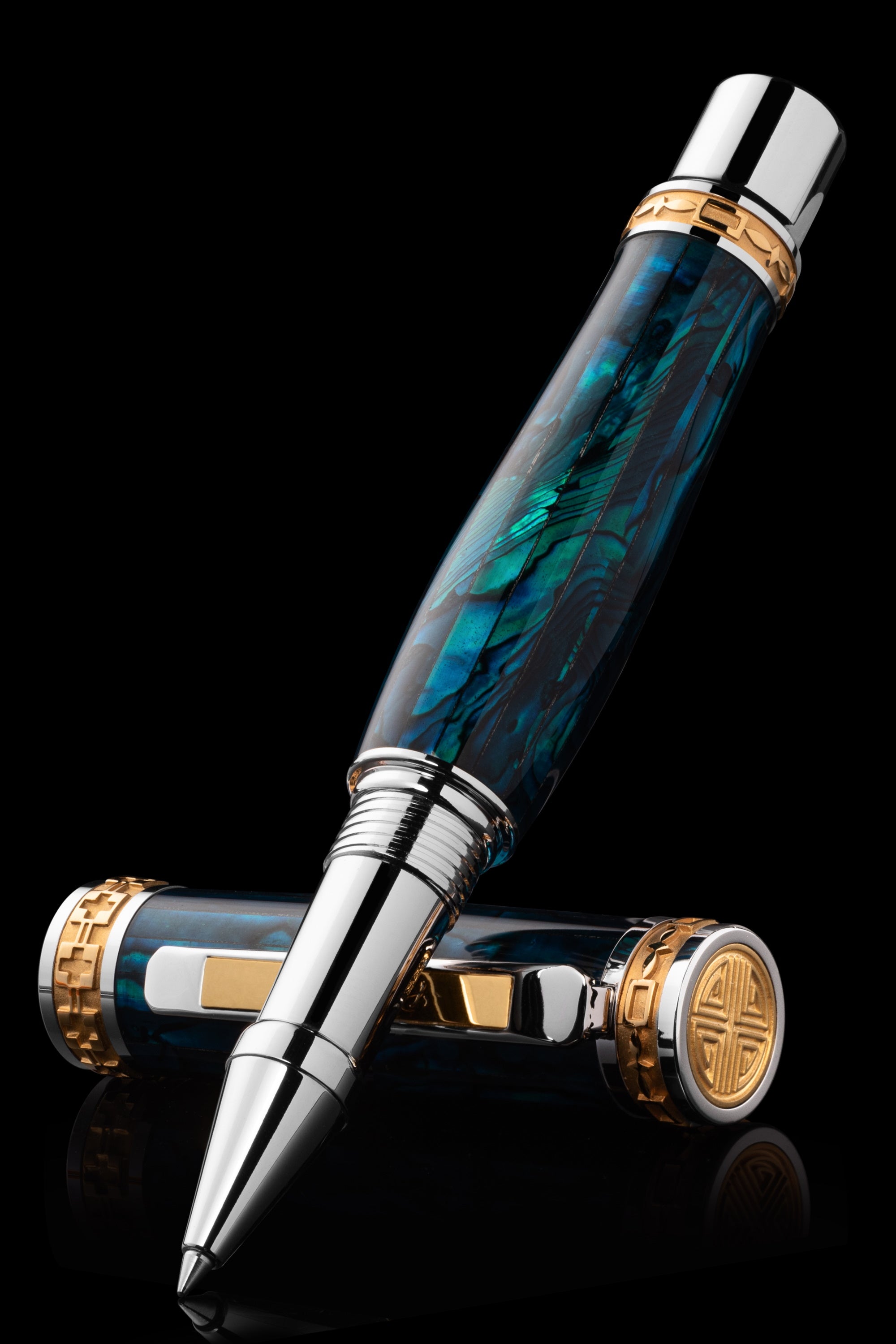
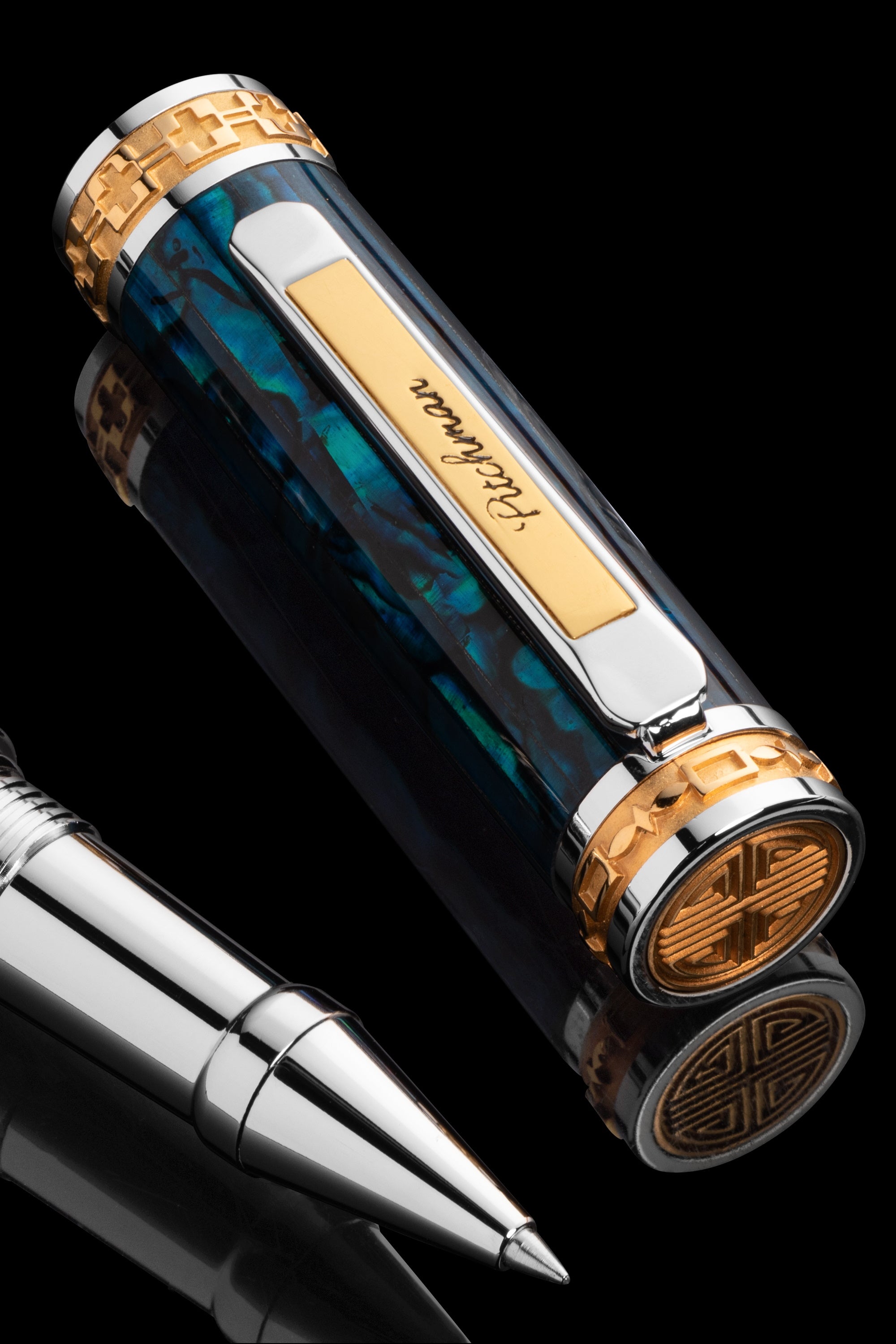
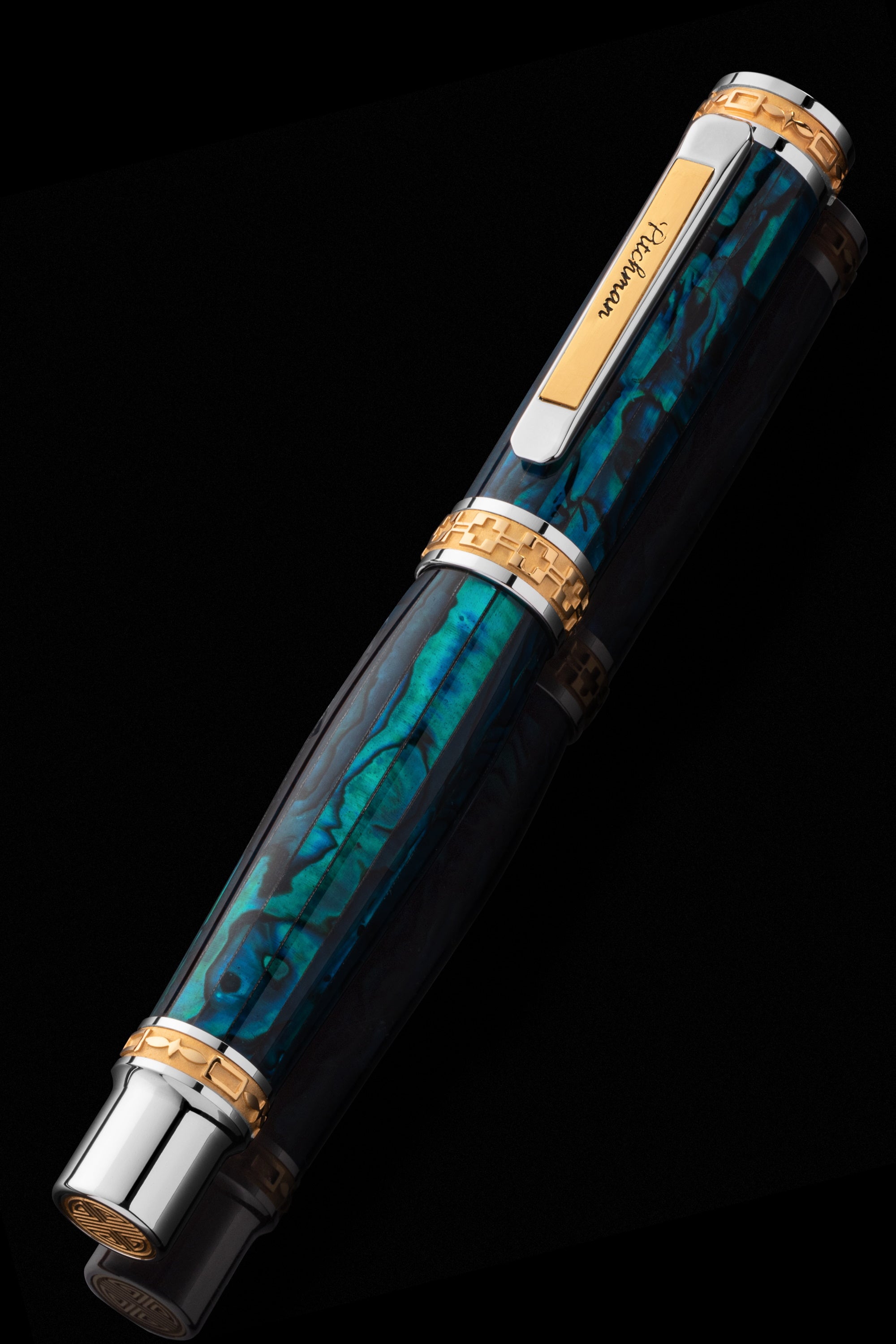
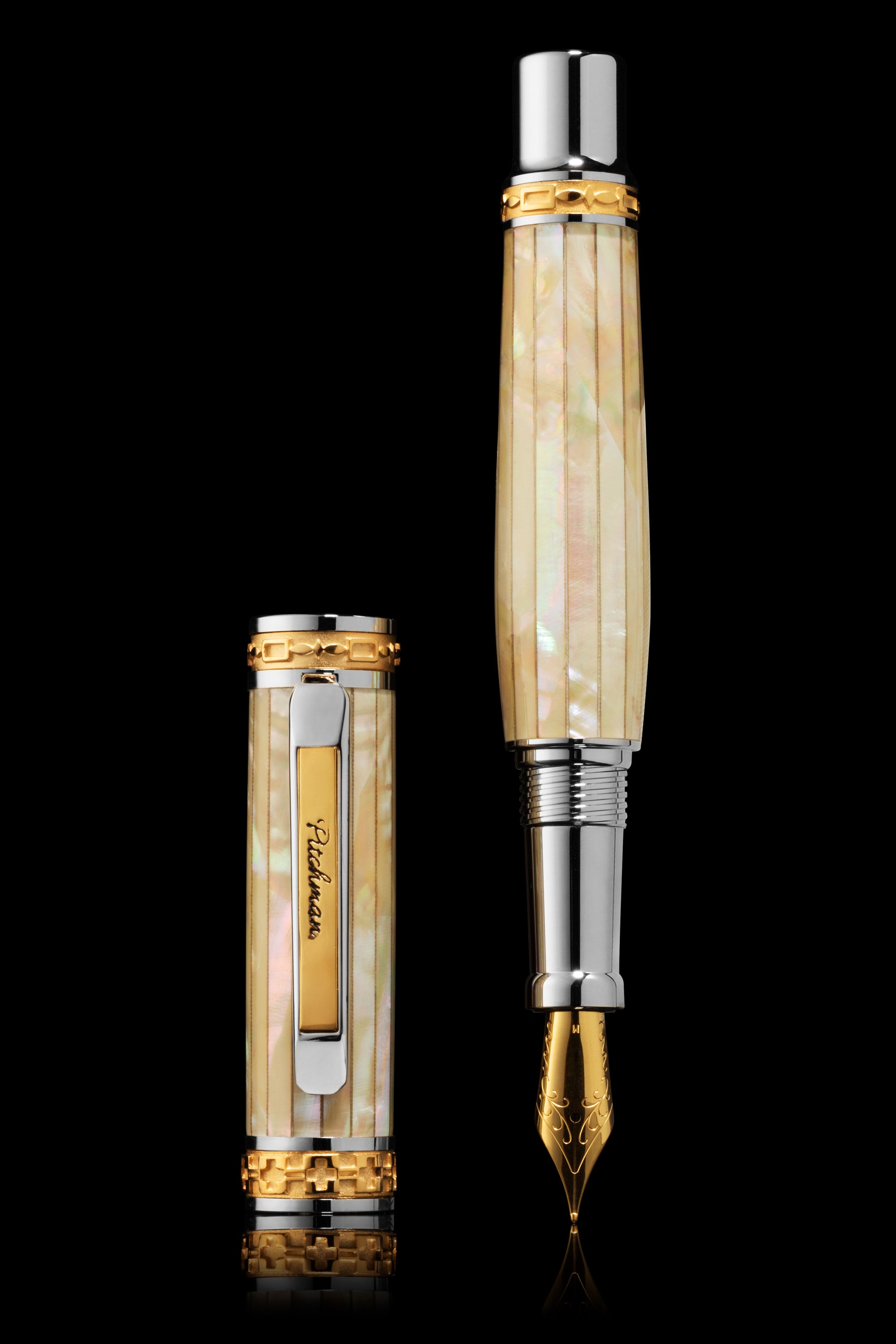
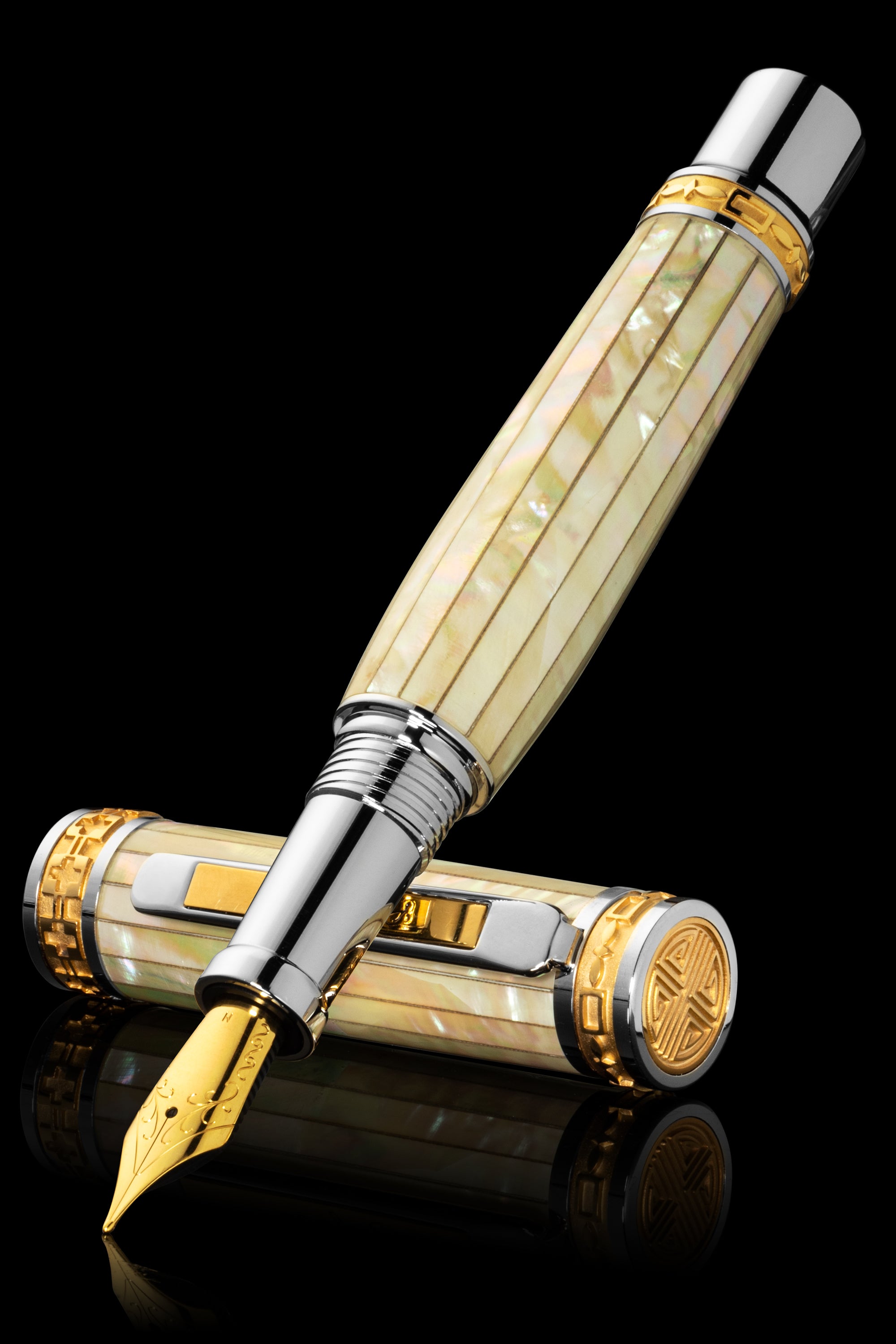
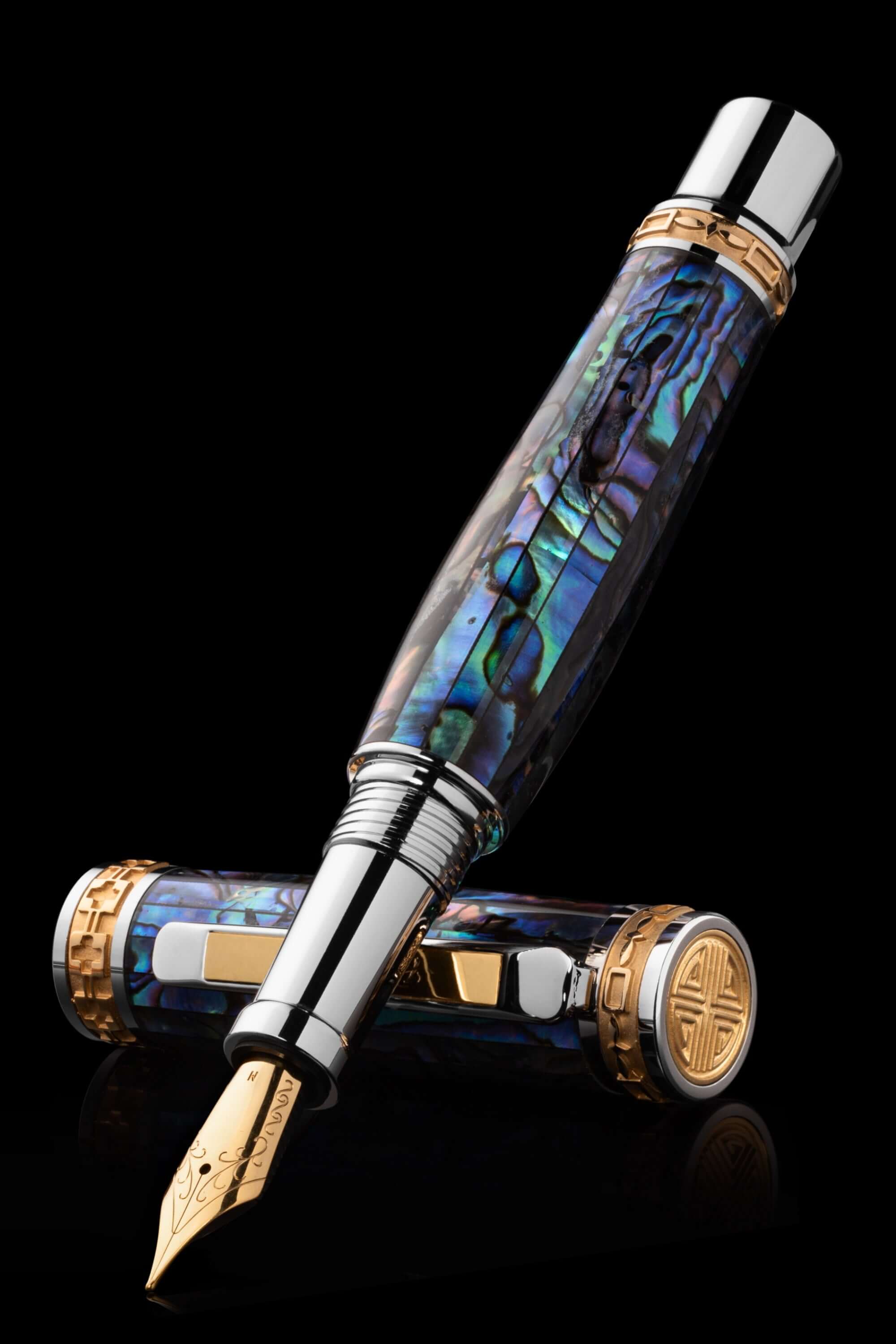
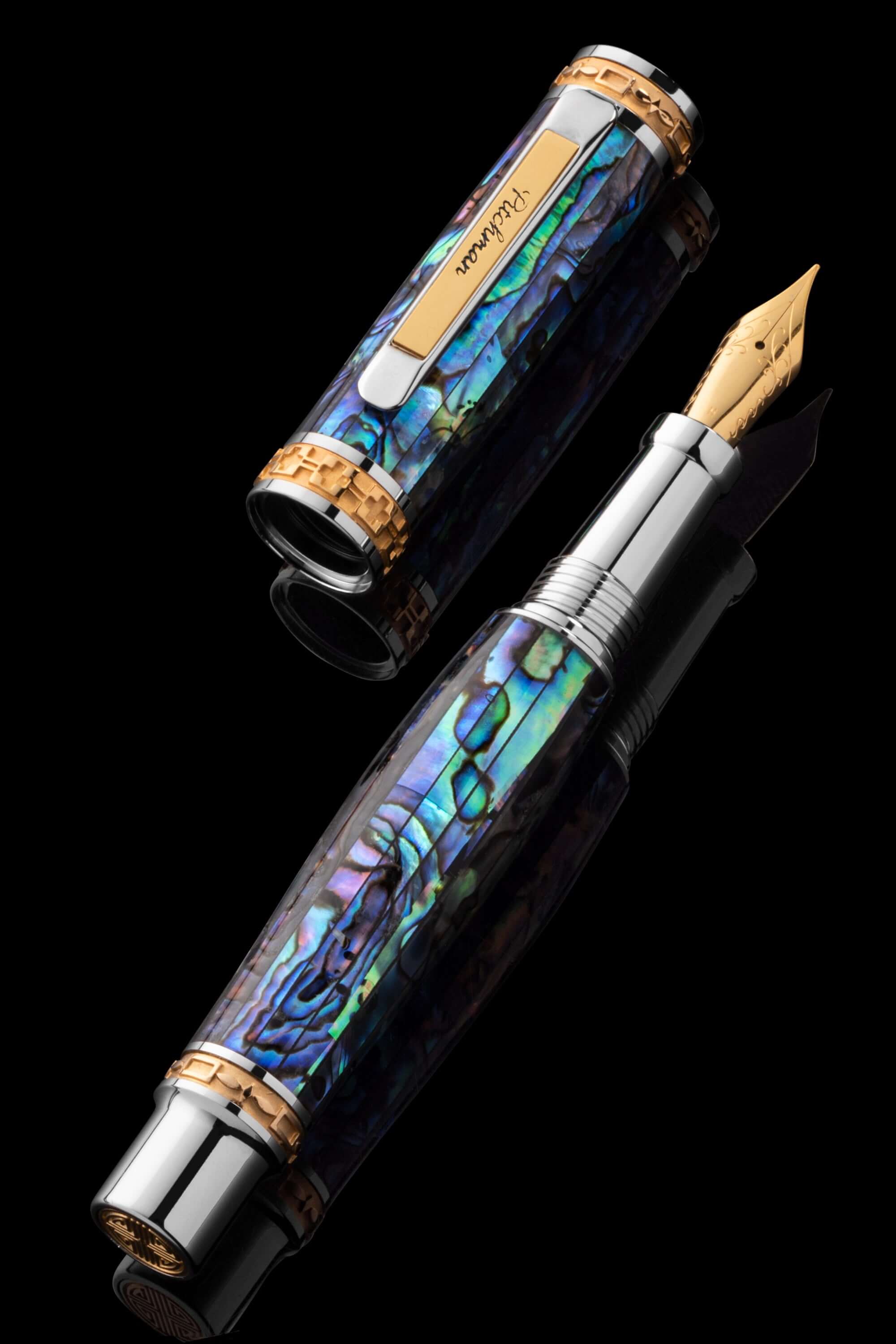
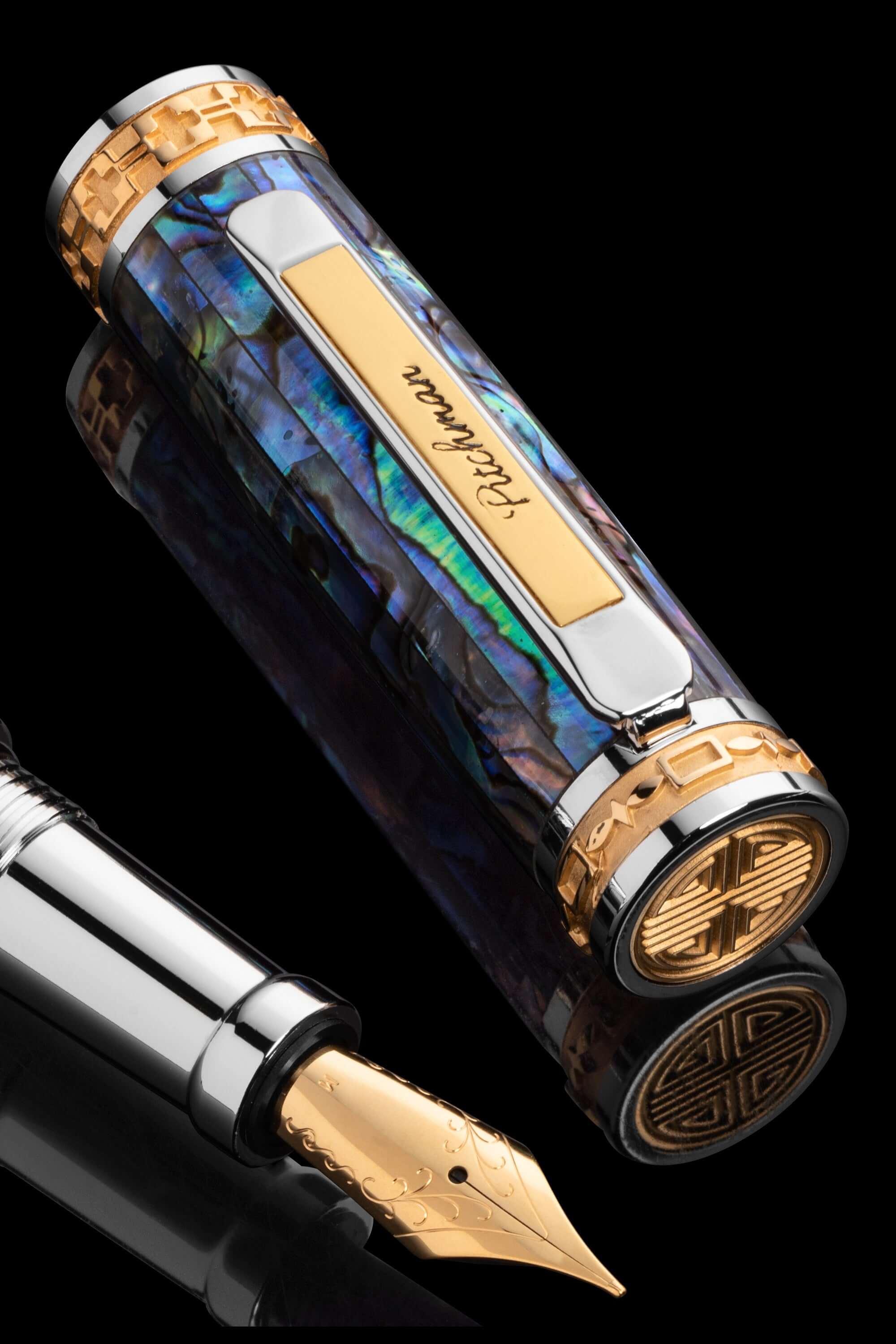
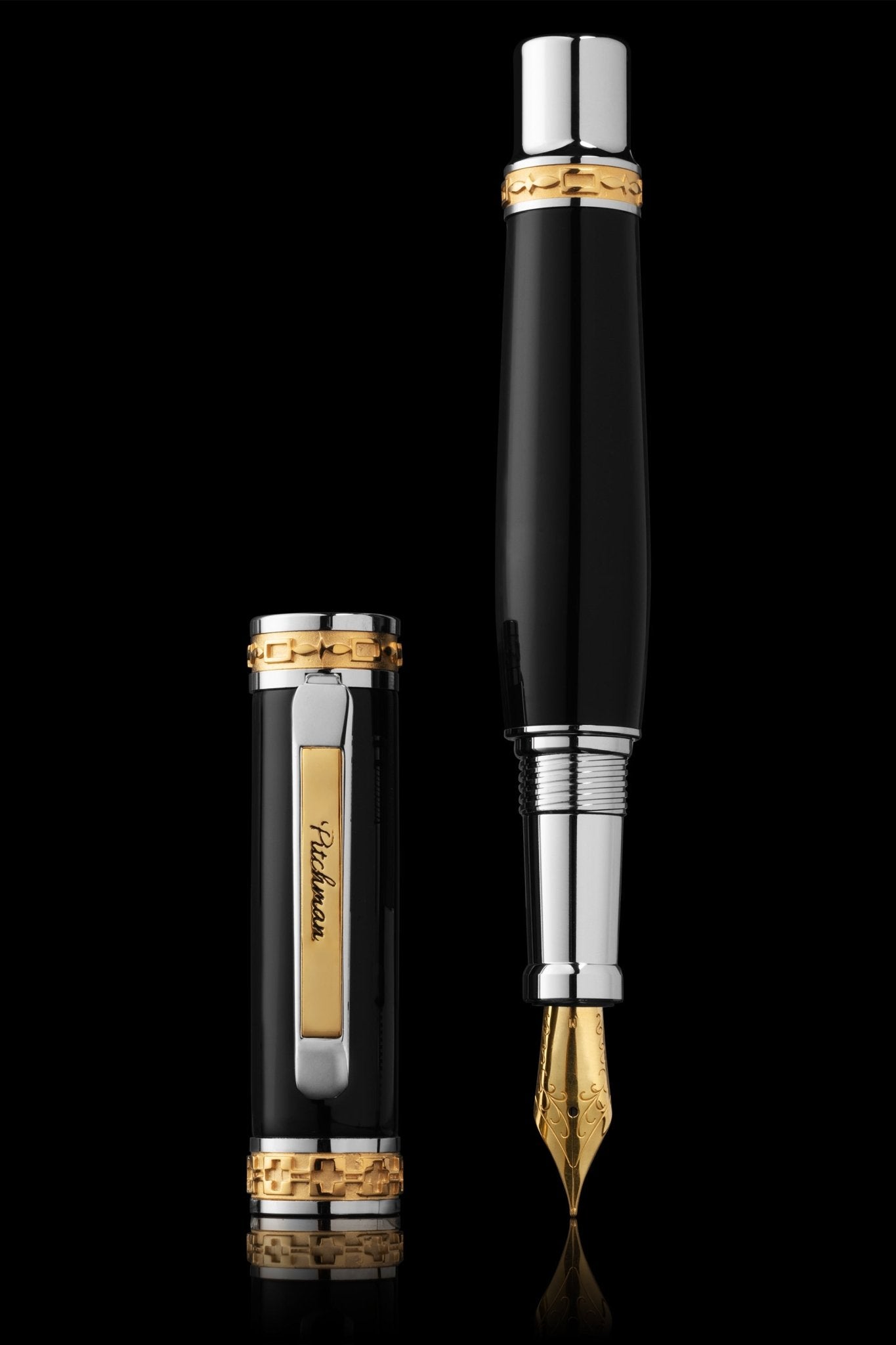
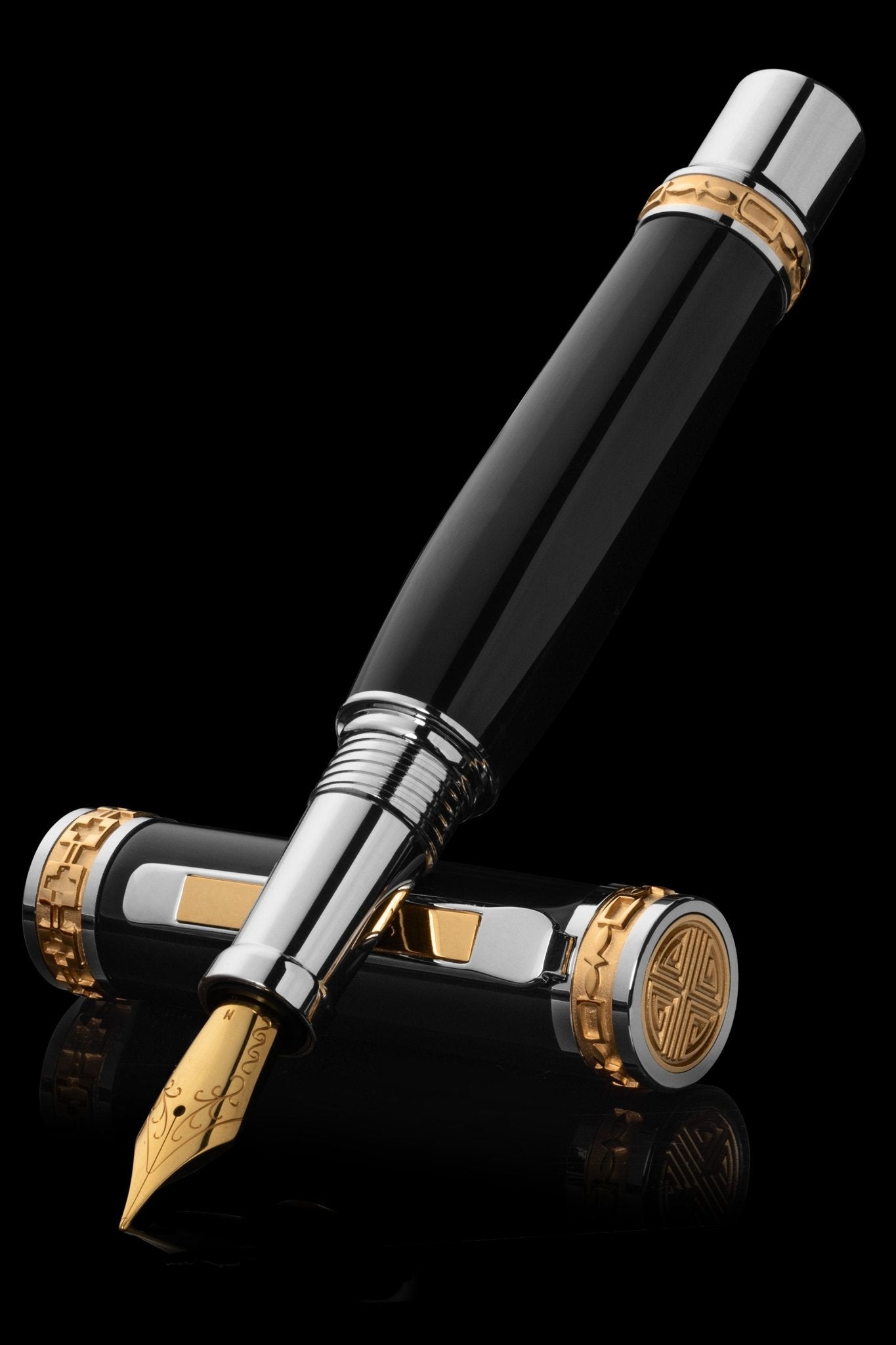
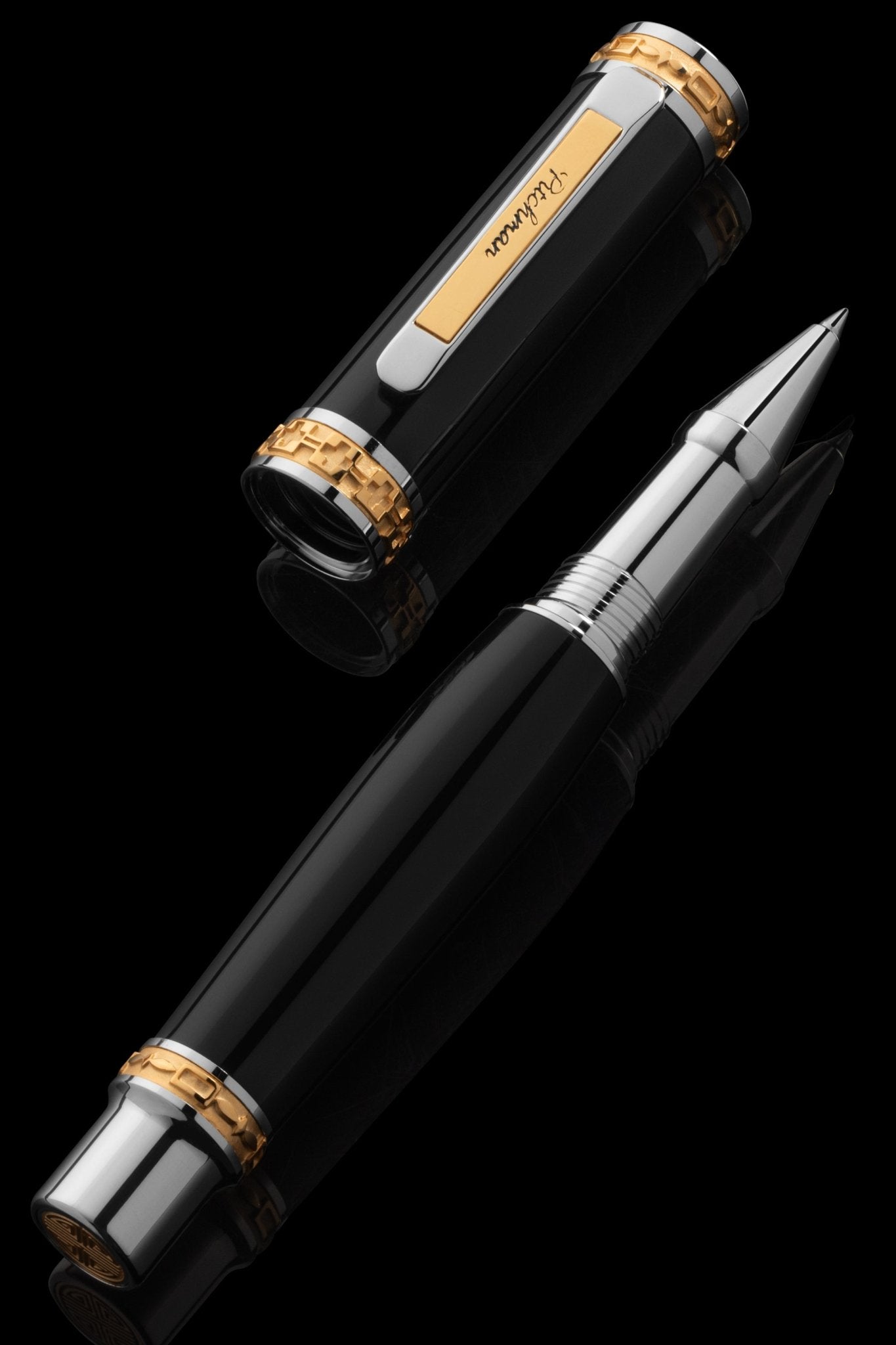
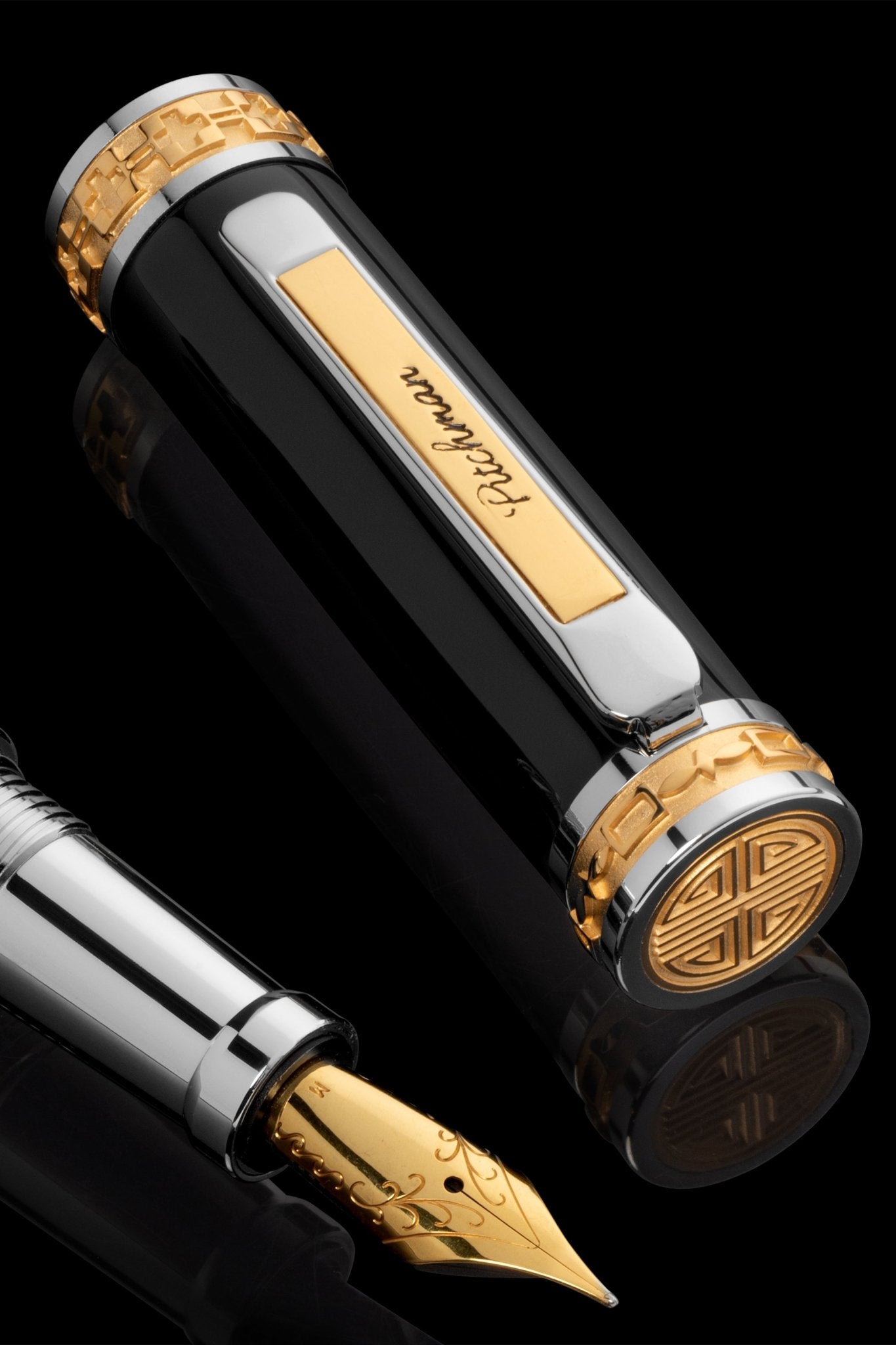
Some people also keep the pen they used to sign the register. Not as a keepsake in the traditional sense, but because it was part of the moment itself. It’s a small object, but it carries the memory of when everything became real.
These are the things that last. Not decorations or announcements, but the records and objects tied directly to the act of becoming Australian.
Choosing Something Appropriate to the Moment
Not every important moment calls for something elaborate. Becoming Australian is meaningful on its own, so anything associated with it should feel fitting, not overdone.
What tends to work best is something useful, simple, and tied to the moment itself. Objects that are connected to what actually happened that day often feel more appropriate than items chosen purely for display.
It’s also worth thinking about timing. Some things make sense during the ceremony. Others are better given quietly afterwards. There’s no expectation, and there’s no need to force a gesture. The meaning is already there.
Above all, whatever is chosen should respect the seriousness of the moment without making it feel heavy. The goal isn’t to impress. It’s to acknowledge the step that was taken and the responsibility that comes with it.
Writing Instruments Chosen for the Moment
The act of becoming Australian is marked with words spoken and a name signed. That makes the writing instrument part of the moment itself, not something added later.
The writing instruments below are selected for moments like this — where something important is recorded, not just remembered. They are suited to occasions that carry meaning, responsibility, and permanence.
These are not chosen for decoration or display. They are chosen because they are meant to be used, kept, and returned to over time, long after the day has passed.