Why Choose a Pitchman Fountain Pen?
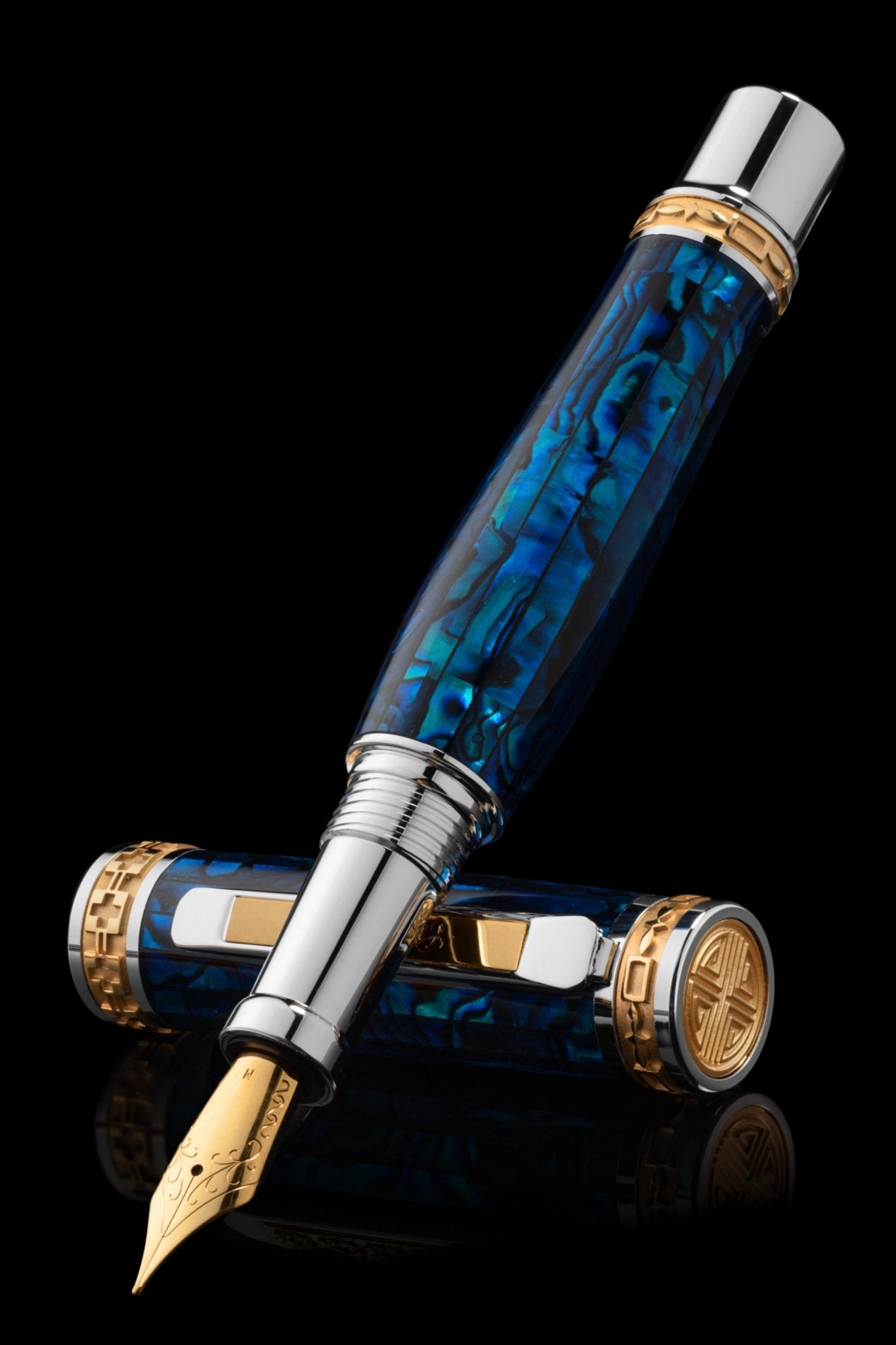
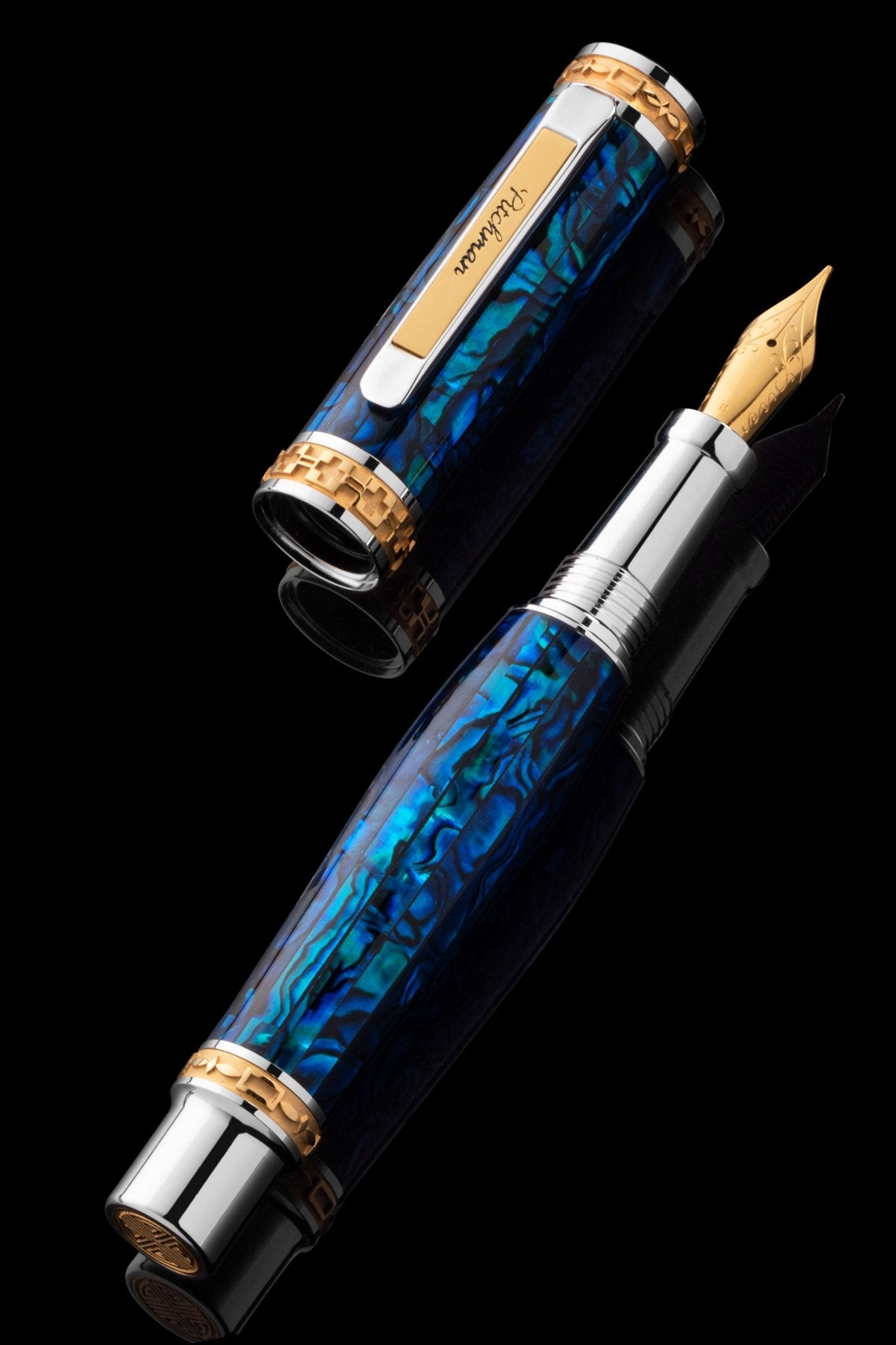
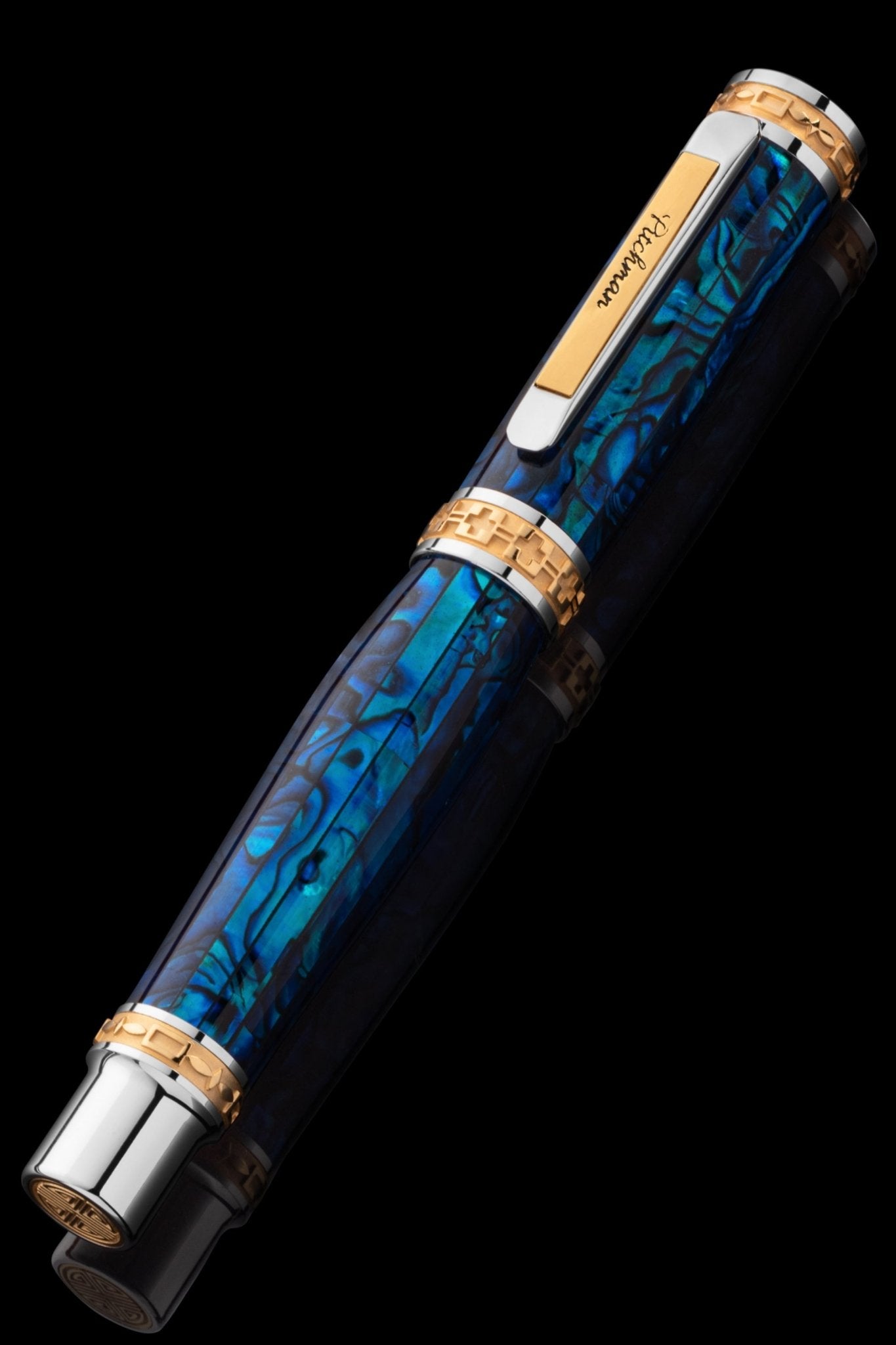
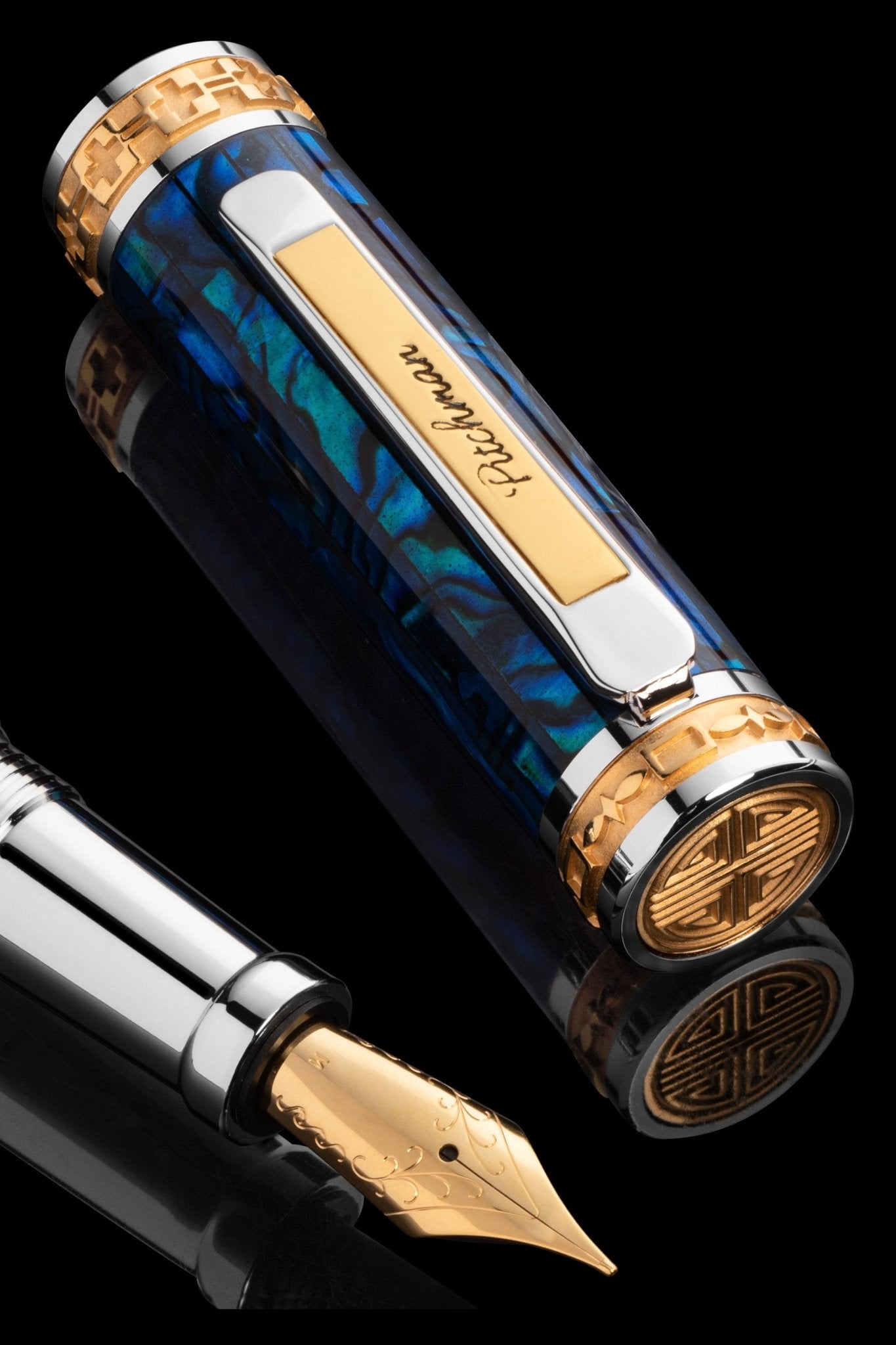
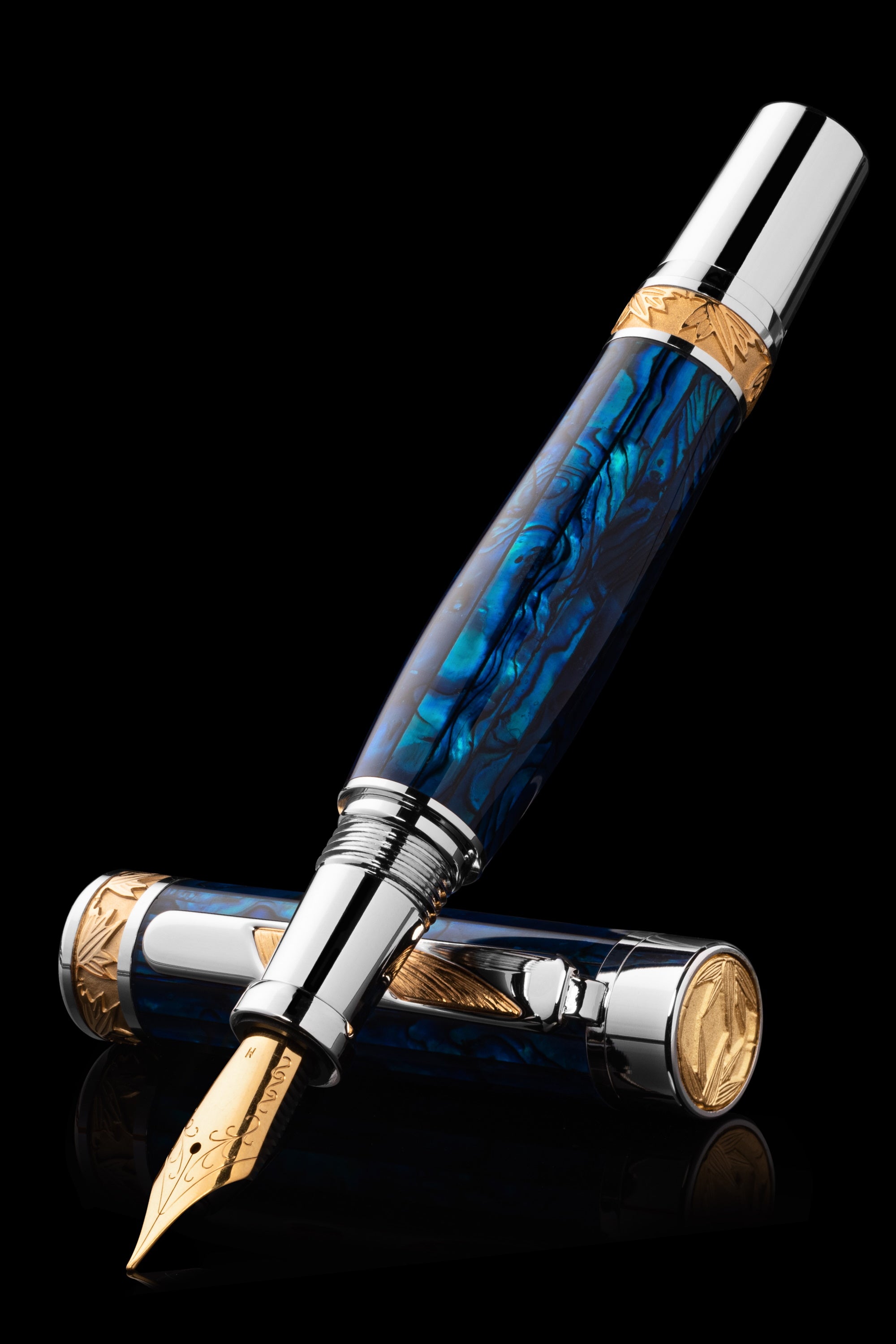
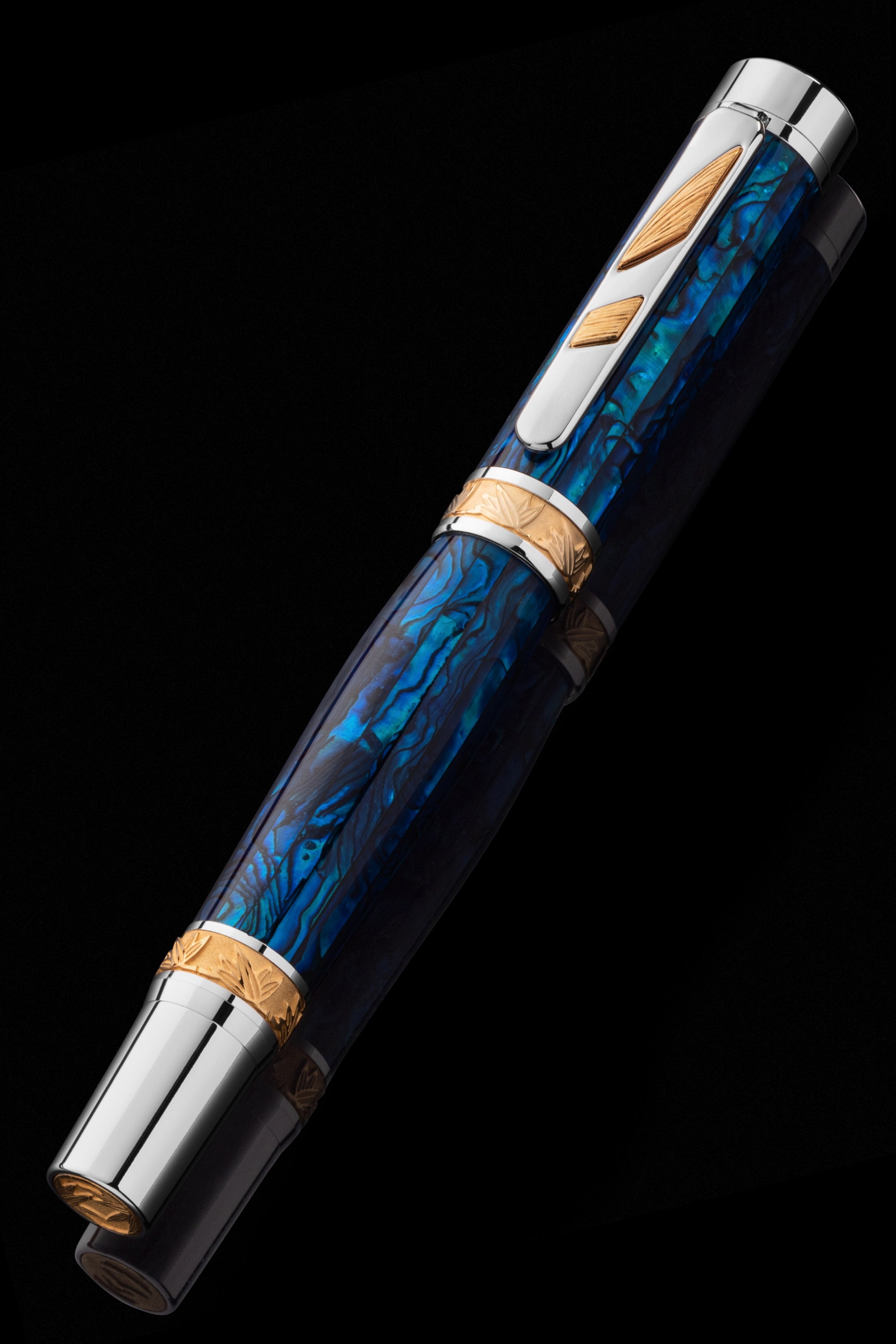
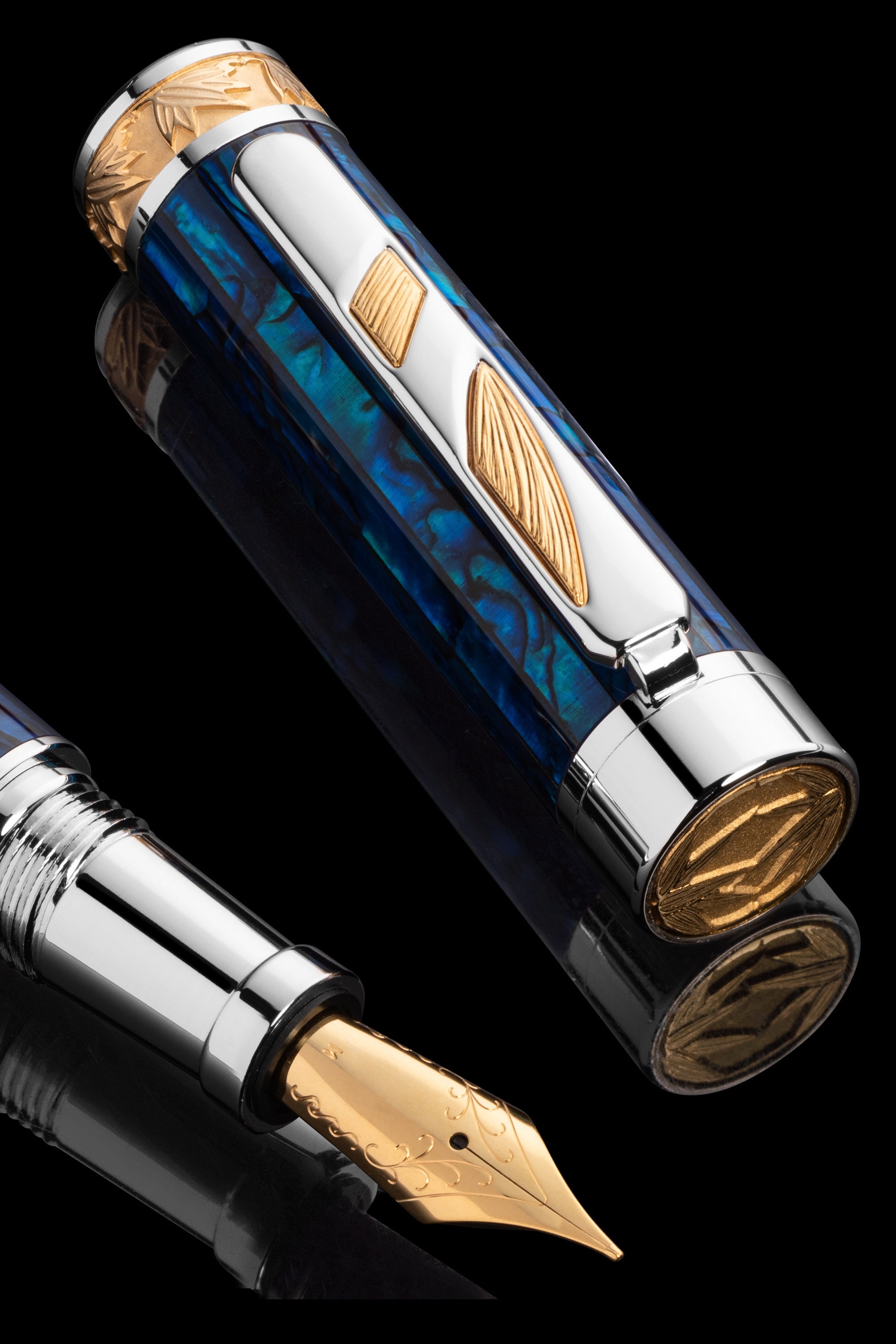
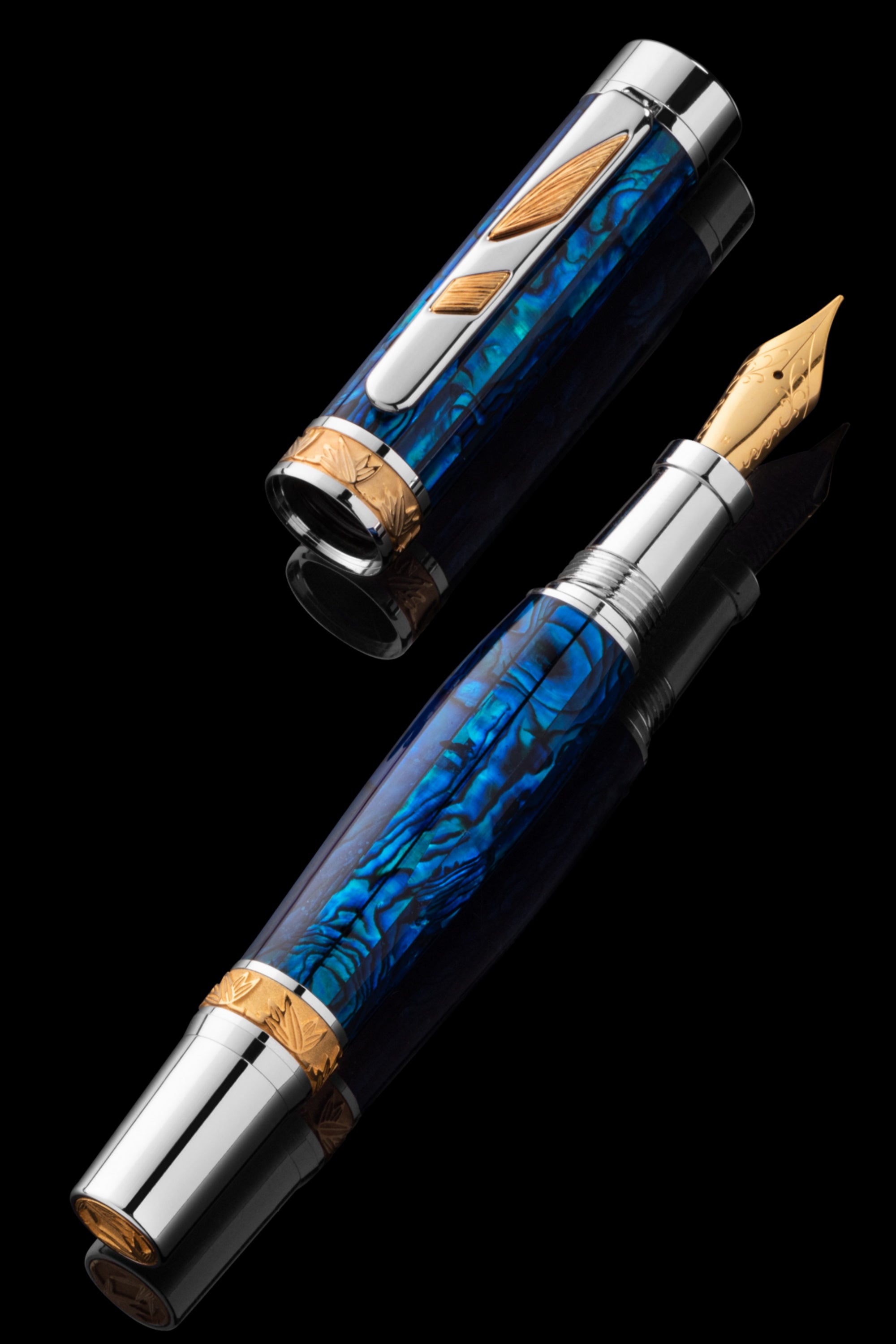
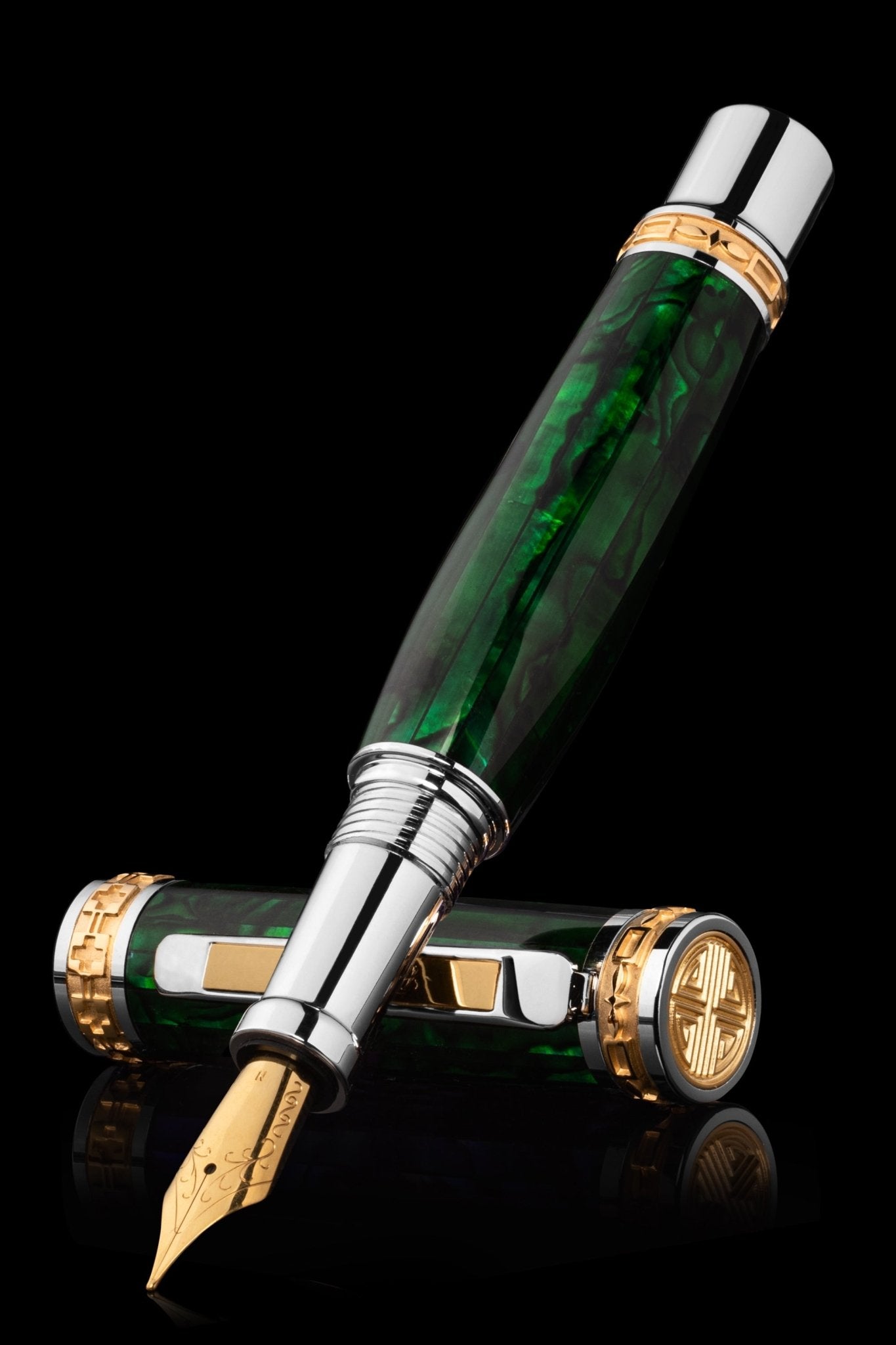
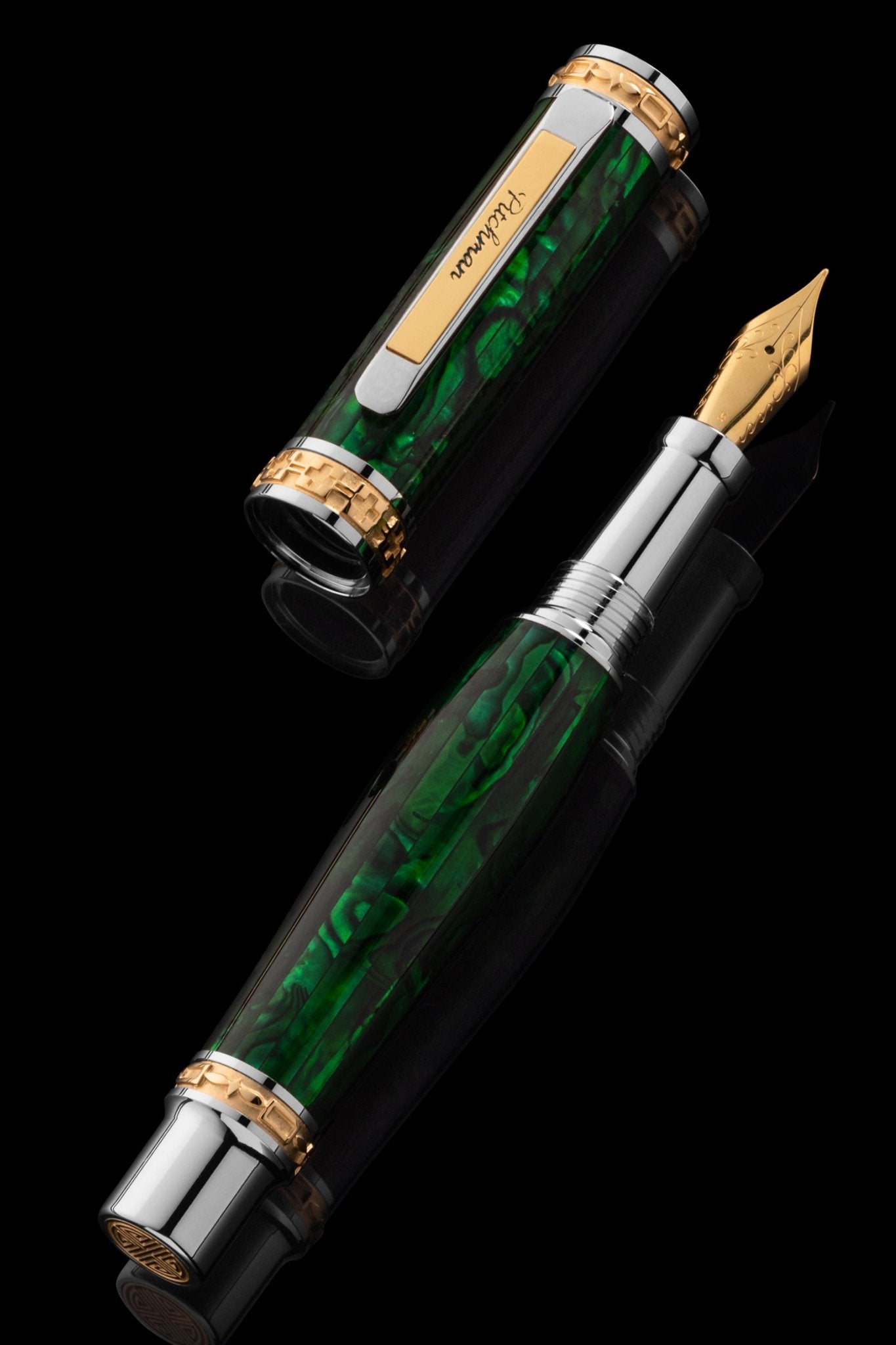
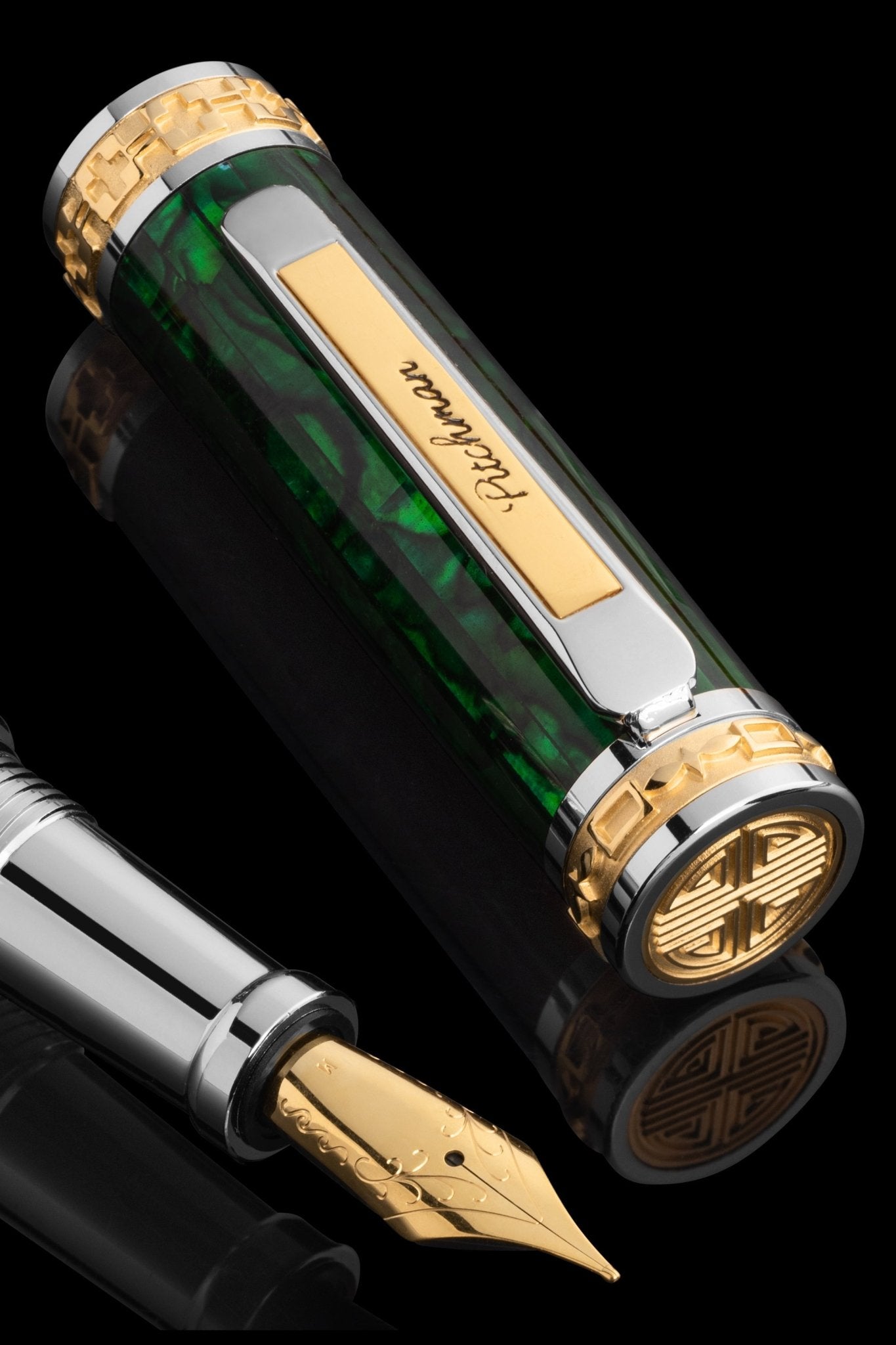
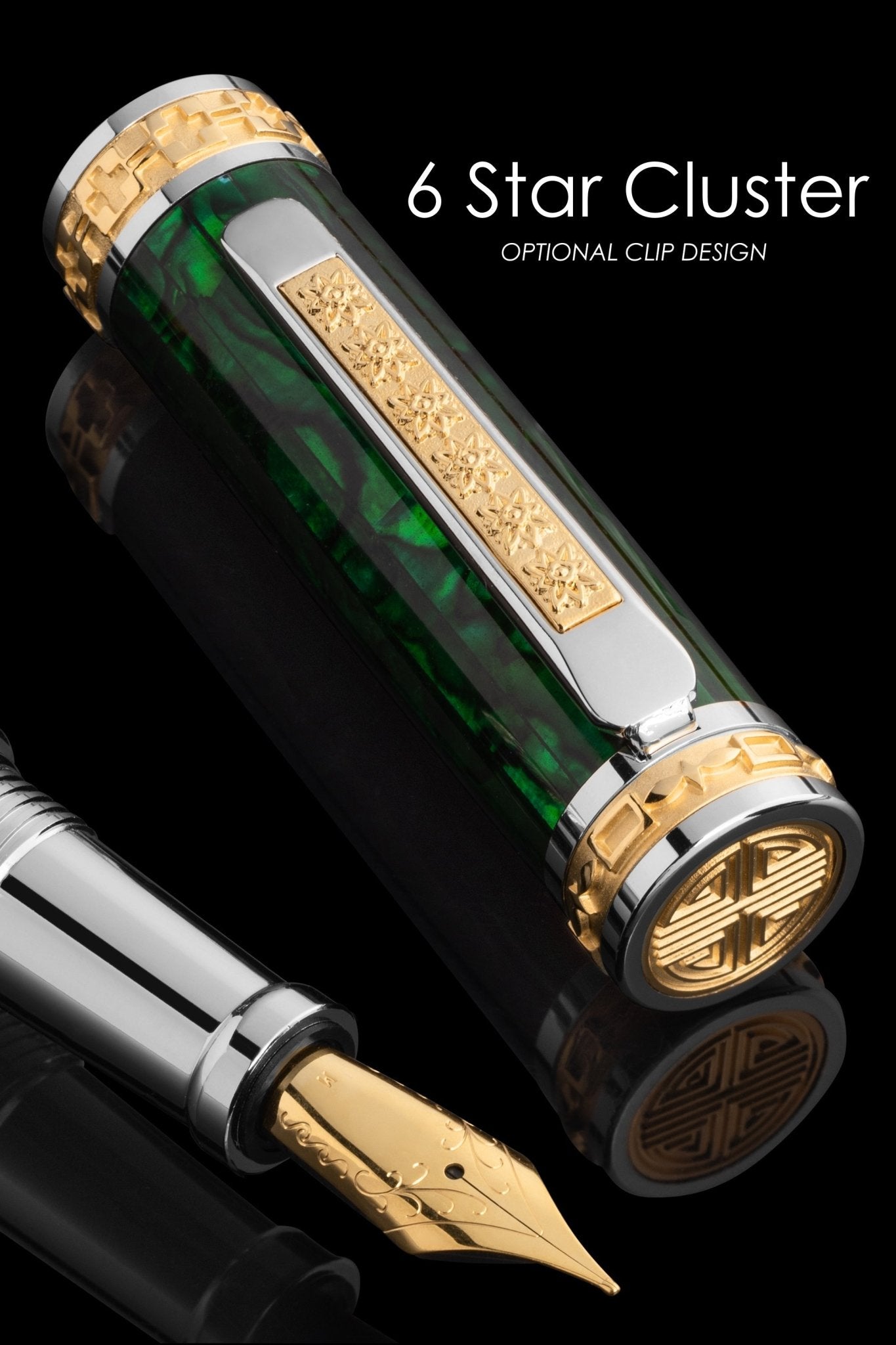
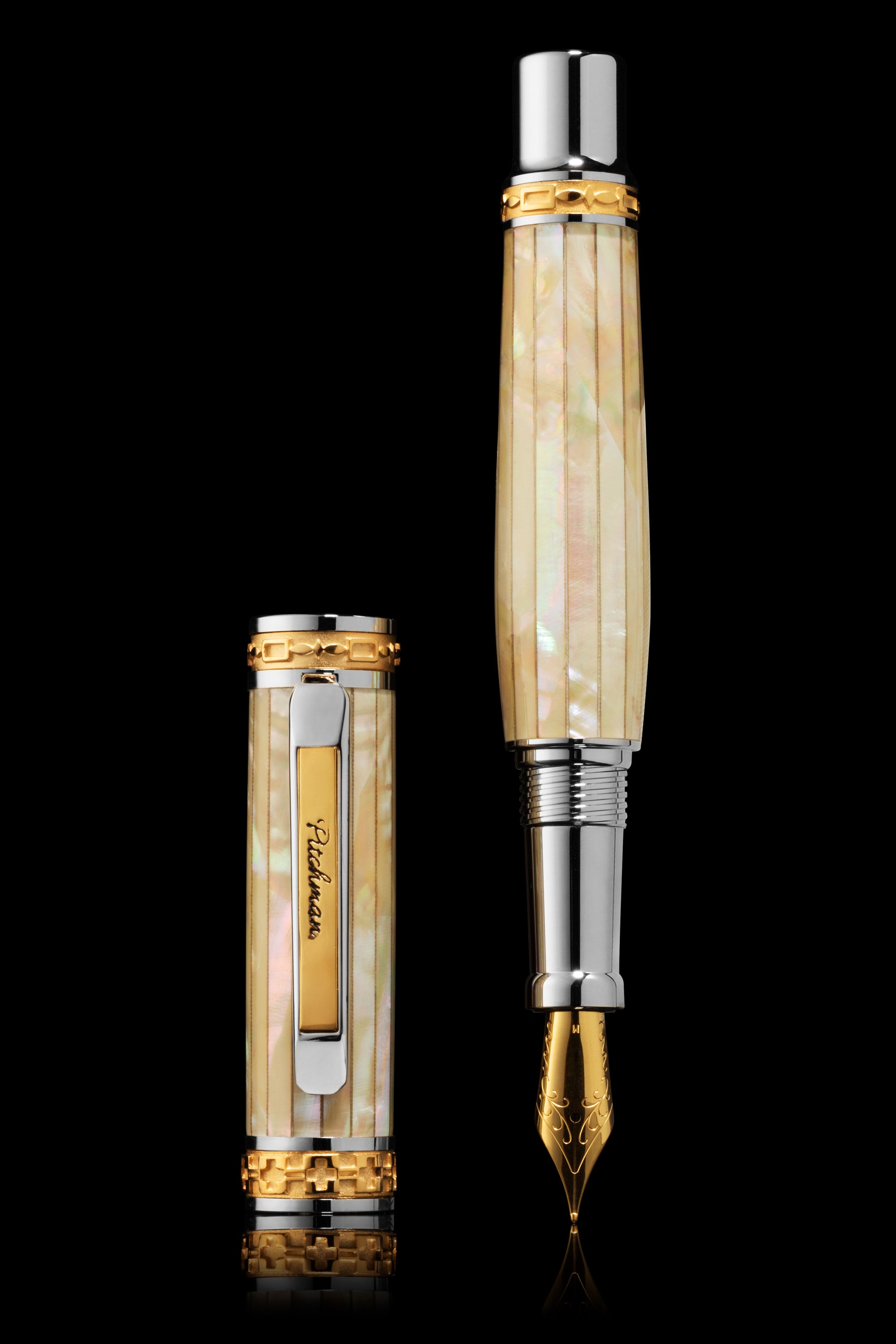
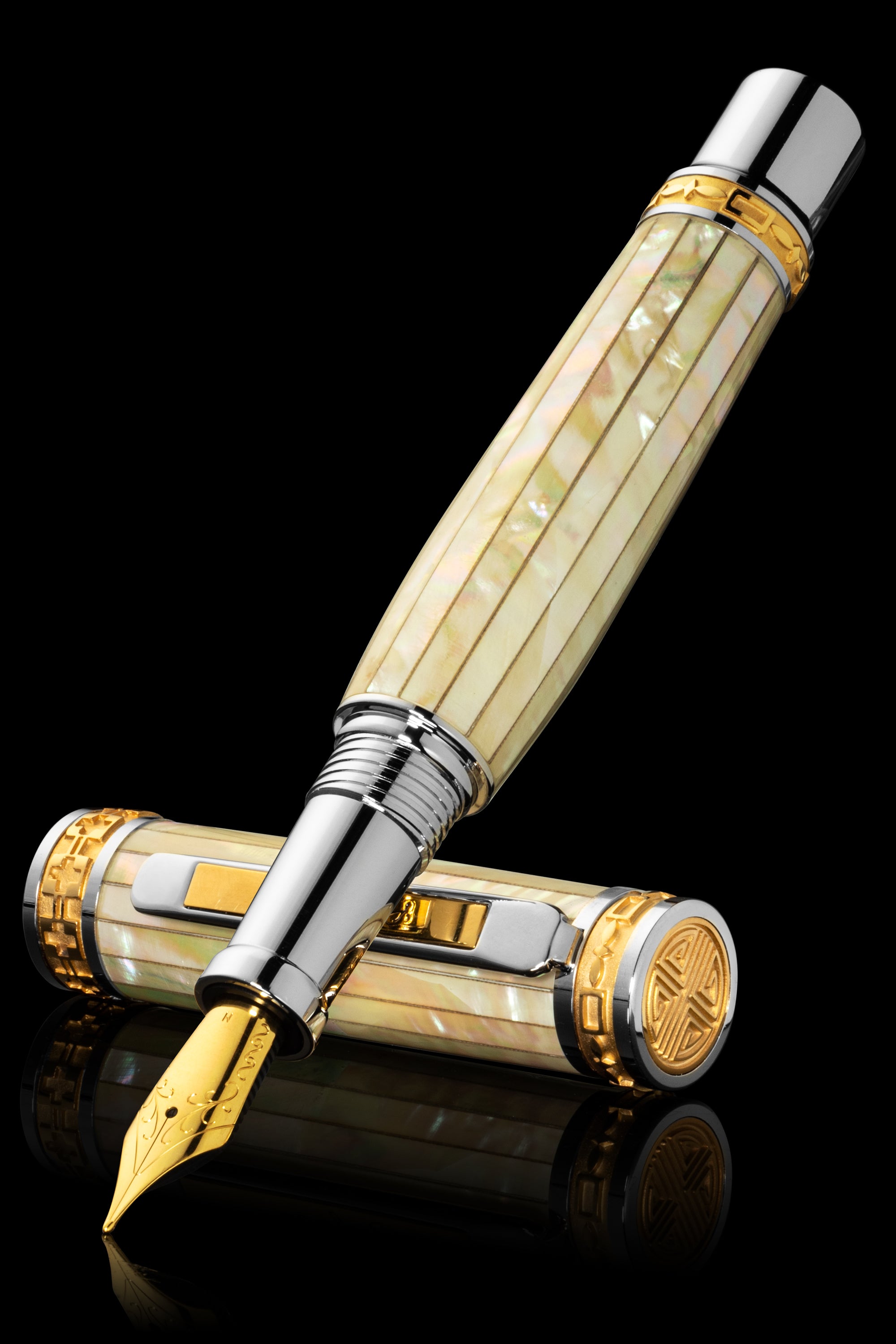
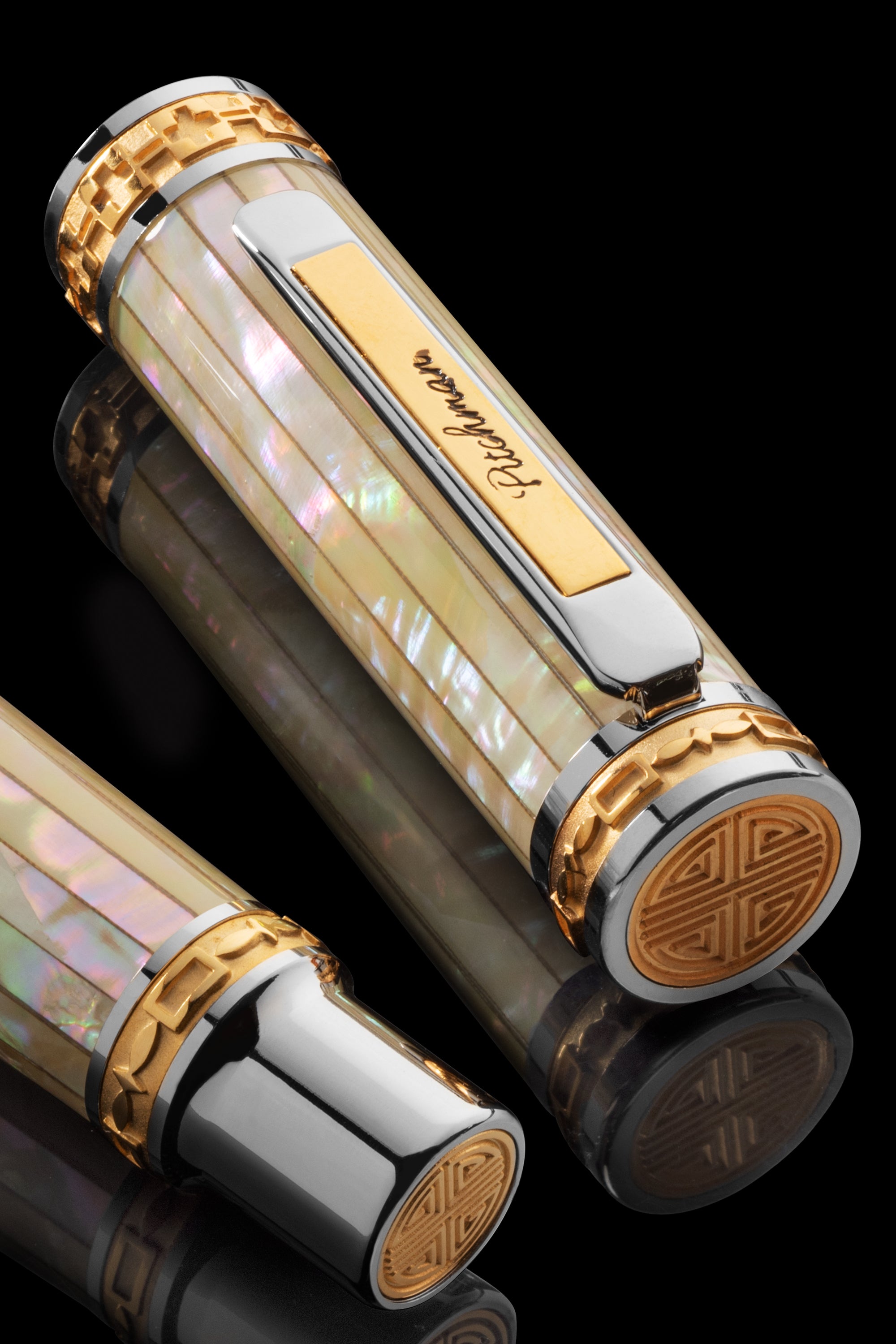
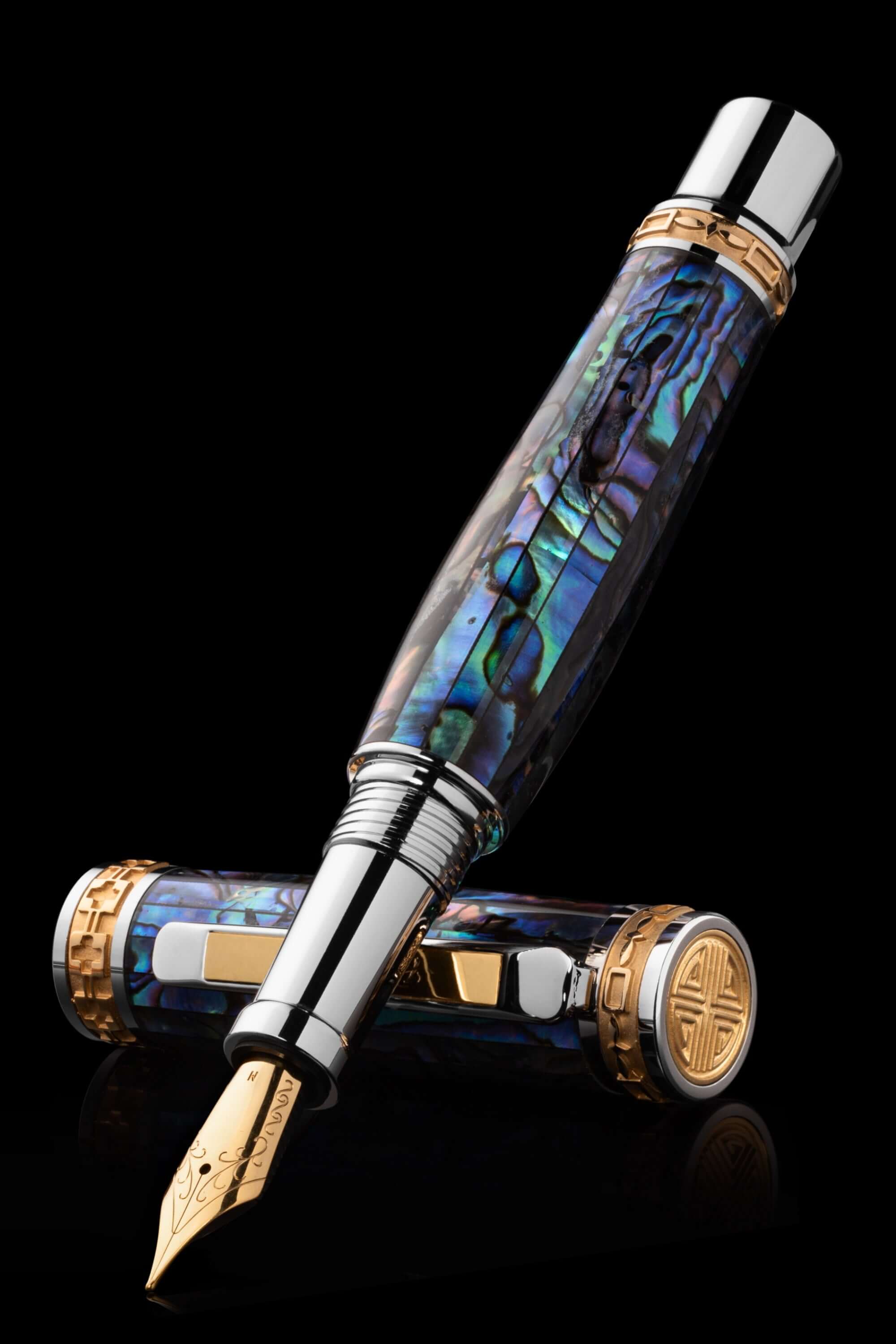
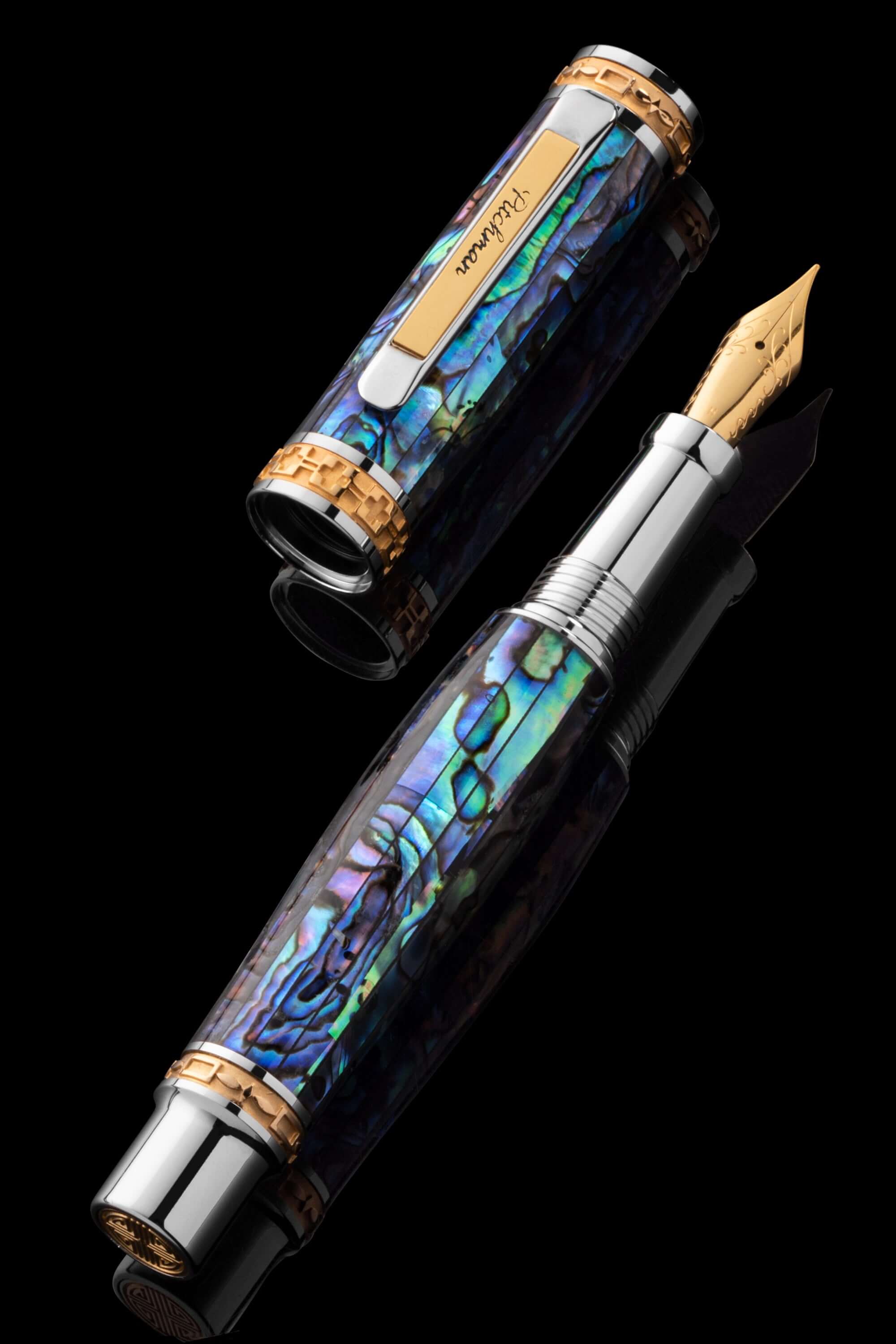
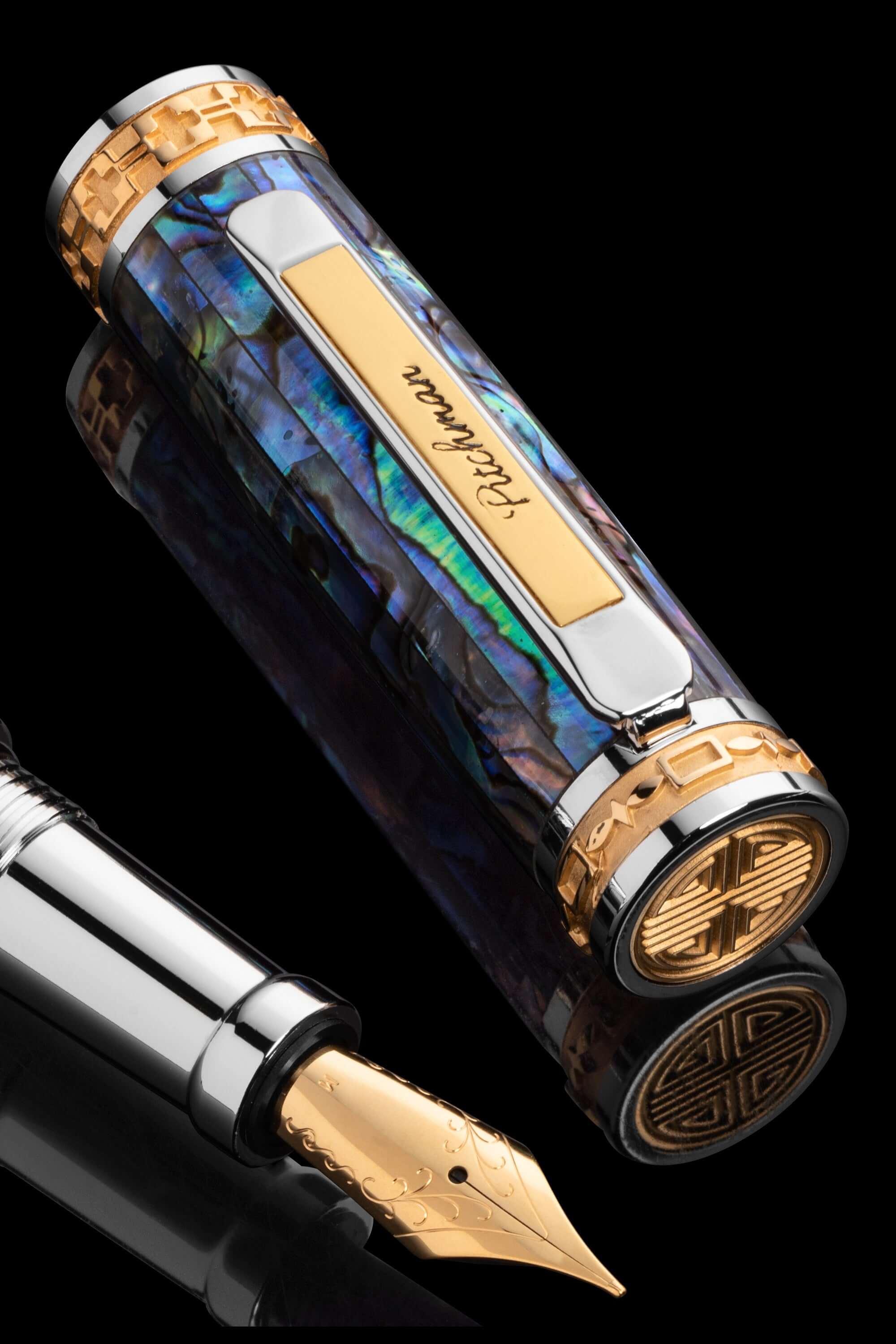
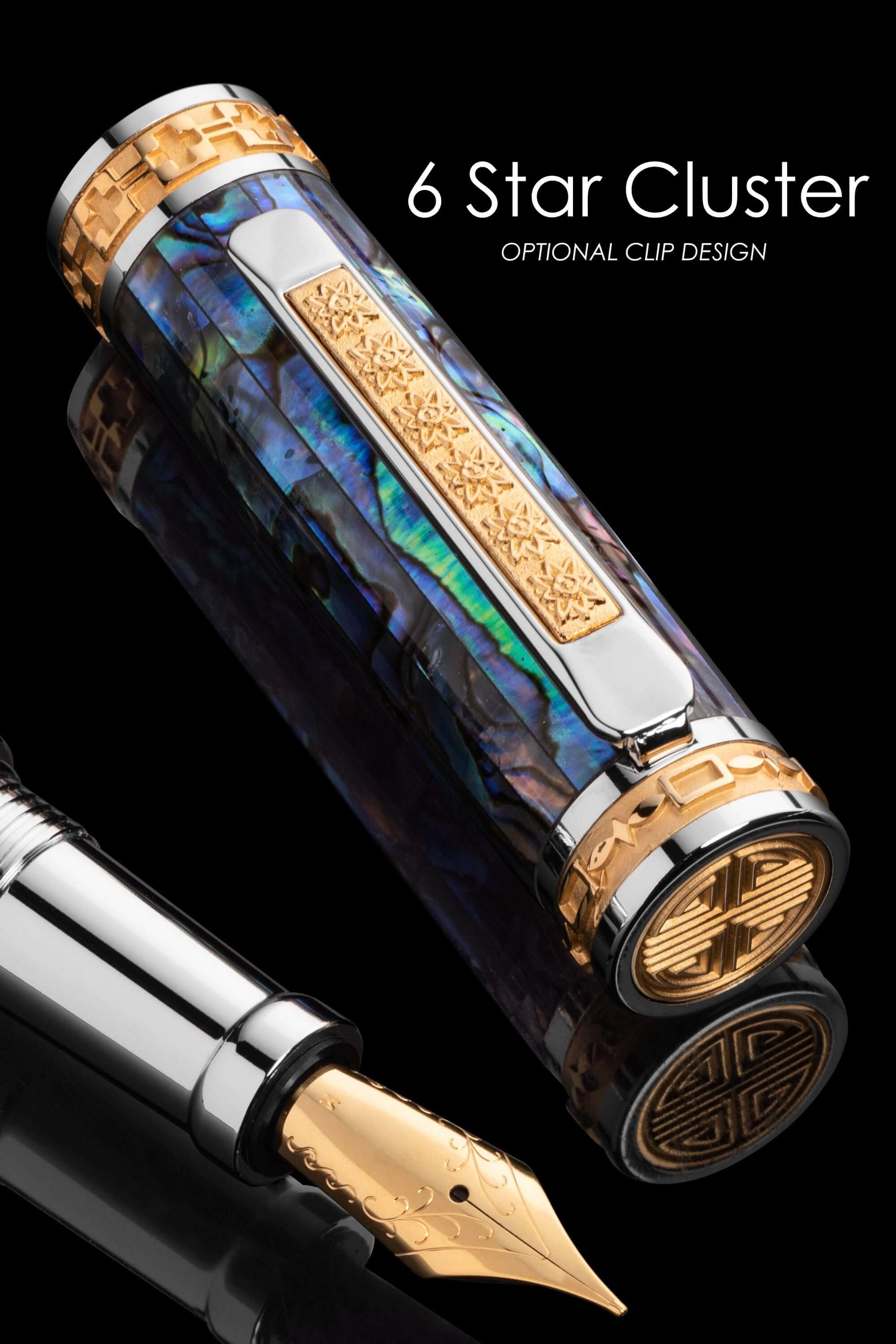
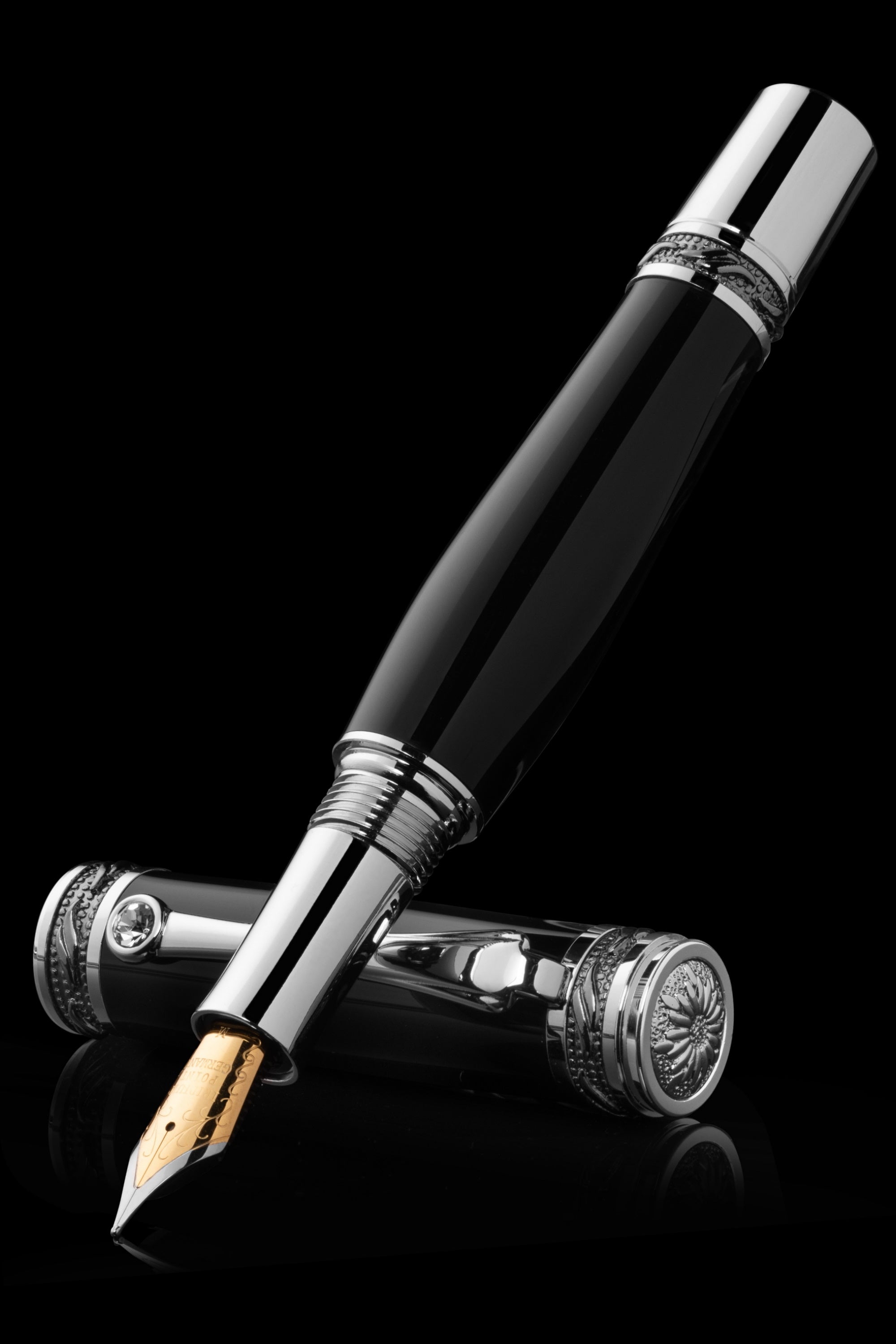
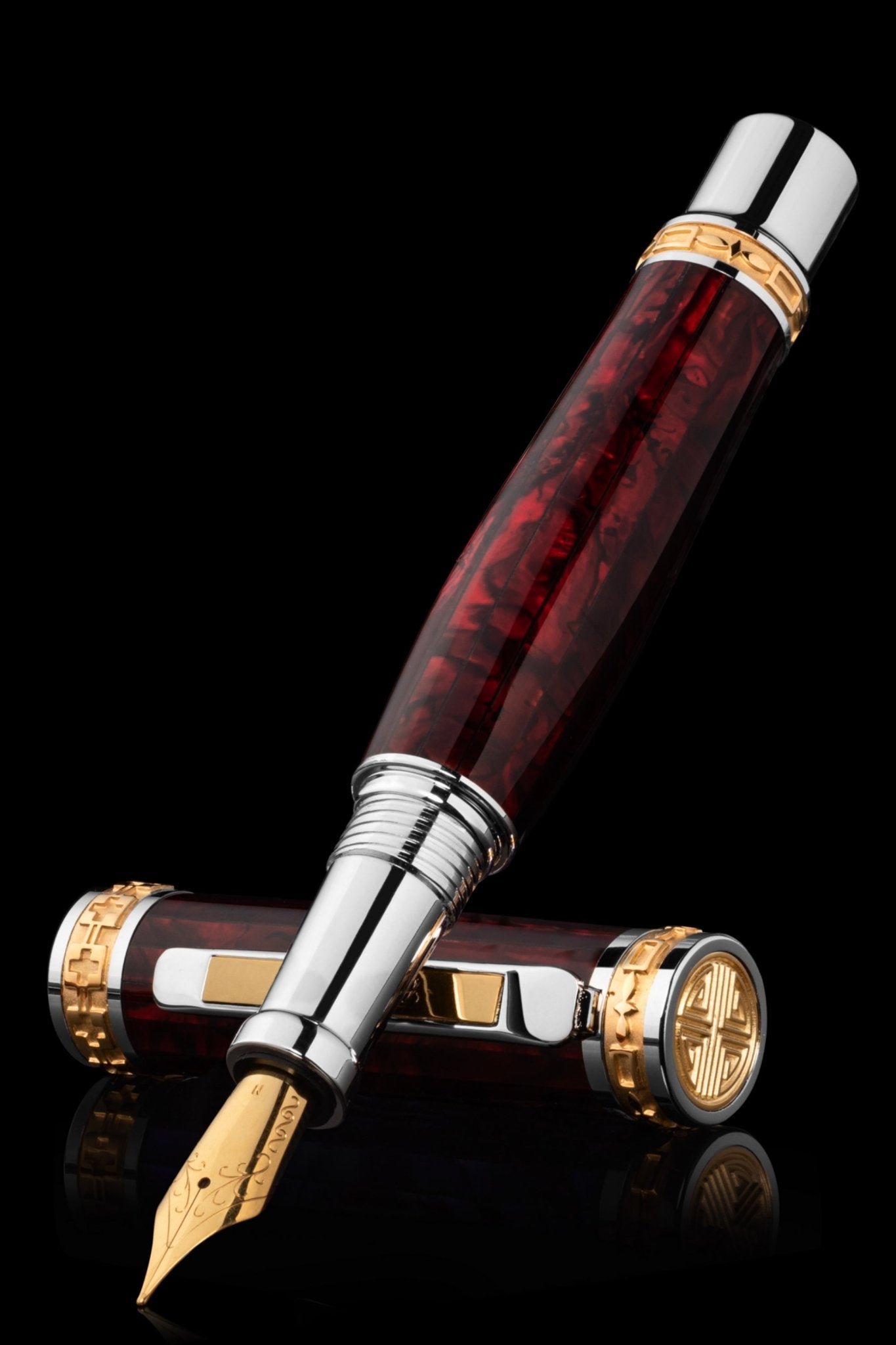
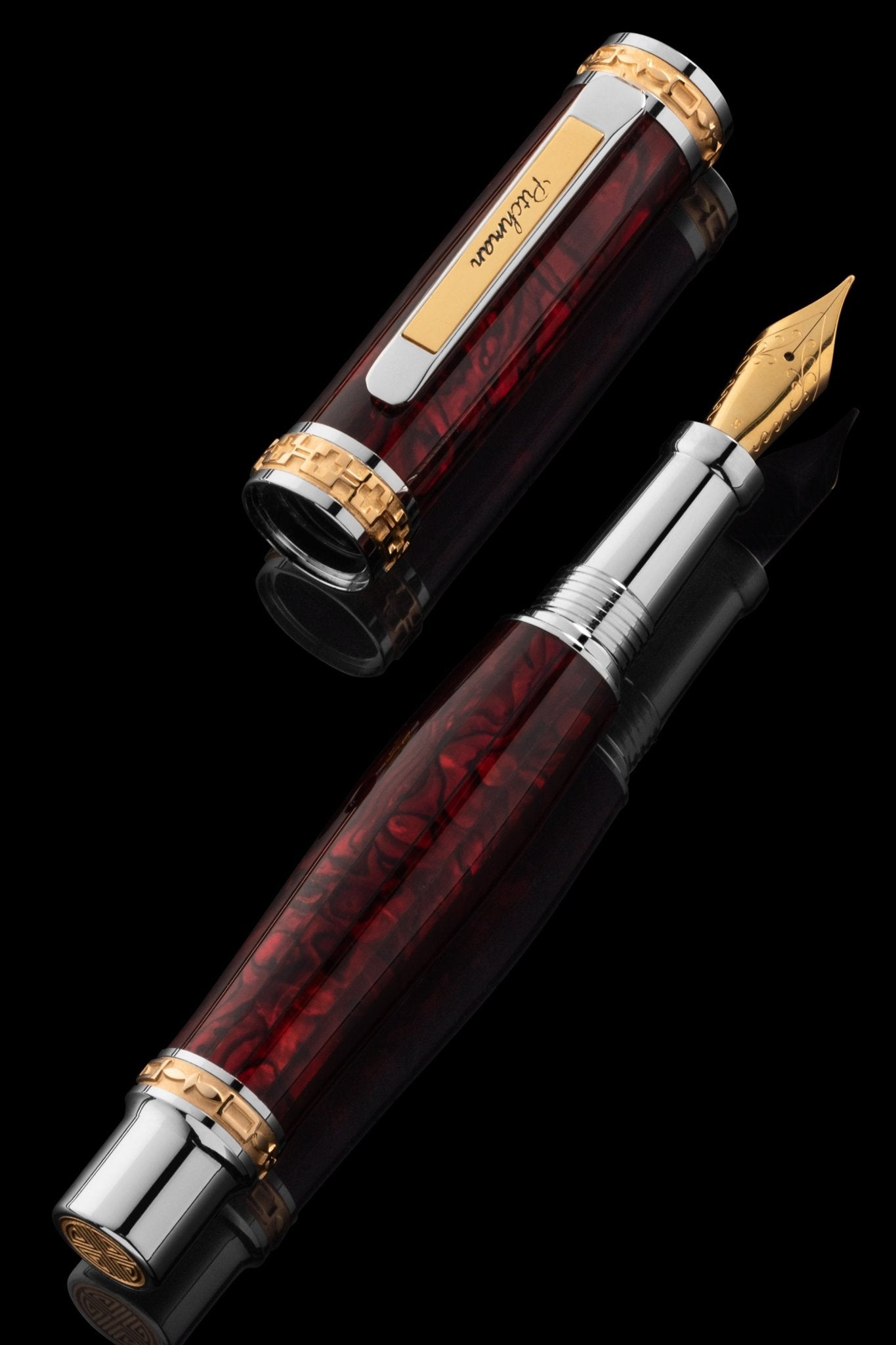
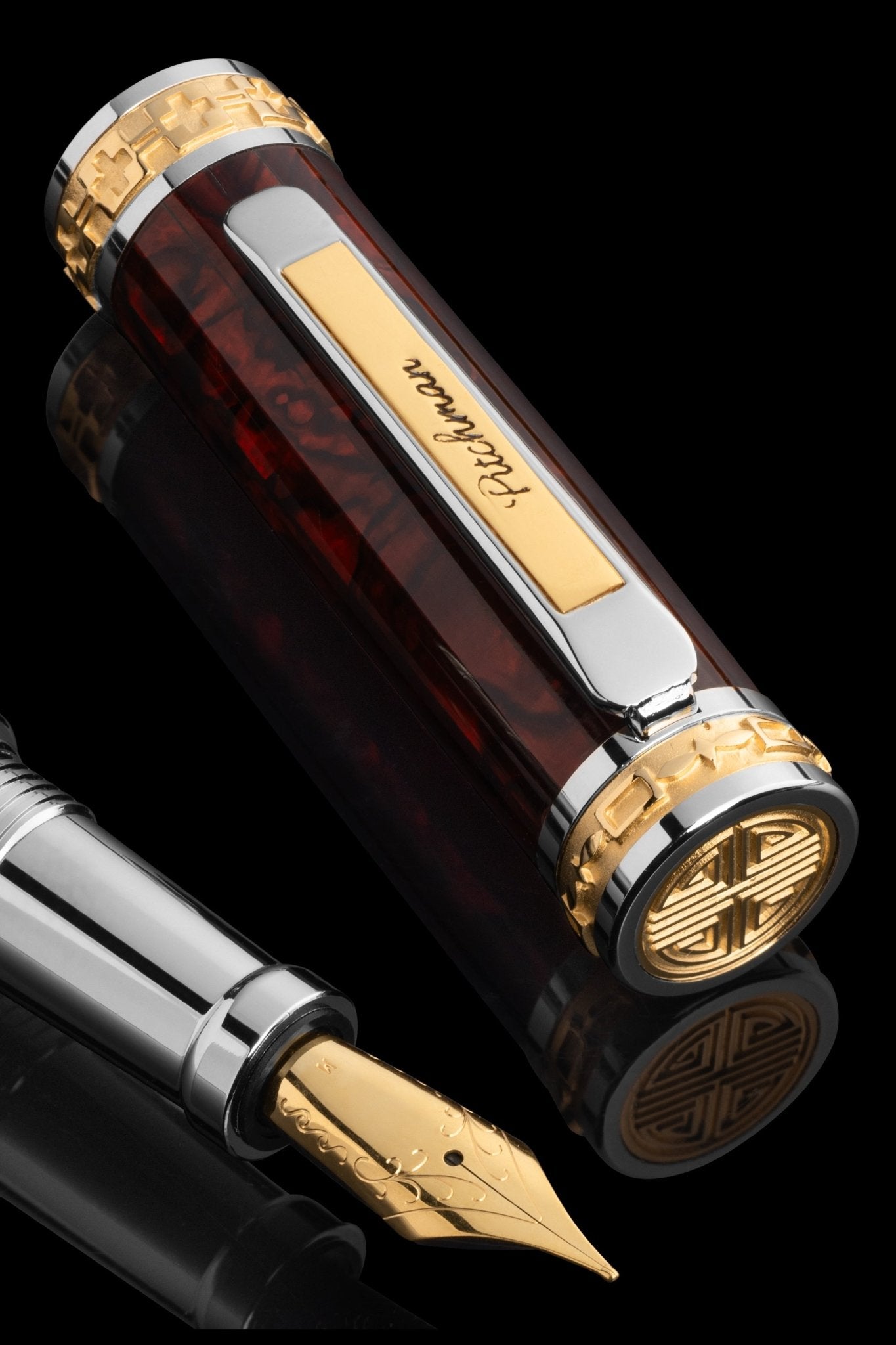
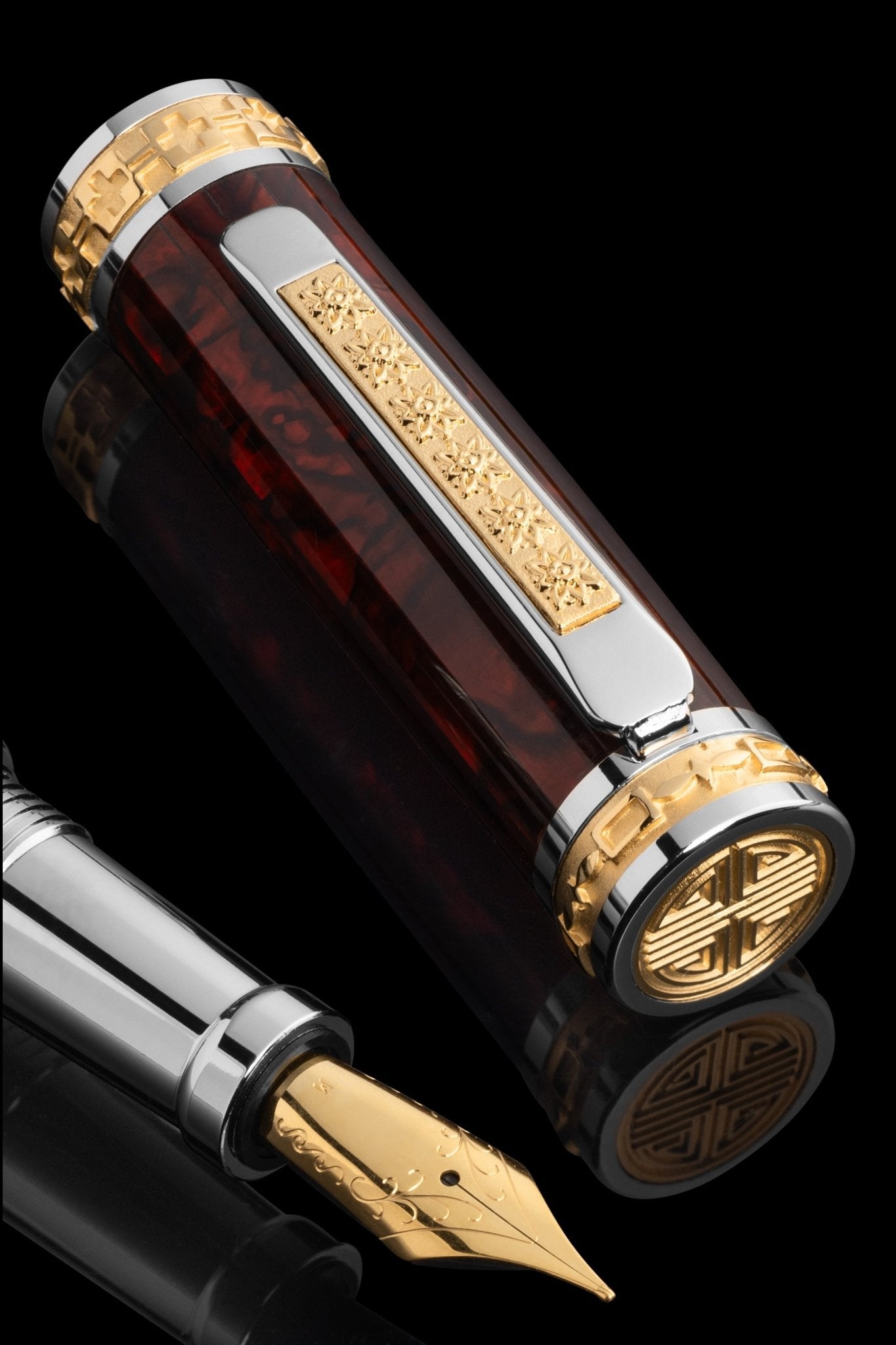
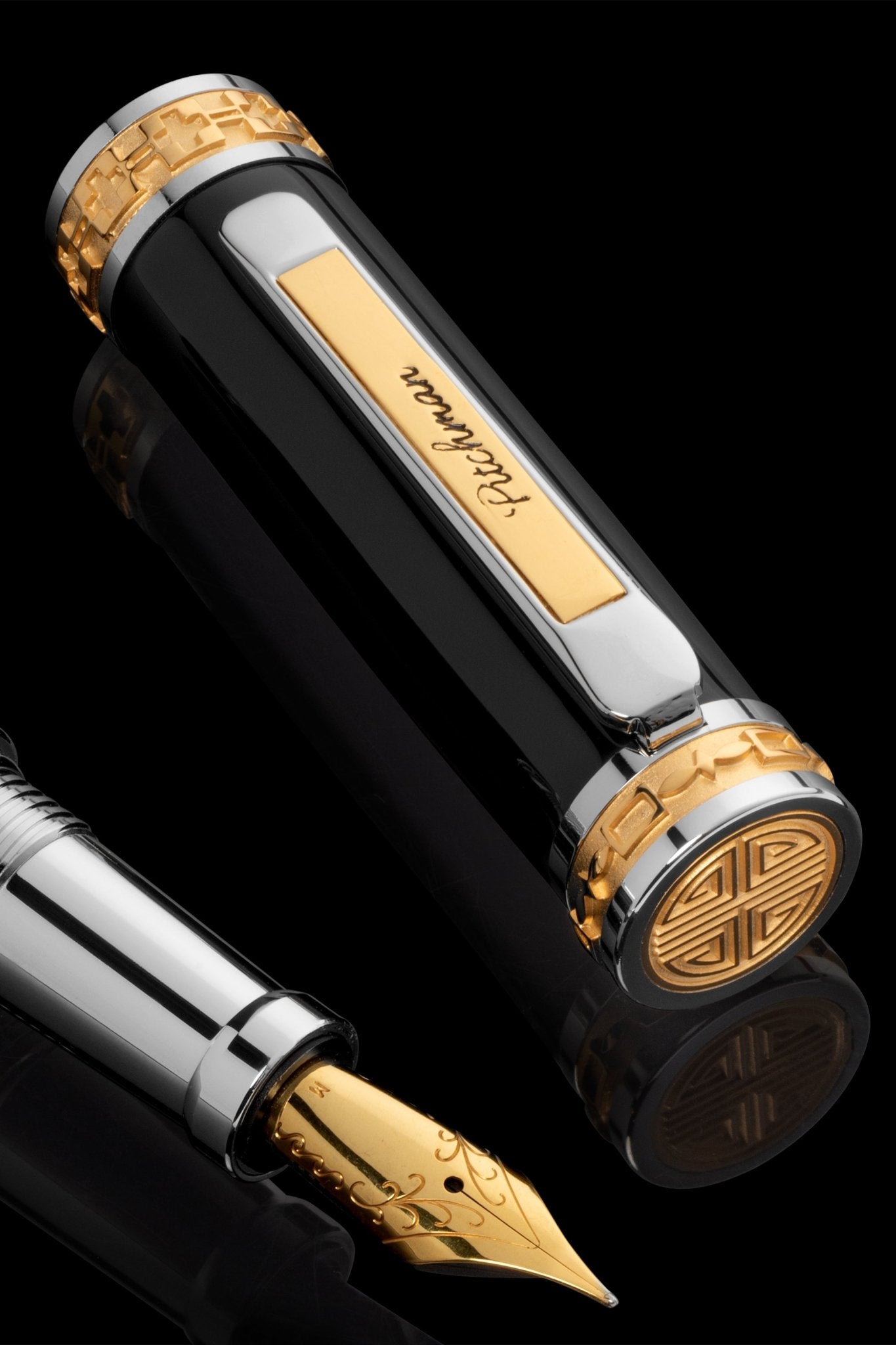
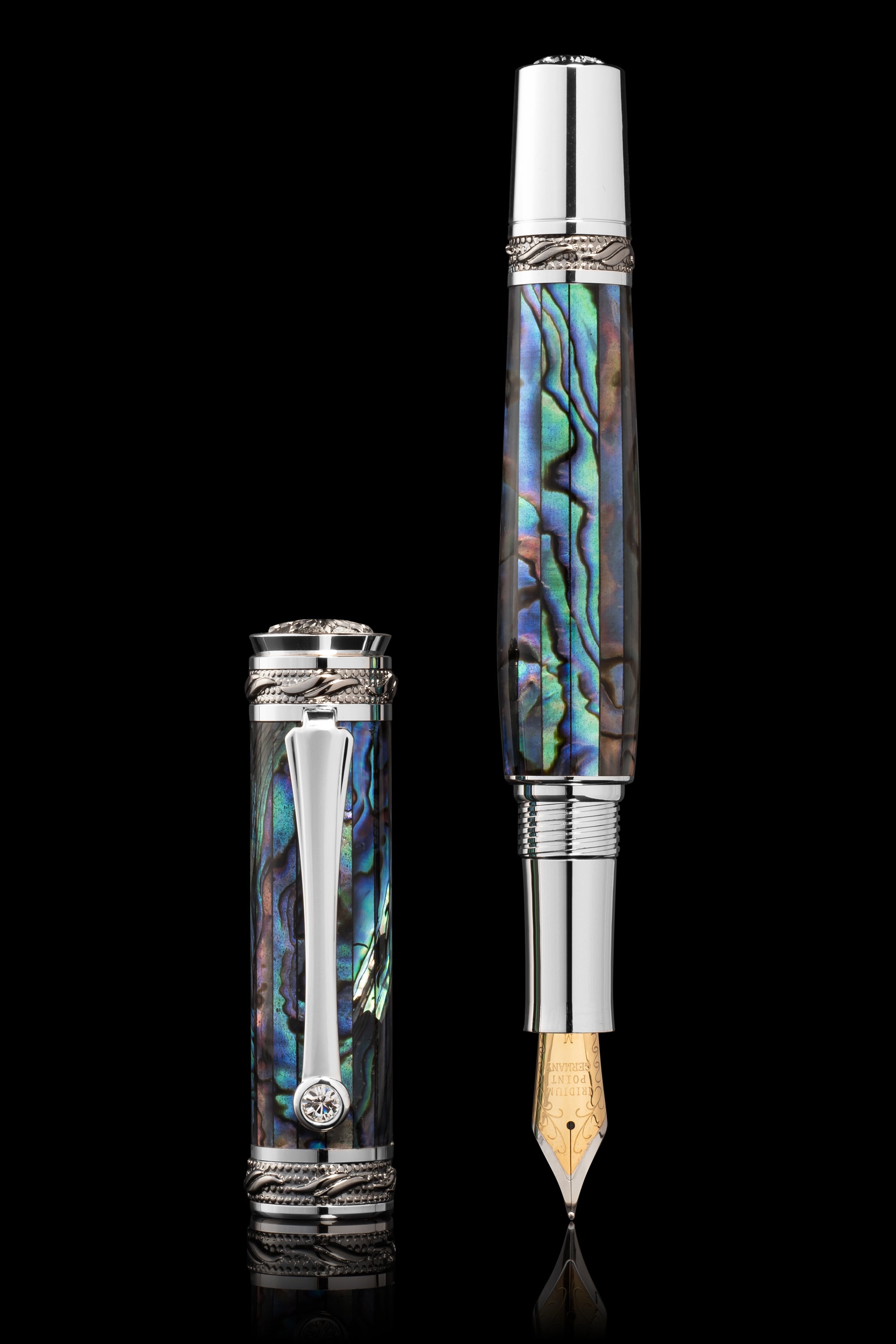
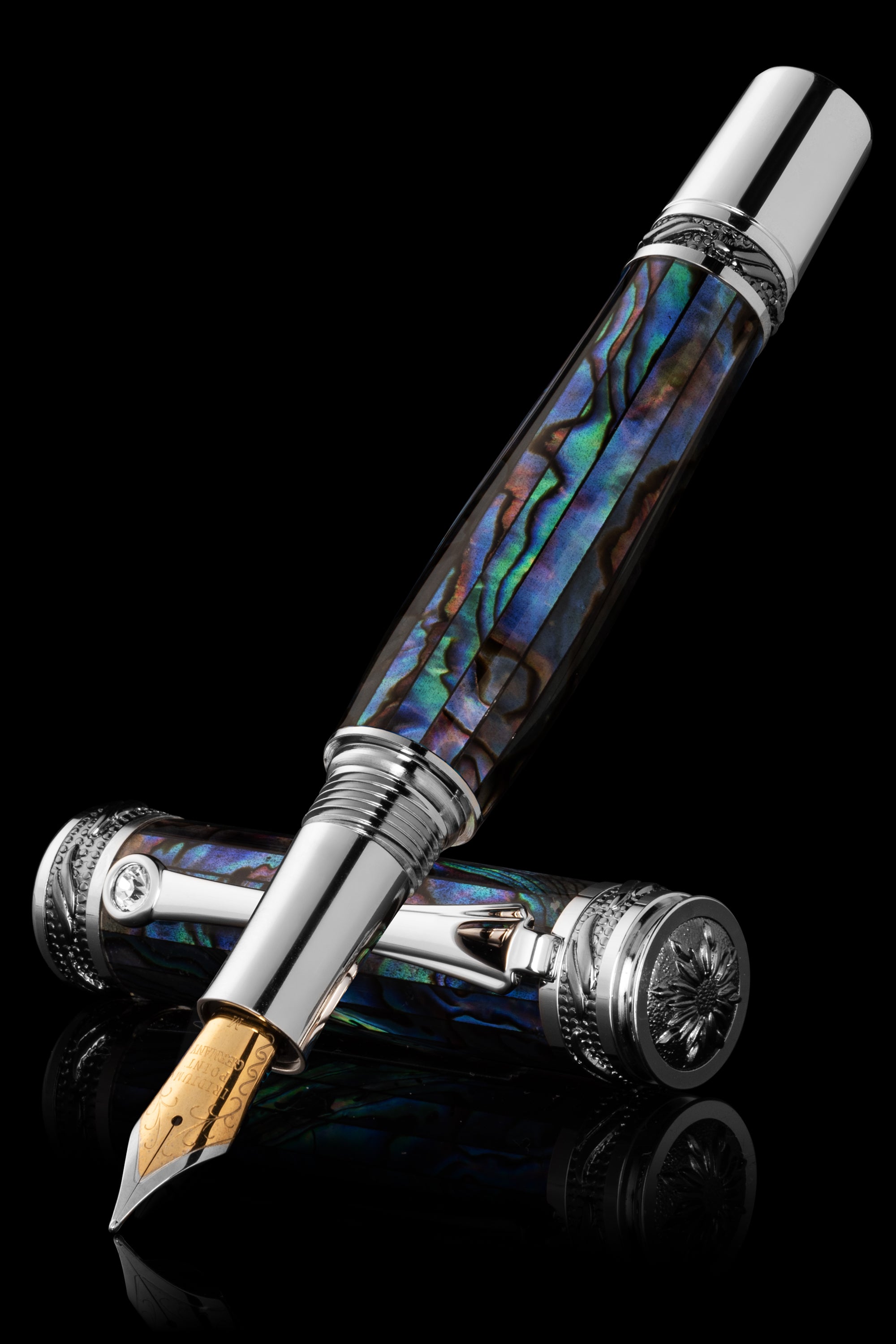
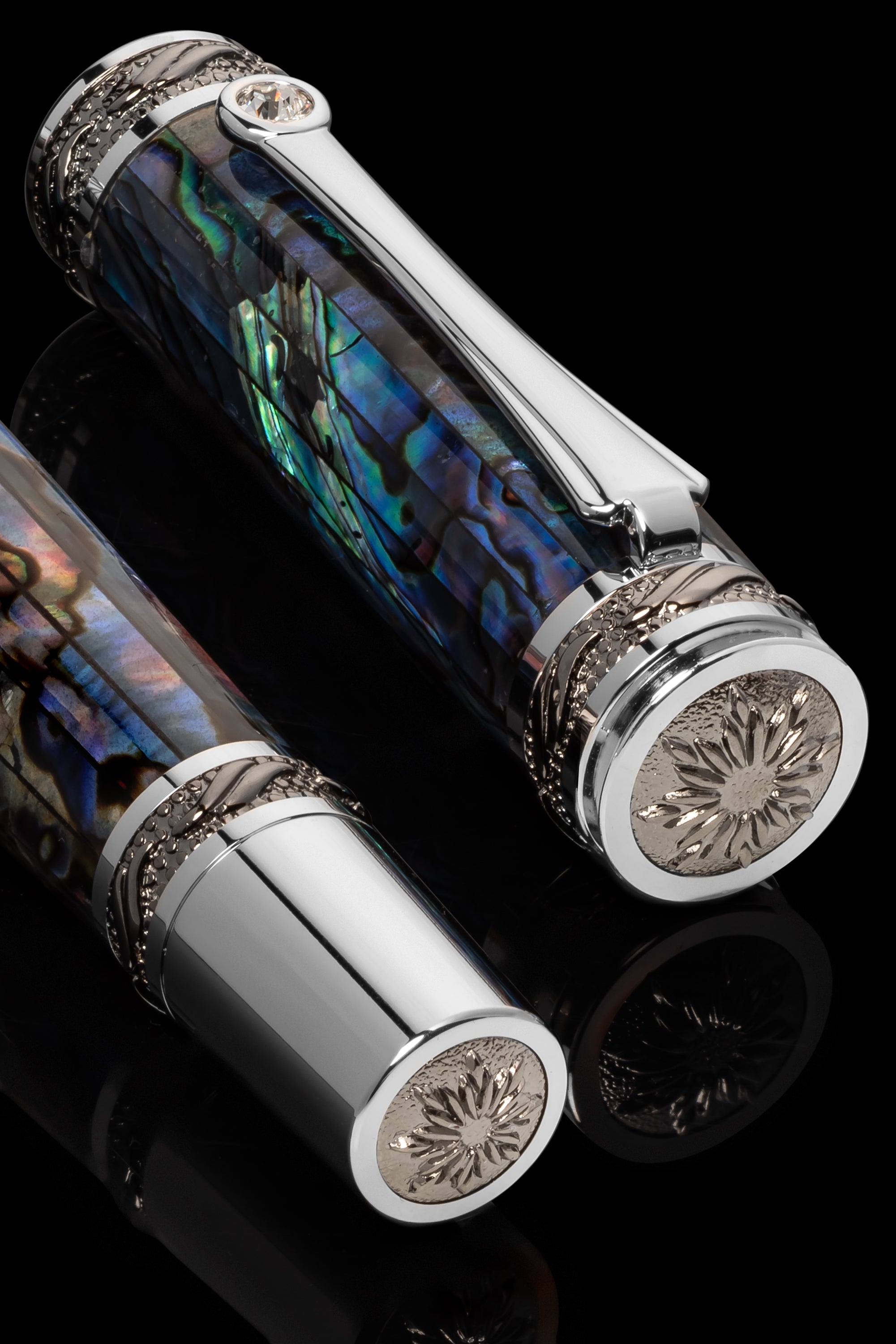
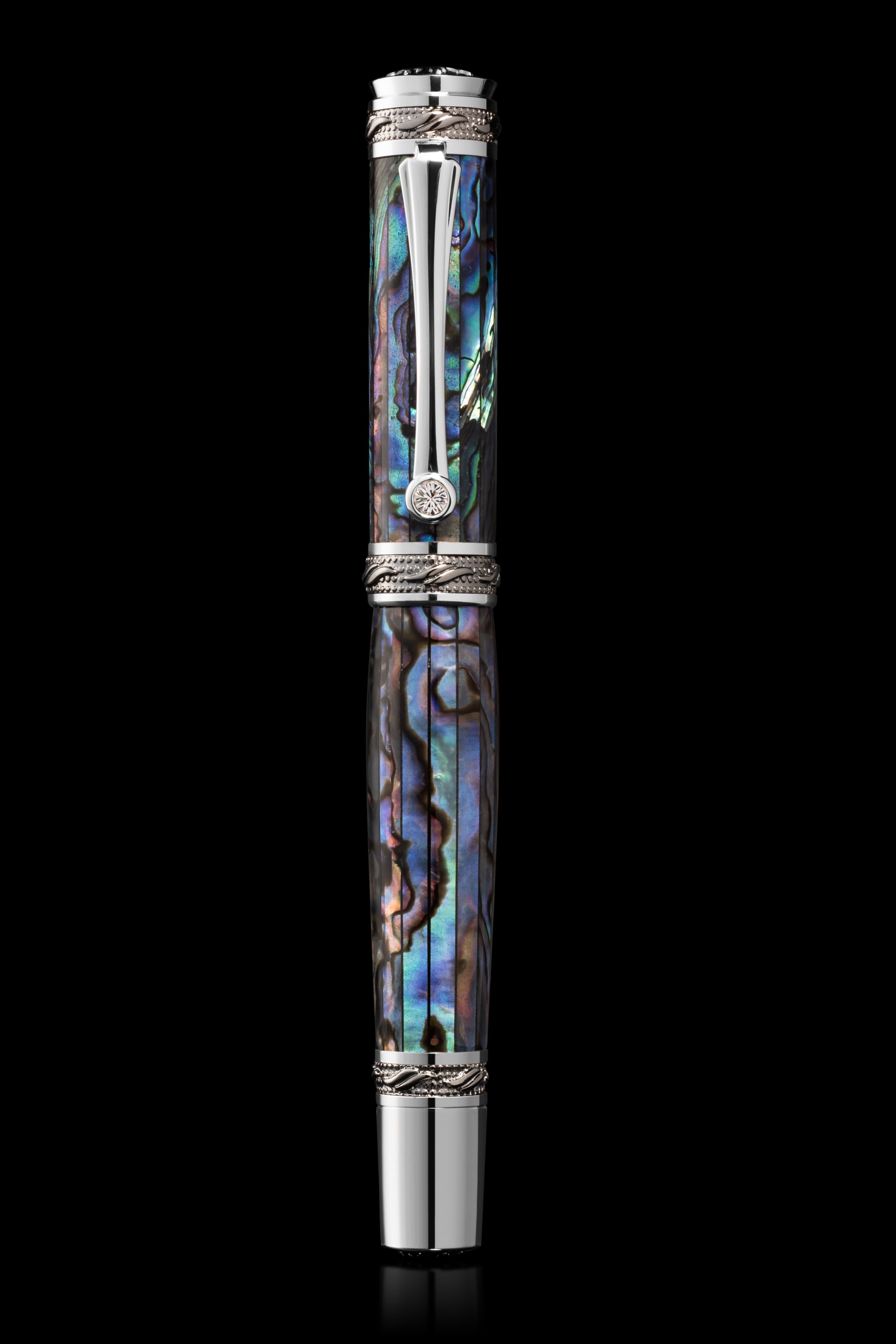
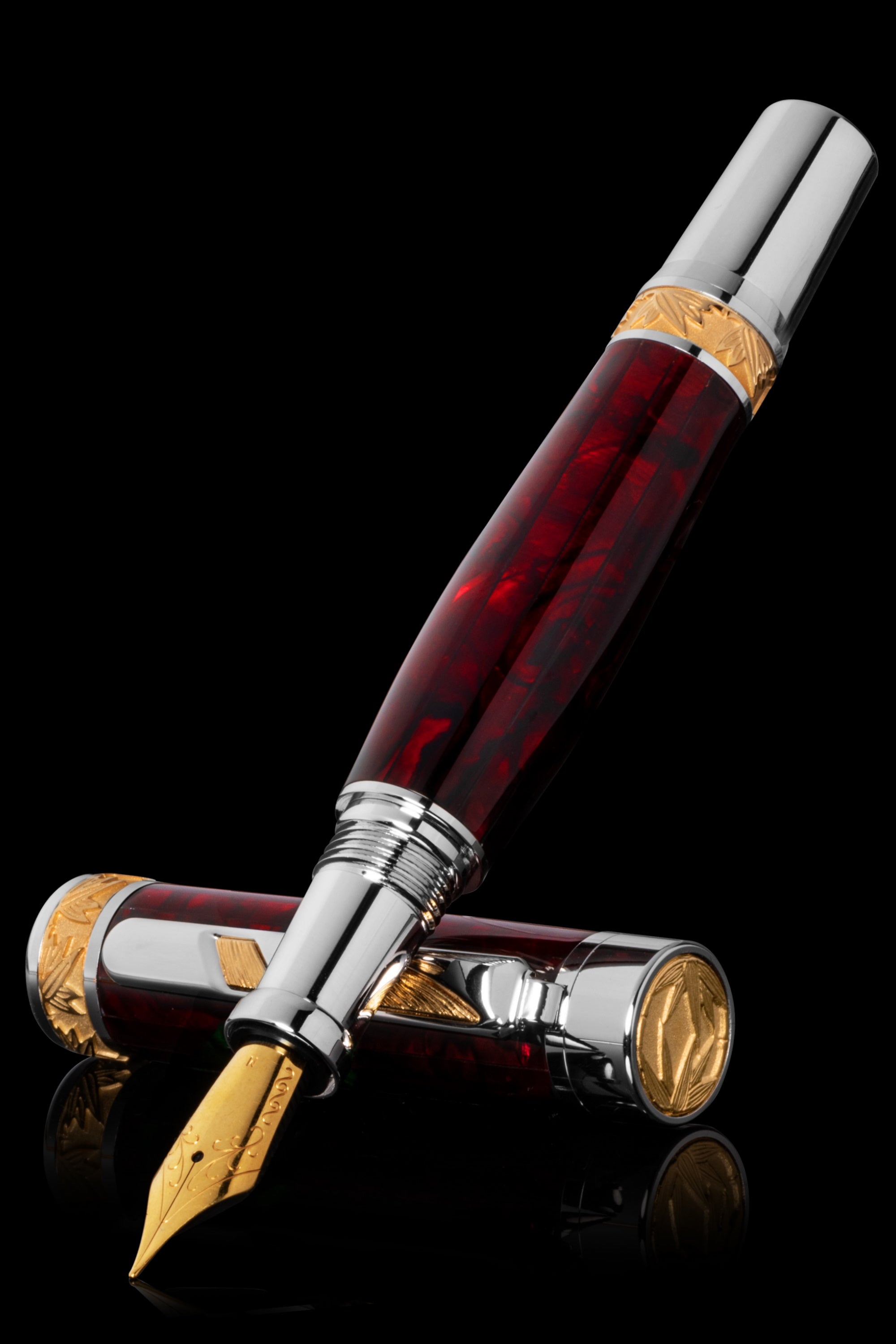
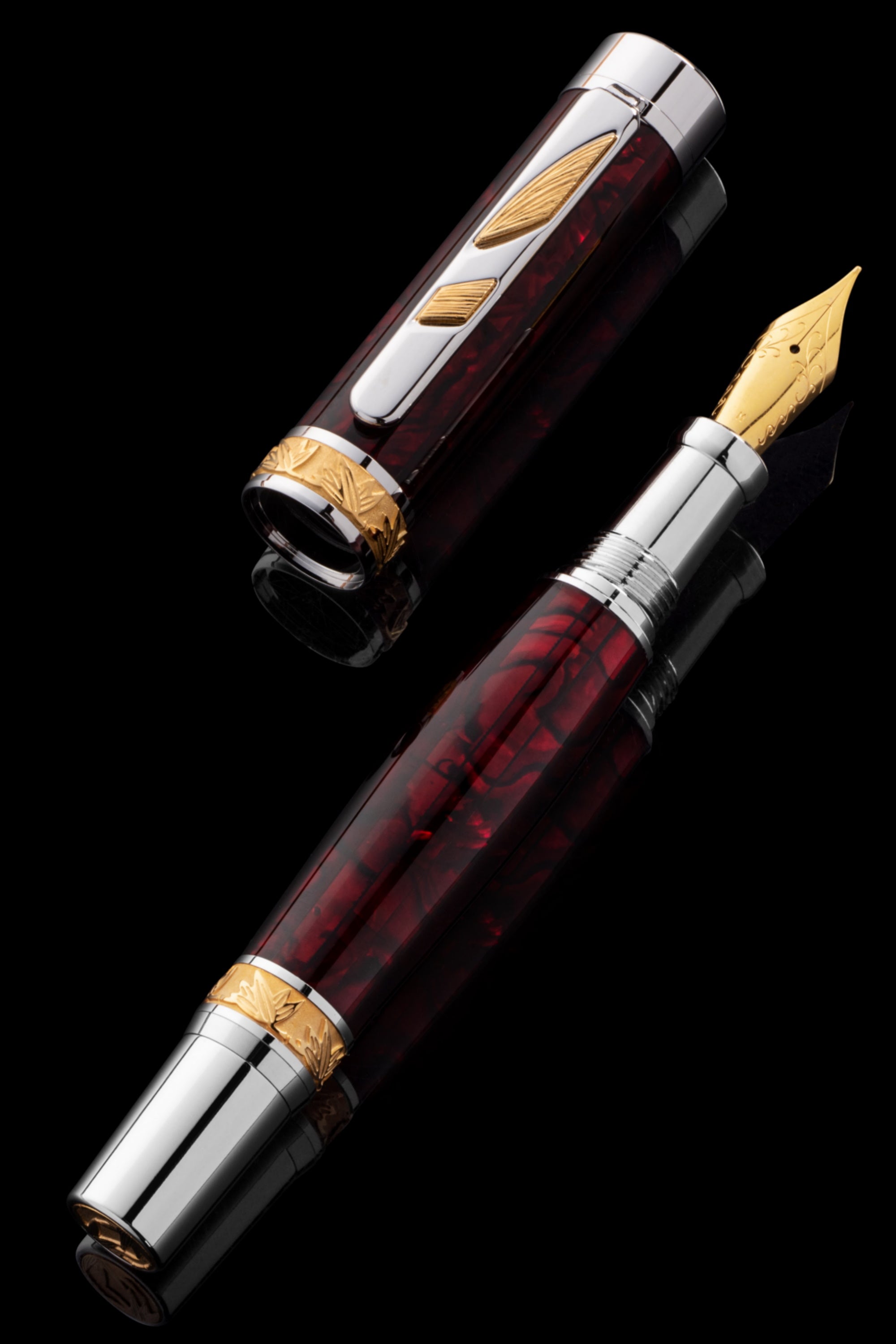
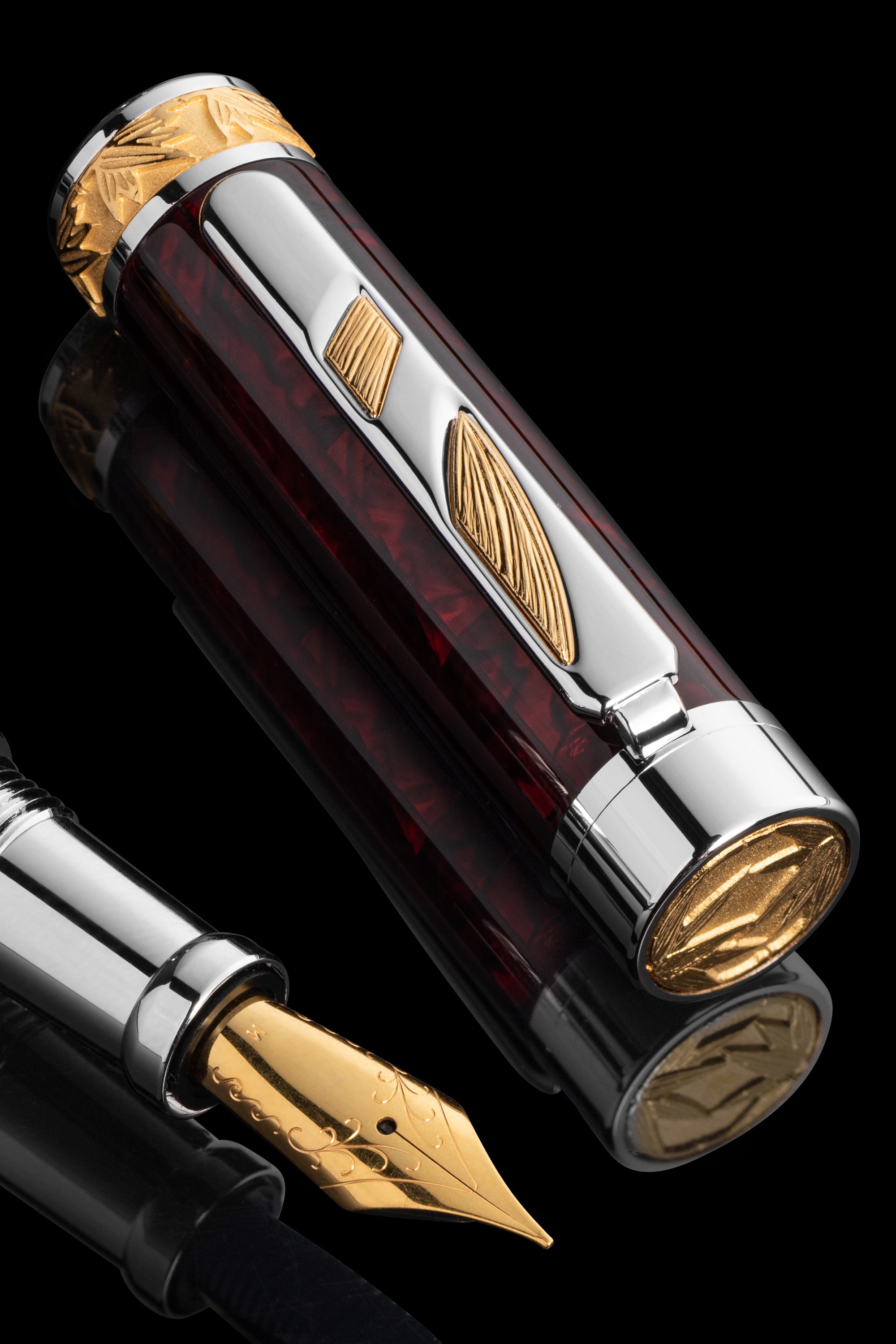
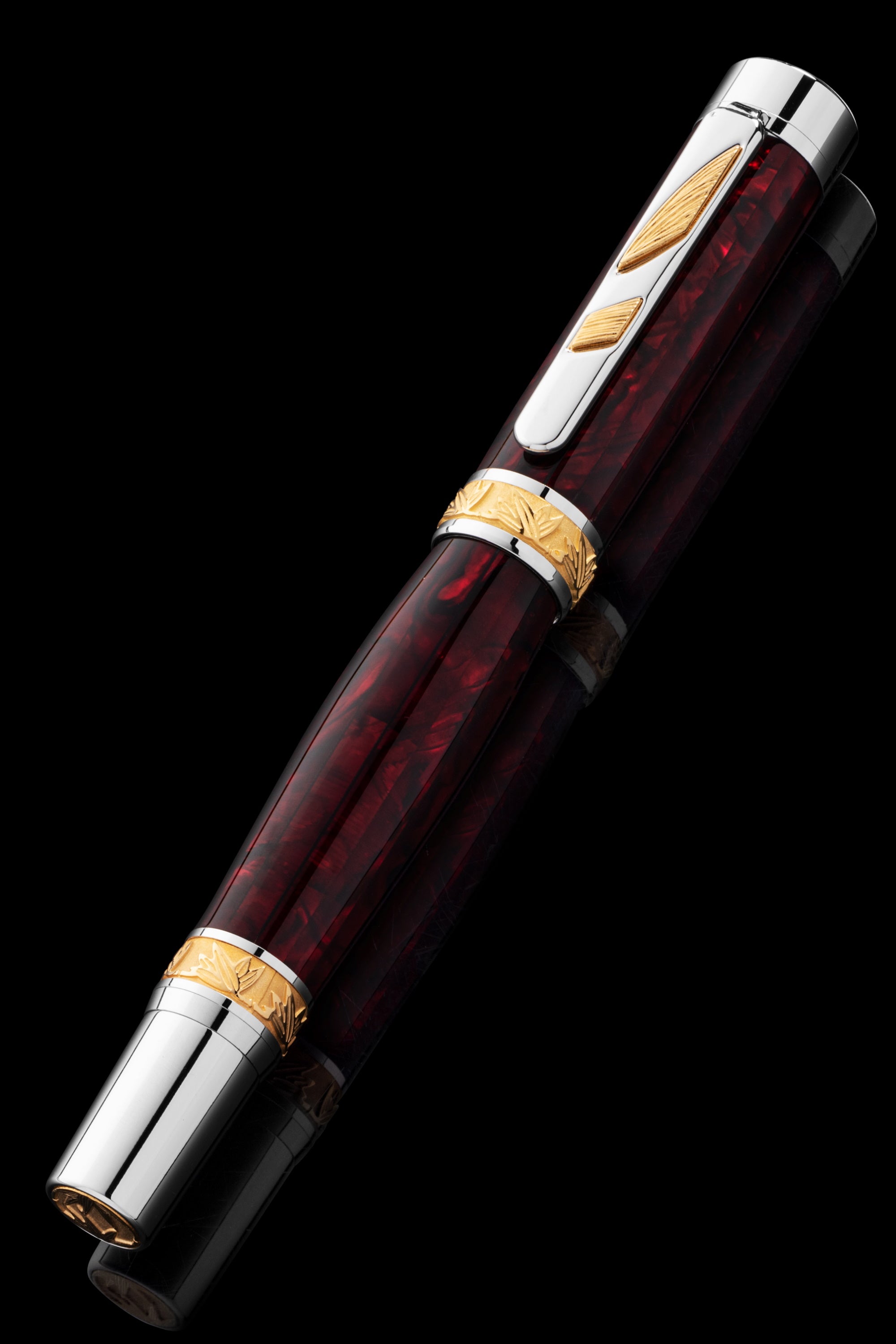
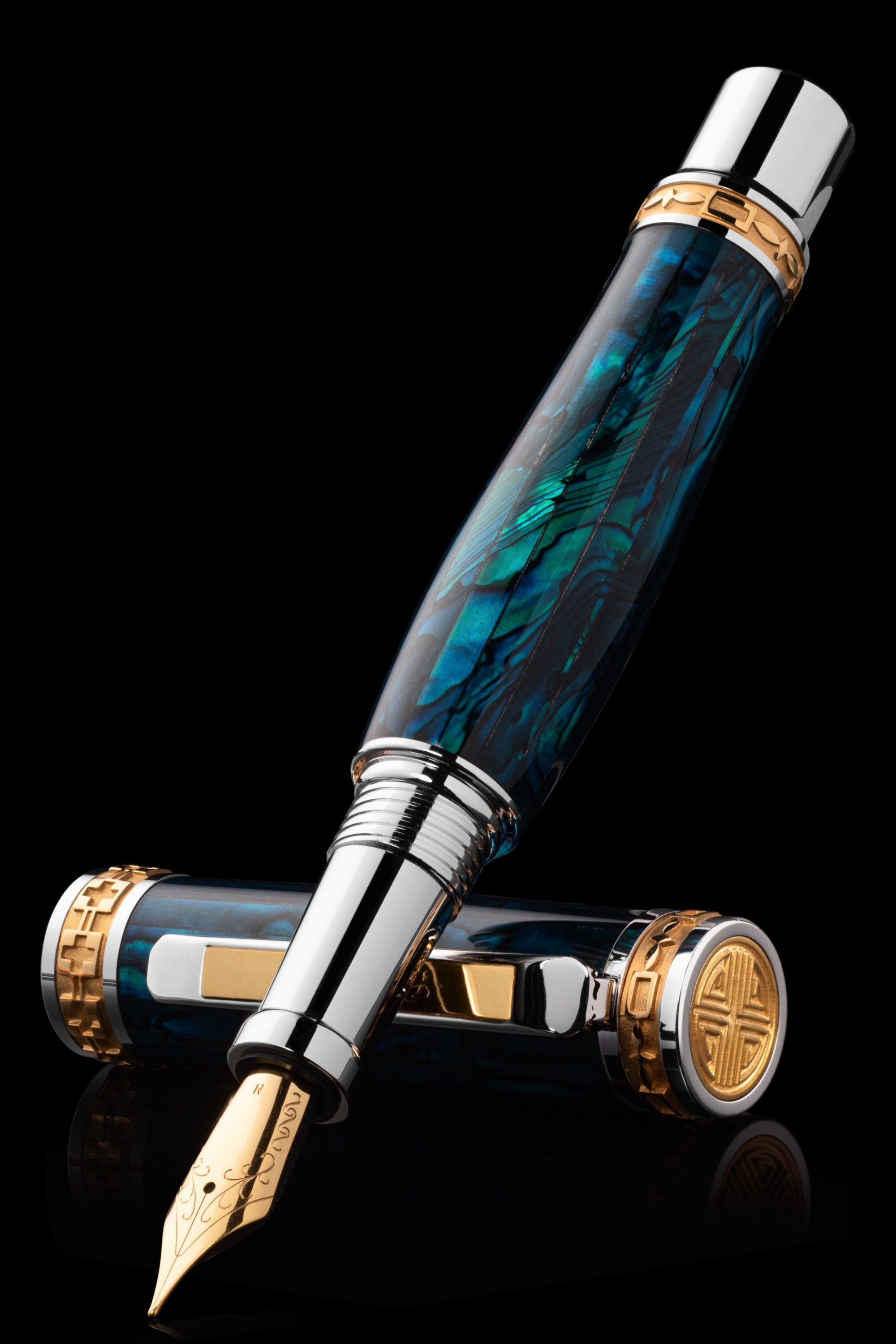
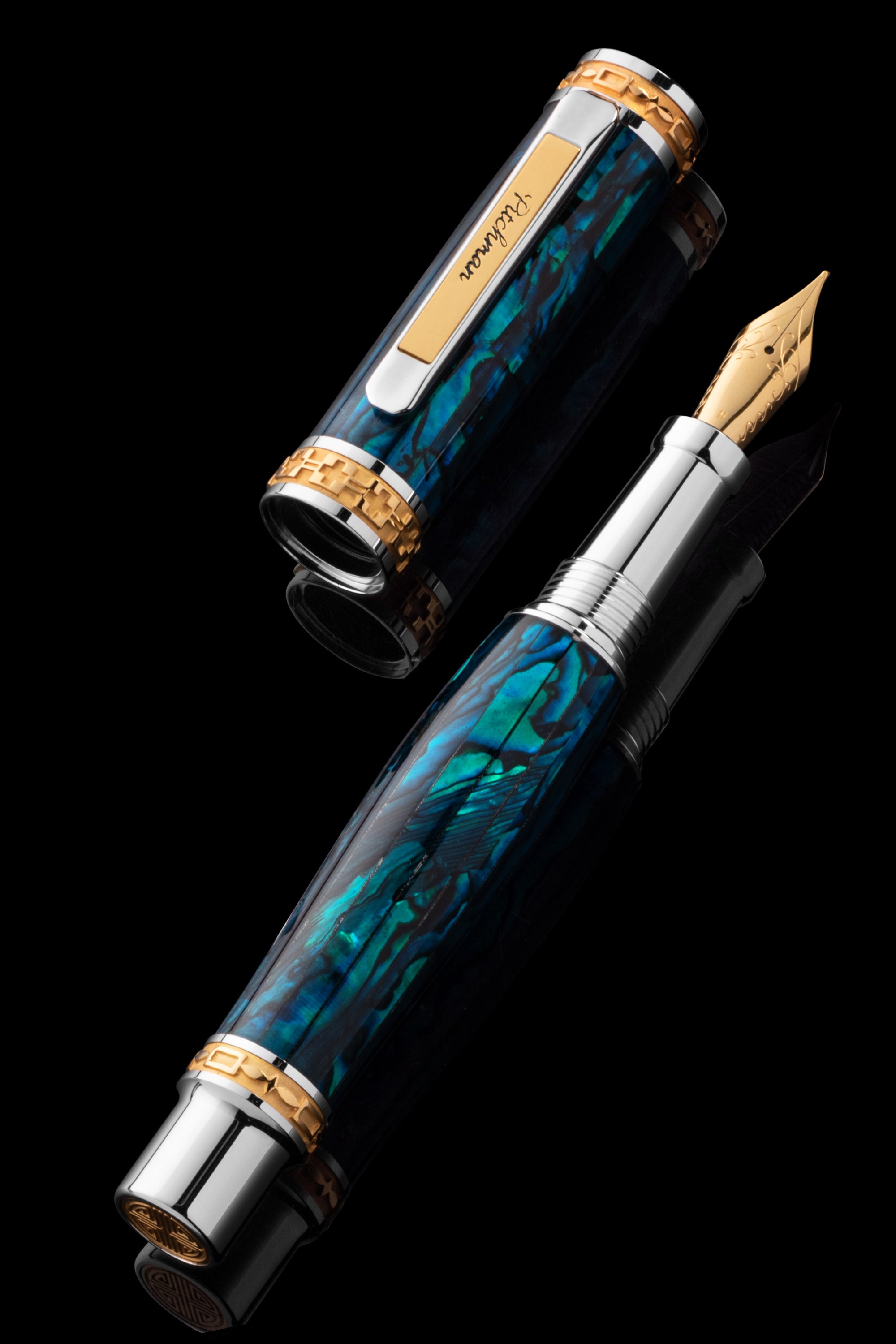
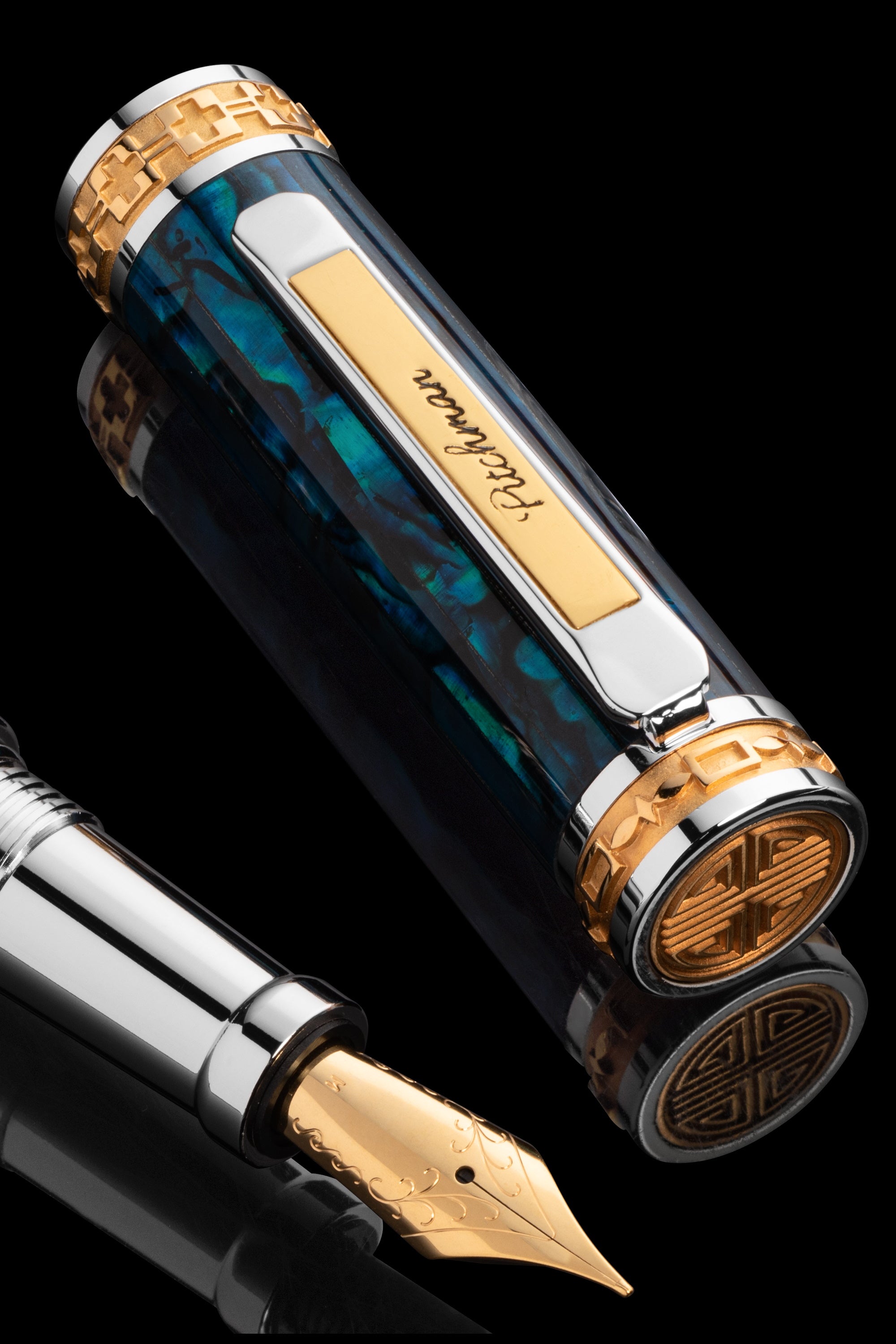
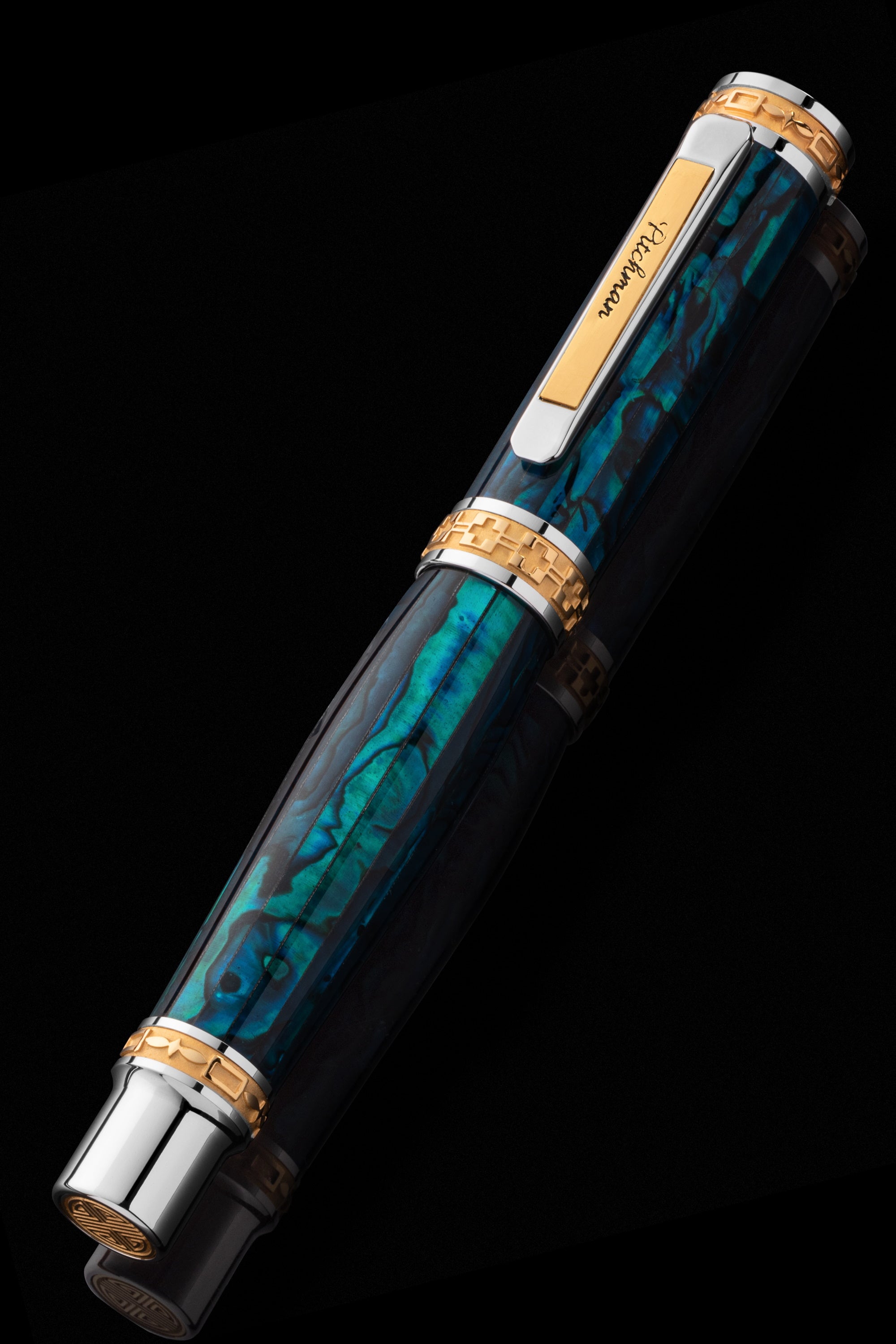
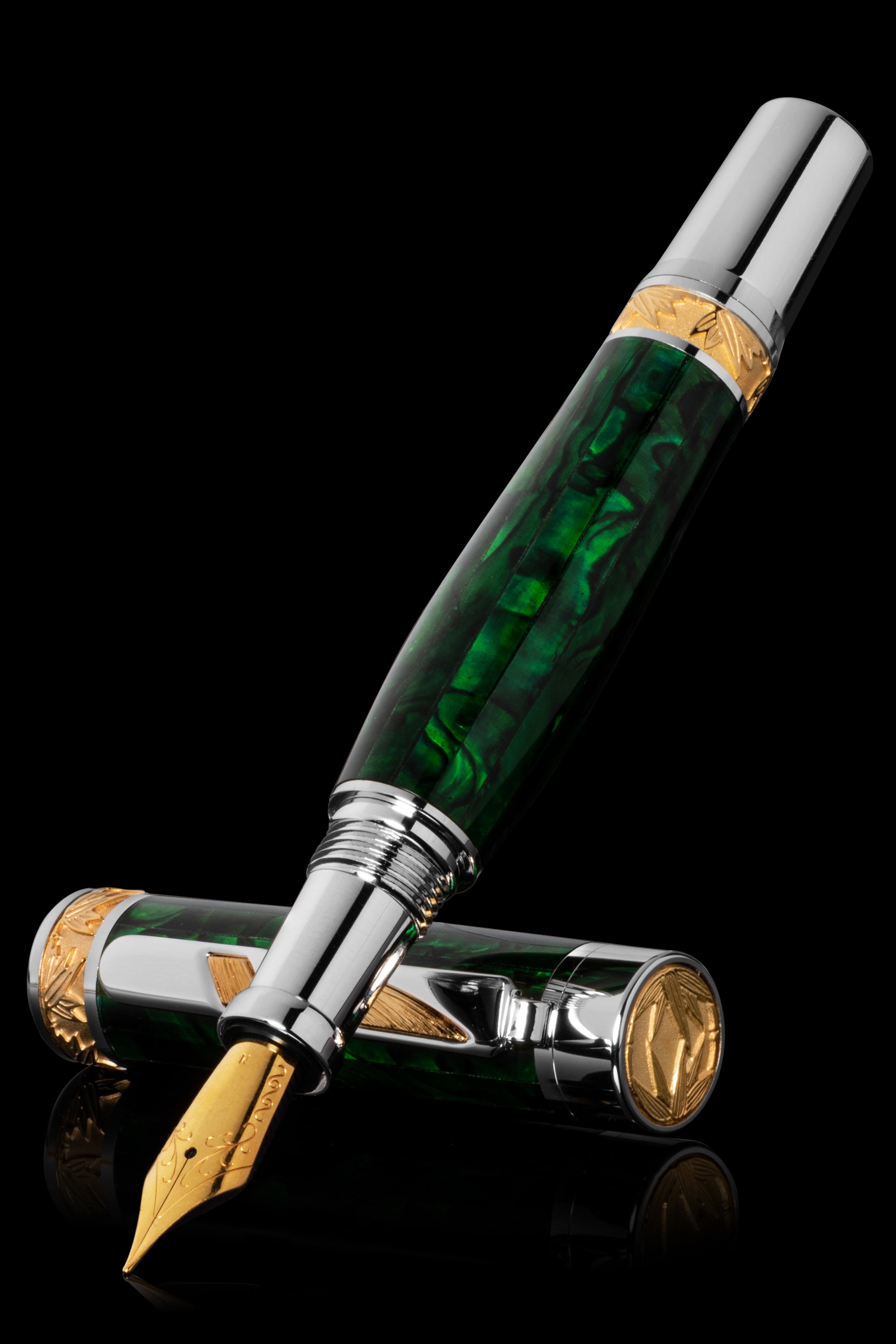
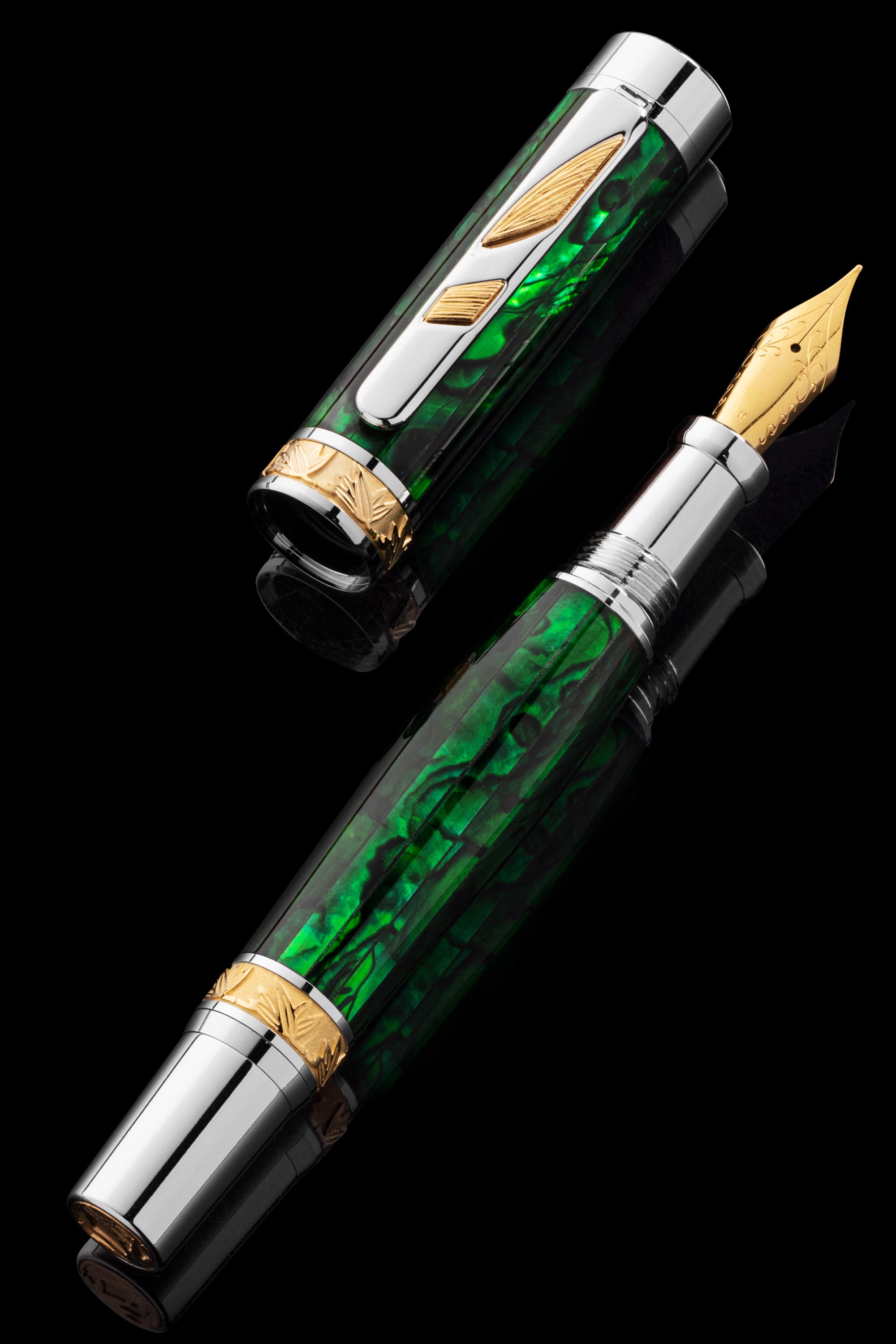
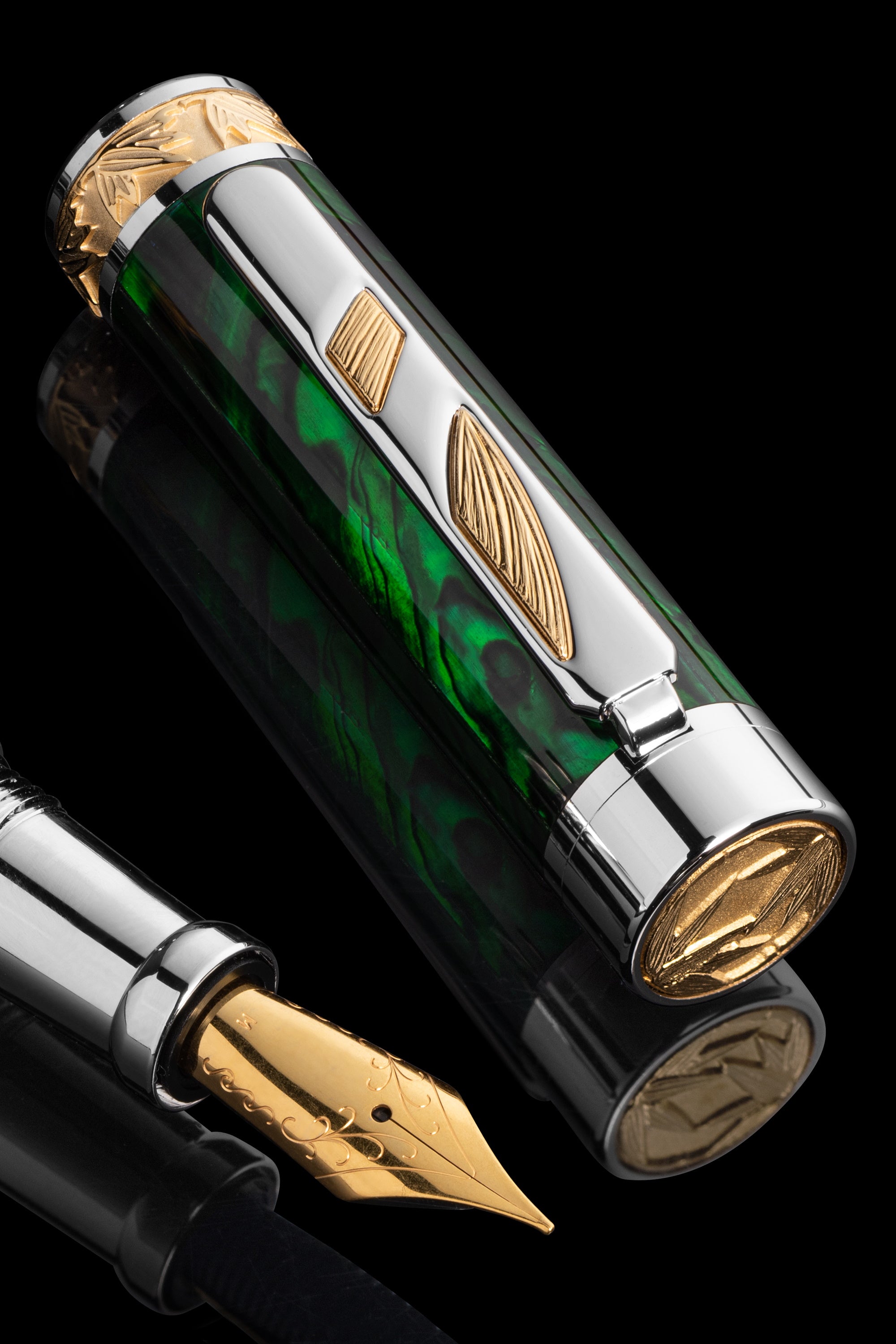
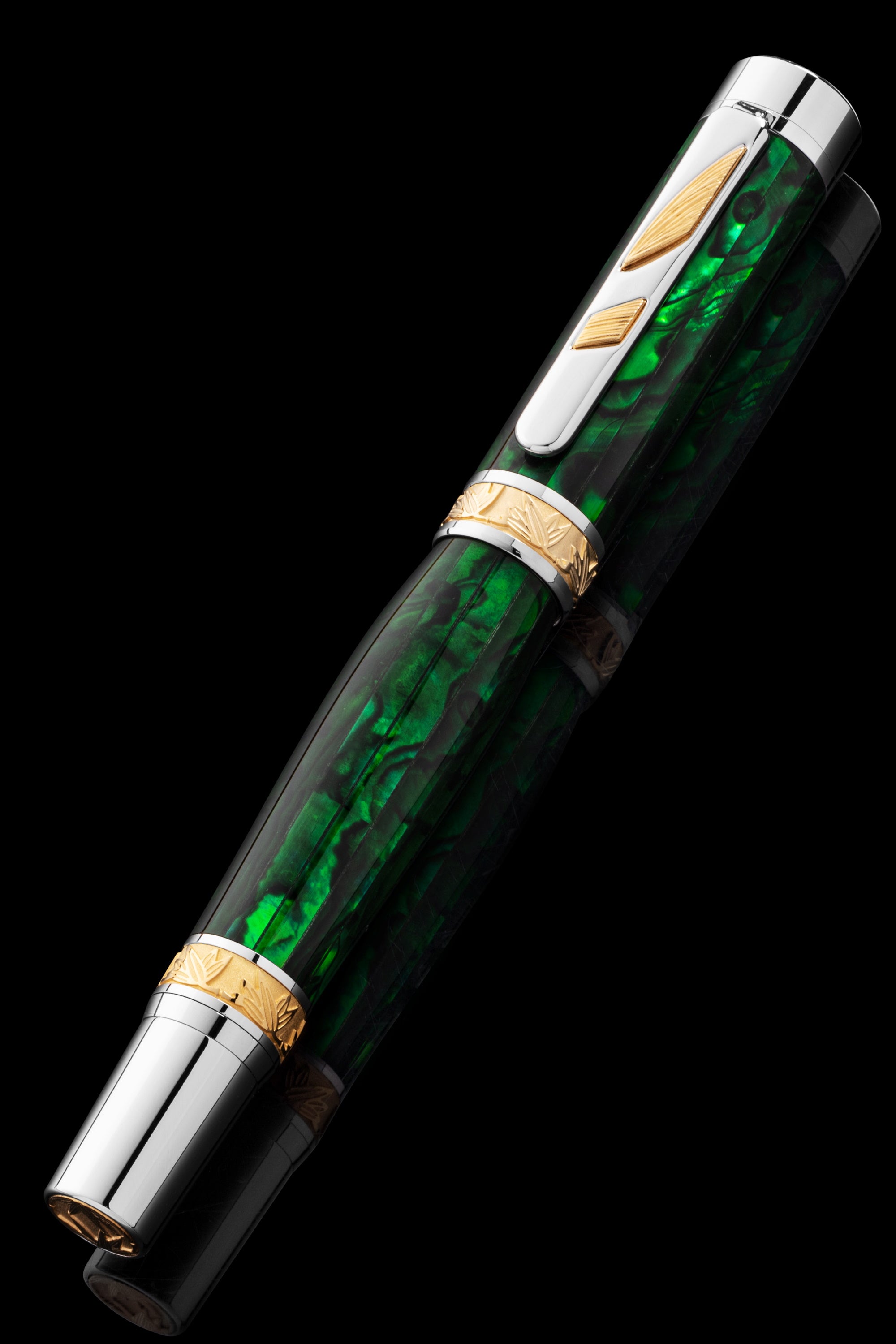
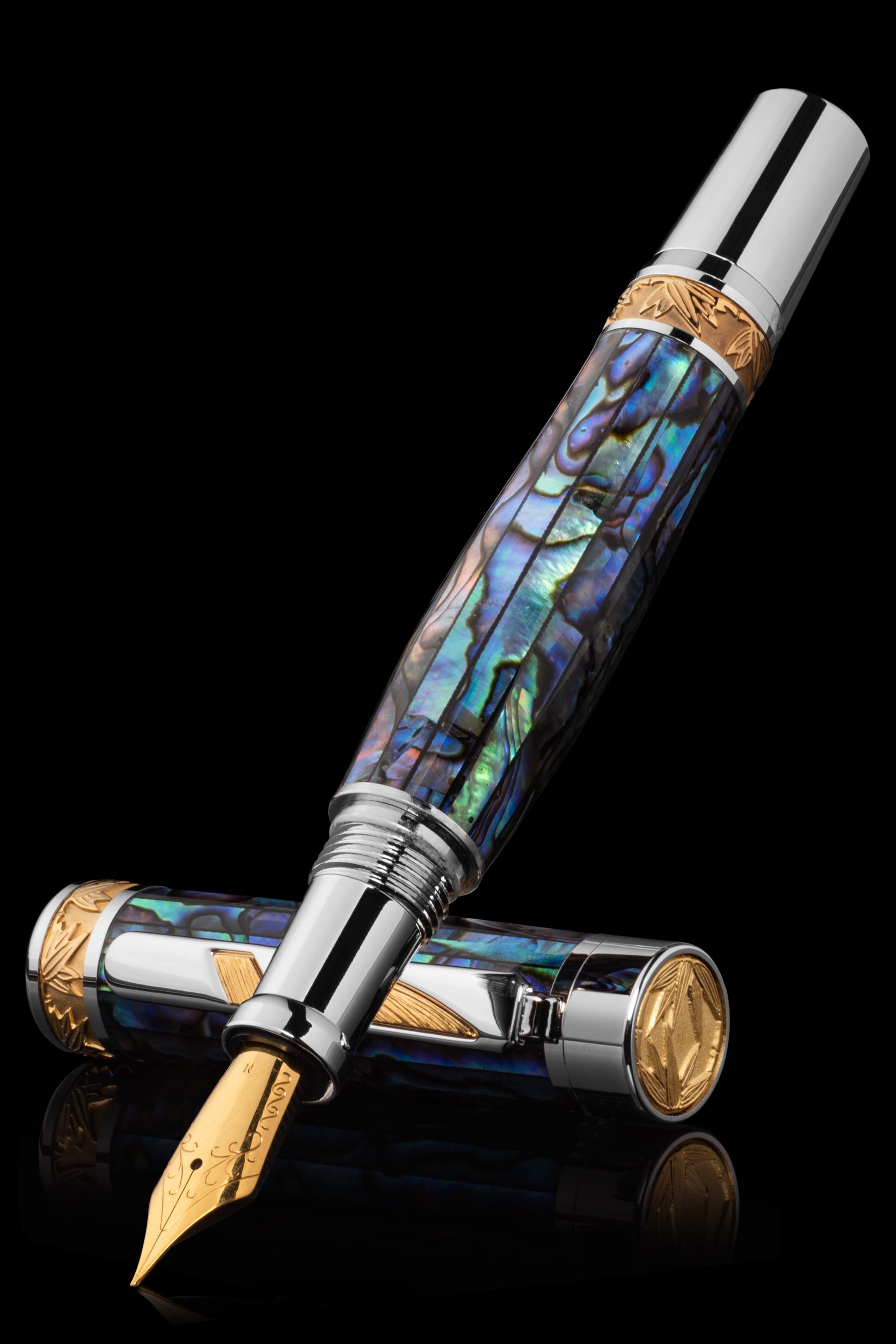
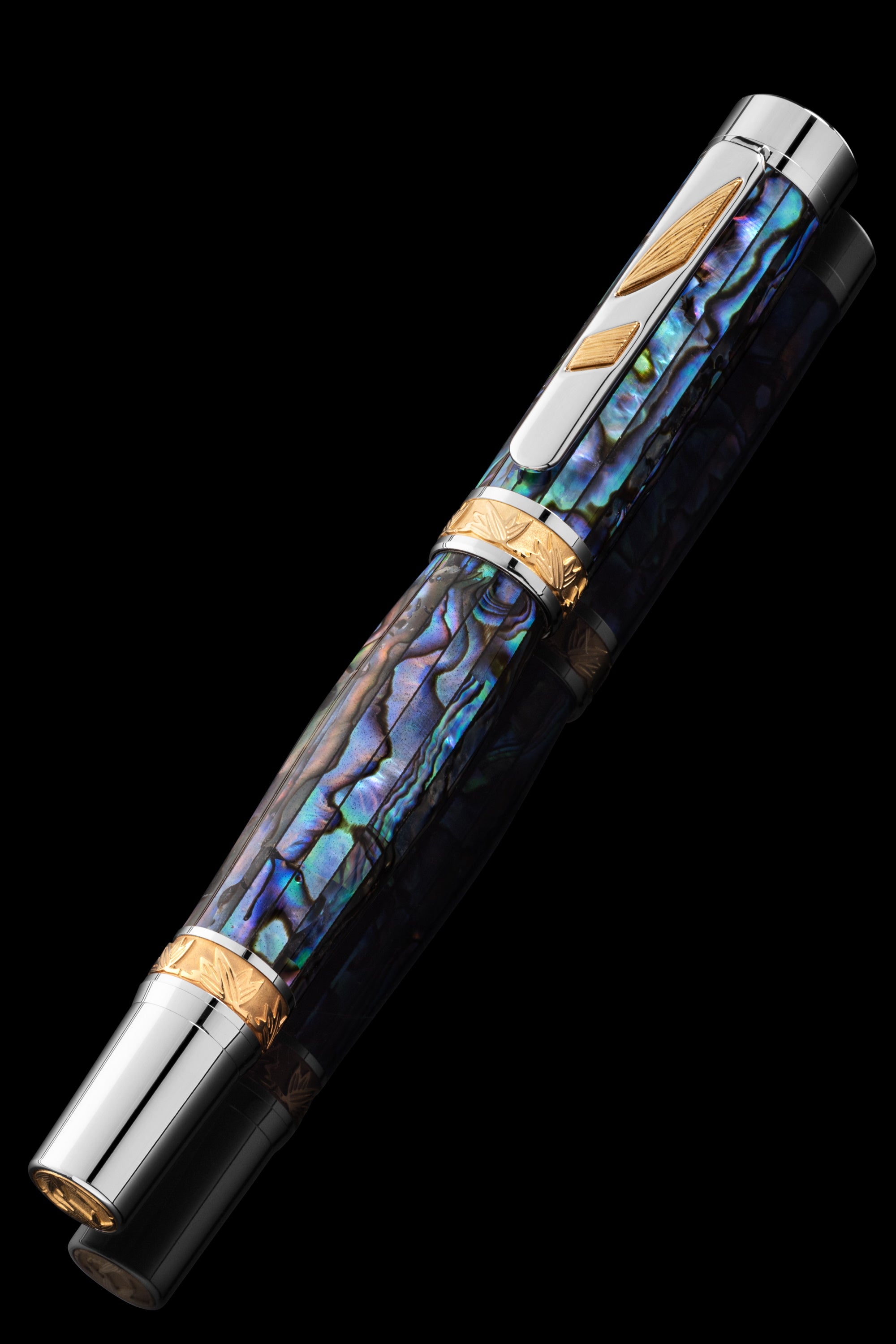
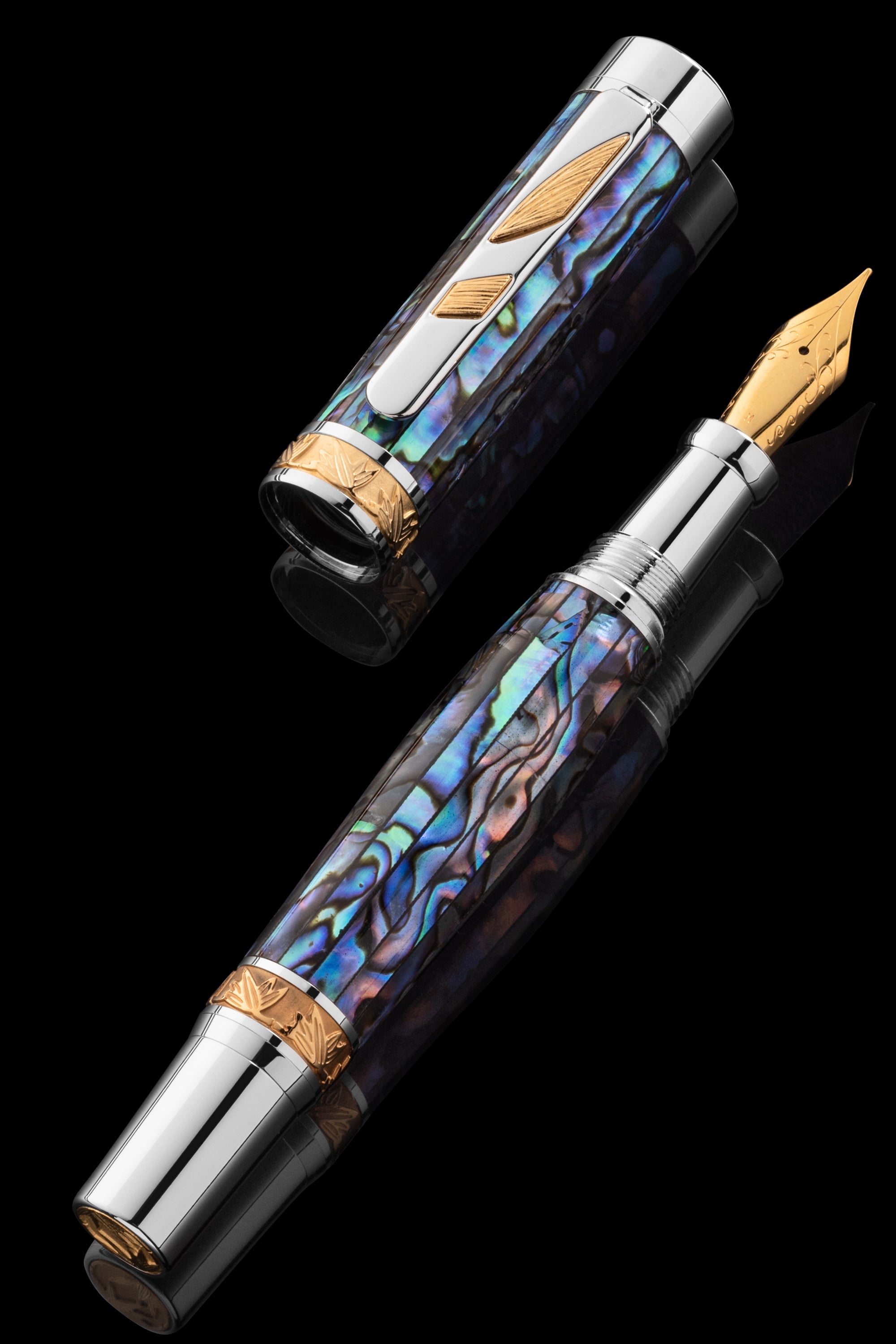
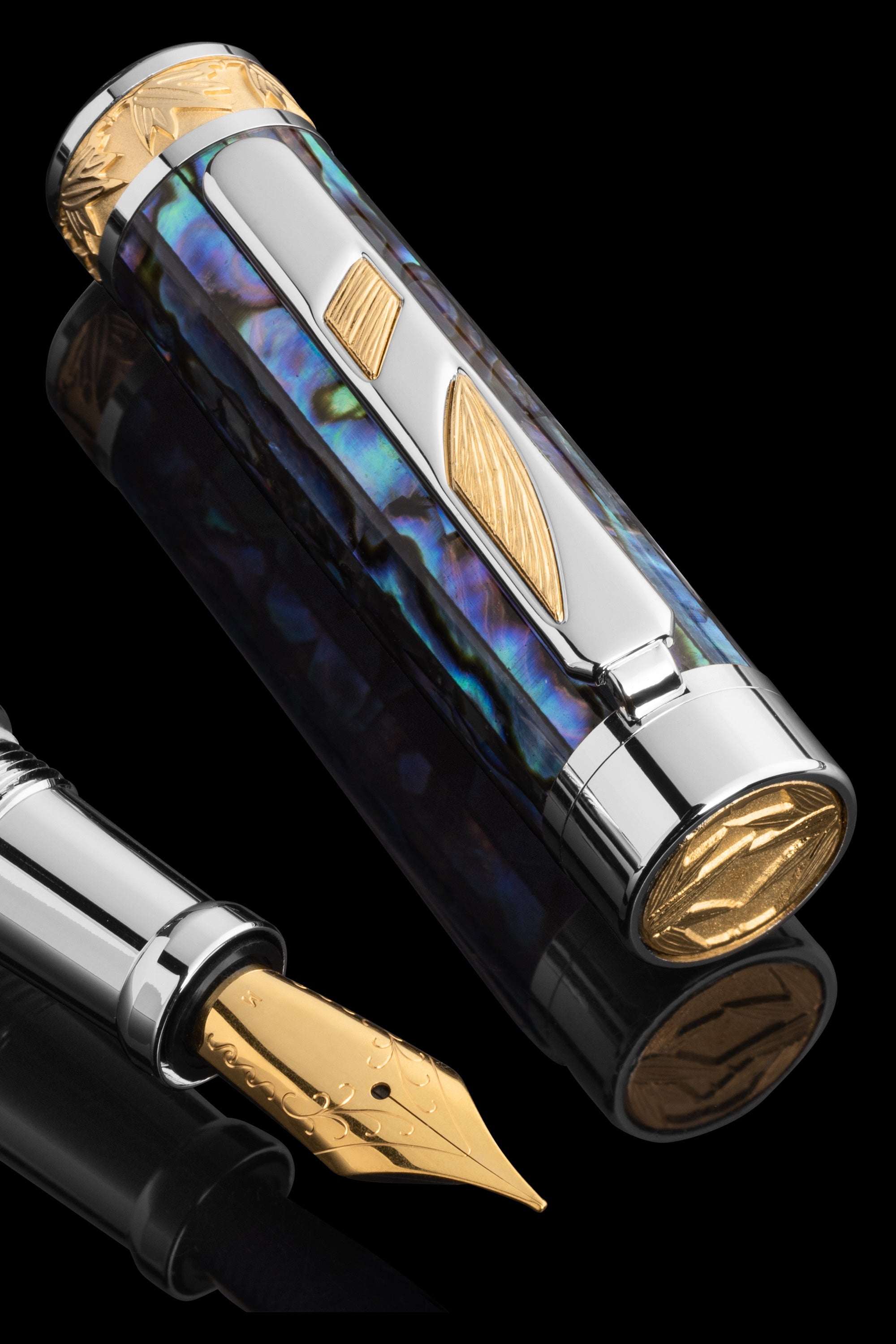
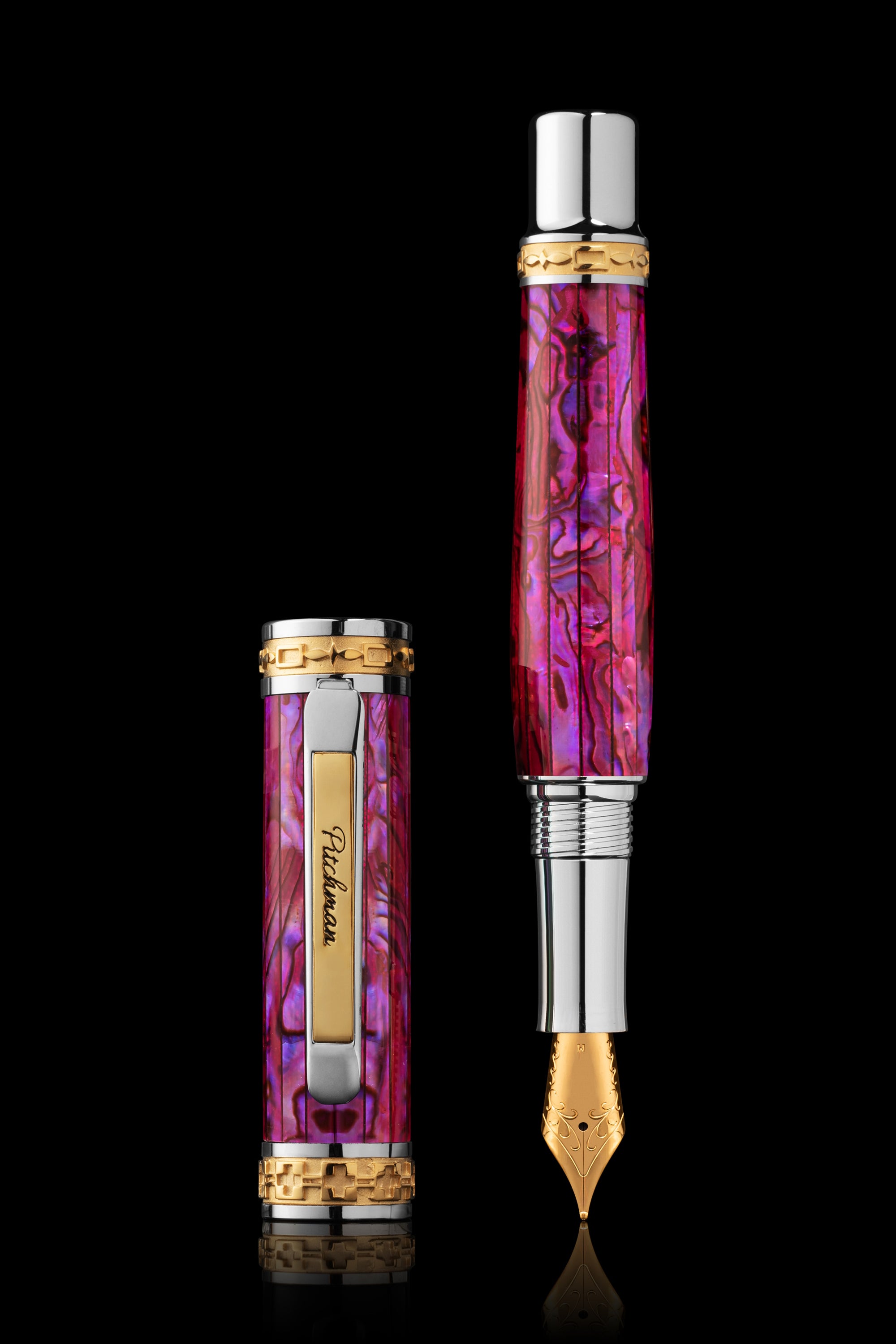
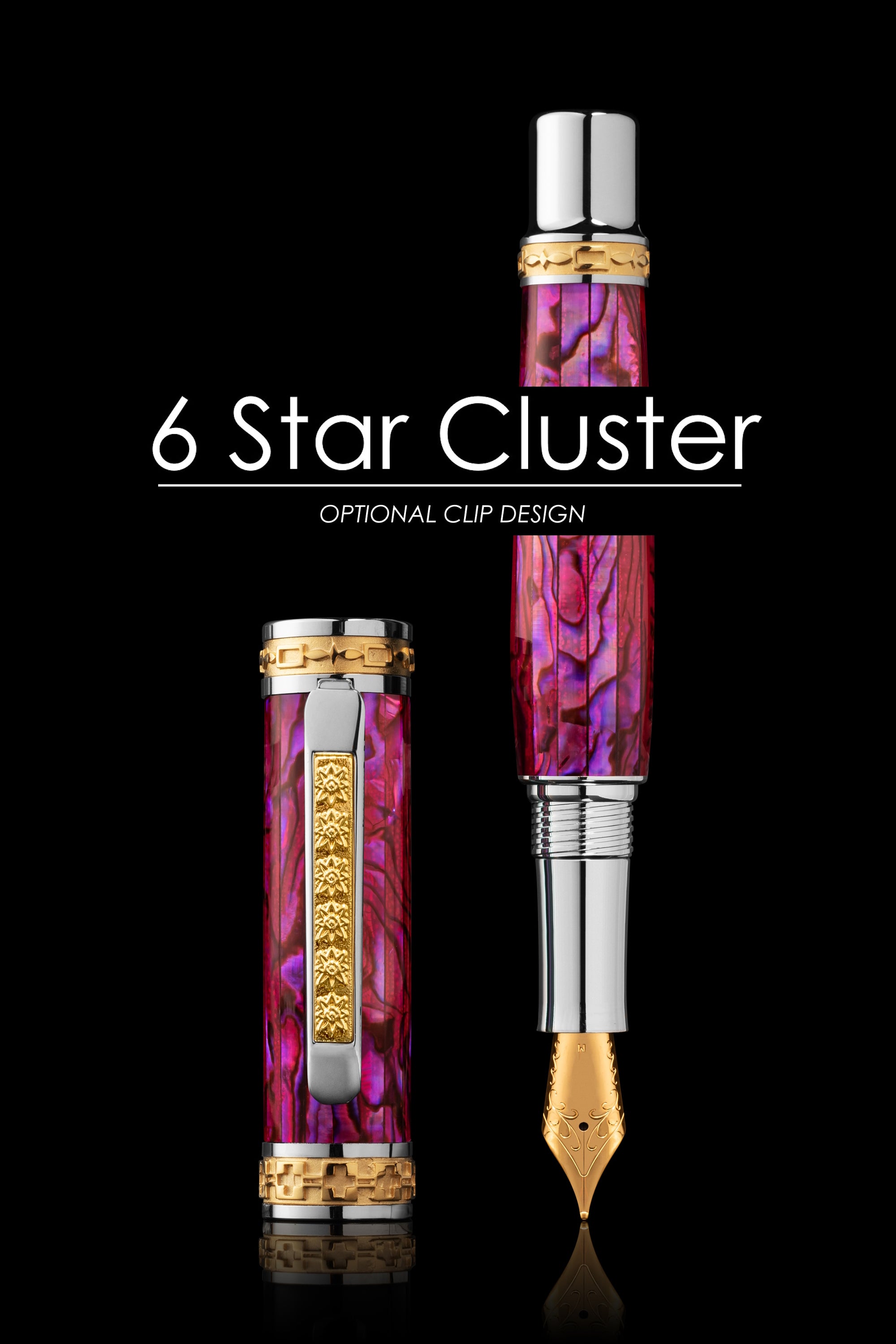
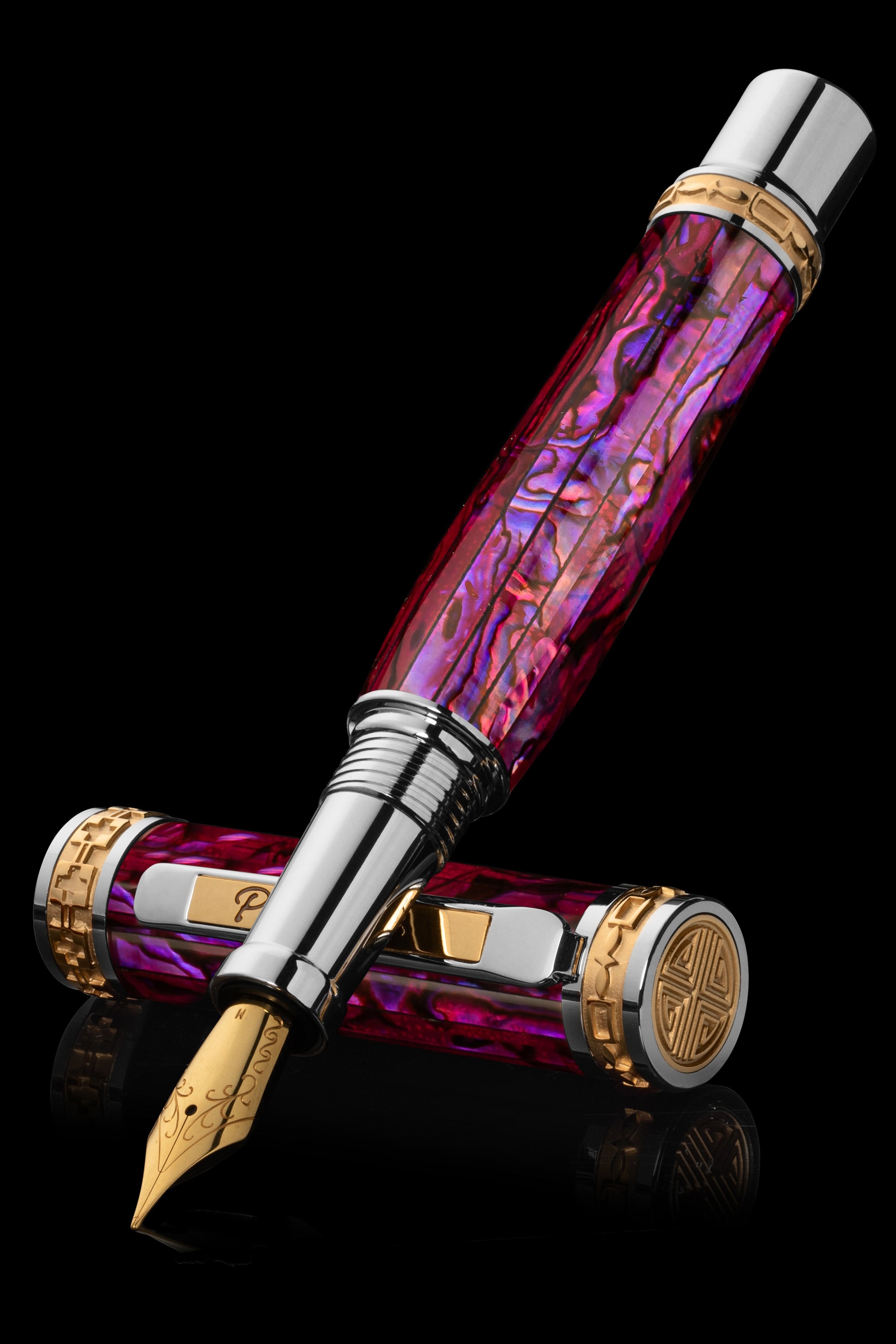
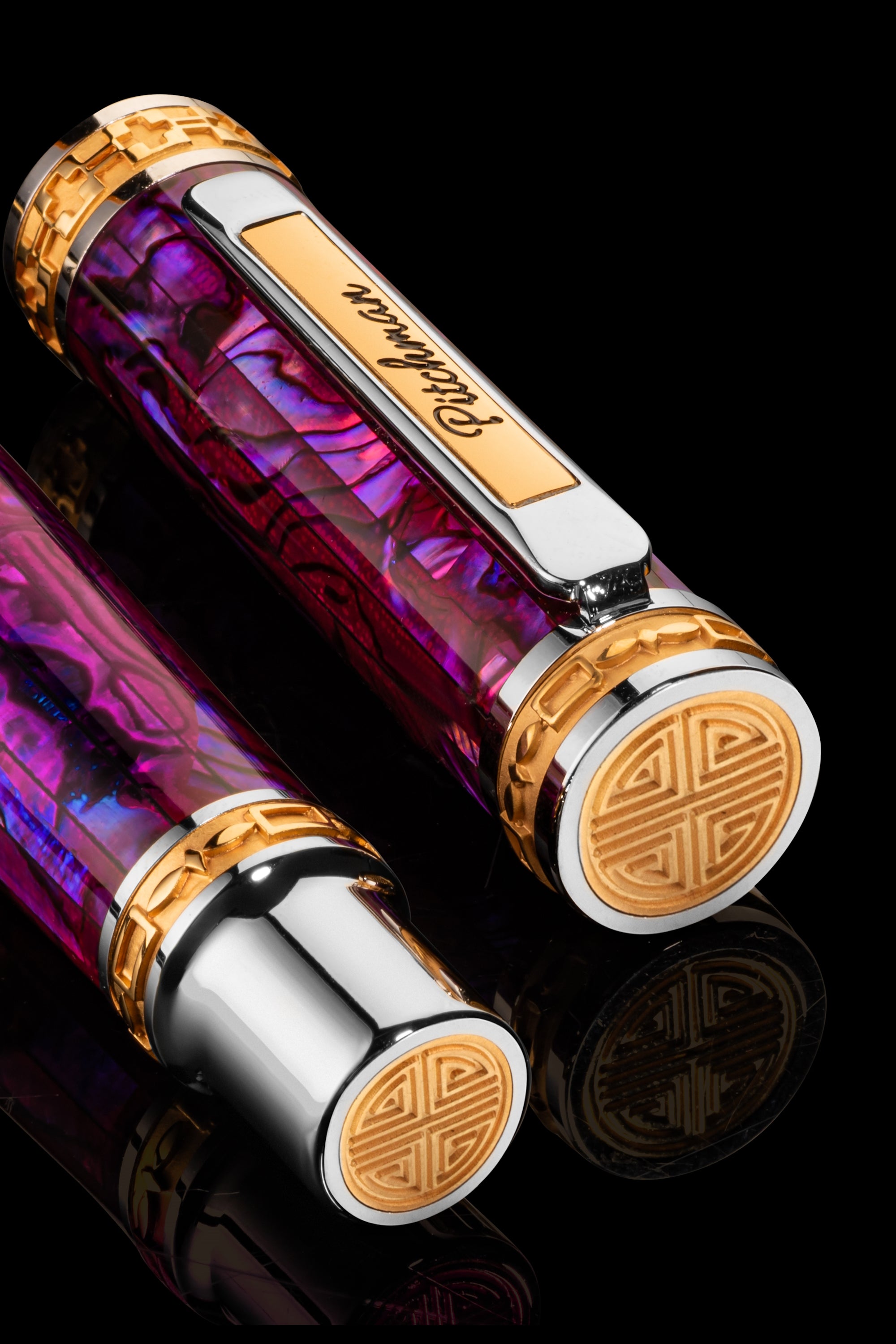
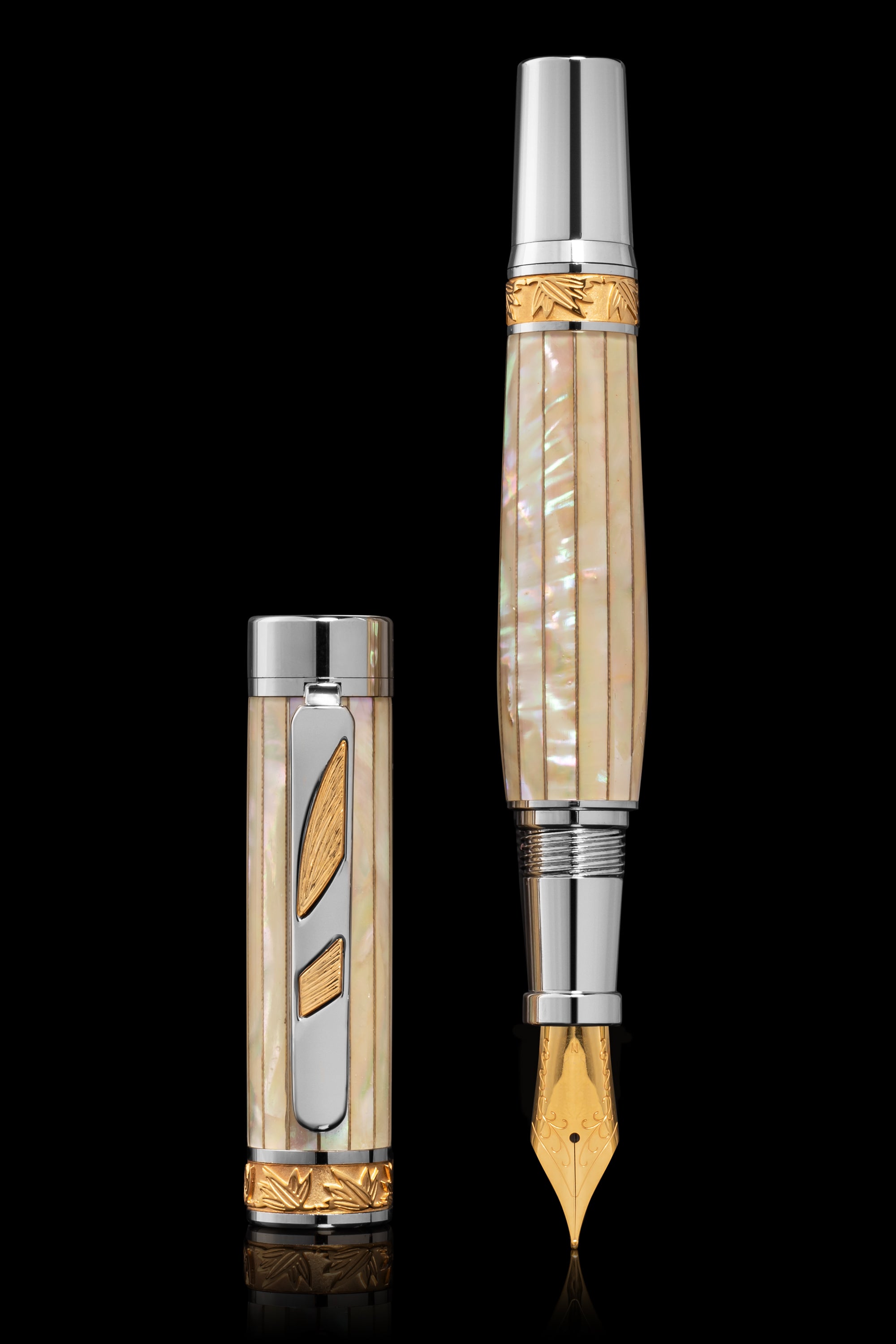
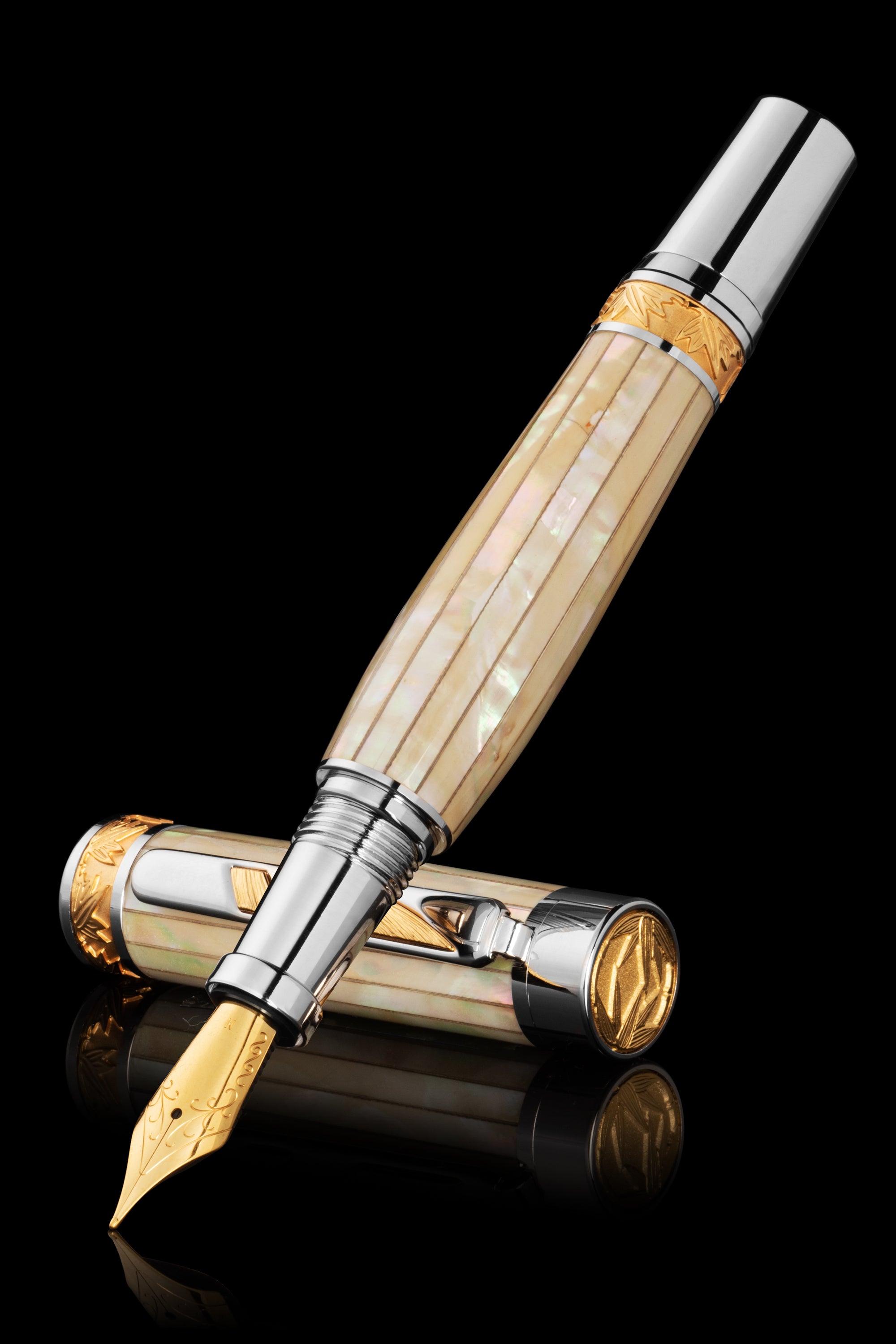
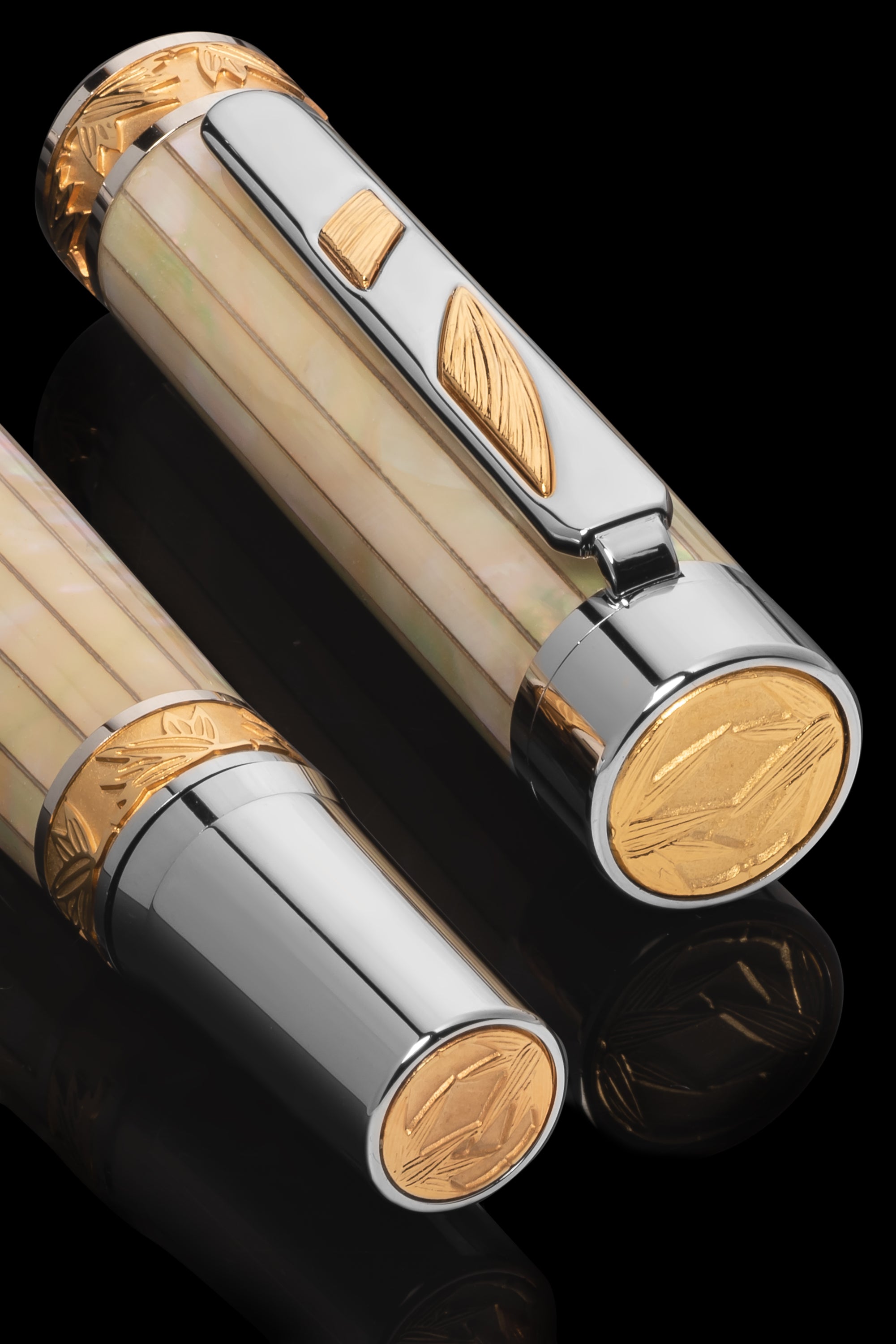
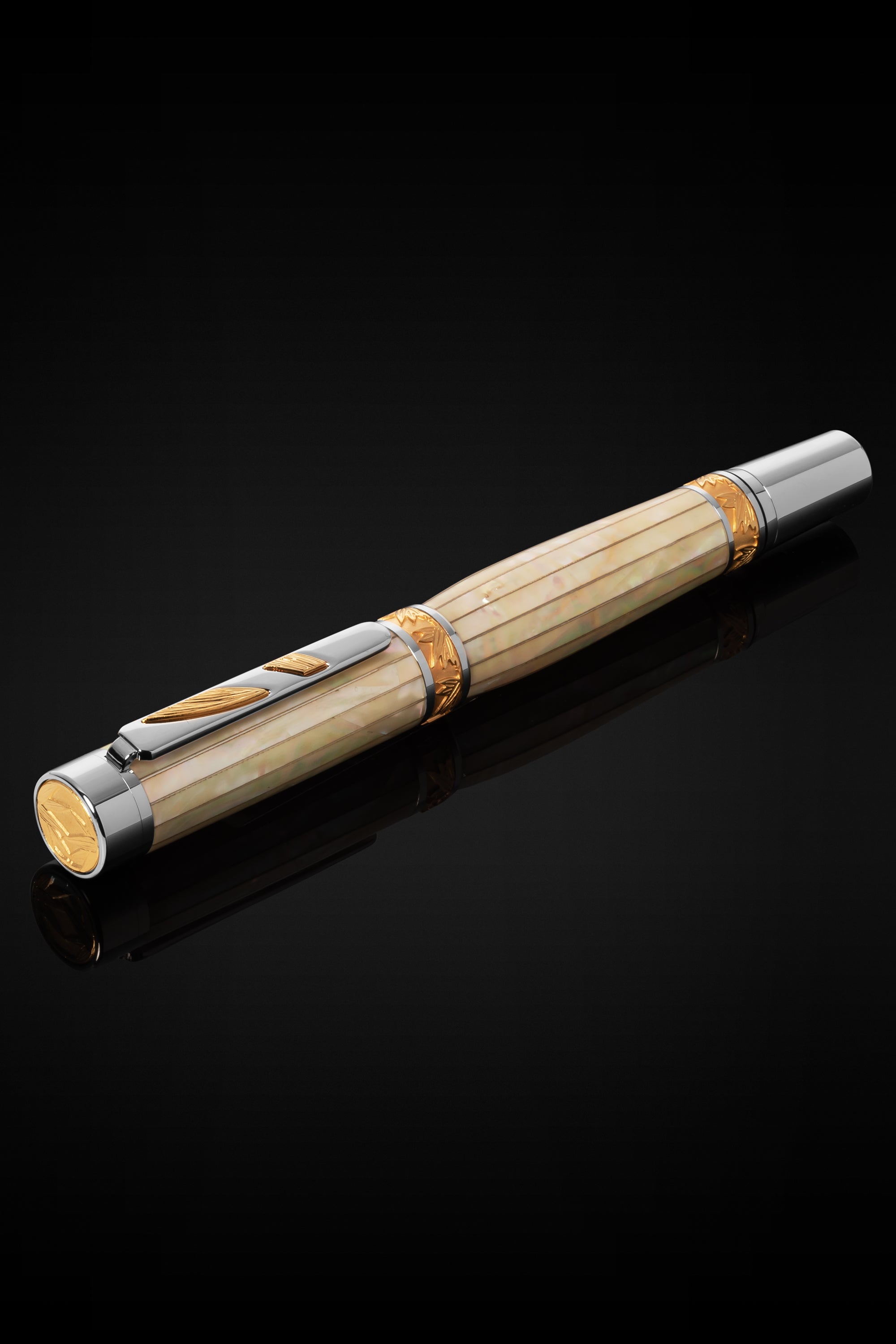
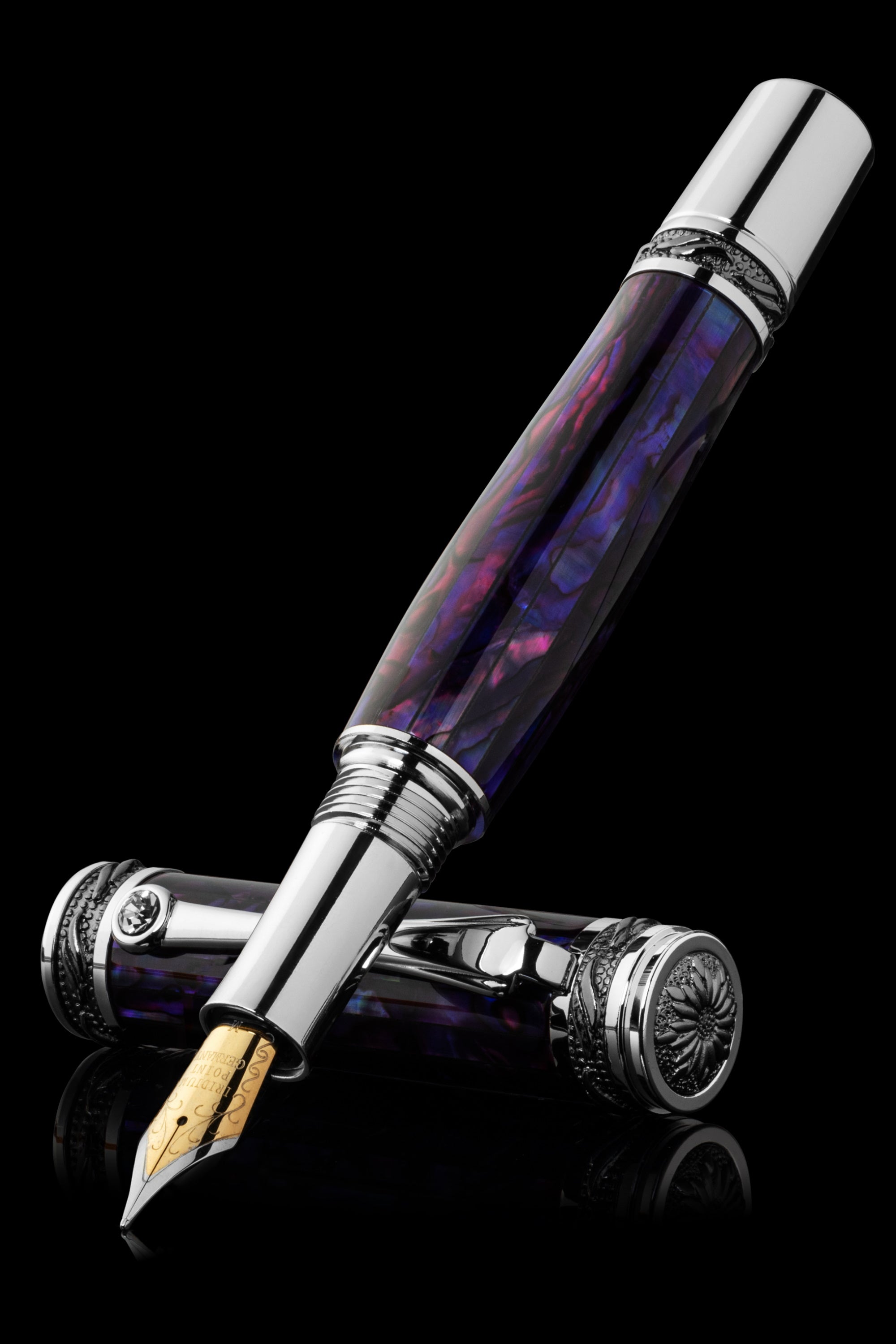
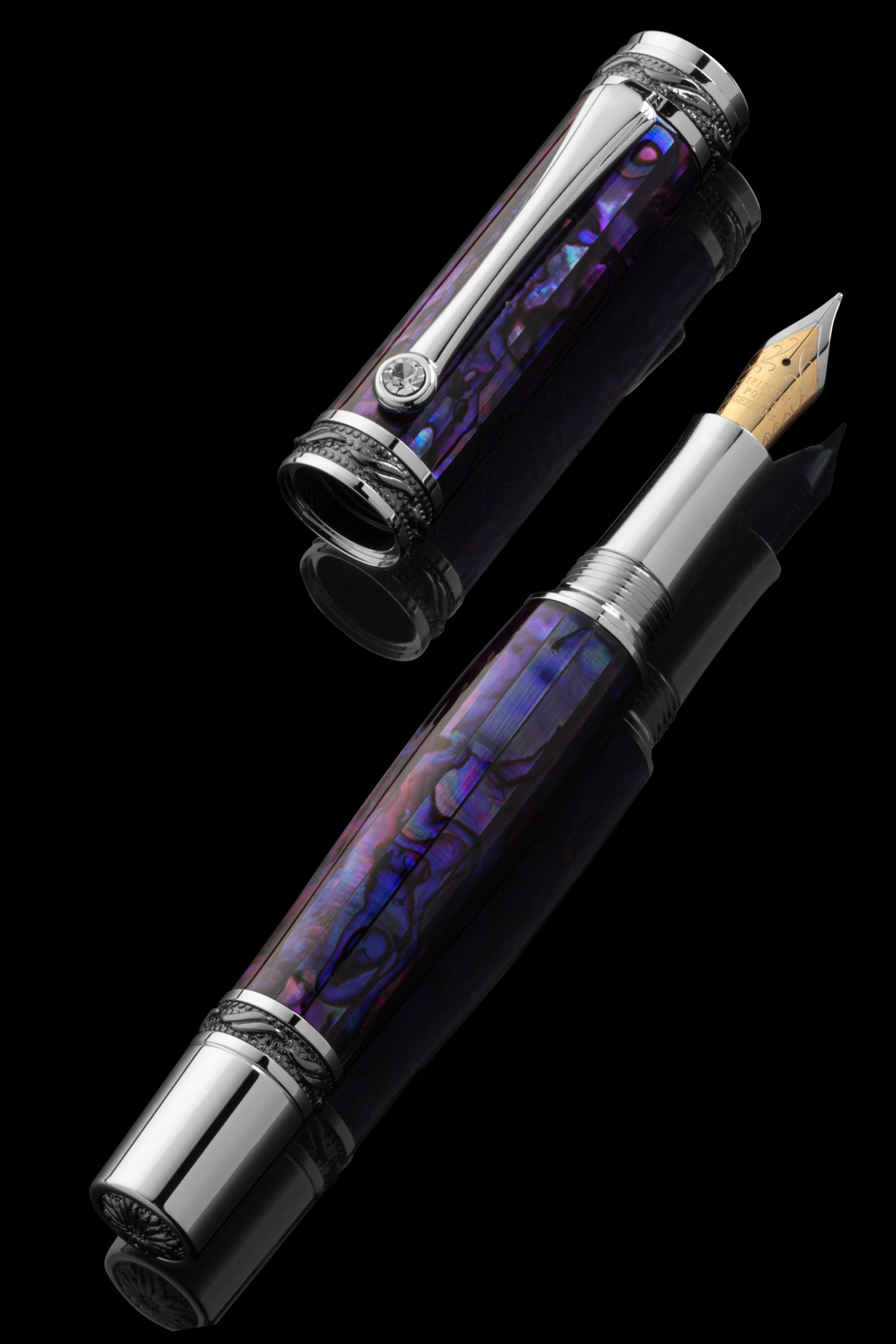
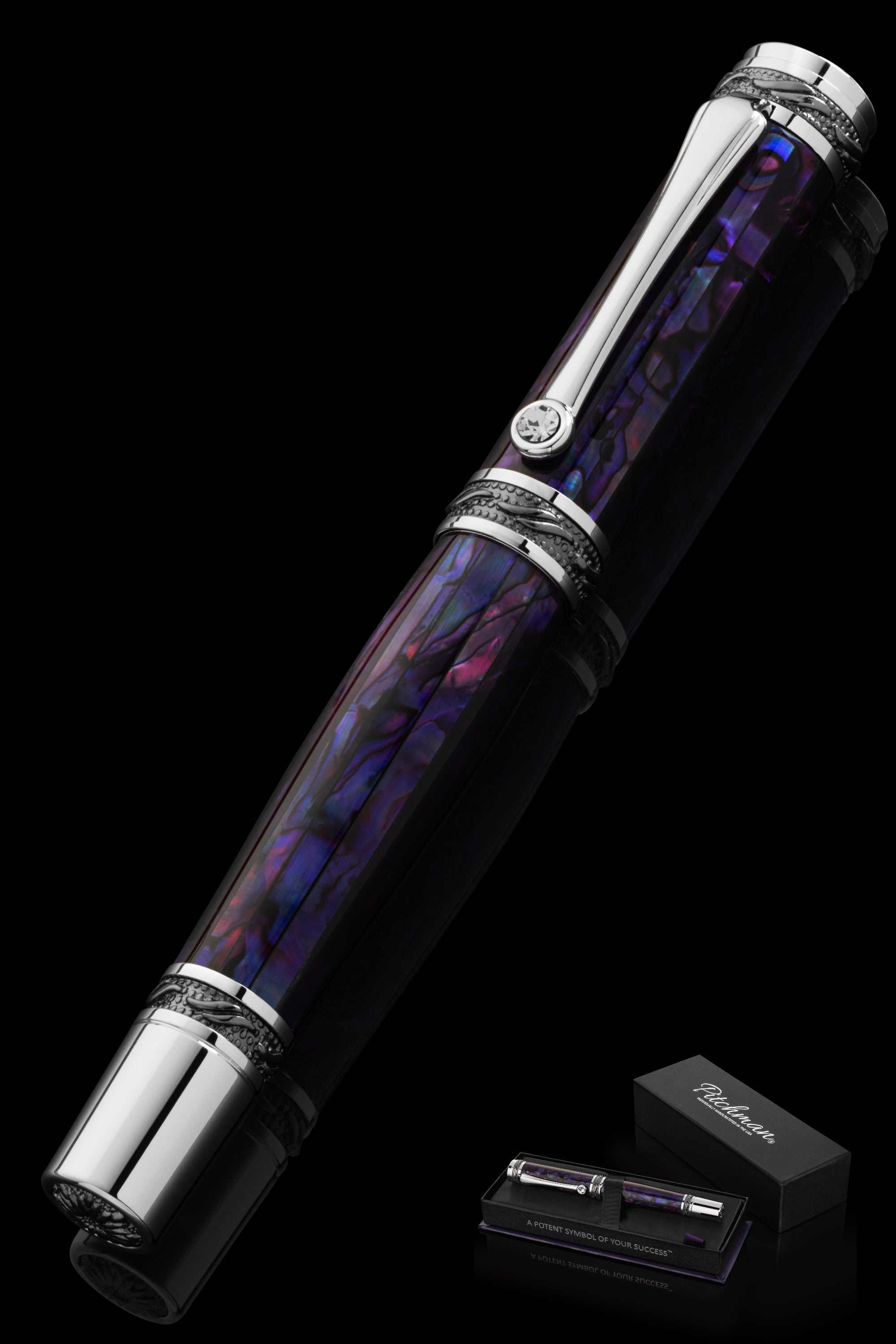
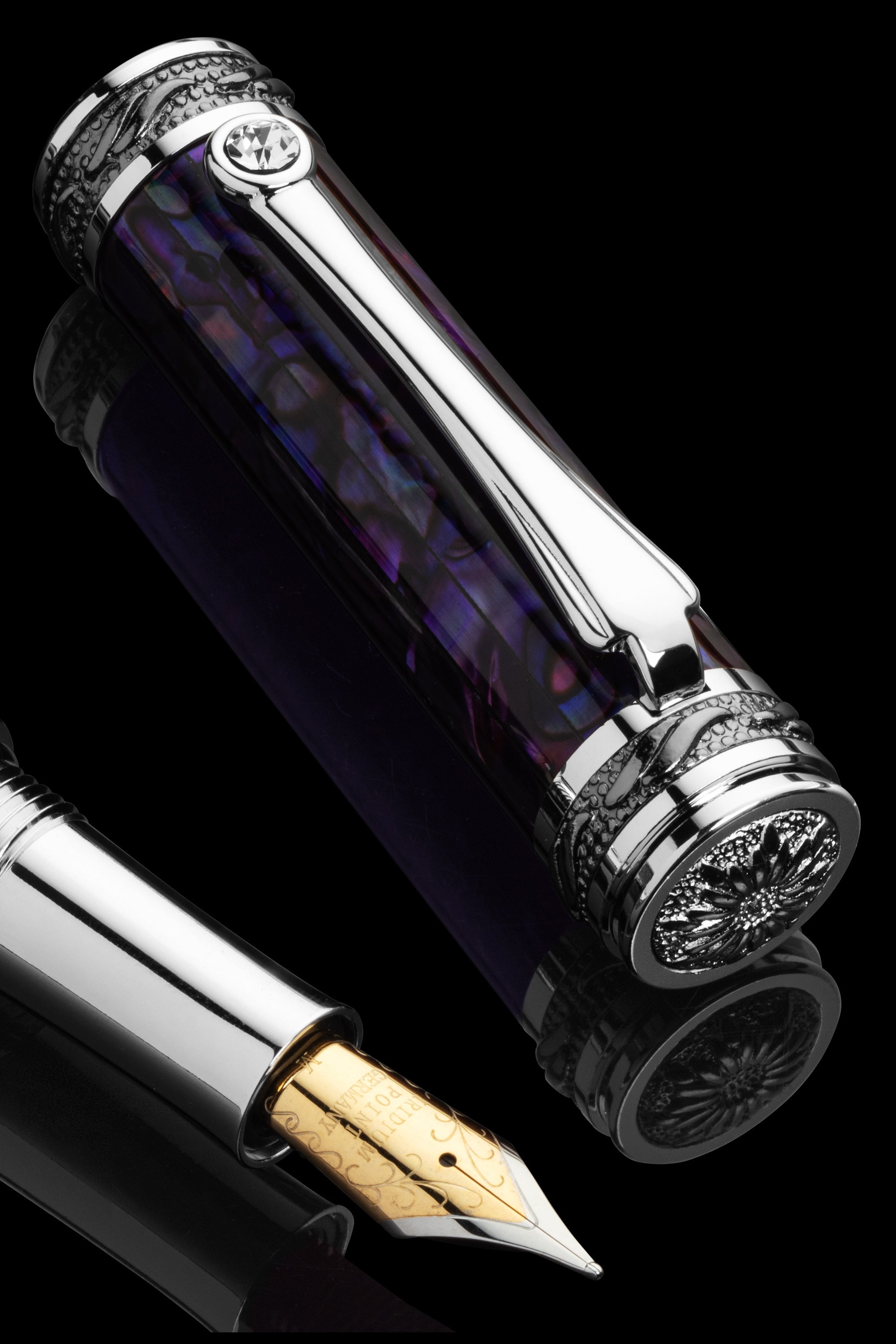
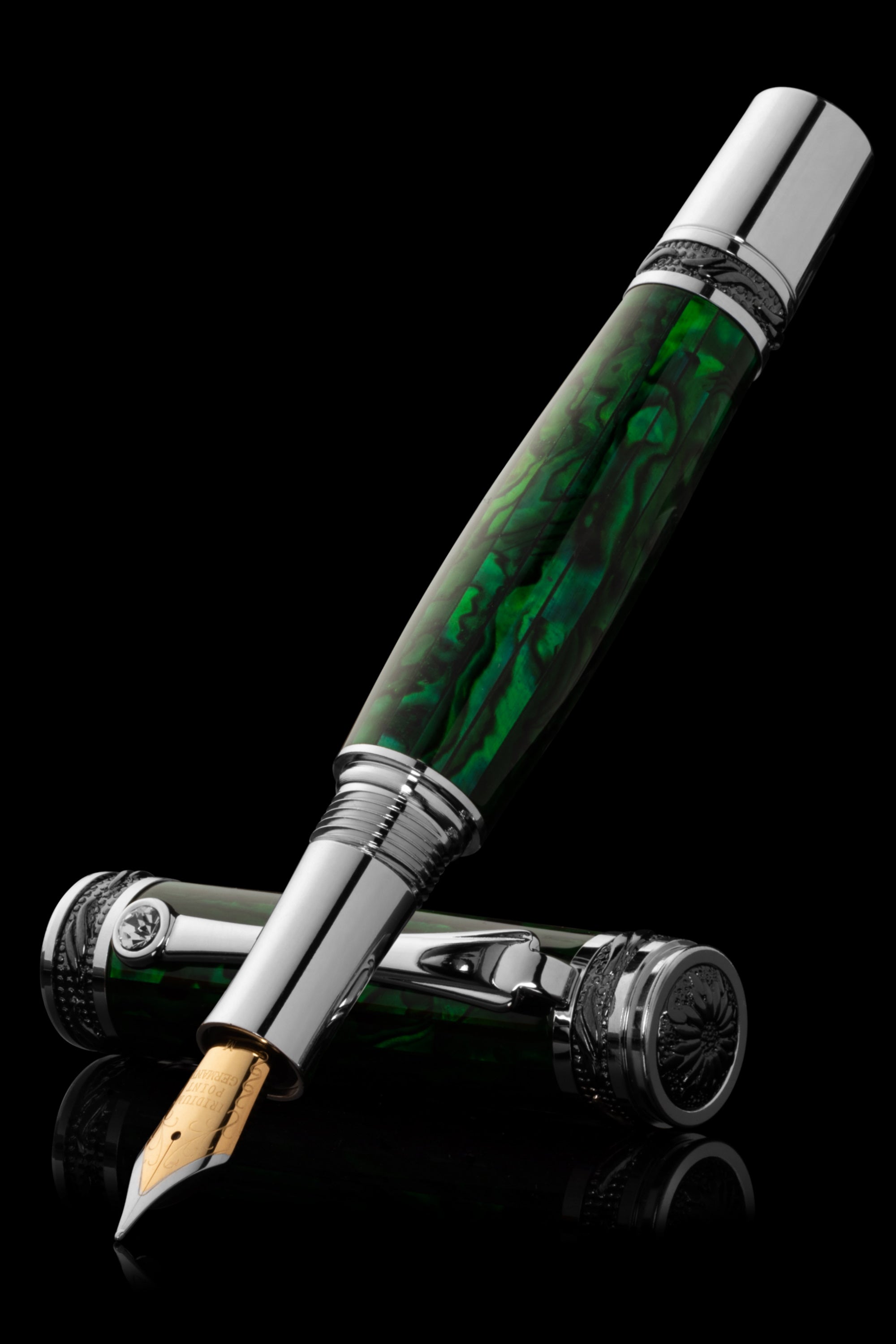
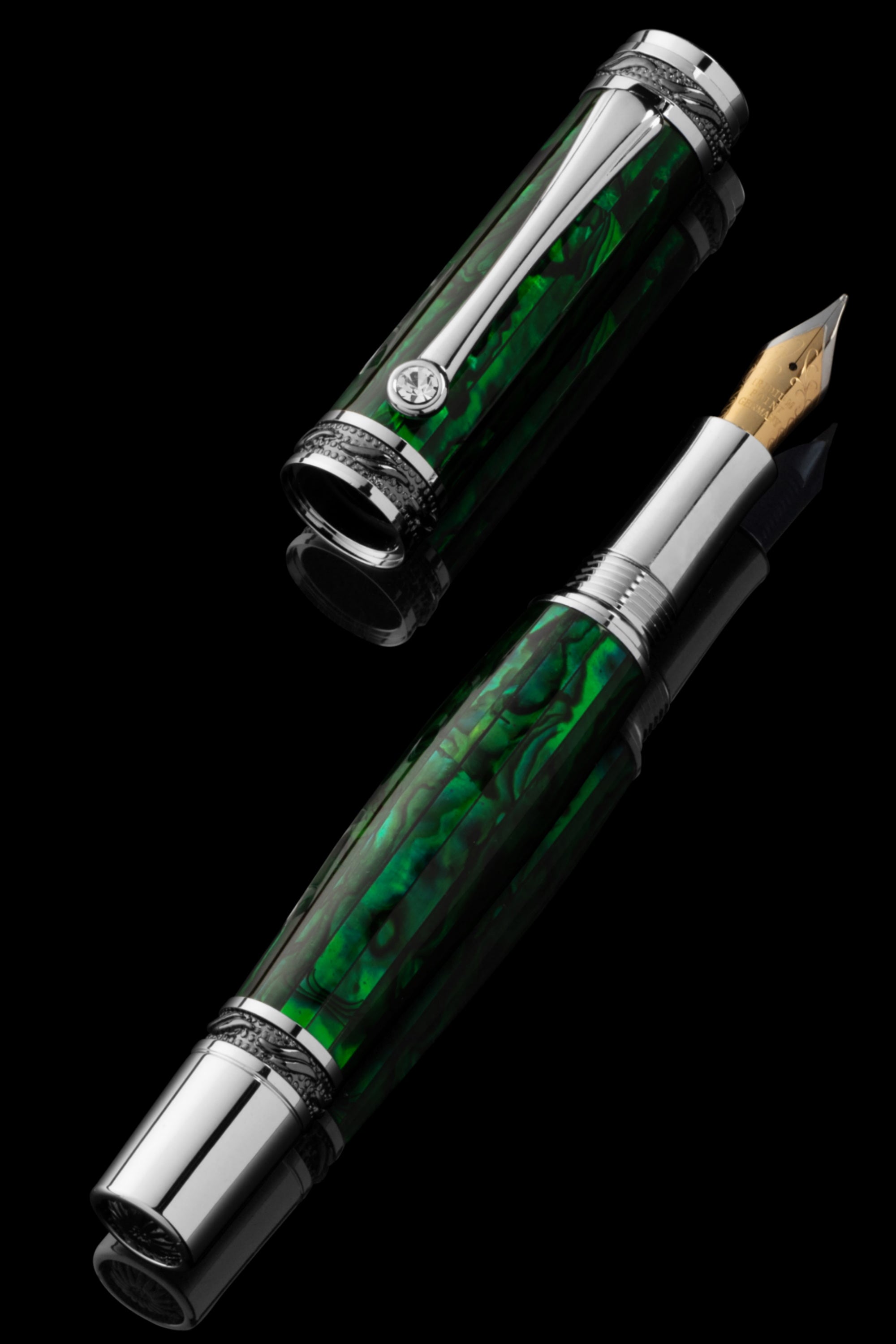
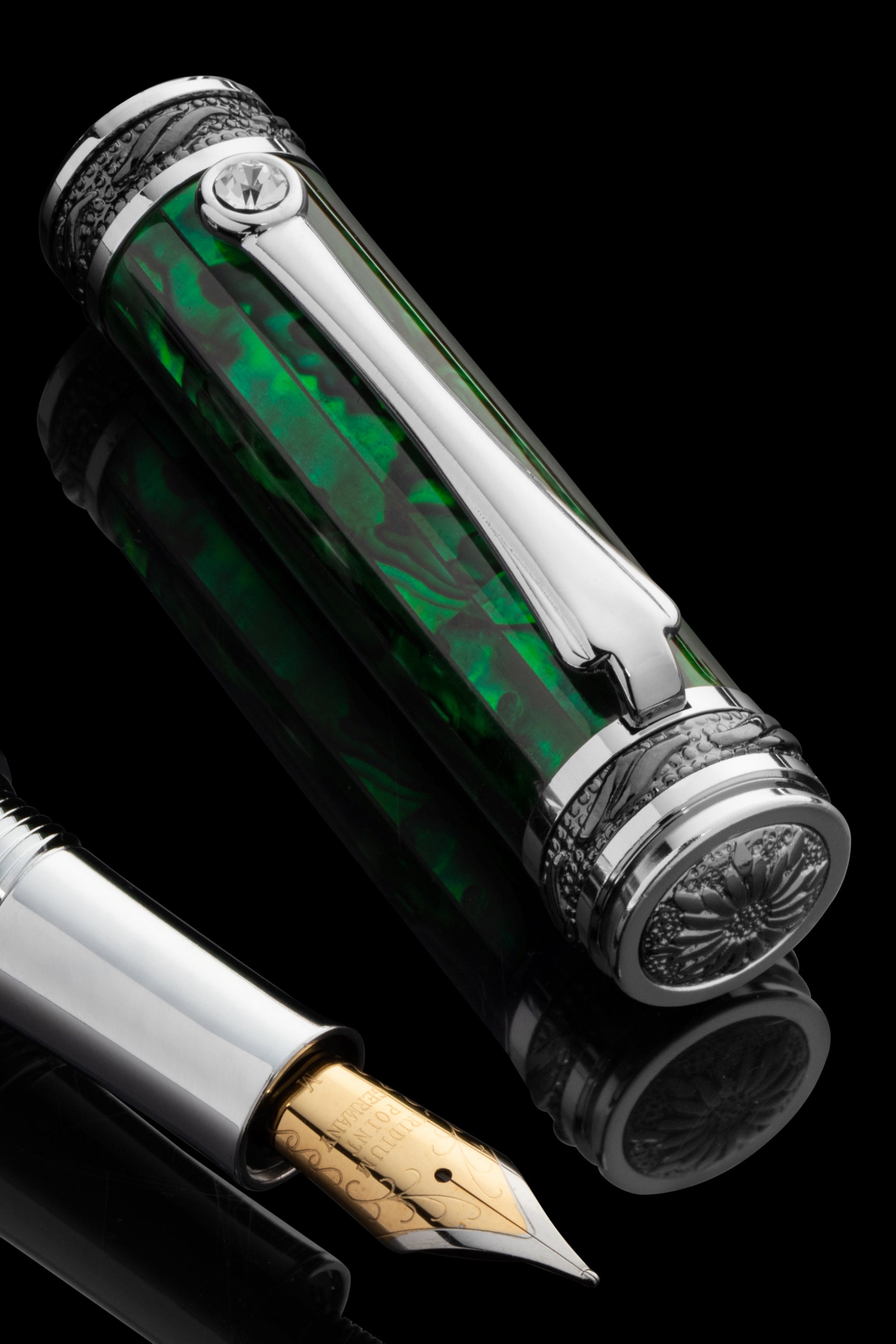
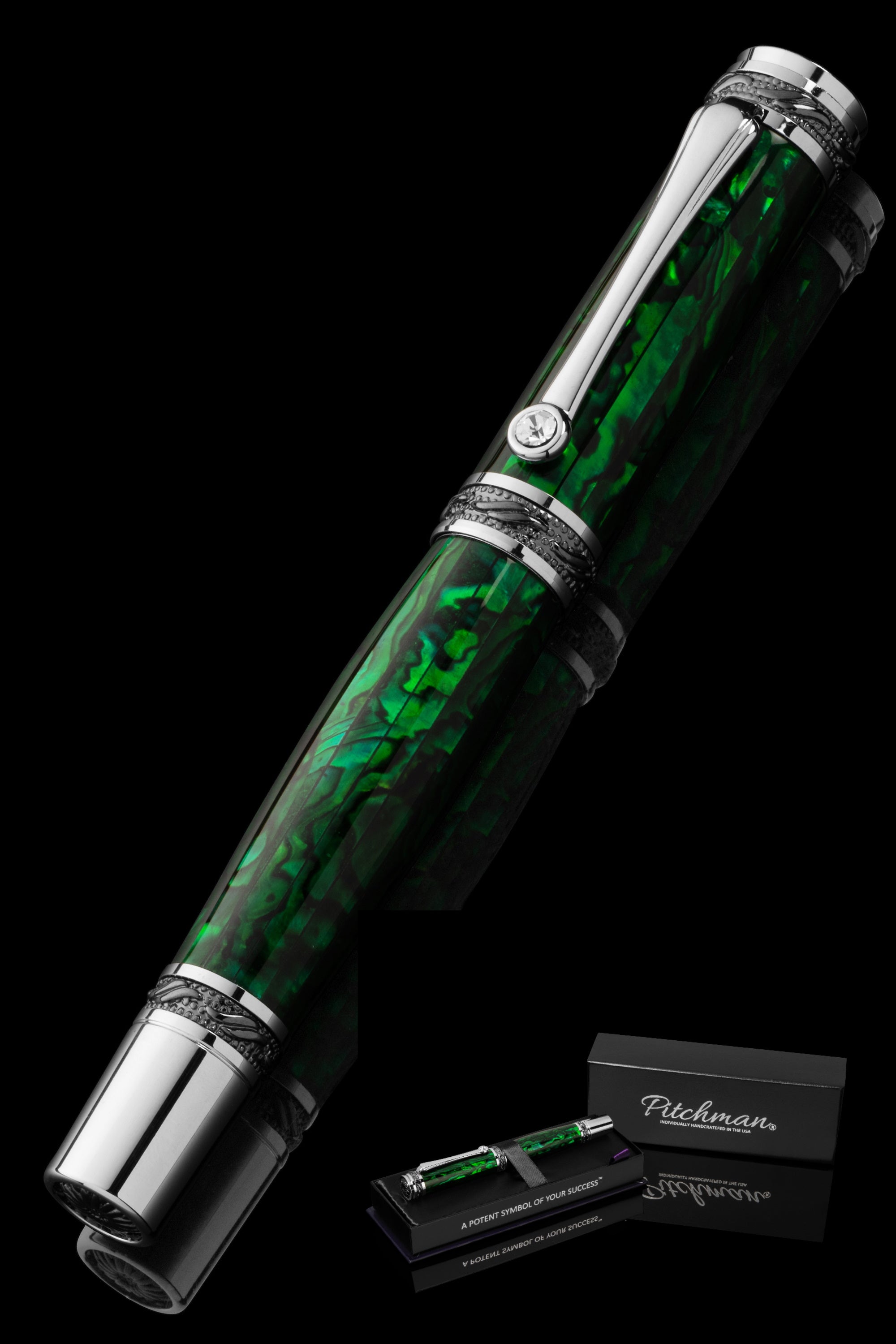
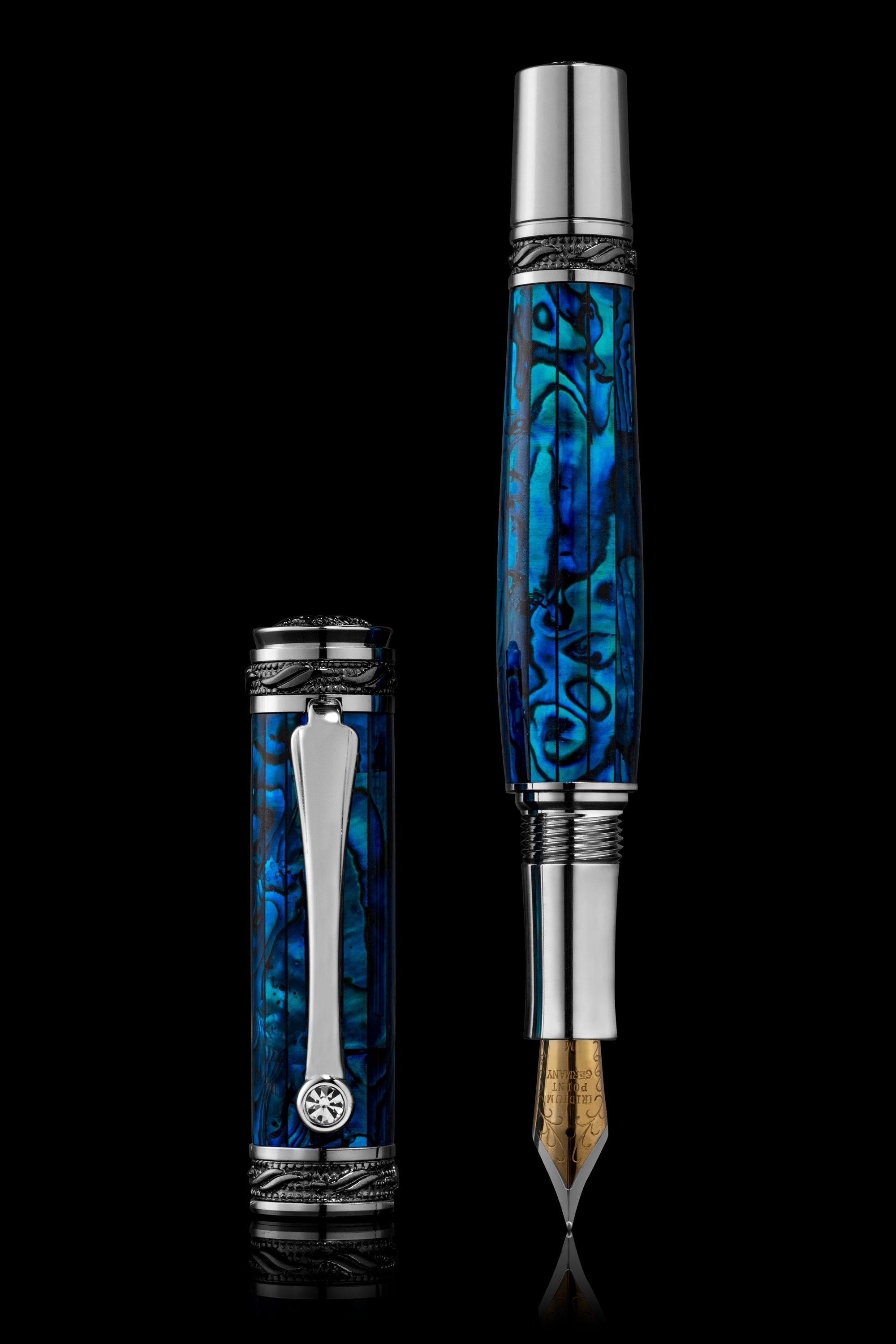
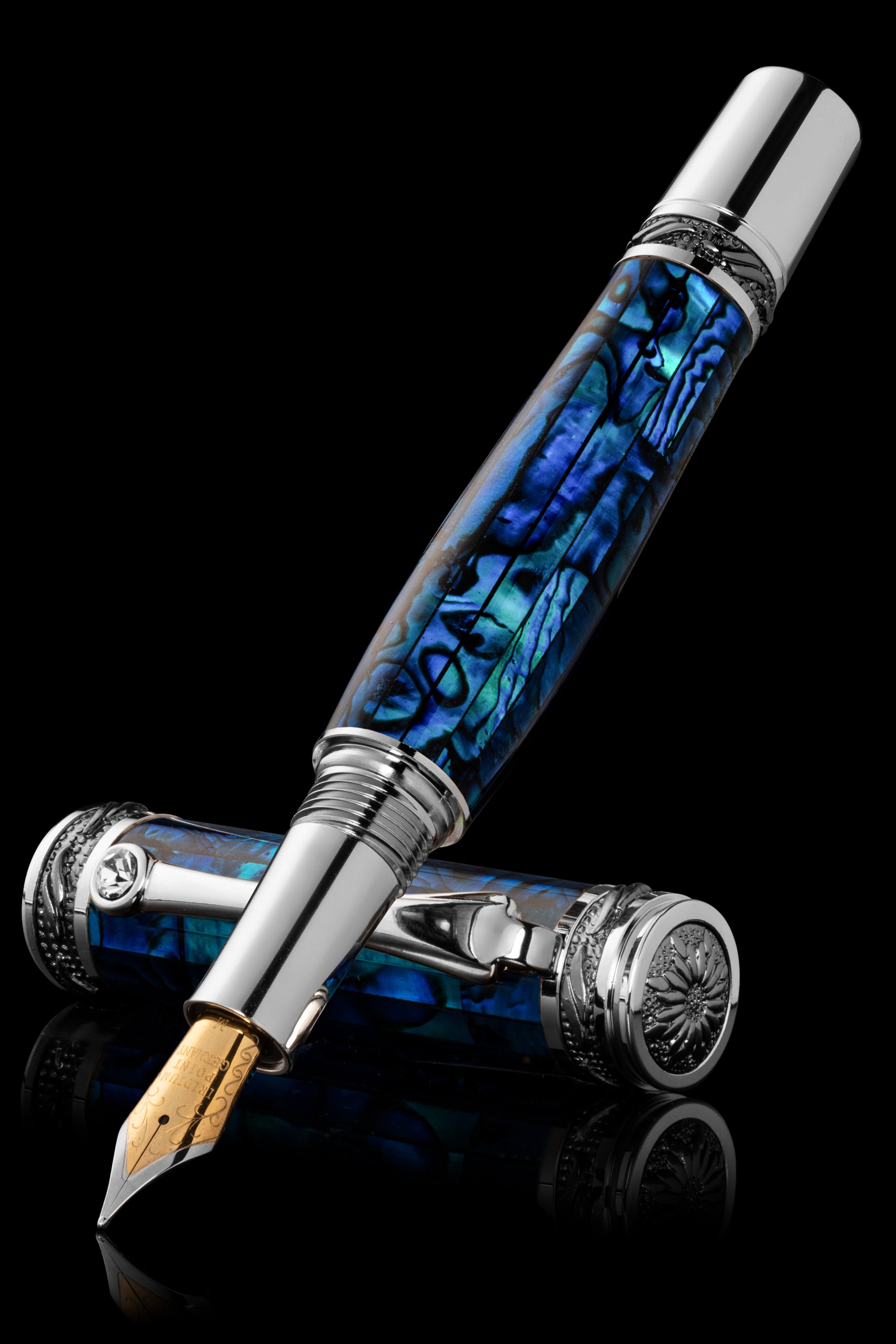
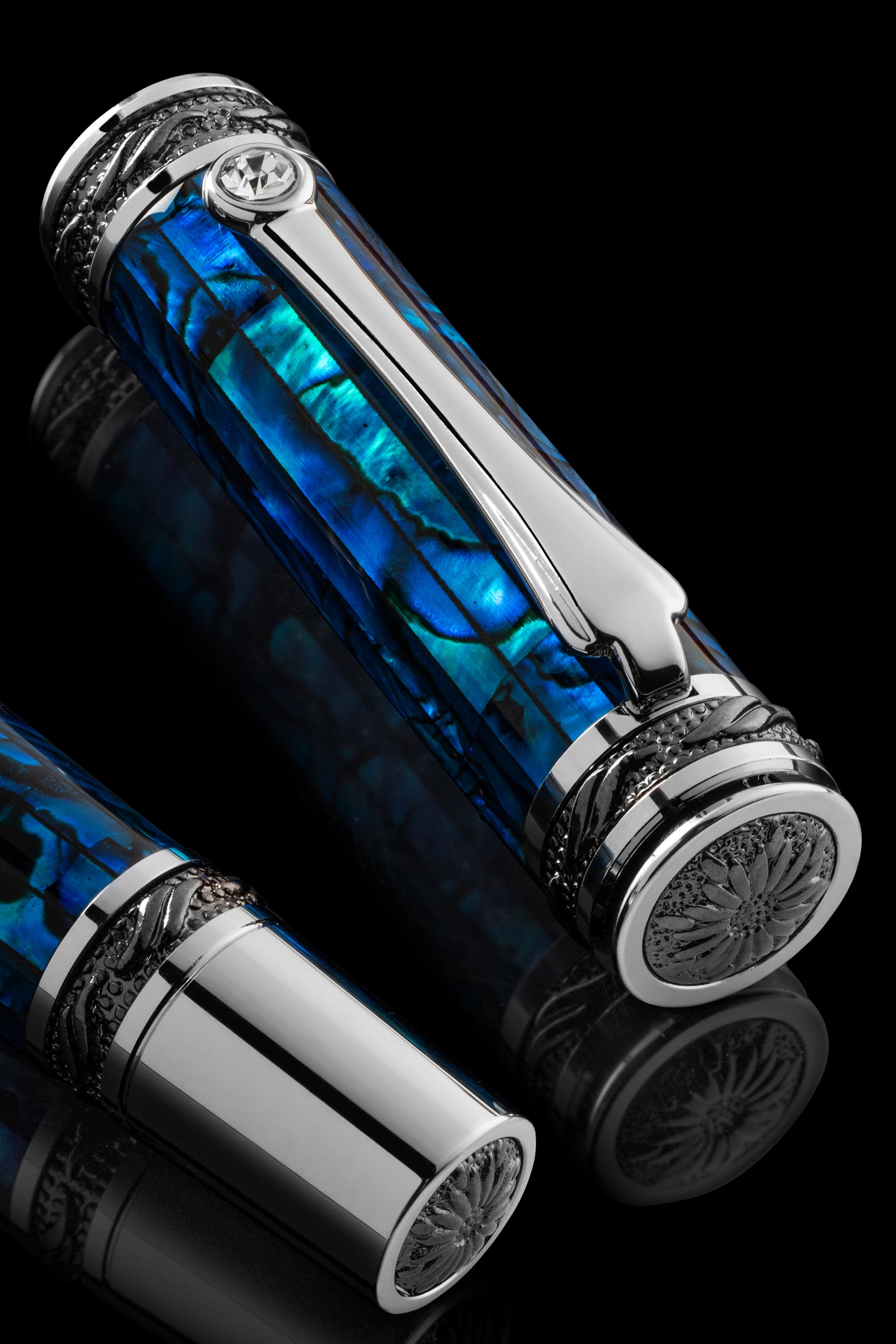
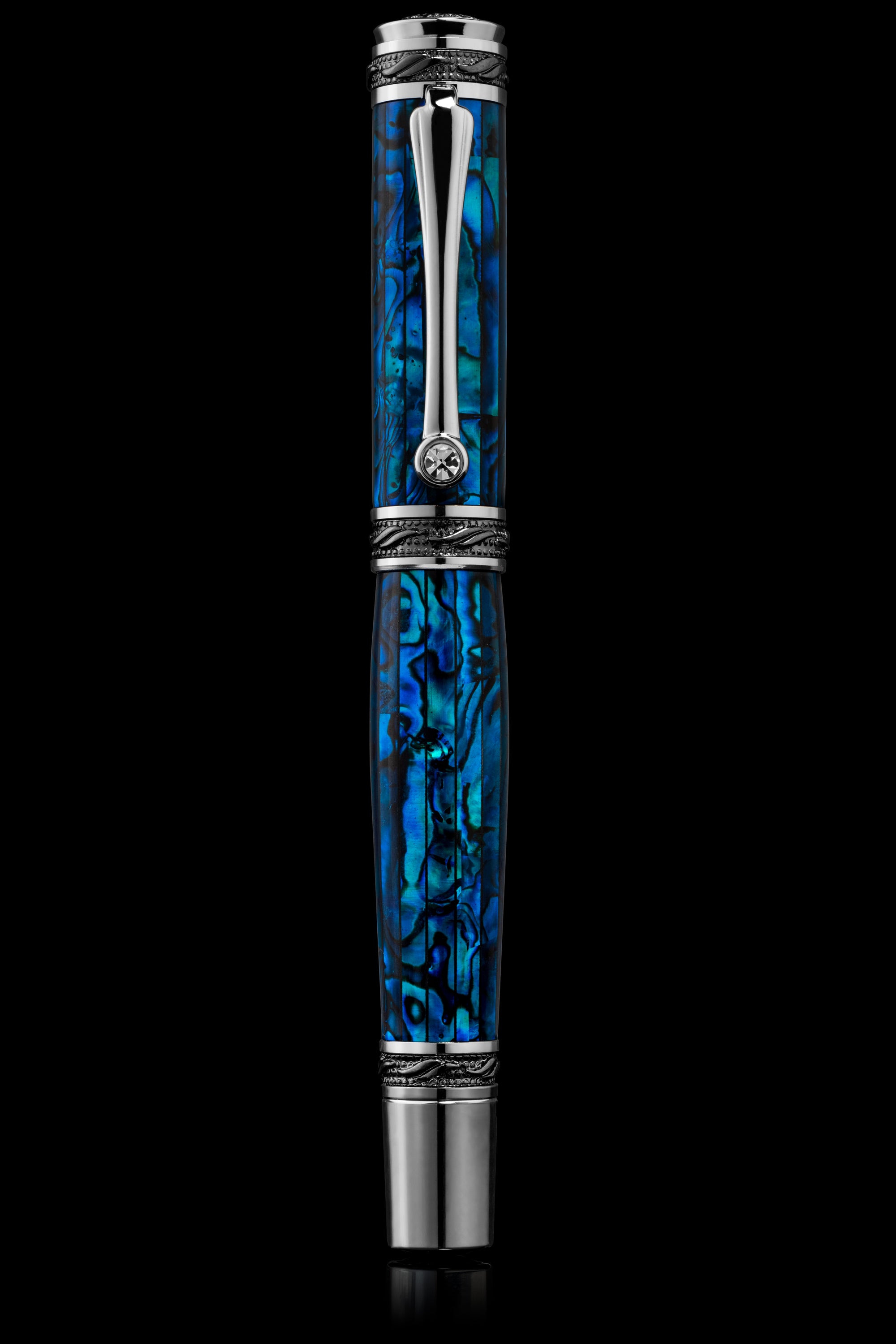
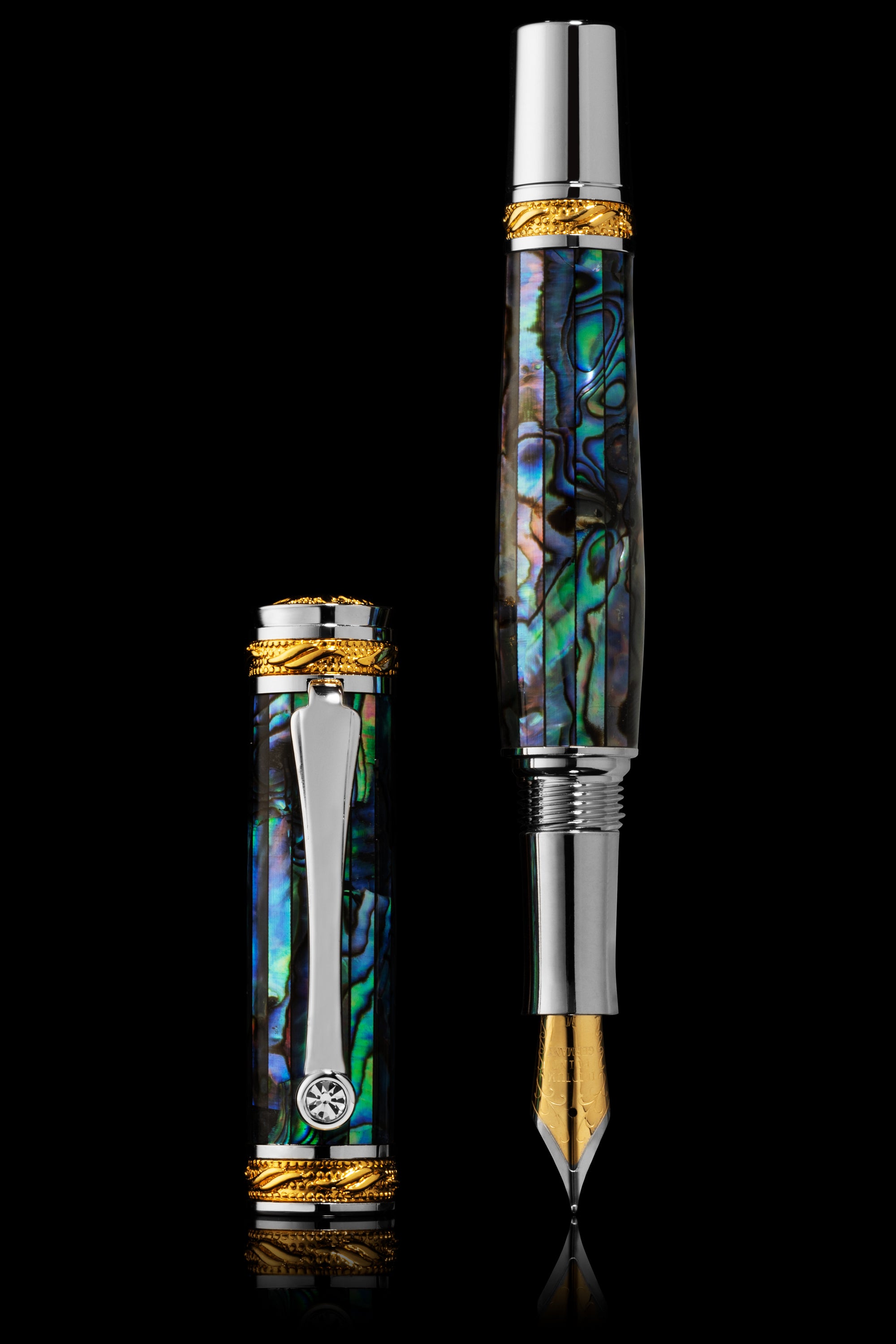
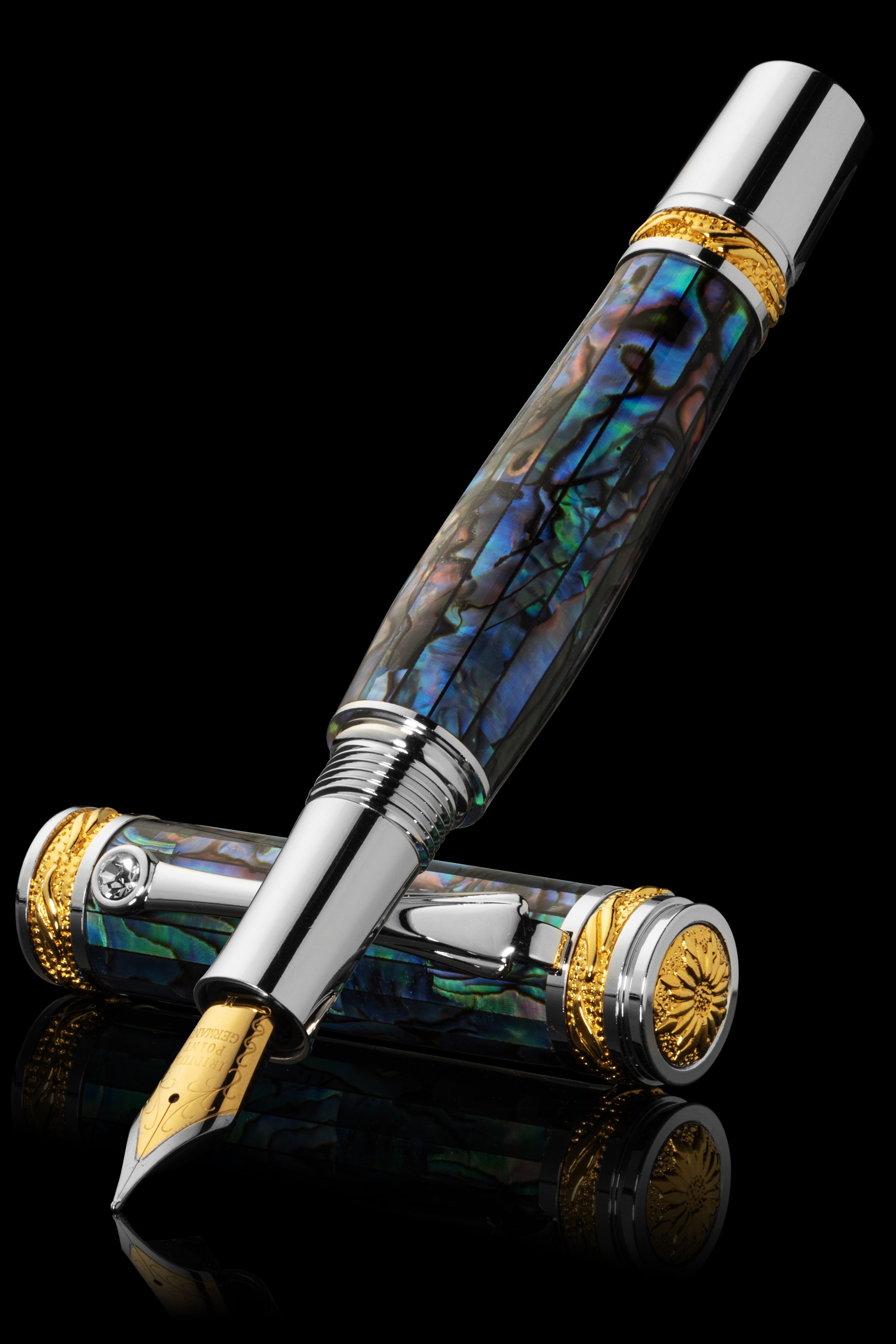
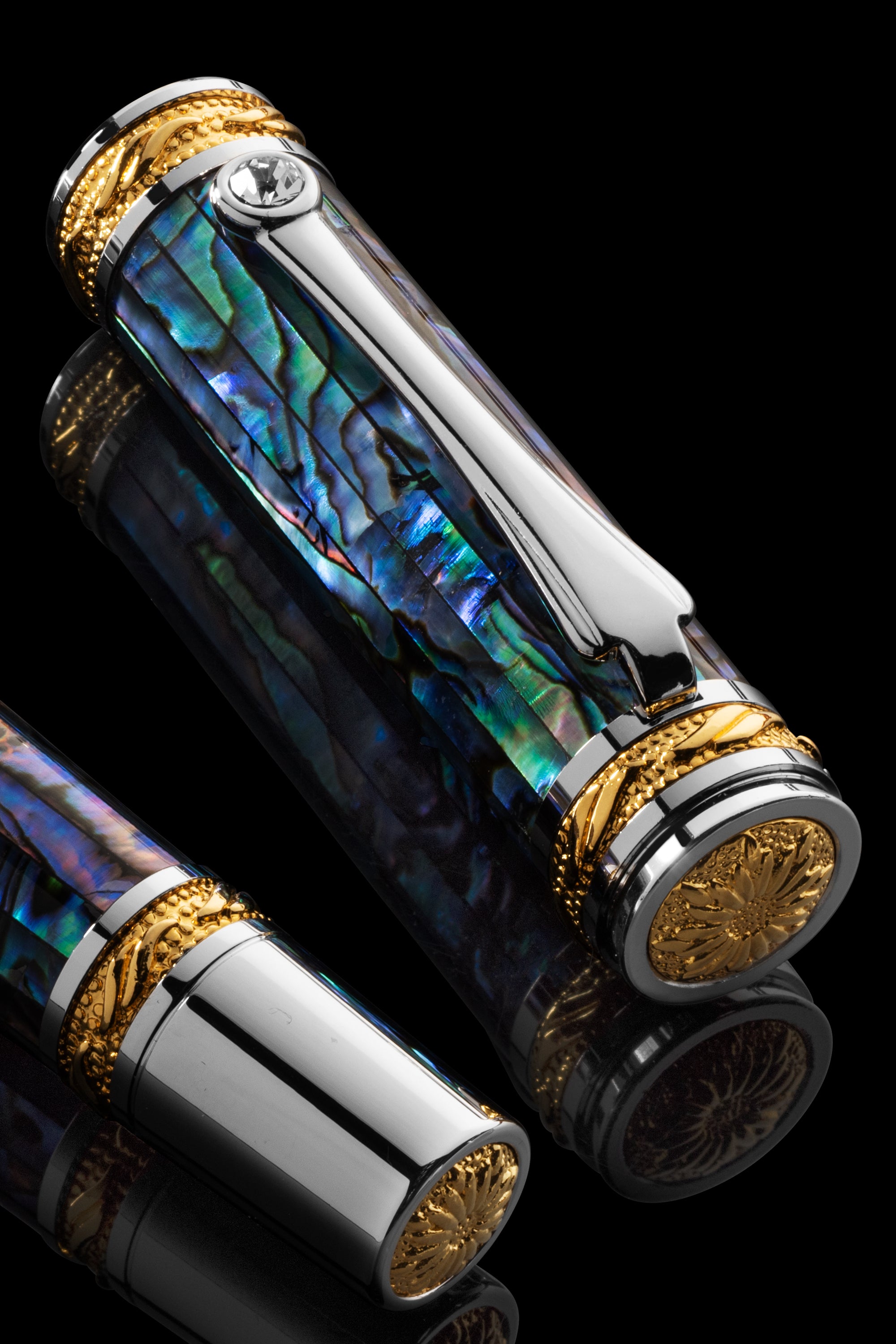
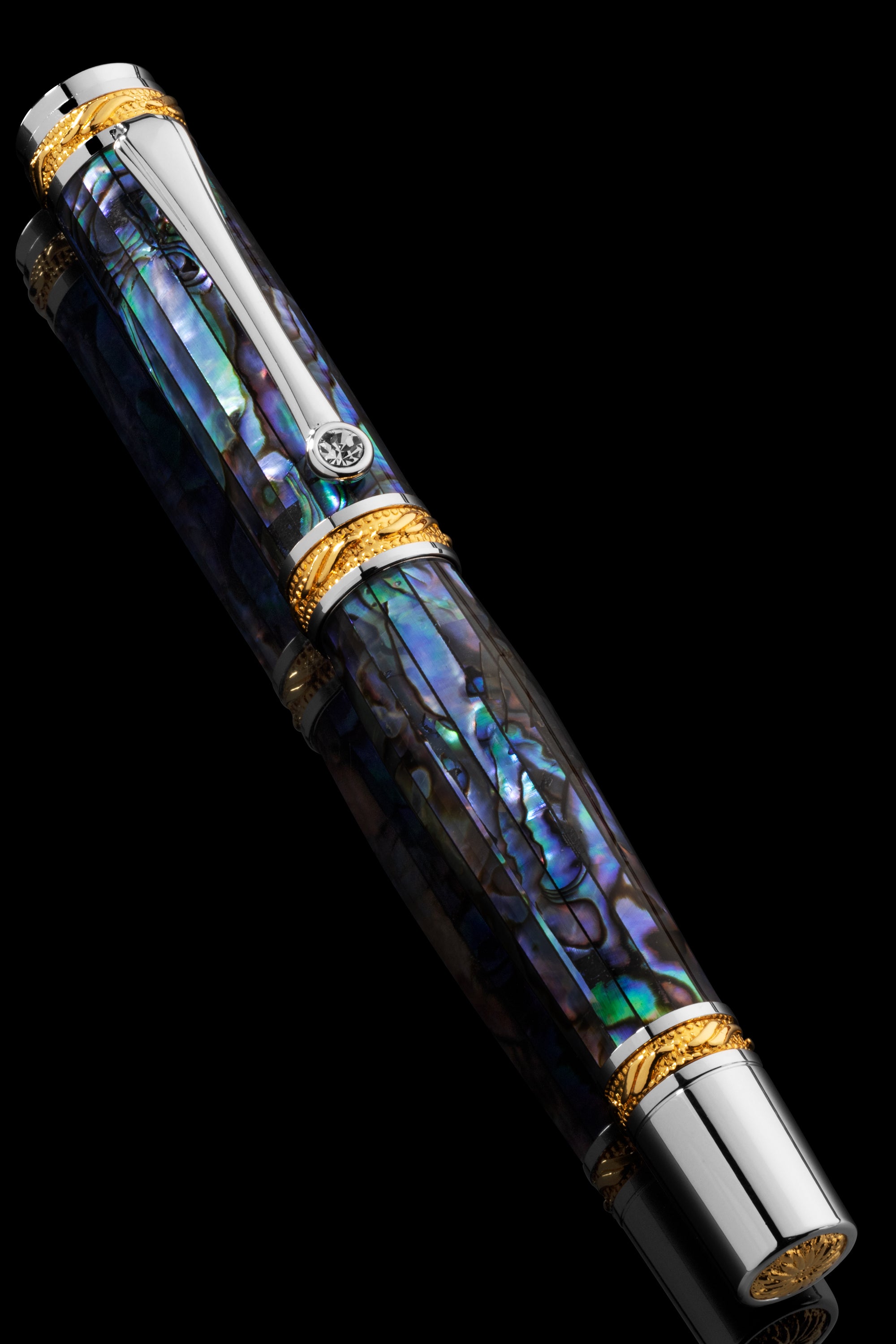
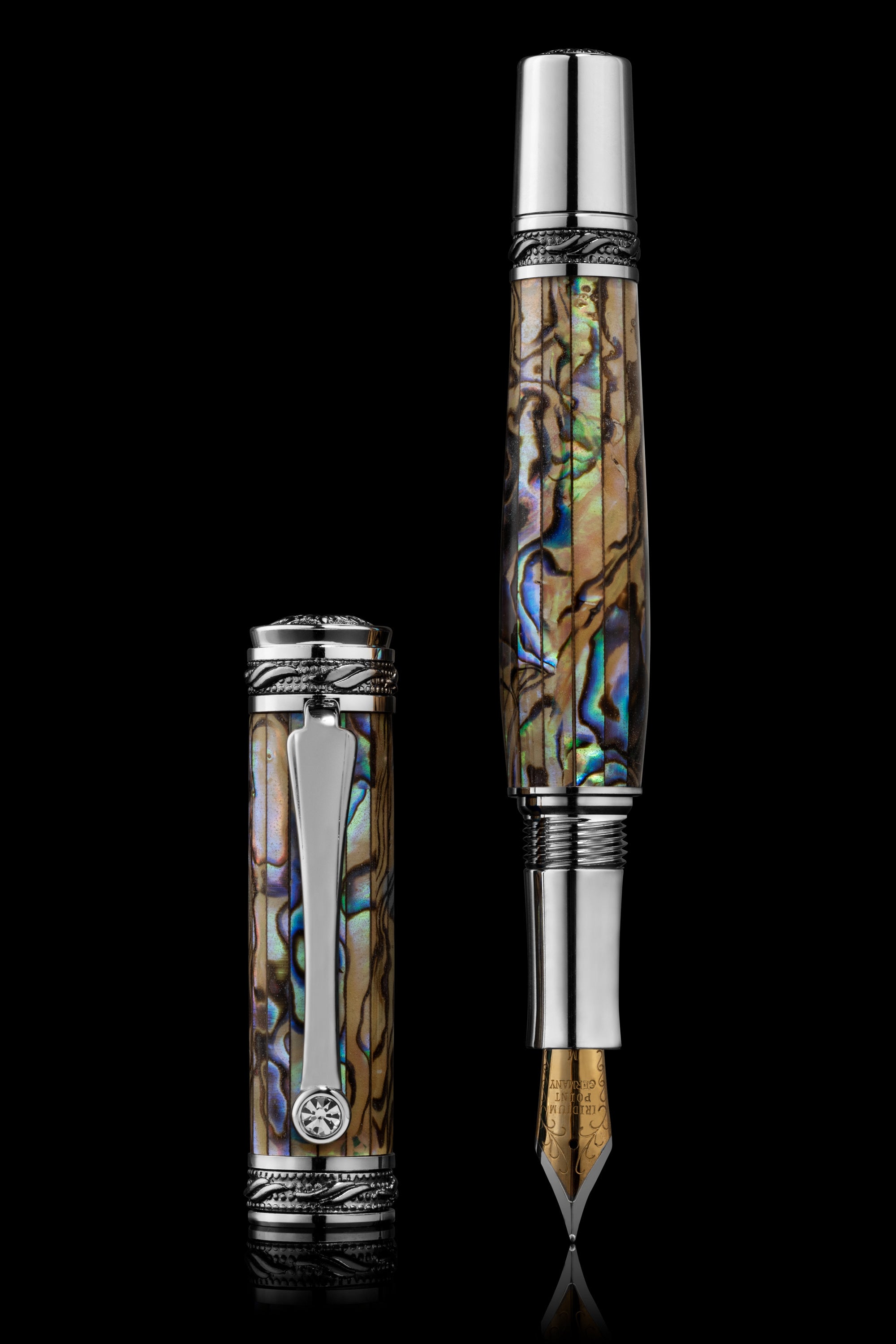
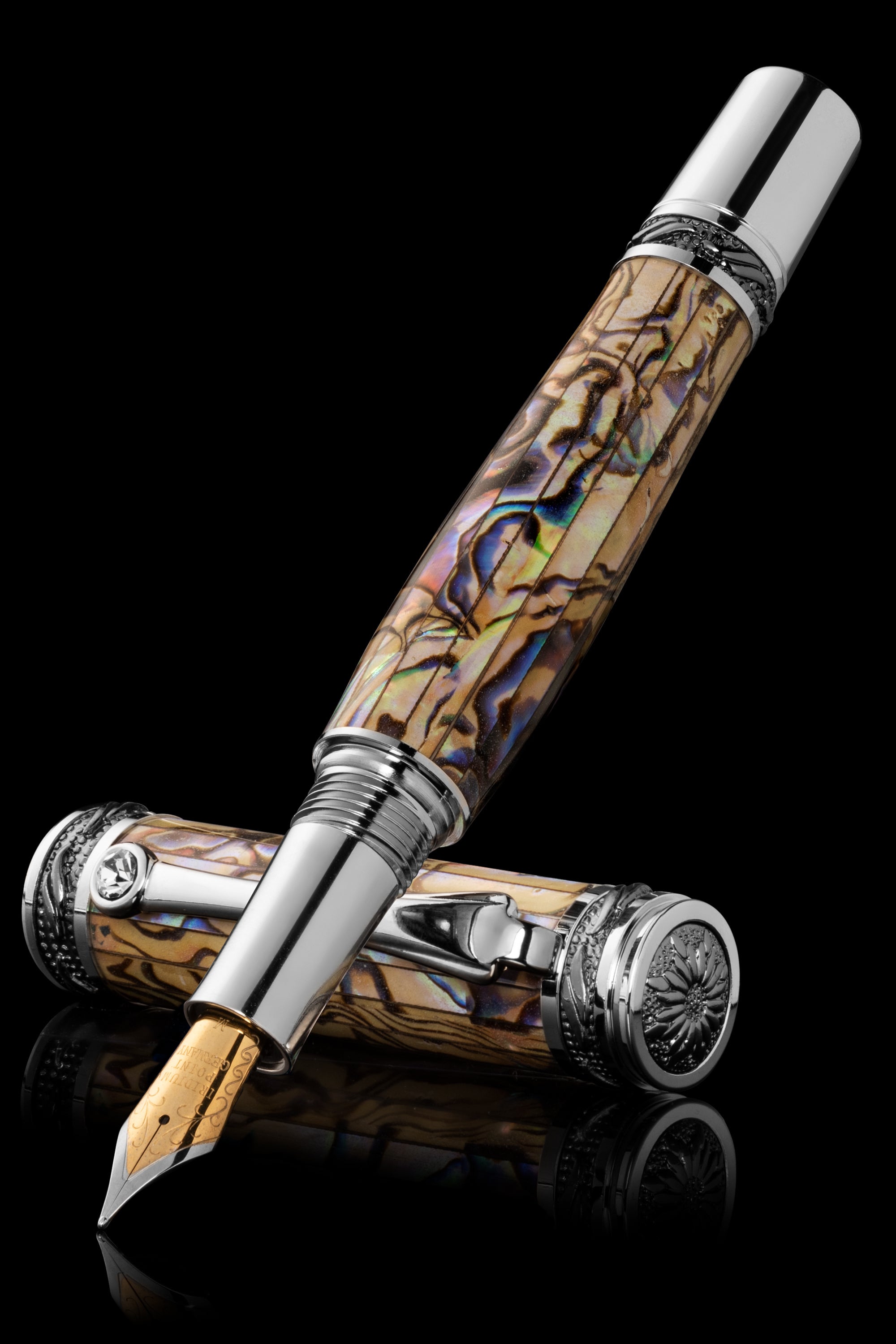
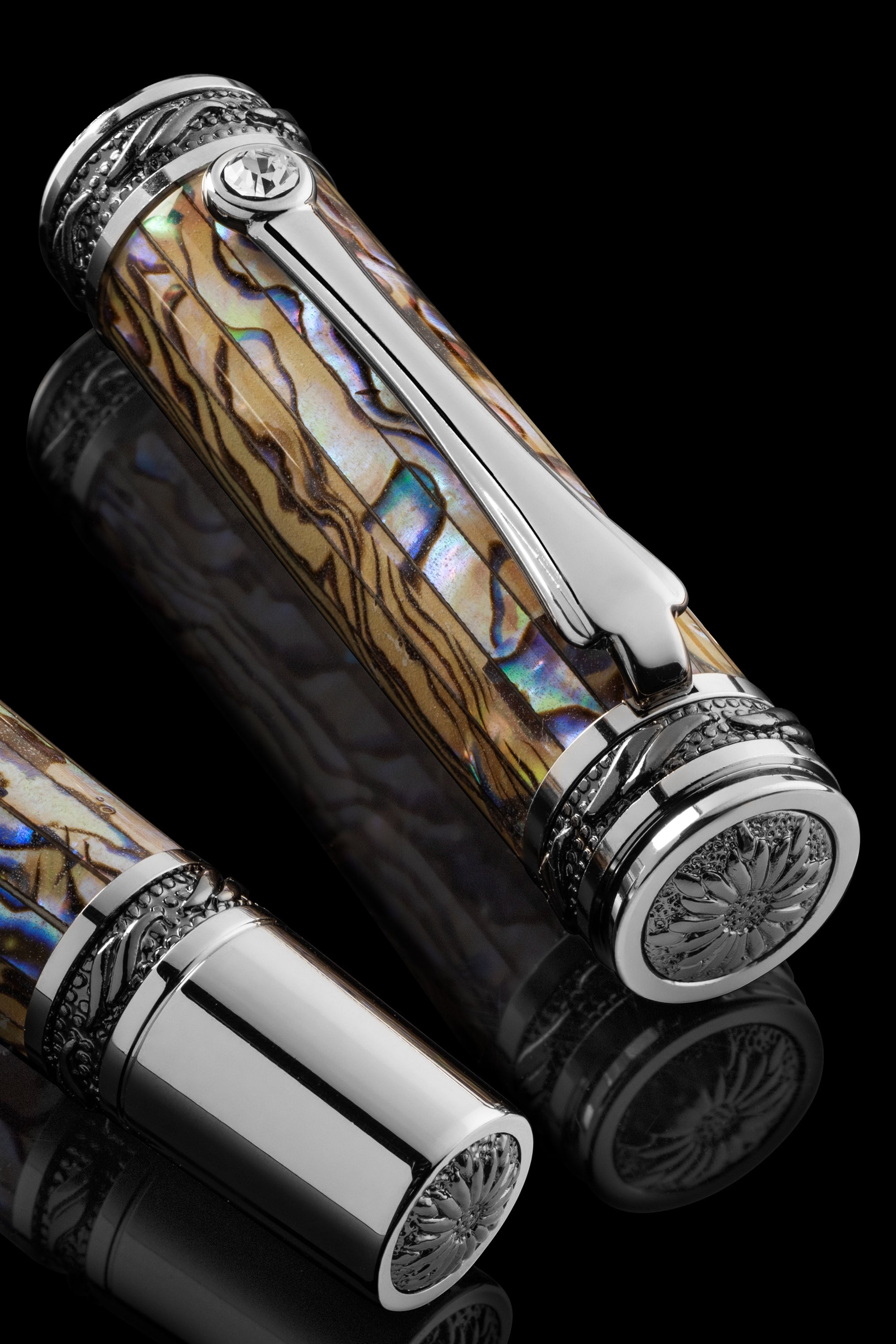
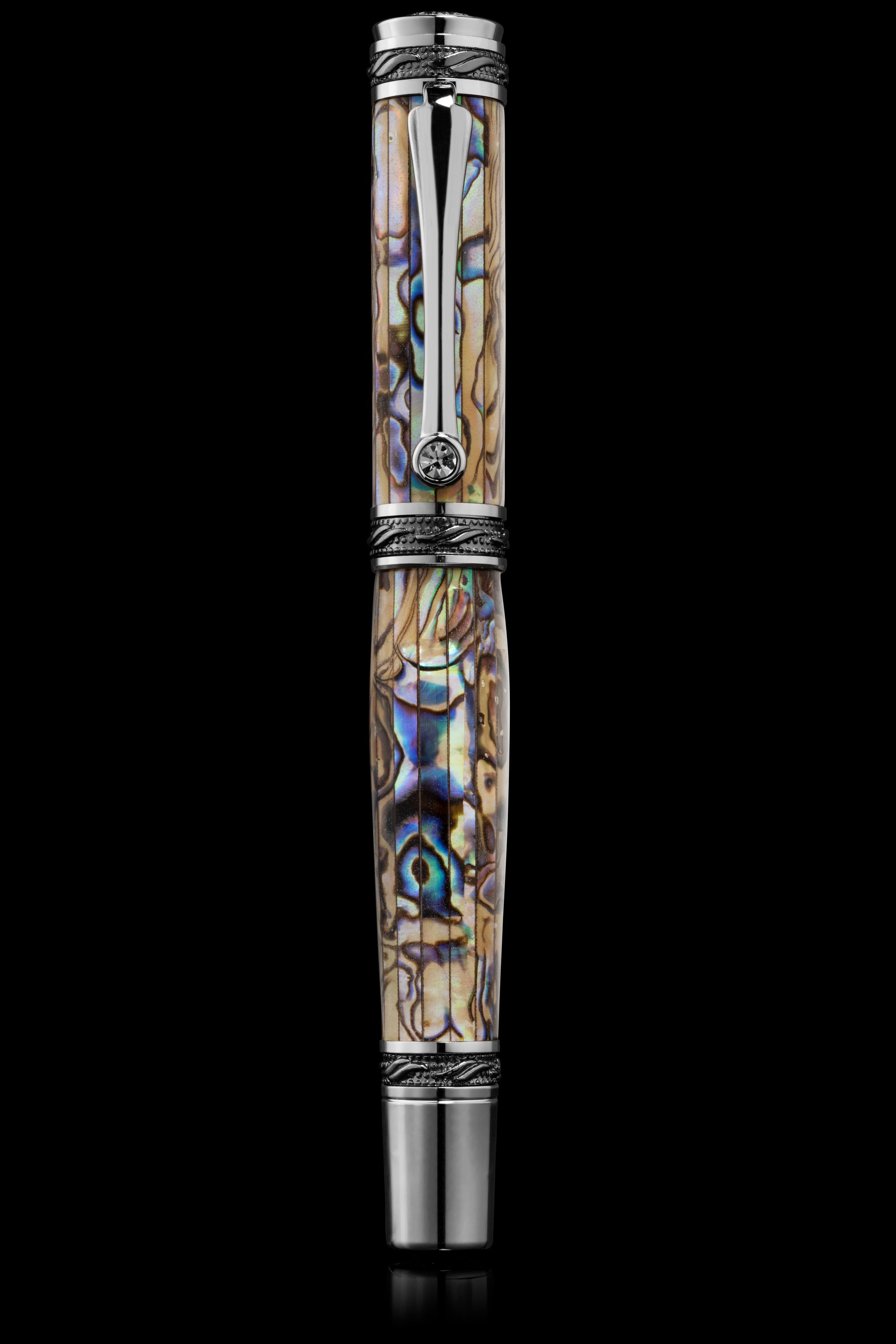
Each Pitchman fountain pen is individually handcrafted in the United States, one at a time. Across the Closer, Rainmaker, and Tycoon collections, you’ll find genuine abalone shell, Mother of Pearl, and premium resin, complemented by precious-metal finishes such as palladium, rhodium, and 22-karat gold, depending on the model.
Abalone shell brings shifting color and natural pattern; Mother of Pearl offers a luminous finish; premium resin offers a more understated look. Explore the individual pens to choose the combination of material, finish, and shape that appeals to you.
Pitchman’s limited-production approach gives you an alternative to a mass-produced writing instrument: a fountain pen made with individual care, whether you’re choosing it for daily writing, adding to a collection, or giving it to mark an important achievement.
Choosing Your Pitchman Fountain Pen
Start with how you expect to use your pen. For regular notes or longer writing sessions, consider the dimensions, weight, and grip of the model that interests you. Comfort is personal, and the right choice should suit the way you naturally hold a pen.
Then consider its visual character. Materials, color, and finish can make the difference between a pen you admire and one that feels distinctly yours. When choosing a gift, let the recipient’s taste guide you as much as the occasion.
Review the individual pen’s specifications, including its nib and filling method, before choosing. Those practical details deserve as much attention as its appearance.
Not sure which model suits you? Compare Closer, Rainmaker, and Tycoon in our guide to choosing your Pitchman.
What Makes a Fountain Pen Different from a Rollerball?
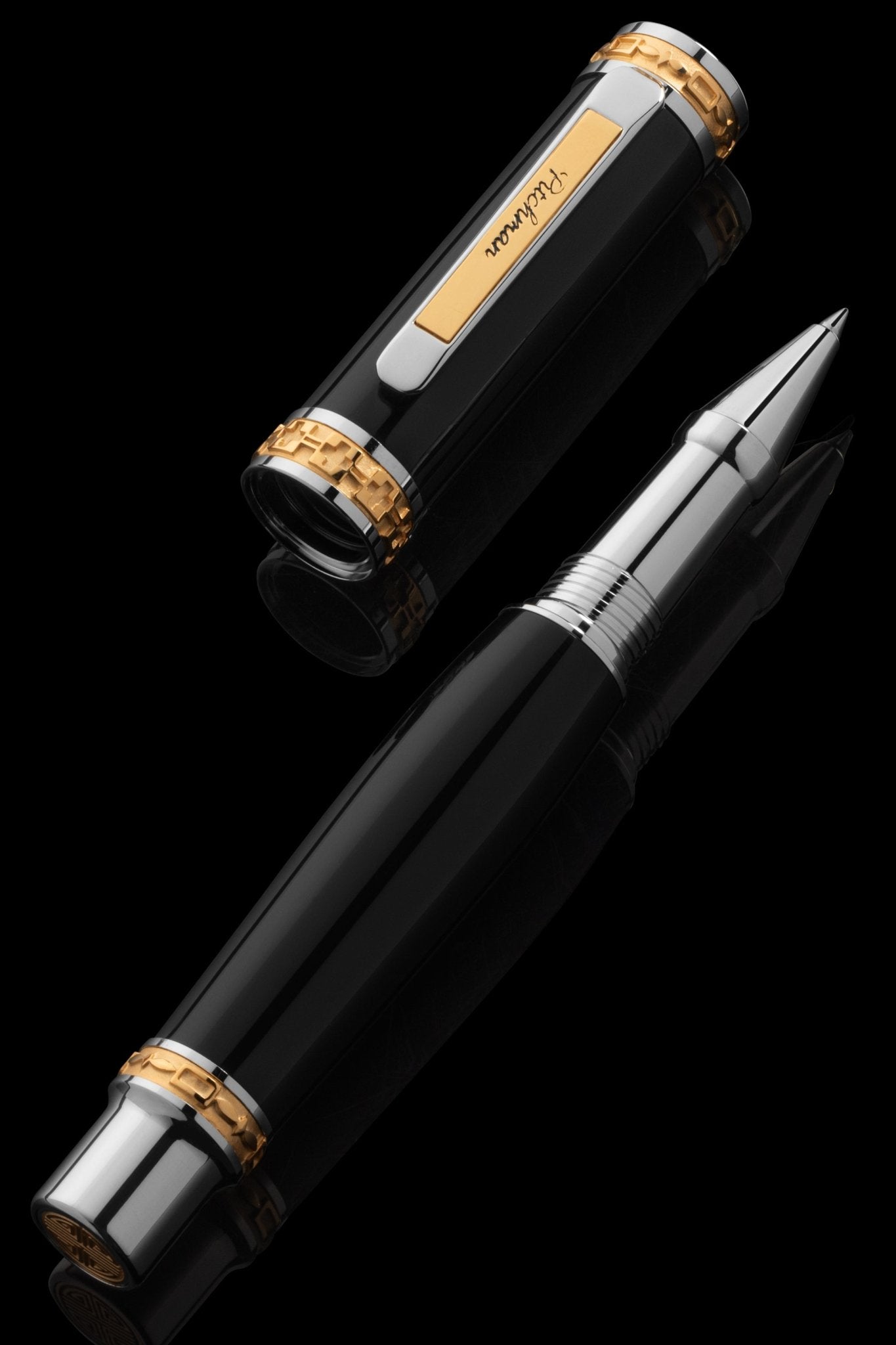
A rollerball delivers ink through a small rotating ball at its tip. A fountain pen feeds ink from a reservoir to a nib. That distinctive nib changes the contact between pen and paper, while the filling system introduces a more hands-on approach to ownership.
Ink and refilling
With most rollerballs, you replace the ink refill when it runs out. A fountain pen may use a prefilled cartridge, a converter that draws ink from a bottle, or a built-in filling system. Compatibility depends on the model. Understanding how your chosen pen fills, and which cartridges or bottled inks it accepts, makes getting started much easier.
Writing with a nib
A fountain pen needs a gentle hand. Write with a relaxed grip and light pressure, allowing ink to flow without pressing firmly into the paper. Excessive pressure can damage the nib. Your choice of nib, ink, and paper influences the writing experience, so getting to know that combination is part of the enjoyment.
Everyday care
Replace the cap when you are not writing to protect the nib and help keep the ink from drying. Occasional cleaning removes ink residue, particularly when changing ink colors or returning to a pen that has been unused. Use ink intended for fountain pens and follow the cleaning instructions for your model.
Storage and travel
Store an inked pen capped, horizontally or with the nib pointing upward, as its maker recommends. A protective case helps guard the finish during transport. Avoid extreme temperatures, and check the pen’s specific guidance before flying, when filling level and orientation may matter. Before extended storage, empty and clean it as instructed.
These habits involve a little more care than a typical rollerball refill change. They also make ownership more personal: choosing an ink, filling the pen, and keeping a familiar writing instrument ready for the next page.
A Fountain Pen for a Meaningful Gift
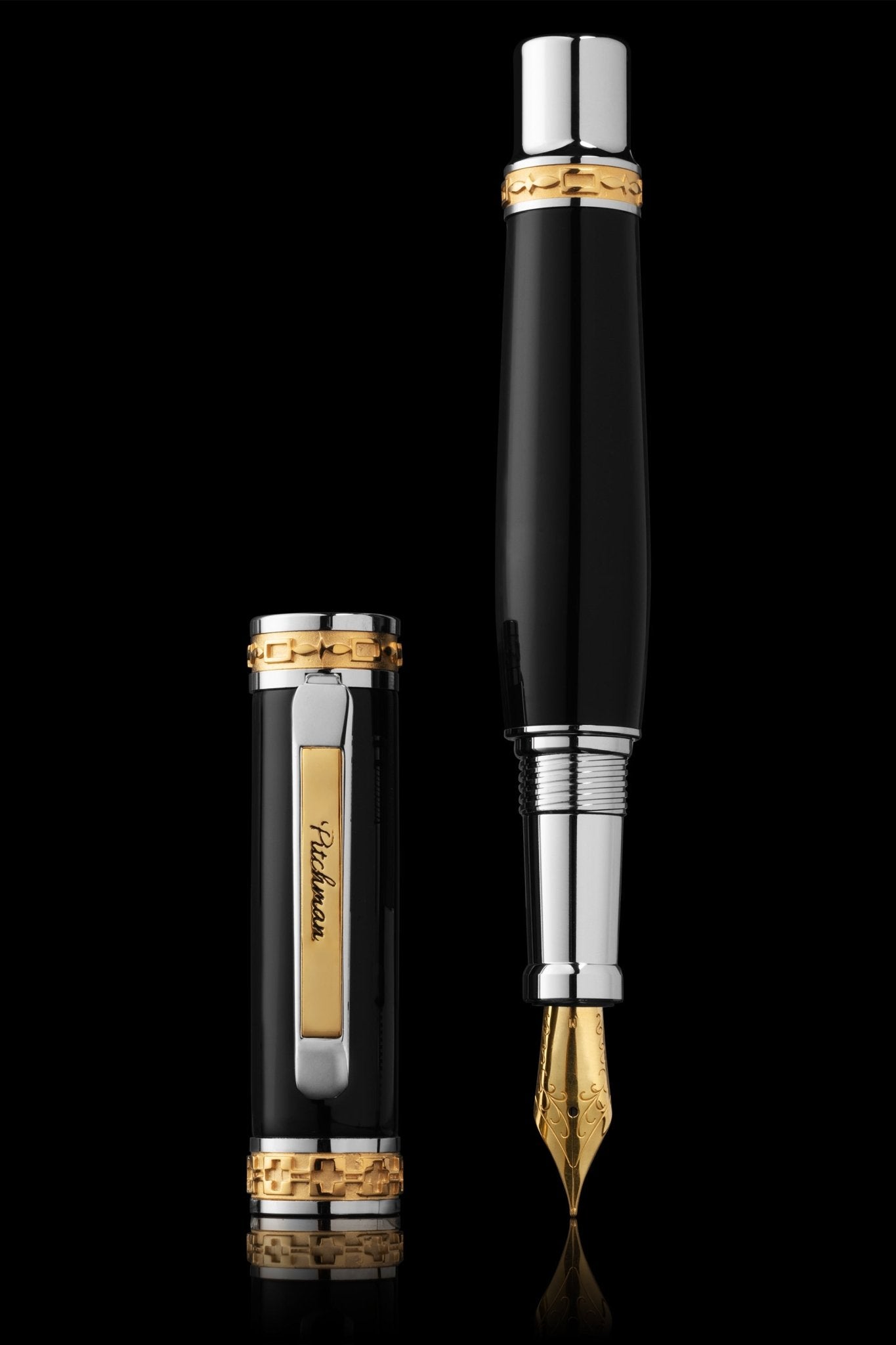
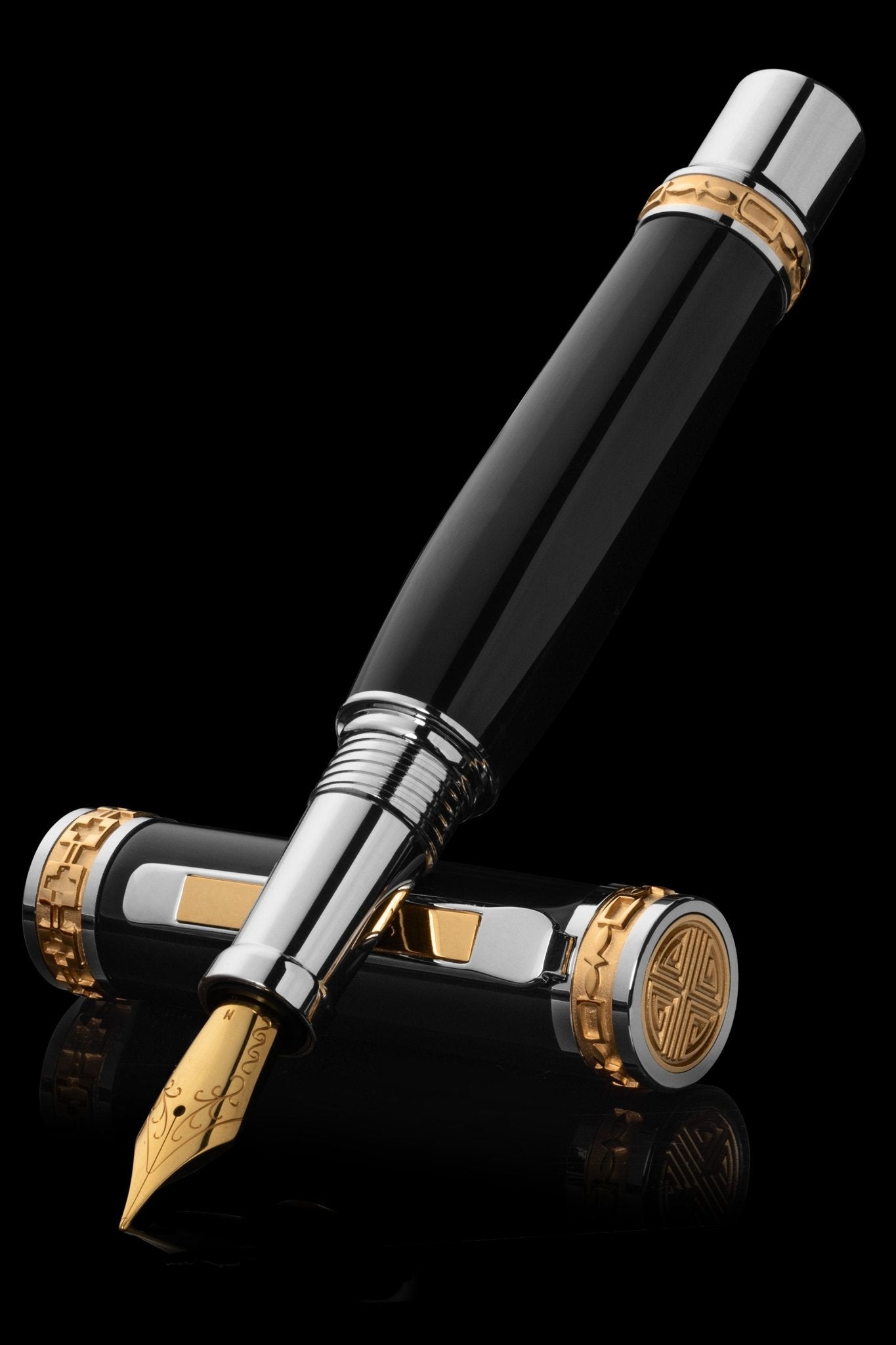
A fountain pen has a distinctive visual presence. Removing the cap reveals the shaped nib, a detail that sets it apart from familiar ball-tip pens. Combined with carefully chosen materials and finishes, that reveal can give the gift a sense of occasion before the first word is written.
Thoughtful presentation draws attention to those details. The recipient can appreciate the pen’s color, finish, and craftsmanship, then discover how it feels in the hand. On a desk, with its cap in place, its materials and silhouette remain part of its appeal.
Its meaning can grow through use. A pen given to mark a promotion, retirement, or personal achievement can become the one its owner reaches for to sign a document, write a note, or begin a journal. Refilling and caring for it allow that connection to continue beyond the day it is received.
Choose with the person in mind: their taste, their writing habits, and whether they already enjoy fountain pens or would welcome their first. A well-chosen pen brings together a beautiful object, a useful purpose, and a reminder of the person and occasion behind it.
Explore the Pitchman fountain pens above to find the materials, finish, and style that feel right for you.