
Deal Toy vs. Deal Closing Pen: A Financial Tombstone Alternative
The Object That Commemorates the Moment
Major business milestones deserve more than a handshake and a memory.
Whether it is the closing of an acquisition, the signing of a major contract, a founder’s exit, a financing event, or a career-defining transaction, these moments often represent years of effort, negotiation, risk, and perseverance. They are milestones that change companies, careers, and lives.
For decades, organizations have commemorated these achievements with deal toys, financial tombstones, and other display pieces designed to celebrate the transaction itself. These objects have become a recognized tradition in investment banking, mergers and acquisitions, commercial real estate, and corporate finance.
But not every milestone is best remembered by an object that sits on a shelf.
Some moments are defined by a signature.
The signature that finalized the agreement. The signature that transferred ownership. The signature that launched a new chapter, accepted a new responsibility, or brought years of work to a successful conclusion.
That is where a deal closing pen offers a different perspective.
While a deal toy commemorates the transaction, a deal closing pen commemorates the person behind it — the individual who negotiated, led, advised, built, approved, or ultimately signed the agreement.
Both honor achievement. They simply commemorate different parts of the story.
What Is a Deal Toy?
A deal toy, often also called a financial tombstone, deal tombstone, Lucite tombstone, or deal gift, is a custom commemorative object created to recognize the completion of a major business transaction.
Often used in investment banking, mergers and acquisitions, private equity, commercial real estate, and corporate finance, these pieces are typically designed to reflect the company, transaction, industry, or financial milestone being celebrated. They may take the form of Lucite or acrylic blocks, glass sculptures, metal pieces, financial tombstones, or other display objects.
In many cases, a deal toy or financial tombstone is placed on a desk, shelf, or conference table as a visible reminder of the completed transaction and the people involved in making it happen.
At its best, it is more than a decorative object. It is a symbol of completion, recognition, and achievement. It helps commemorate the scale of the deal and the significance of the business milestone.
That is why deal toys, financial tombstones, and Lucite tombstones have remained a respected tradition in many transaction-driven industries.
What Is a Deal Closing Pen?
A deal closing pen is a luxury writing instrument given to commemorate an important signature, agreement, or business milestone.
Unlike a traditional display object, a deal closing pen is connected to the act that makes the moment official. It is the pen associated with the signature — the final step that confirms the decision, completes the agreement, and turns the work behind the deal into something real.
A deal closing pen may be given to a founder, executive, client, advisor, partner, board member, or dealmaker after a major contract signing, acquisition, commercial real estate closing, leadership appointment, founder exit, or other significant business event.
Its purpose is not only to recognize the transaction, but to honor the person behind the signature.
That makes a deal closing pen more than a useful object. It becomes a personal reminder of the moment, the responsibility accepted, and the achievement earned.
The Main Difference: Transaction vs. Signature
The simplest way to understand the difference is this: a deal toy commemorates the transaction. A deal closing pen commemorates the signature.
A deal toy often tells the story of the deal itself — the companies involved, the size of the transaction, the industry, the structure, or the milestone being recognized. It is designed to represent what happened.
A deal closing pen is more personal. It is tied to the person who signed, led, approved, advised, negotiated, or helped bring the agreement to completion. It recognizes the human side of the moment — the judgment, trust, responsibility, and work behind the signature.
One object reflects the completed deal.
The other reflects the person and decision that made it official.
Neither is wrong. They simply serve different purposes. The right choice depends on what you want the gift to say.
When a Deal Toy Makes Sense
A deal toy can be the right choice when the transaction itself is the story.
For large institutional deals, mergers and acquisitions, financing events, IPOs, private equity transactions, commercial real estate projects, and other major business closings, a deal toy can help capture the scale and structure of the achievement. It gives the transaction a visible form and creates a lasting reminder of what was completed.
Deal toys are especially fitting when several people, teams, firms, or advisors contributed to the outcome. They can be displayed across offices, conference rooms, desks, and reception areas as a shared symbol of the work behind the deal.
In that way, a deal toy serves an important purpose. It commemorates the transaction as a whole — the companies involved, the milestone reached, and the business significance of the closing.
When the goal is to recognize the deal itself, a deal toy remains a meaningful and respected choice.
When a Deal Closing Pen May Be the Better Gift
A deal closing pen may be the better choice when the gift is meant to honor a person, not just the transaction.
Some business moments are deeply personal. A founder sells the company they spent years building. An executive signs an agreement that changes the direction of the business. A client completes a major closing. A partner helps bring a difficult deal across the finish line. In these moments, the achievement is not only about the size or structure of the transaction. It is about the individual who carried the responsibility.
A luxury deal closing pen gives that person something directly connected to the moment itself. It reflects the signature, the decision, and the role they played in making the agreement official.
It can be especially fitting for founder exits, acquisitions, commercial real estate closings, major contract signings, board appointments, executive promotions, client closings, and other moments where the person behind the deal deserves to be recognized.
When the goal is to give something personal, useful, and symbolic, a deal closing pen can carry meaning long after the transaction is complete.
Why the Signature Matters
In many business moments, the signature is the point where everything becomes official.
Before the signature, there may be months or years of conversations, strategy, negotiation, review, risk, and decision-making. After the signature, something changes. Ownership transfers. A partnership begins. A company is sold. A contract is accepted. A new responsibility is assumed.
The signature may be a small physical act, but it carries the weight of the entire decision.
That is why the pen used to sign, or given to commemorate the signing, can hold meaning. It is connected to the moment when thought became commitment and effort became completion.
A deal closing pen honors that exact point in time — the moment the agreement became real.
Display Object vs. Object in Hand
A deal toy is usually created to be seen.
It may sit on a desk, shelf, reception table, or conference room display as a visible reminder of a completed transaction. Its value is often in what it represents to others — the scale of the deal, the companies involved, and the achievement being commemorated.
A deal closing pen is different because it is meant to be held.
It can be displayed, but it can also be used, carried, and kept close. It belongs in the hand of the person who signed, led, approved, or completed the moment. That gives it a different kind of meaning.
A deal toy often points back to the deal.
A deal closing pen can point forward as well.
It may commemorate one important signature, but it can also become the pen used for the next major decision, the next agreement, or the next chapter of leadership.
Why Pitchman Pens Fit This Moment
Pitchman Pens were created for moments when an ordinary pen would feel too small for the significance of the occasion.
Each Pitchman is handcrafted to feel substantial, memorable, and worthy of the signature it may represent. These are not everyday writing instruments chosen casually. They are luxury pens designed for business milestones, leadership moments, meaningful agreements, and personal recognition.
For a deal closing, that matters.
The pen becomes more than something to write with. It becomes part of the story surrounding the moment — the object connected to the decision, the signature, and the achievement being honored.
Whether given to a founder, executive, client, advisor, partner, or dealmaker, a Pitchman pen offers a personal way to recognize the individual behind the transaction.
It is a gift that feels connected to the act of signing, while still carrying value long after the deal is complete.
Deal Toy vs. Deal Closing Pen: Simple Comparison
A deal toy and a deal closing pen can both be meaningful gifts. The difference is in what each one is meant to commemorate.
| Comparison Point | Deal Toy | Deal Closing Pen |
|---|---|---|
| Best for | Recognizing the transaction as a whole | Honoring the person behind the signature |
| What it commemorates | The completed deal, company milestone, or financial event | The signature, decision, responsibility, and individual achievement |
| Emotional focus | The transaction | The person |
| Common setting | Investment banking, M&A, private equity, IPOs, commercial real estate, and corporate finance | Major signings, founder exits, acquisitions, client closings, leadership appointments, and personal business milestones |
| How it is used | Usually displayed | Can be displayed, held, used, and carried |
| Best recipient | Deal teams, firms, executives, advisors, or offices | Founder, executive, client, partner, advisor, board member, or dealmaker |
| Lasting meaning | A reminder of what was completed | A reminder of the person’s role in making it official |
The better choice depends on the message you want the gift to carry.
If the transaction itself is the focus, a deal toy may be the right choice. If the signature, the responsibility, and the person behind the moment matter most, a deal closing pen may be the more personal gift.
A More Personal Way to Remember the Closing
The best closing gifts do more than recognize that a deal was completed. They help preserve what the moment meant.
For some transactions, that meaning lives in the structure of the deal, the companies involved, or the scale of the achievement. For others, it lives in the person who carried the decision, signed the agreement, and stepped into what came next.
That is where a deal closing pen can feel especially appropriate.
It does not need to replace every traditional deal toy or financial tombstone. It simply offers another way to honor the moment — one that is personal, useful, and closely tied to the signature itself.
For the right recipient, the pen becomes more than a gift. It becomes a reminder of the day the decision became official.
When the signature deserves to be remembered, the pen chosen for the moment should feel equal to its meaning.
Below, explore a curated selection of Pitchman pens chosen for deal closings, major agreements, founder exits, executive milestones, and the people whose signatures helped make them official.
Handcrafted in the United States
Each Pitchman pen is individually crafted using carefully chosen materials and finished by hand. Nothing is mass produced. Every pen reflects a deliberate standard of care.
Trusted by Clients Worldwide
Pitchman Pens have been selected by customers across North America, Europe, Asia, and Australia to mark moments that matter.
Secure International Ordering
Encrypted checkout, protected payments, and careful packaging ensure your pen arrives safely—wherever you are in the world.
White-Glove Presentation
Every Pitchman pen arrives in our signature gift box, thoughtfully prepared for presentation, protection, and long-term ownership.
Handcrafted for Long-Term Ownership
Each pen is crafted for enduring use and backed against defects in workmanship.
Ongoing Care & Support
Questions, care, or service—our team remains available long after your pen is in use.
A Curated Collection


Pitchman Closer Blue Abalone Shell Rollerball Pen
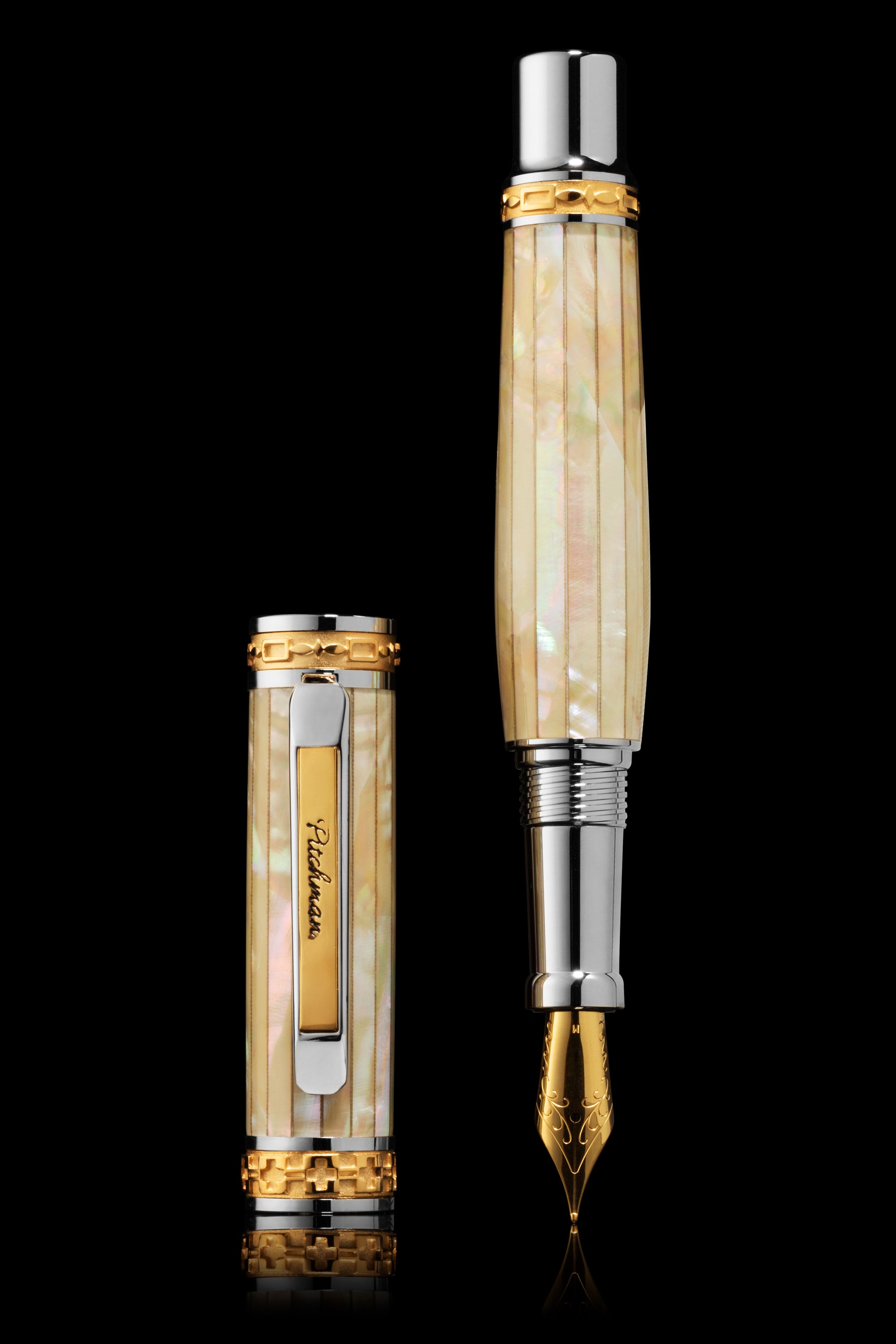
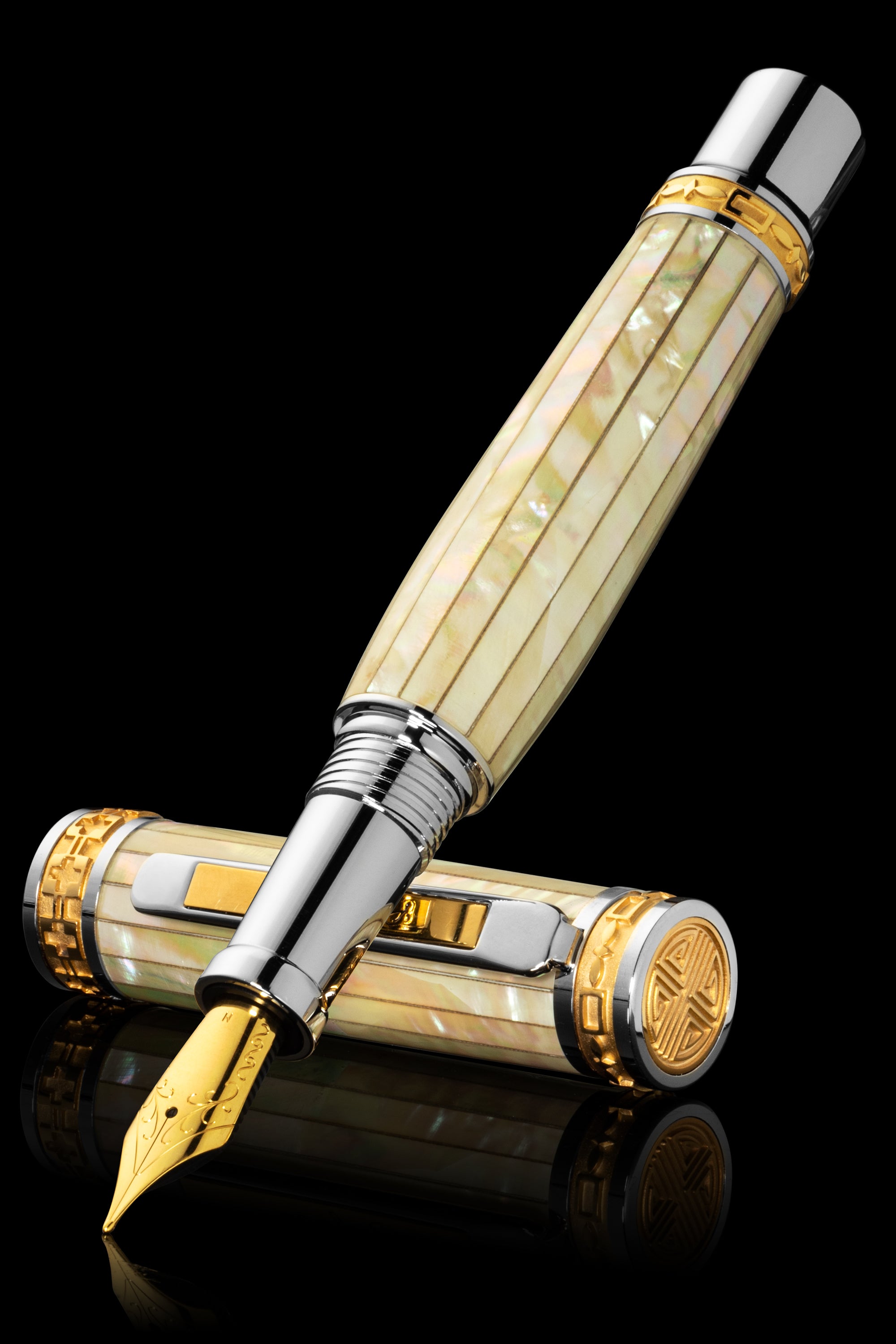
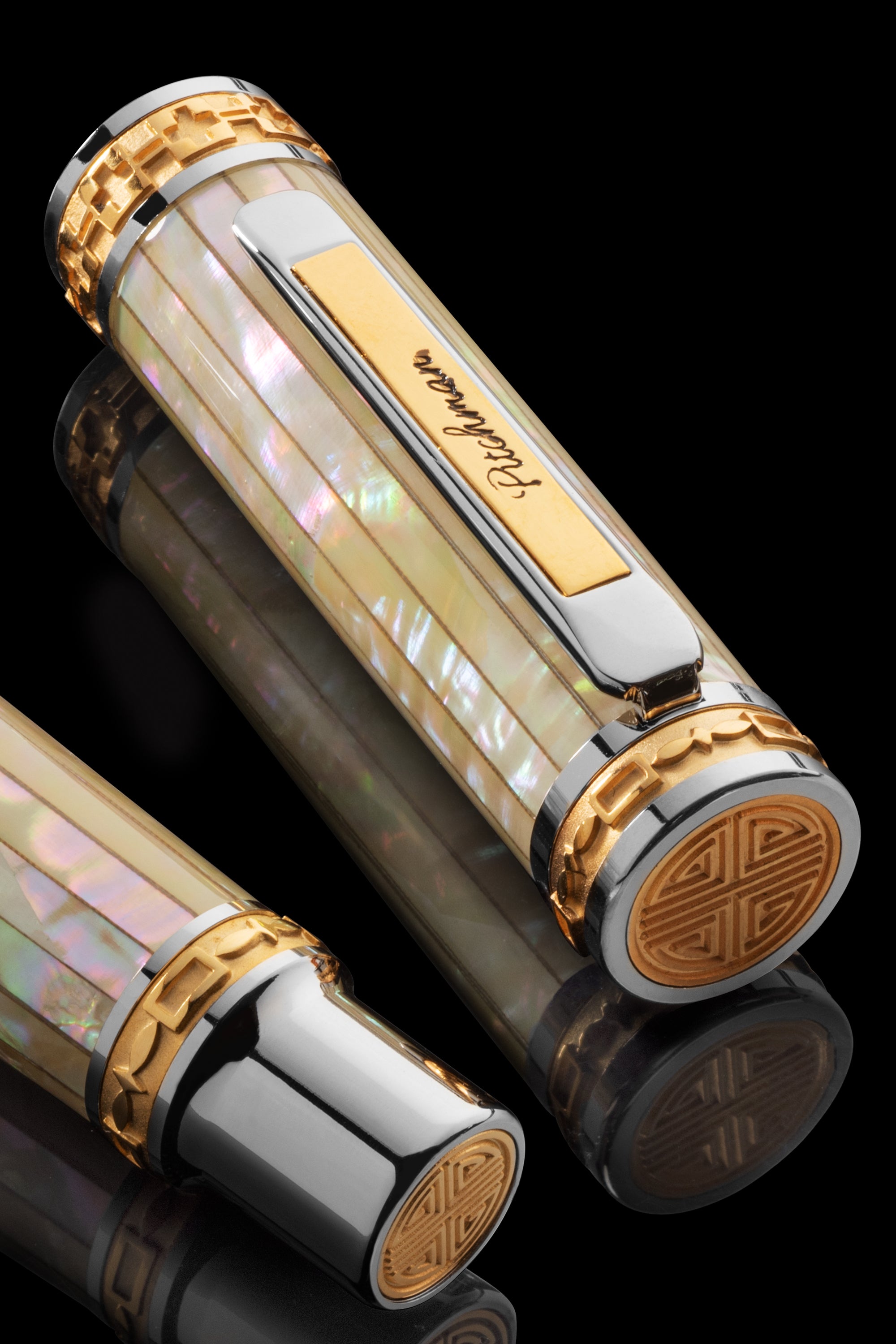
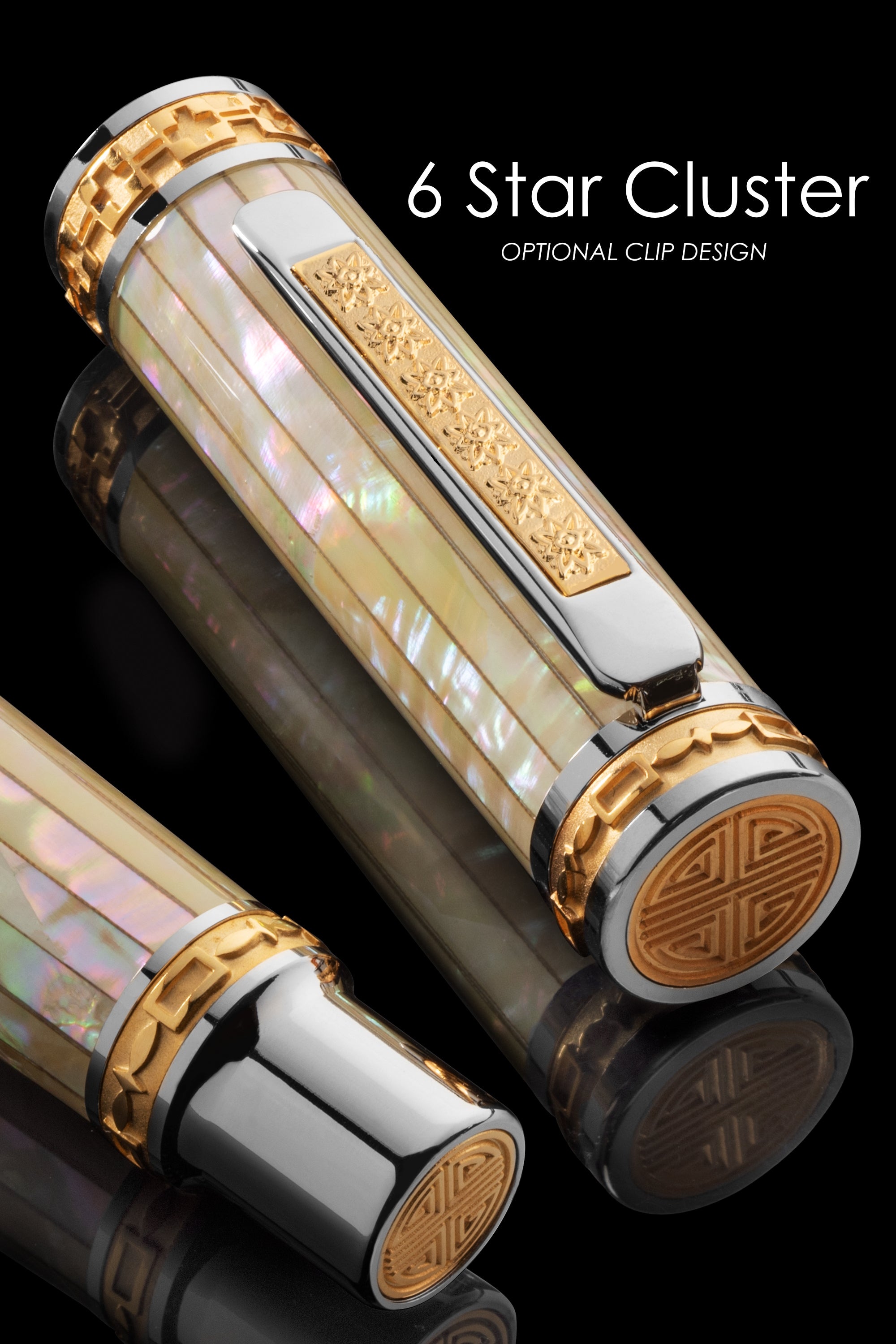
Pitchman Closer White Mother of Pearl Fountain Pen
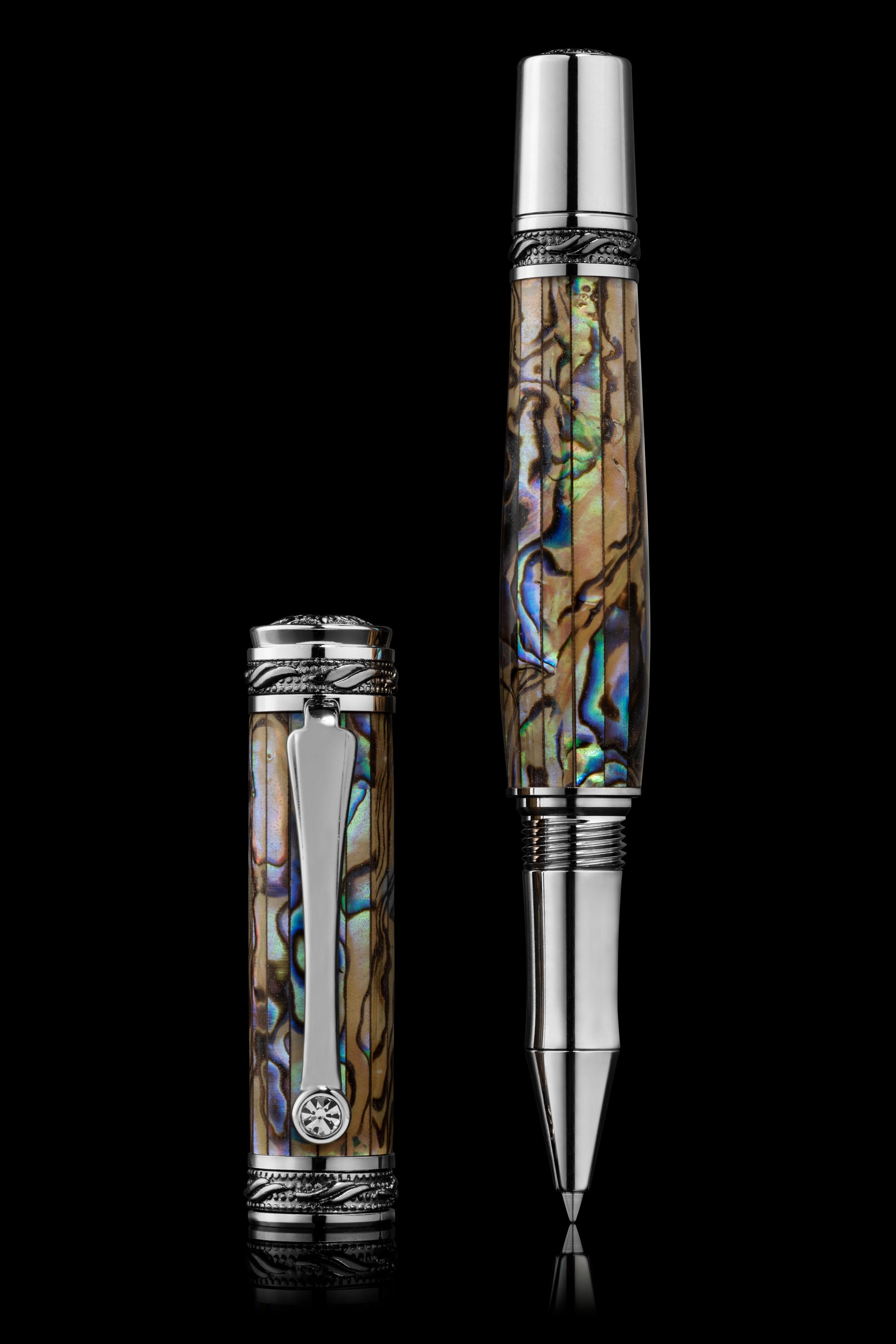
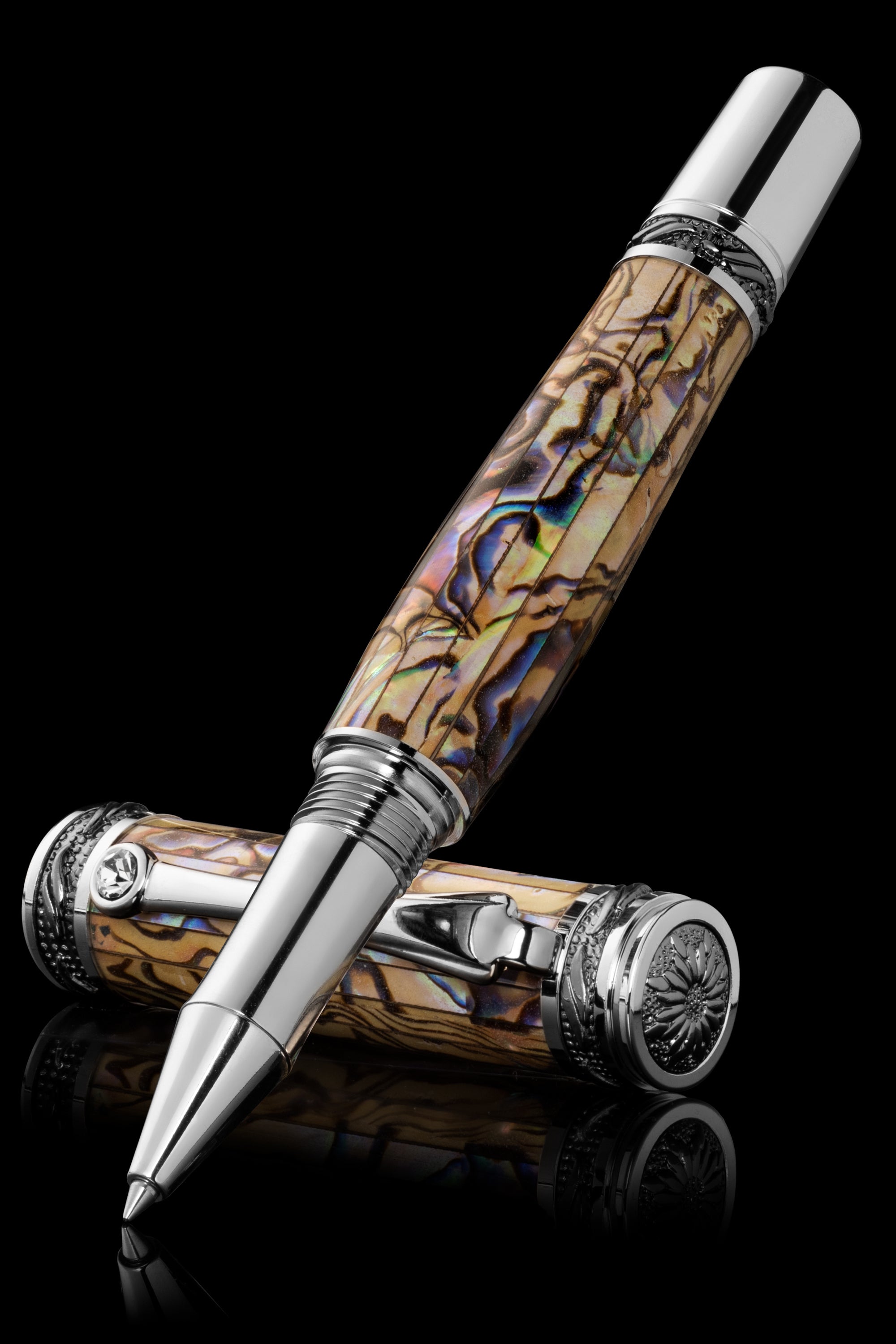
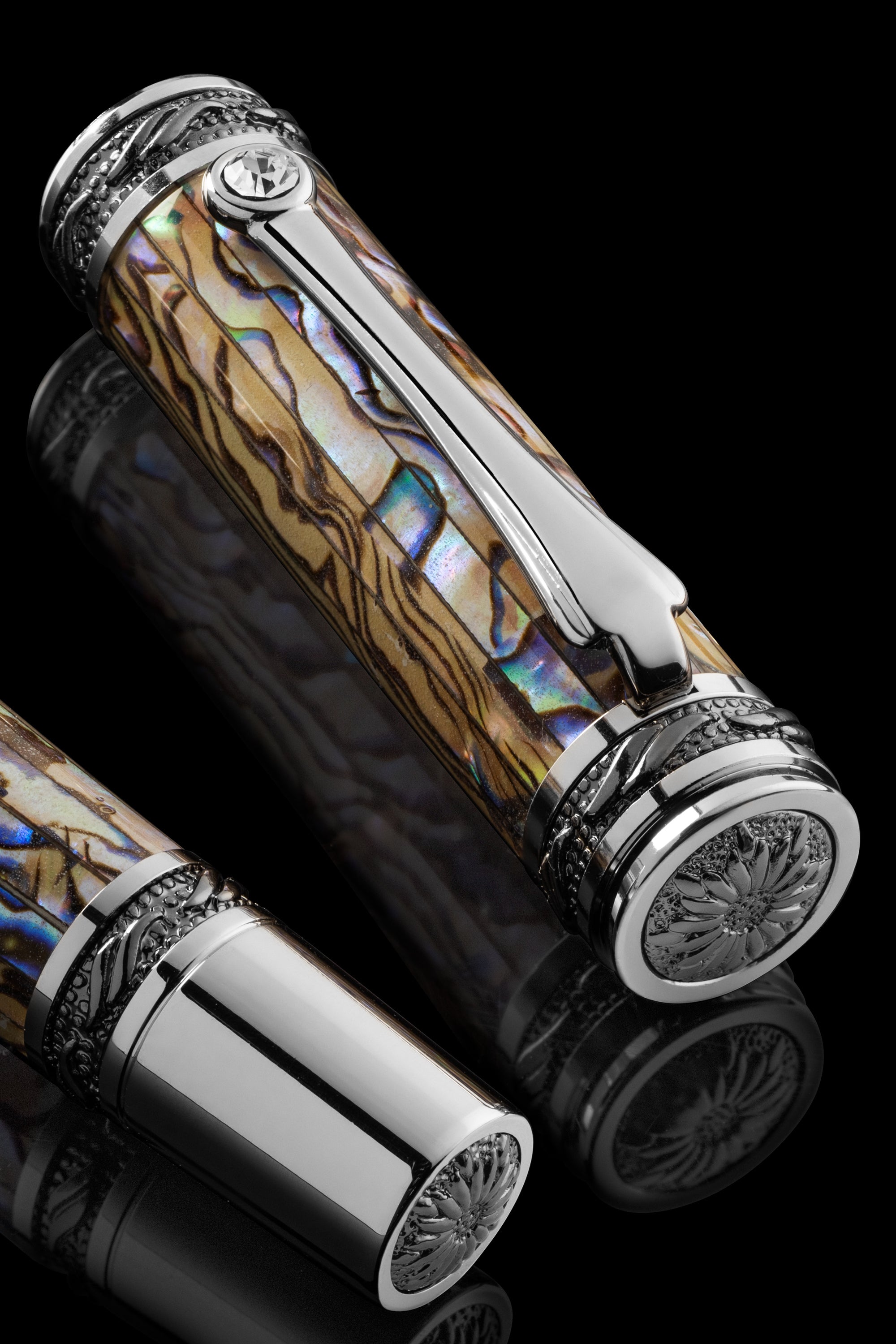
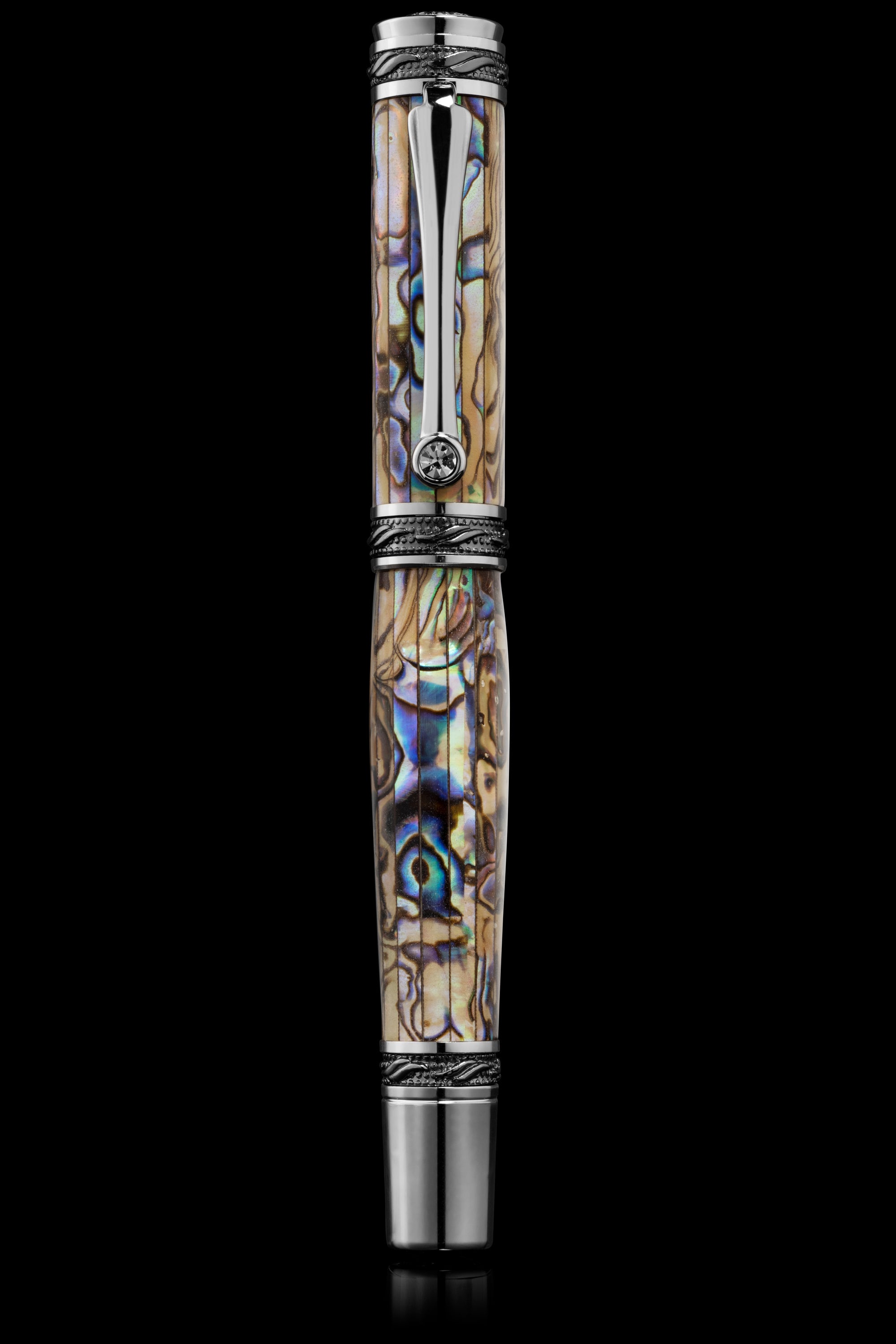
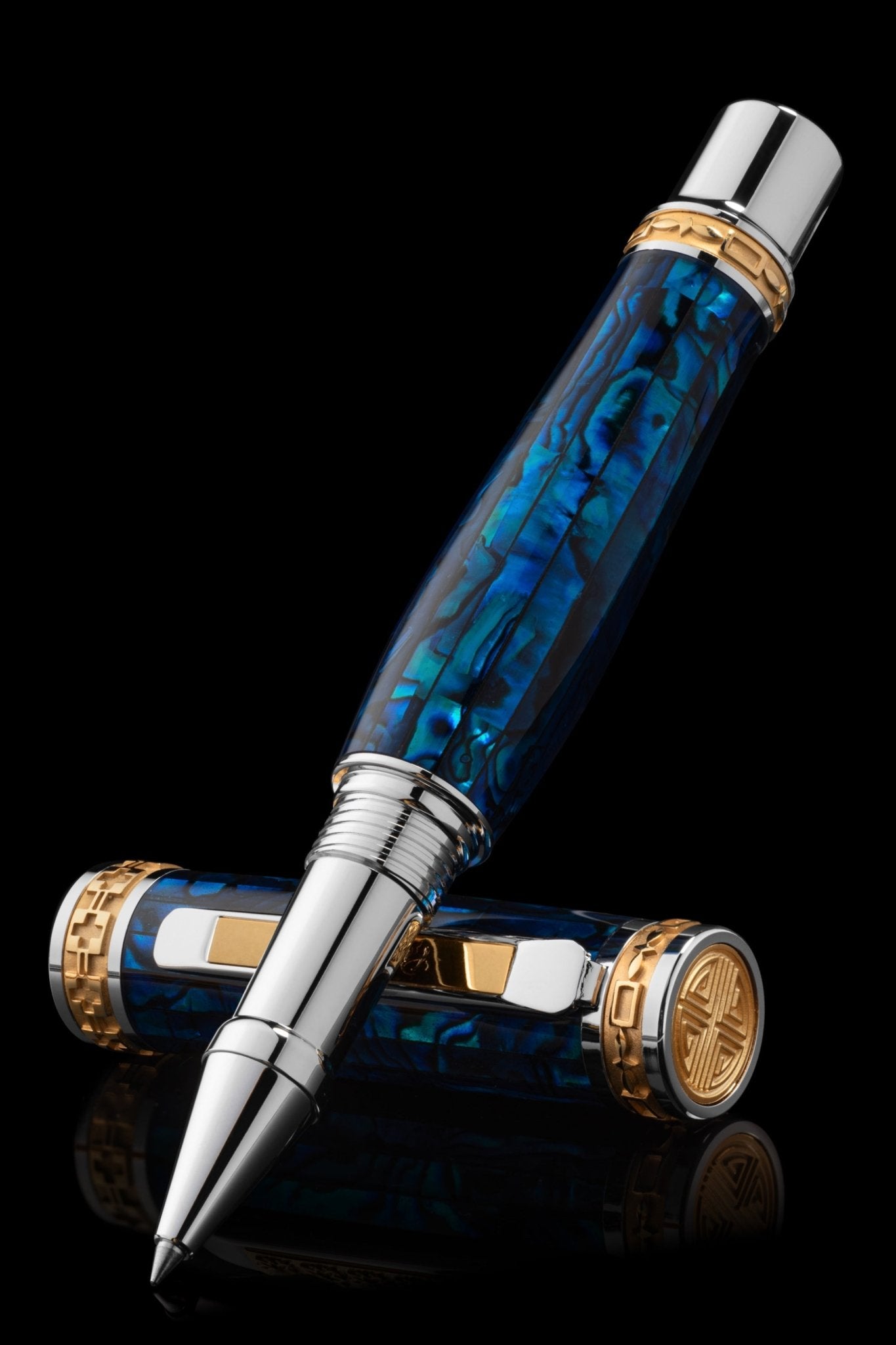
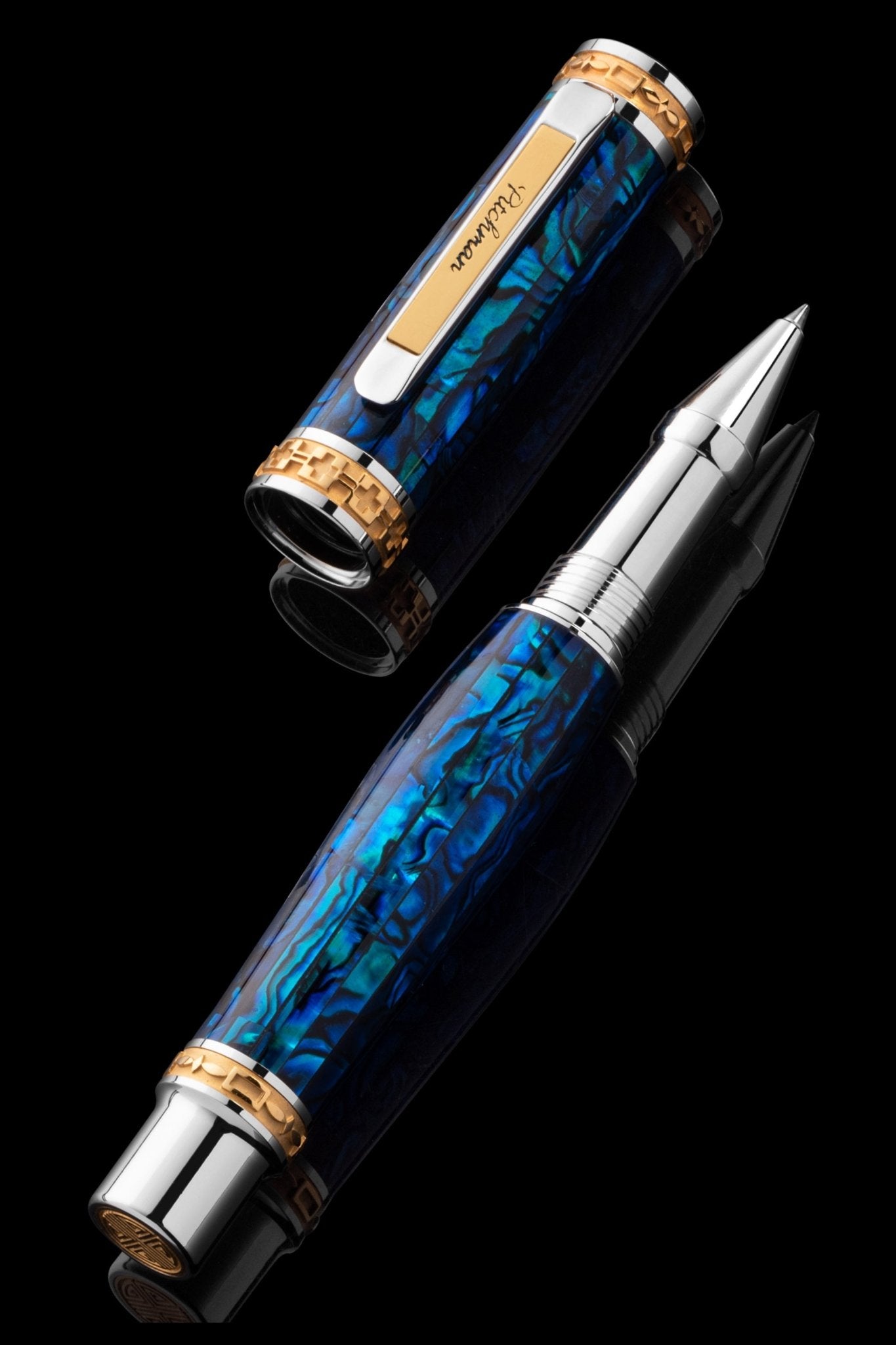
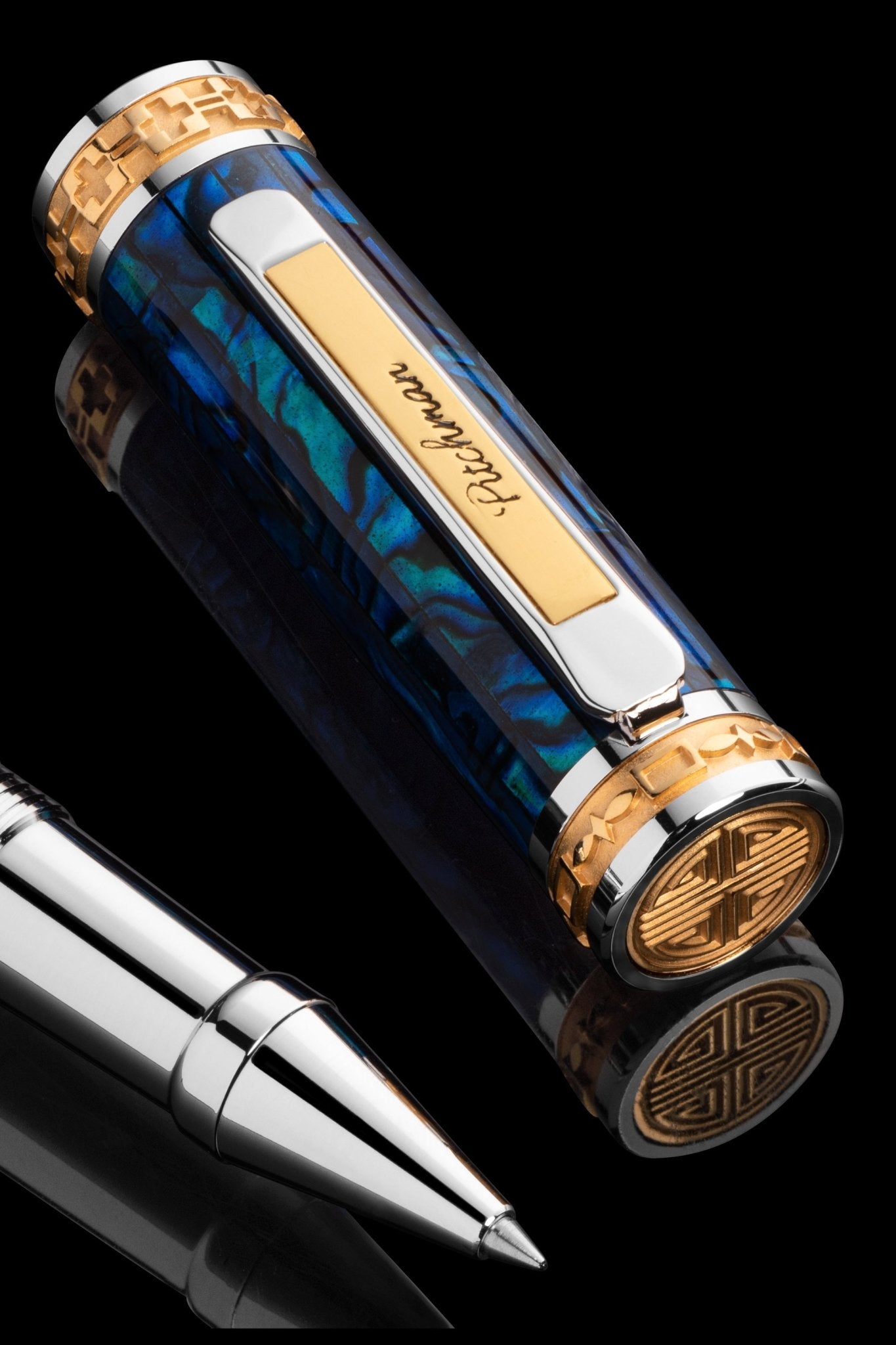
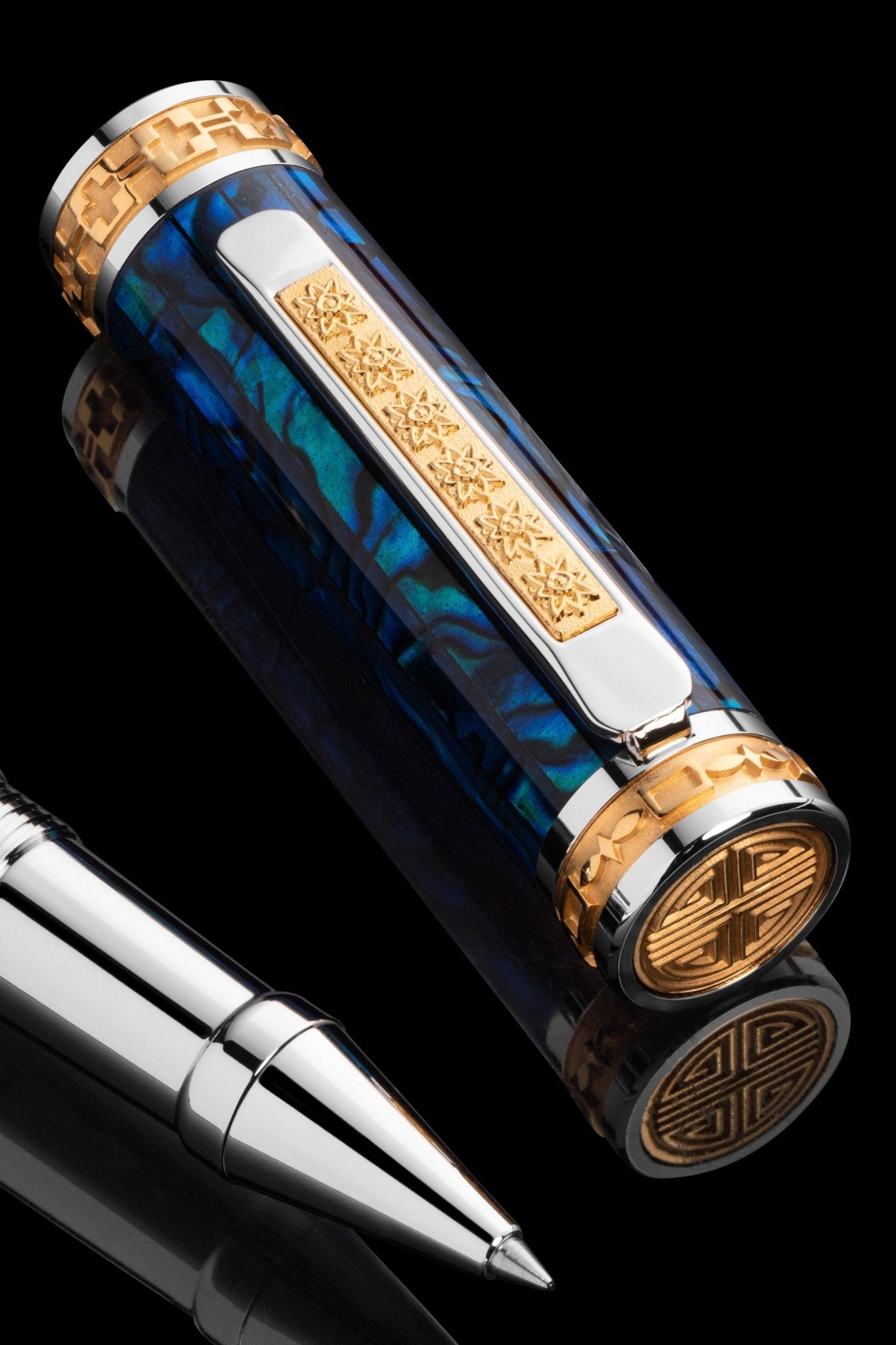
Pitchman Closer Sapphire Abalone Shell Rollerball Pen
All Our Pens
This selection showcases a few of our designs. Browse the full Closer, Rainmaker, and Tycoon collections to see every variation.