Why This Moment Matters
A judicial appointment is the moment when your name moves from a list to the bench.
Until now, decisions were argued. From this point on, they are rendered. Opinions carry force. Words are entered into record. What is said — and signed — lasts.
This appointment marks a clear line. It separates private practice from public authority. It is the moment where judgment is no longer offered, but entrusted.
People pause at this moment because it is irreversible. The role is visible. The responsibility is permanent. And once accepted, the weight of the position follows every ruling, every signature, every decision that leaves the chamber.
That is why a judicial appointment is commemorated — not as celebration, but as recognition of what now begins.
What a Judicial Appointment Represents
A judicial appointment represents a change in how authority is exercised.
From this point forward, the role is no longer to persuade or advocate. It is to decide. To weigh facts, interpret the law, and issue judgments that others must live with. The work becomes quieter, but the impact becomes permanent.
It also represents independence. A judge is expected to stand apart from prior affiliations, outside influence, and personal interest. Decisions must be made carefully, consistently, and in full view of the public record.
Most of all, it represents trust. Not symbolic trust, but real trust placed in one person to act fairly and deliberately in matters that affect others’ lives. That trust is granted once and then relied upon every day that follows.
This is what people commemorate when a judicial appointment is acknowledged — not just a role accepted, but a responsibility that now carries forward.
How Judicial Appointments Are Commonly Commemorated
A judicial appointment typically becomes official inside a courthouse.
Most often, it takes place in a courtroom, chambers, or a designated ceremonial room within the courthouse itself. The setting is formal but measured — wood benches, flags, the seal of the court, and a small group of witnesses seated behind the bar. This is not a public spectacle. It is a working space where authority is exercised daily.
During the ceremony, the judge takes the oath of office and signs the appointment or commission documents. Those signatures are entered into the court’s permanent record. From that moment forward, decisions issued from that bench carry legal force.
Attendance is usually limited. A senior judge or court official administers the oath. Clerks manage the paperwork. Family members and a few colleagues are often present, standing quietly as the appointment is completed.
The commemoration of the appointment often happens immediately after — sometimes in chambers, sometimes in a nearby office or private room within the courthouse. It may be as simple as a brief acknowledgment, a few words exchanged, or an object given that is meant to be used in the work ahead.
What matters is the setting and sequence: courthouse, oath, record, responsibility. That physical progression is why the moment is commemorated — it marks the point where authority moves from title to action.
Choosing an Appropriate Way to Commemorate
A judicial appointment is not commemorated with something decorative or sentimental — and most people sense this immediately.
Framed inspirational quotes, novelty desk décor, engraved plaques, commemorative paperweights, or keepsakes meant only for display tend to feel out of place in a courtroom or chambers. They don’t serve the work, and they rarely last beyond the first few months.
Instead, people usually choose something functional and professional — an object that will actually be used during hearings, in chambers, or when documents are signed. Items that belong on a judge’s desk or in their daily workflow carry more meaning than objects meant to be looked at once and set aside.
This also isn’t a moment for overt personalization. Gifts with slogans like “Justice Served”, “Honorable Judge Smith”, or “Making History” often feel awkward in a judicial setting. Humor, inside jokes, or messaging that draws attention to the giver rather than the role tends to miss the tone entirely.
Timing matters as well. The most meaningful commemorations happen near the swearing-in or during the first days on the bench — when the judge is organizing chambers, setting routines, and beginning to work through actual cases.
The goal isn’t to impress or decorate. It’s to acknowledge the responsibility by choosing something that belongs where decisions are made and records are signed.
What Usually Misses the Mark
Some gestures simply don’t fit the gravity of a judicial appointment.
Corporate swag, branded items, gift baskets, bottles of wine, or anything promotional tends to feel inappropriate. These are transactional gifts, and this is not a transactional moment.
Highly personalized items can also miss. Large engravings, prominent dates, slogans, or messages that spotlight the giver rather than the role often feel uncomfortable in a courtroom setting. The appointment isn’t about personality or celebration — it’s about responsibility.
Gifts that are decorative only tend to fall flat as well. If it can’t live on a desk, be used in chambers, or belong naturally in the work itself, it usually ends up set aside.
When people second-guess a gift choice for a judicial appointment, it’s almost always because it feels casual, flashy, or unnecessary. If it doesn’t respect the seriousness of the role, it doesn’t belong in the moment.
Writing Instruments Chosen for Judicial Appointments
A writing instrument fits a judicial appointment because judges spend their days signing orders, rulings, and official documents.
Those signatures aren’t symbolic. They are the point where judgment becomes permanent and enforceable.
That’s why writing instruments are so often chosen to commemorate this moment. Not as a gift in the casual sense, but as a tool that will be used repeatedly in the work itself. It belongs on the bench, in chambers, and at the moments where decisions are finalized.
Unlike decorative objects, a writing instrument enters daily practice. It’s present for the first signed order, the first ruling issued, and the ongoing responsibility of putting decisions into record.
When chosen well, it doesn’t draw attention. It simply does its job — marking the moment where authority is exercised and remembered.
Featured Writing Instruments
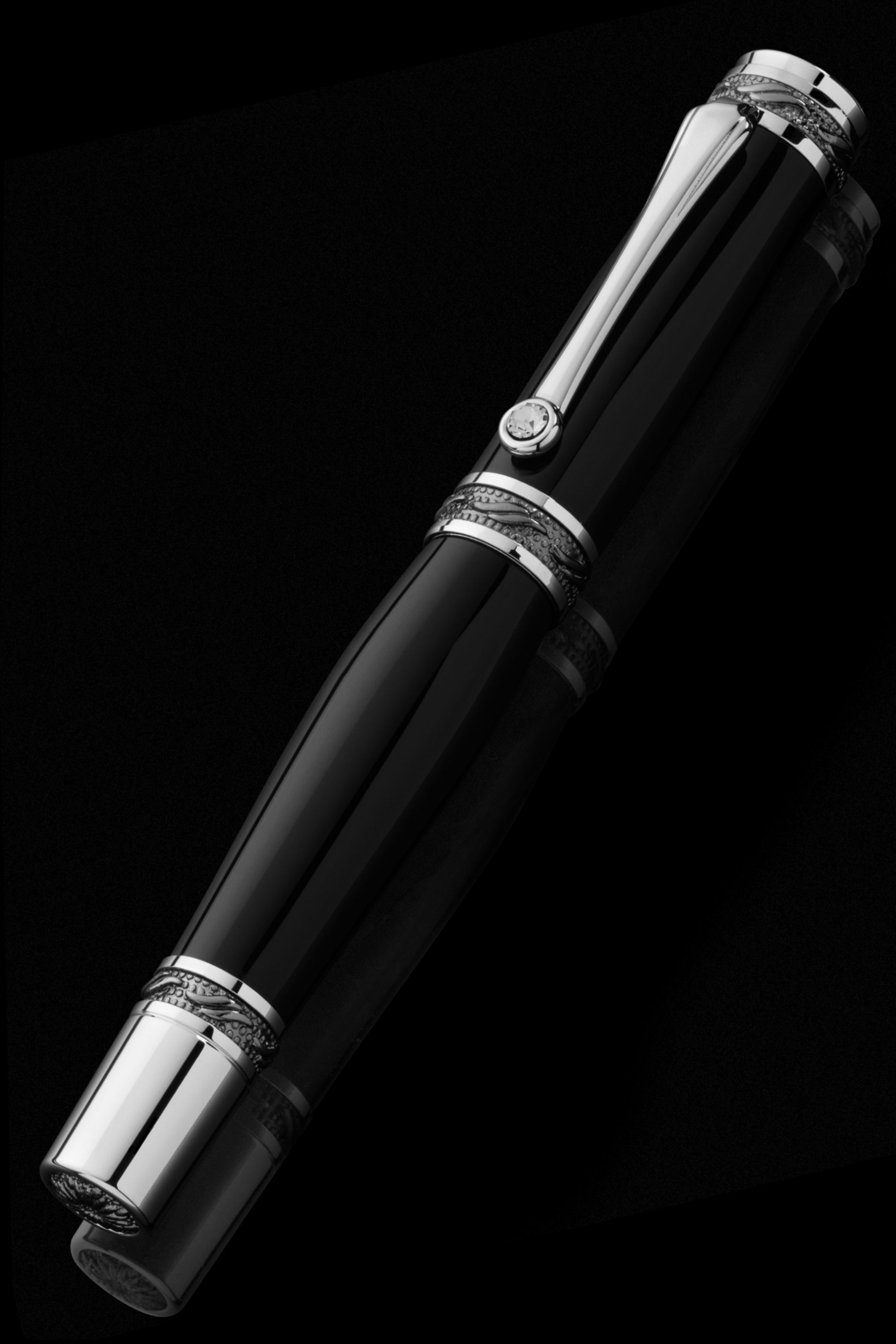
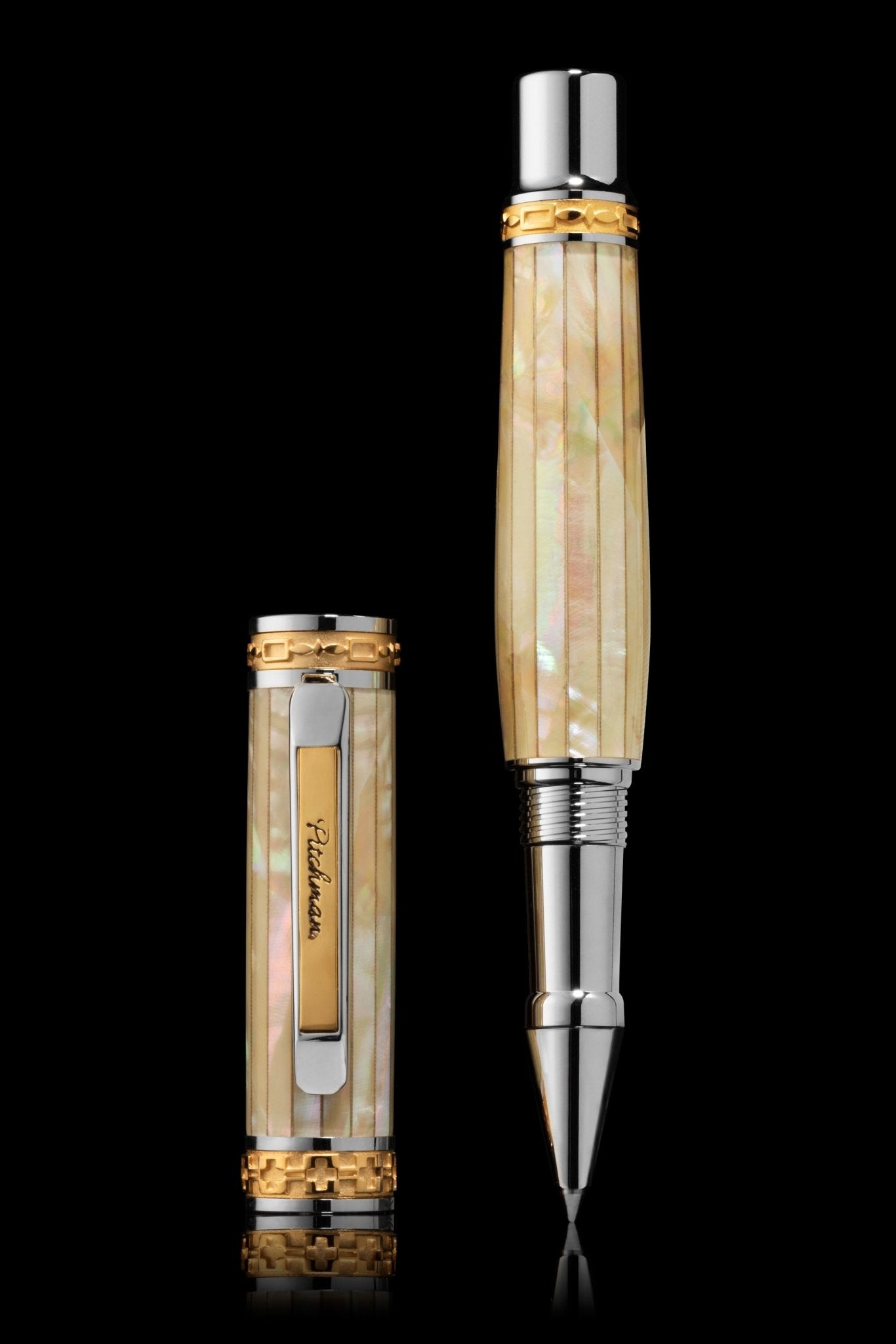
The writing instruments featured here are selected for moments where responsibility begins and permanence matters.
They are chosen for balance, durability, and daily use — not for novelty or display. Each is suitable for chambers, the bench, or formal settings where documents are signed and records are created.
Only a small number are shown here to keep the focus narrow and intentional. These are not meant to represent every option, but to reflect what fits the gravity of a judicial appointment: professional, purposeful, and made to last.
Additional writing instruments may be considered, but these selections reflect what is most commonly chosen for this moment.