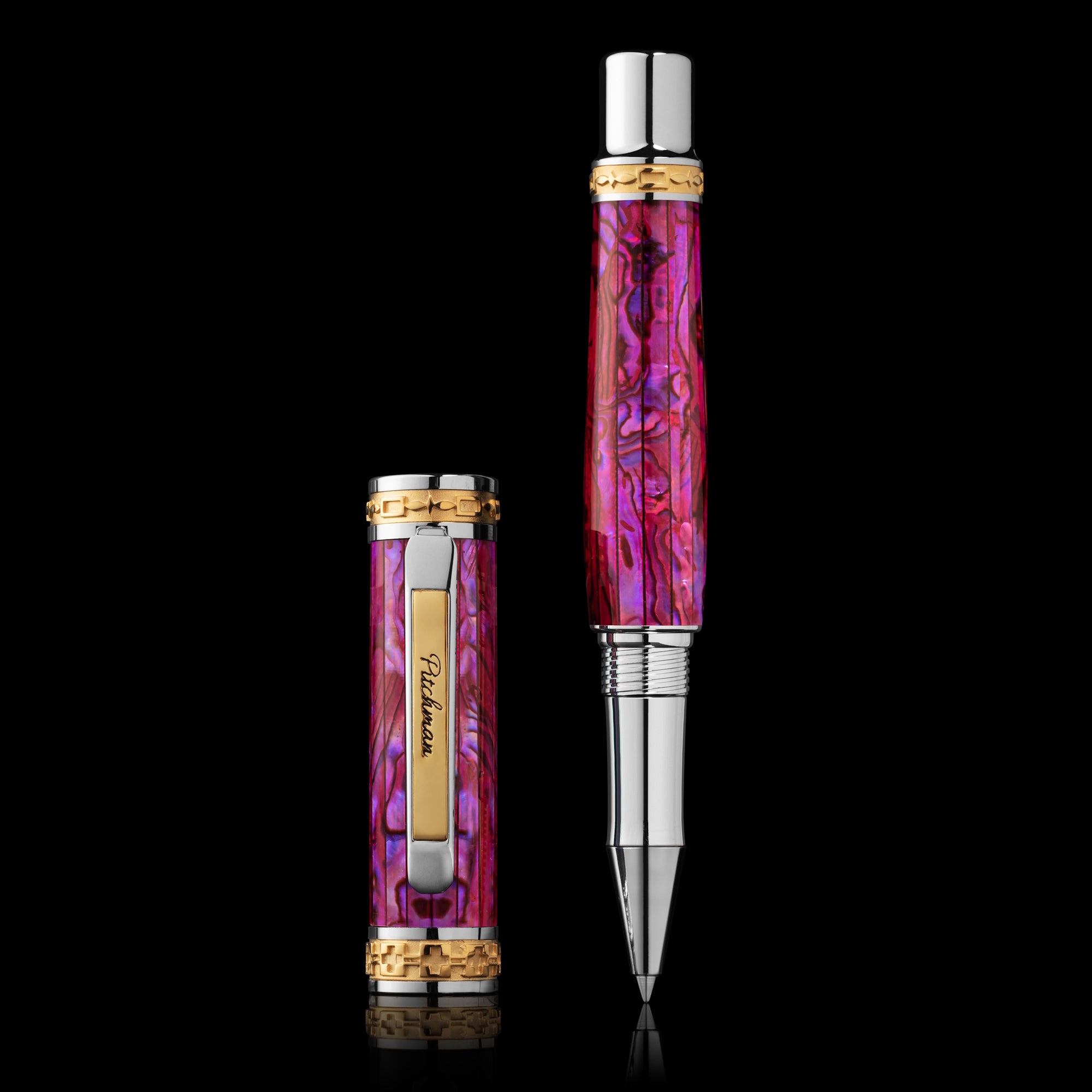
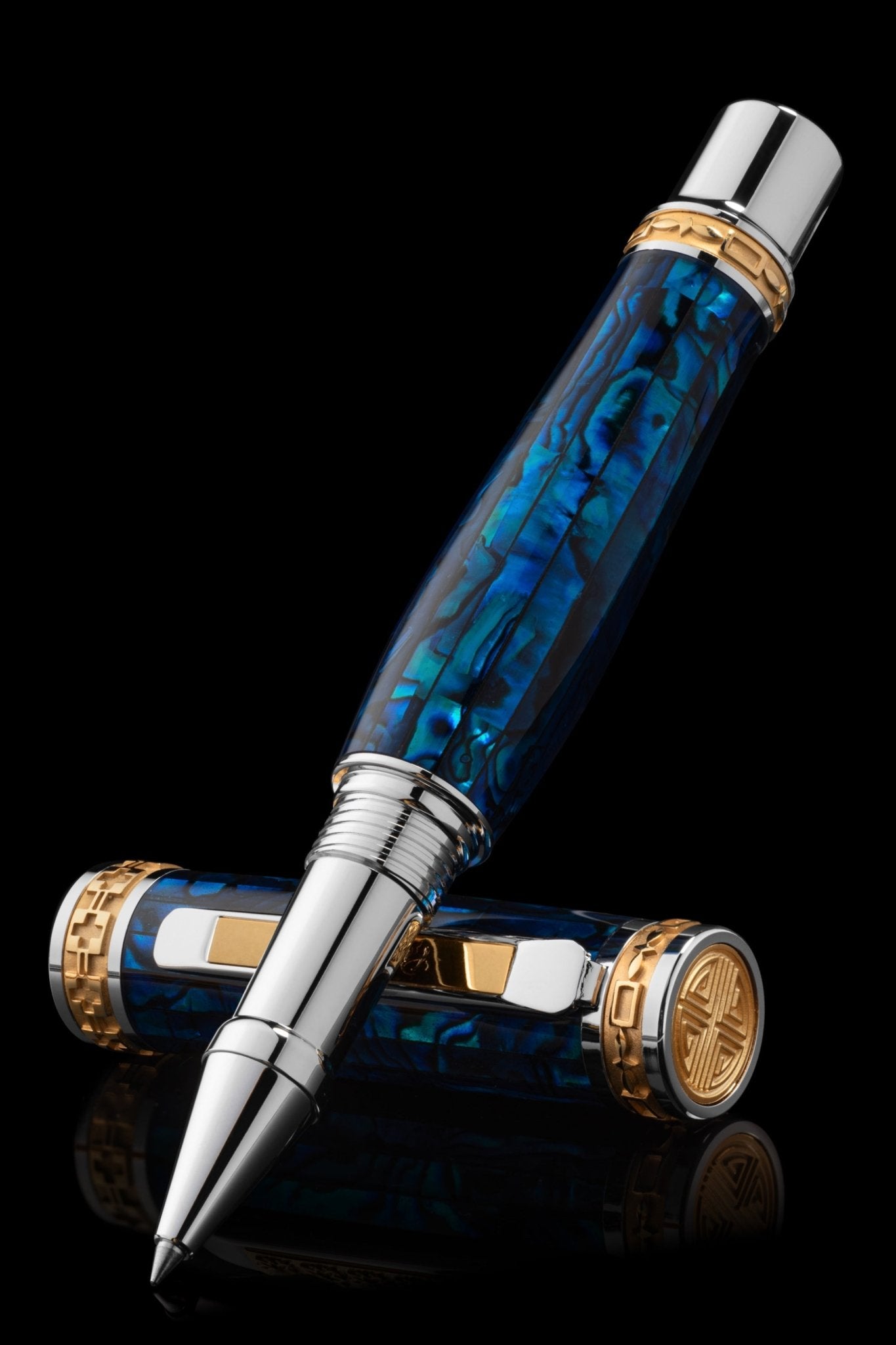
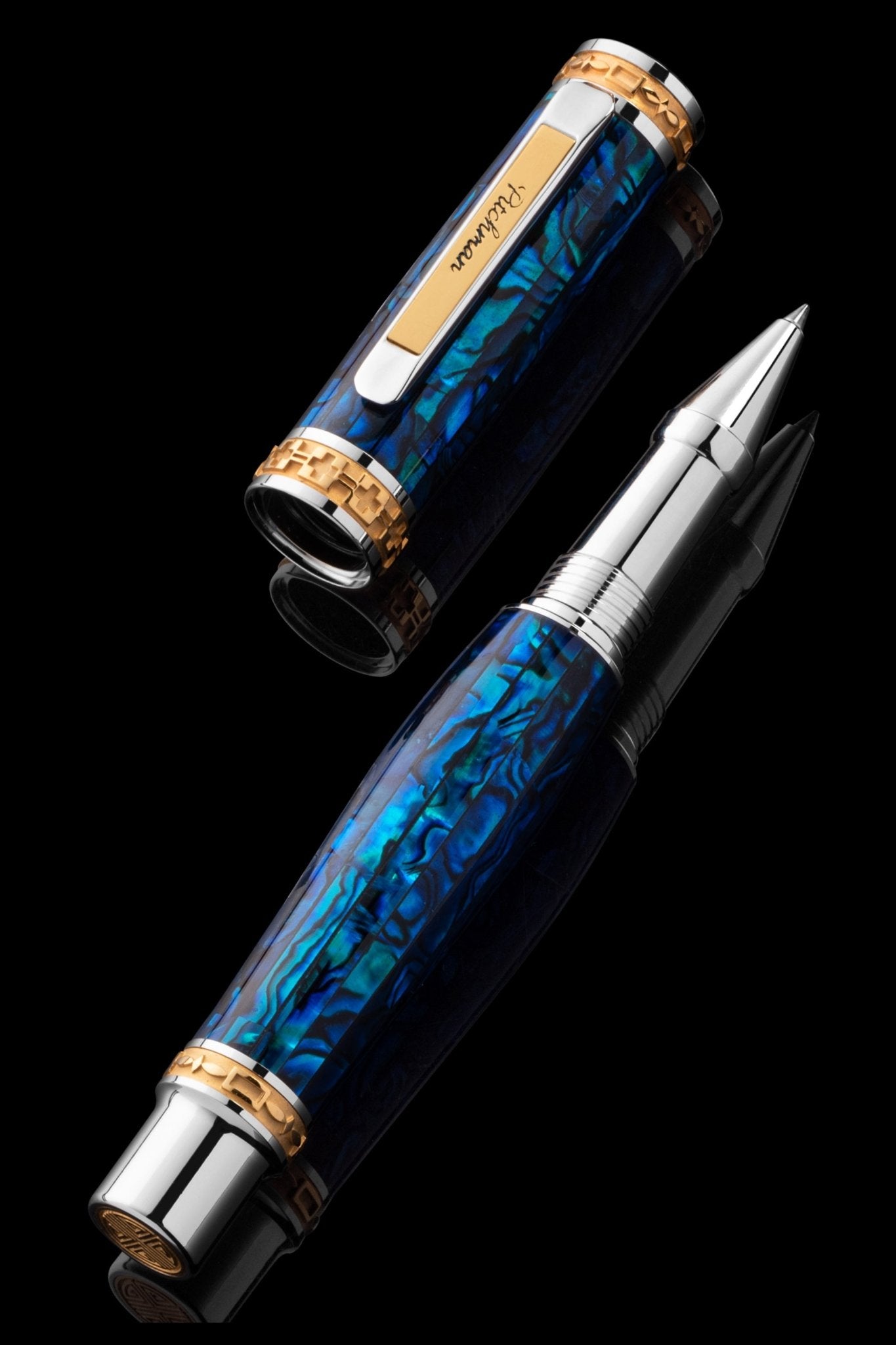
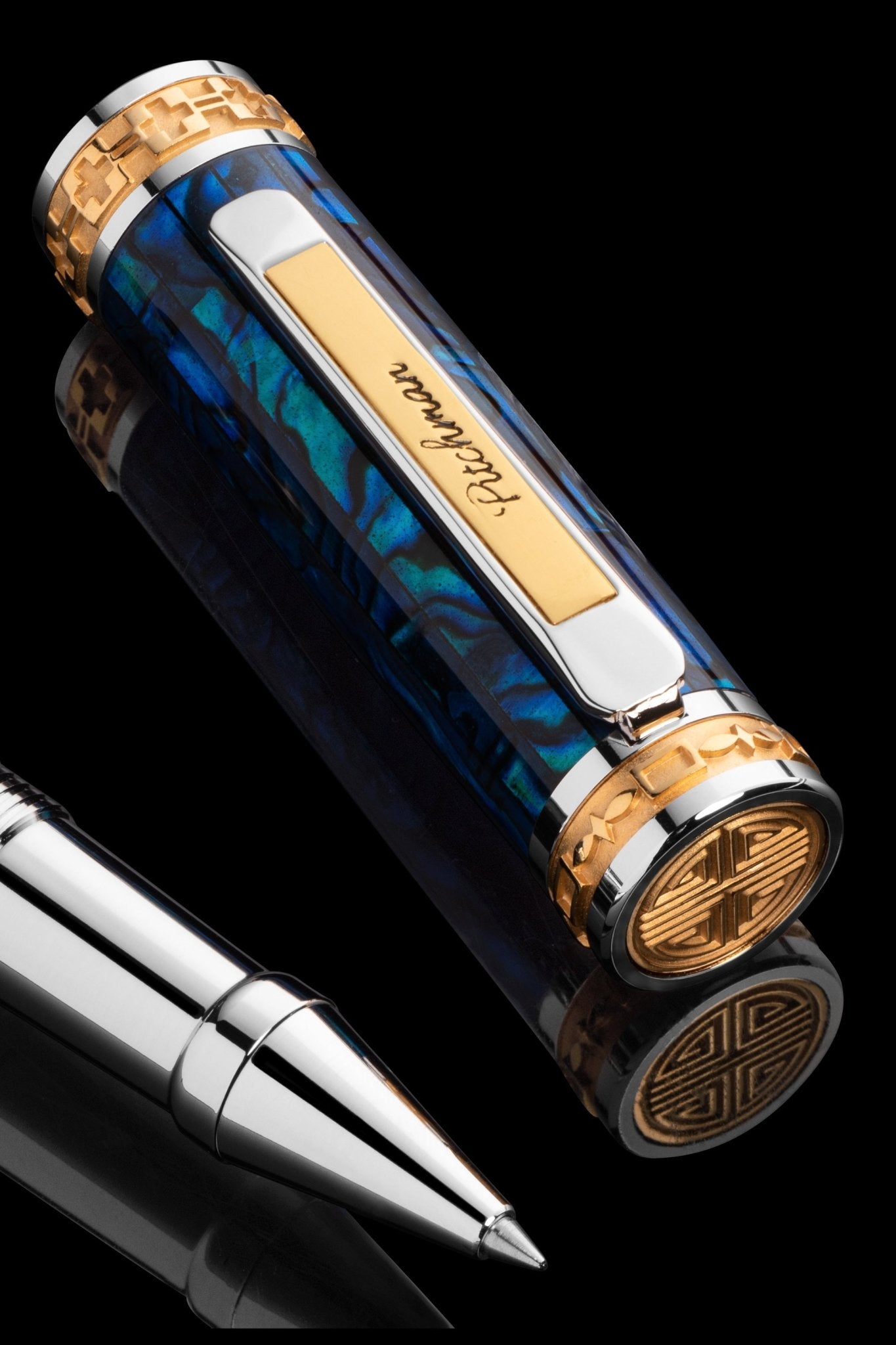
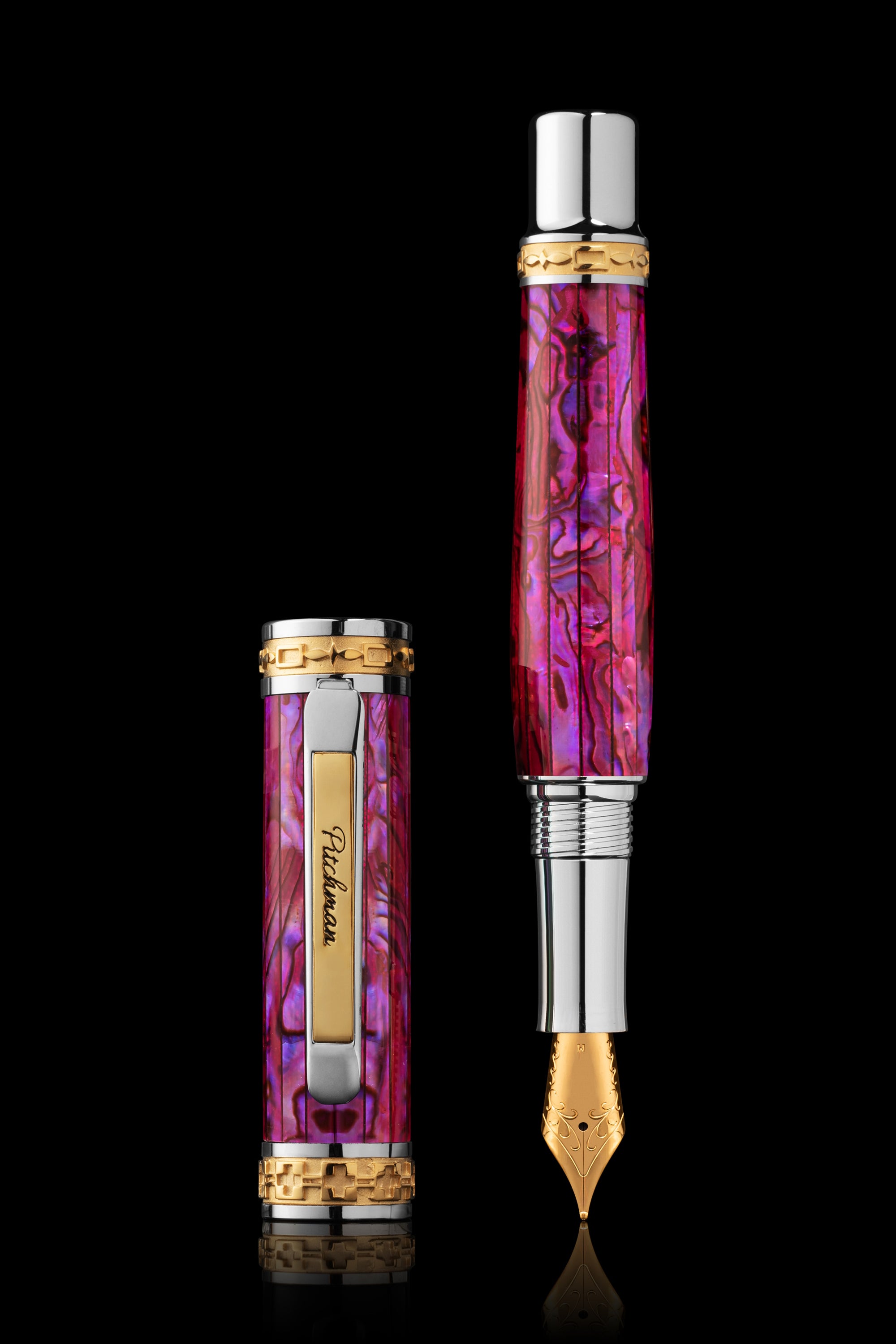
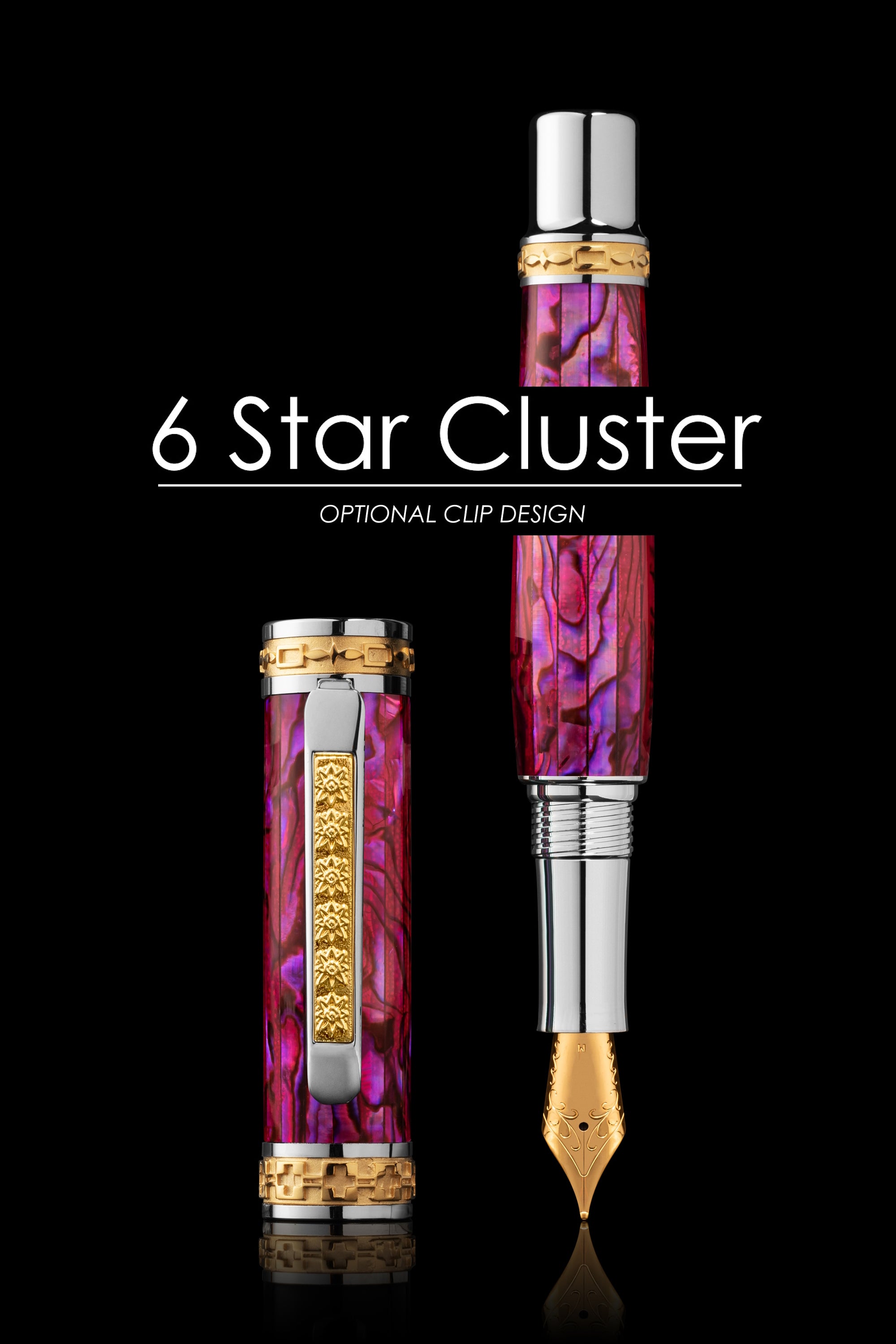
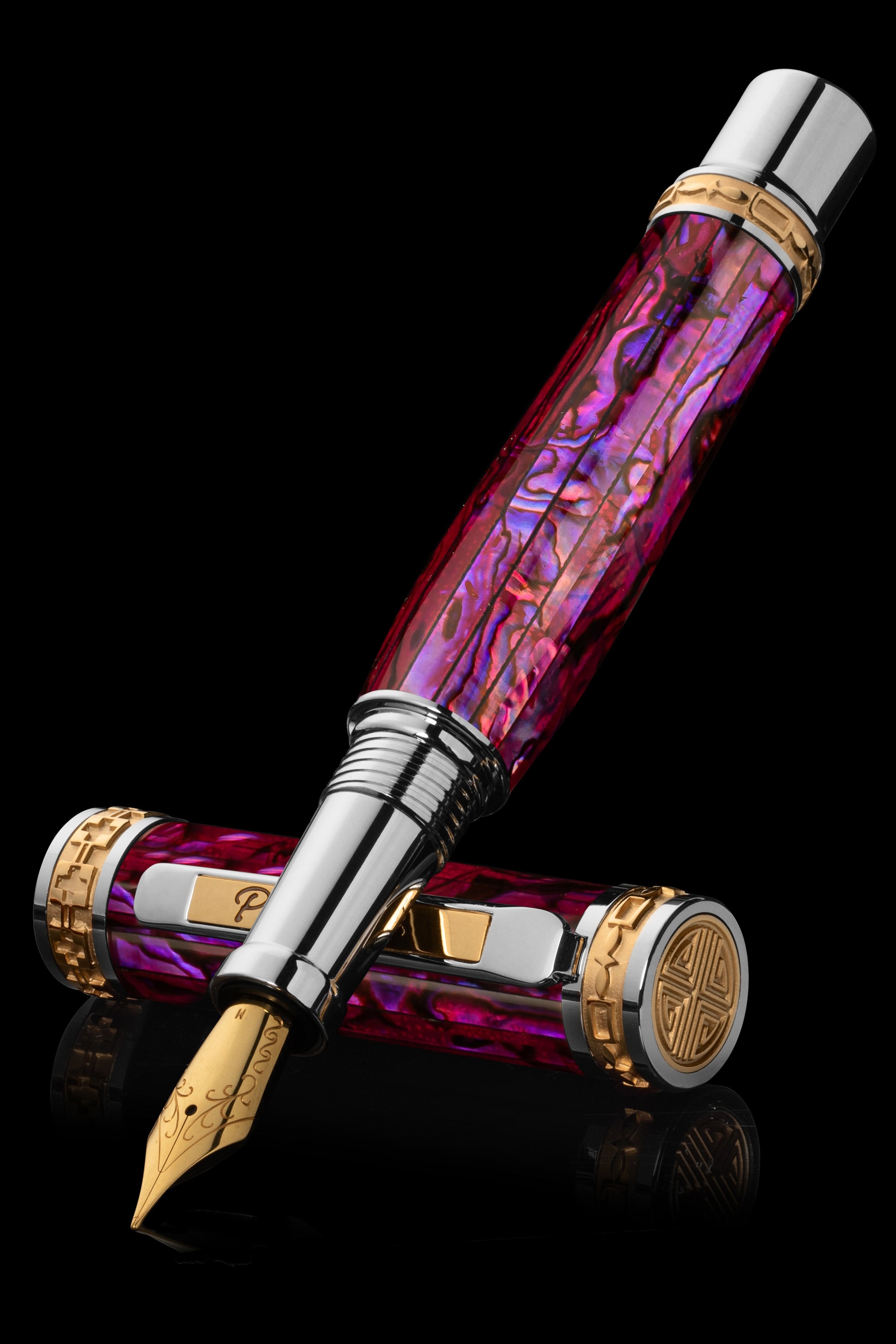
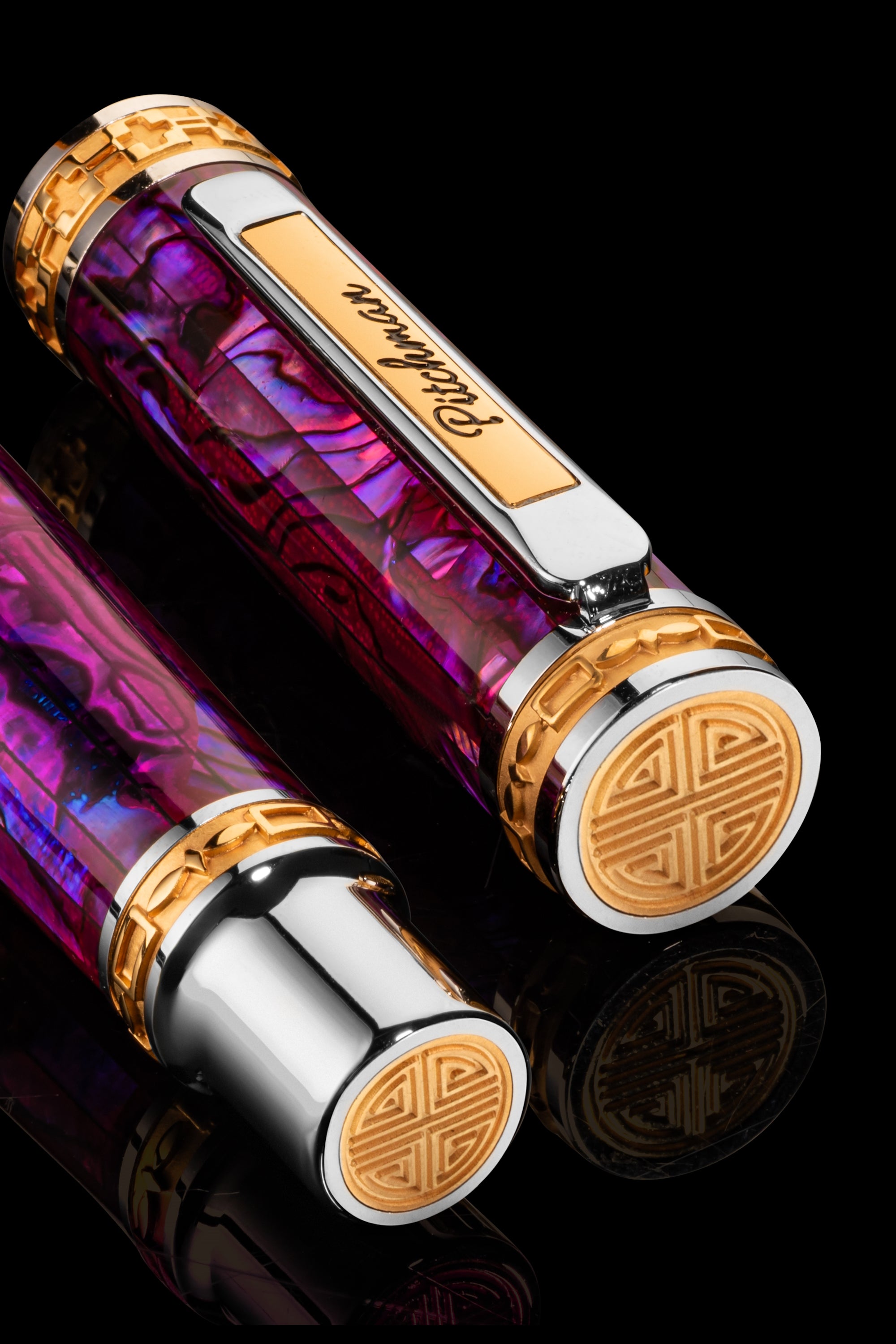
Writing instruments are among the most common objects in modern life. They sit on desks, disappear into drawers, get borrowed, replaced, and forgotten. Most are designed to do one thing efficiently: put marks on paper. And for everyday tasks, that’s enough.
But not all writing is casual. Some writing carries weight. Some signatures bind responsibility. Some moments demand intention rather than convenience. Understanding the difference starts with understanding the category itself.
This page explains what writing instruments are, how they are typically used, and—most importantly—when choosing the right one actually matters.
What Qualifies as a Writing Instrument
At its simplest, a writing instrument is any tool designed to apply ink, graphite, or pigment to a surface in a controlled way. The category includes:
-
Ballpoint pens, engineered for reliability and mass use
-
Rollerball pens, offering smoother ink flow for everyday writing
-
Fountain pens, designed for deliberate writing and long-term use
-
Mechanical and wooden pencils, favored for erasability and drafting
-
Markers and technical pens, built for visibility or precision
These tools vary in materials, mechanics, and longevity, but they are all defined by function. Most are created for speed, convenience, and replacement rather than permanence.
Understanding this baseline is essential before deciding whether a writing instrument should play a larger role in a meaningful moment.
Why Most Writing Instruments Are Treated as Disposable Tools
The majority of writing instruments are designed for environments where loss, breakage, and replacement are expected. Offices buy them in bulk. Schools issue them without concern for longevity. When one fails, another takes its place.
This mindset shapes how writing instruments are perceived:
In these contexts, the writing instrument is invisible. It facilitates a task, then exits the story. That is not a flaw—it is simply the purpose most writing instruments were created to serve.
Problems arise only when that same logic is applied to moments that require more care.
When a Writing Instrument Becomes More Than a Tool
There are moments when writing is not just an activity, but an act of accountability. A contract is signed. A role is accepted. A responsibility is acknowledged. In these moments, the instrument used is no longer neutral.
A writing instrument becomes more than a tool when it is associated with:
-
Permanence, rather than disposability
-
Authorship, rather than convenience
-
Recognition, rather than routine
-
Transition, rather than repetition
In these contexts, the writing instrument is remembered because the moment is remembered. The object becomes tied to a decision, a commitment, or a turning point.
How Context Determines the Right Writing Instrument
Not every situation calls for the same level of intention. Context matters.
A pen used to jot notes during a meeting serves a different purpose than one used to sign an offer letter. A pencil used for drafting ideas does not carry the same meaning as an instrument presented to mark a promotion or milestone.
When context changes, expectations change as well:
-
Formal signings require clarity and seriousness
-
Career transitions call for symbols of trust and readiness
-
Leadership recognition demands judgment and appropriateness
-
Founding moments benefit from objects meant to endure
Choosing without considering context often results in gifts or tools that feel misaligned, regardless of their cost or appearance.
How to Think About Writing Instruments for Meaningful Moments
Many people begin their search by looking for variety or ideas. That approach works for casual purchases, but it often fails when the moment carries weight.
Meaningful moments benefit from fewer, better decisions. The right writing instrument is not chosen because it is novel or abundant, but because it fits the responsibility being marked.
When evaluating a writing instrument for an important moment, consider:
-
Will this be kept or replaced?
-
Does it reflect care and intention?
-
Is it appropriate for the level of responsibility involved?
-
Does it support the seriousness of the moment rather than distract from it?
Discernment matters because the recipient can feel when judgment has been applied—and when it has not.
Transition to Moment-Based Guidance
For those seeking clarity around specific professional or personal moments, exploring curated, moment-based guidance provides a more appropriate answer than browsing writing instruments broadly.
Different occasions call for different levels of intention, and selecting with context in mind helps ensure the instrument aligns with the significance of the moment being marked.
Readers may find clearer direction by exploring guidance tailored to moments such as First Executive Promotion, Founding a Company, Leadership Recognition, or Graduation and Professional Transition, where appropriateness and judgment matter most.