
Executive Pens
Which Pitchman Is Right for You?
Each Pitchman model was designed for a different kind of moment. Use this guide to choose the pen that best fits the person, purpose, or occasion you have in mind.
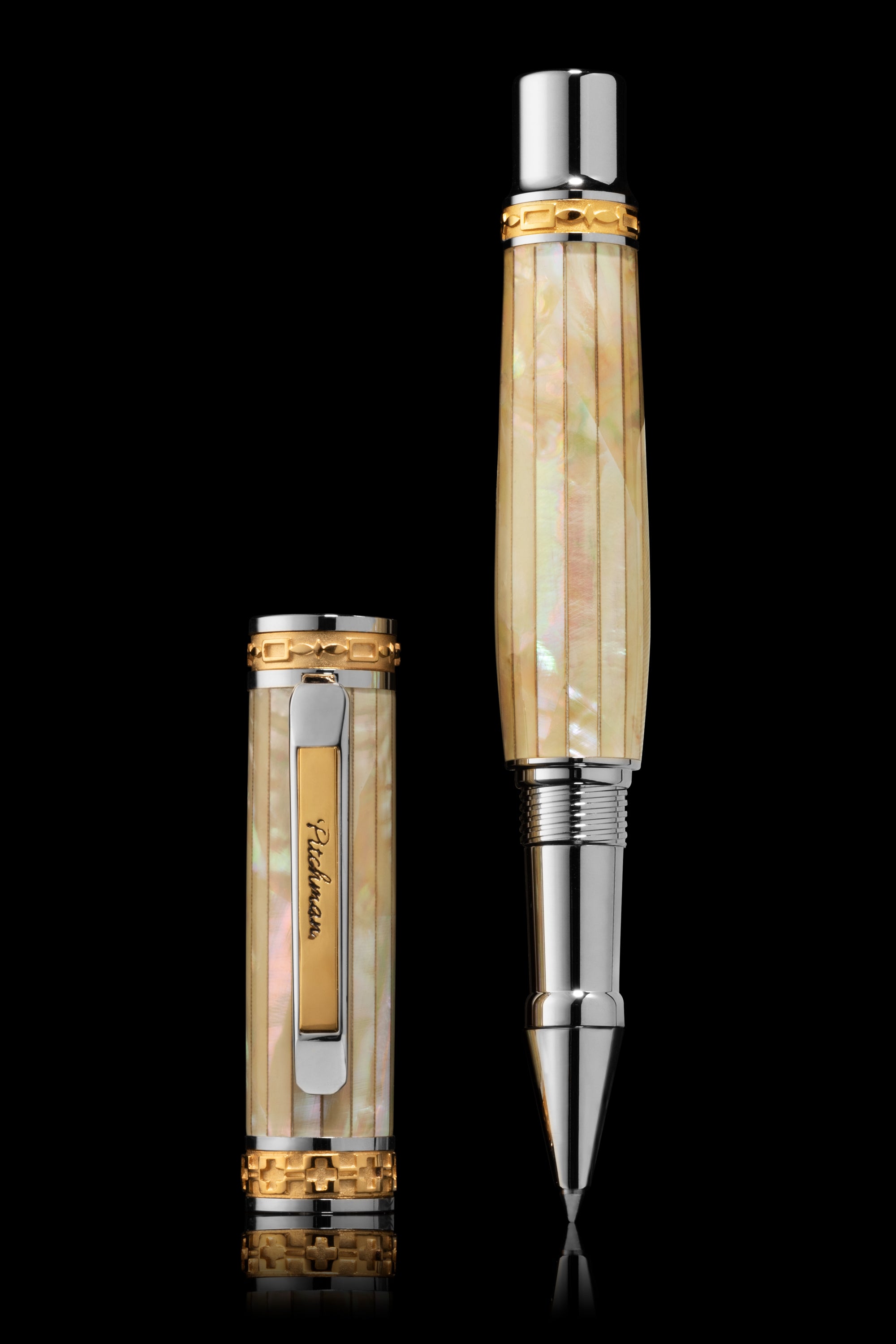
Closer
Best for deal closings, major wins, and moments of achievement.
The Closer is the boldest Pitchman — made for signatures, celebrations, and business moments that deserve presence.
Best for: deal closings, sales milestones, client gifts, promotions
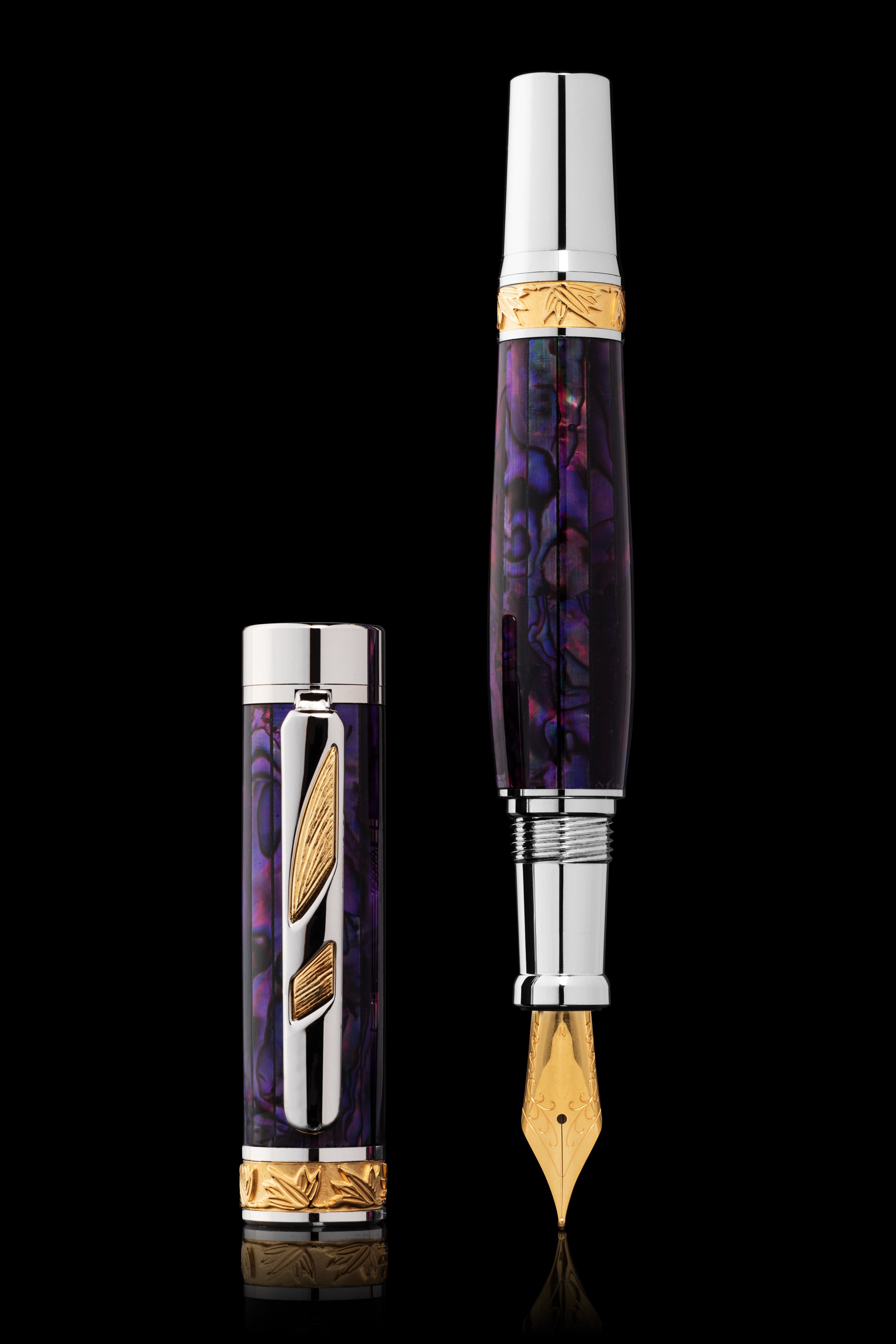
Rainmaker
Best for daily executive use with a slimmer profile.
The Rainmaker brings Pitchman presence in a more refined, suit-friendly design for professionals who want a luxury pen they can use often.
Best for: daily business use, executive carry, professional gifts, client meetings
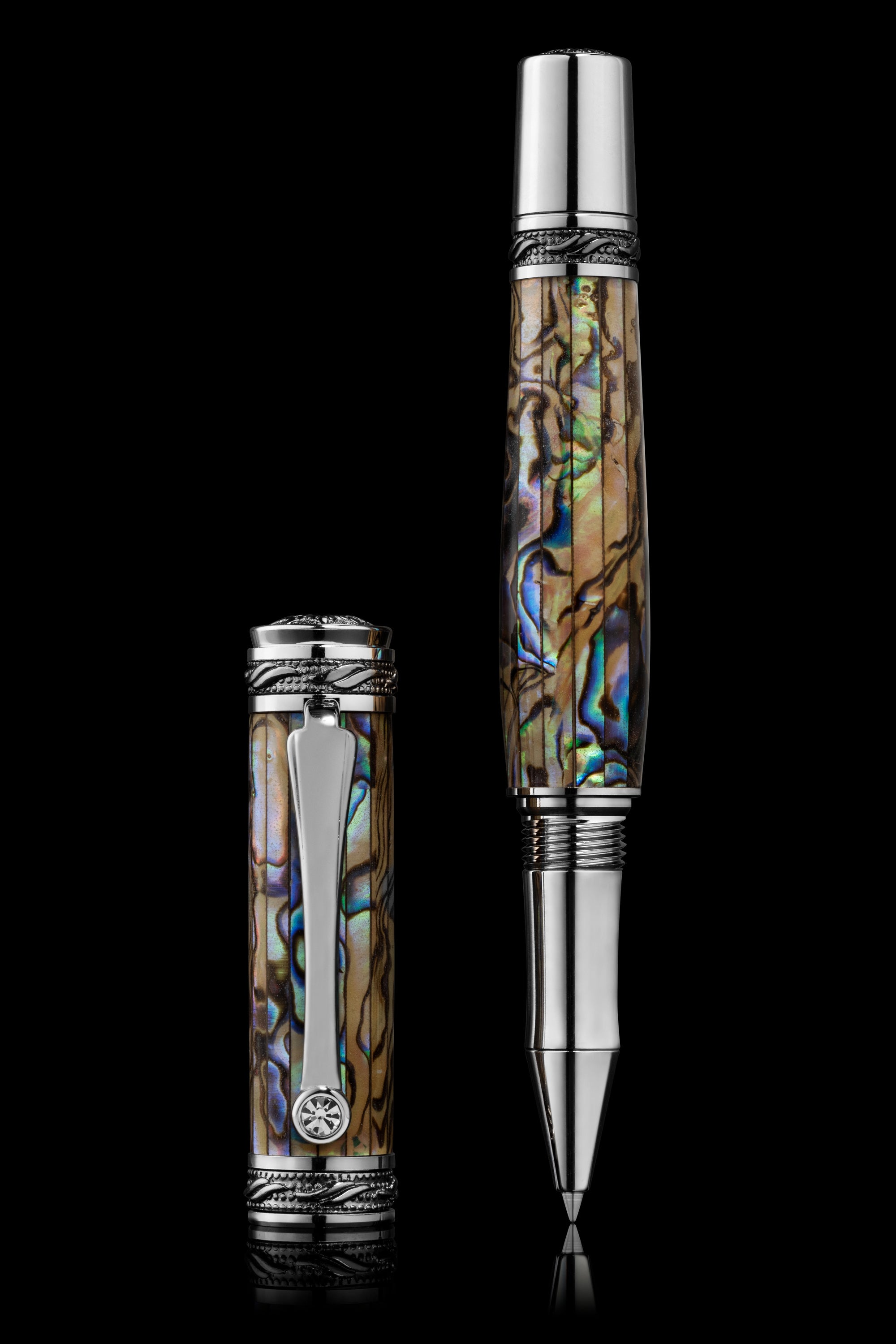
Tycoon
Best for signatures, authority, and formal recognition.
The Tycoon is designed for important documents, executive gifts, and moments where leadership or authority is being recognized.
Best for: signature moments, leadership gifts, board recognition, professional milestones
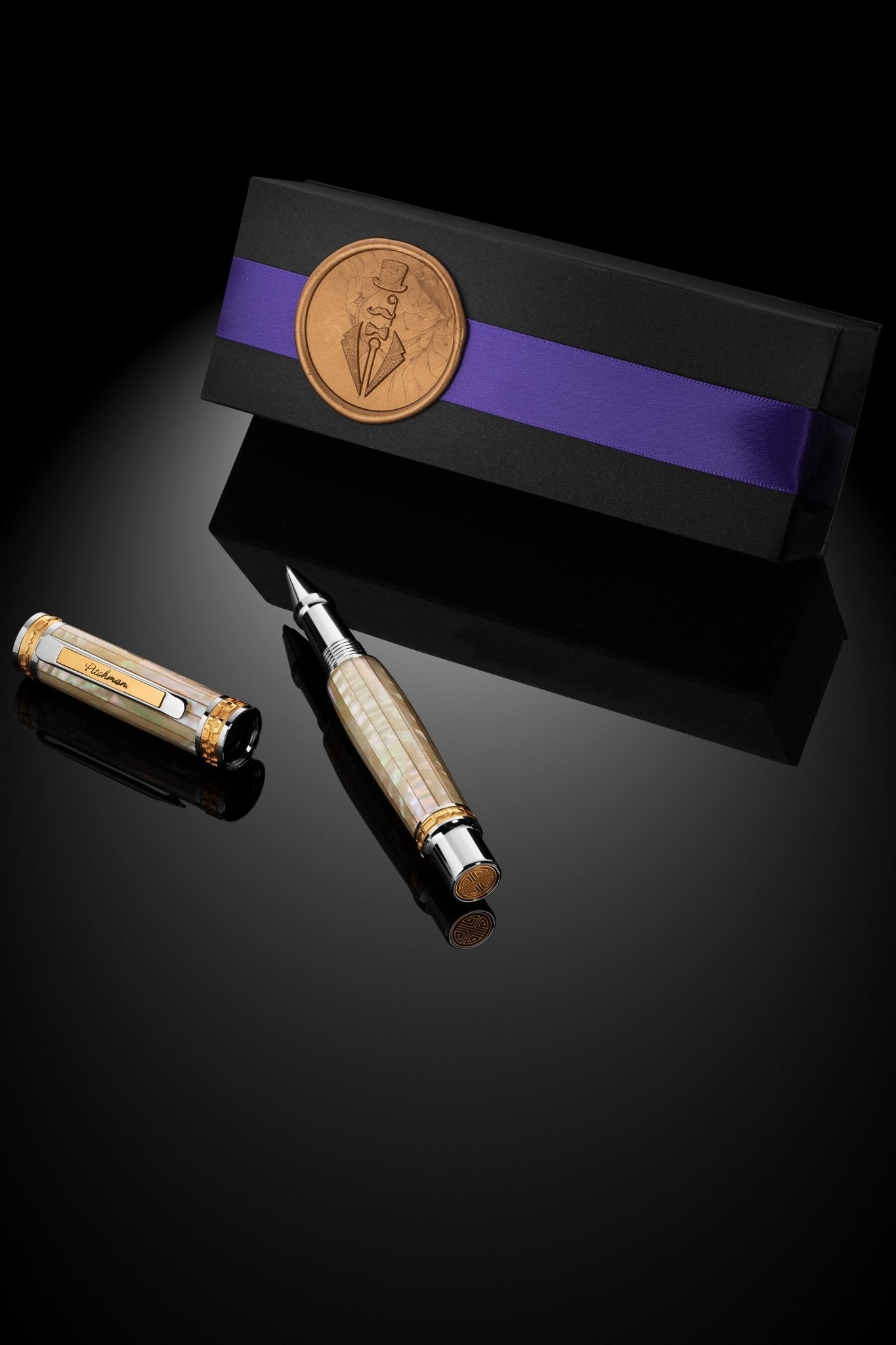
Buying as a Gift?
Best when the pen is meant to honor someone else.
Every Pitchman is gift-ready and chosen to mark a person, achievement, or meaningful occasion — not just to give another luxury item.
Best for: retirement, graduation, promotion, thank-you gifts, client recognition
Explore Our Pens
Executive Pens
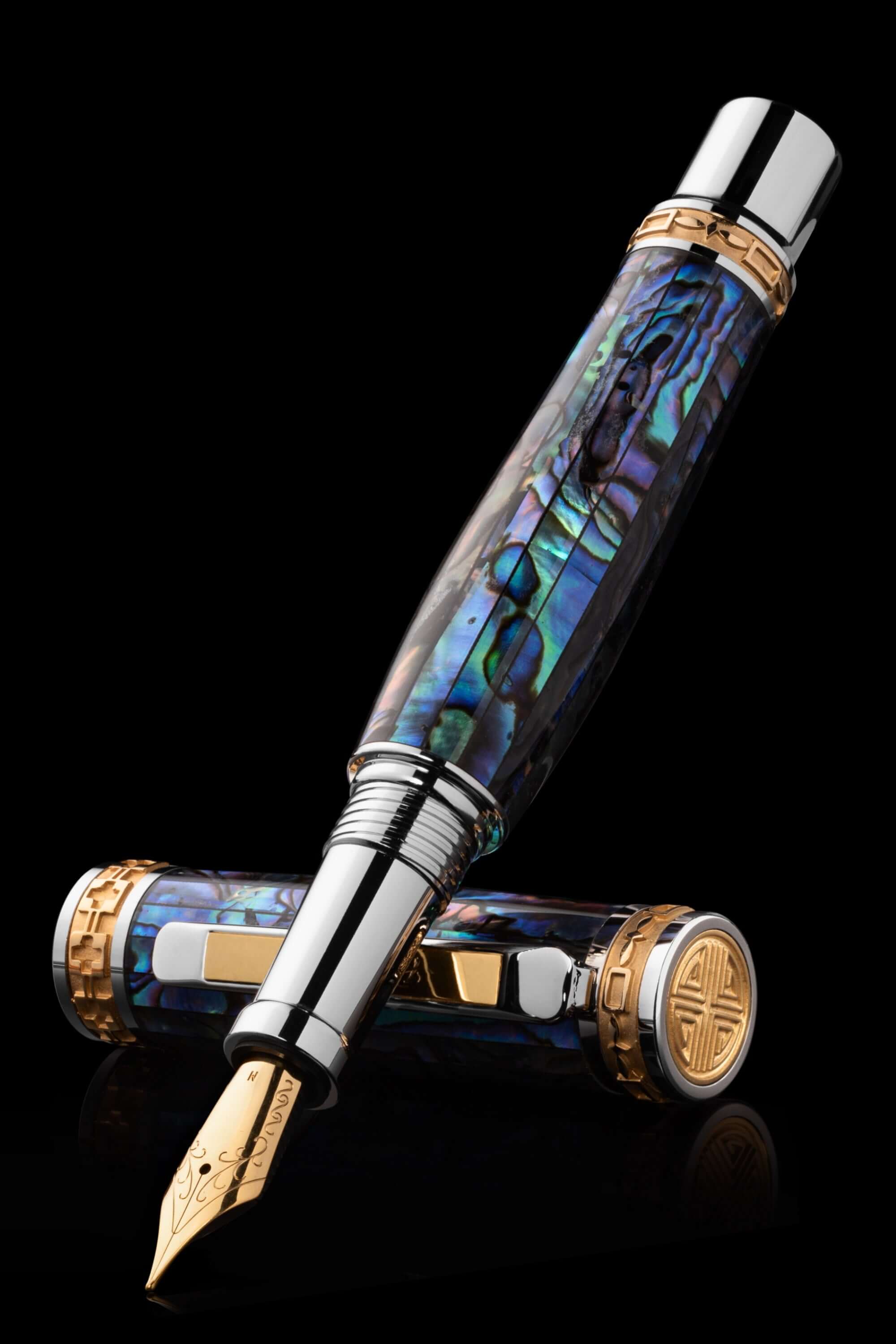
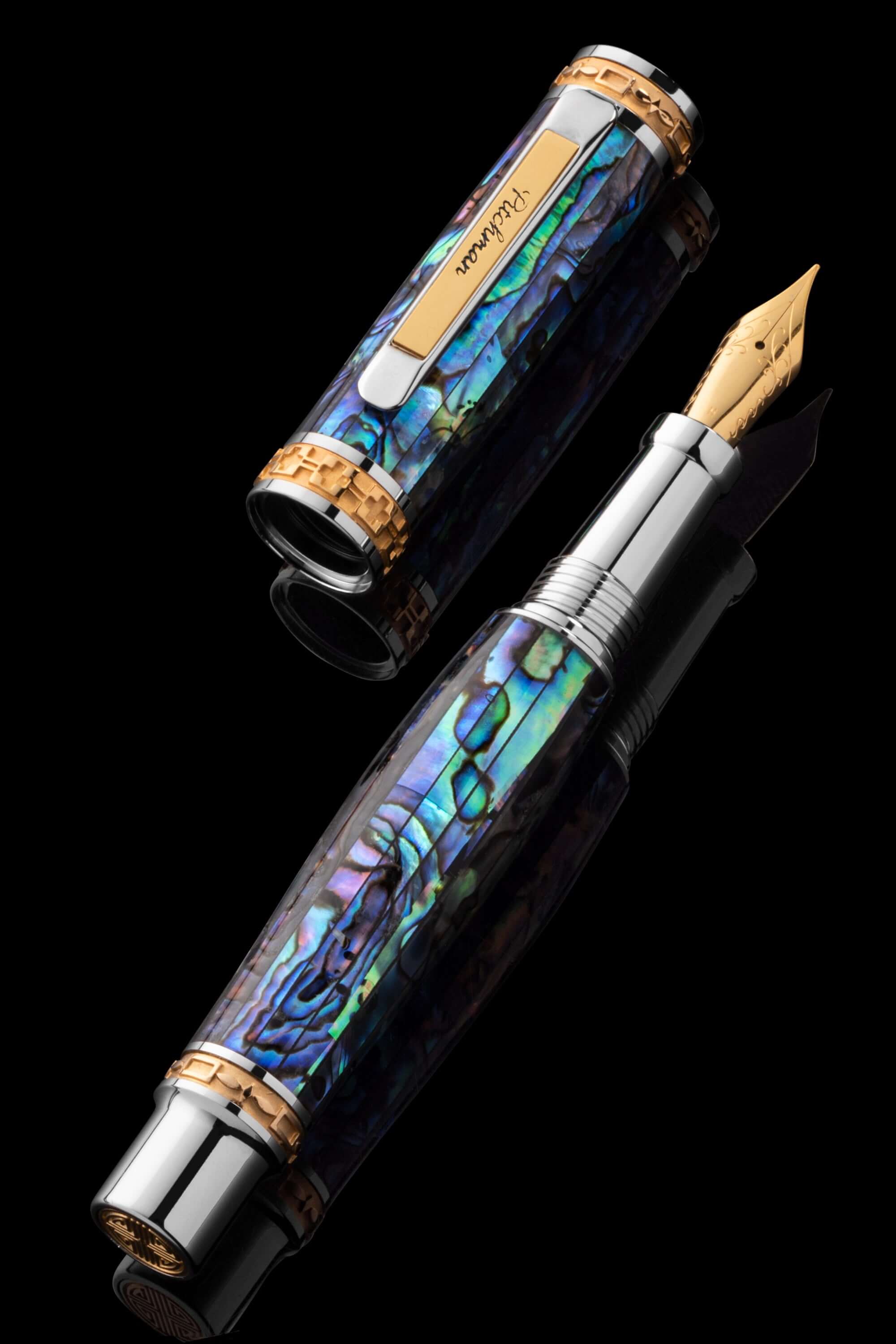
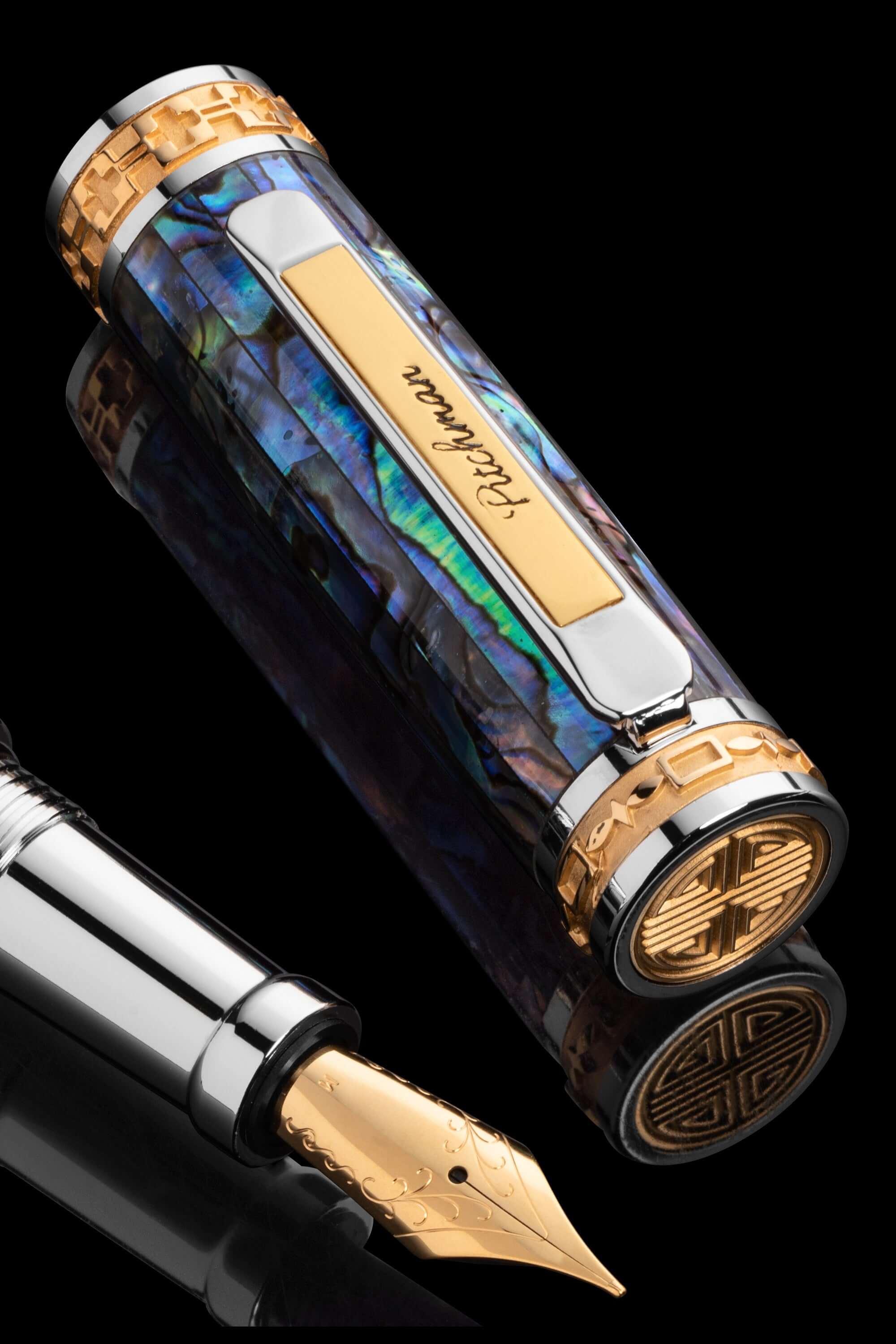
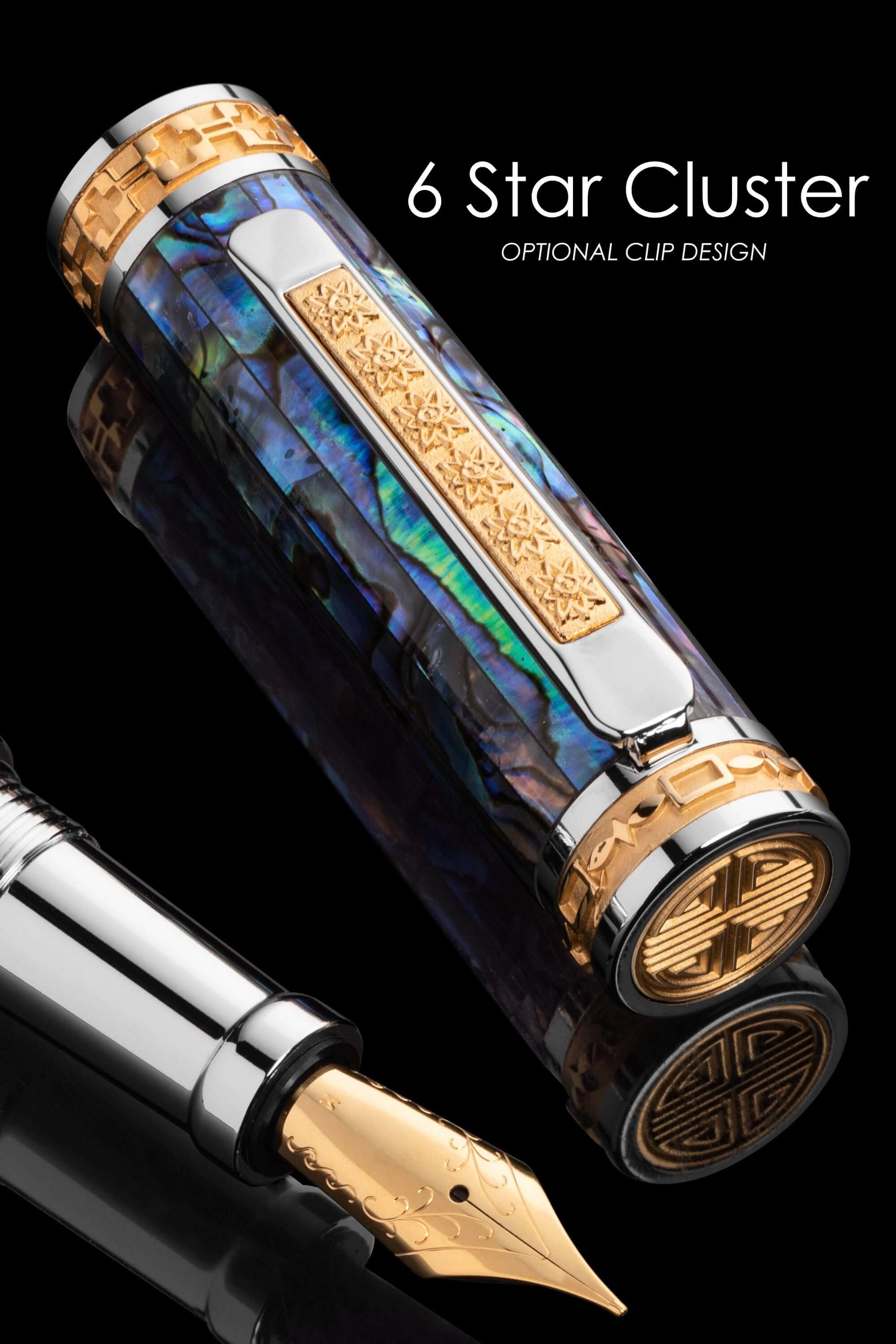


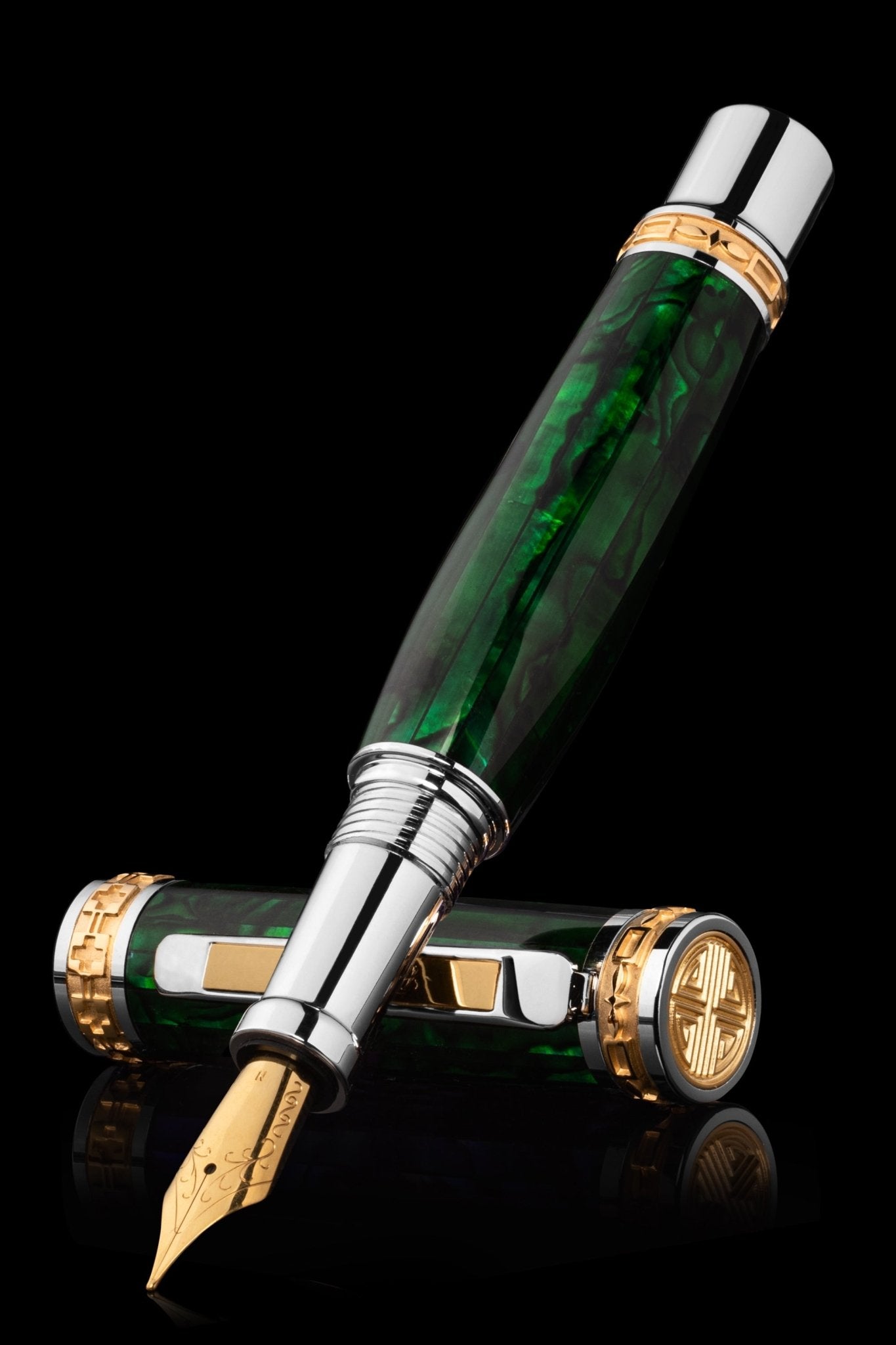
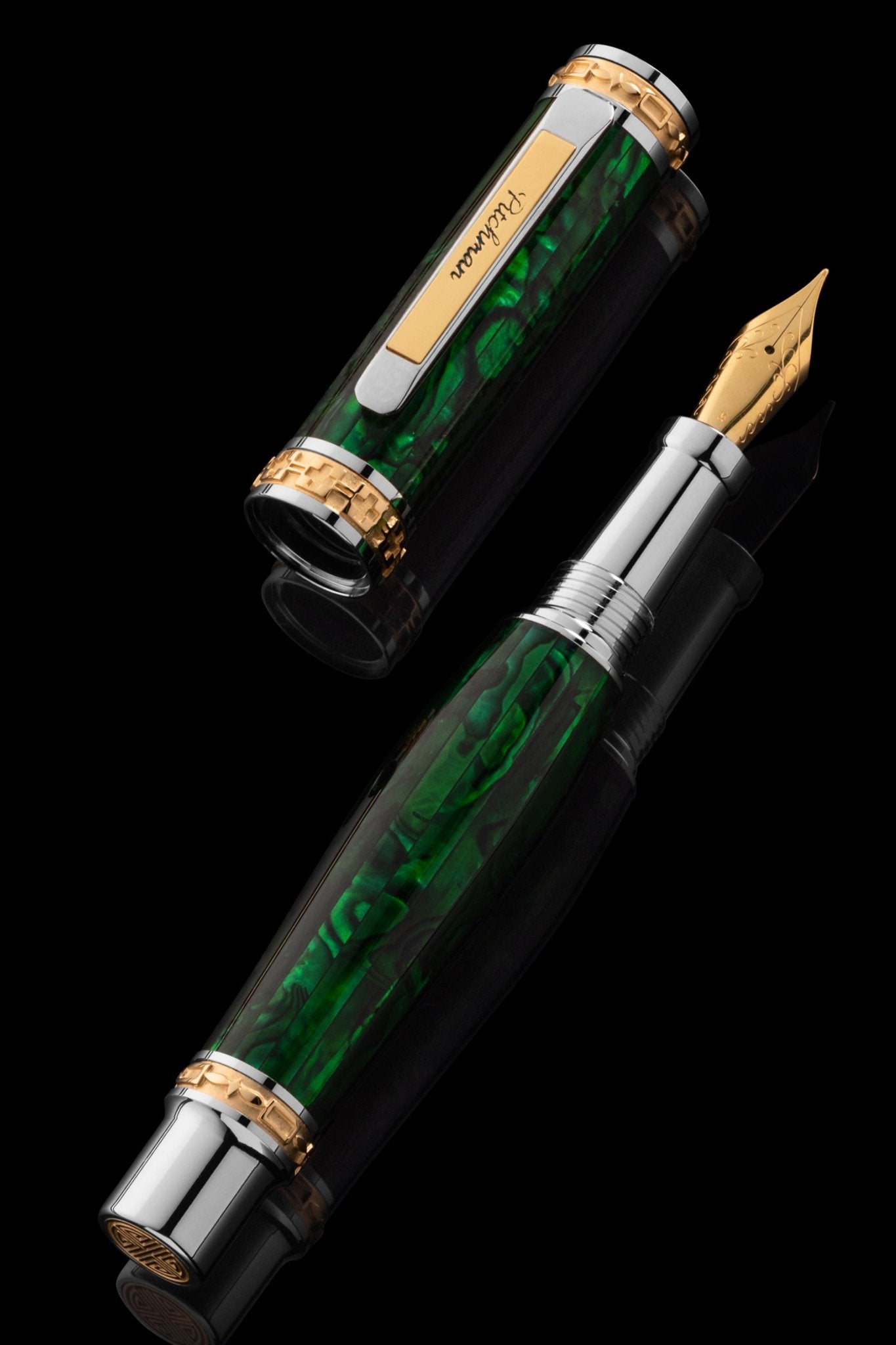
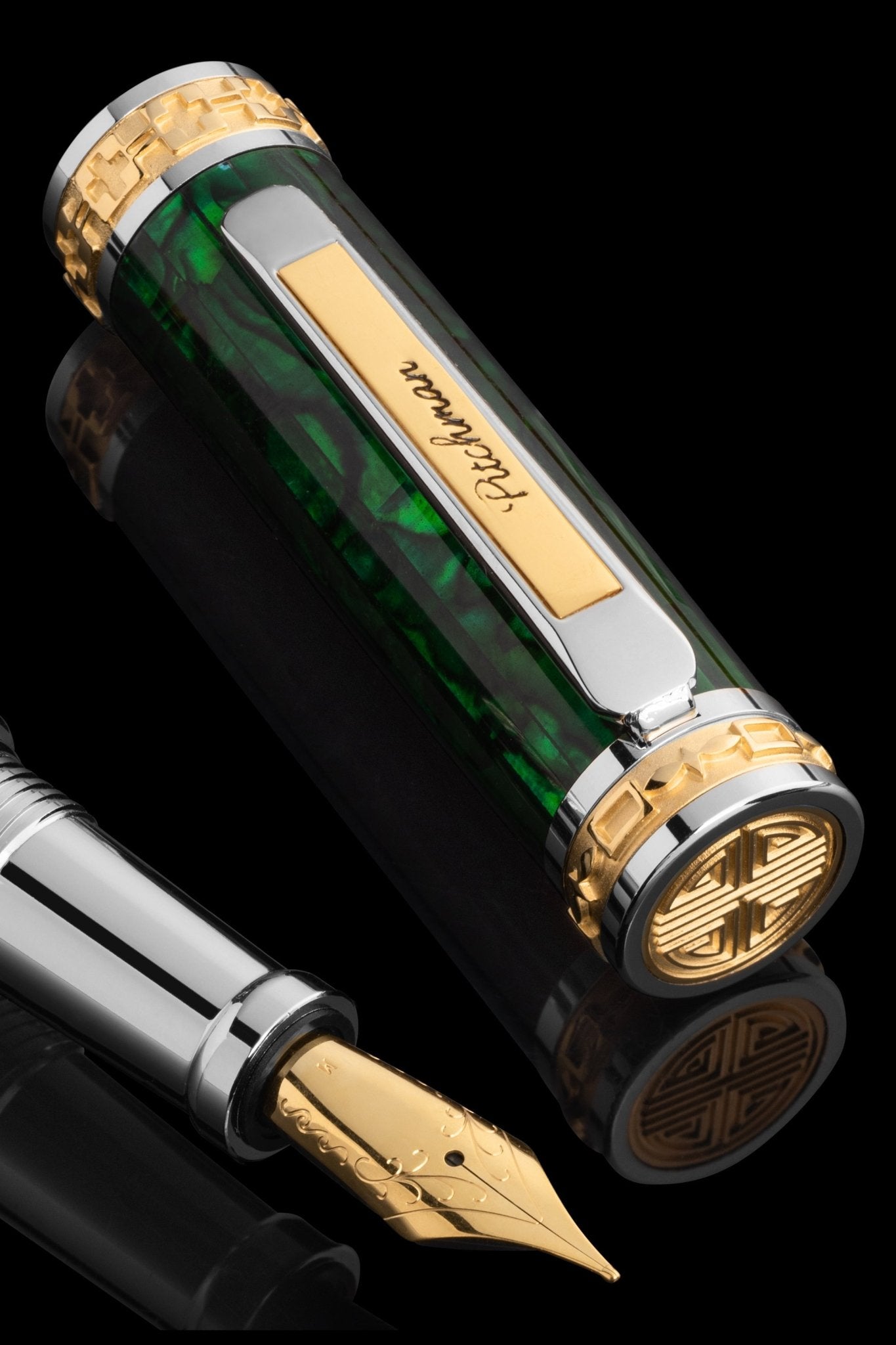
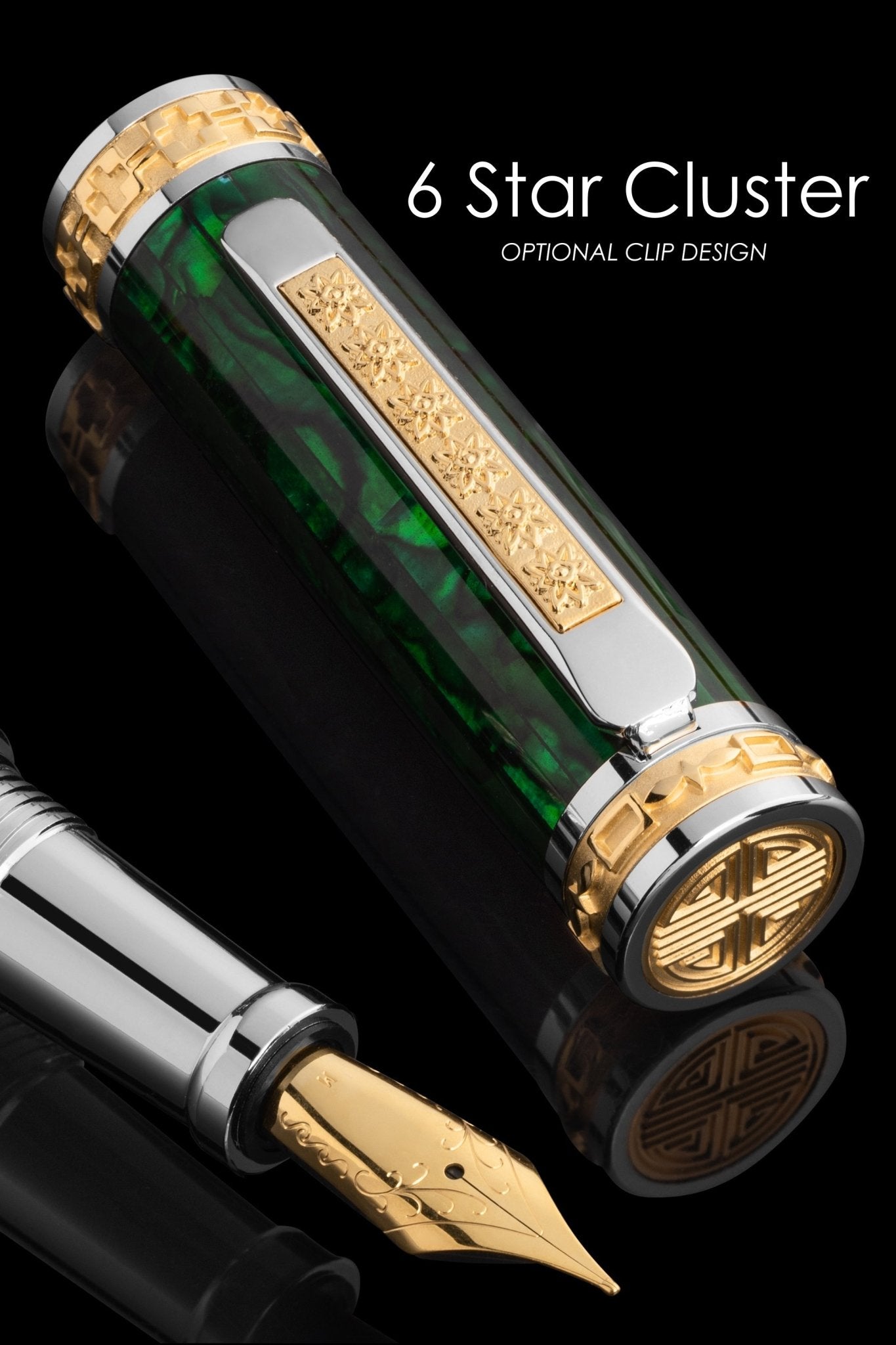
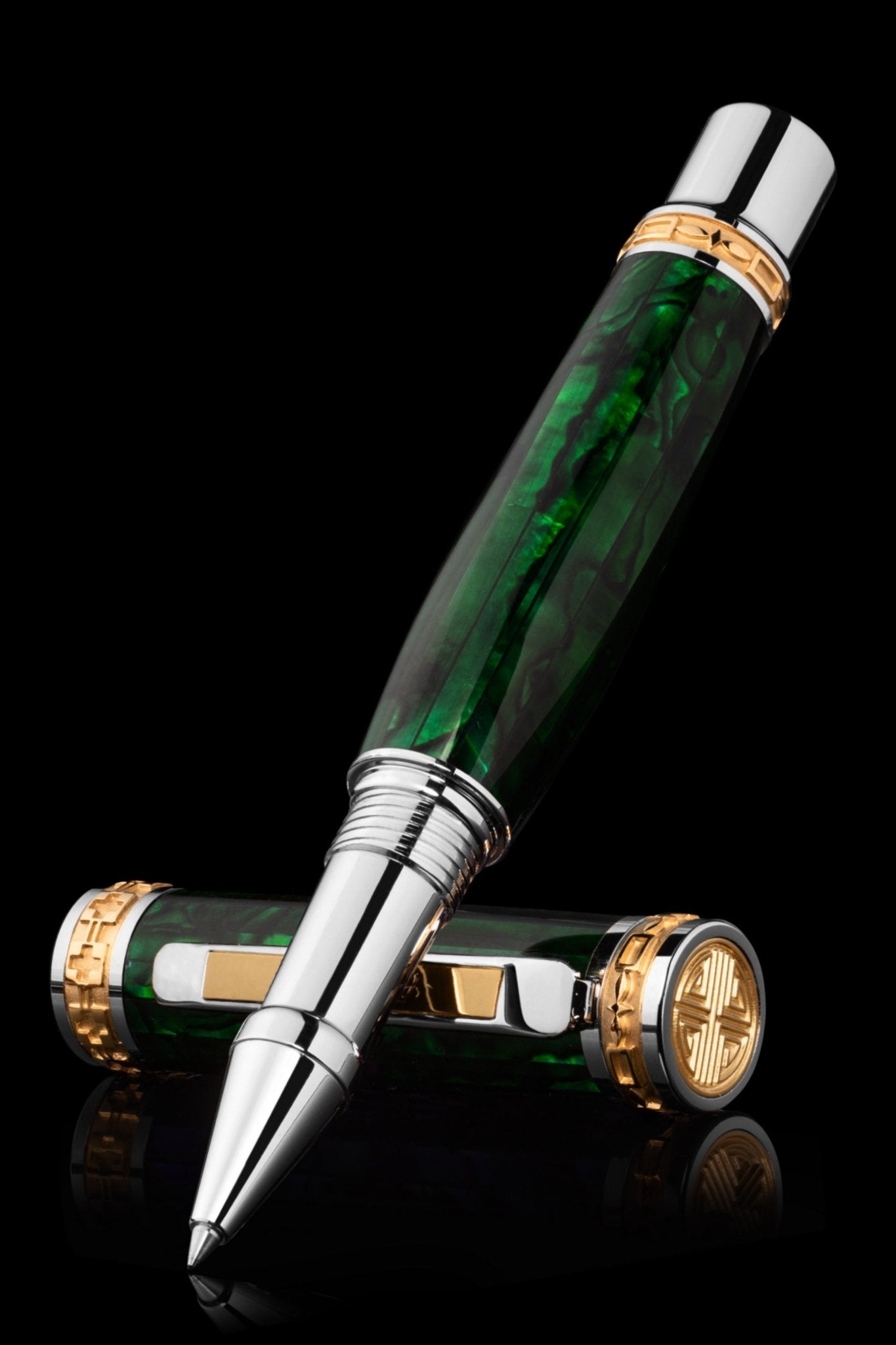
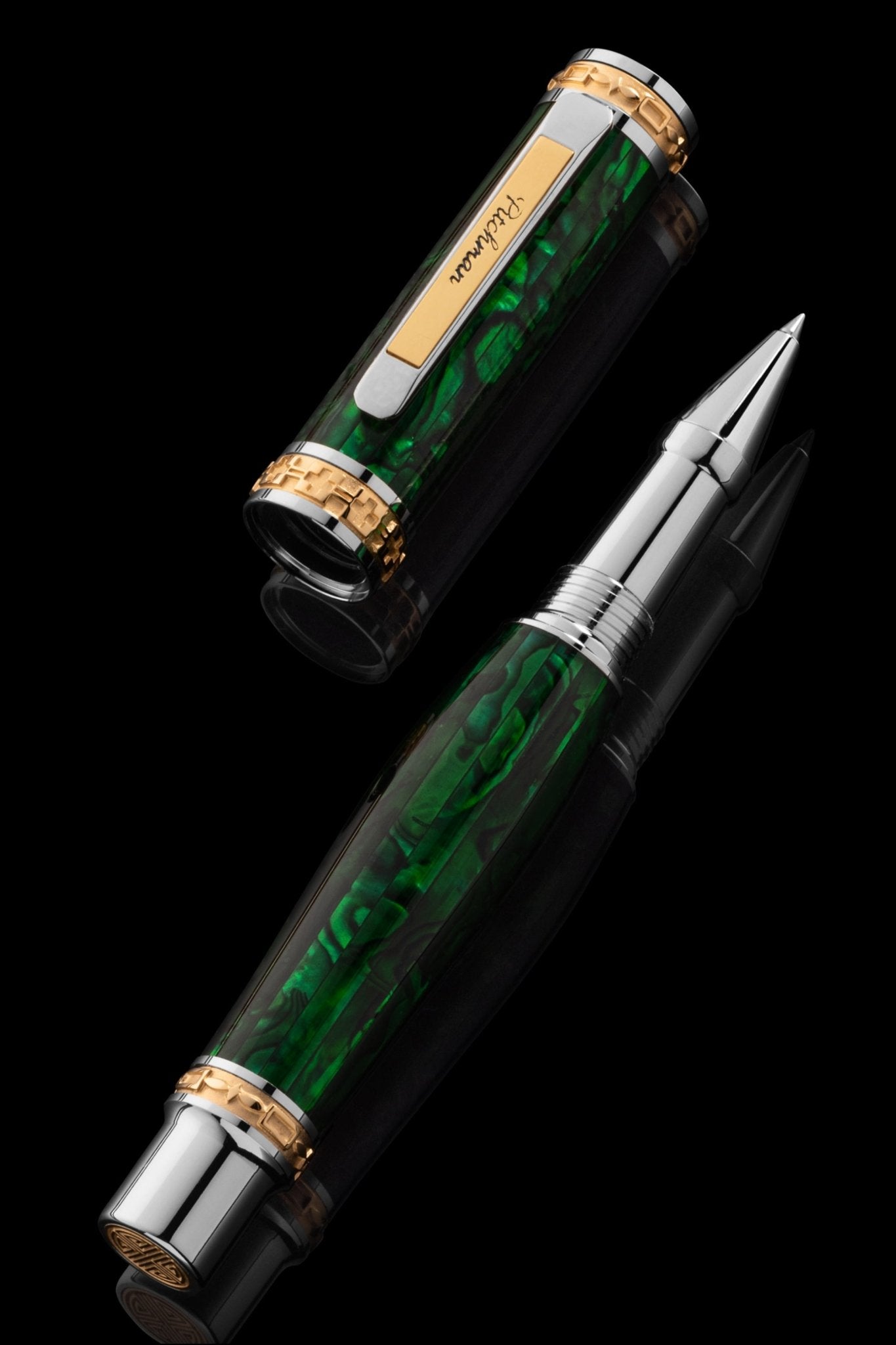
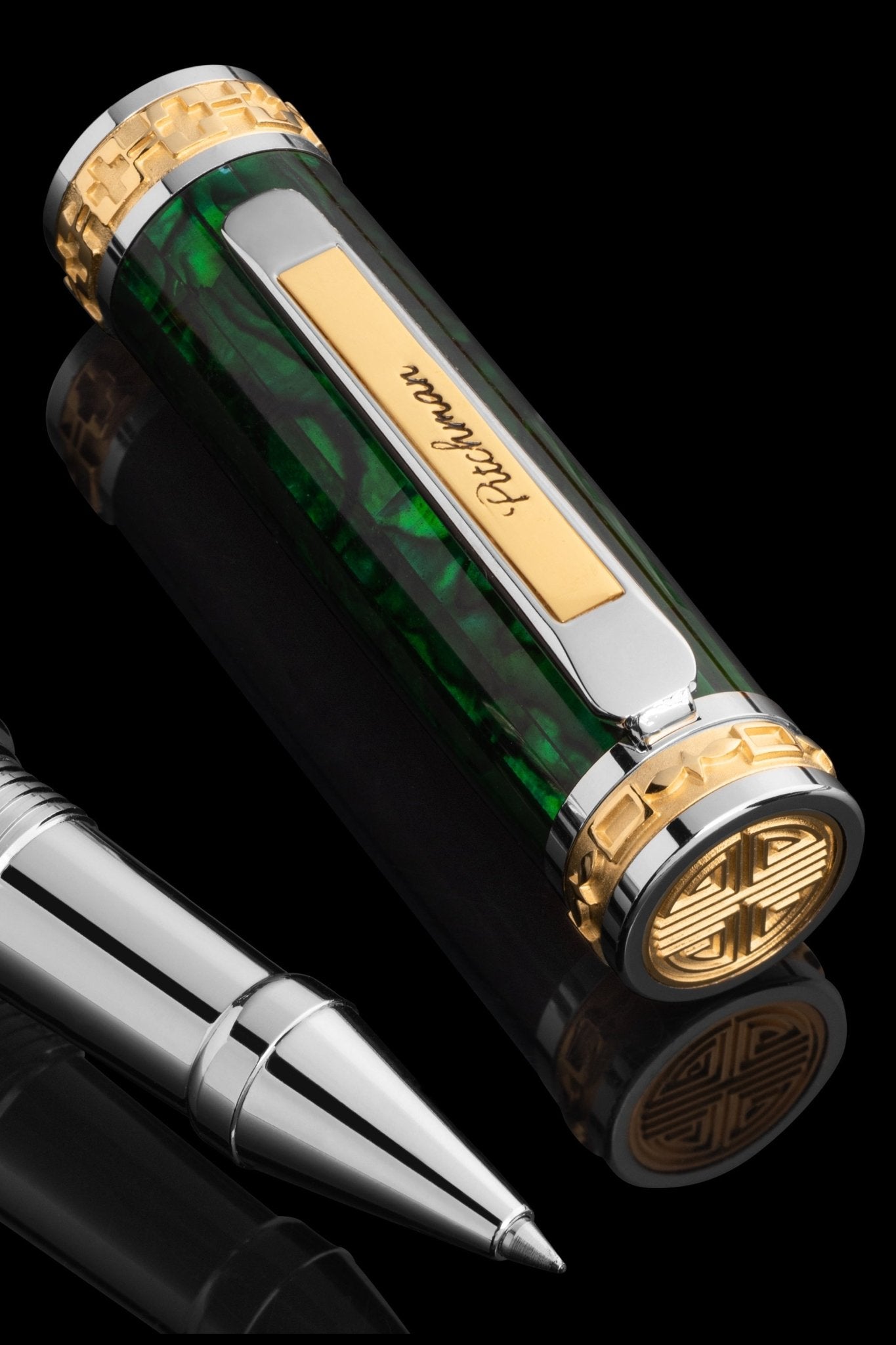
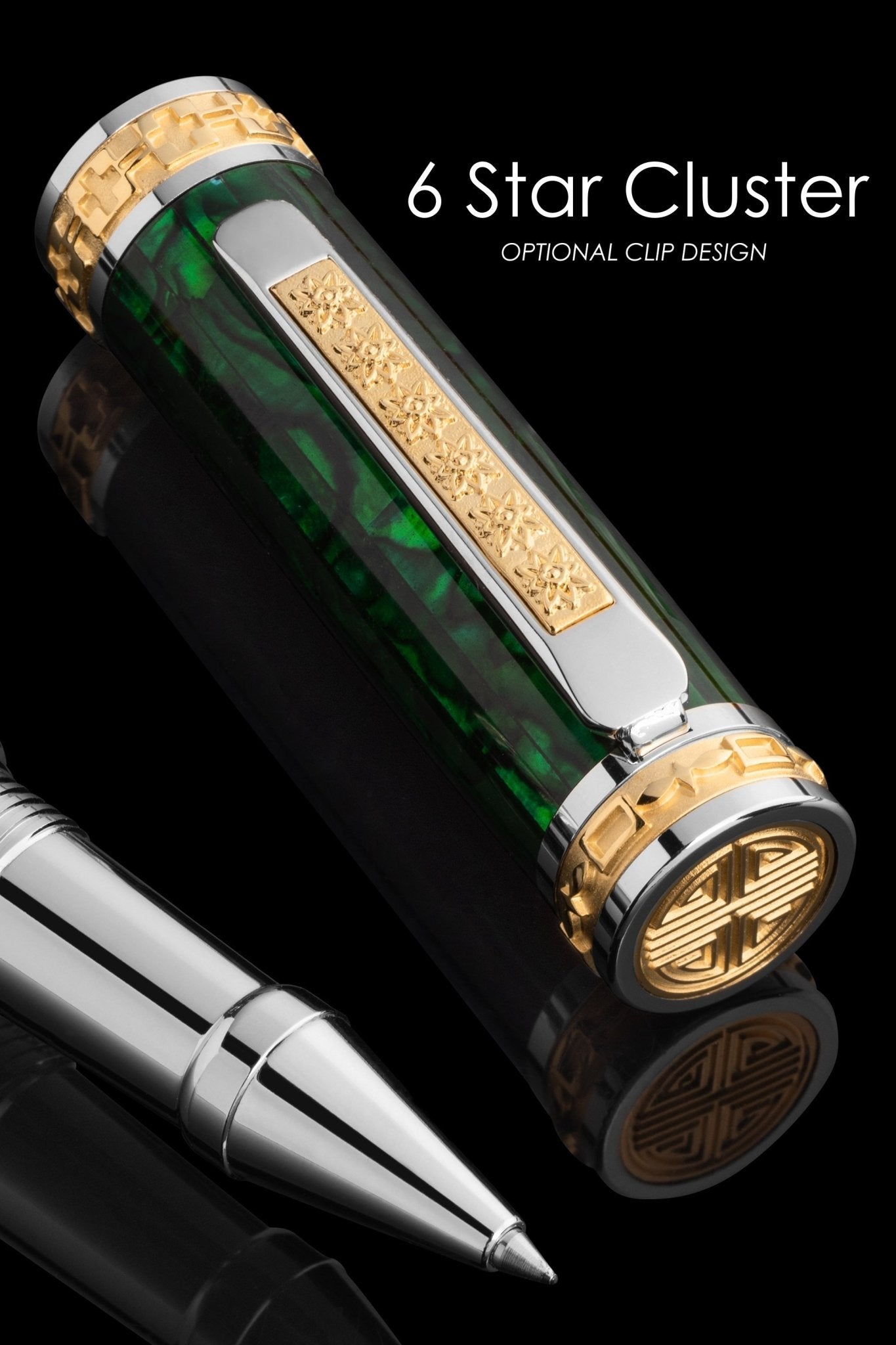
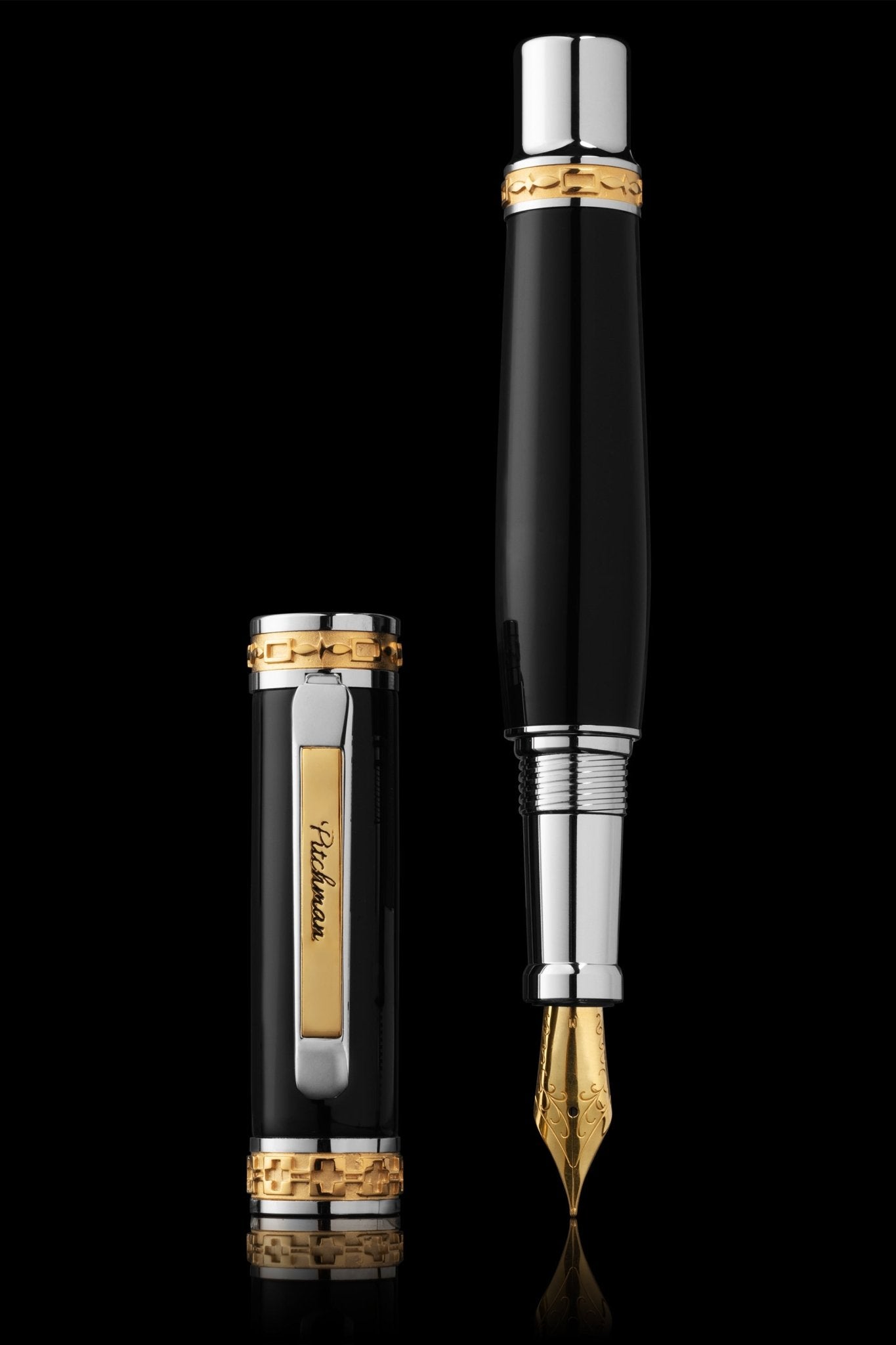
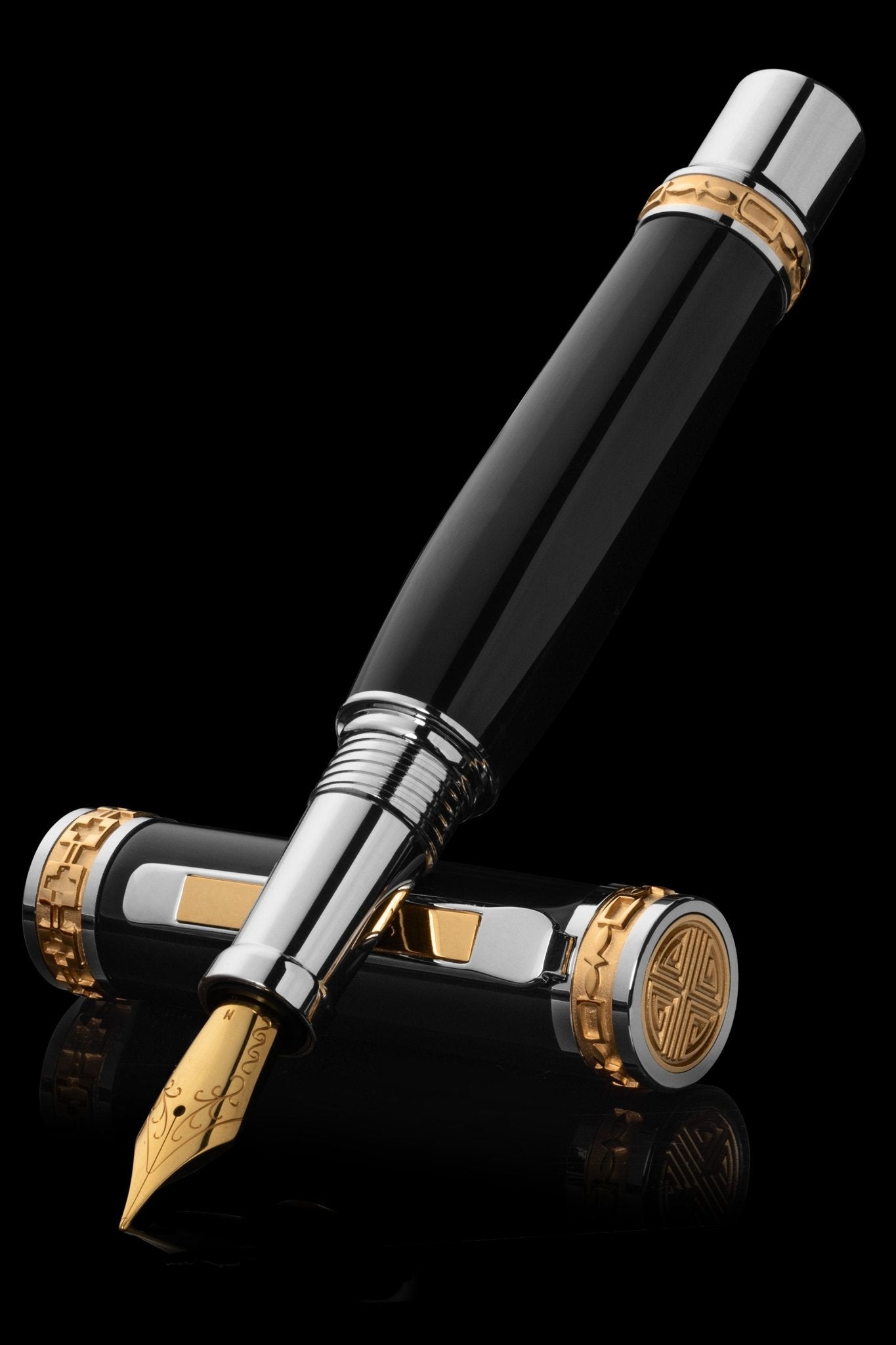
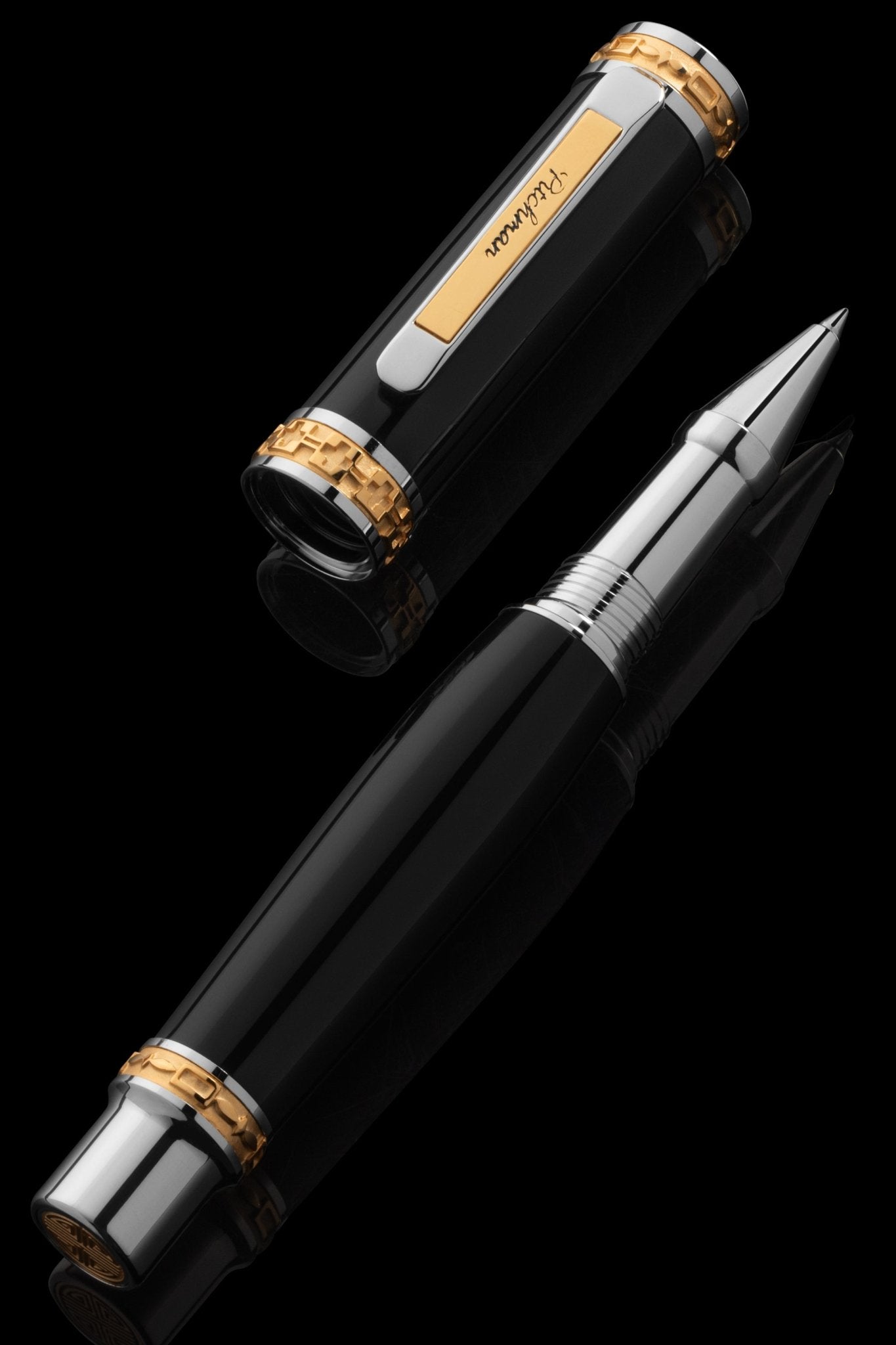
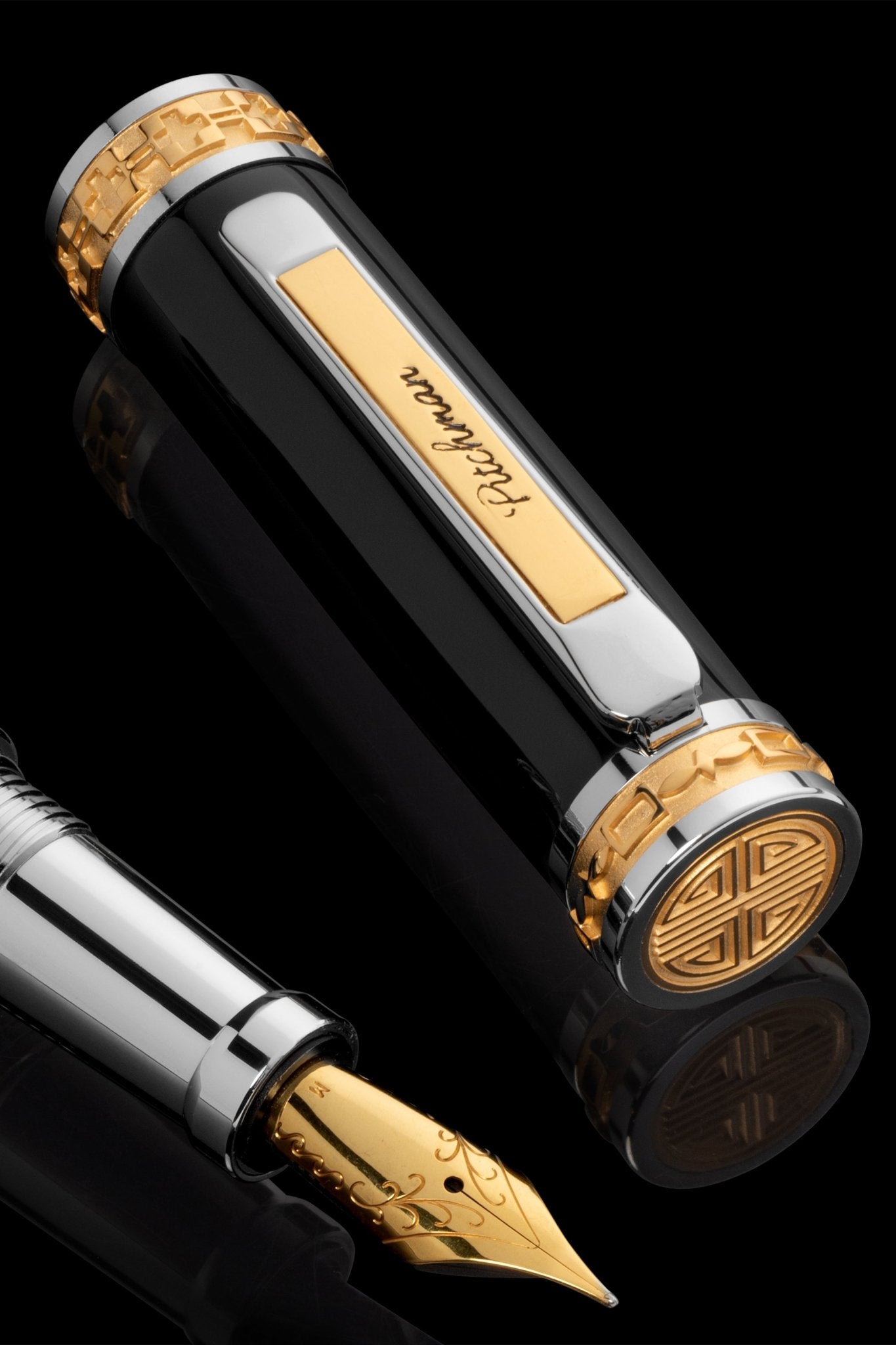
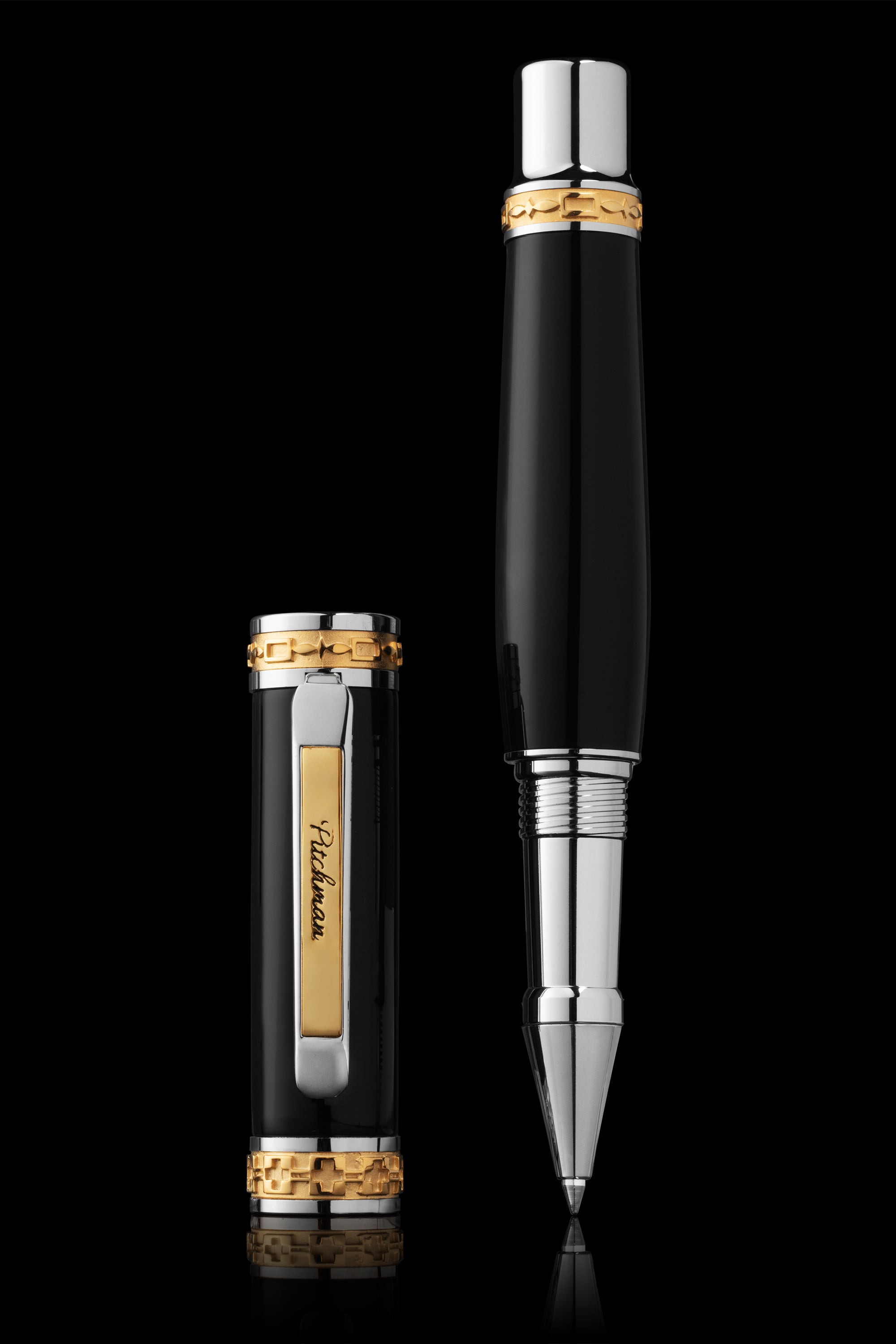
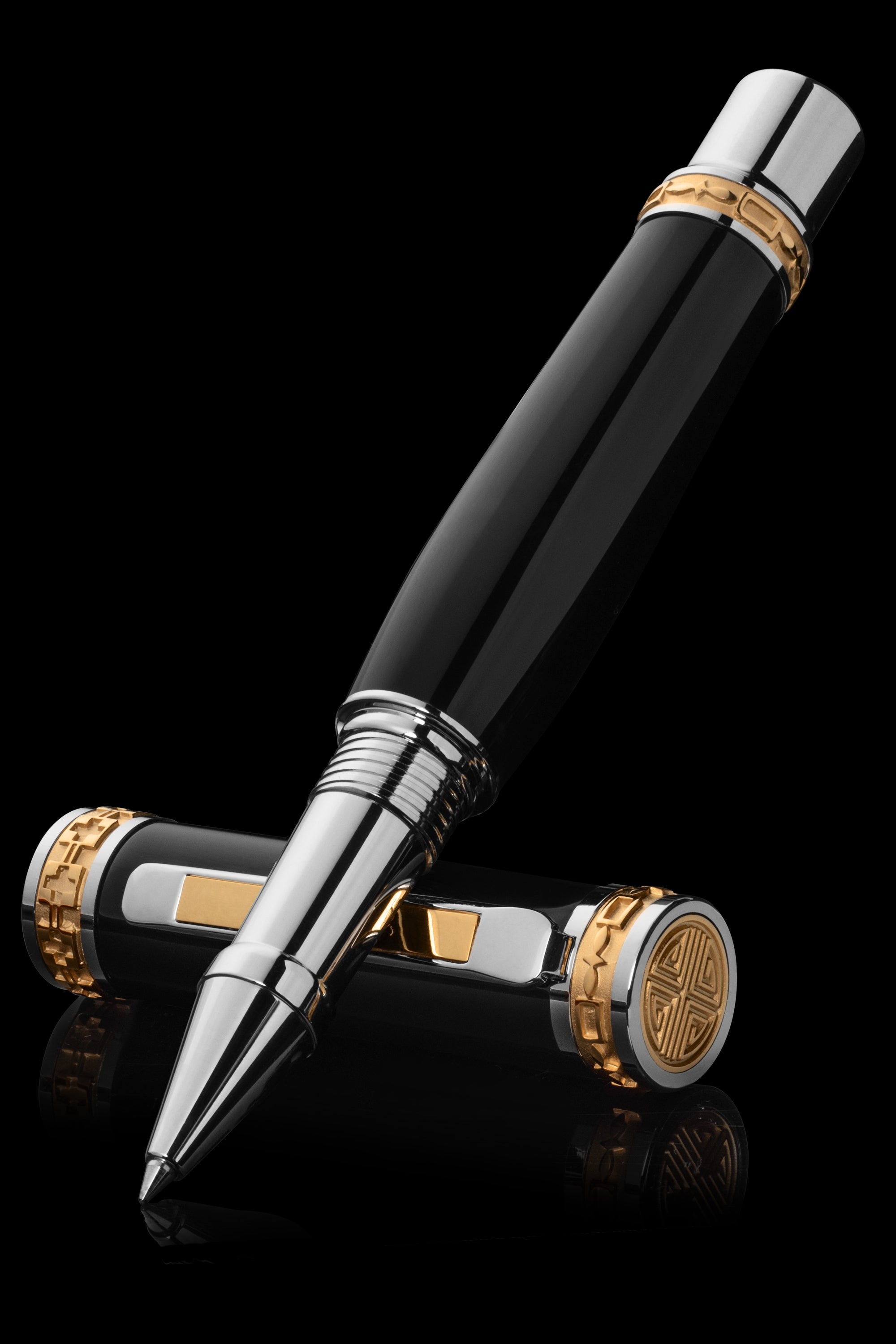
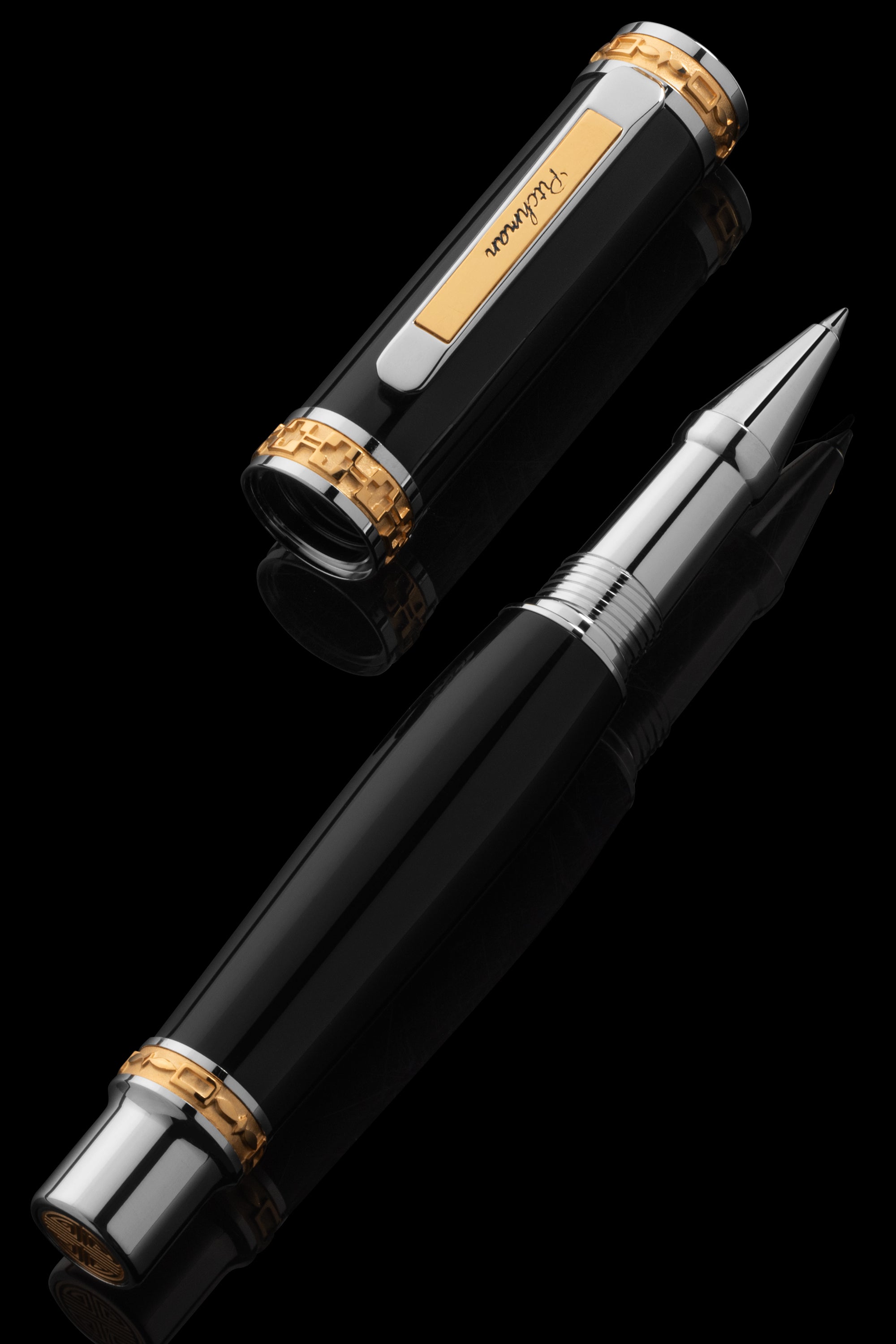
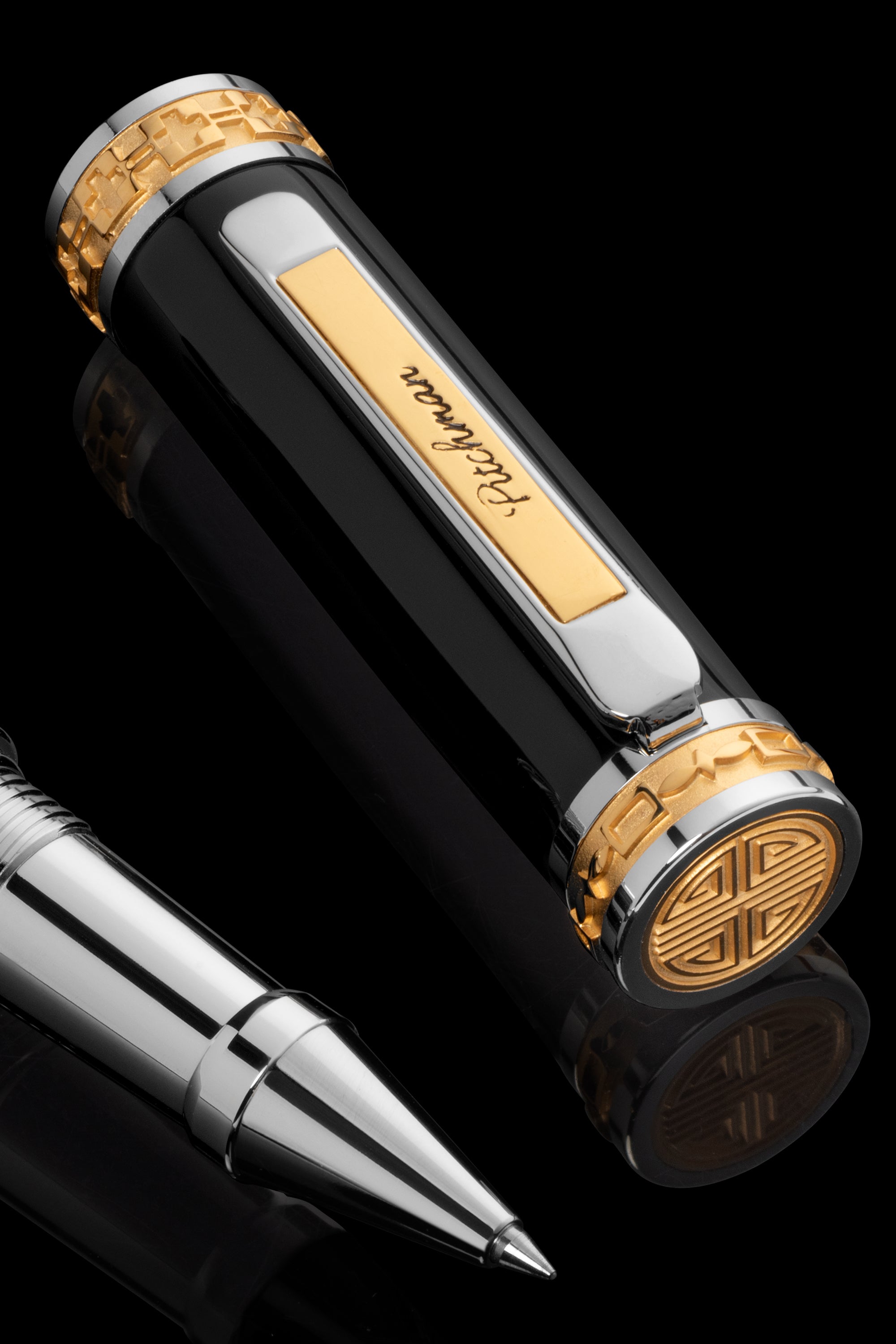
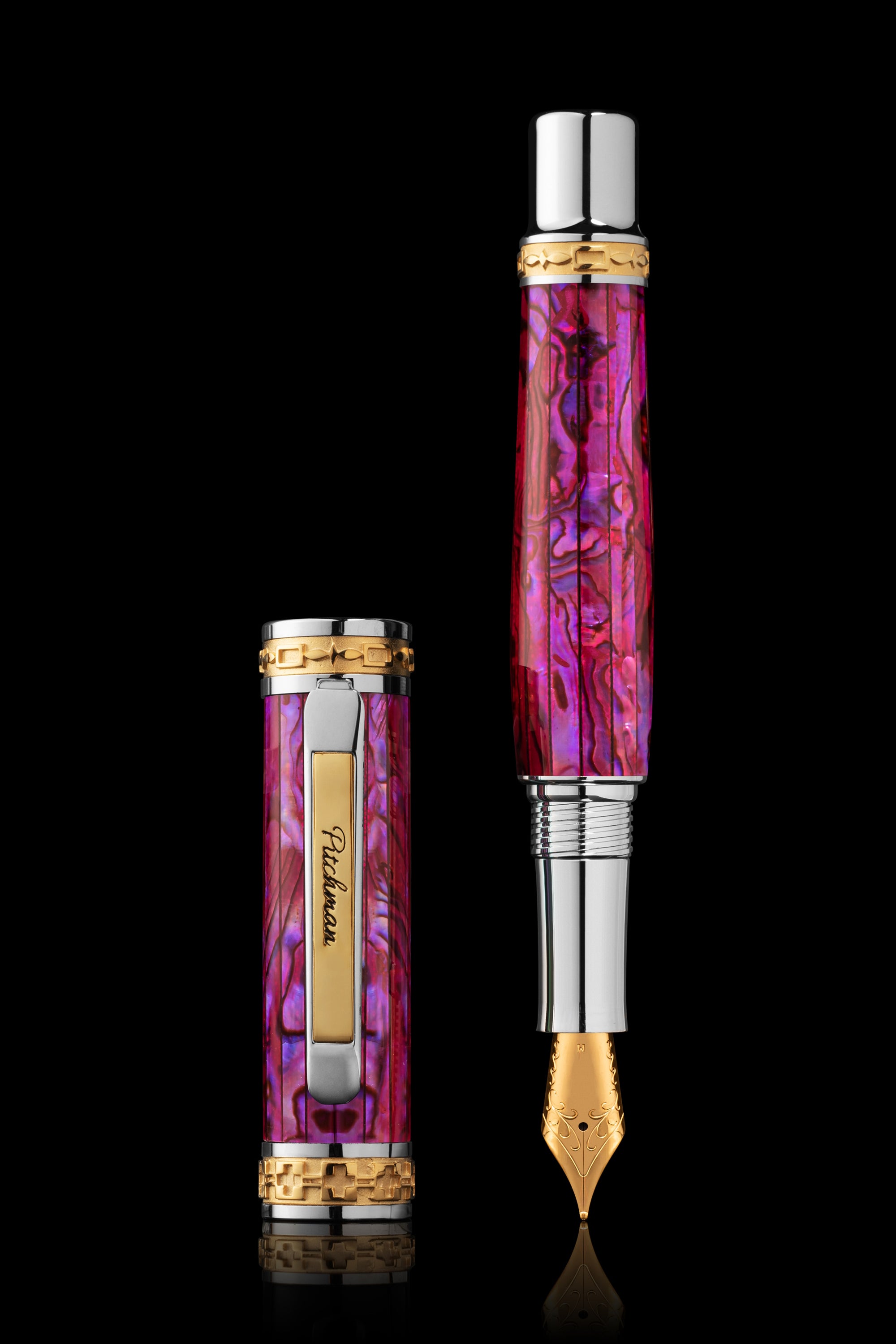
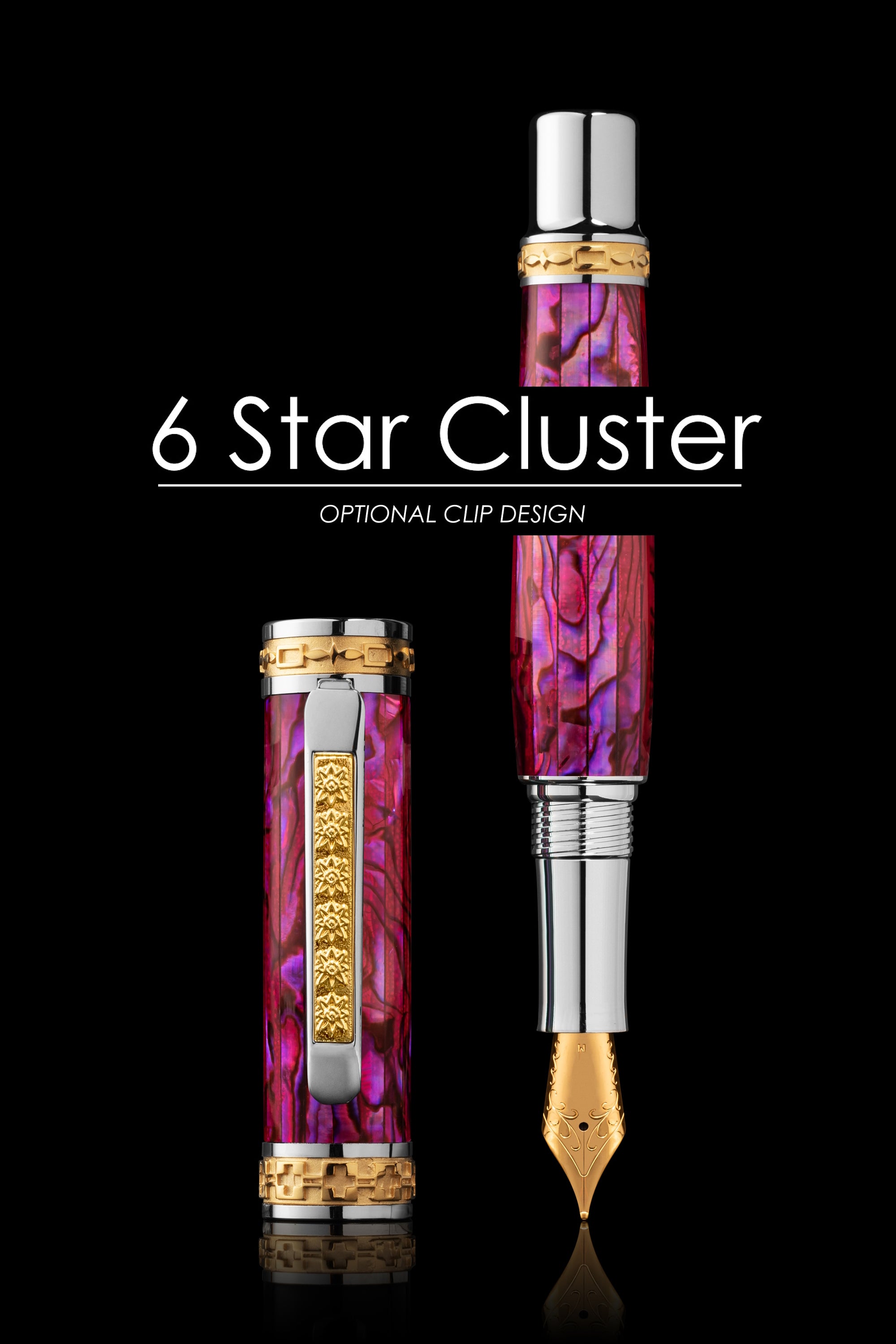
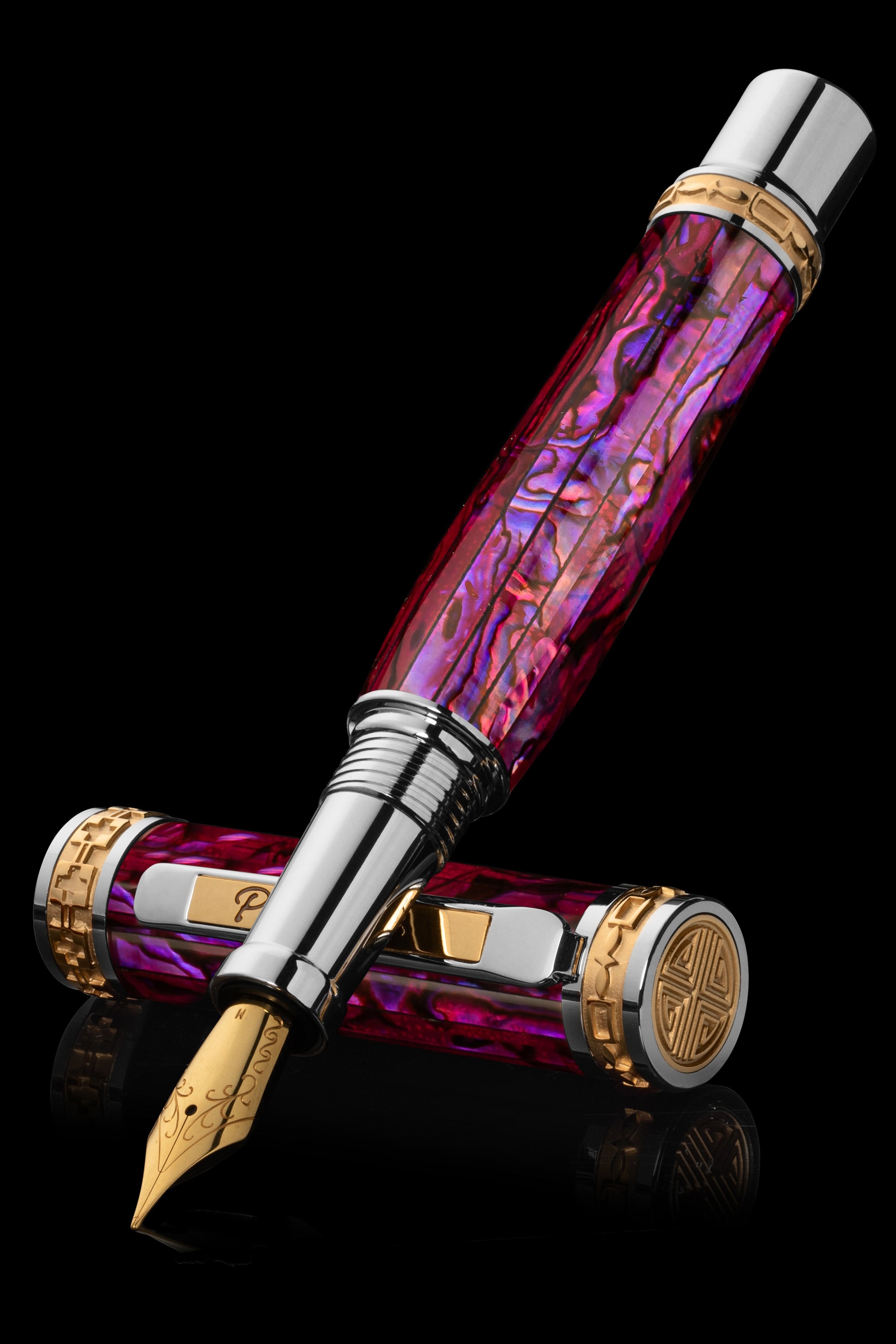
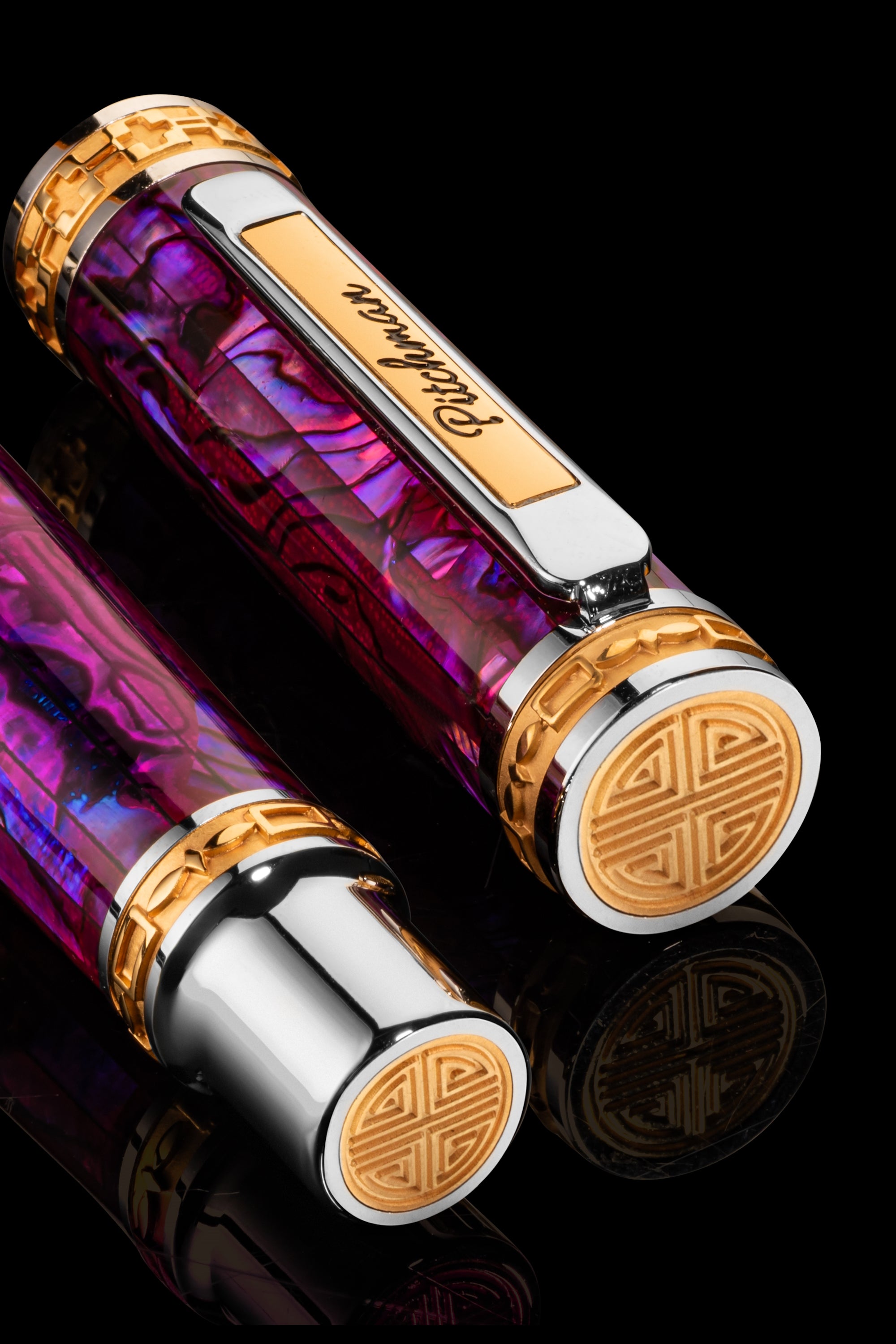
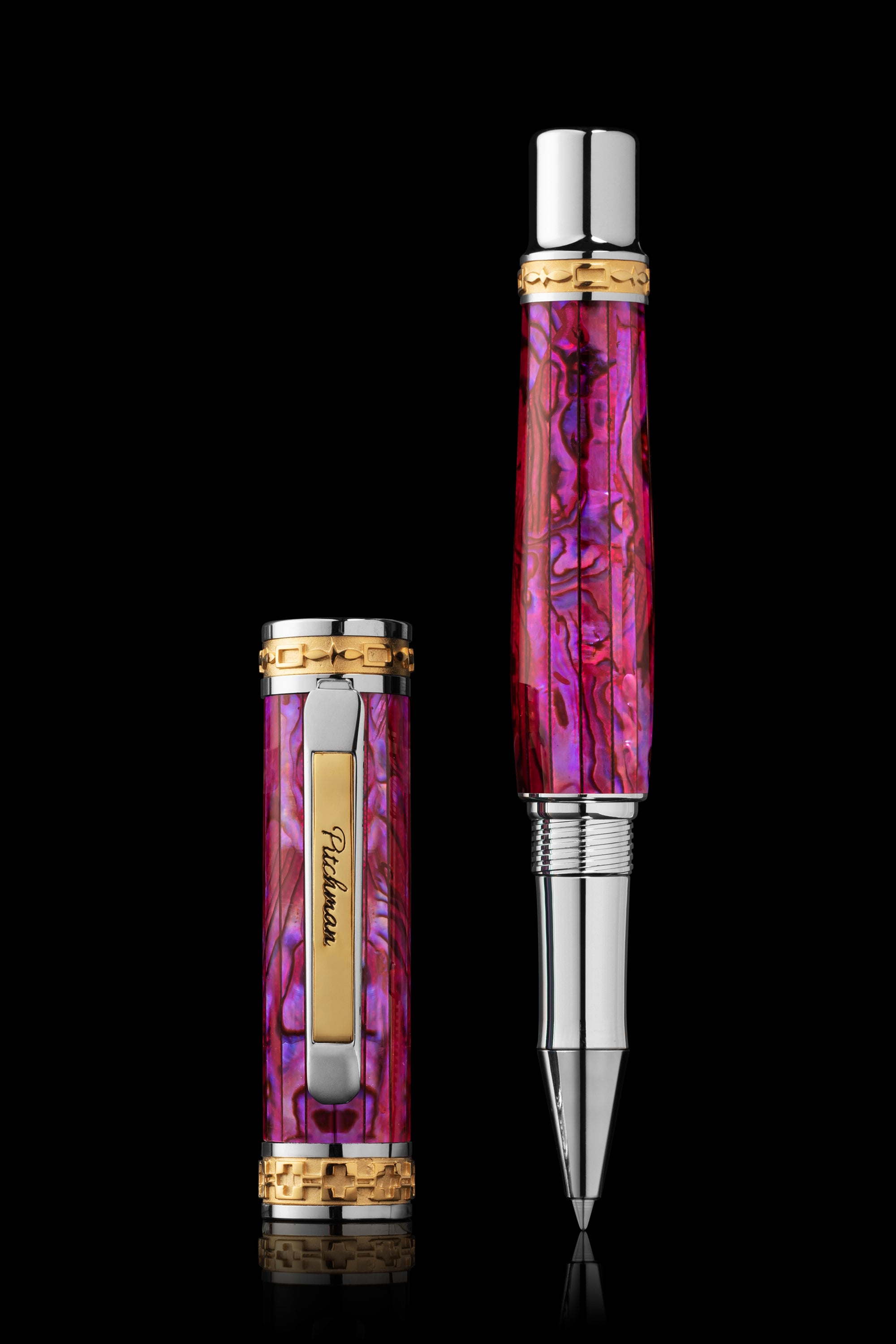
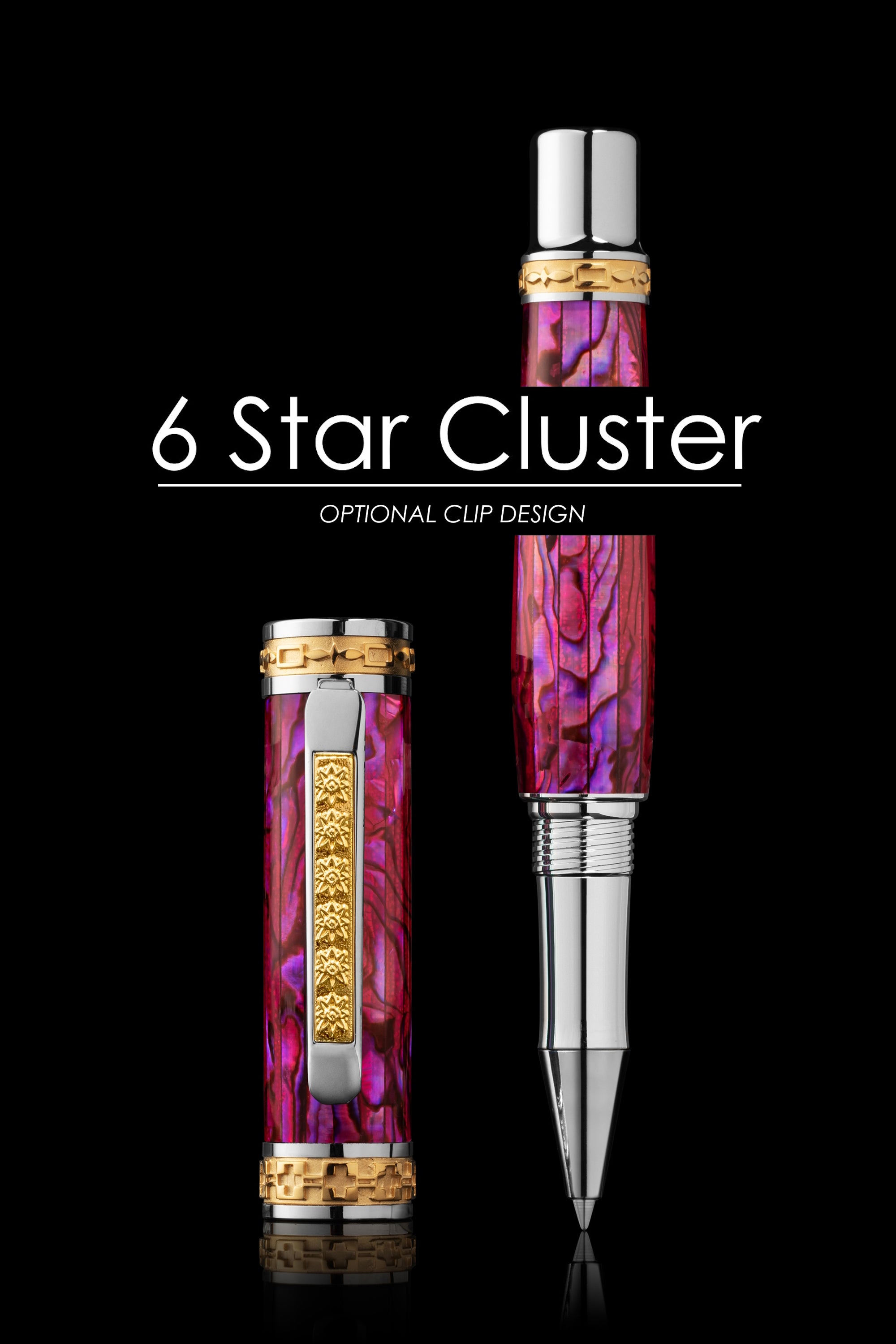
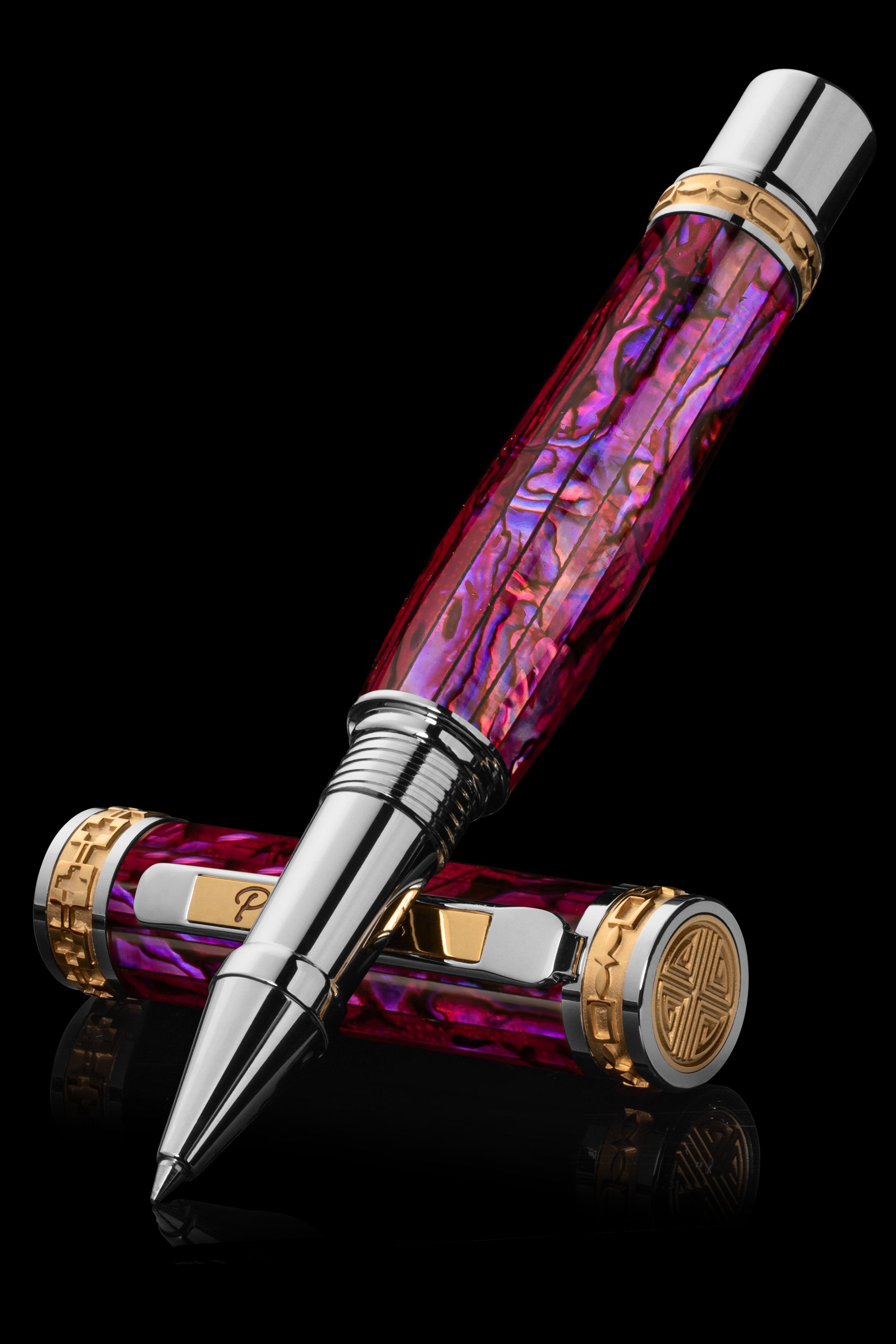
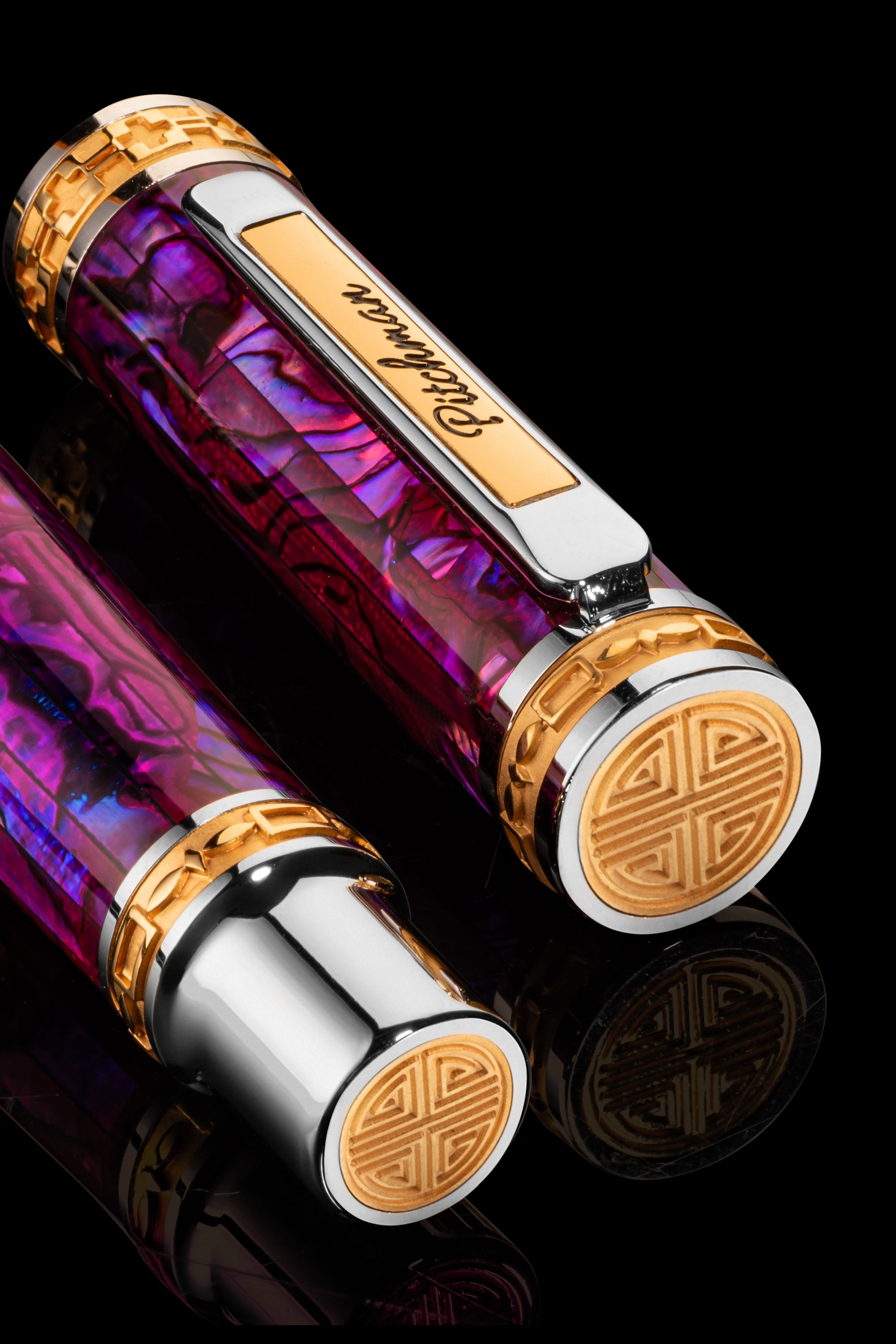
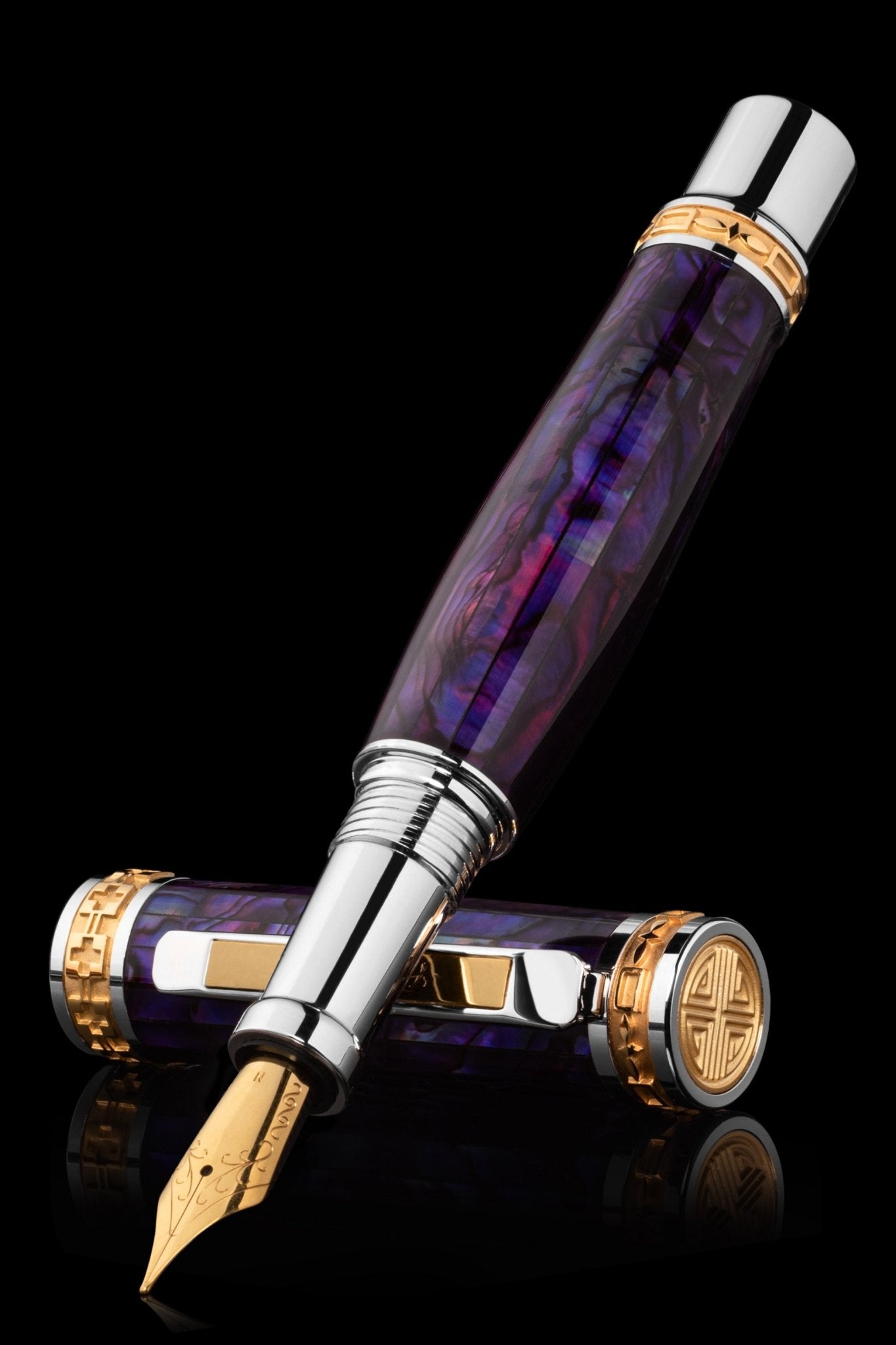
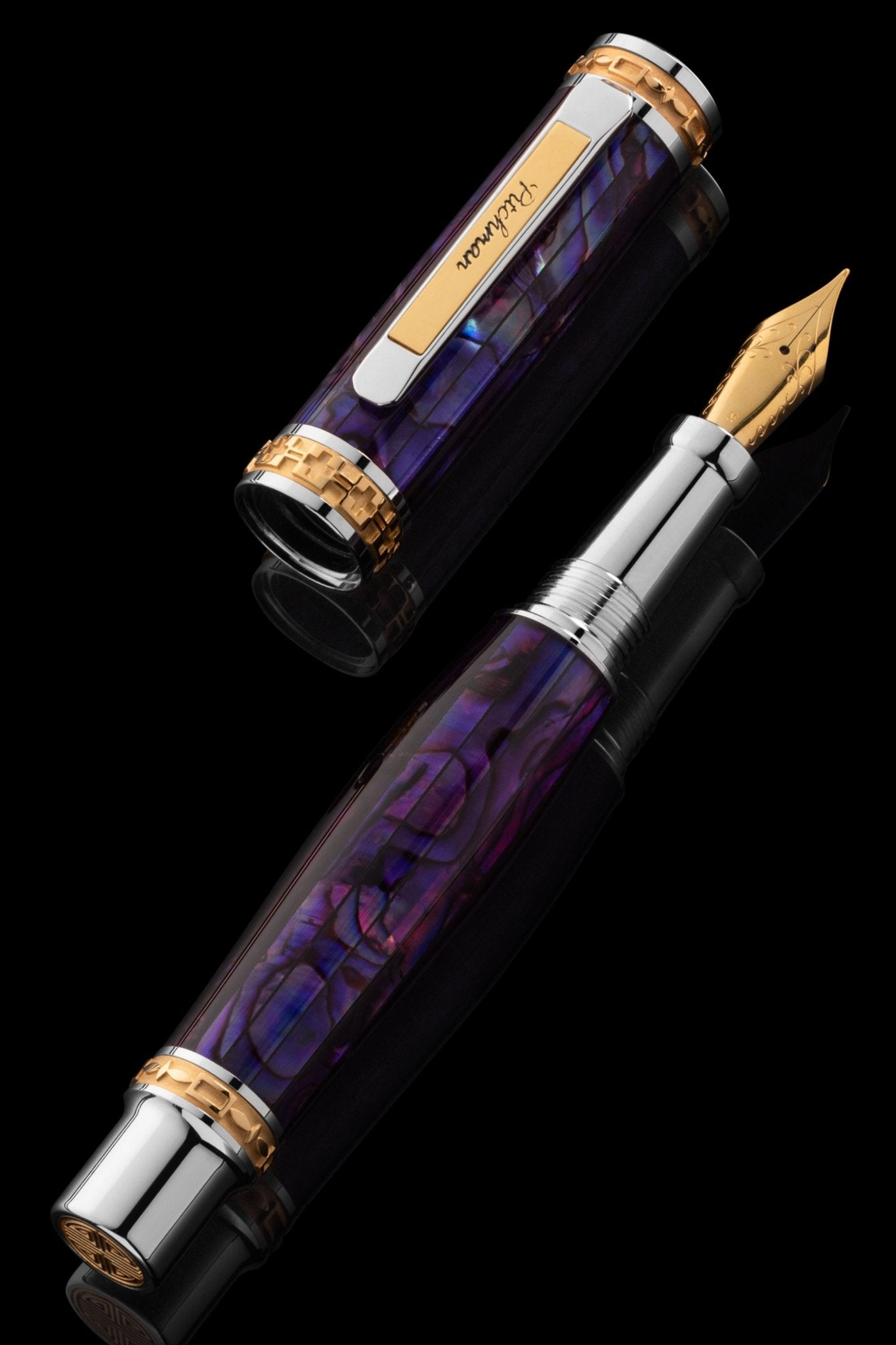
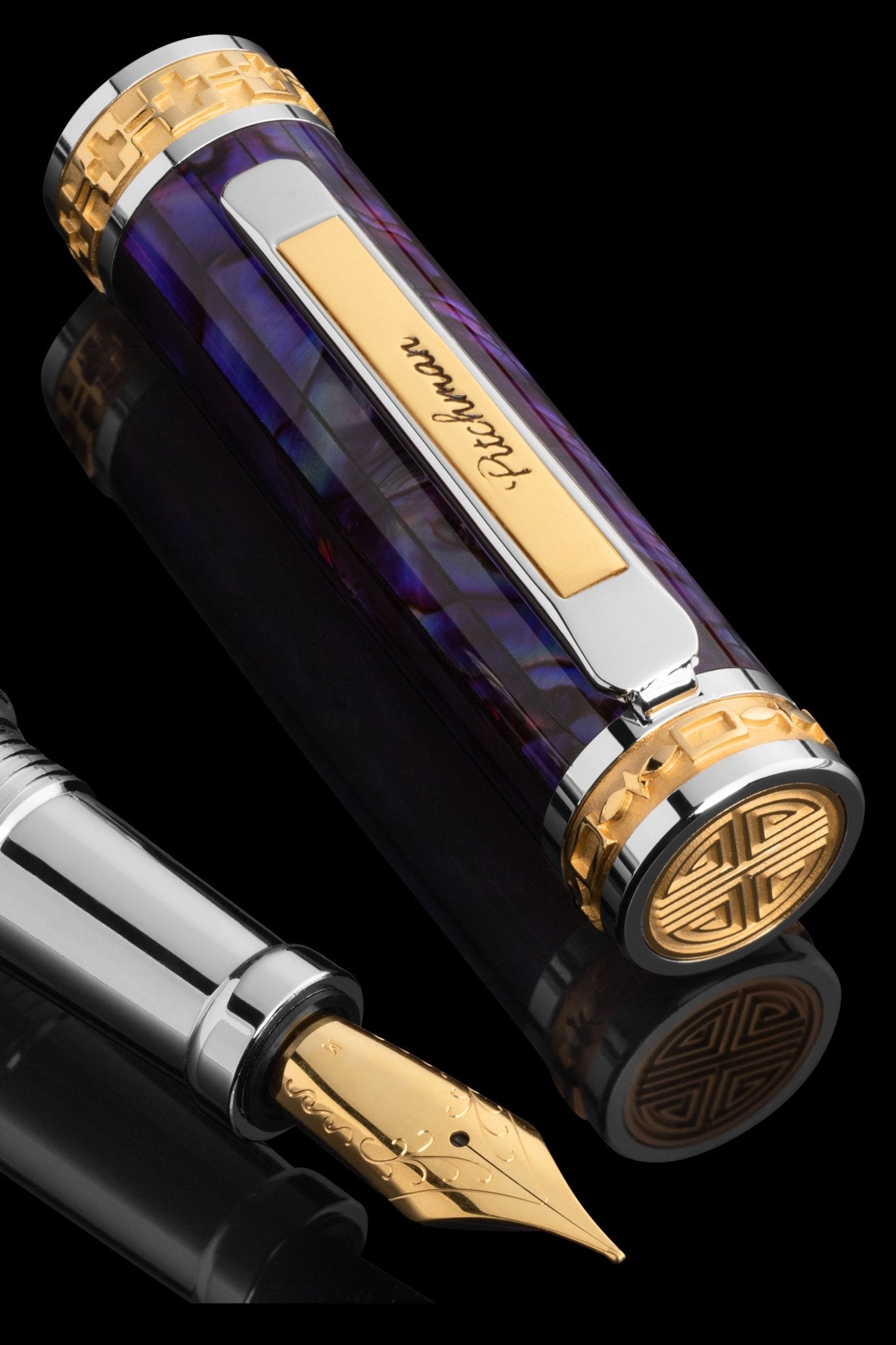
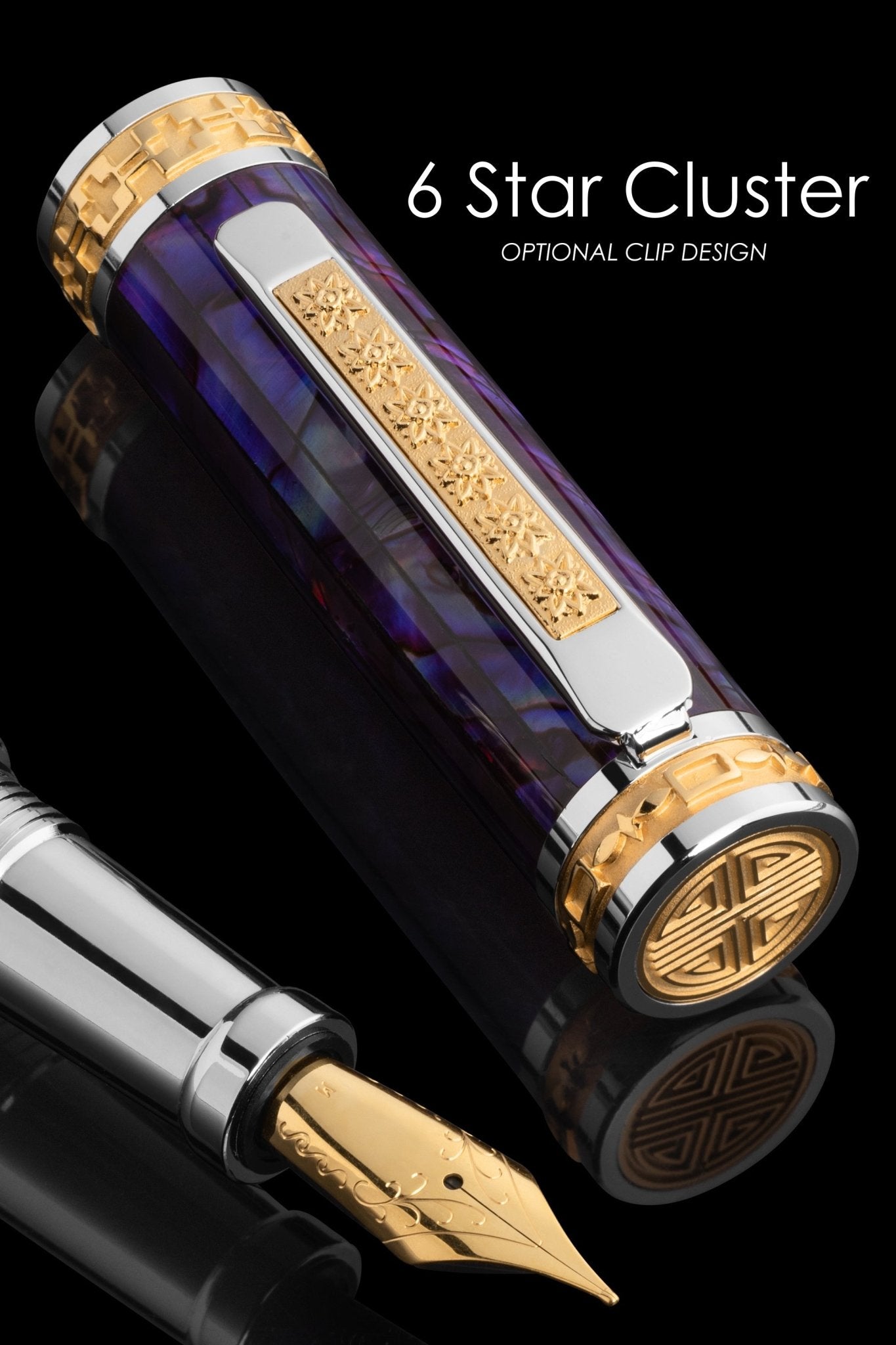
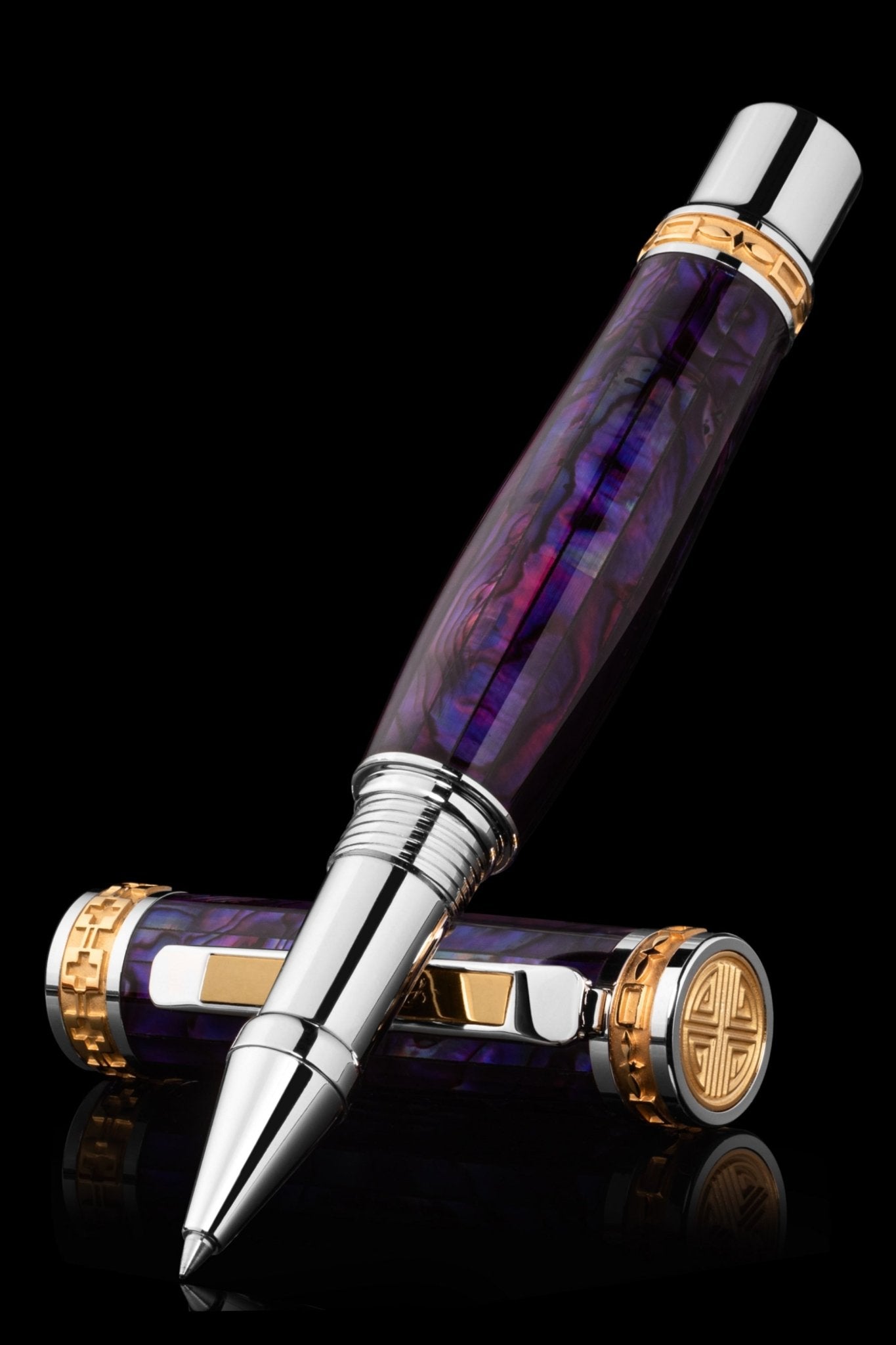
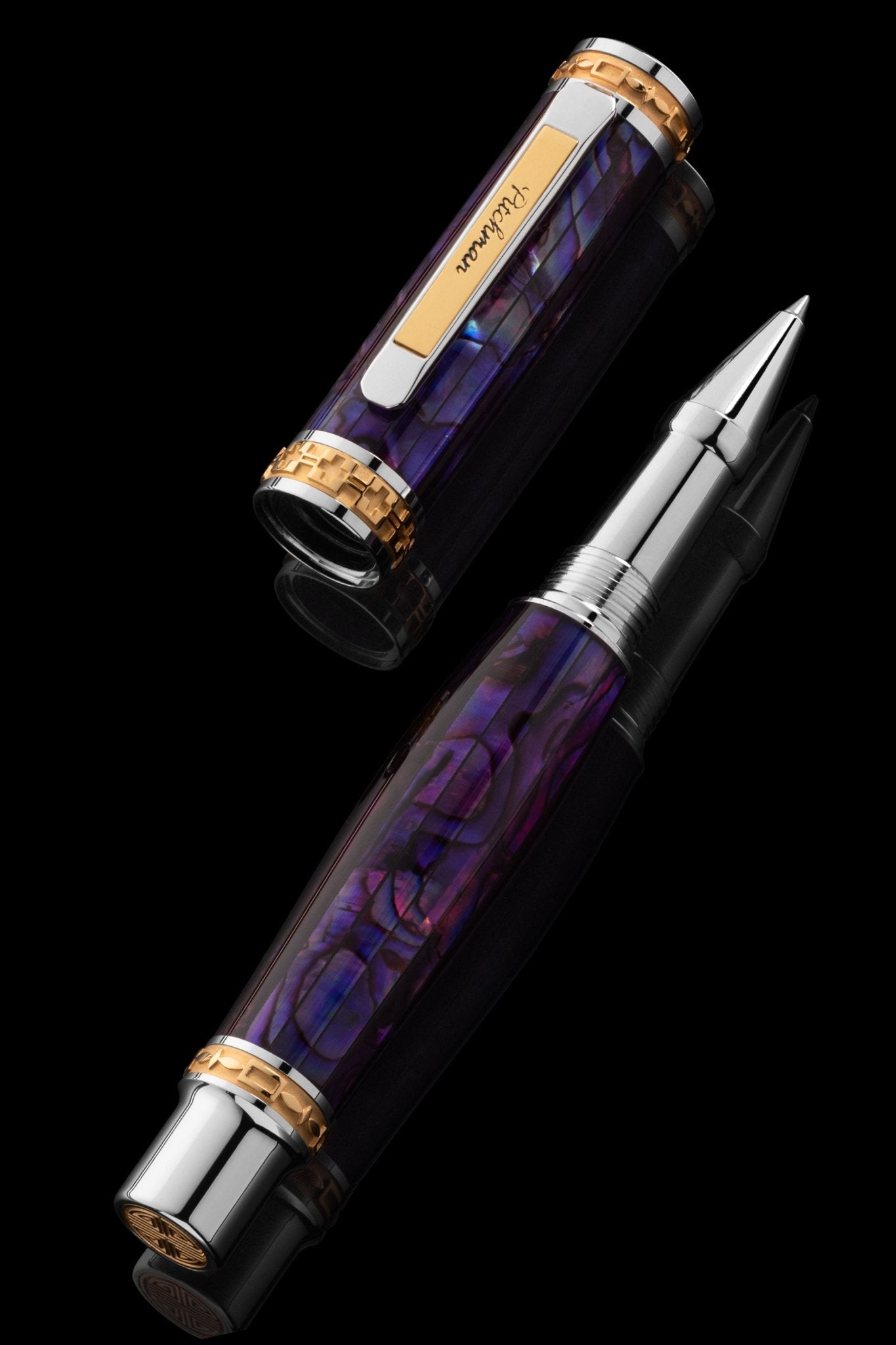
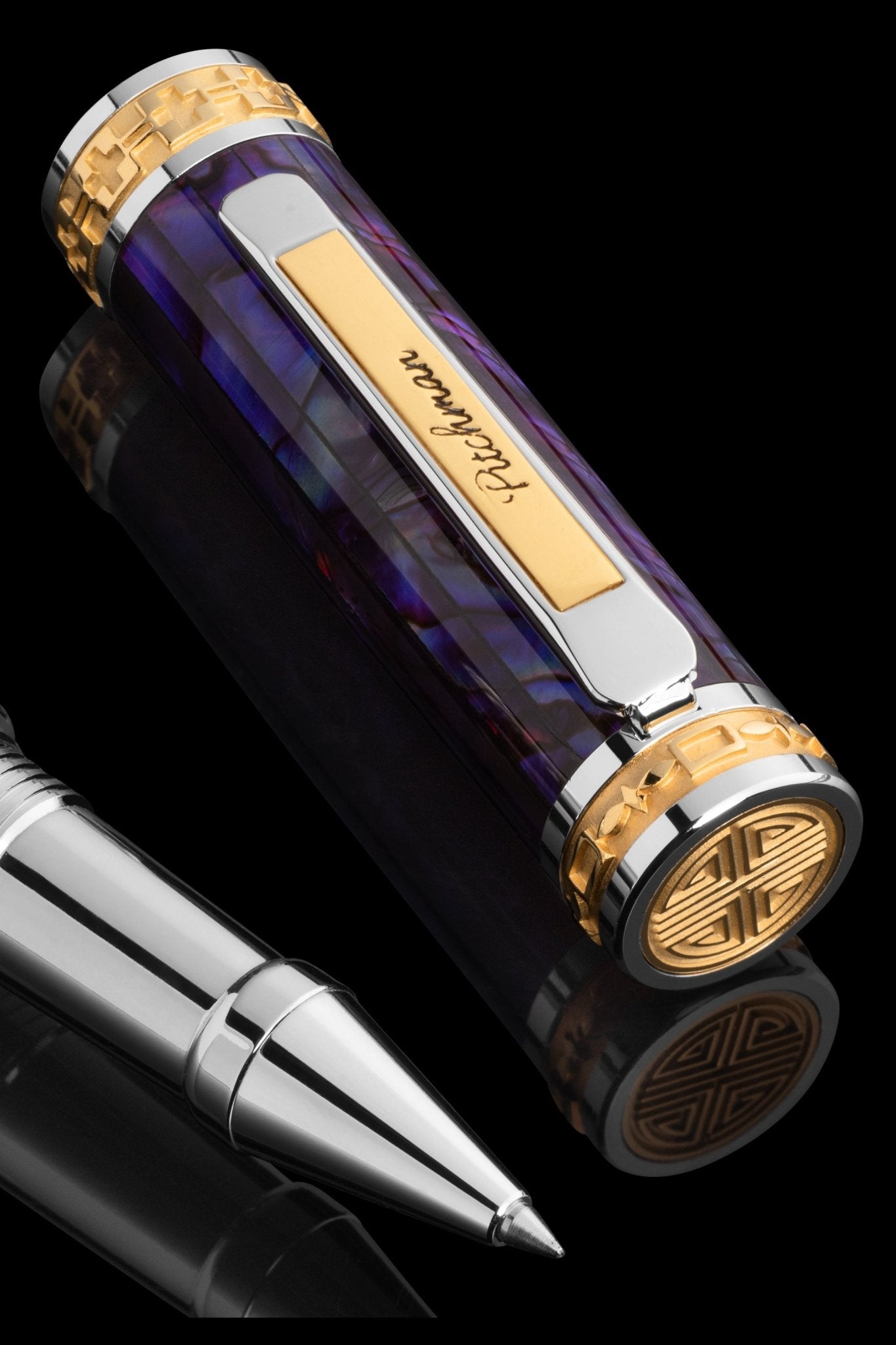
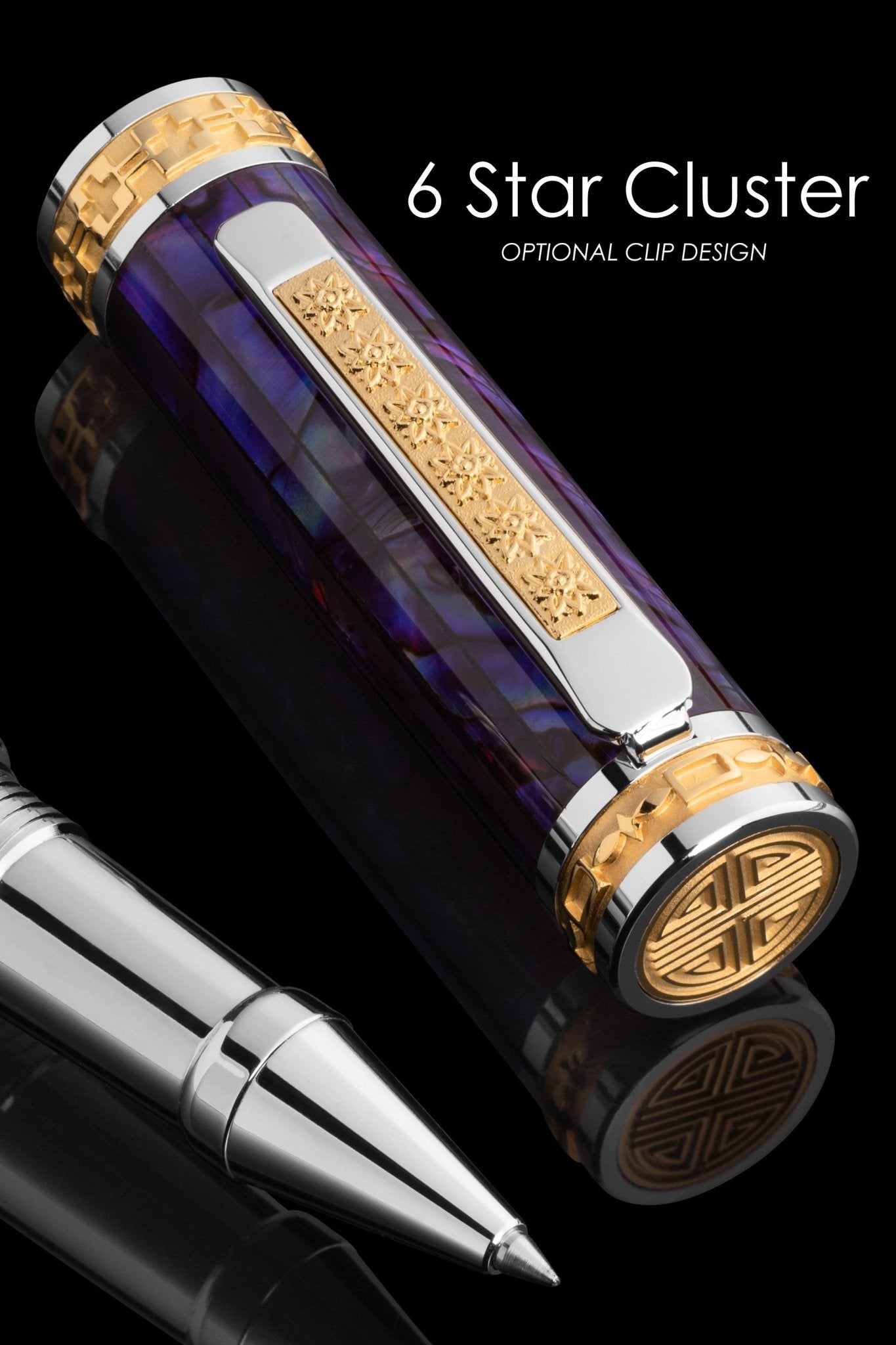
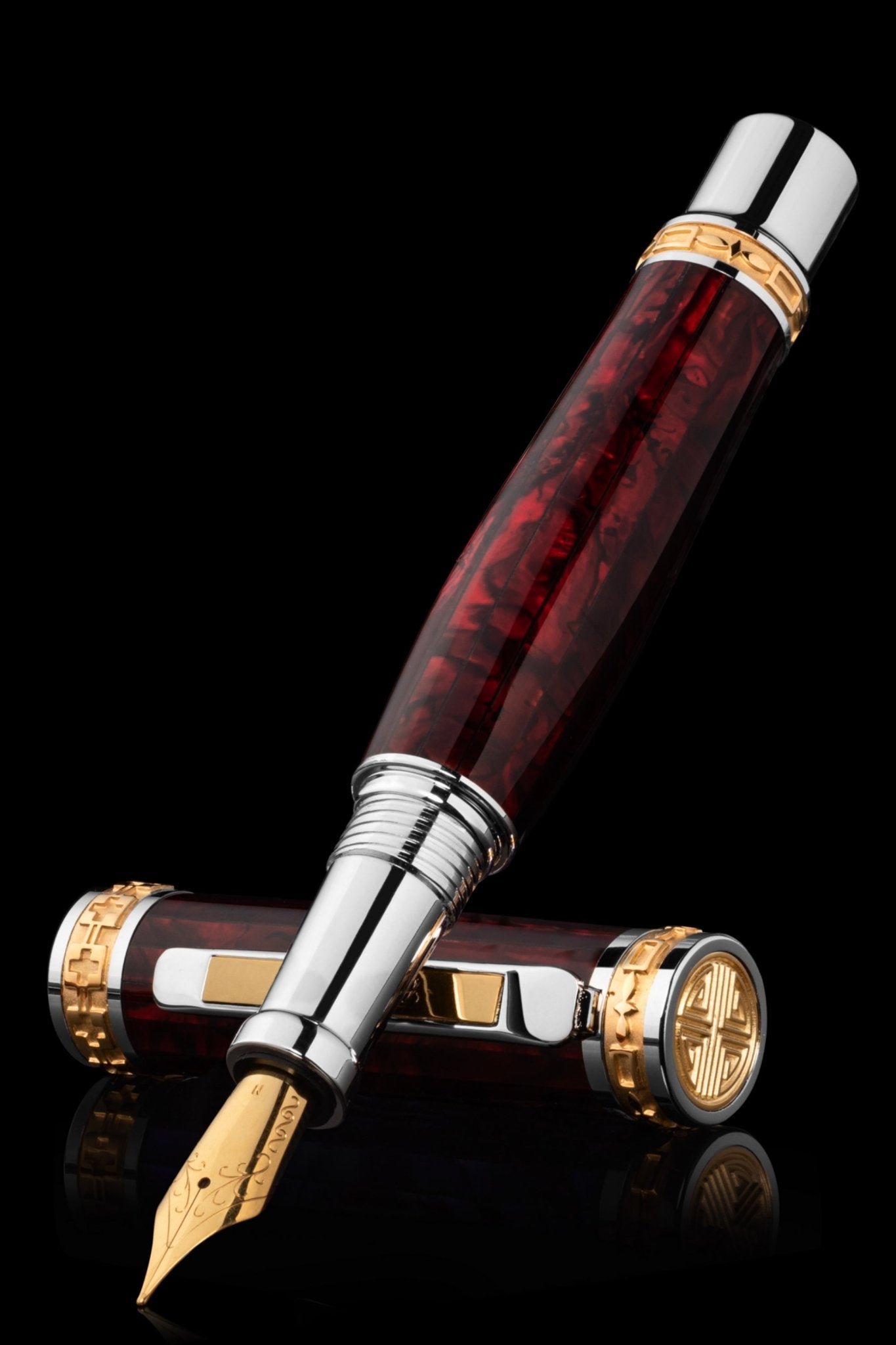
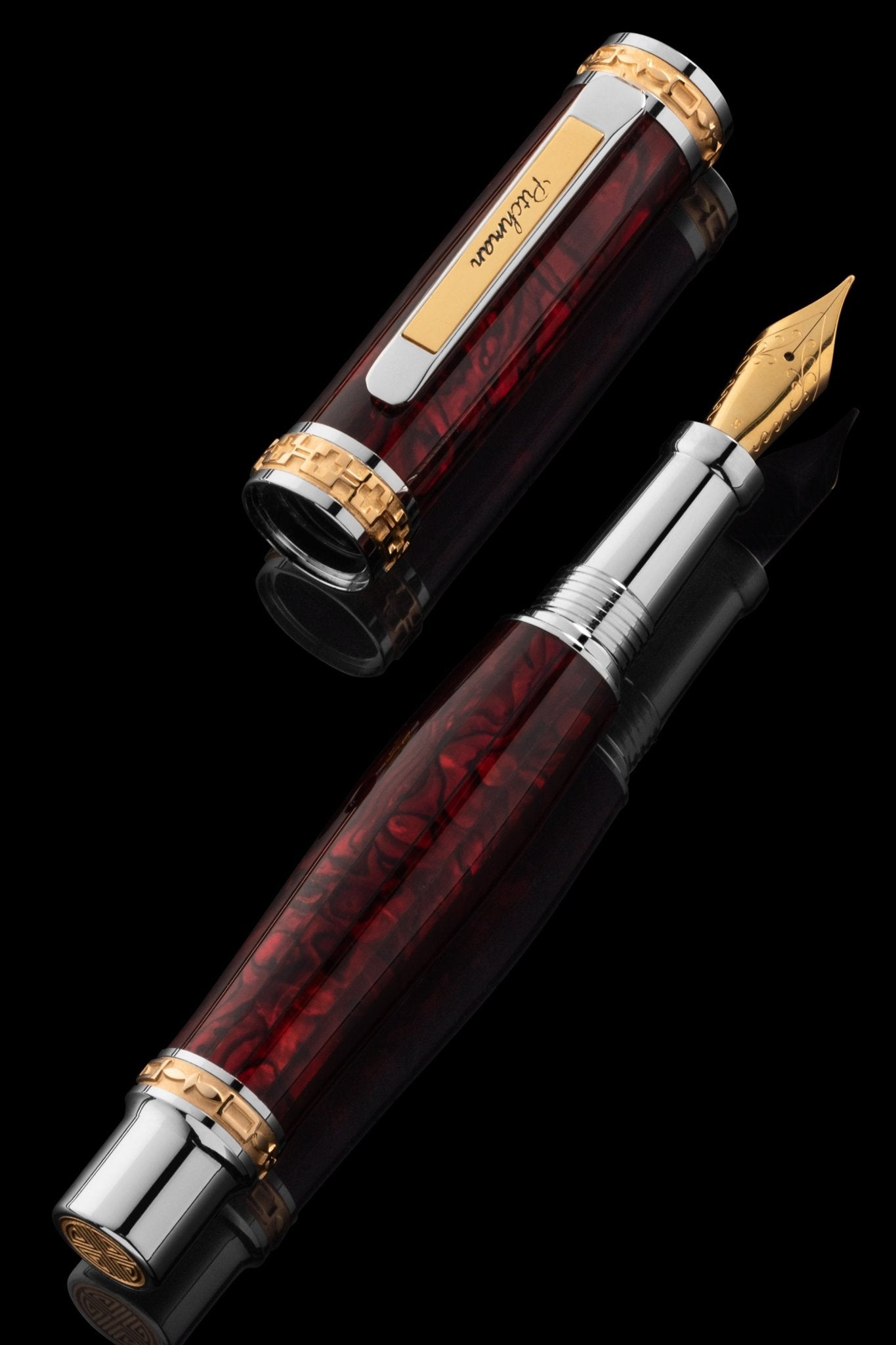
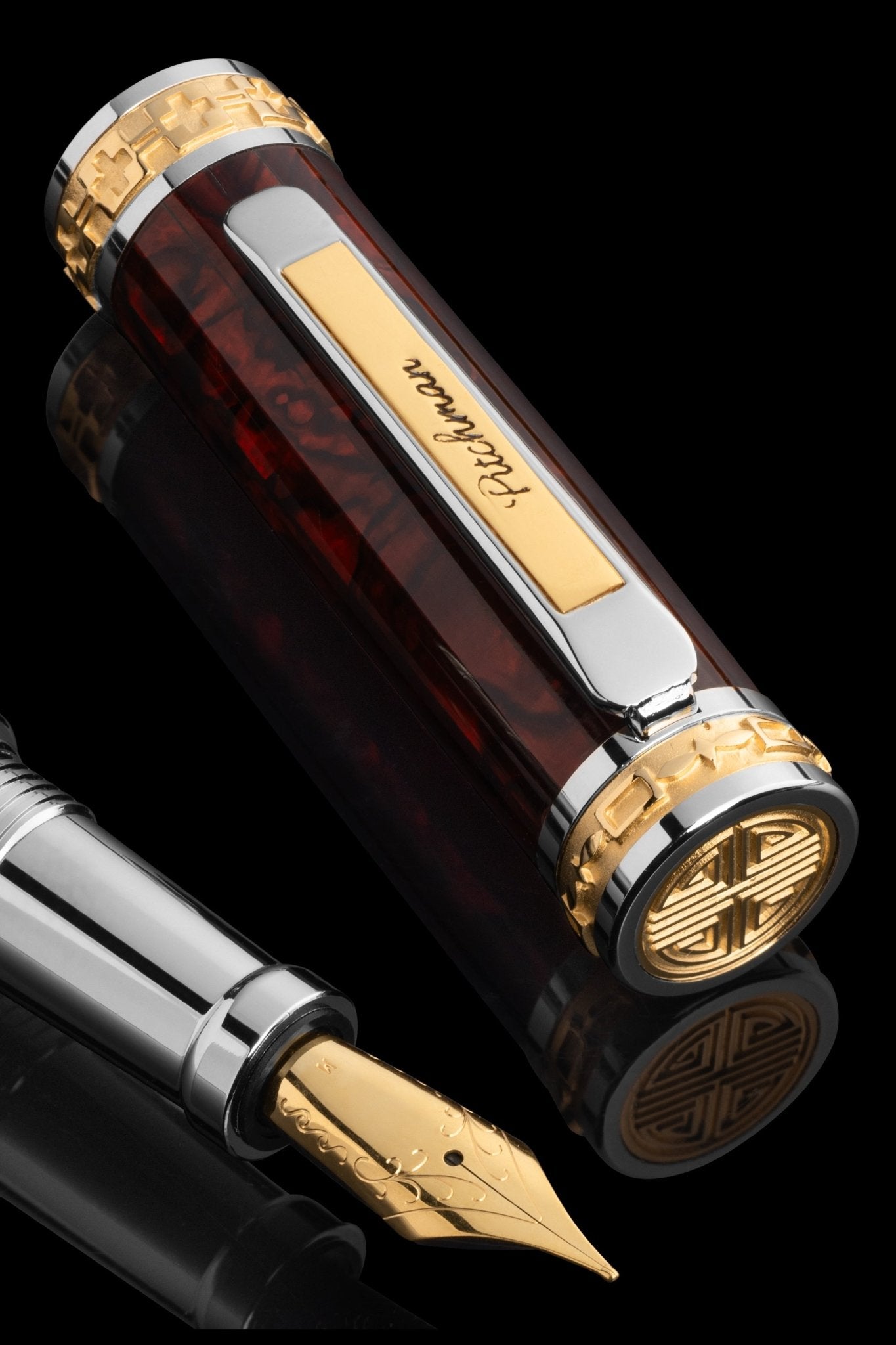
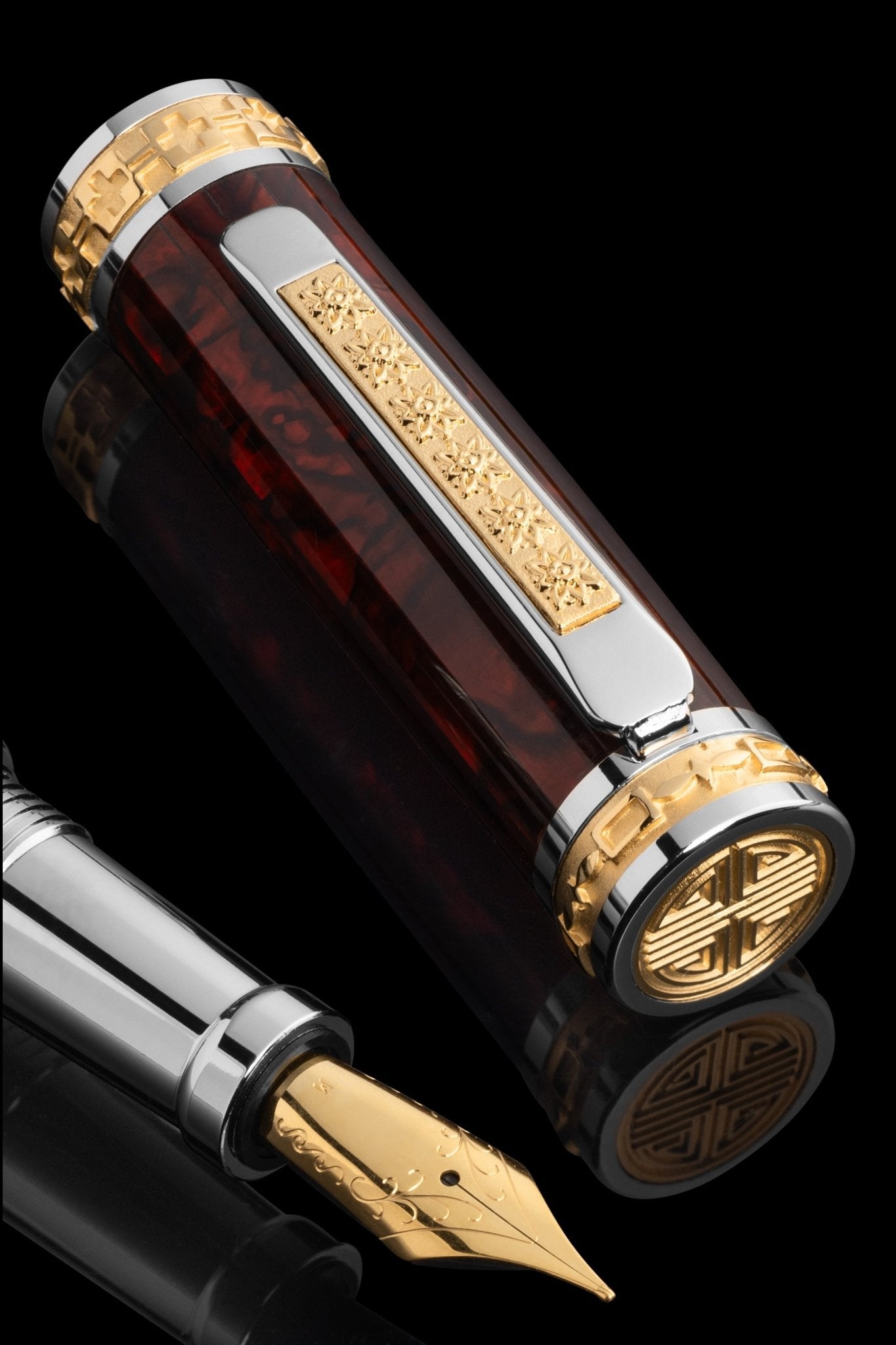
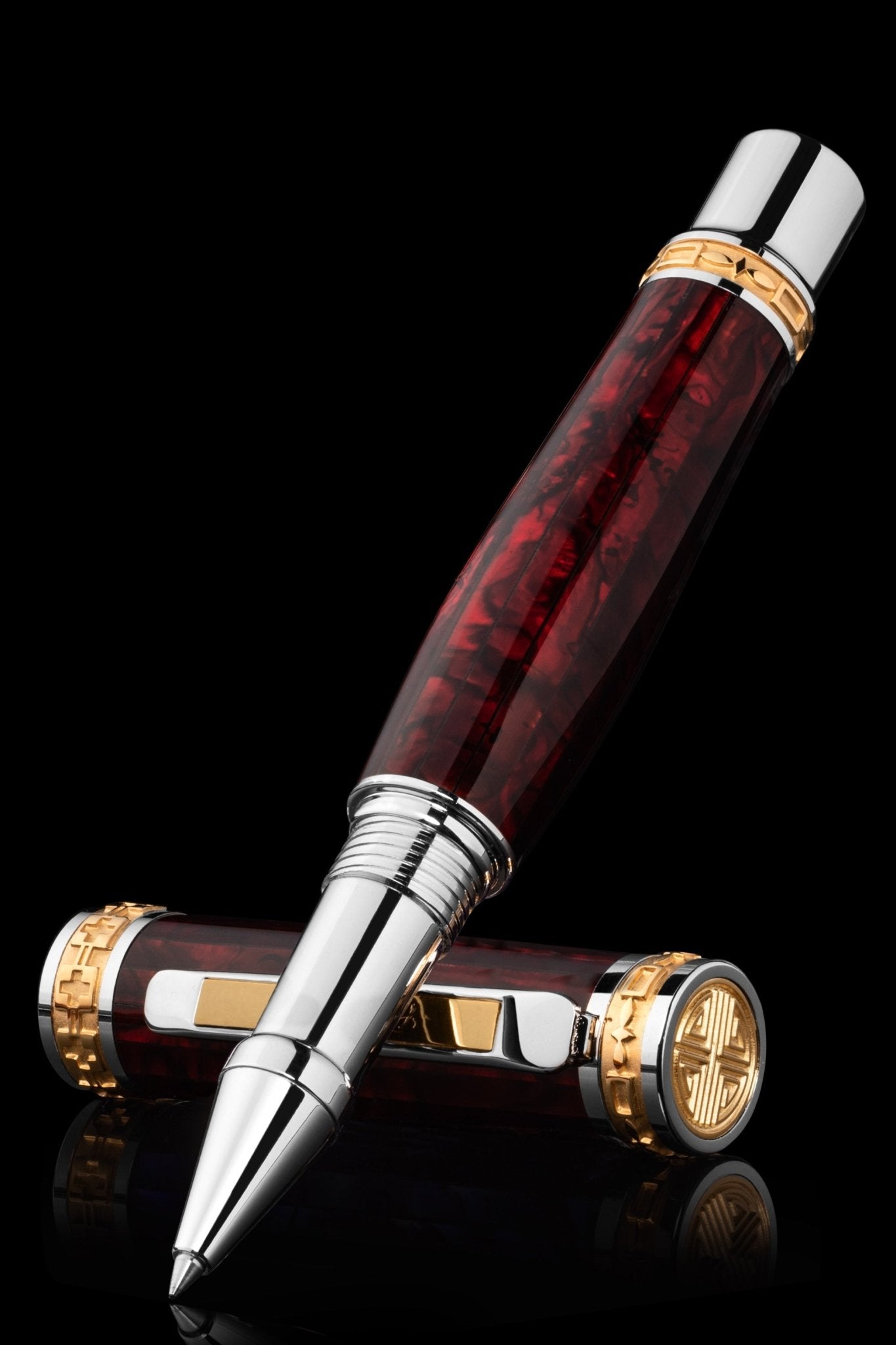
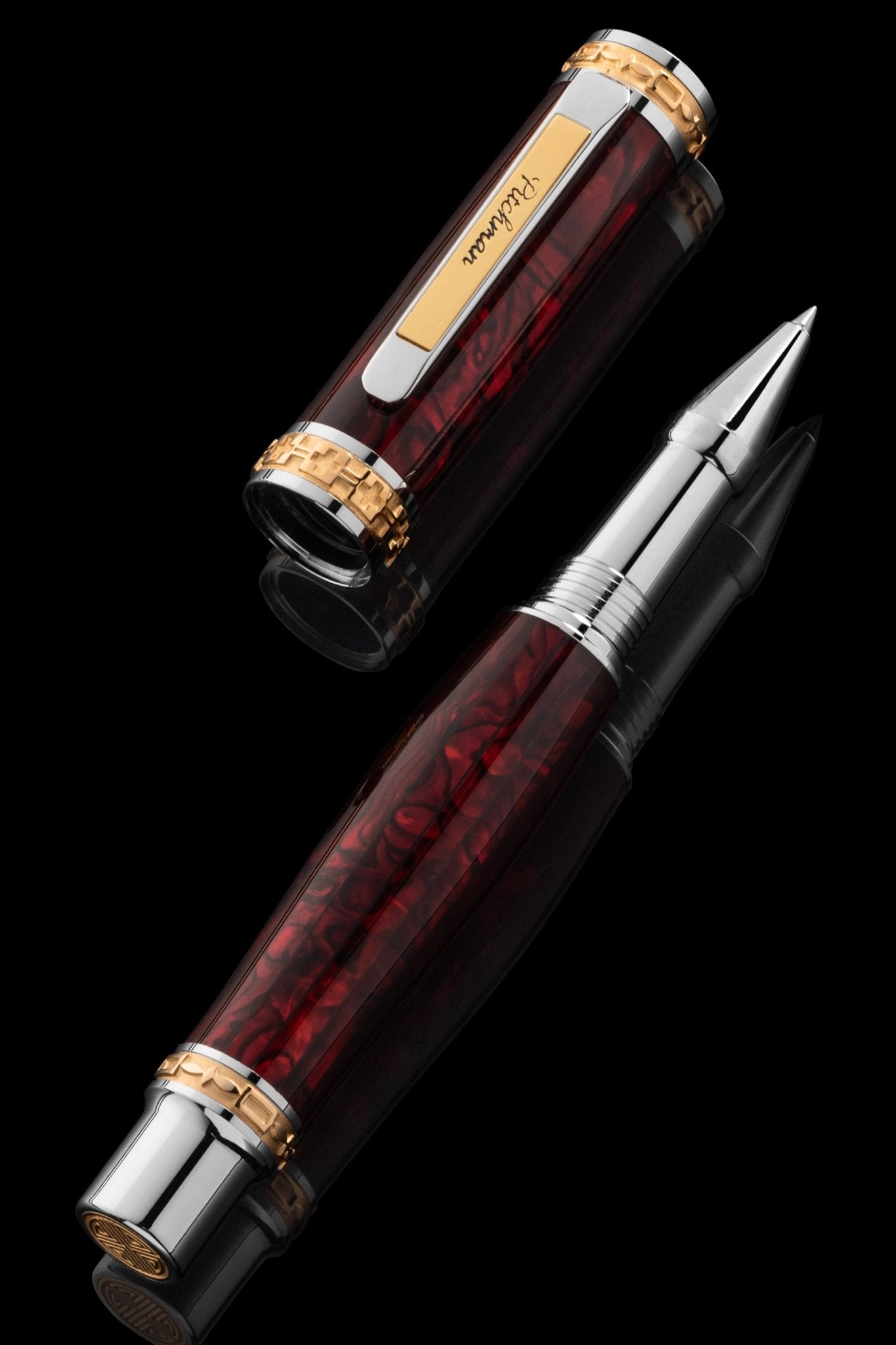
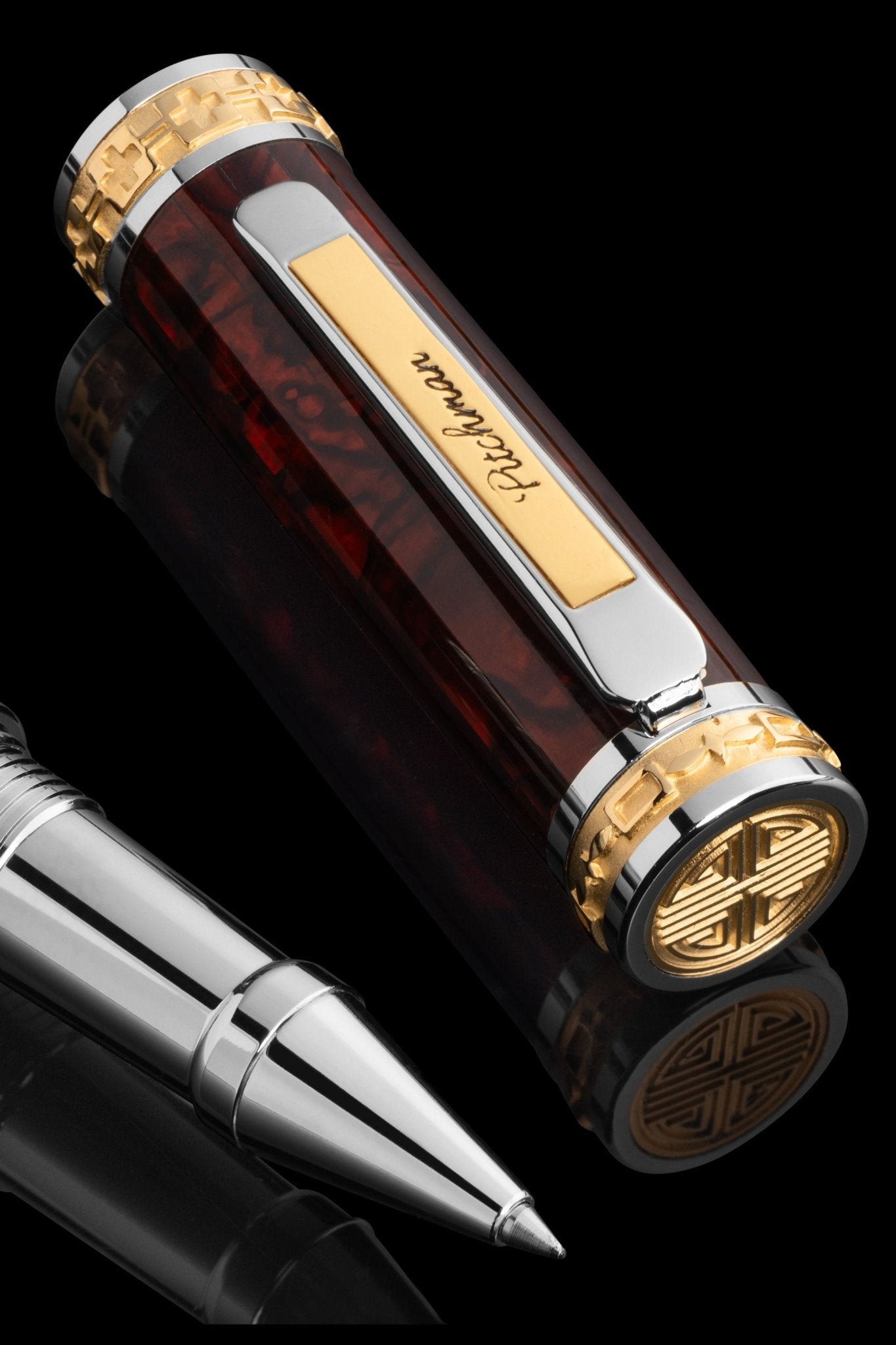
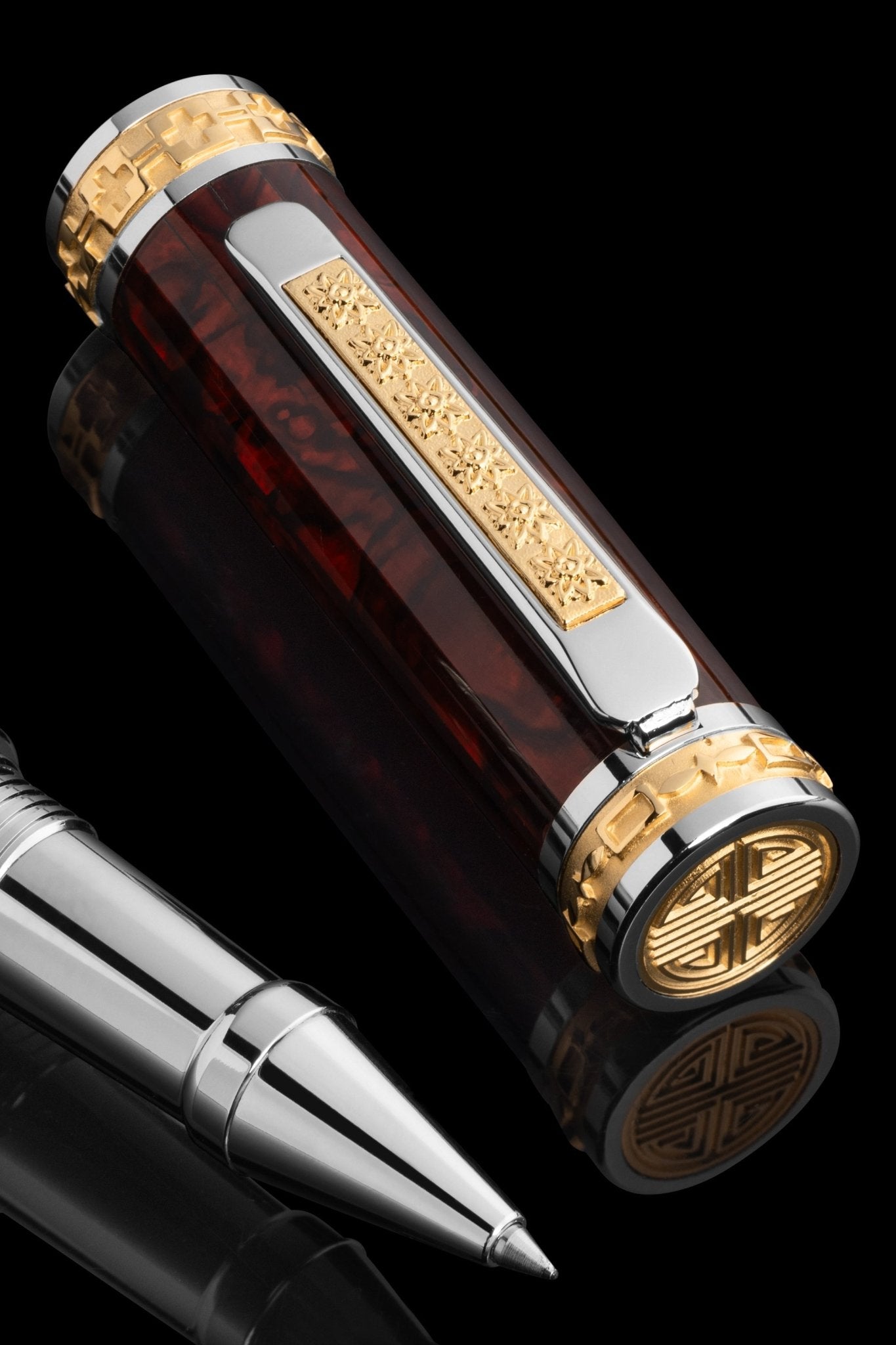
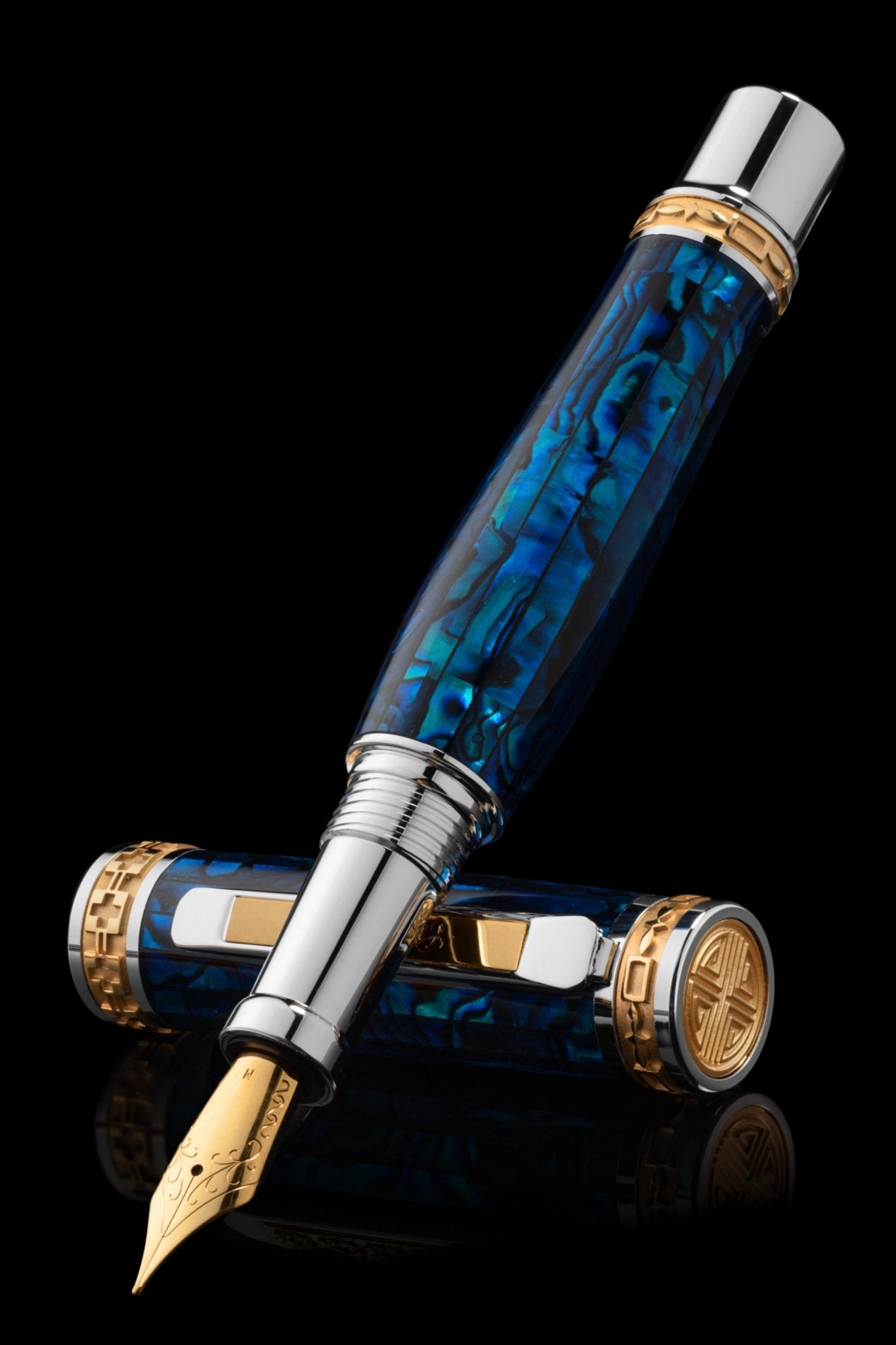
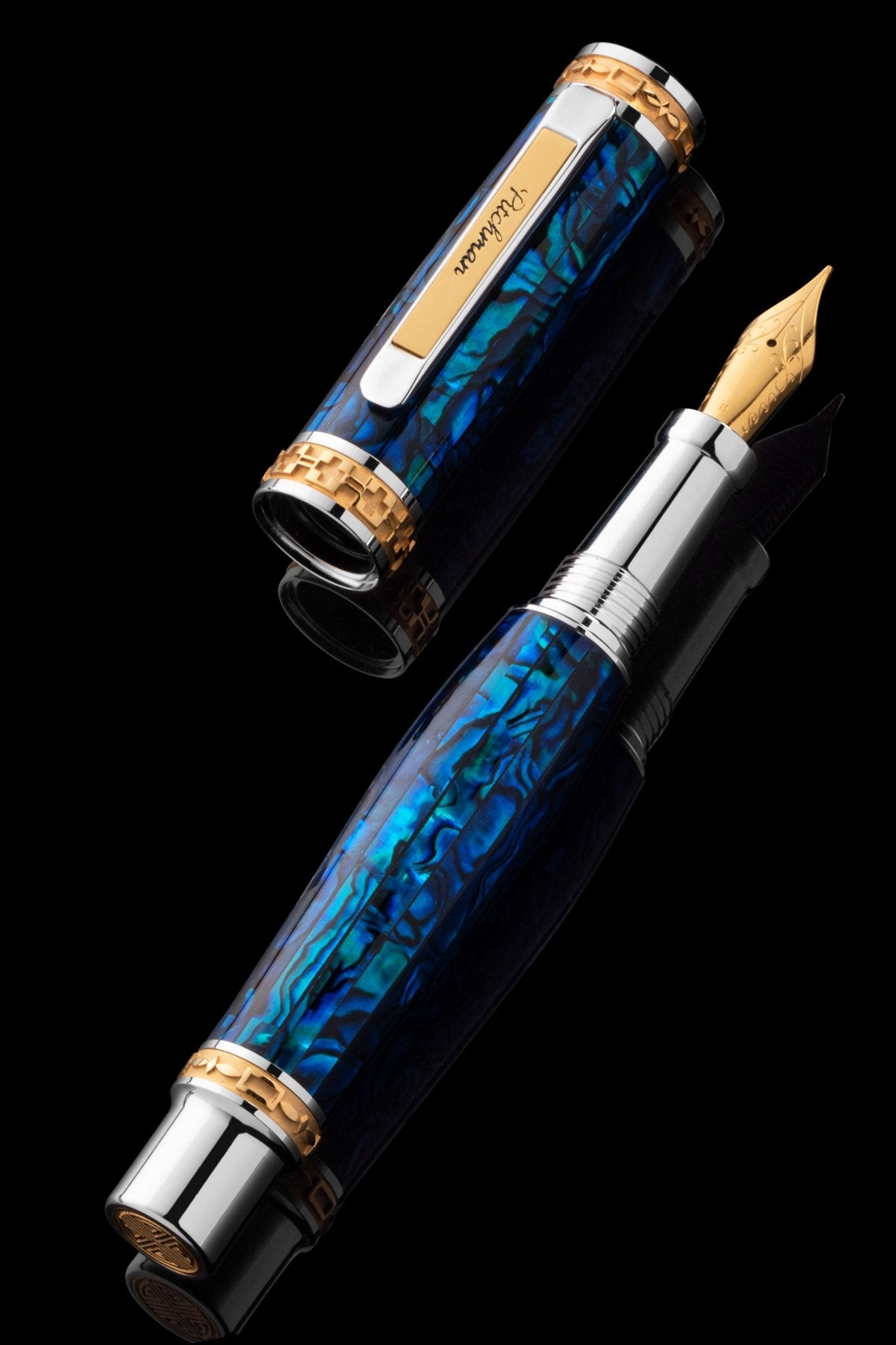
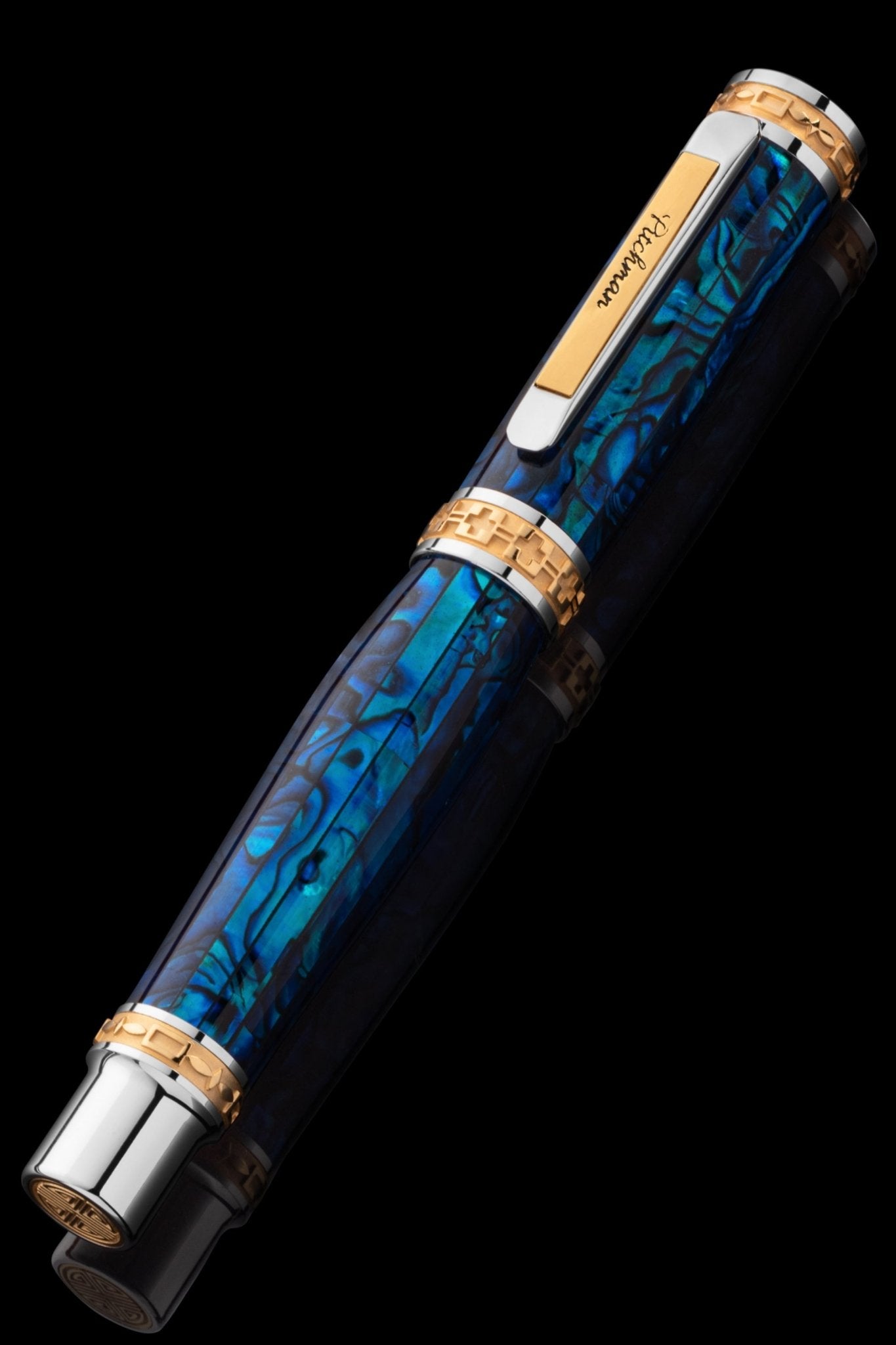
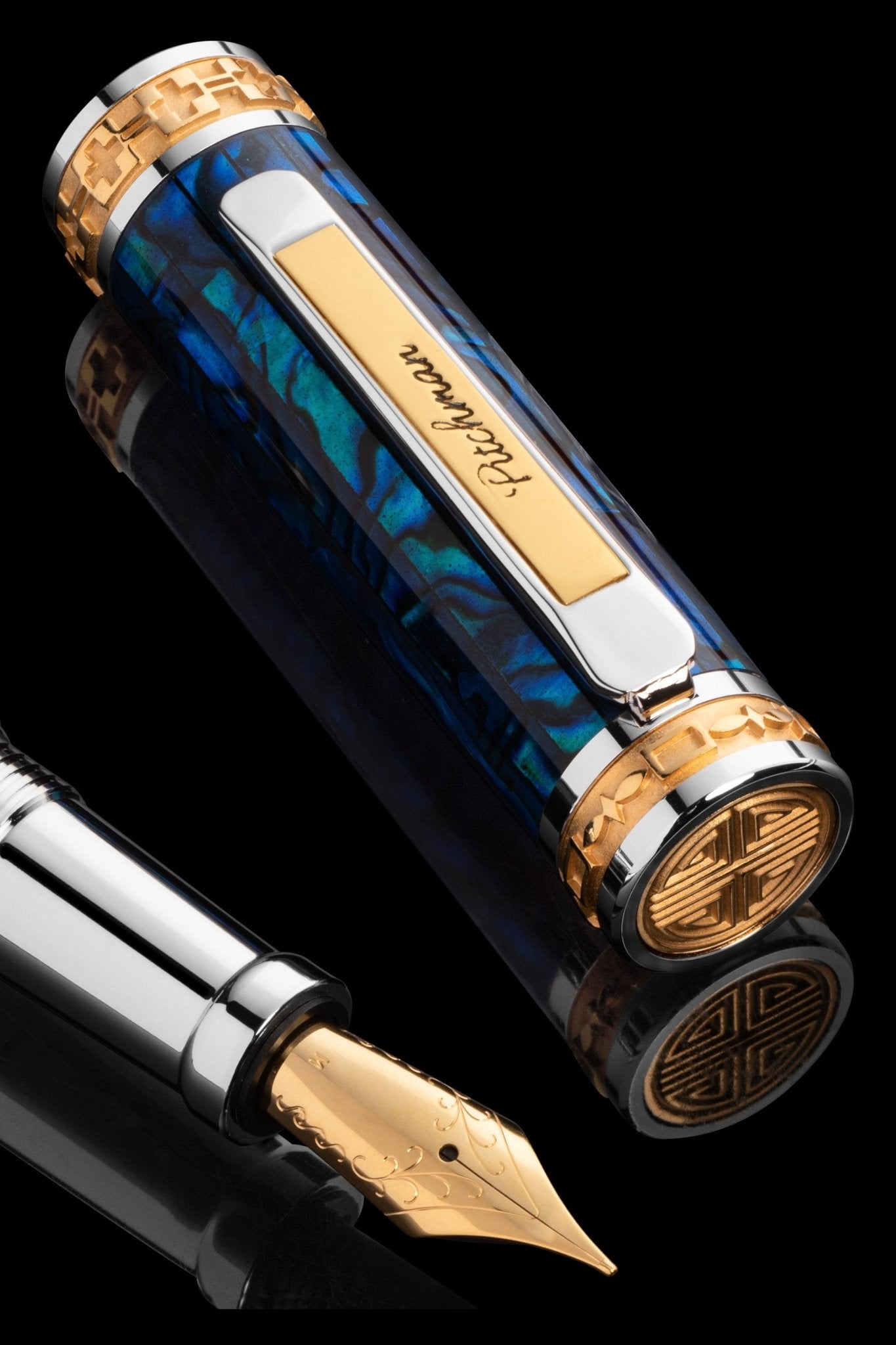
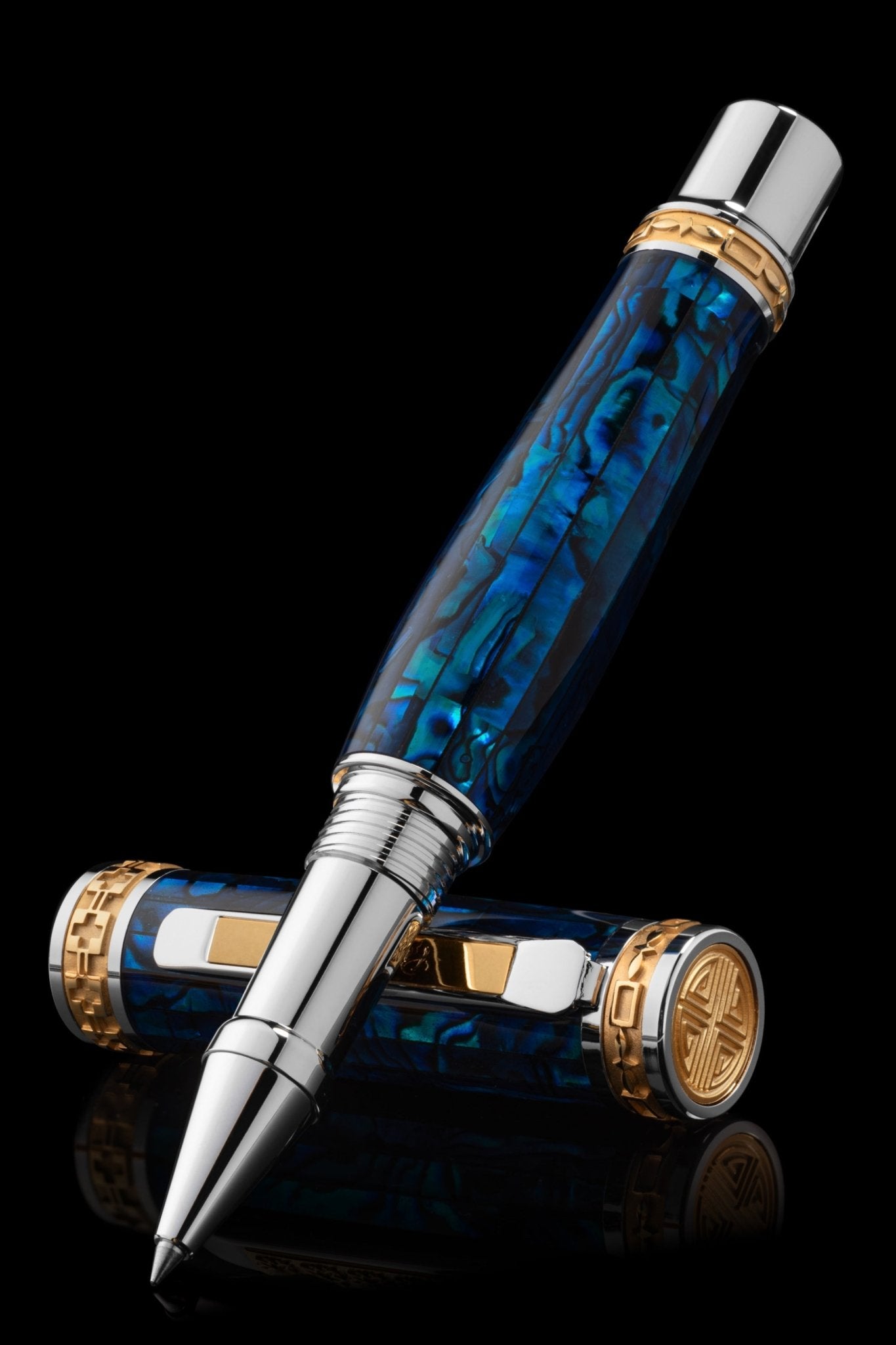
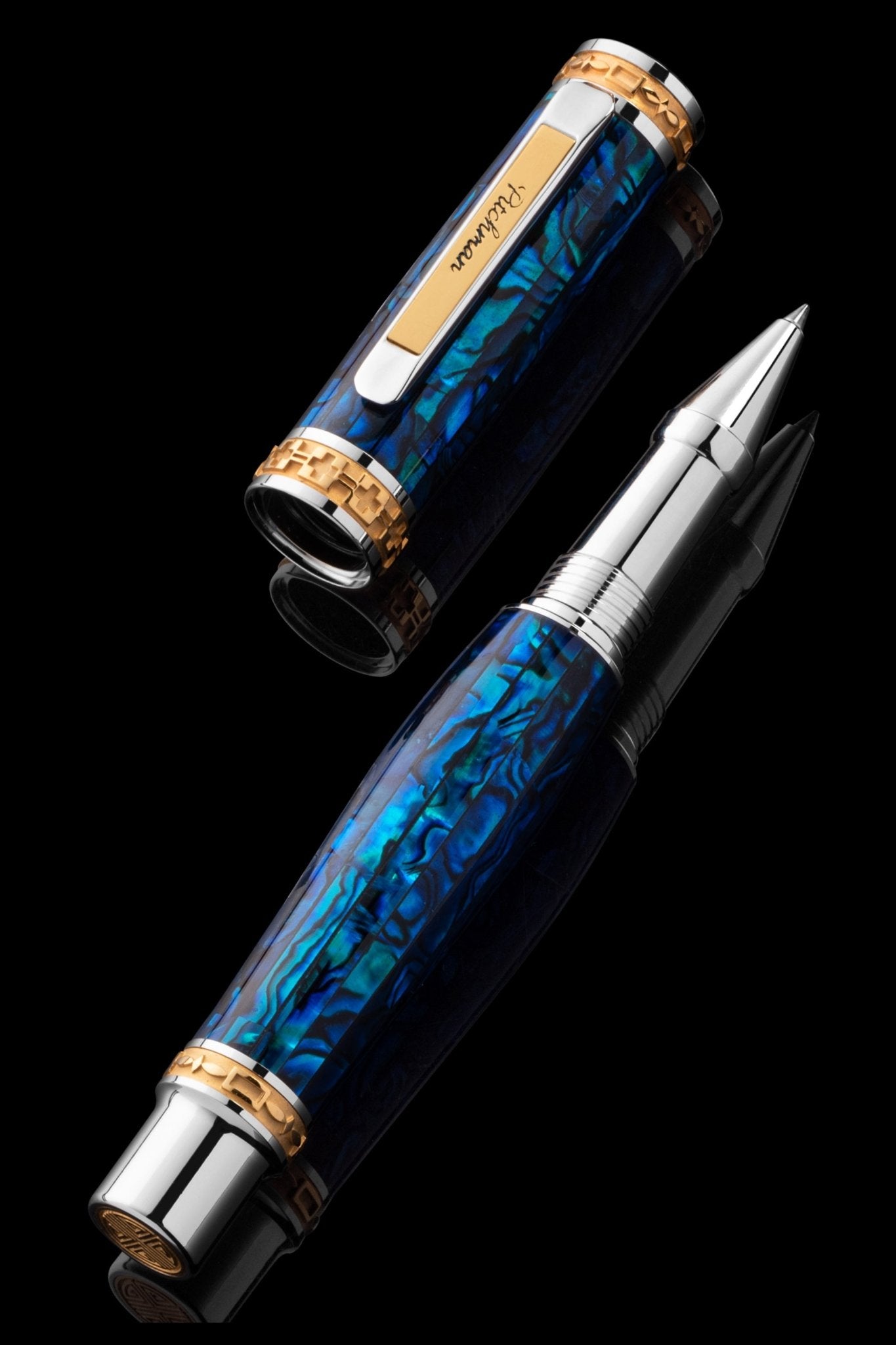
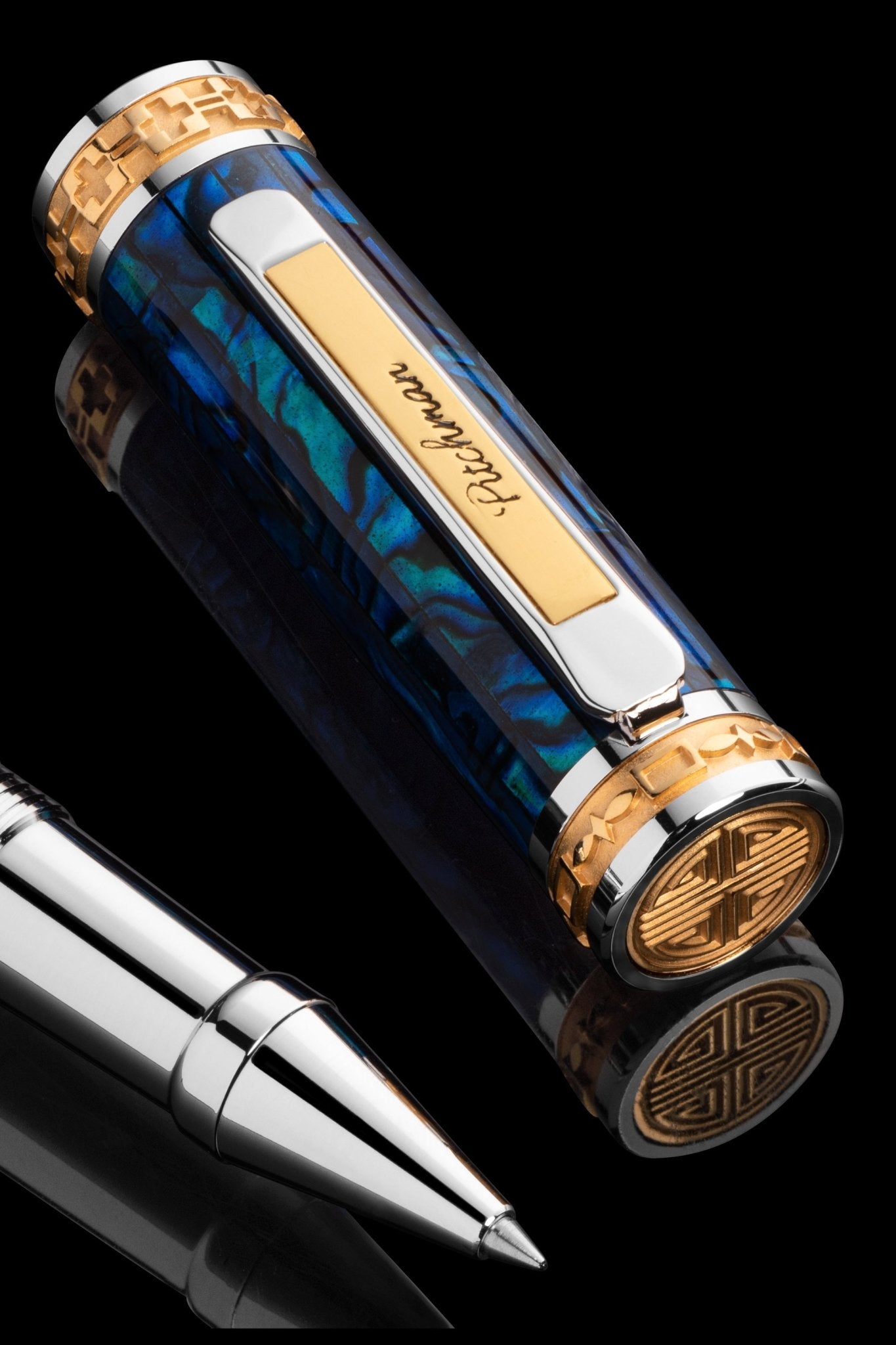
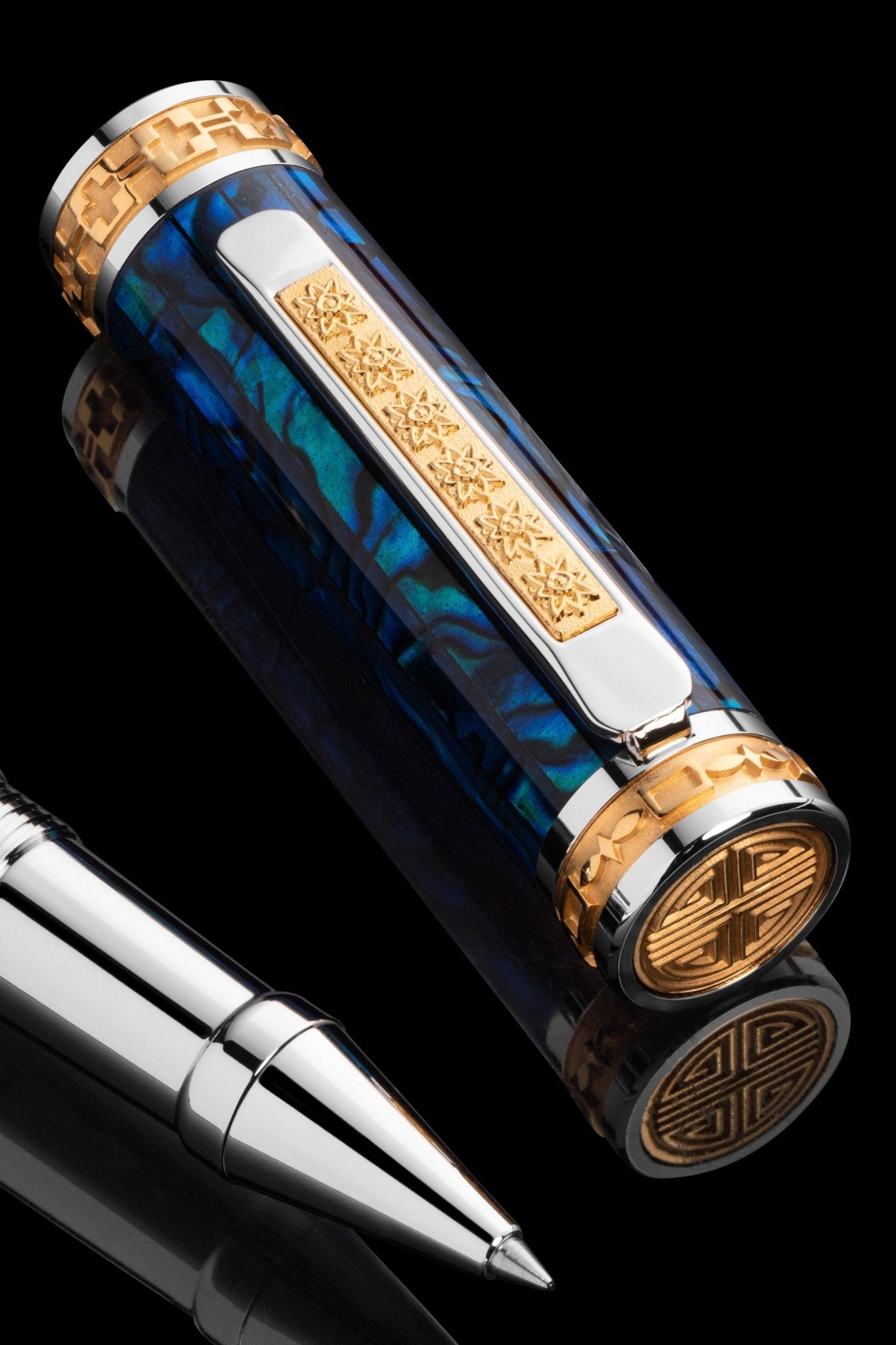
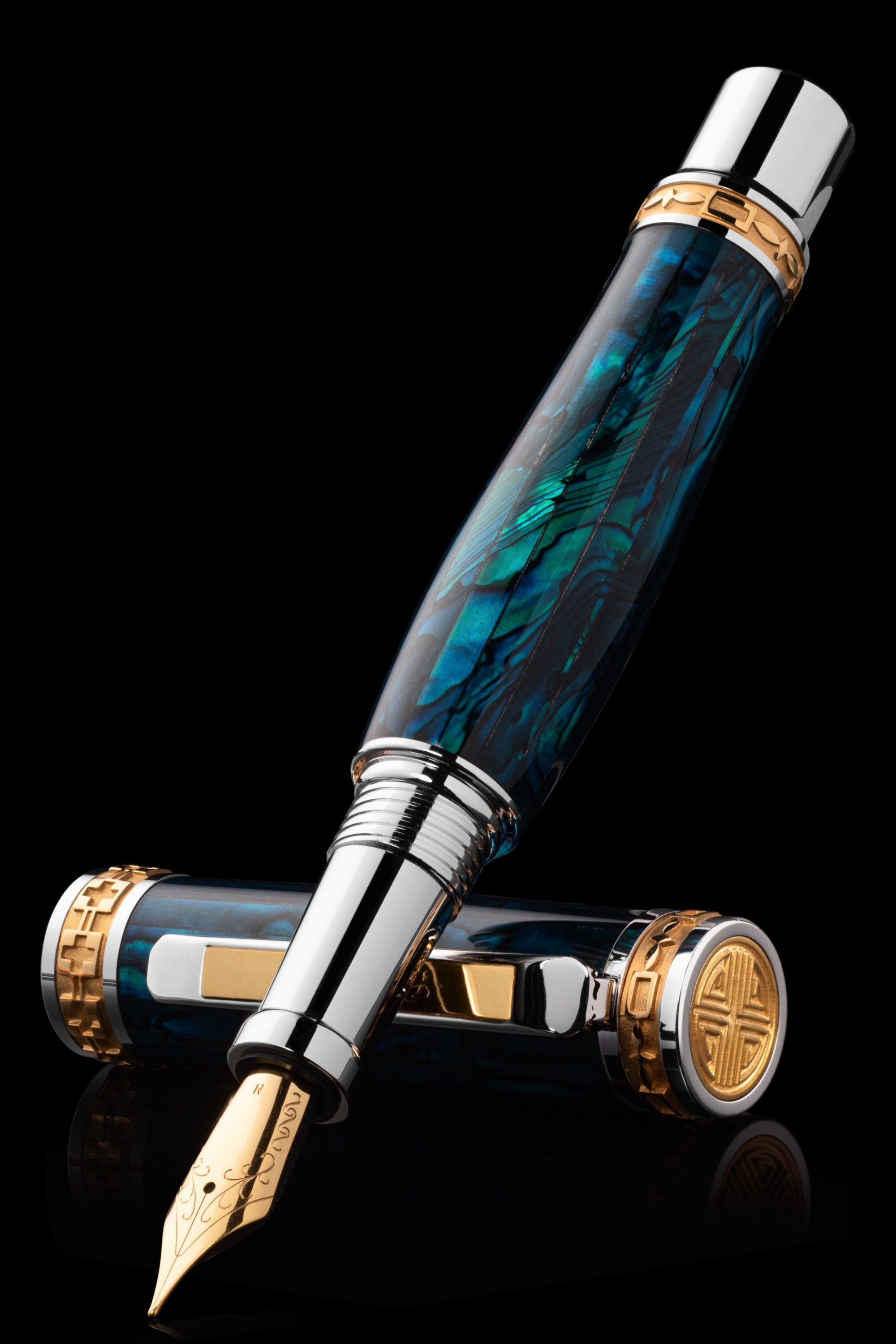
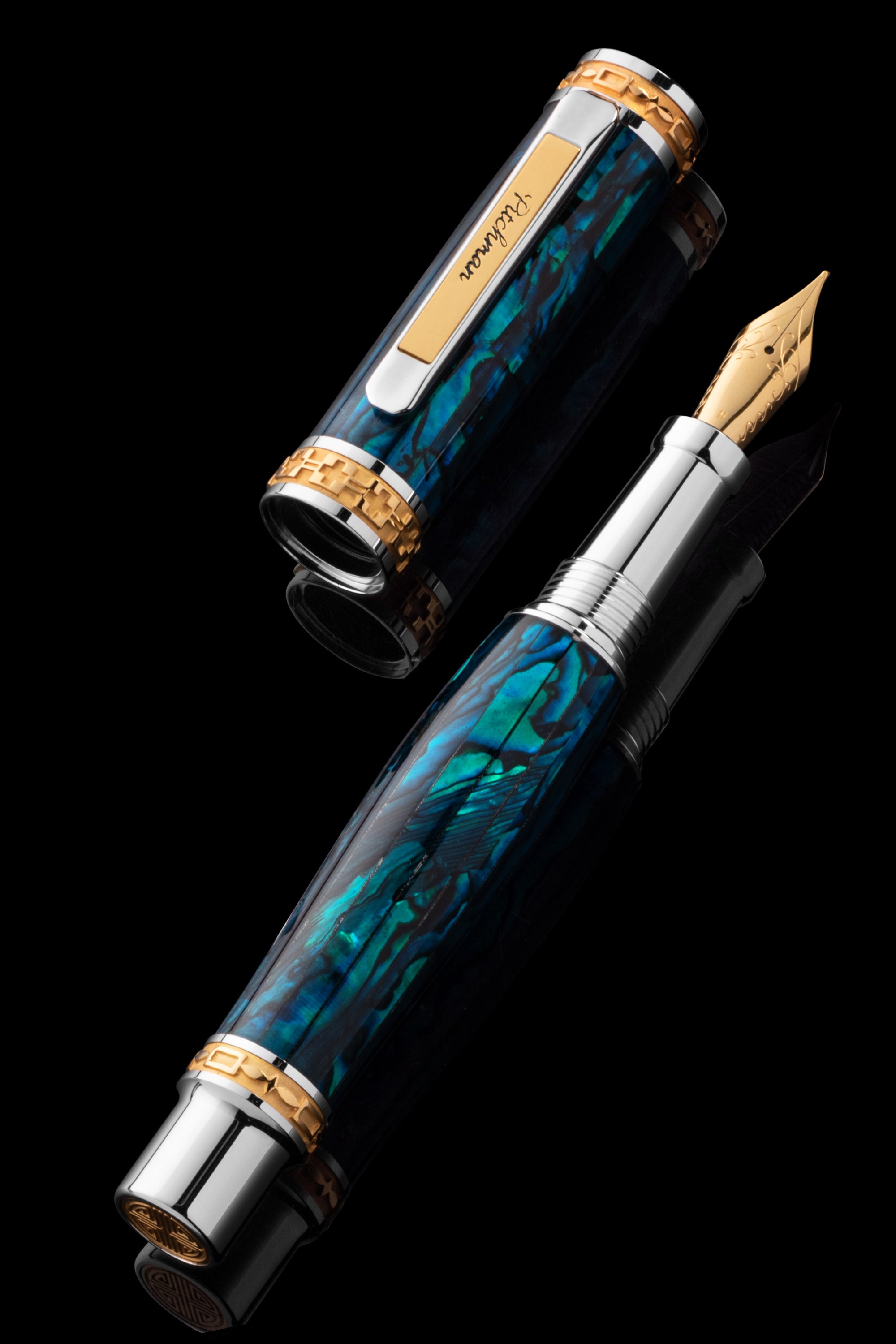
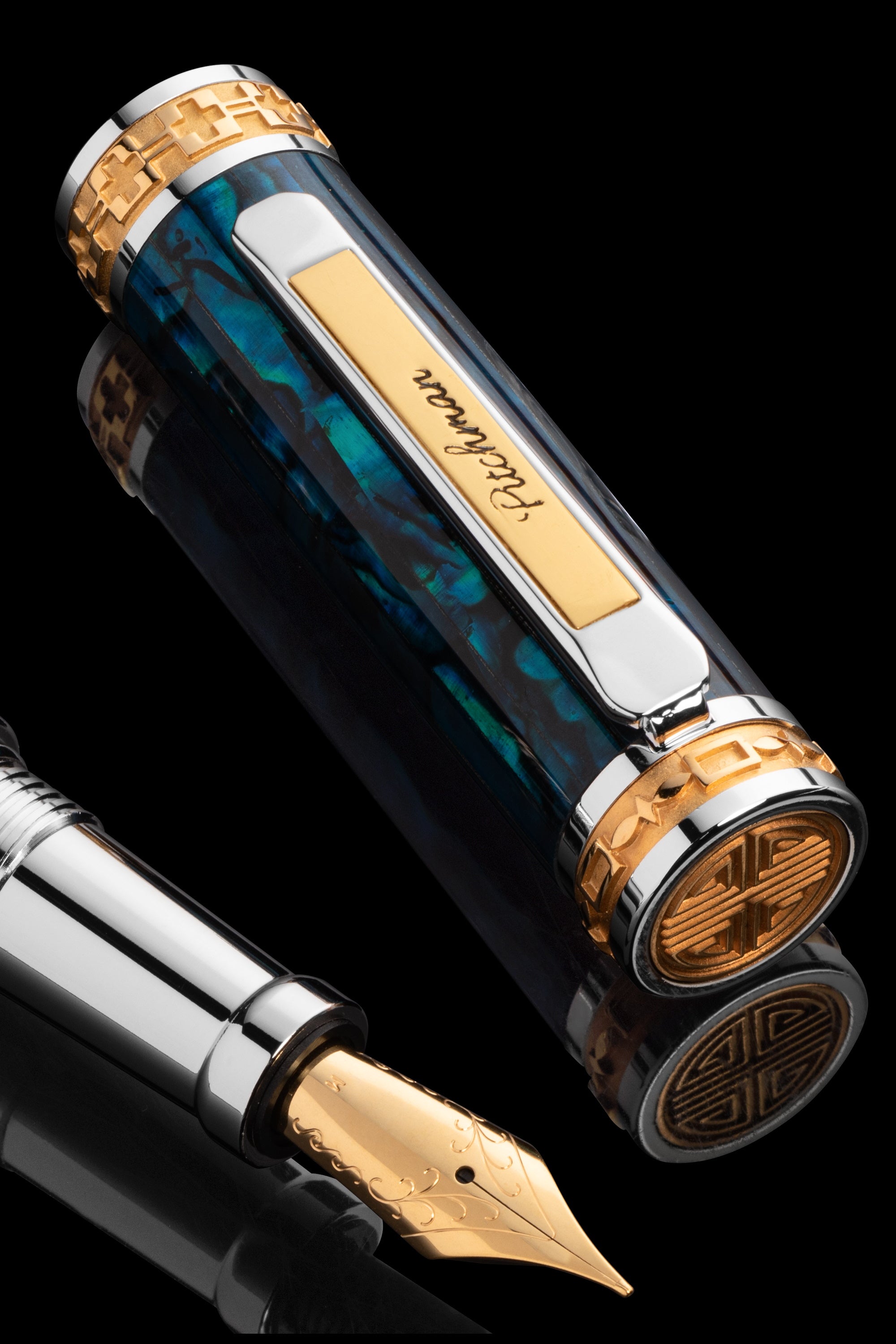
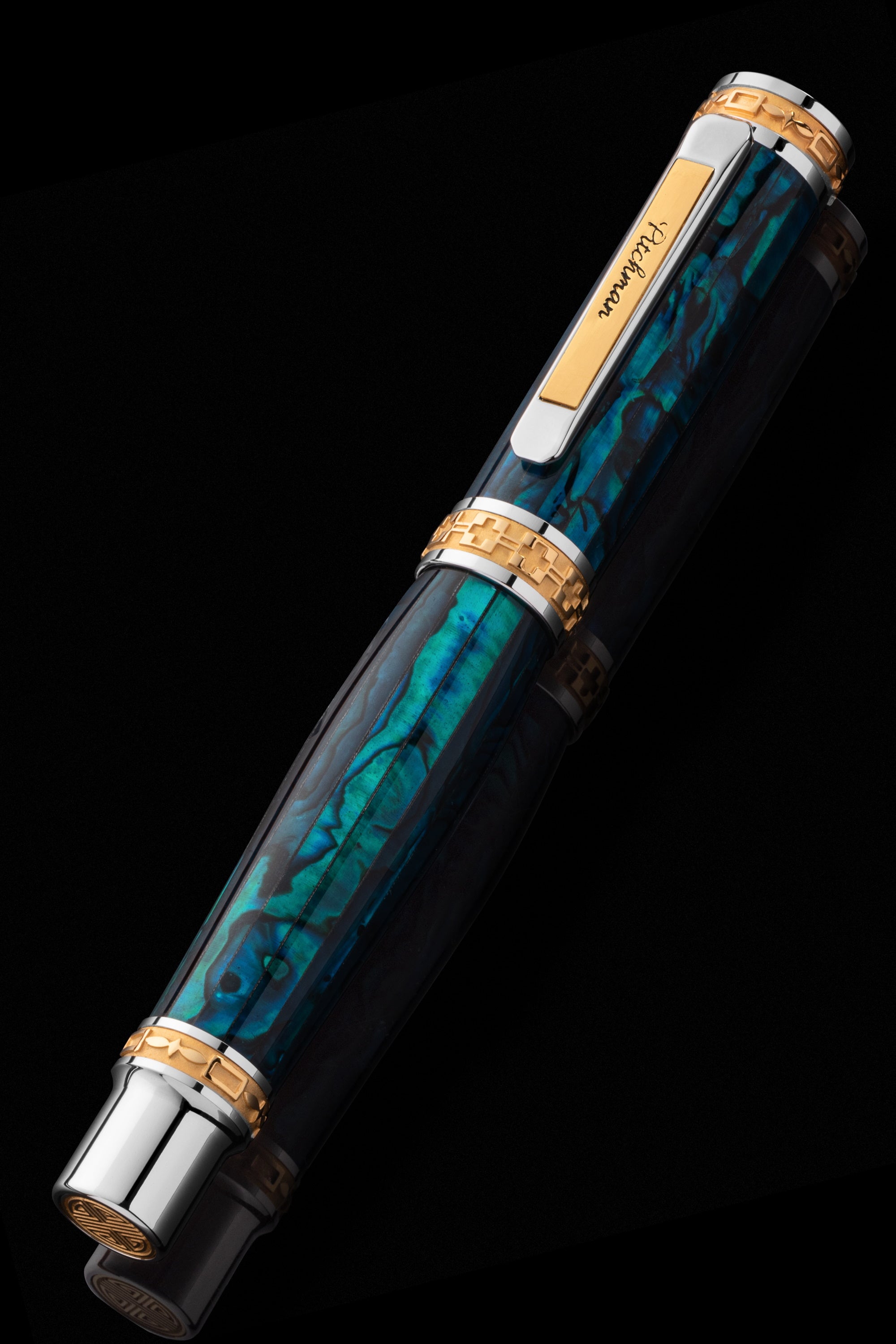
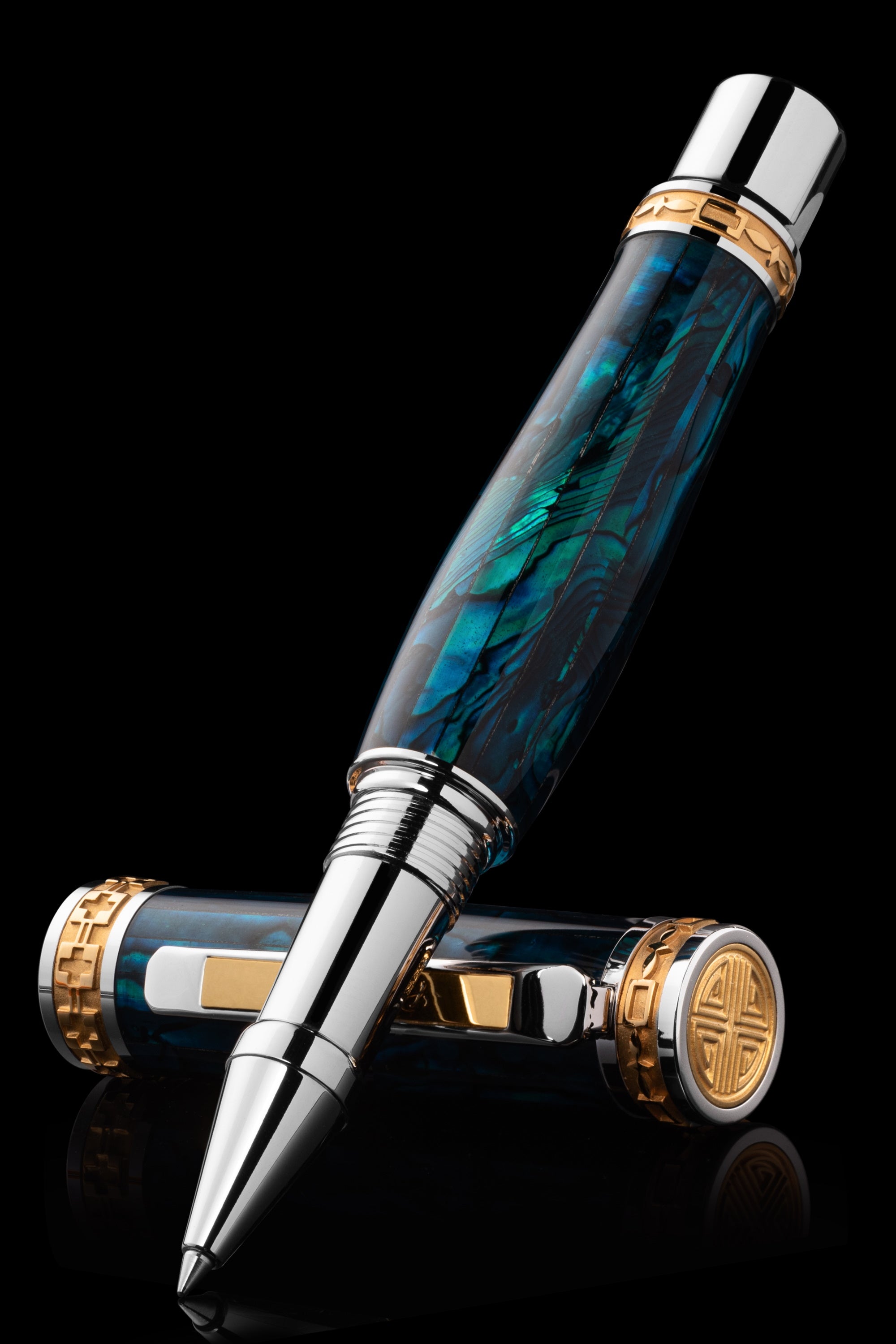

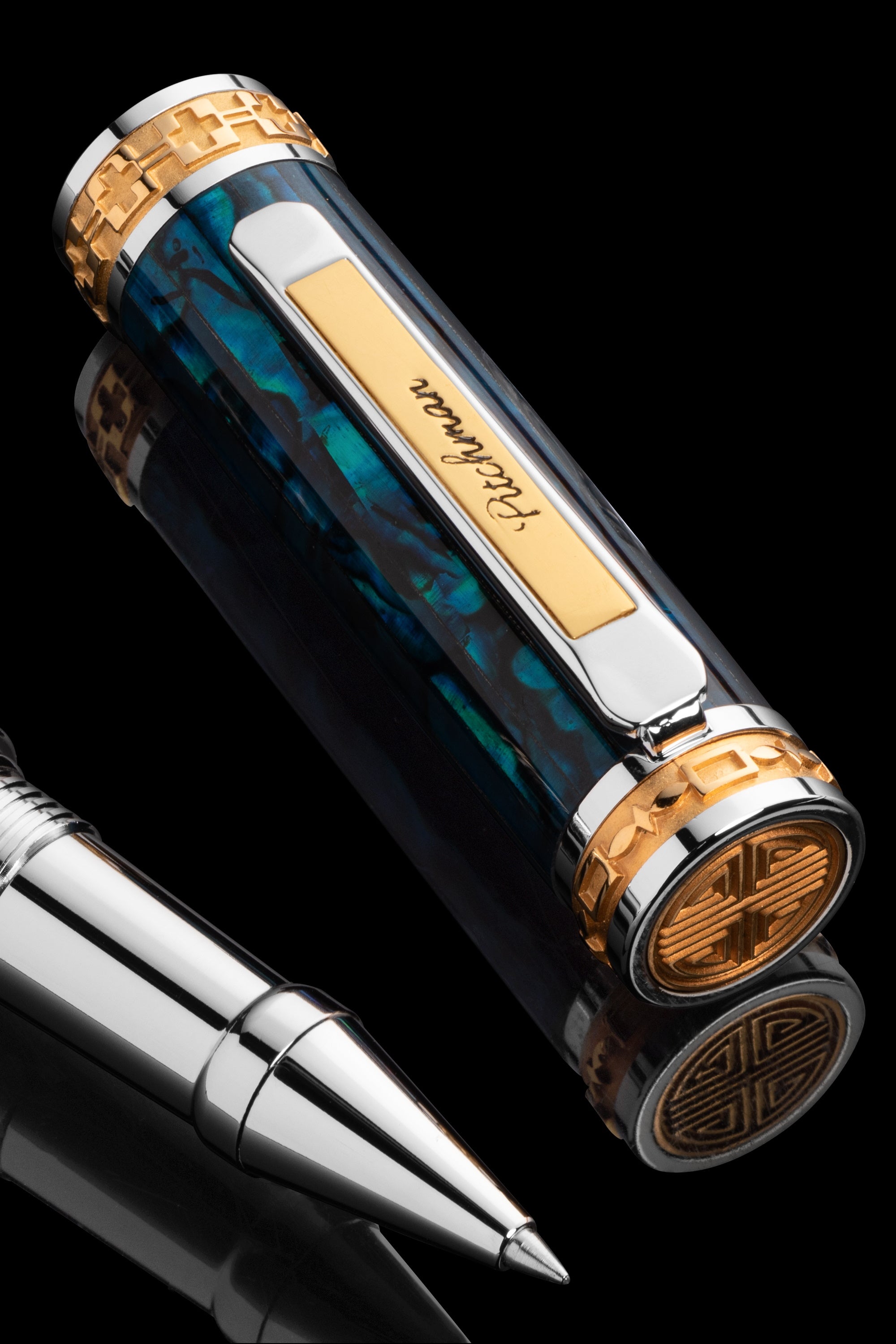
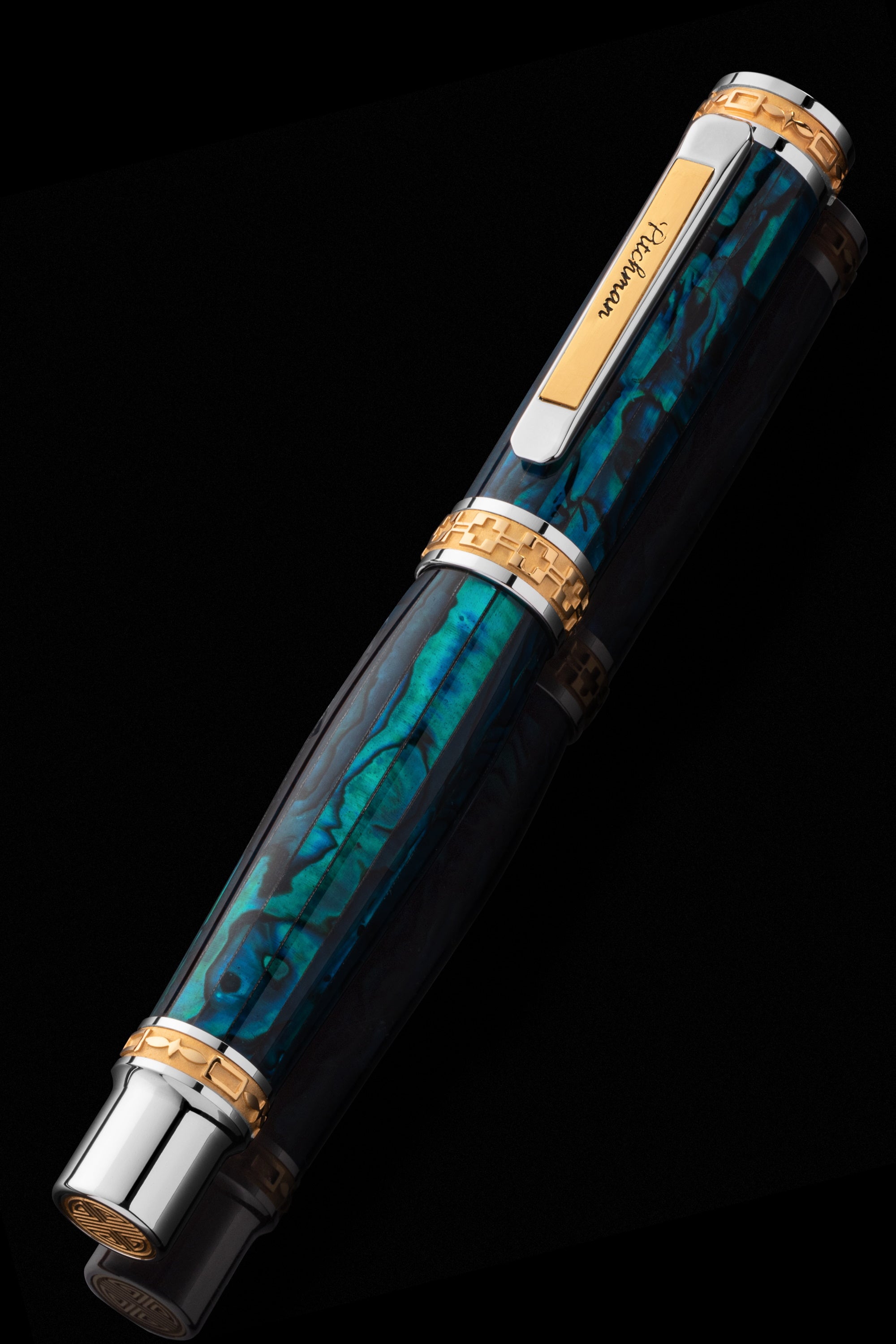
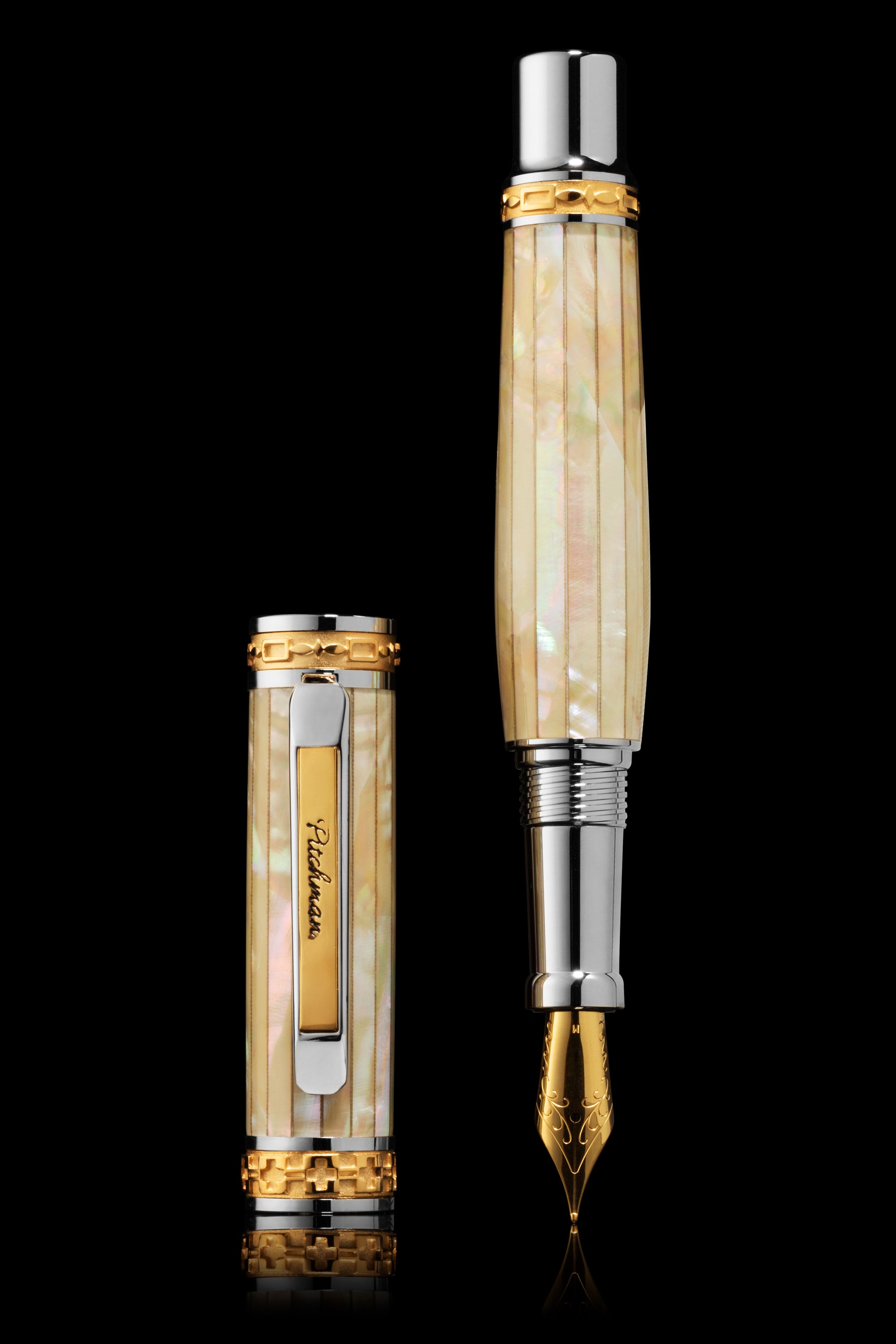
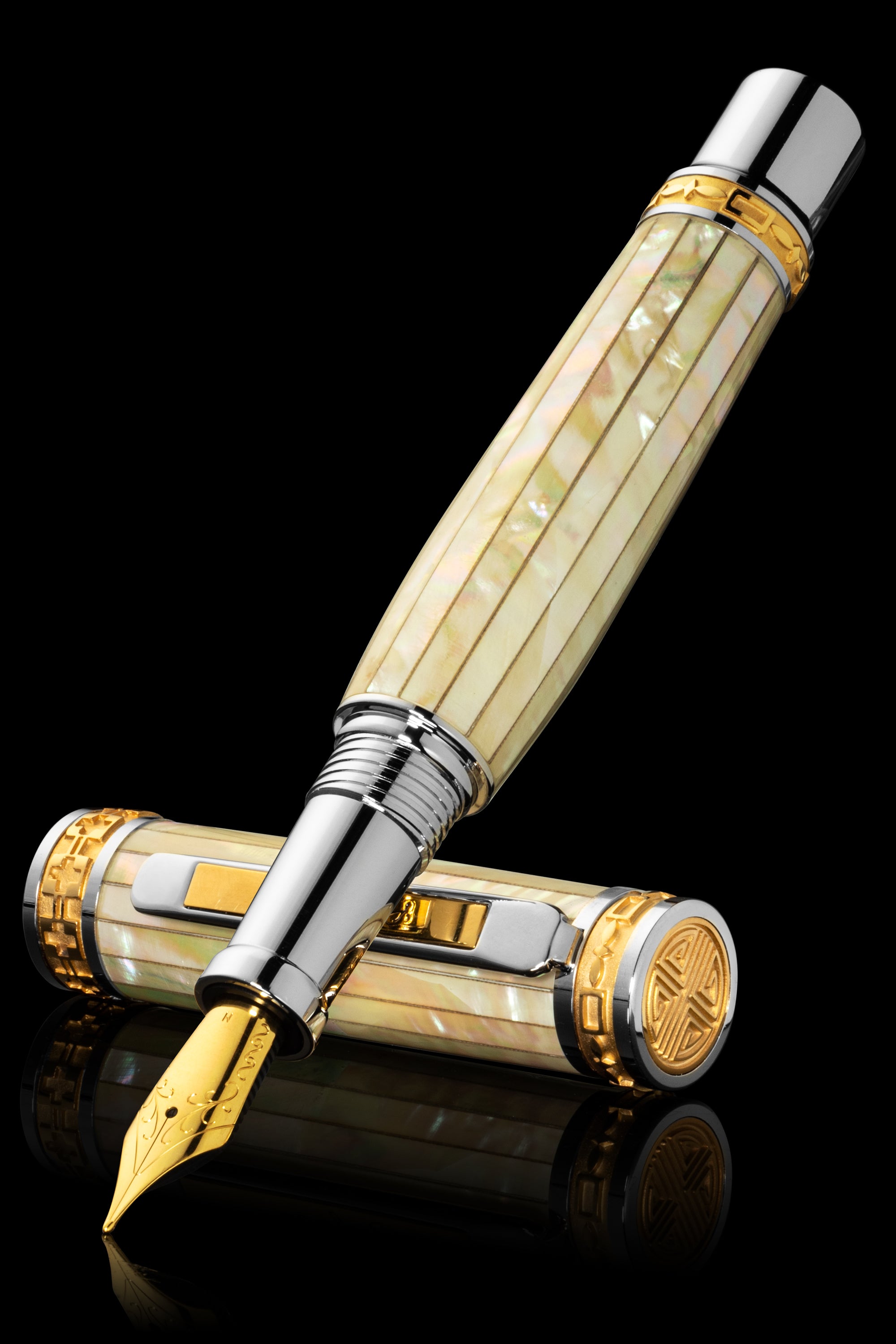
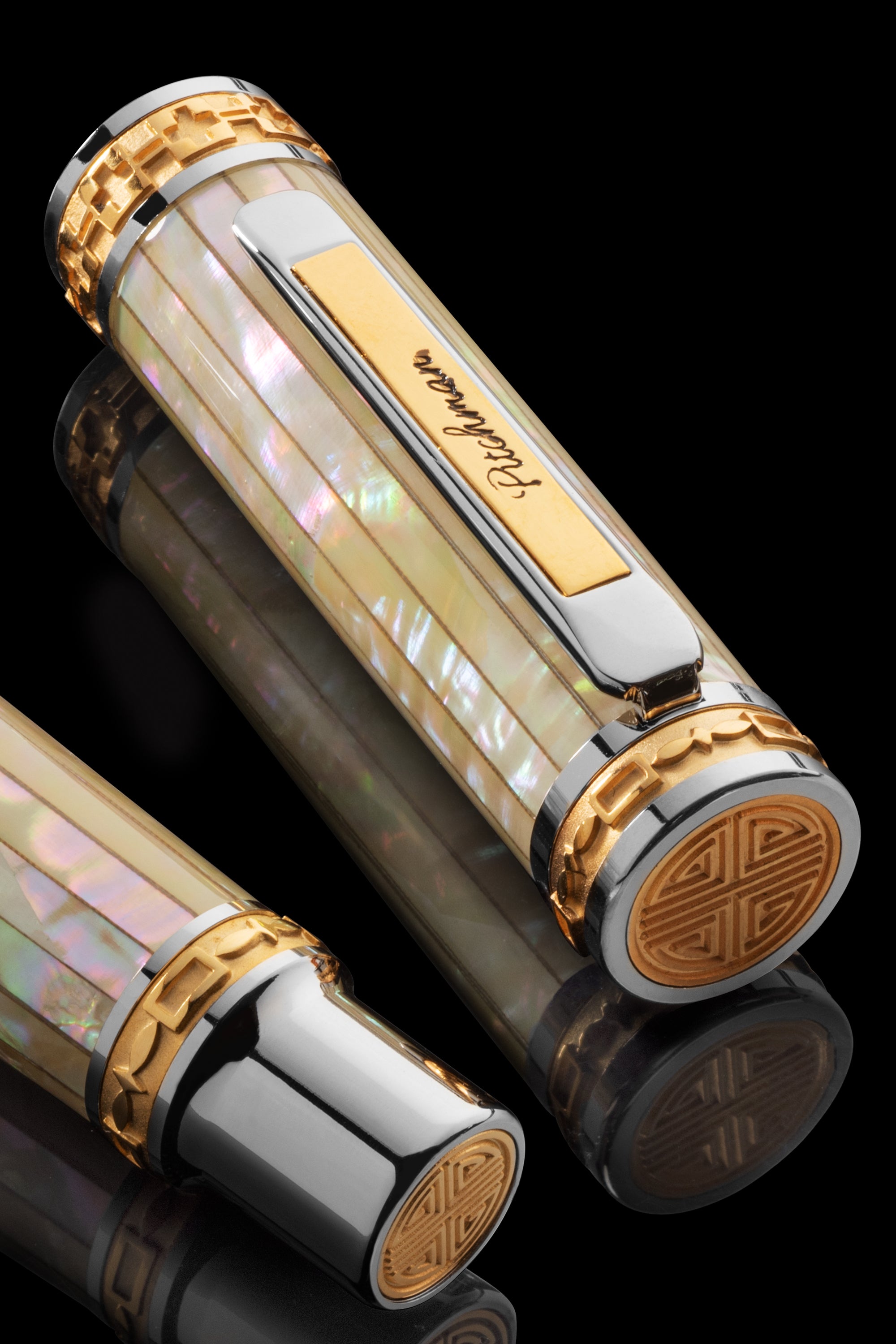
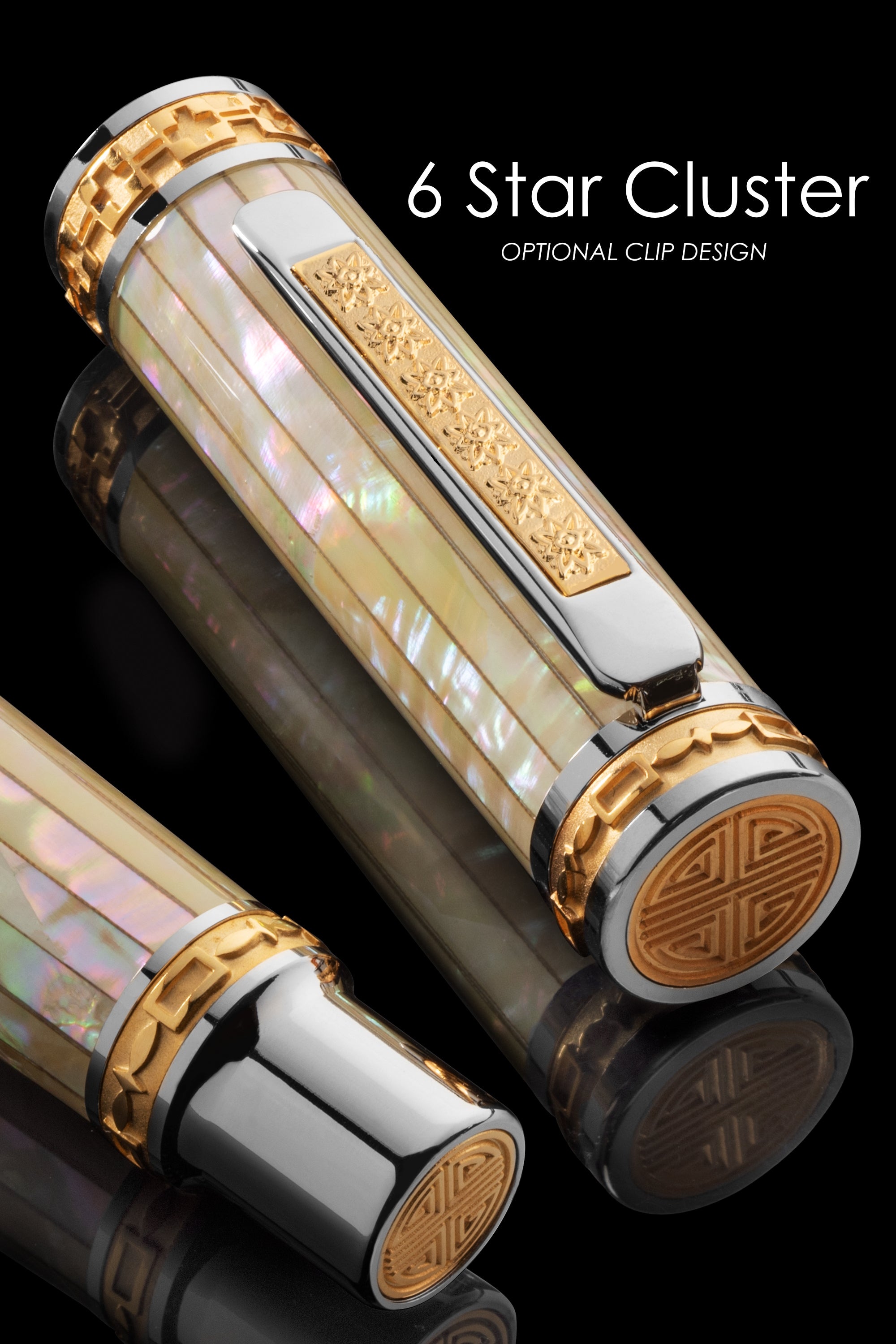
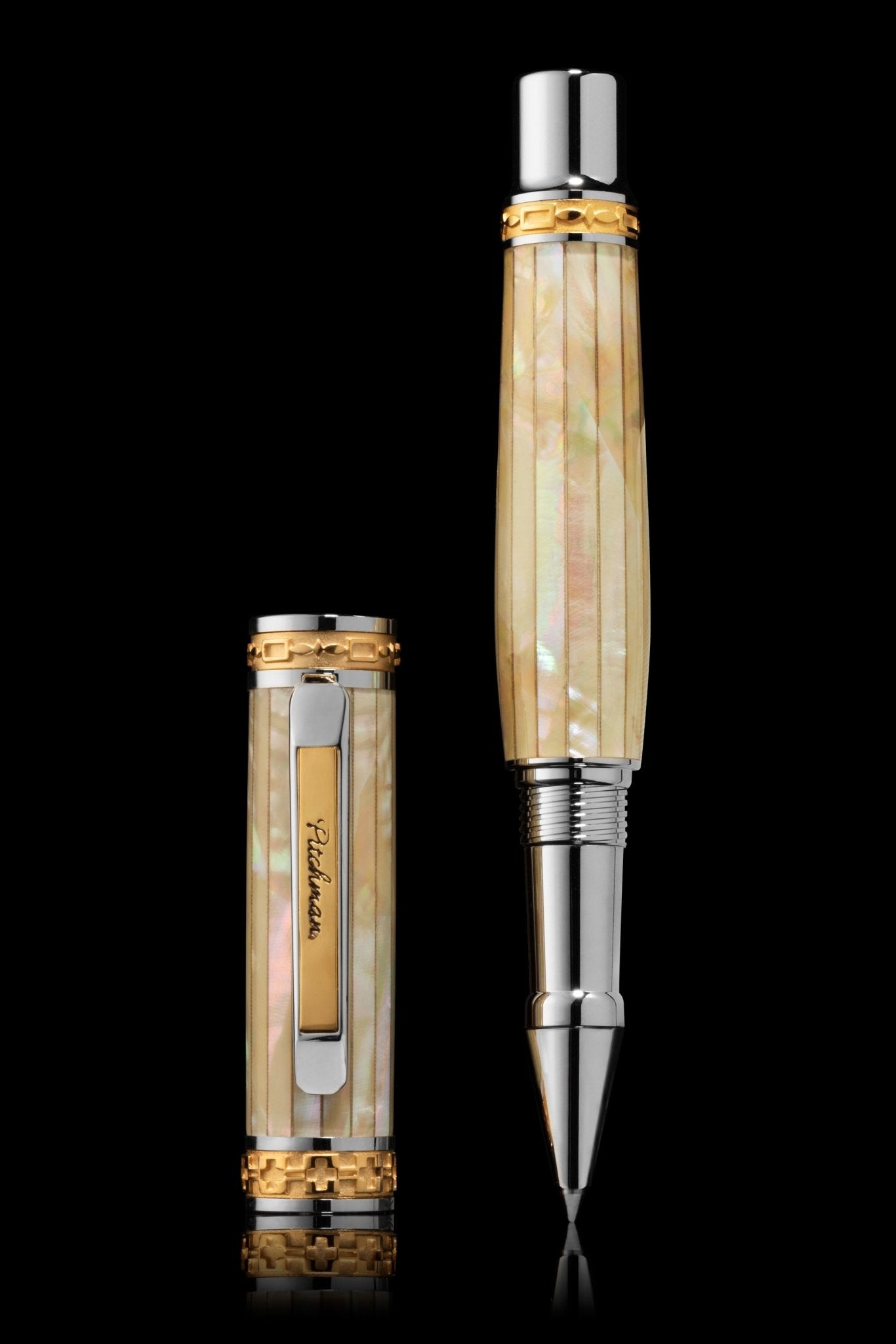
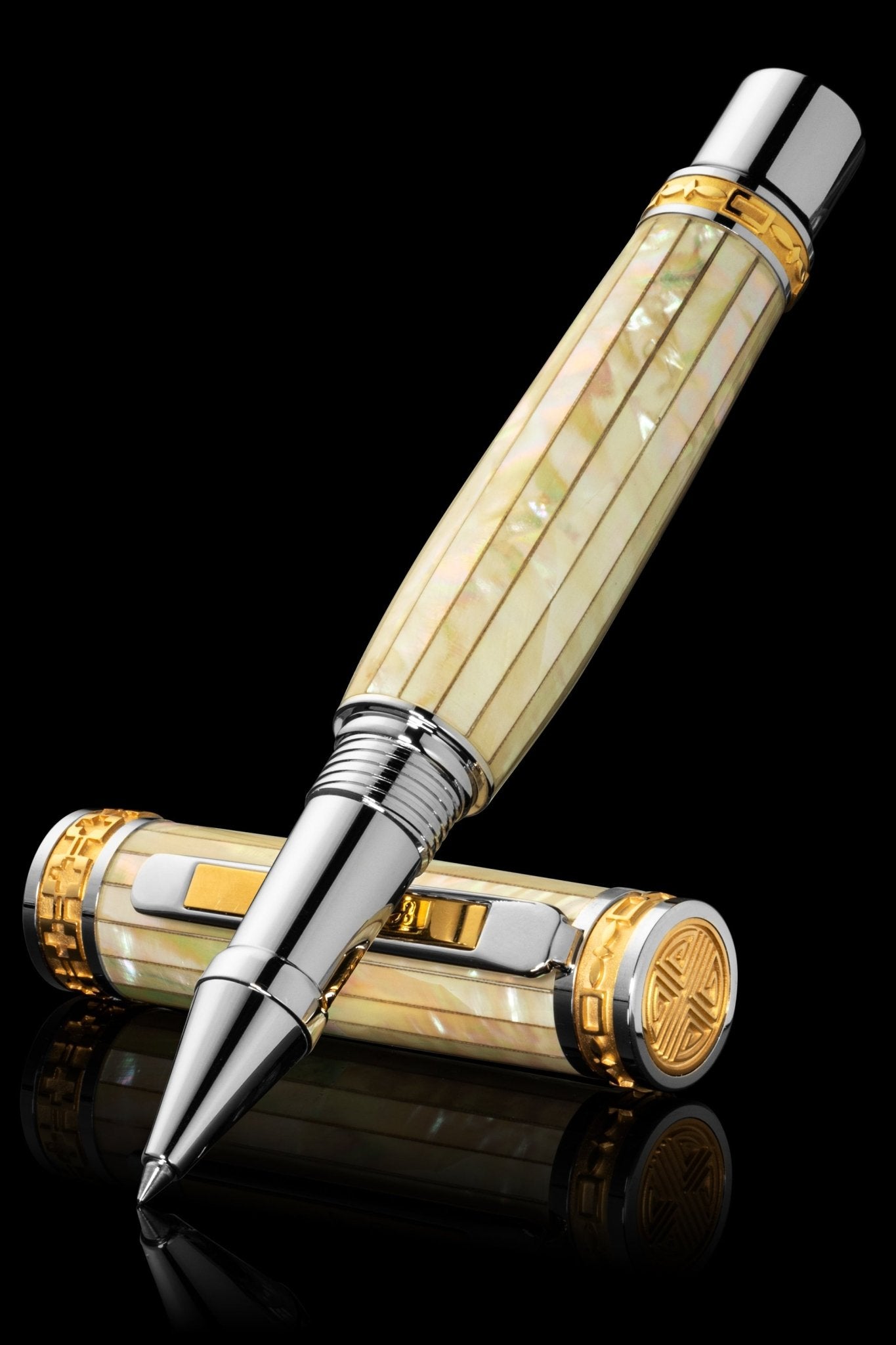
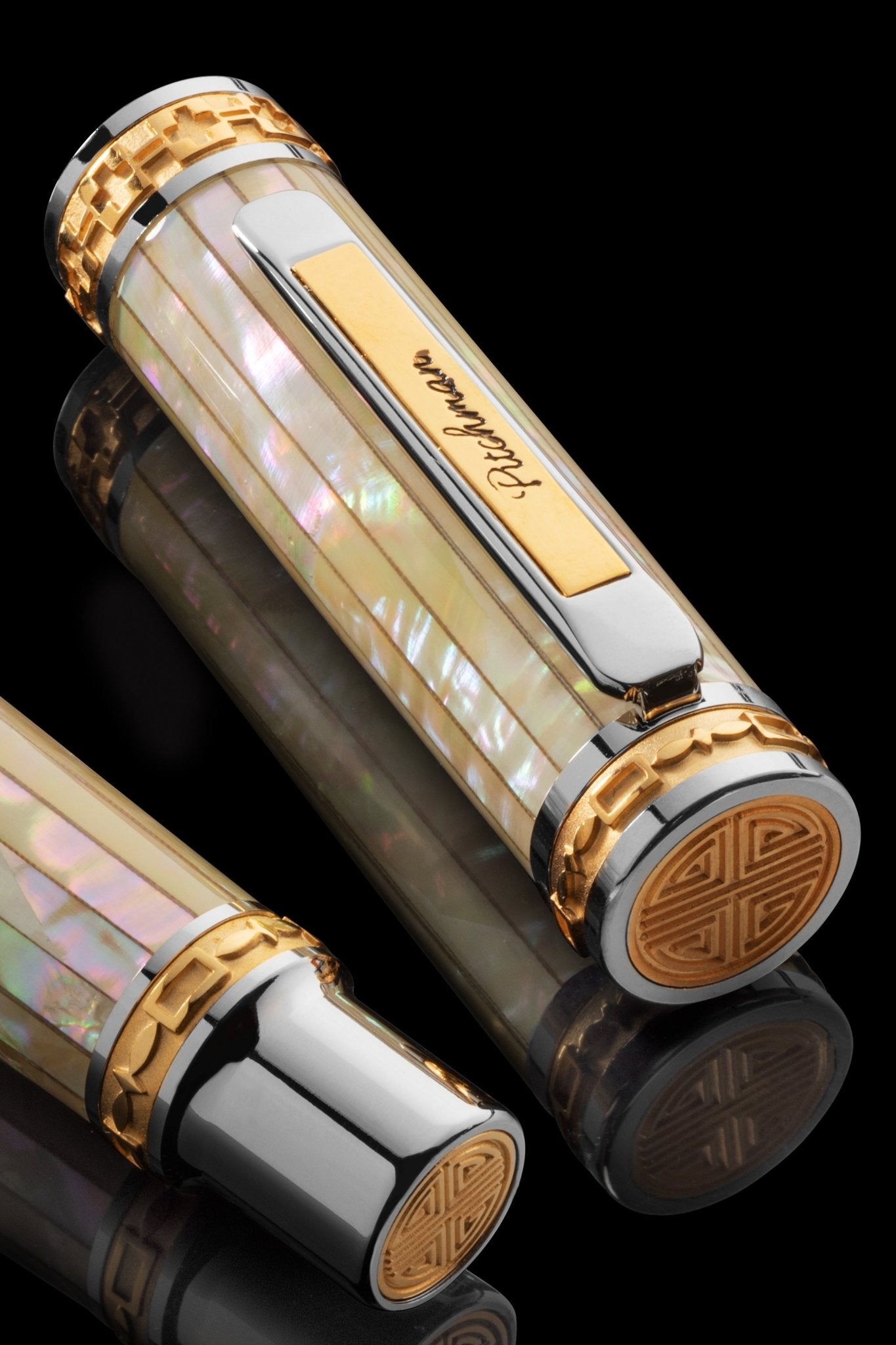
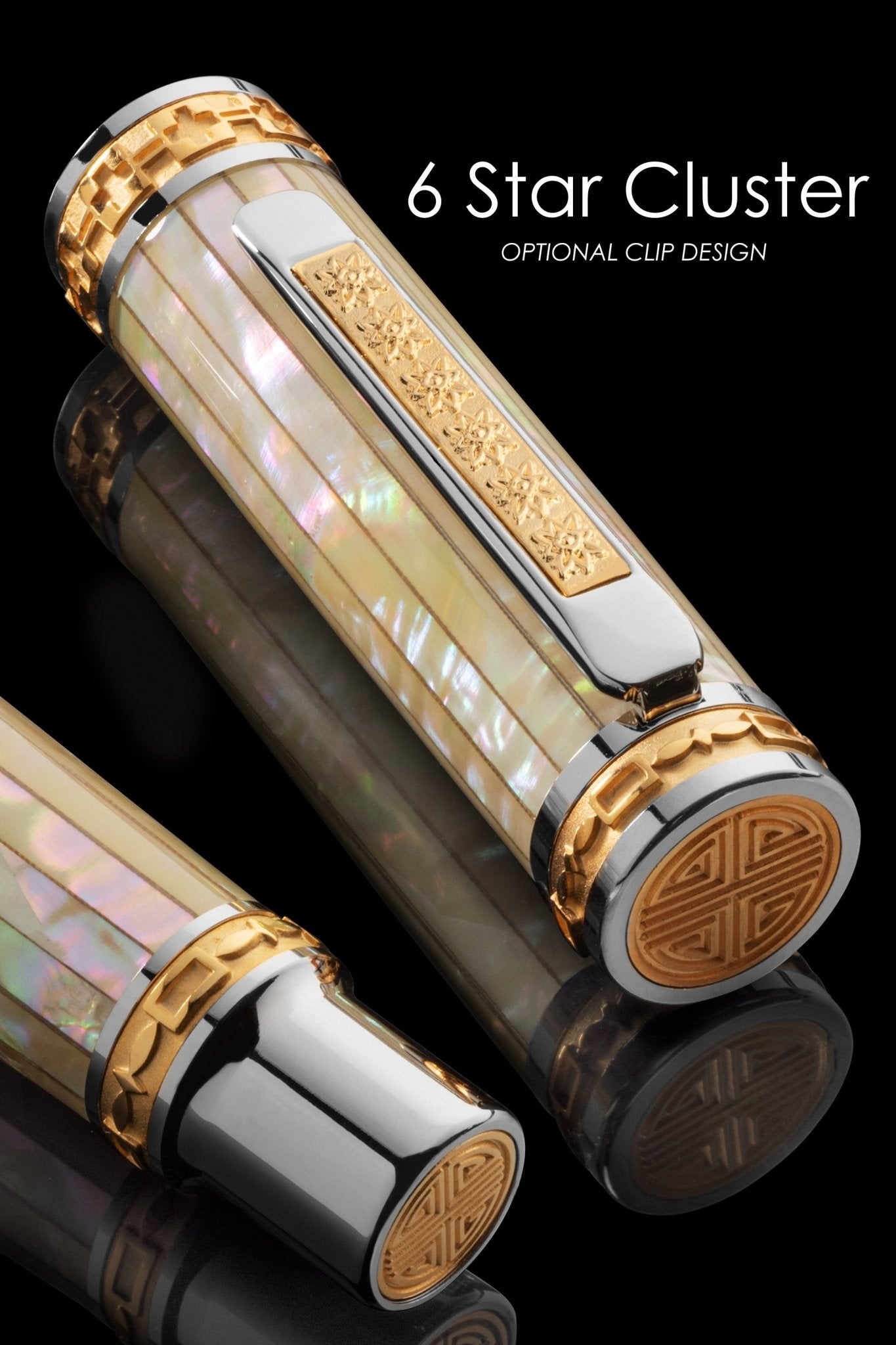
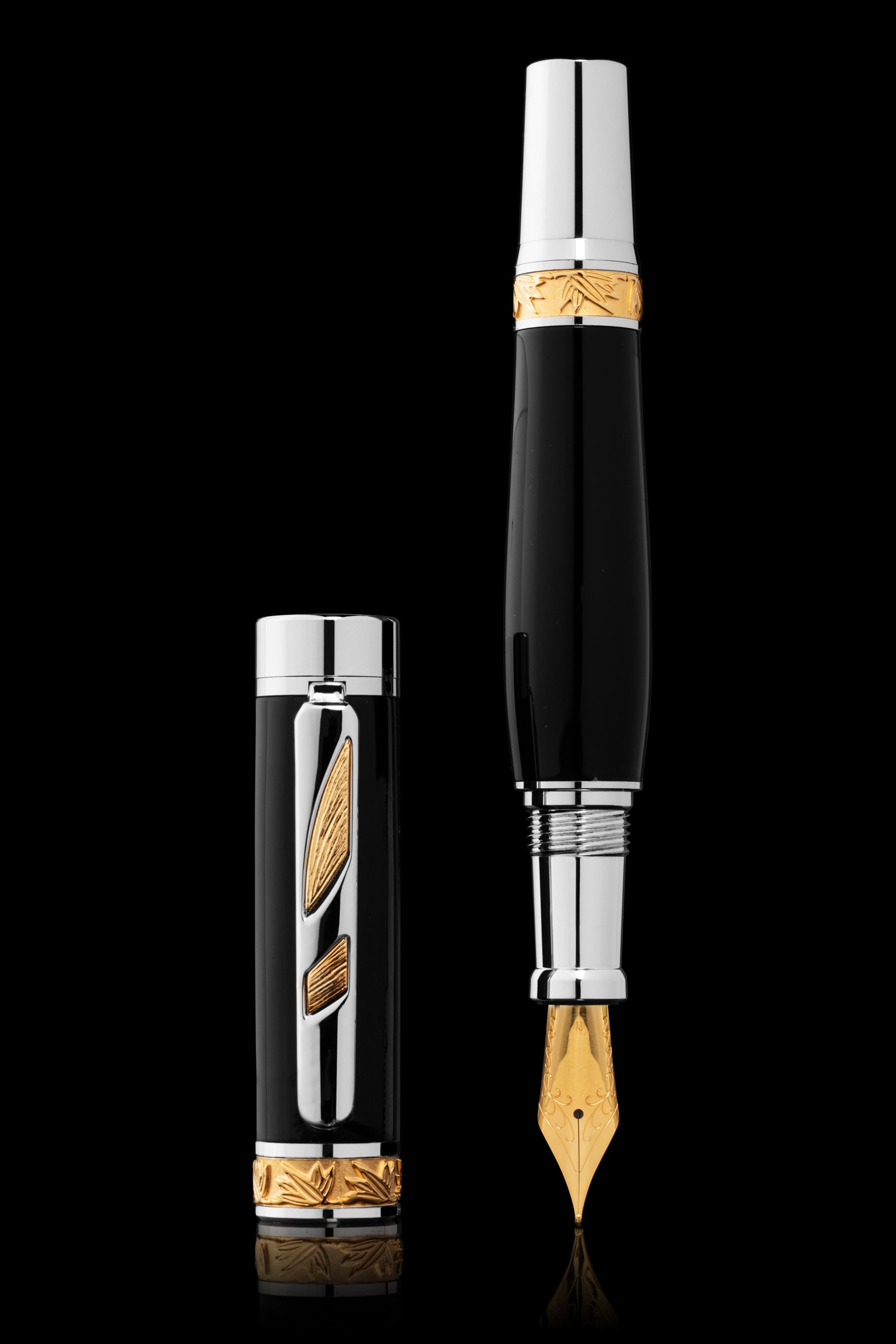
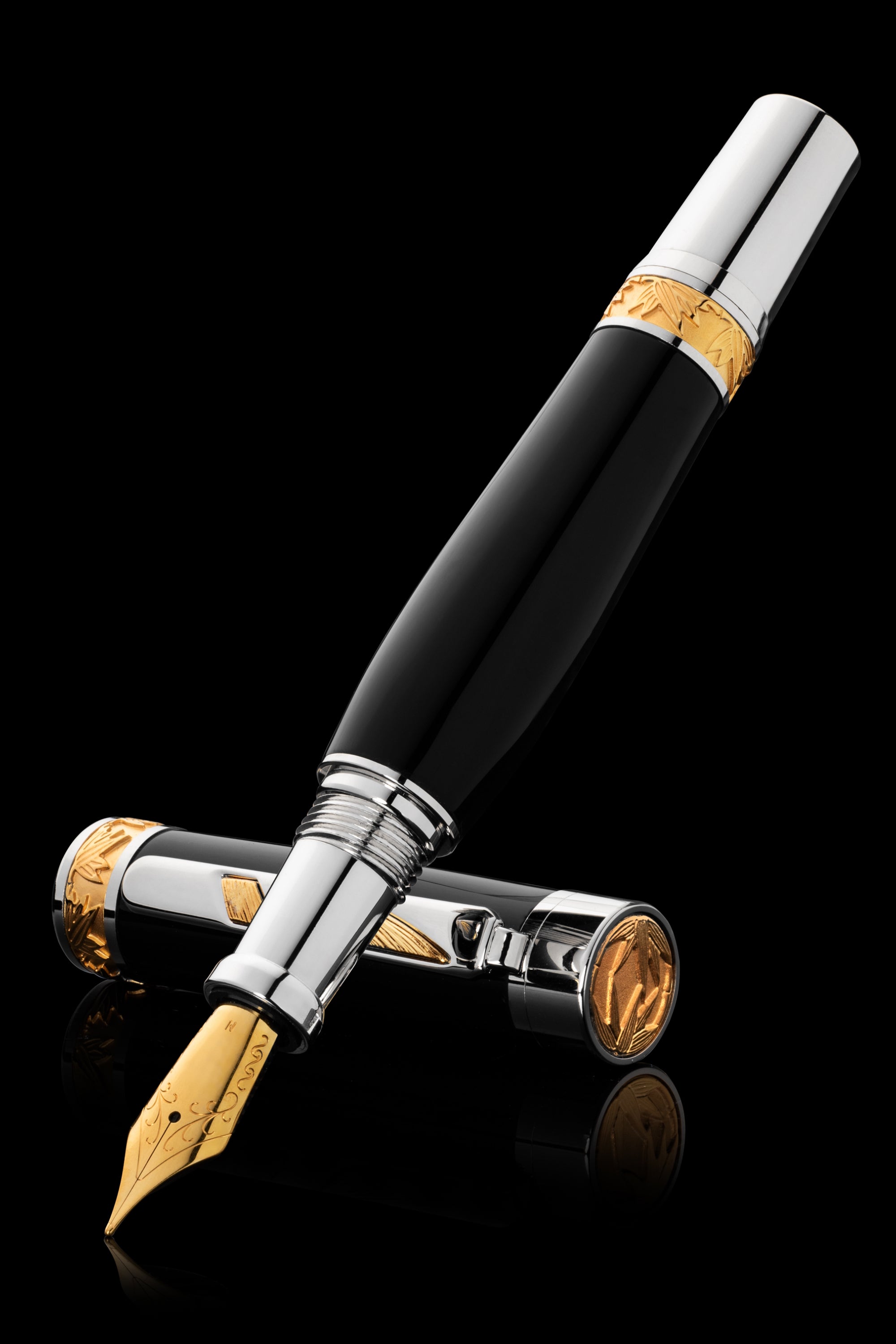
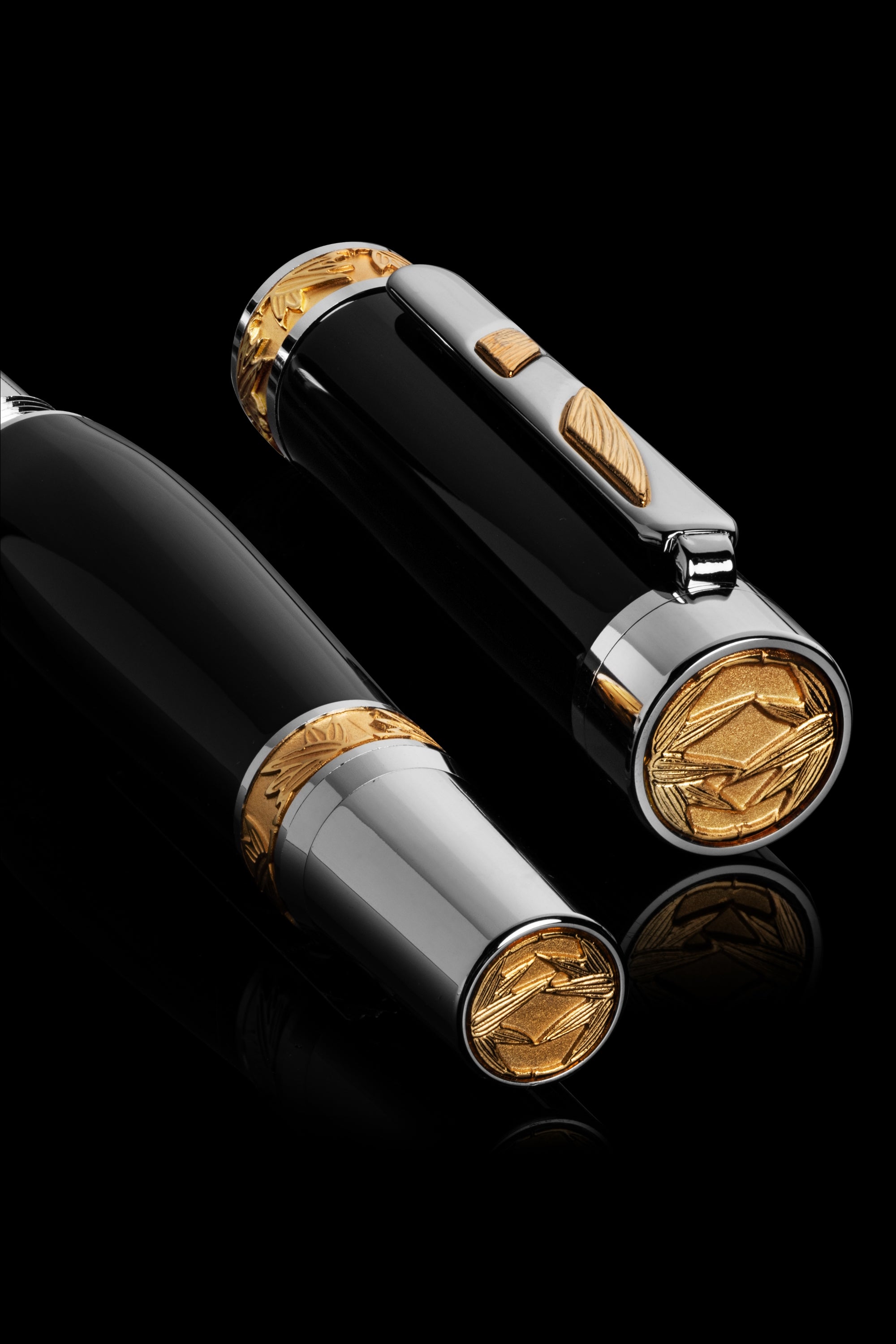
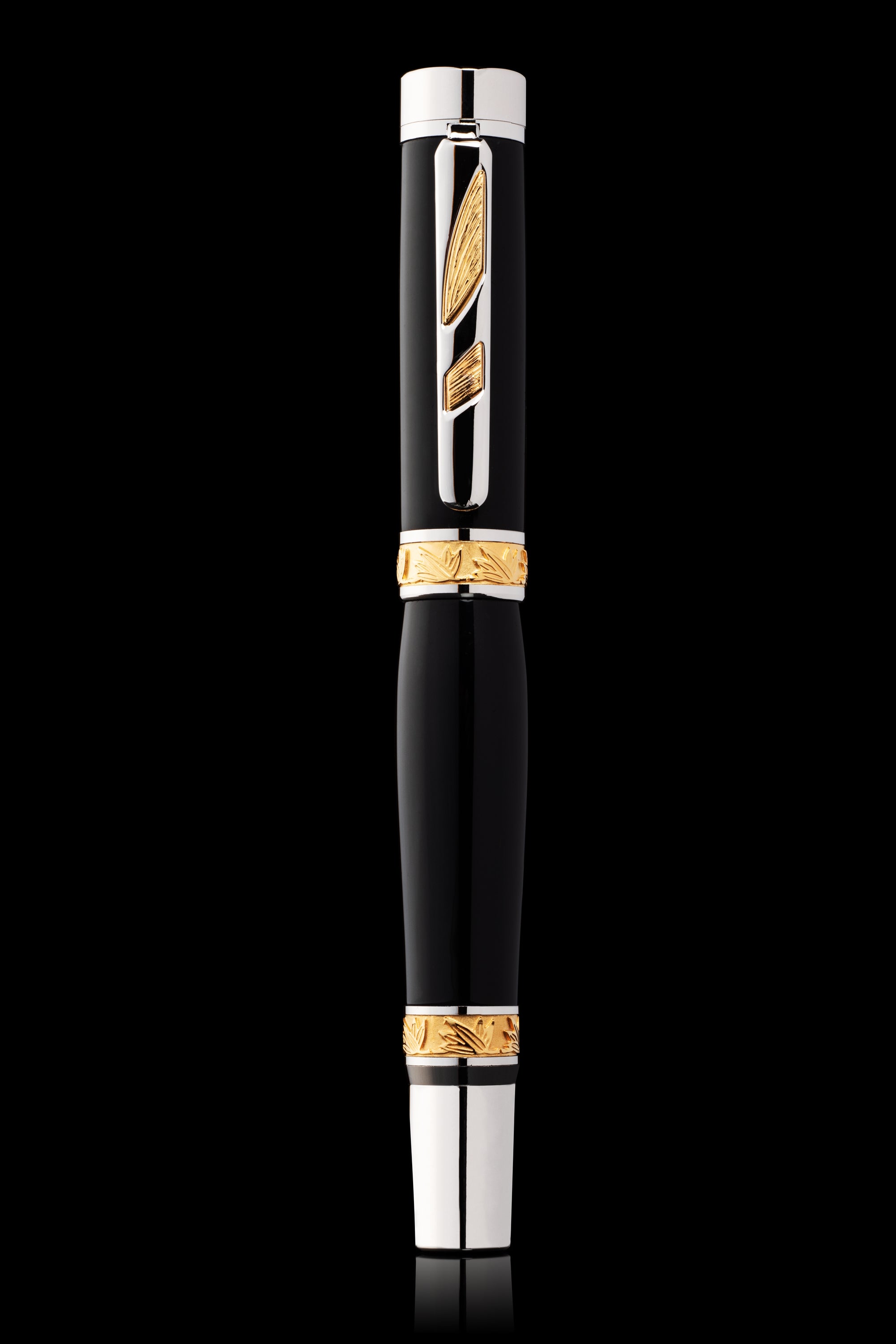
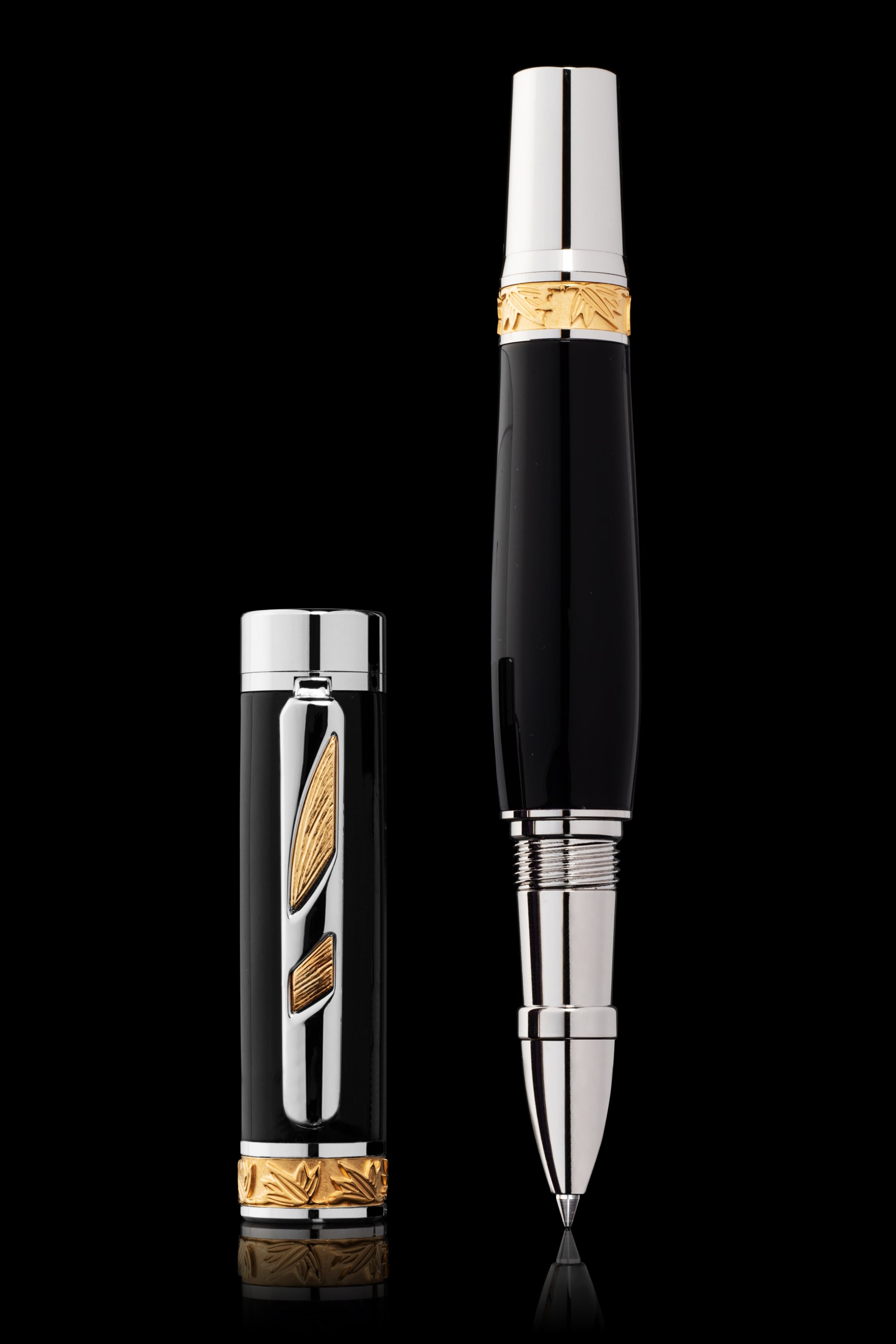
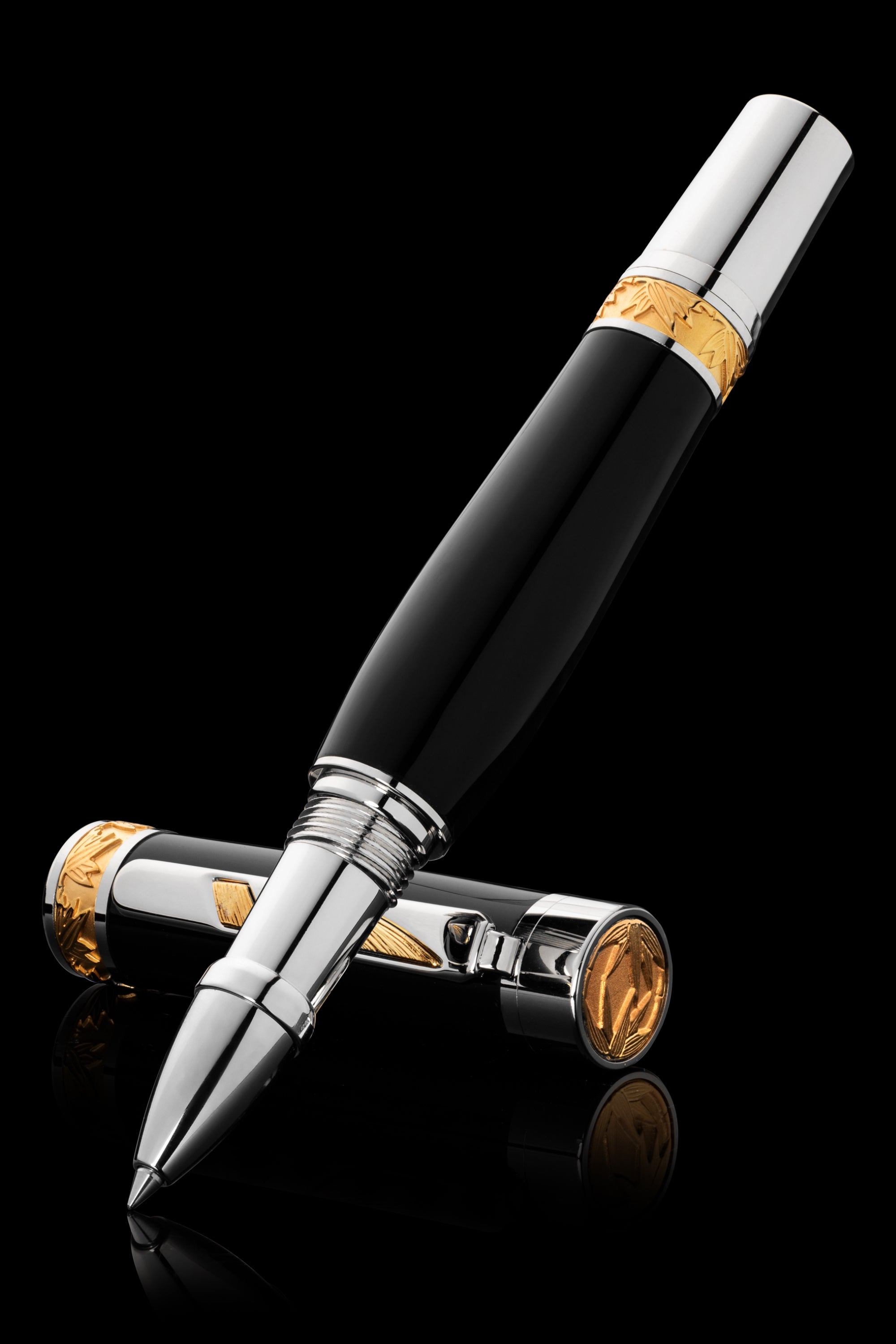
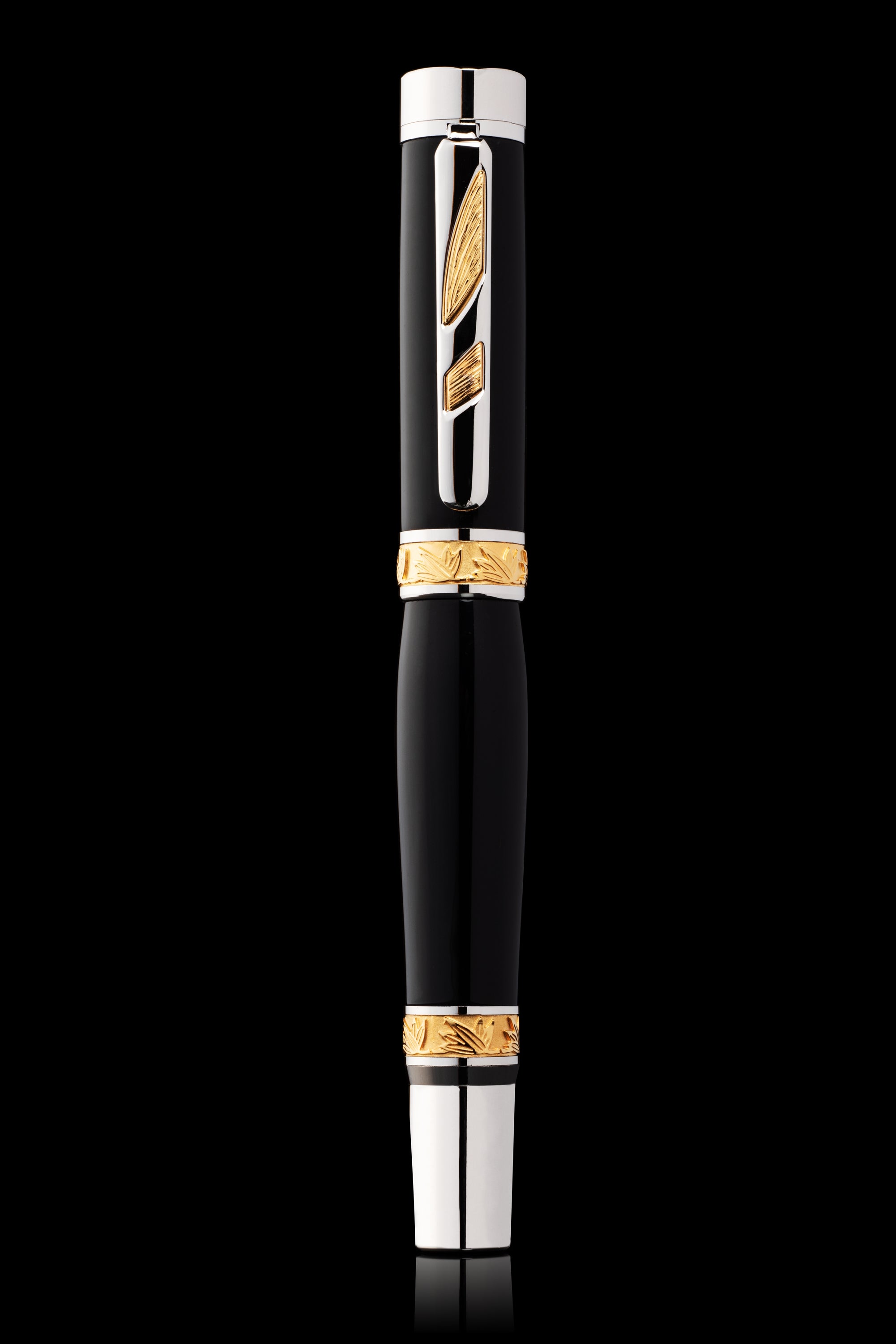
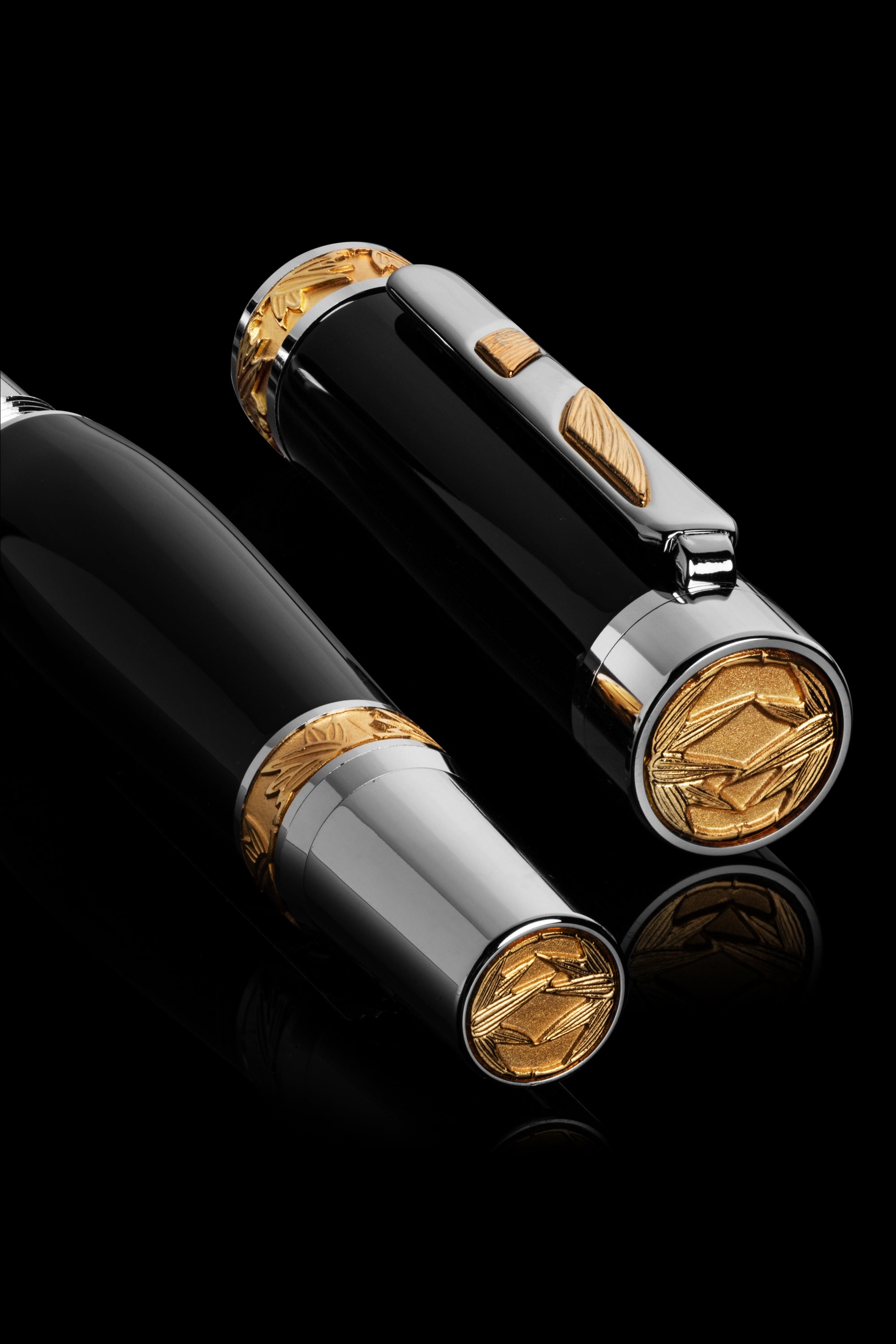

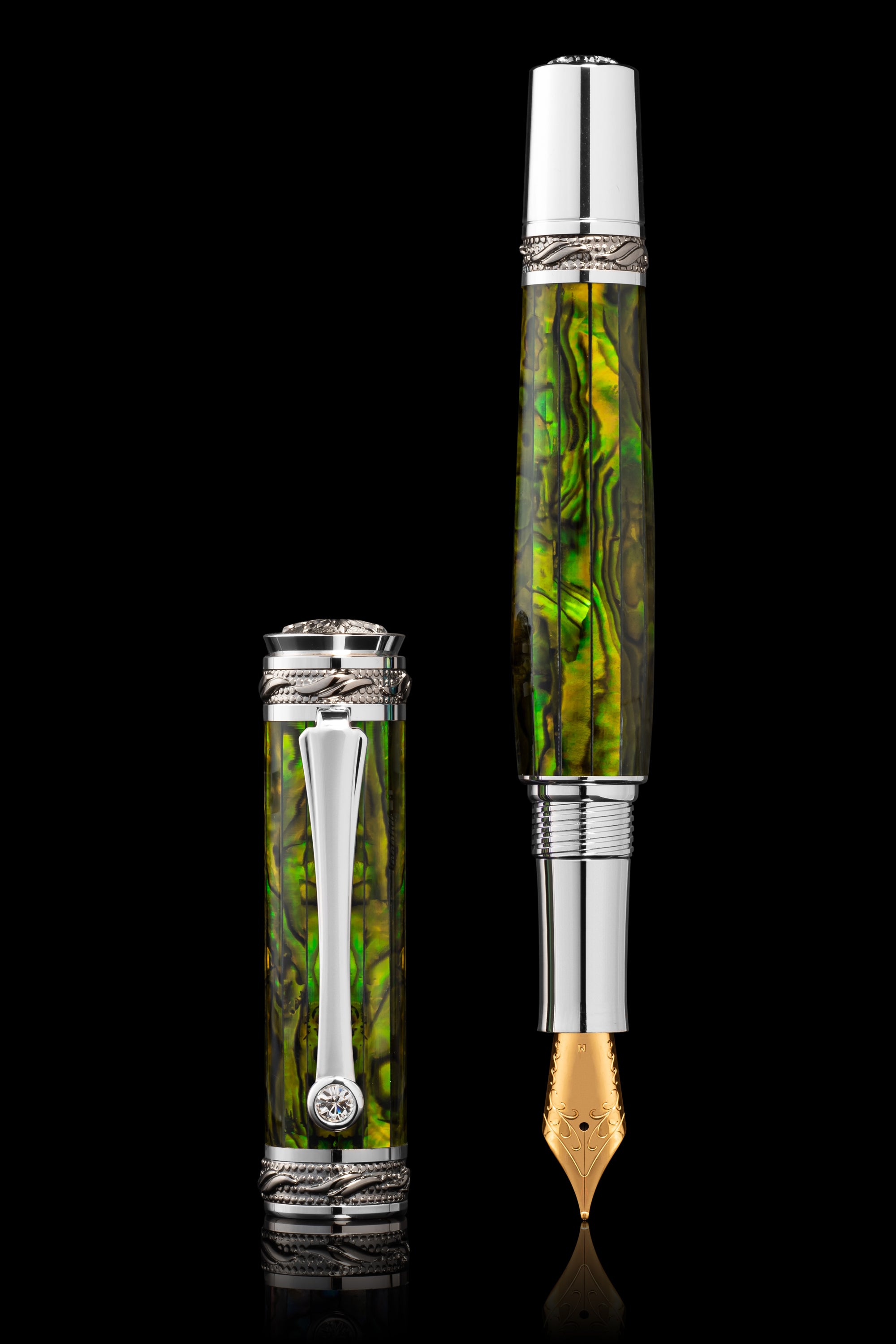
Executive Pens for Leadership, Signatures, and Business Milestones
Executive pens are not defined by price, trend, or brand recognition alone. They are defined by appropriateness—the quiet judgment to choose an object that matches the gravity of a moment. In leadership environments where decisions carry weight and actions signal intent, a pen becomes more than a writing instrument. It becomes a marker of responsibility.
An executive pen is used when something matters enough to be made permanent. Signing an agreement. Marking a transition into leadership. Recognizing achievement. Recording a decision that will be referenced long after the meeting ends. These moments demand tools that convey presence without excess and confidence without display.
Unlike casual writing instruments, executive pens are chosen deliberately. They are not impulse purchases or decorative accessories. They are selected because they feel right in hand, look appropriate on the table, and hold up over time—both physically and symbolically. The pen does not compete for attention; it supports the moment.
In professional settings, especially at senior levels, details communicate standards. The choice of pen signals how someone approaches their work: with care, intention, and respect for what the moment represents. That is why executive pens continue to hold relevance even in a digital-first world. When everything else is temporary, the act of signing with a pen remains definitive.
At Pitchman, executive pens are framed not as status objects, but as anchors—objects tied to responsibility, leadership, and moments that deserve to be remembered. This page exists to clarify what makes a pen appropriate for executive use, and when it is the right choice.
What Defines an Executive Pen
Not every well-made pen is an executive pen. Appropriateness is shaped by several criteria that go beyond appearance or mechanics.
Presence Without Excess
An executive pen should feel substantial without being showy. It commands attention quietly, through balance and proportion rather than ornamentation. It looks correct in a boardroom, a signing ceremony, or a private office.
Balance and Intention
How a pen feels in the hand matters. Executive pens are chosen for control and comfort during meaningful writing—not hurried notes. The experience of writing should feel steady and composed, reinforcing the importance of the act itself.
Permanence
Executive pens are expected to last. Not just physically, but symbolically. They are often kept, referenced, or passed down. Materials, construction, and craftsmanship matter because the moment they represent does not fade.
Meaning Beyond Mechanics
Ink delivery and pen style matter, but they are secondary to intention. What matters most is why the pen is being used. Executive pens are selected because they align with moments of leadership, recognition, or transition.
Appropriateness to the Moment
A pen that is perfect for daily notes may not be appropriate for a promotion, signing, or recognition event. Executive pens are chosen with the moment in mind, not convenience alone.
Executive Contexts Where the Pen Matters
Executive pens are not defined by category, but by context.
They are often selected for:
-
Leadership promotions and role transitions
-
Executive recognition or milestone achievements
-
Deal signings and formal agreements
-
Board appointments or closing moments
-
Personal use by leaders who value intentional tools
In these moments, fountain and rollerball pens are often favored—not because of tradition alone, but because they slow the act of writing and reinforce deliberateness. The pen becomes part of the ritual, not just the outcome.
An executive pen is not about writing more—it is about writing with intention.
Why Pitchman
Handcrafted in the United States
Each Pitchman pen is individually crafted using carefully chosen materials and finished by hand. Nothing is mass produced. Every pen reflects a deliberate standard of care.
Trusted by Clients Worldwide
Pitchman Pens have been selected by customers across North America, Europe, Asia, and Australia to mark moments that matter.
Secure International Ordering
Encrypted checkout, protected payments, and careful packaging ensure your pen arrives safely—wherever you are in the world.
White-Glove Presentation
Every Pitchman pen arrives in our signature gift box, thoughtfully prepared for presentation, protection, and long-term ownership.
Handcrafted for Long-Term Ownership
Each pen is crafted for enduring use and backed against defects in workmanship.
Ongoing Care & Support
Questions, care, or service—our team remains available long after your pen is in use.