Executive gifts are evaluated differently than ordinary business gifts because they are interpreted as decisions, not gestures. At senior levels, leaders are accustomed to weighing context, consequence, and intent in everything they do. They apply that same discipline to what they receive. A gift becomes a signal of judgment—how well the giver understands role, hierarchy, and professional standards—rather than a simple expression of appreciation.
Unlike casual or mid-level business gifting, executive gifts operate in a narrow margin for error. What might be acceptable in other contexts can feel misaligned at the leadership level. An item that appears promotional, overly familiar, or poorly timed can quietly weaken credibility. These missteps are rarely addressed directly, but they are noticed, remembered, and factored into how the giver is perceived.
This is why executive gifting is less about creativity and more about clarity. The goal is not to surprise or impress, but to acknowledge responsibility, leadership, and trust. A well-chosen executive gift communicates that the giver understands the weight of the role and the expectations that come with it. A poorly chosen one introduces doubt about that understanding.
This page exists to provide decision guidance. It is not a list of ideas and not a catalog of products. It is a framework for choosing executive gifts with confidence by understanding how they are evaluated, what consistently works, and where mistakes commonly occur. When the decision is sound, the gift reinforces credibility rather than competing with it.
Decision Criteria
Appropriate executive gifts share a clear set of characteristics that distinguish them from general business or appreciation gifts. The first is role awareness. Executive gifts must acknowledge responsibility and leadership without leaning on personality or novelty. At senior levels, familiarity is not the objective; alignment is. The gift should feel appropriate to the position and the moment, signaling an understanding of hierarchy and expectation.
Permanence is another defining factor. Gifts that endure tend to carry more weight than items that are consumed, replaced, or forgotten. Longevity communicates stability and continuity—qualities associated with effective leadership. A lasting object remains present in an executive’s professional environment, reinforcing its message over time without repeated explanation or justification.
Function plays a critical role as well. Executives often value items that serve a clear purpose in their daily work. Functional gifts integrate naturally into professional routines, becoming part of meaningful moments rather than decorative afterthoughts. When usefulness and quality align, the gift feels deliberate and credible instead of ornamental.
Executives also evaluate what a gift suggests about the giver’s decision-making. A strong choice reflects consideration of context, audience, and consequence. It signals that the decision was made thoughtfully, with attention to professional standards rather than convenience or trend. The objective is not admiration, but respect earned through sound judgment.
Clarity is equally important. If a gift requires explanation to justify its relevance, it introduces uncertainty. Effective executive gifts are immediately understandable within a professional context. They support the occasion without drawing attention to themselves, allowing the recognition to remain the focus.
Not all executive gifts serve the same purpose. Some moments call for recognition, others for gratitude, and a few mark a fundamental shift in responsibility. One of the most significant is a first executive promotion — a transition that signals trust and long-term leadership rather than achievement alone. In those cases, the goal is not celebration but legitimacy. For guidance on choosing appropriately for this specific moment, see our page on First Executive Promotion, which outlines when a gift reinforces authority — and when it quietly undermines it.
Finally, appropriate executive gifts feel proportionate. They neither overreach nor underdeliver. Proportion signals maturity in decision-making and an understanding of balance—an attribute executives value highly.
Boundaries: What Not to Give
Many executive gifts fail because they cross boundaries that may not be explicitly stated but are clearly understood at senior levels. Promotional items are among the most common missteps. When logos or branding dominate, attention shifts away from the recipient and toward the giver. This reframes the gesture as transactional, undermining its intent and credibility.
Consumables introduce another layer of risk. Food, alcohol, or novelty items are temporary by nature and often intersect with personal preferences, organizational policies, or cultural considerations. Their short lifespan limits their ability to convey lasting recognition, and they can create discomfort rather than appreciation.
Trend-driven luxury presents a different challenge. Items chosen primarily for popularity or fashion can age quickly, reflecting short-term thinking rather than judgment. Executives are accustomed to decisions intended to endure, and gifts tied to trends rather than standards often feel misaligned with leadership expectations.
Overly personal or playful gifts create additional problems. Assumptions about taste, humor, or familiarity can blur professional boundaries. At the executive level, gifts that imply closeness where none exists can feel inappropriate. When a gift introduces ambiguity about intent, it draws attention to the decision itself instead of the recognition behind it.
Gifts that lack clear purpose also tend to fail. Objects selected solely for display or novelty can feel disconnected from an executive’s daily reality. Without function or relevance, they struggle to justify their place in a professional environment.
In executive gifting, avoiding these boundaries is just as important as selecting the right category. A gift that creates no friction is often more effective than one that attempts to stand out.
When decision criteria and boundaries are clear, the range of appropriate options narrows naturally. In executive contexts, items that are functional, durable, and personally carried tend to align best with expectations. These objects integrate into professional life without demanding attention or explanation.
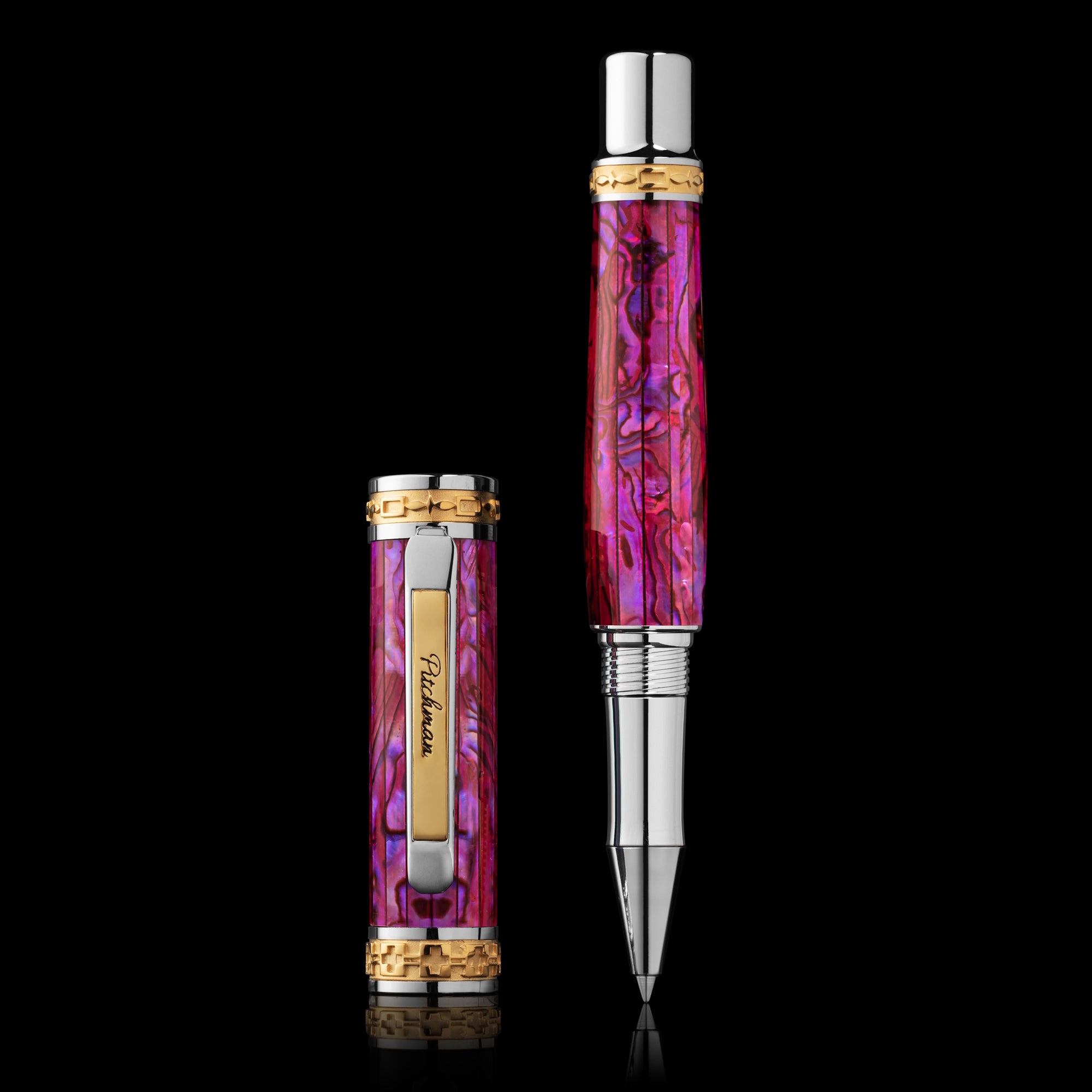
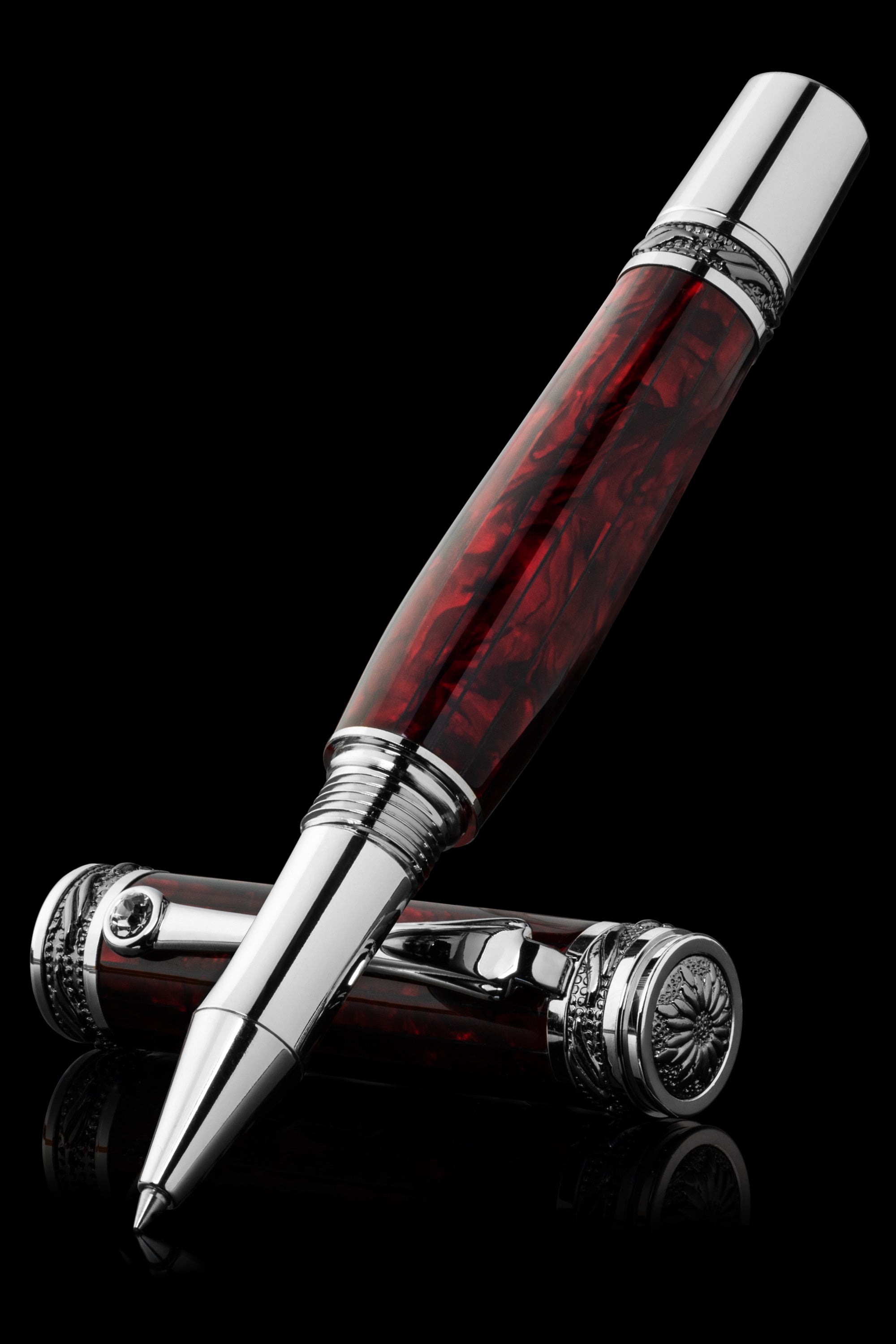
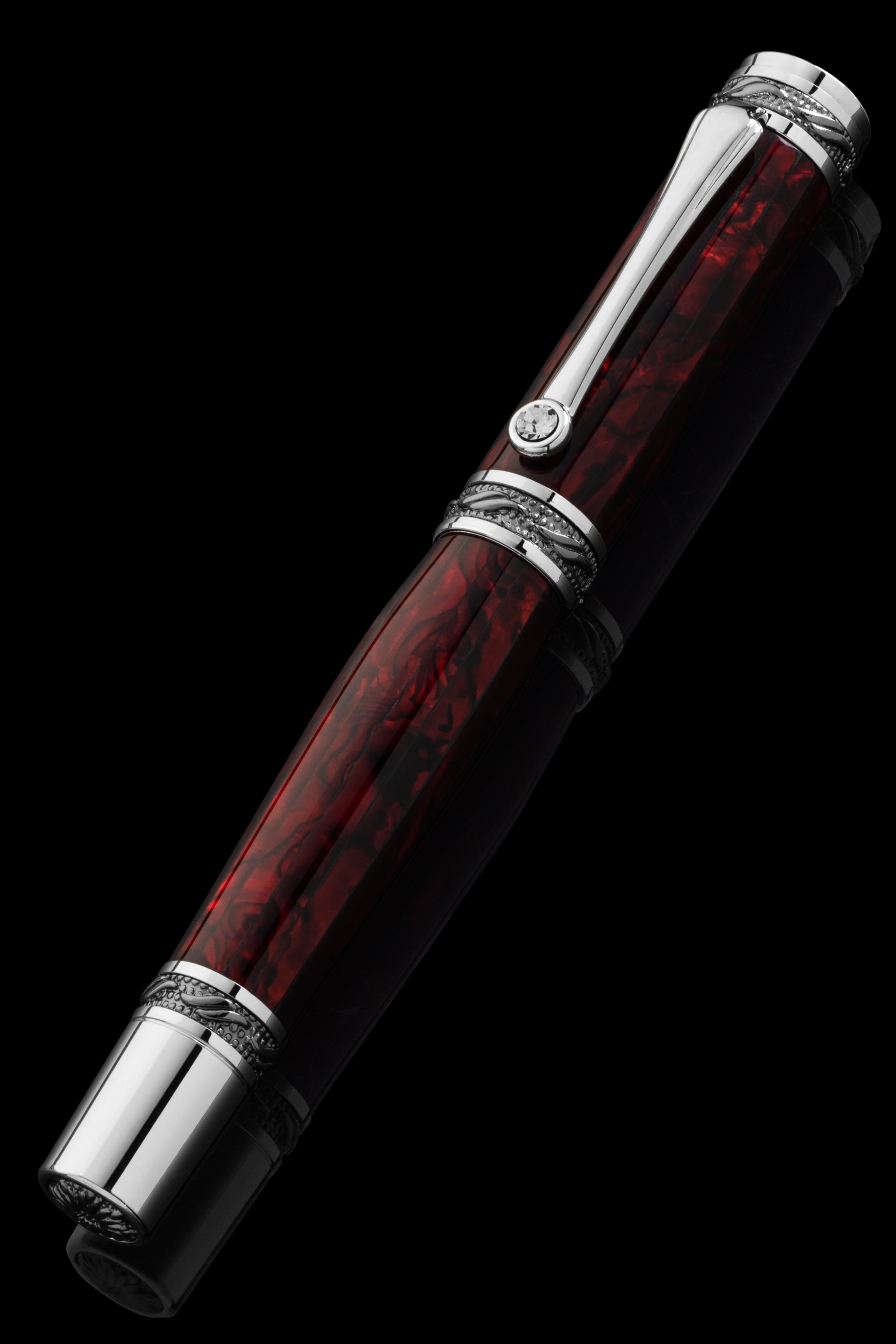
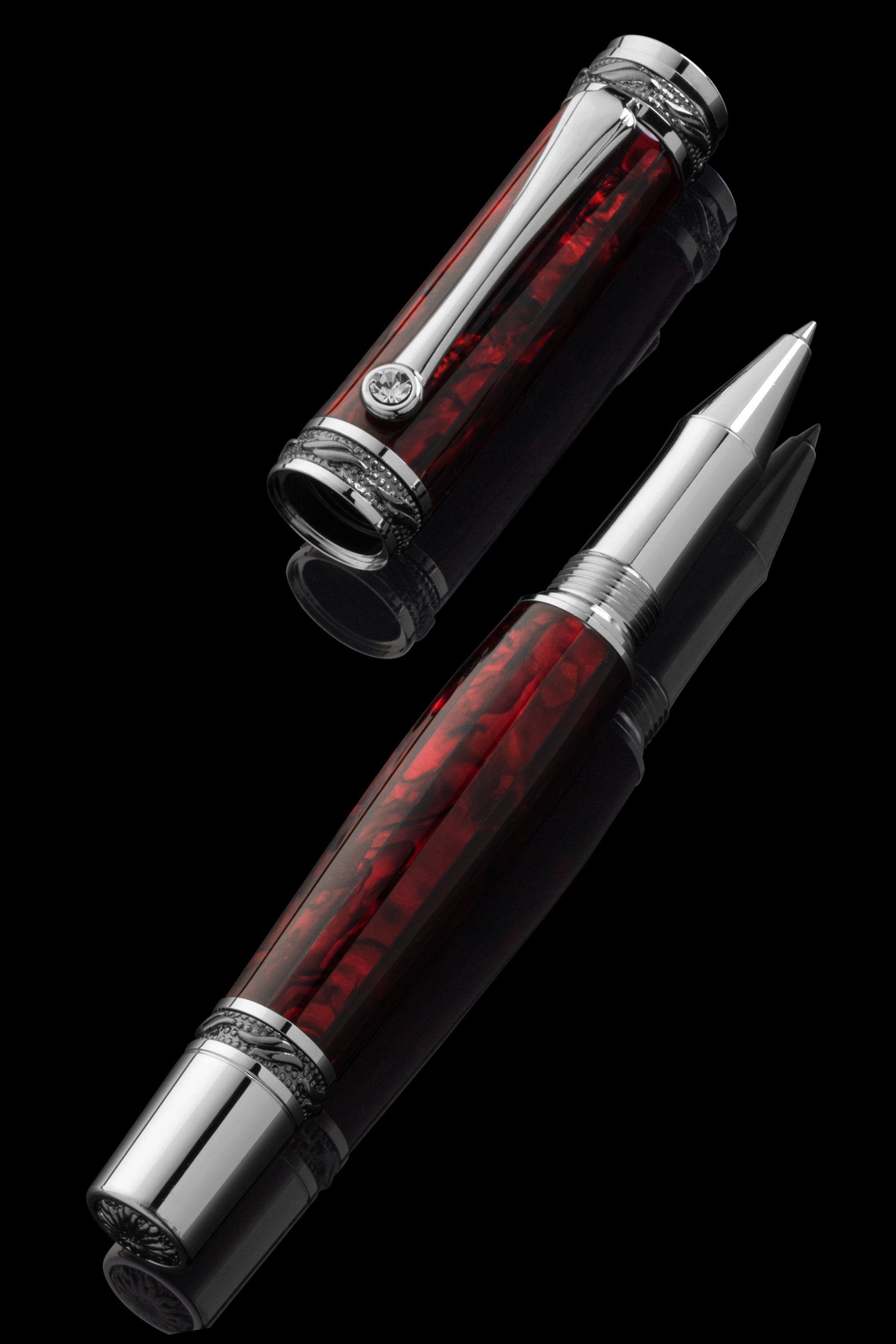
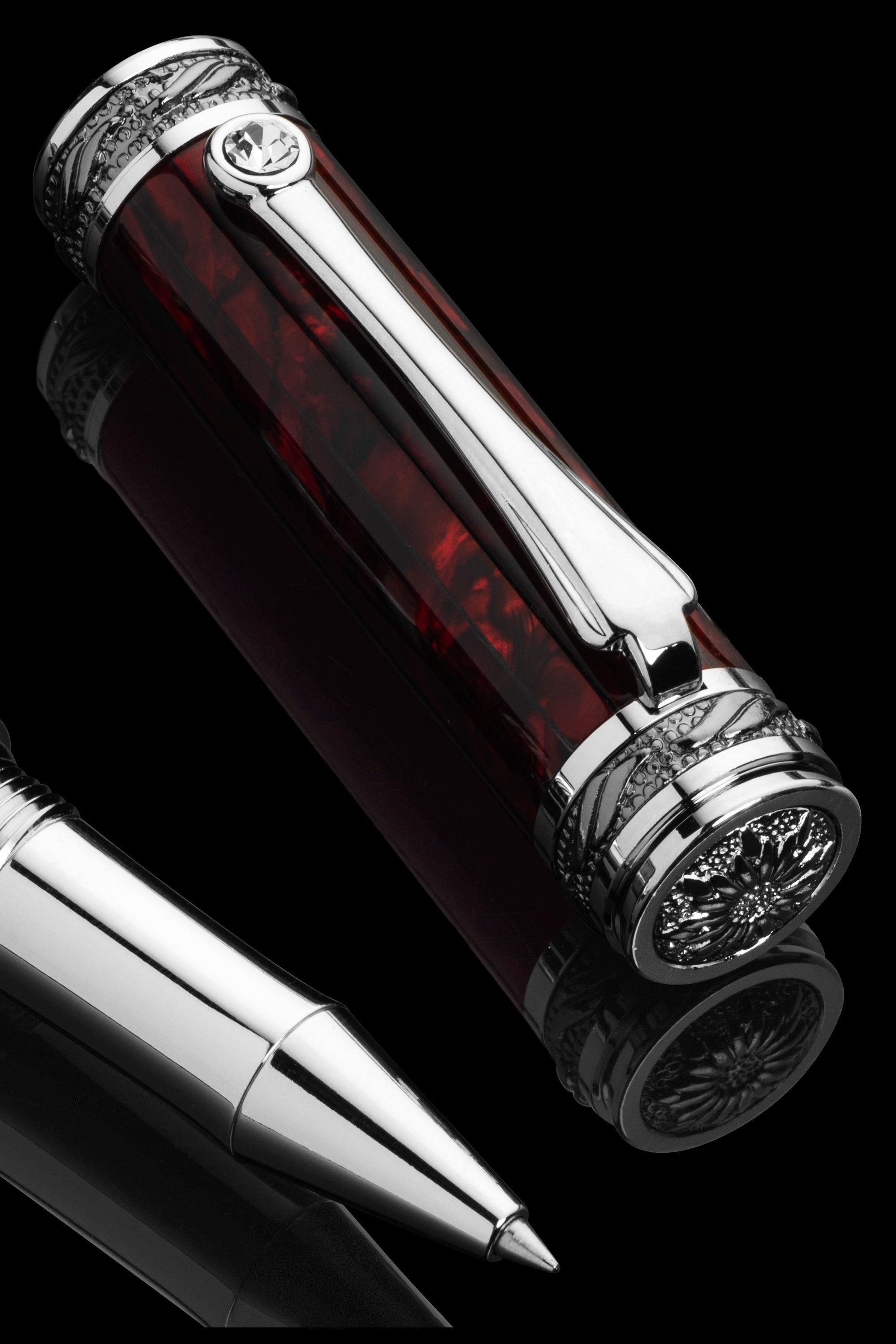
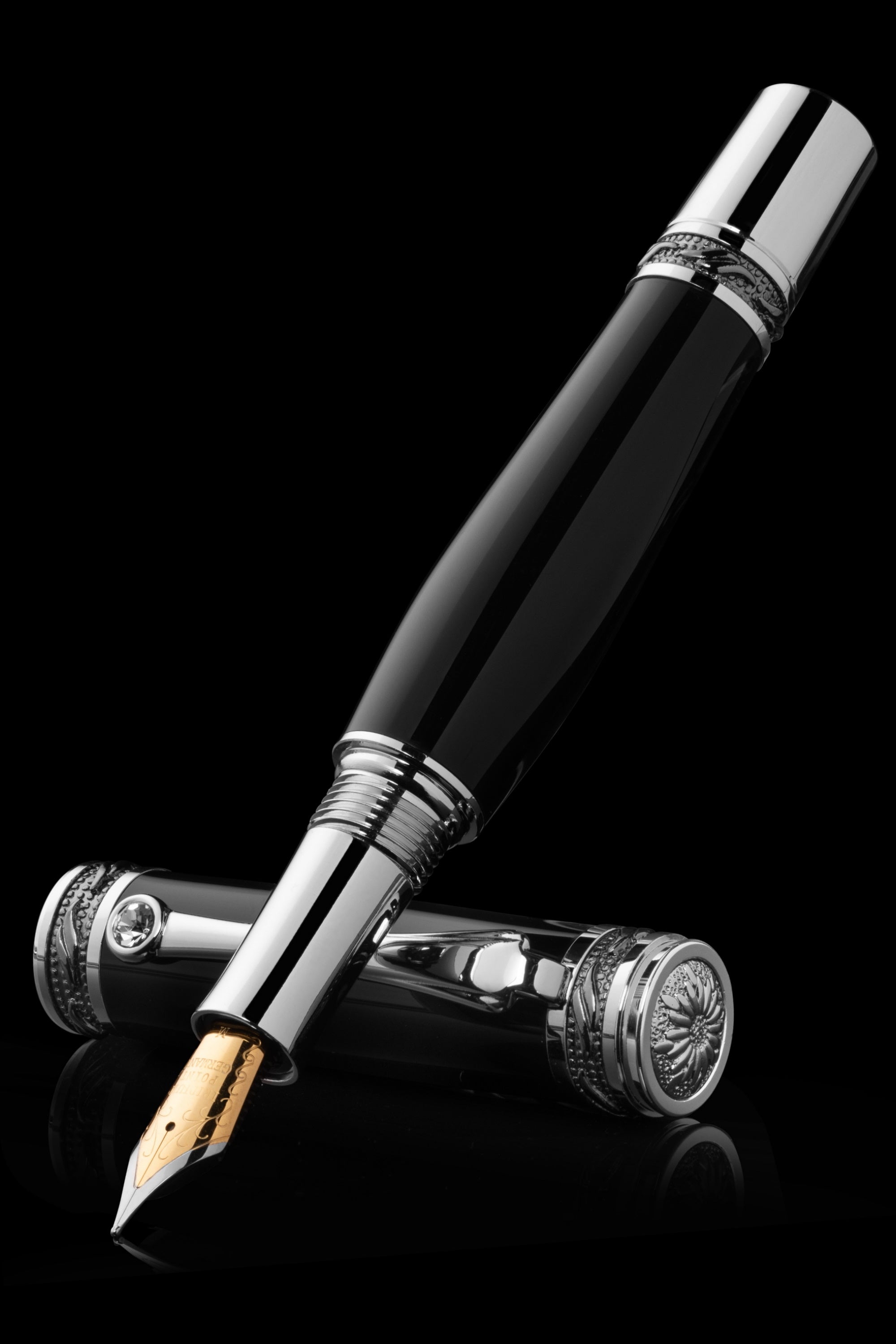
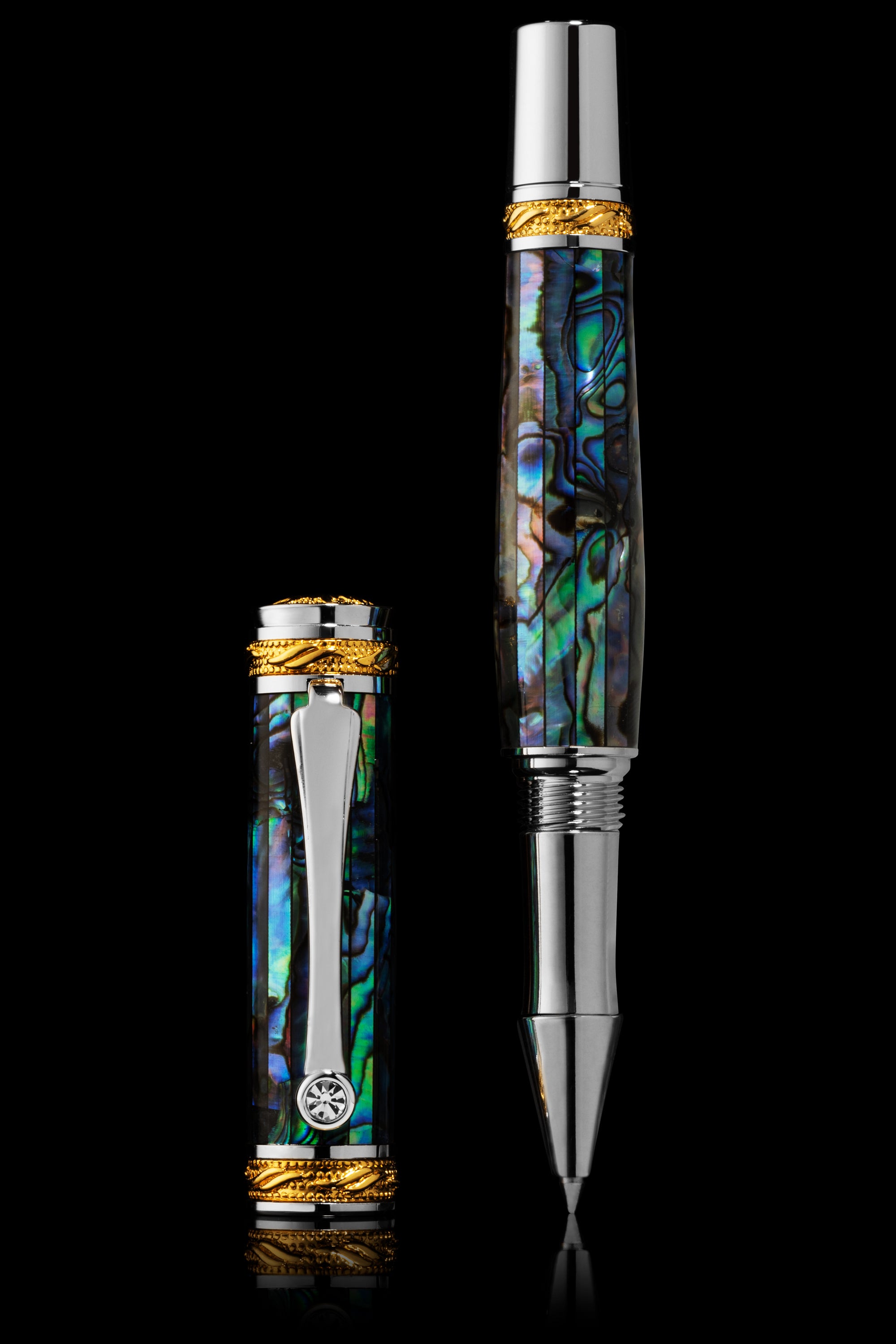
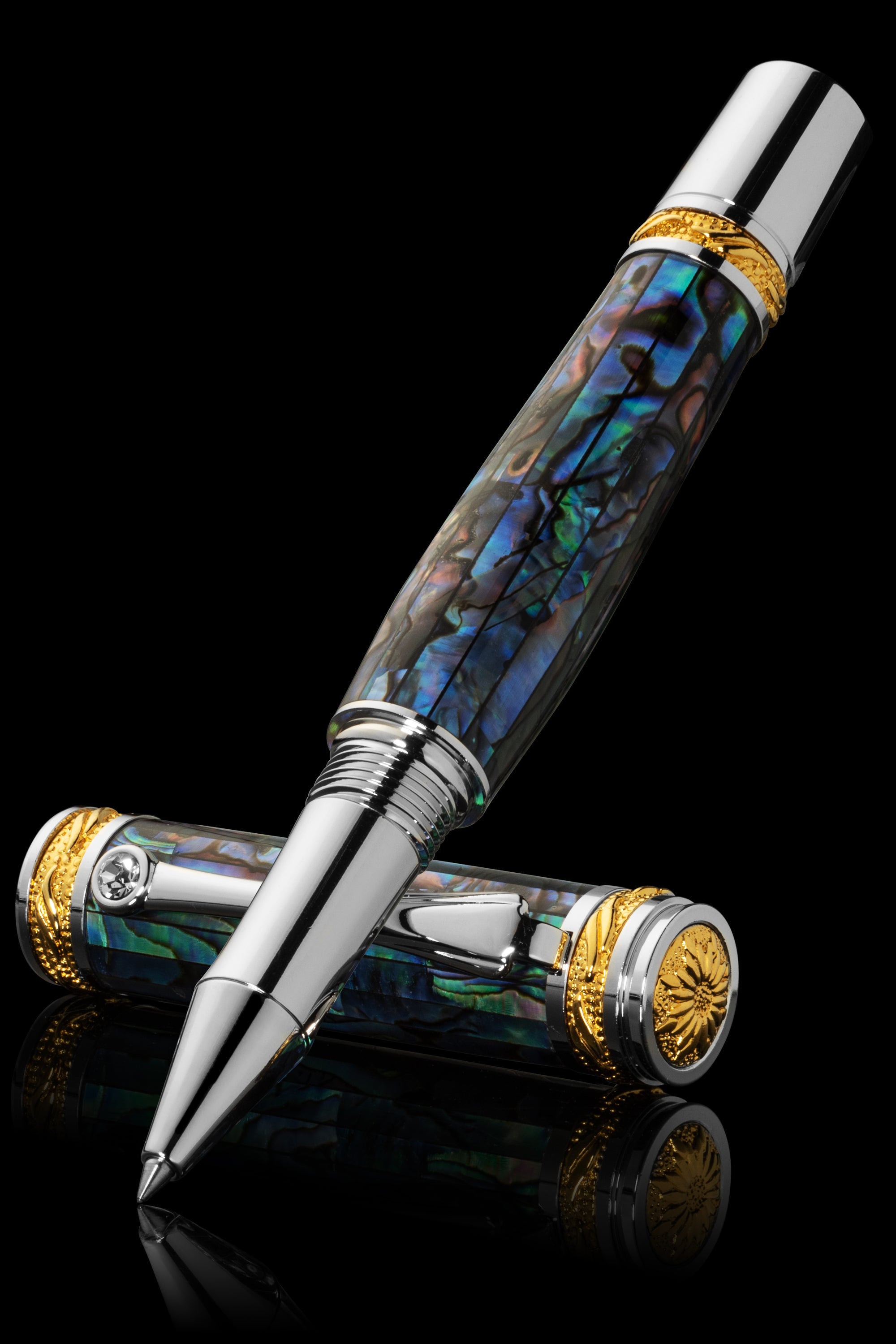
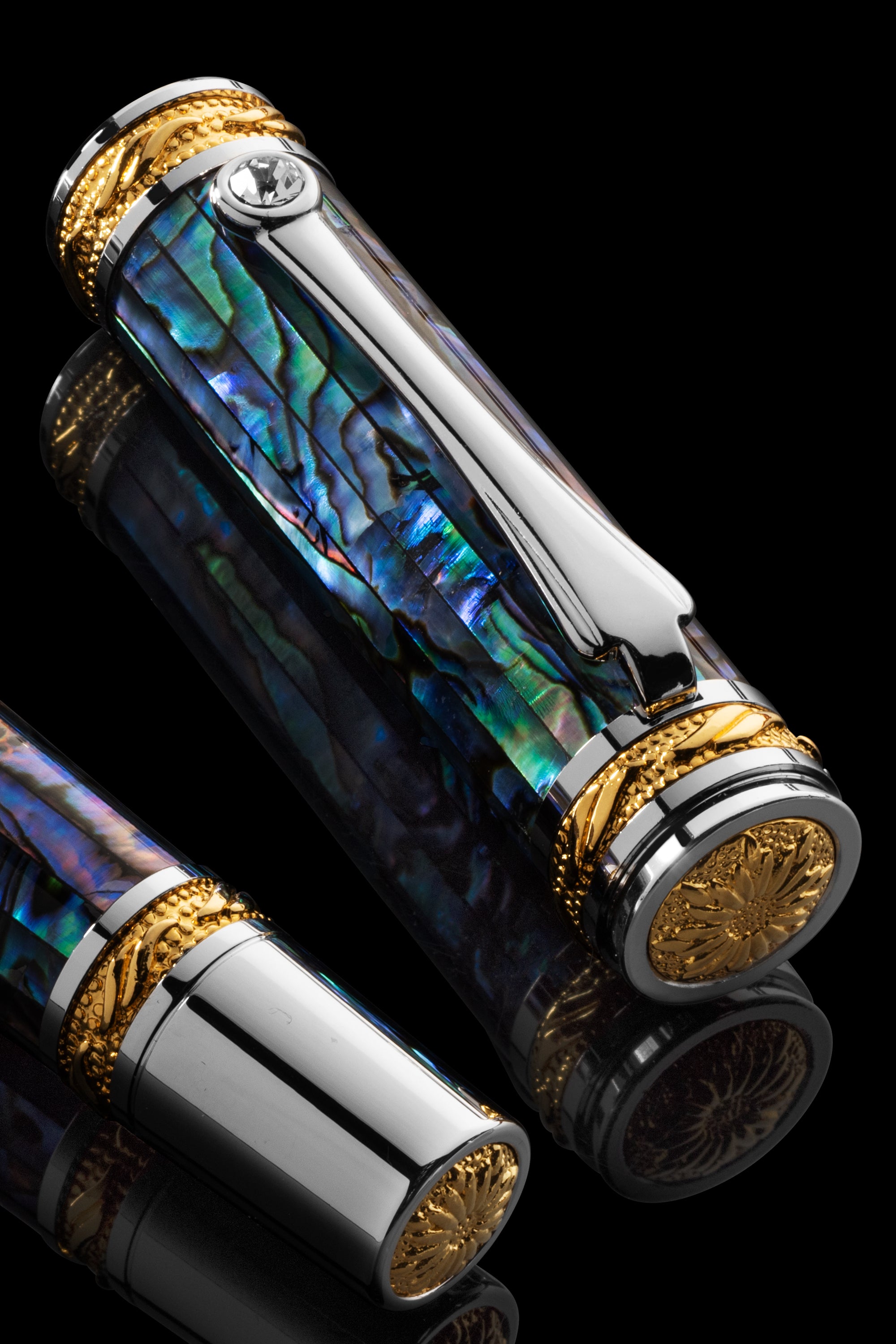
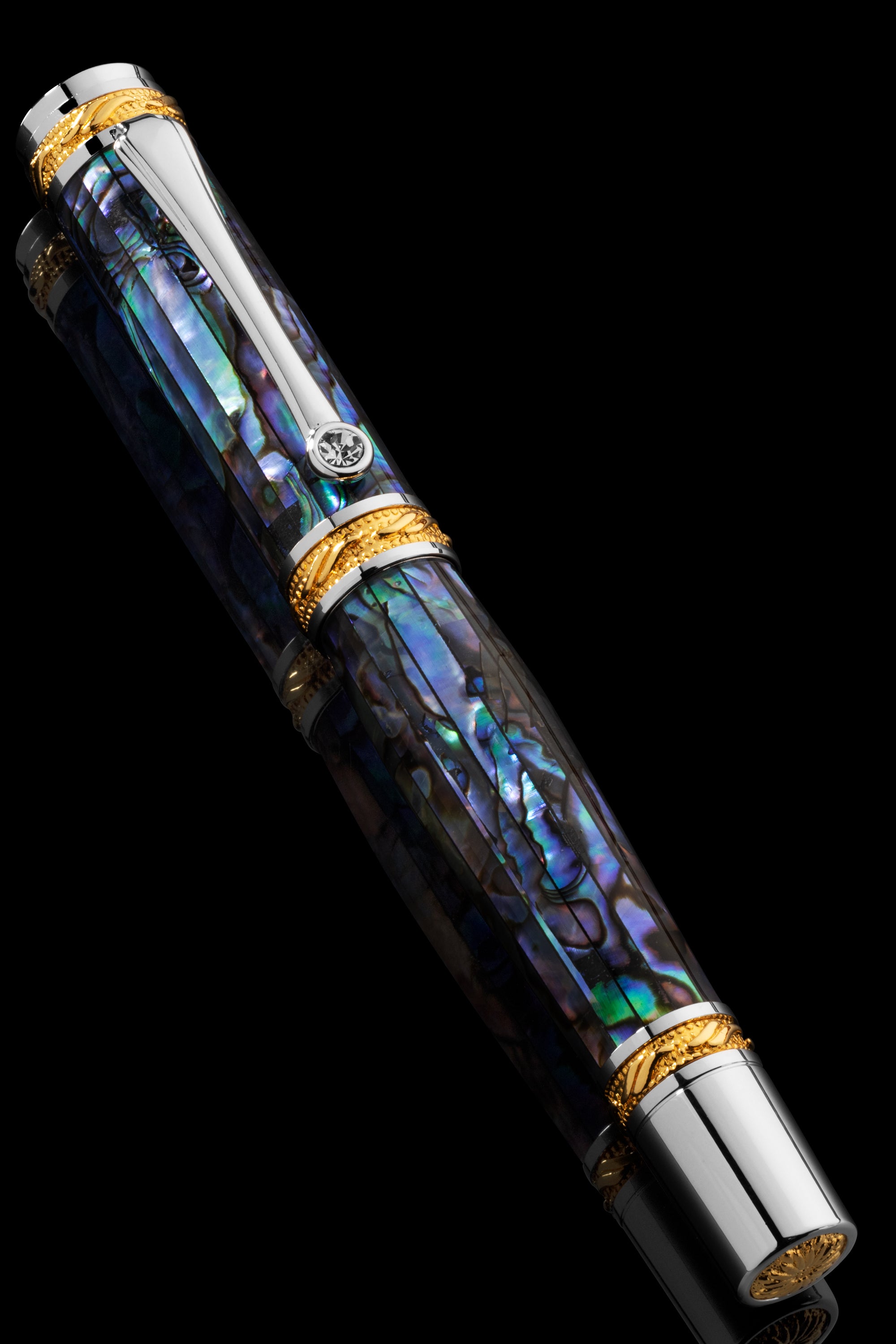
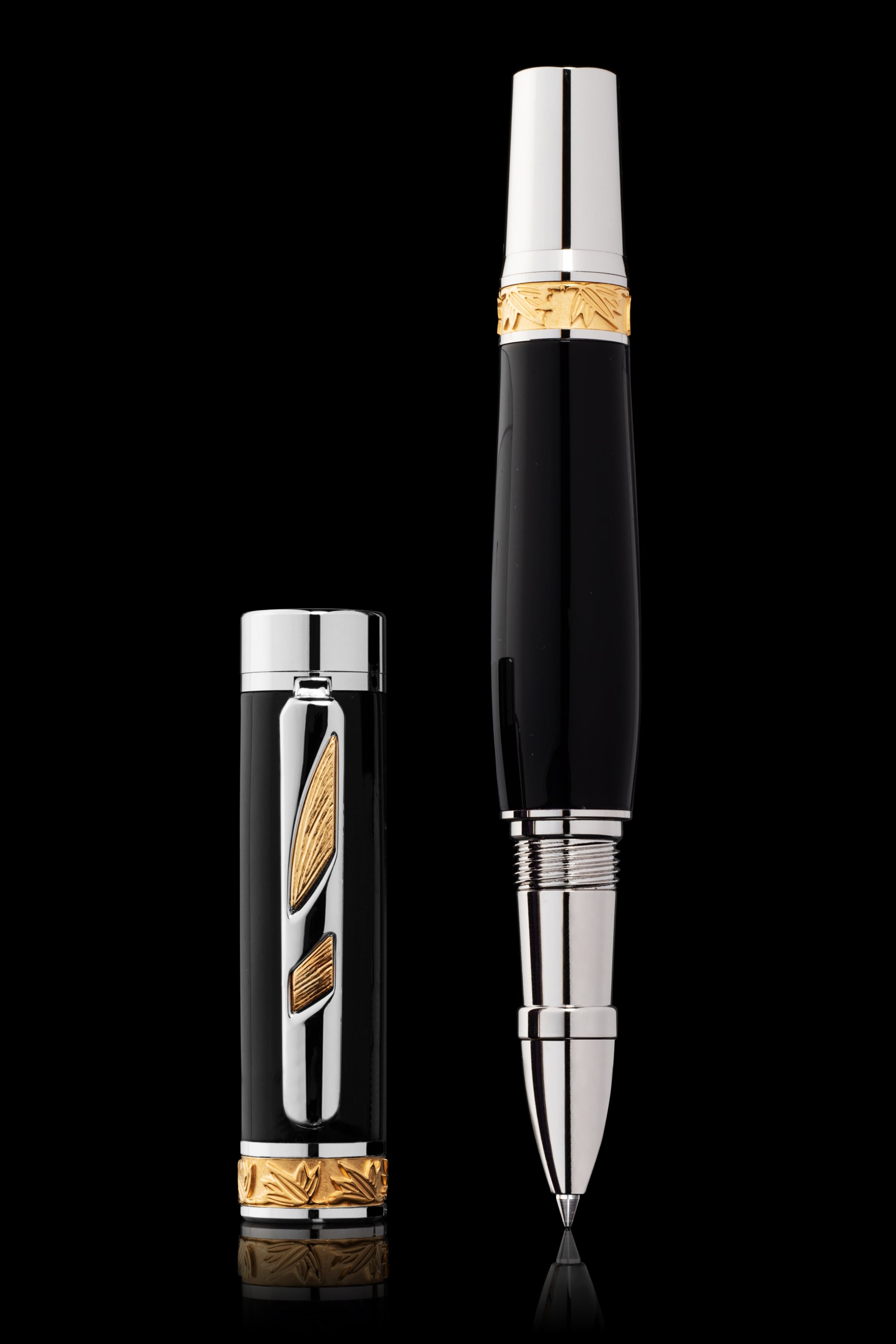
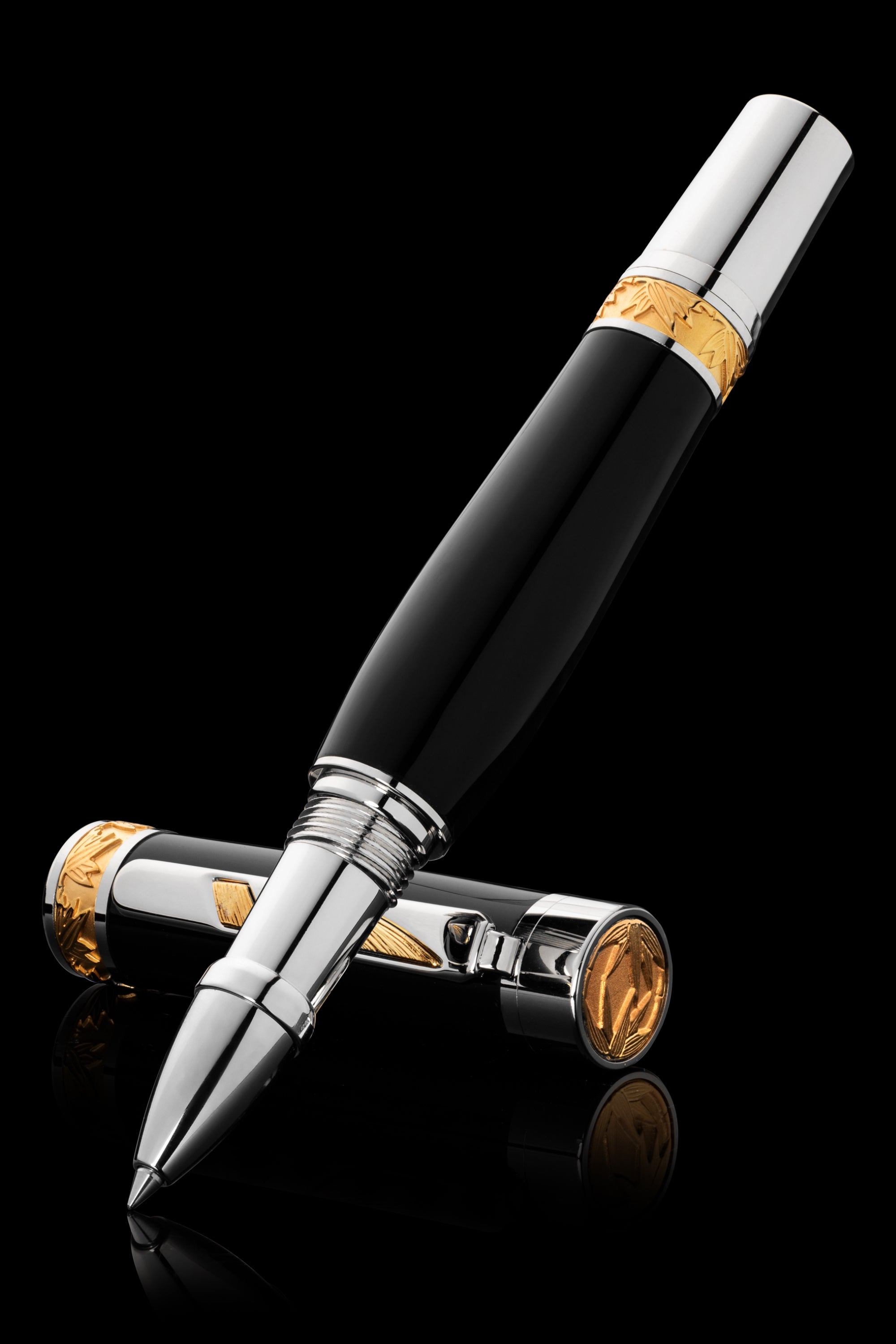
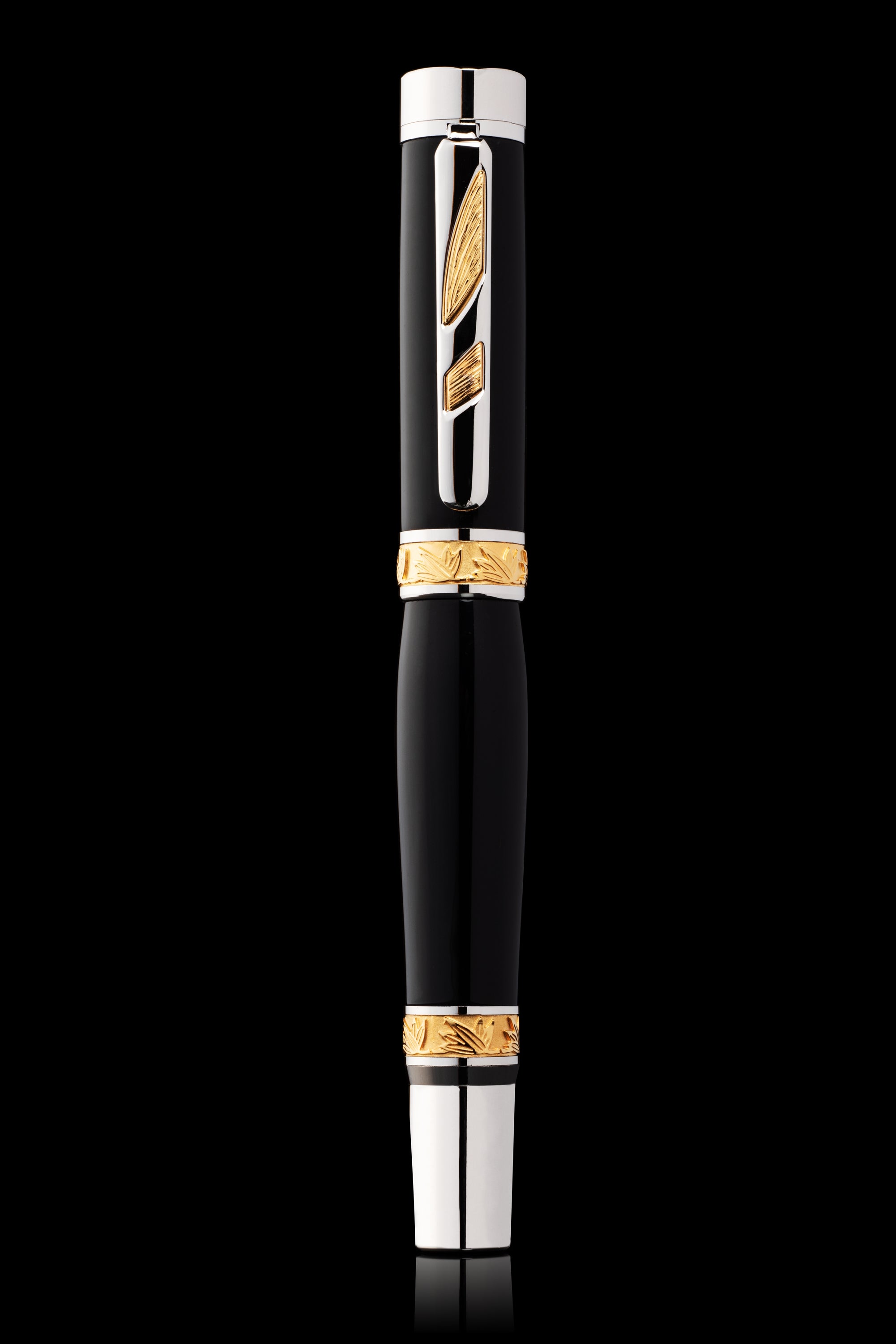
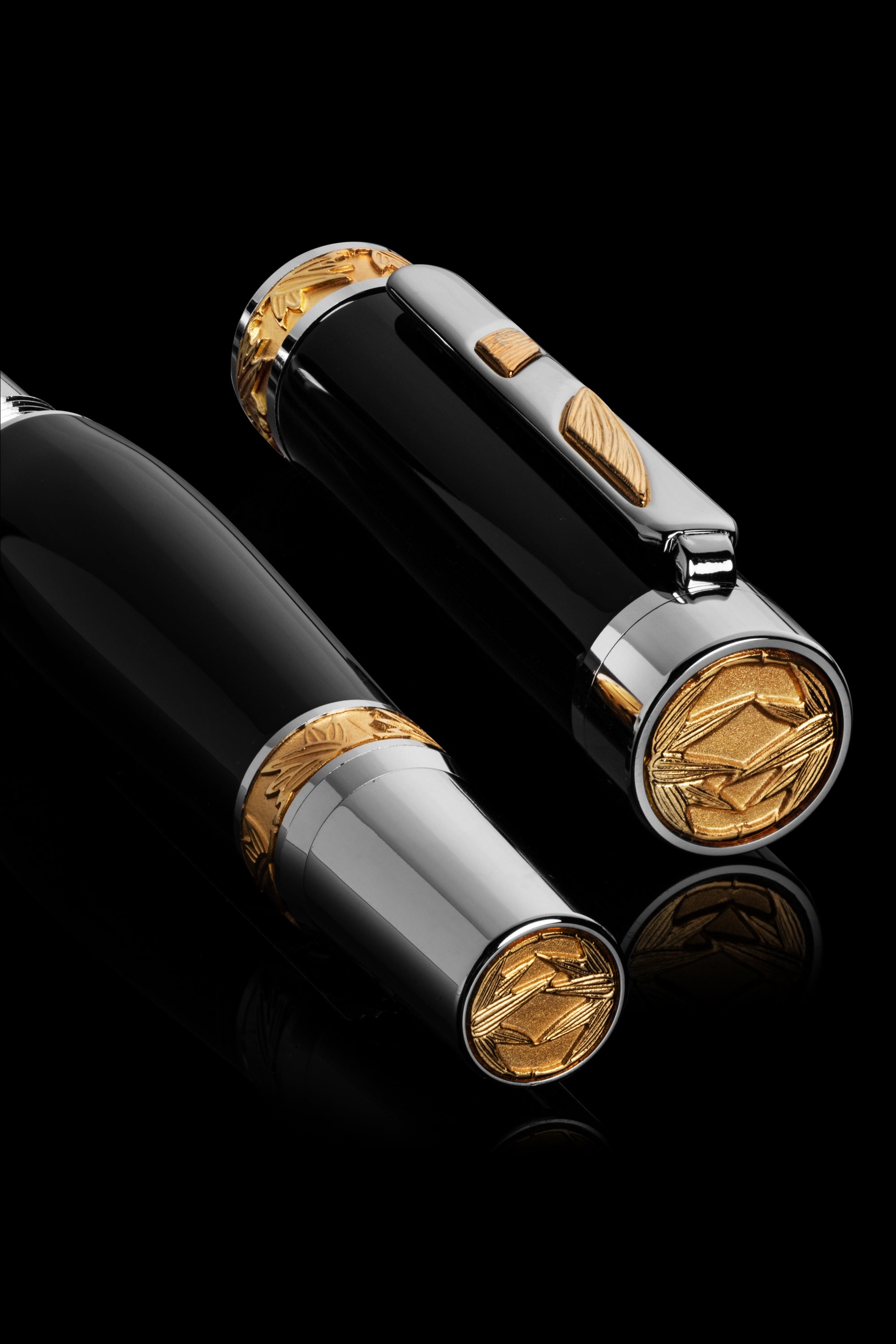
Writing instruments fall into this category because they are used in moments that matter: reviewing documents, signing agreements, recording decisions. They serve a defined purpose and endure over time, making them a practical option when permanence and professionalism are priorities. For those evaluating executive gifts, writing instruments can be considered as one appropriate solution among a small set of credible choices.
Need help choosing the right Pitchman for yourself or as a gift? Explore our guide to find your fit.