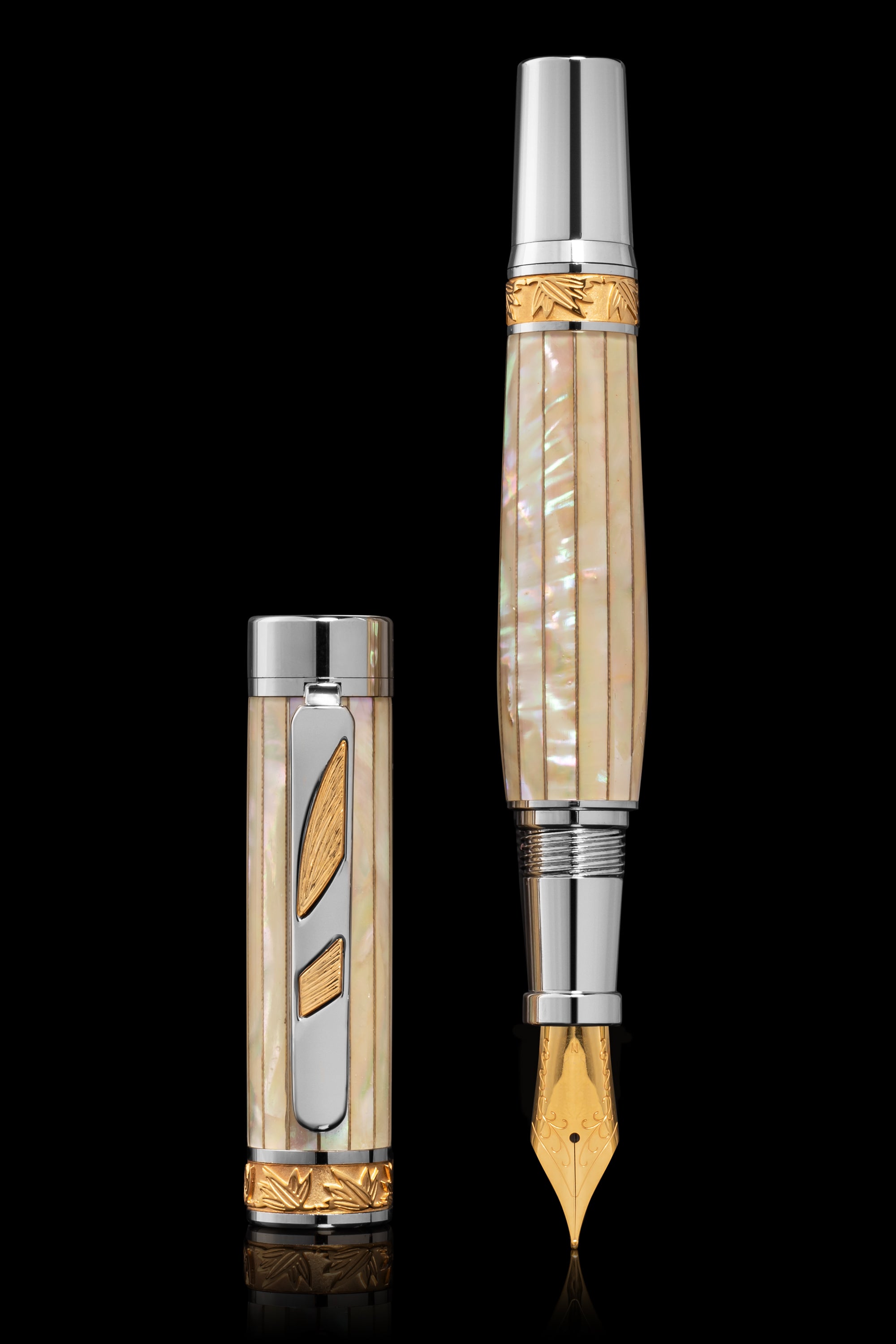
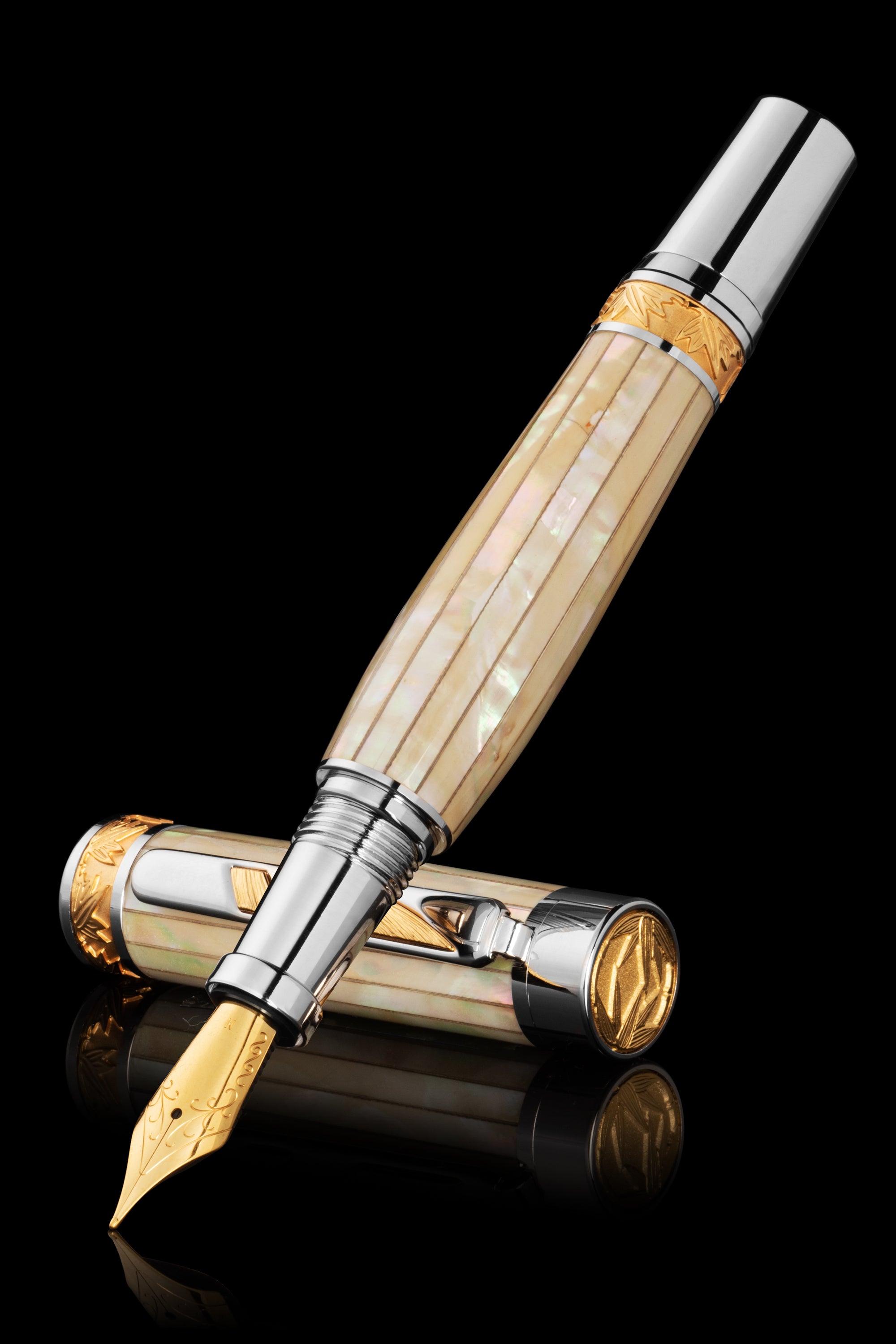
Honoring Authority, Continuity, and the Moment It Becomes Official
Signing ceremonies exist to mark moments of consequence. They formalize authority, confirm commitment, and preserve continuity—often in public view, sometimes for history itself.
At the center of these ceremonies is a single, defining act: the signature.
And at the center of that act is the pen.
A signing ceremony pen is not chosen casually. It is selected to reflect the gravity of the moment, the responsibility being assumed, and the permanence of what is being signed.
The Significance of Signing Ceremonies
Across cultures and centuries, signing ceremonies have been used to formalize agreements, transfer power, and legitimize authority. These moments are deliberate and symbolic by design. They slow time, focus attention, and signal that what follows carries lasting consequences.
From governmental appointments and judicial commissions to academic investitures and corporate leadership transitions, signing ceremonies serve one essential purpose: to make a decision public, official, and irreversible.
The pen used in these moments becomes part of the record—sometimes photographed, sometimes preserved, always remembered.
From Ancient Agreements to Modern Formality
The earliest signing ceremonies can be traced back to ancient civilizations where agreements were recorded and witnessed as binding acts. Over time, as parchment gave way to paper and seals gave way to signatures, the ceremony itself evolved—but its intent remained unchanged.
In medieval Europe, charters and decrees were signed and sealed to affirm authority. In modern governance, ceremonial signings accompany inaugurations, legislative actions, judicial appointments, and international agreements. In academic and military settings, similar rituals confirm rank, office, or status.
Across all of these contexts, the act of signing is never rushed—and the pen is never incidental.
Signing Ceremonies and the Role of the Signature Pen
While all signing ceremonies involve documentation, not all signatures carry the same weight. In ceremonial settings—where authority, continuity, and public trust are on display—the pen used becomes more than a writing instrument.
It becomes a signature pen: a pen reserved specifically for formal commitments and witnessed signings.
These pens are chosen for their presence, reliability, and symbolism. They are often set apart from everyday writing instruments and brought out only when the moment demands it.
Choosing the Right Pen for a Signing Ceremony
A pen used in a signing ceremony must balance elegance with absolute reliability. Several factors matter:
-
Visual presence – the pen should look appropriate in formal and public settings
-
Balance and control – steady handling supports deliberate, confident signatures
-
Consistent ink flow – ceremonial documents often allow only one opportunity
-
Material quality – finishes and construction should reflect the importance of the occasion
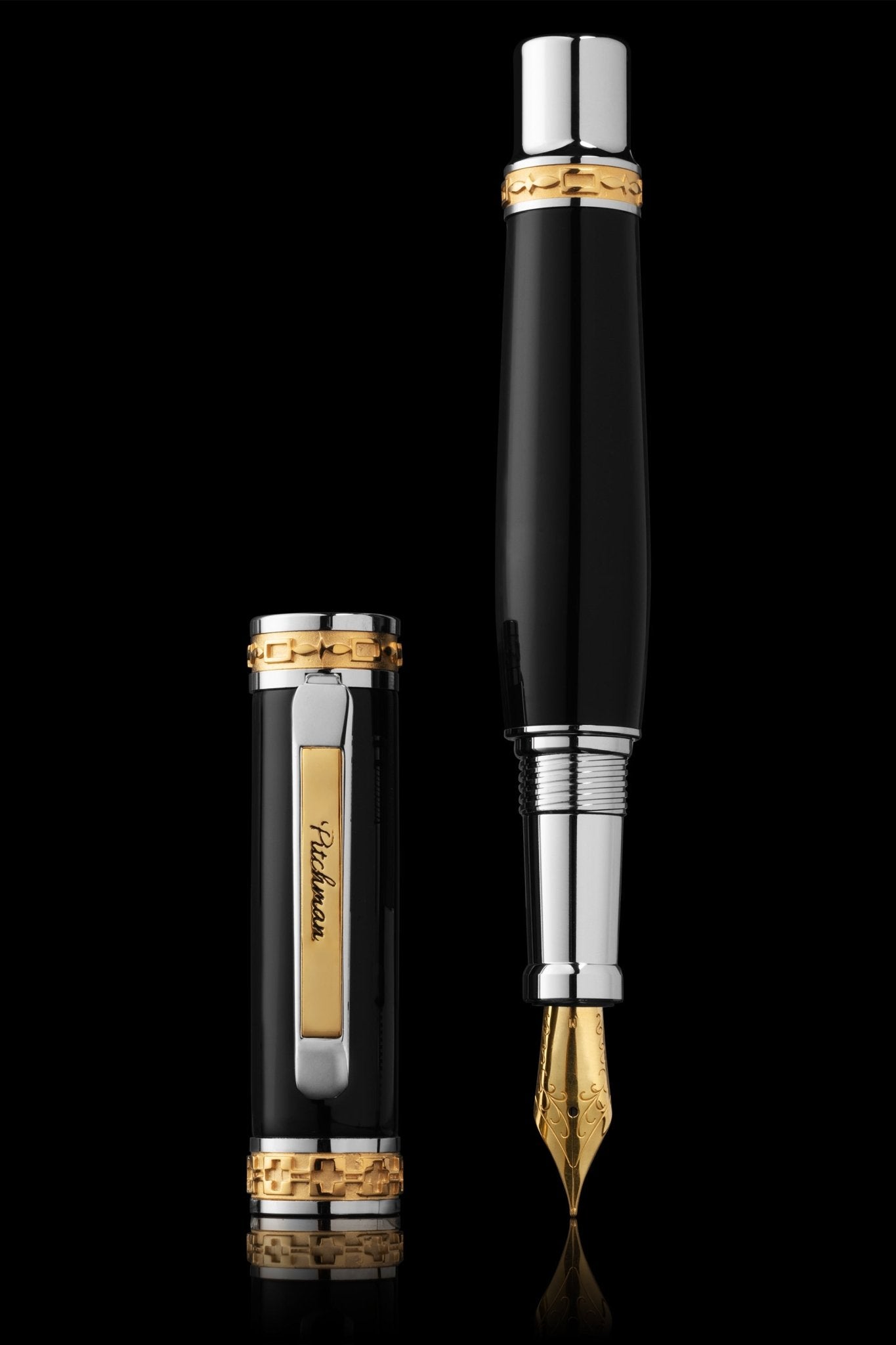
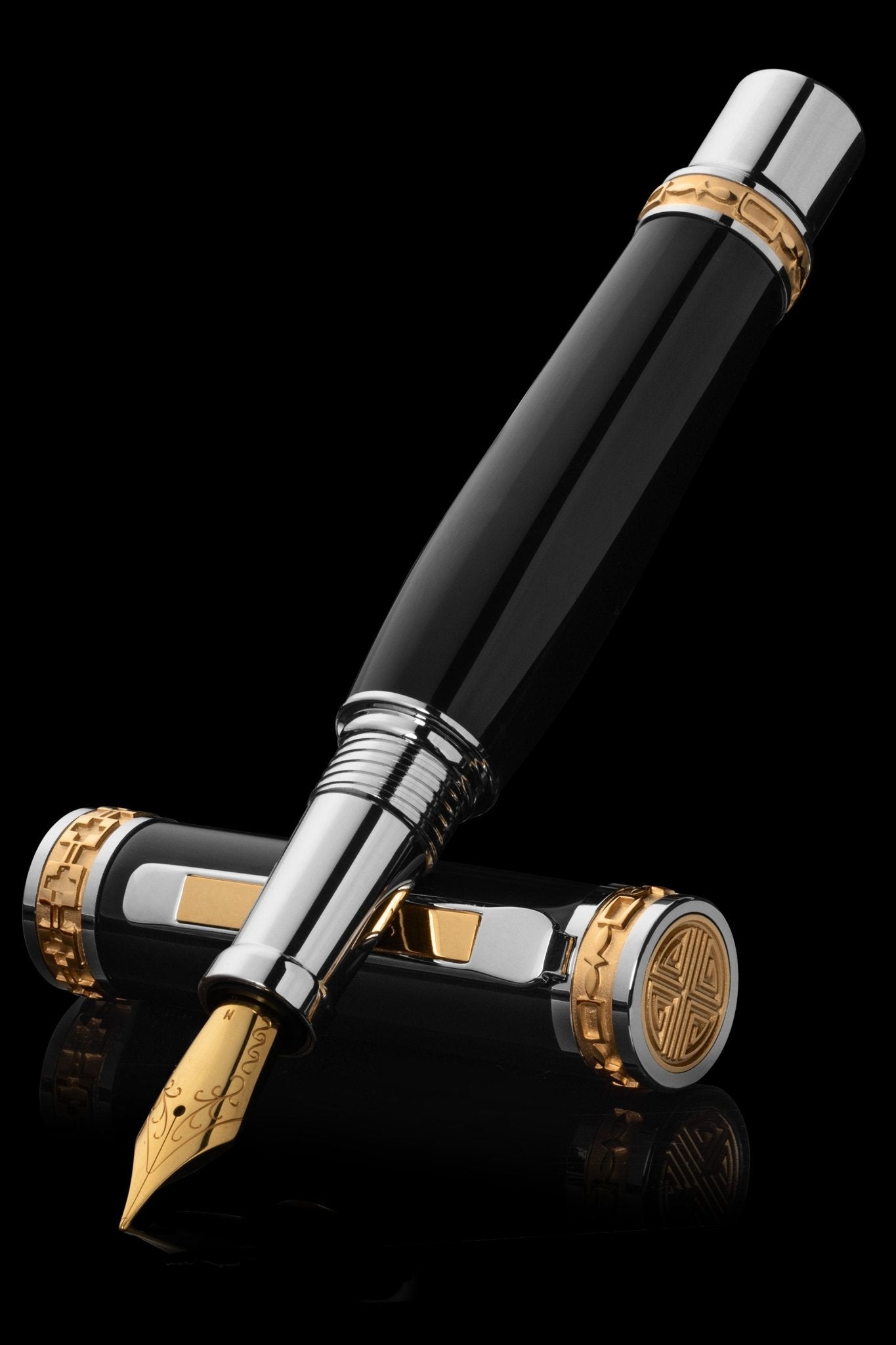
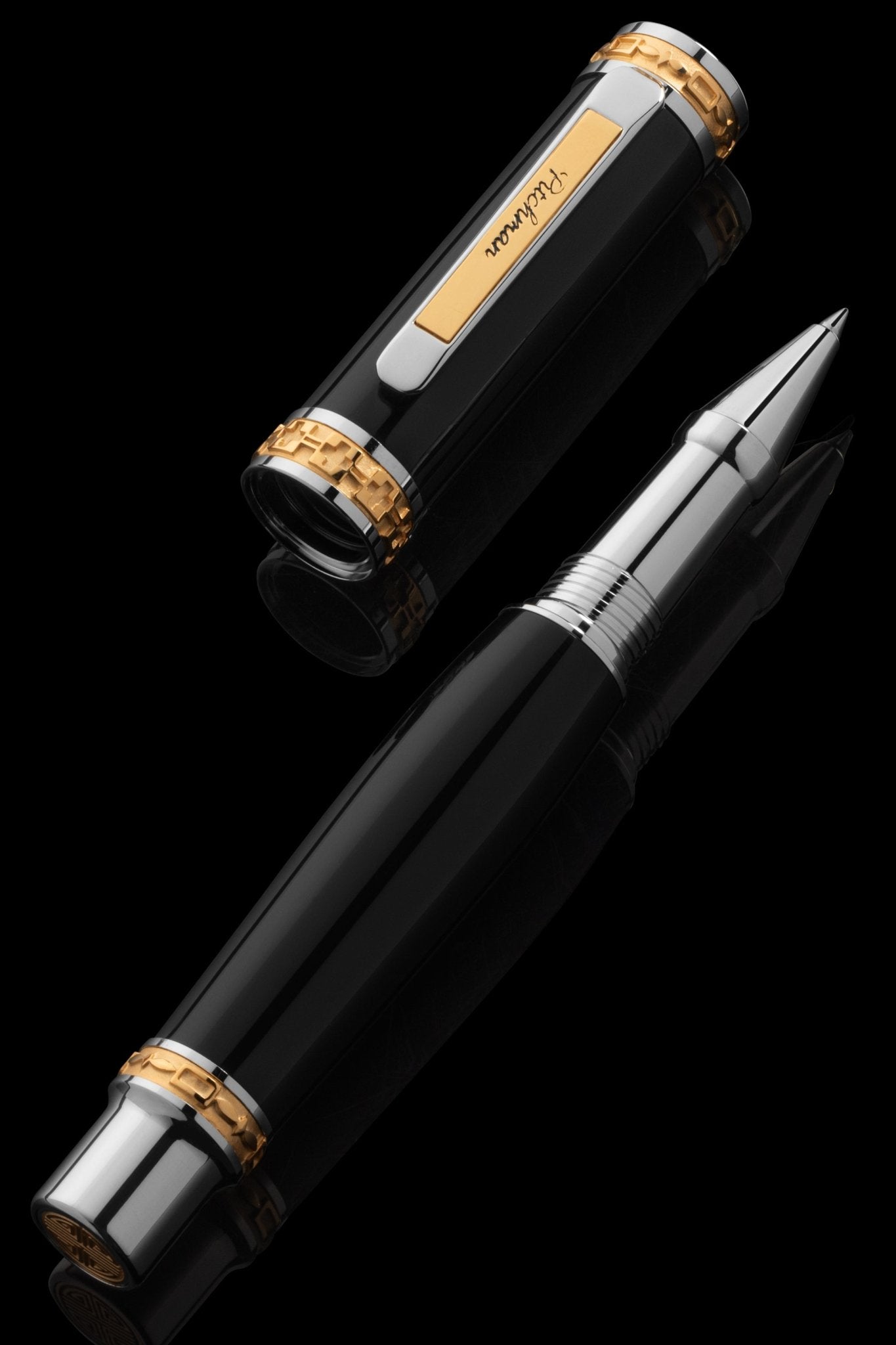
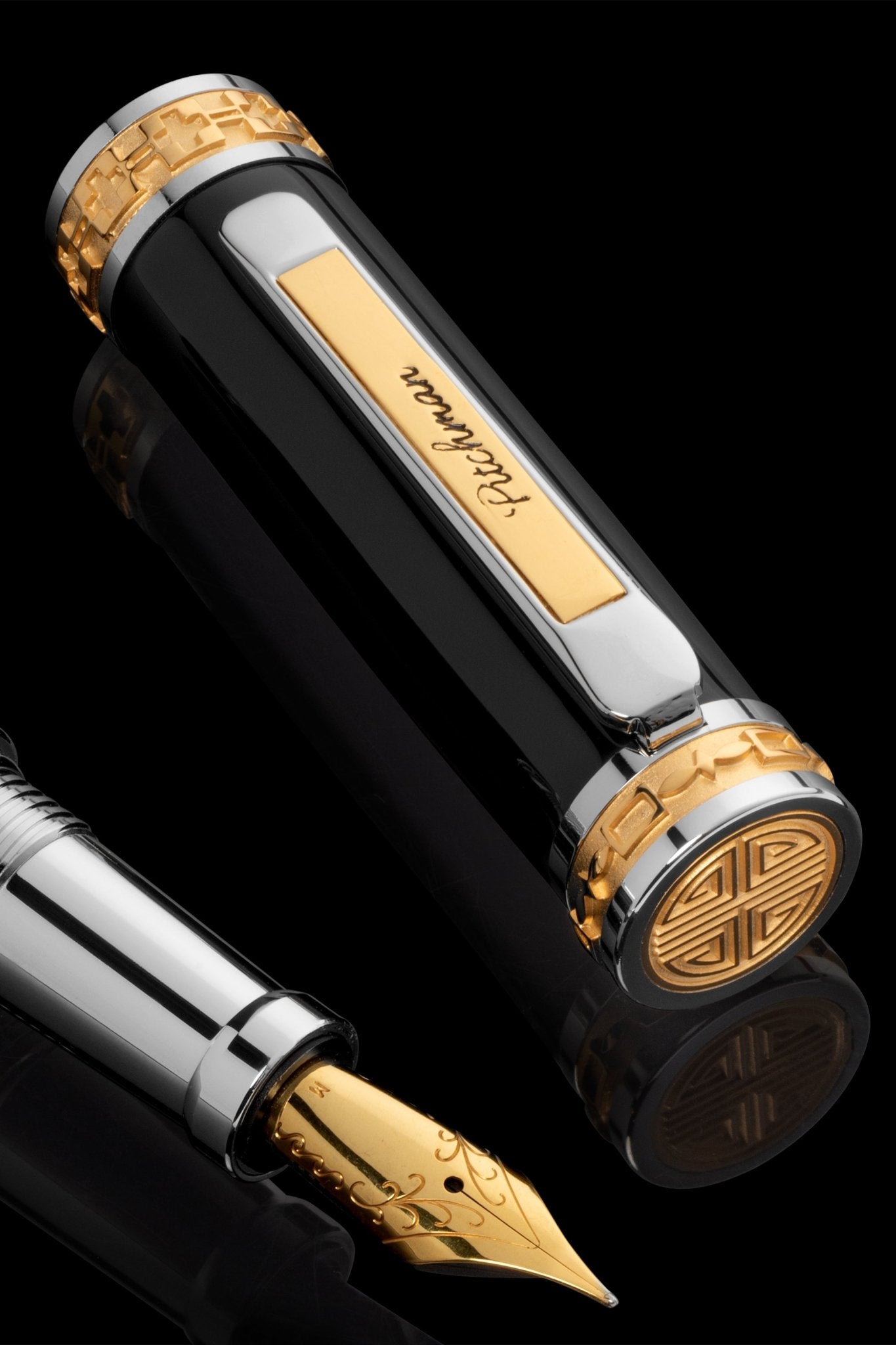
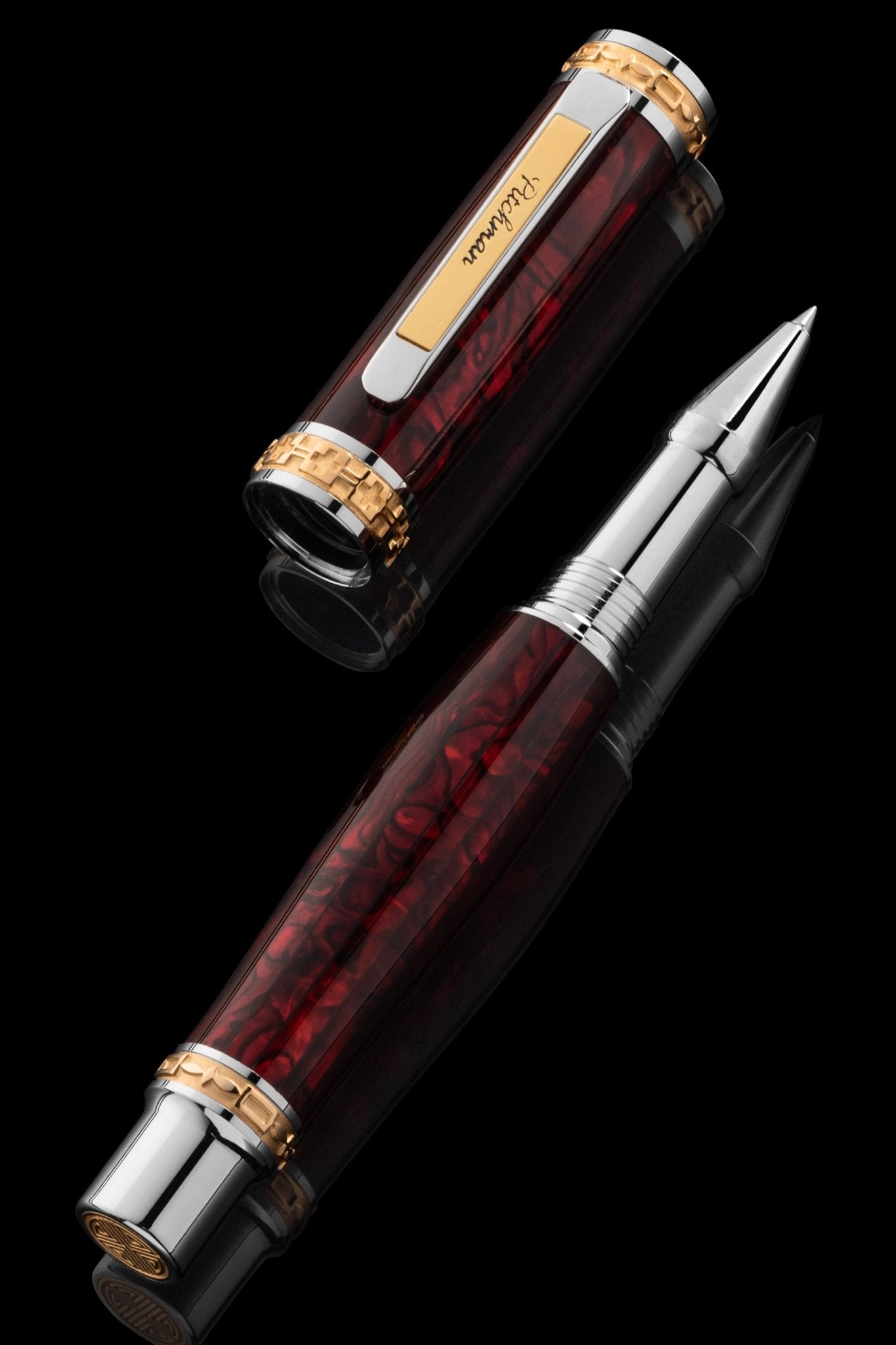
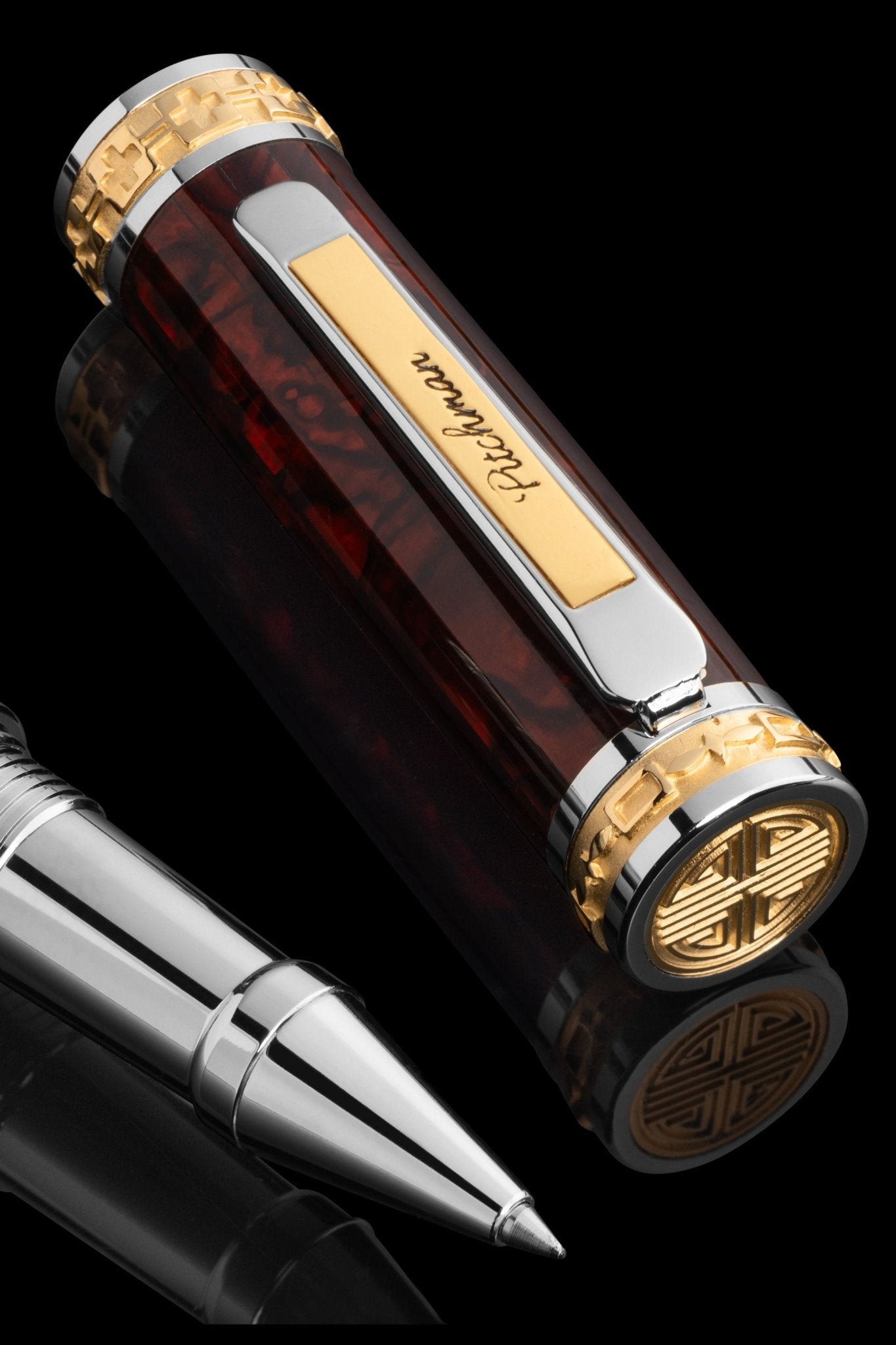
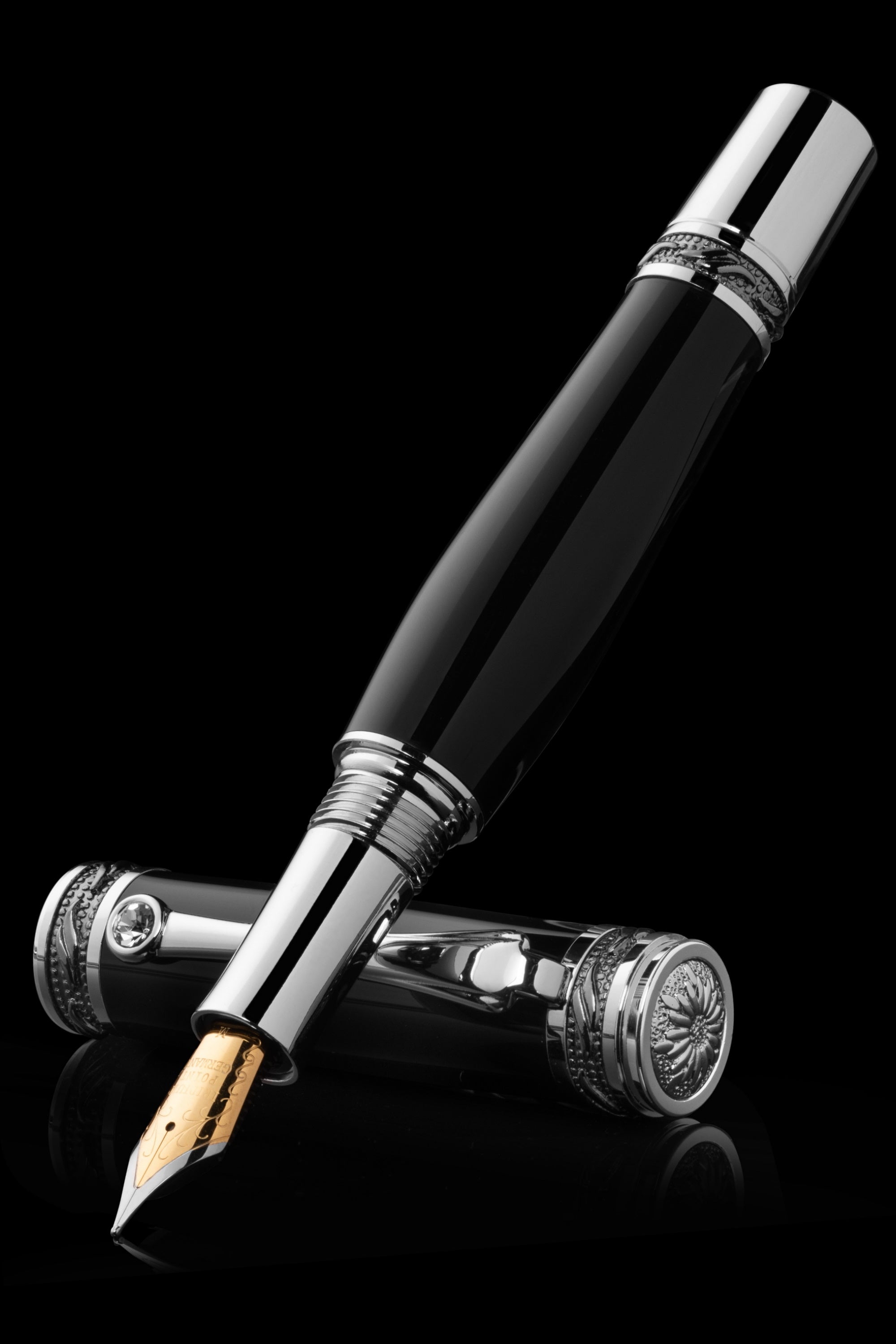
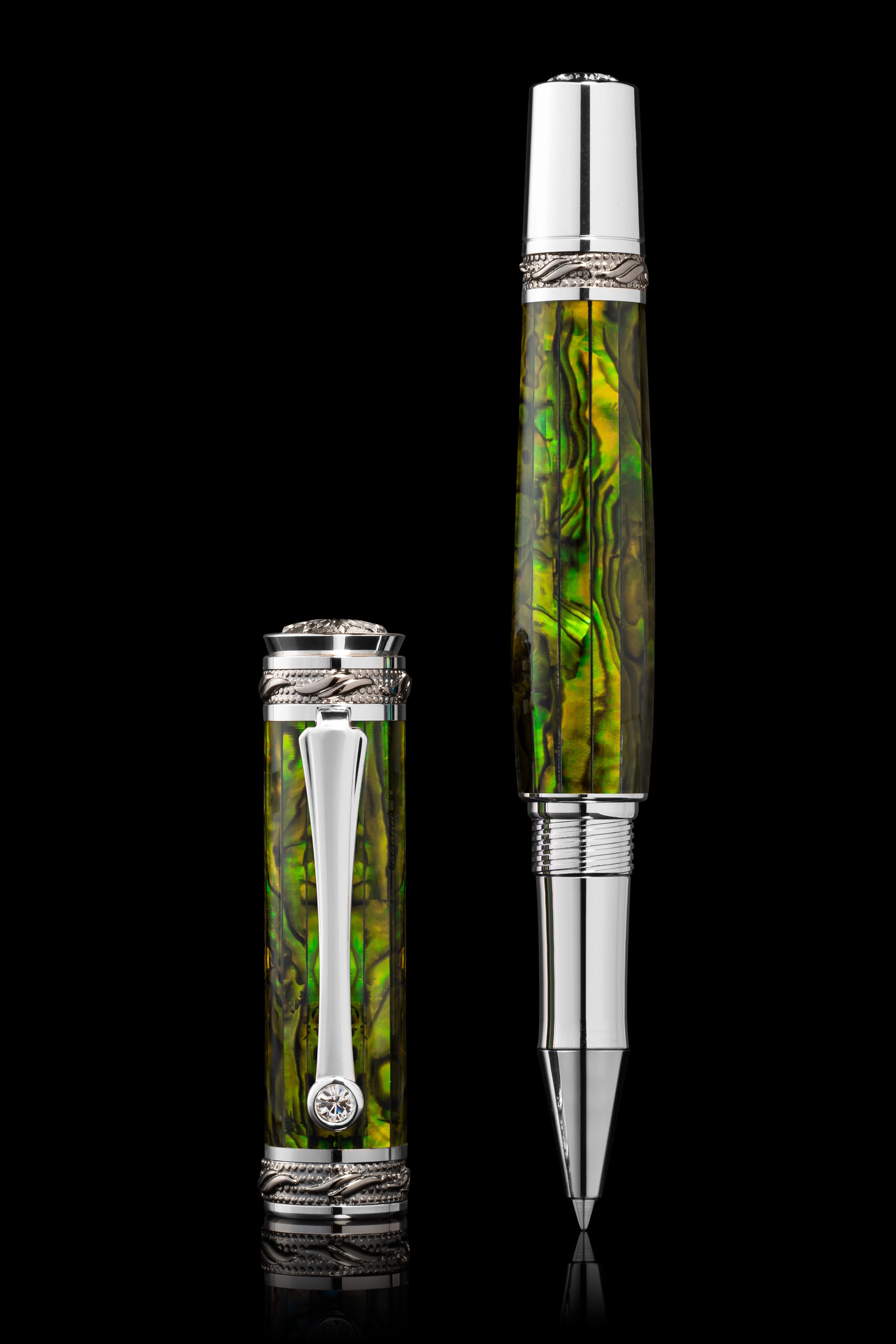
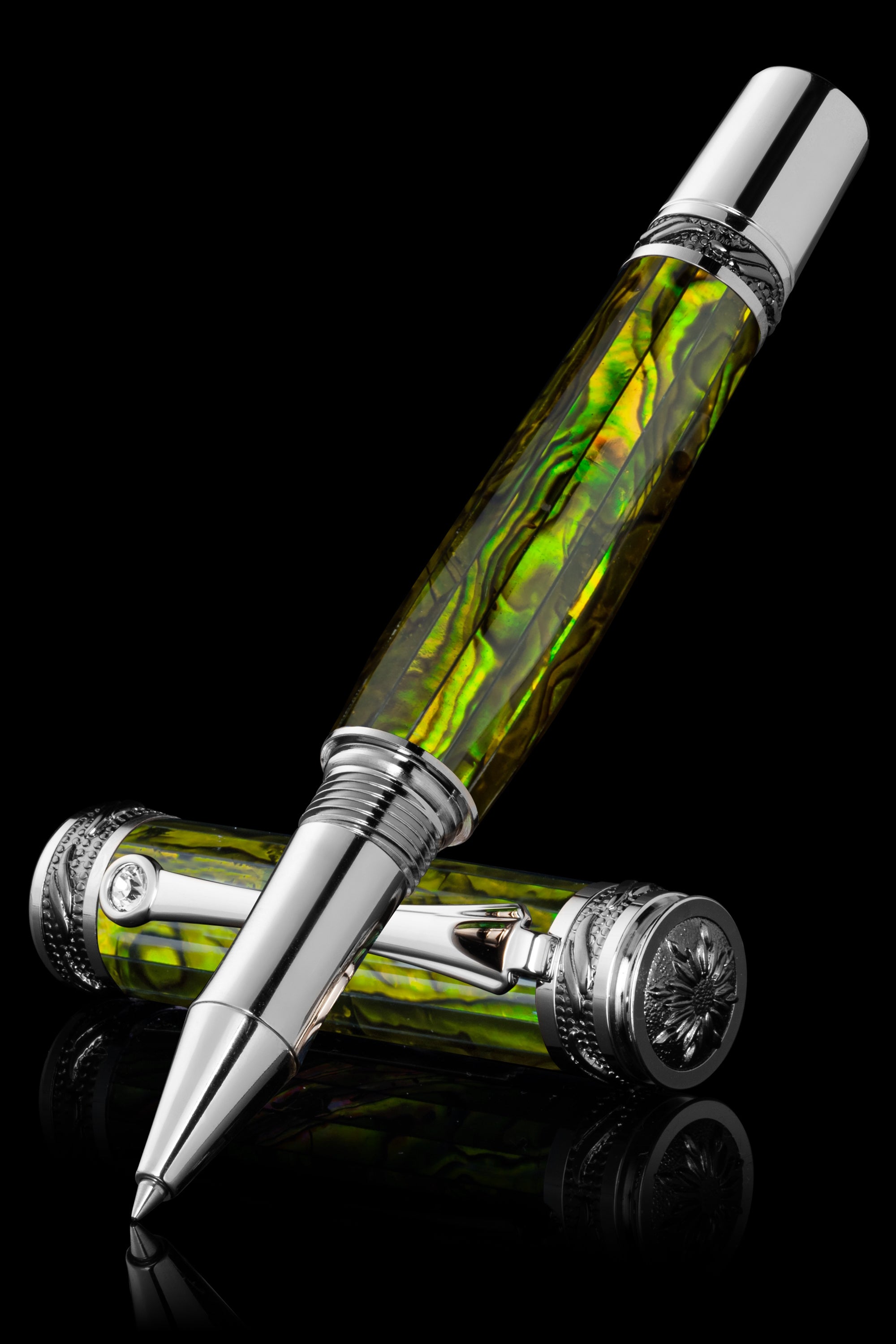
Fountain pens are frequently selected for ceremonial signings due to their expressive lines, fluid ink delivery, and traditional association with formality. High-quality rollerball pens are also well suited, offering smooth performance and bold, consistent signatures.
In these moments, performance is not optional—and the pen must rise to the occasion.
A Tradition That Endures
Signing ceremonies bridge past and present. They connect individuals to institutions, decisions to history, and intent to permanence.
The pen used in these moments becomes a silent witness—one that does not speak, yet carries meaning long after the ceremony concludes.
Choosing the right signing ceremony pen is not about excess. It is about respect for the moment, the responsibility being assumed, and the legacy being created.
Some signatures are private.
Others are witnessed, recorded, and remembered.
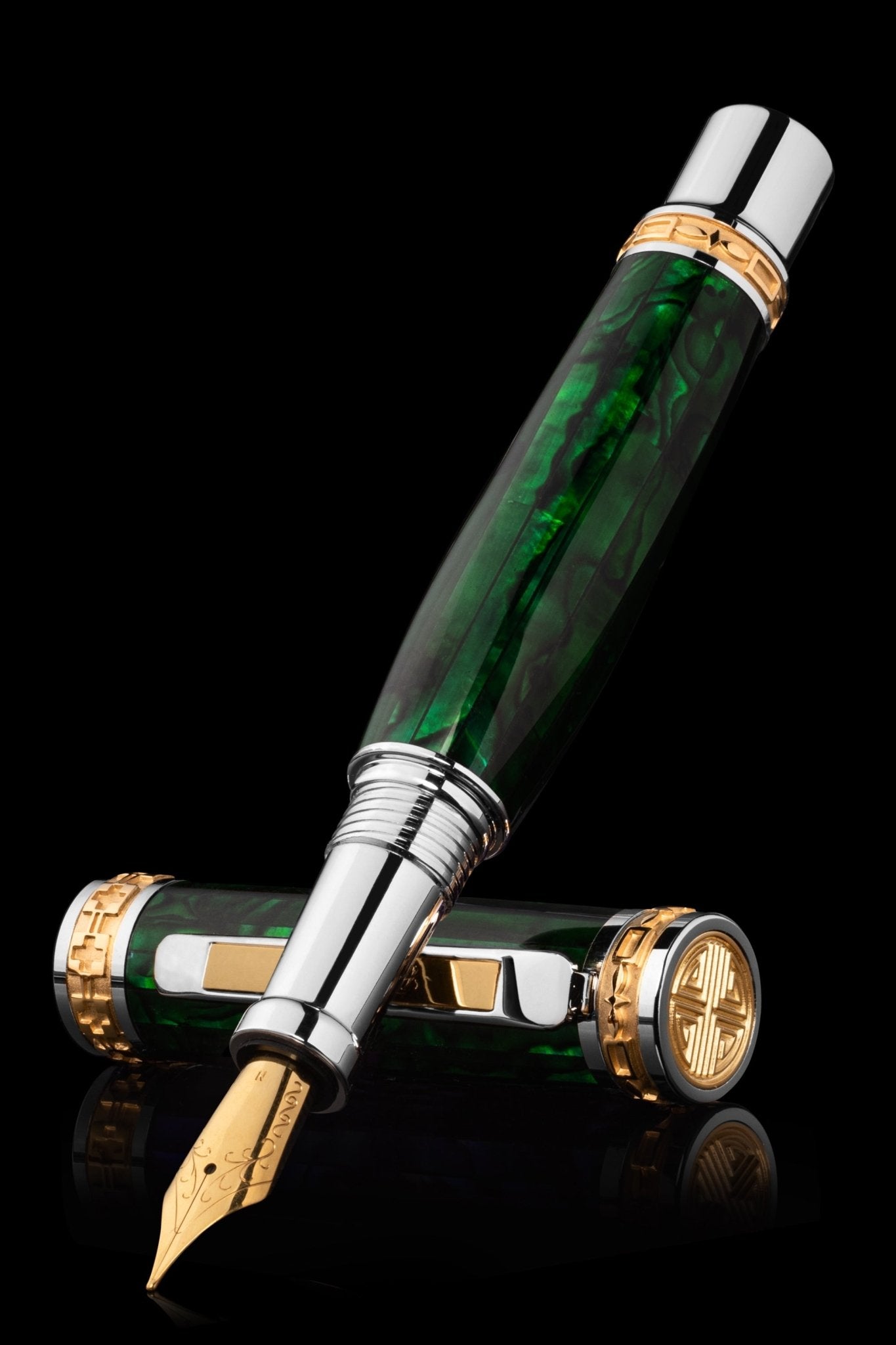
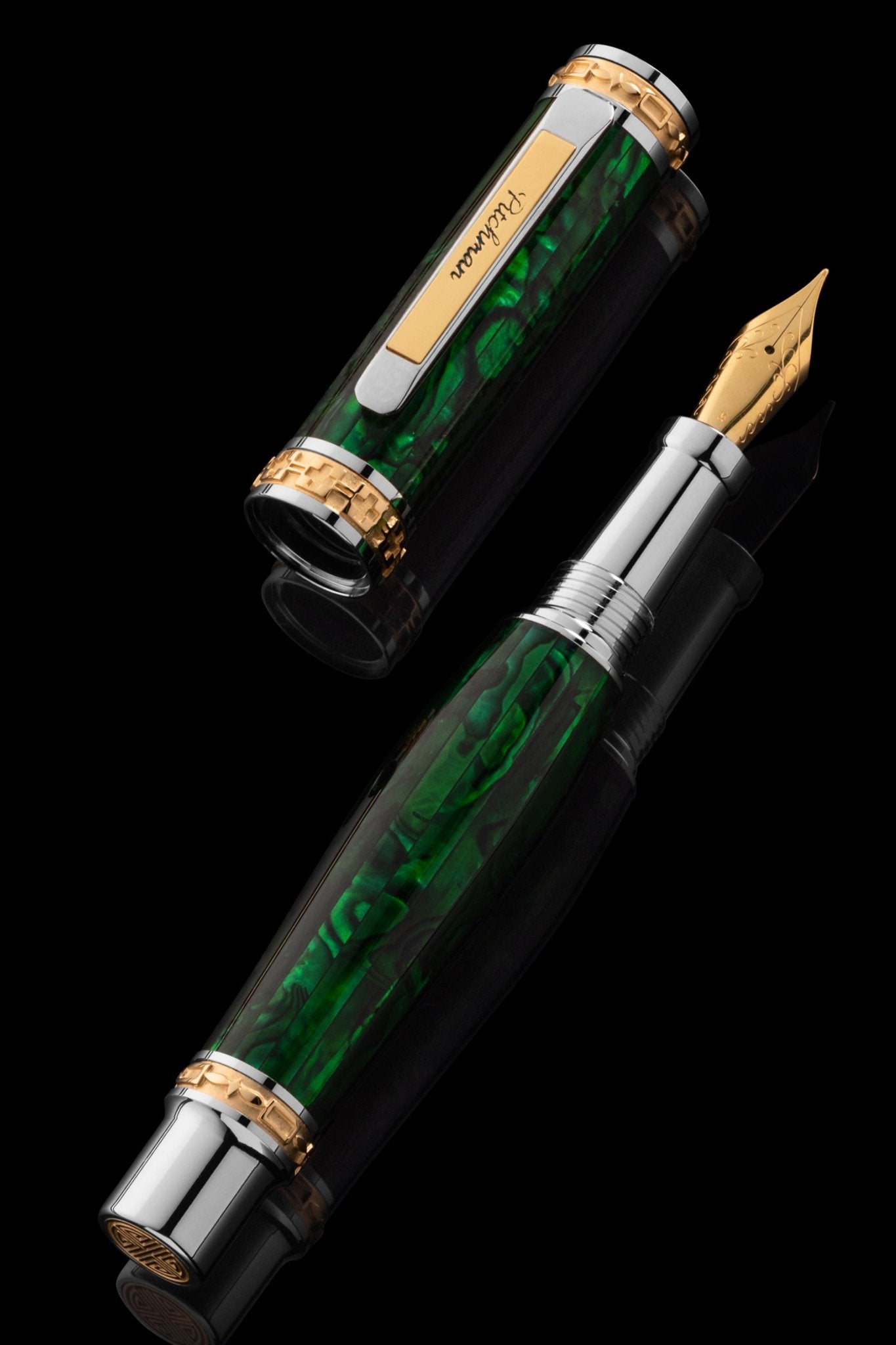
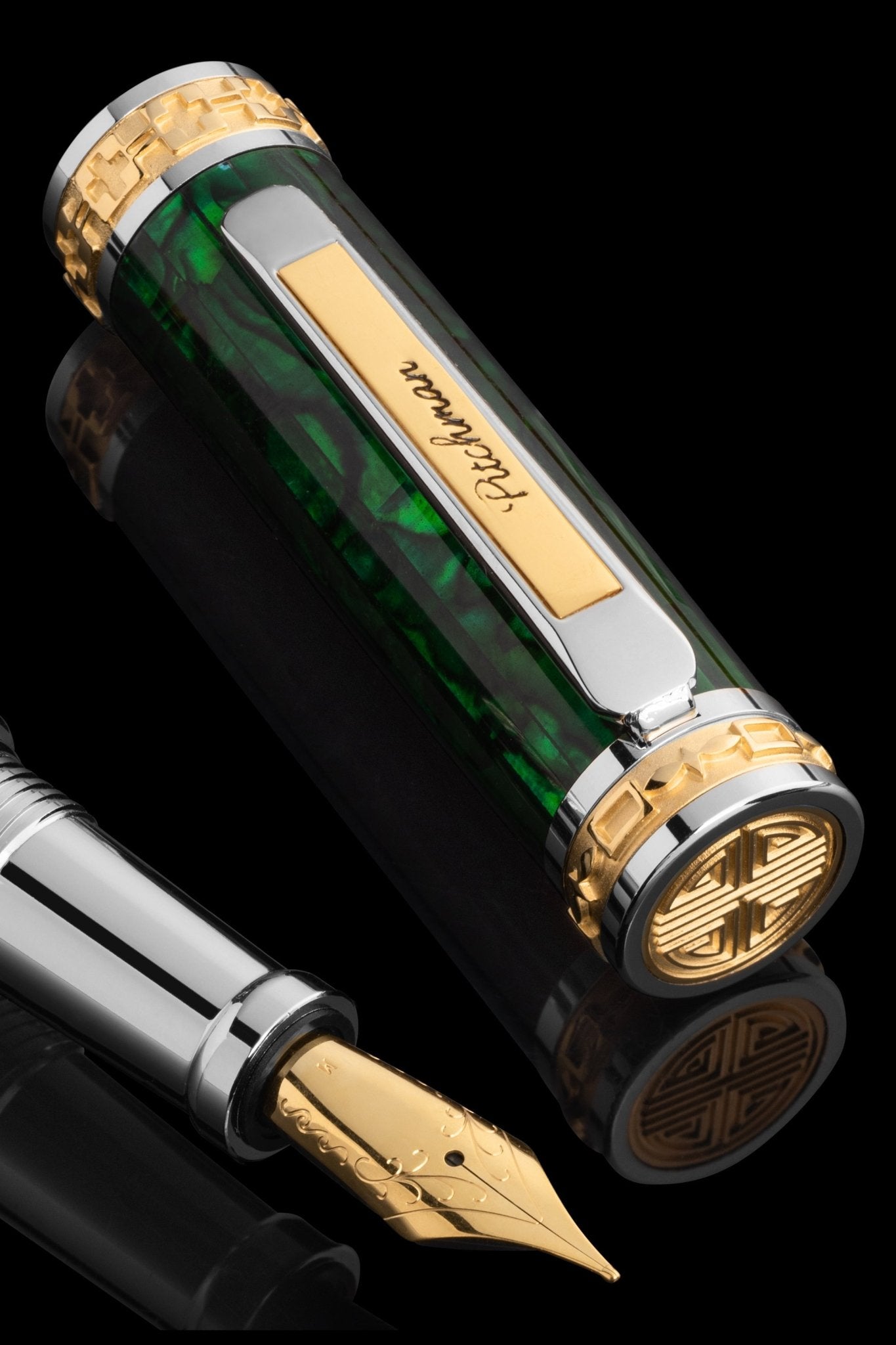
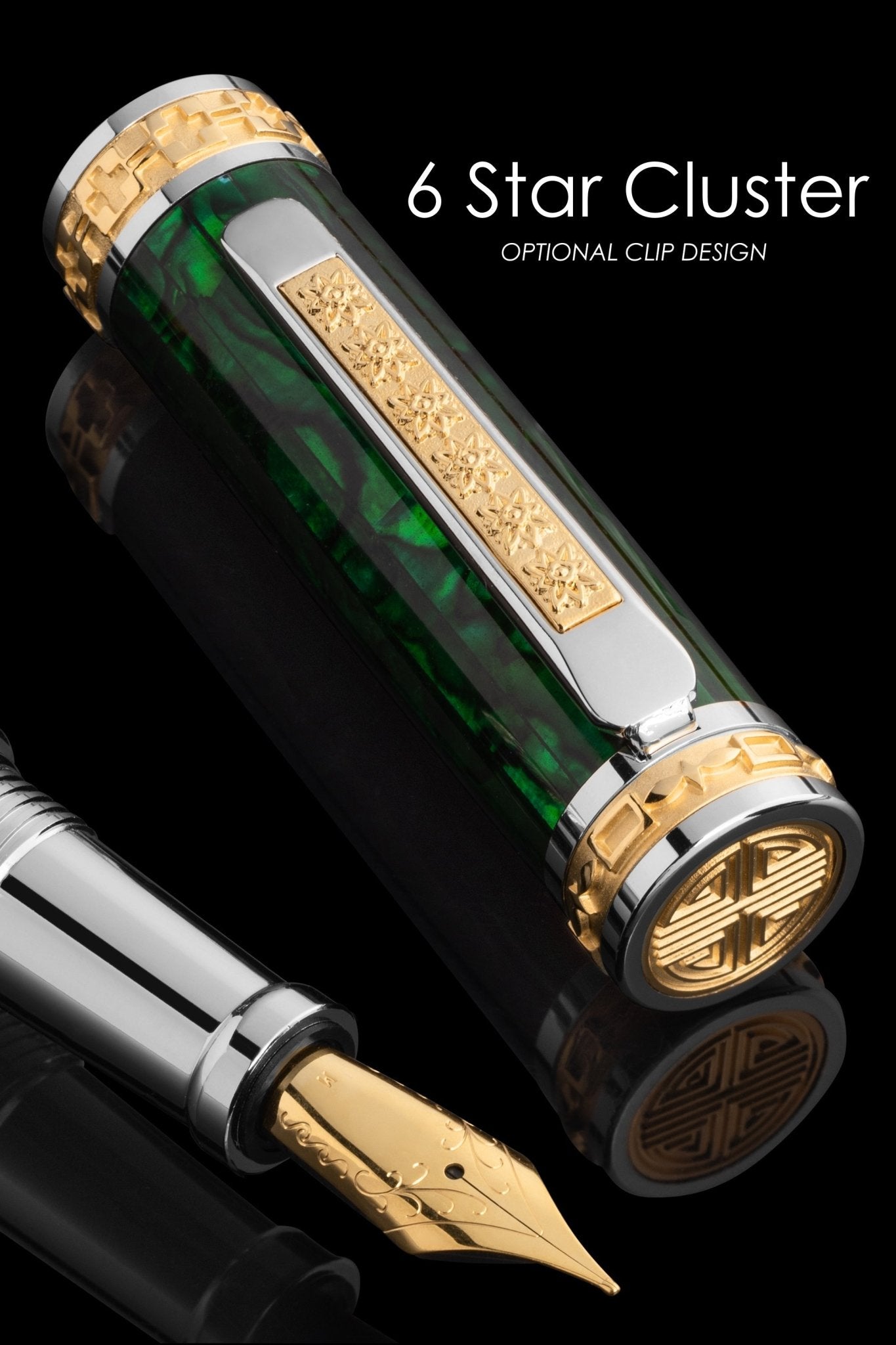
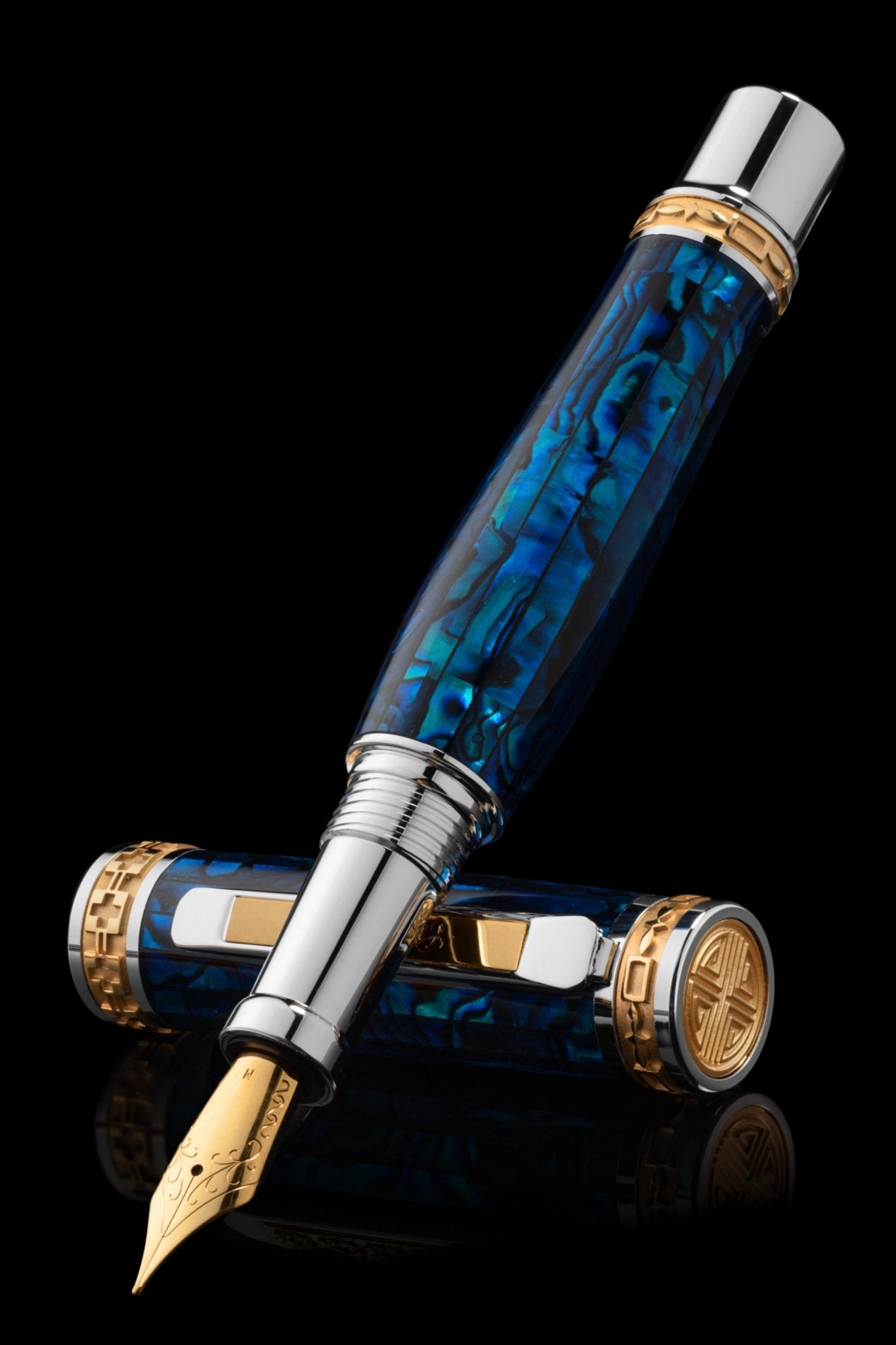
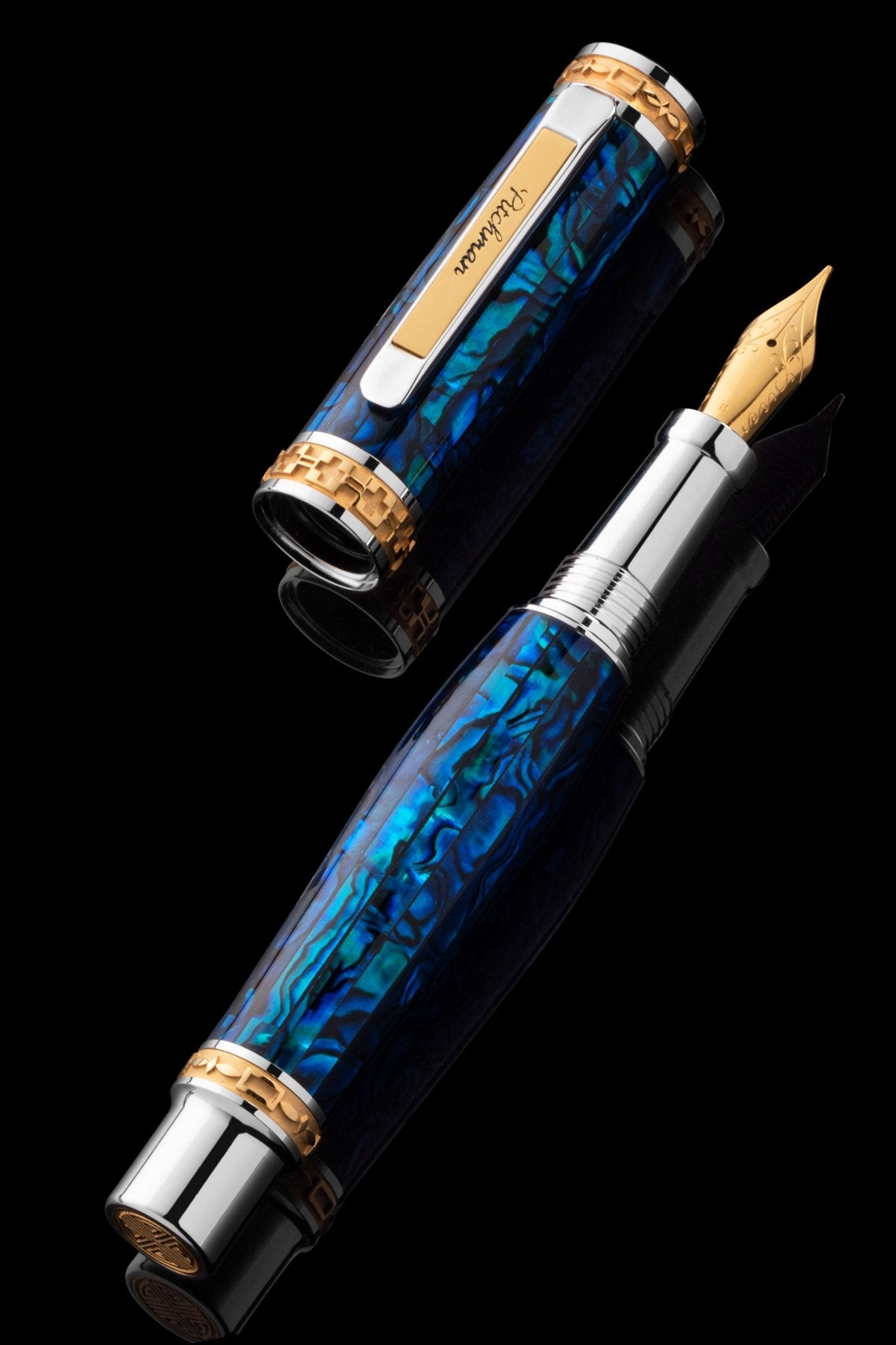
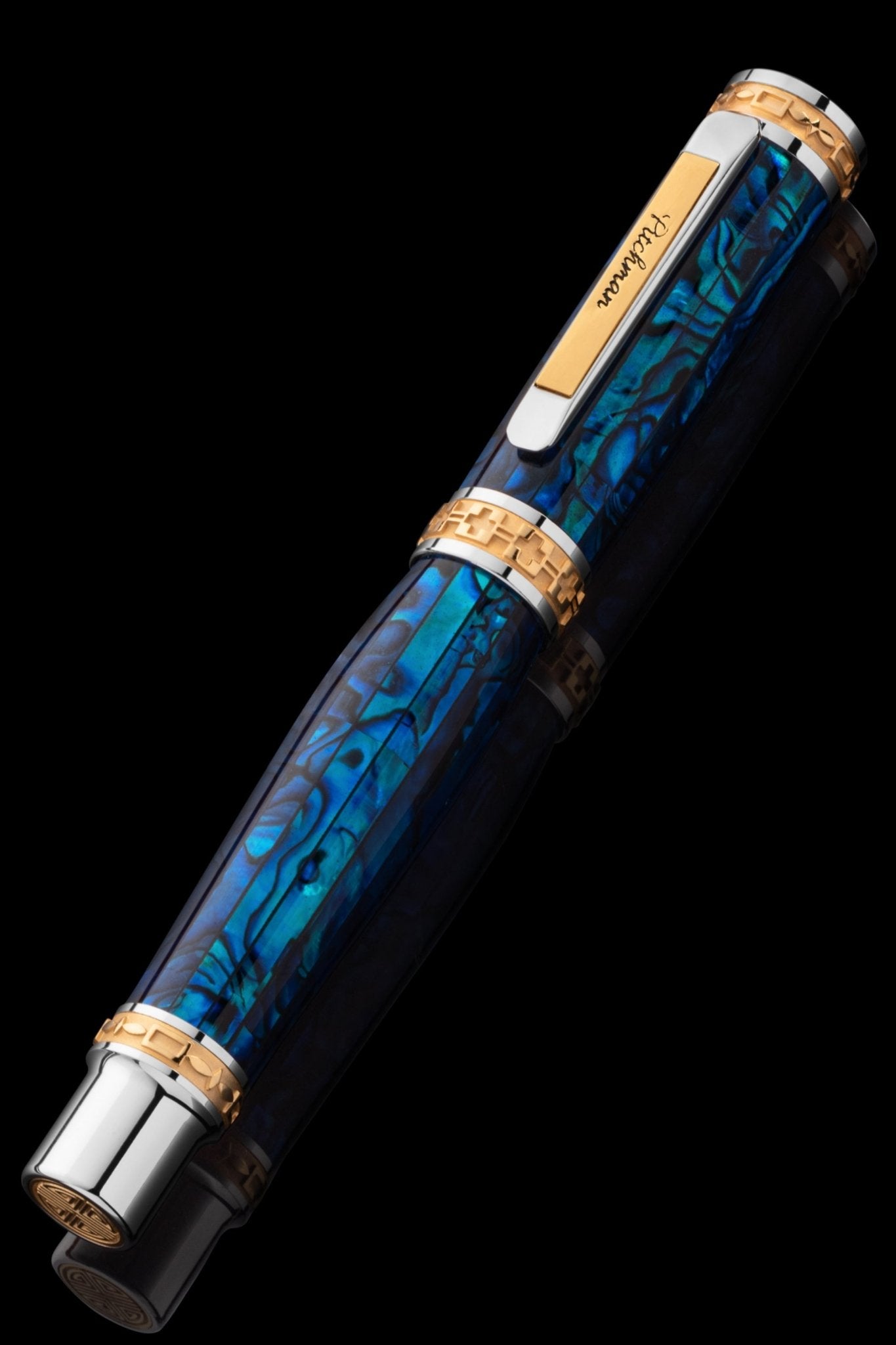
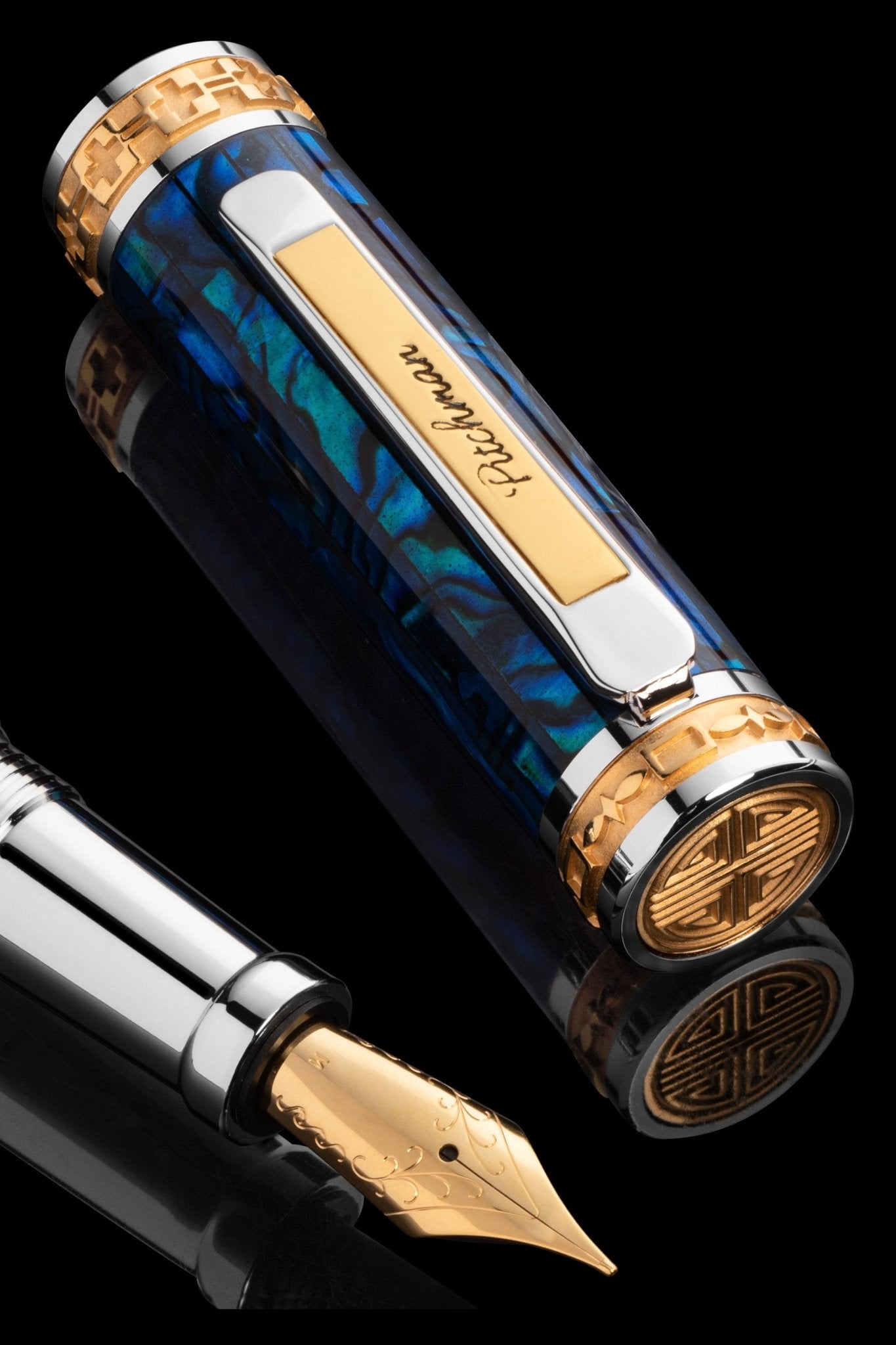
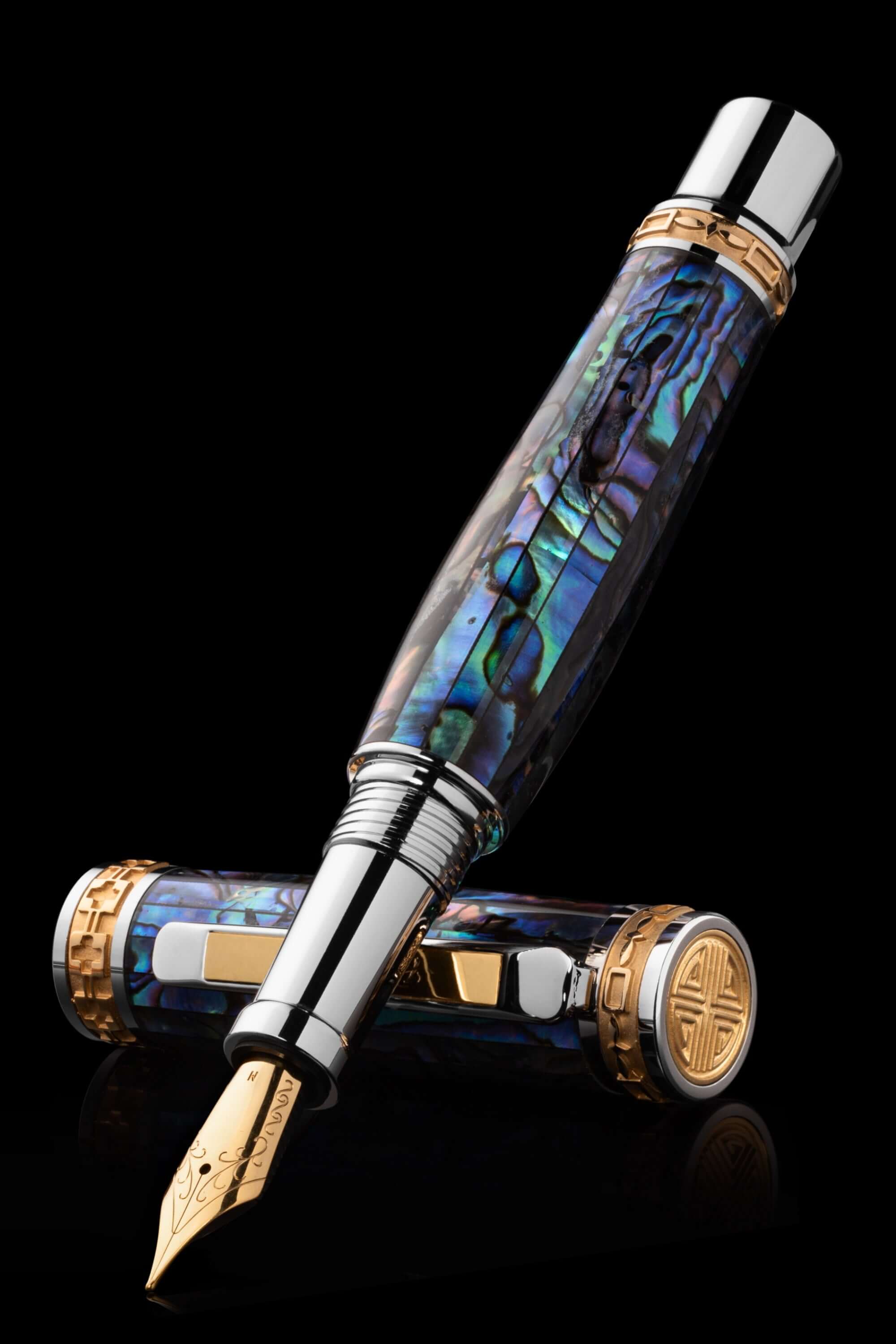
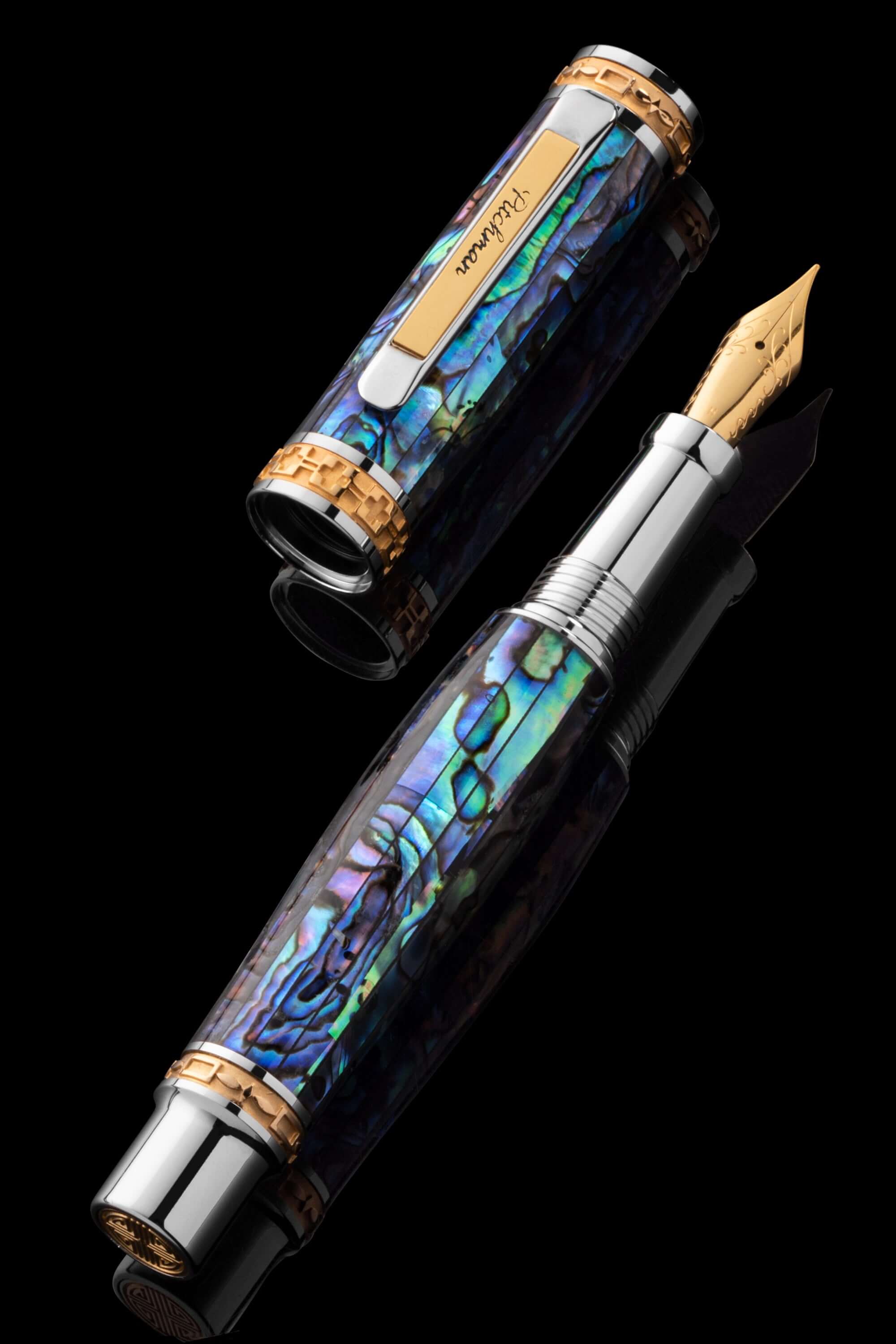
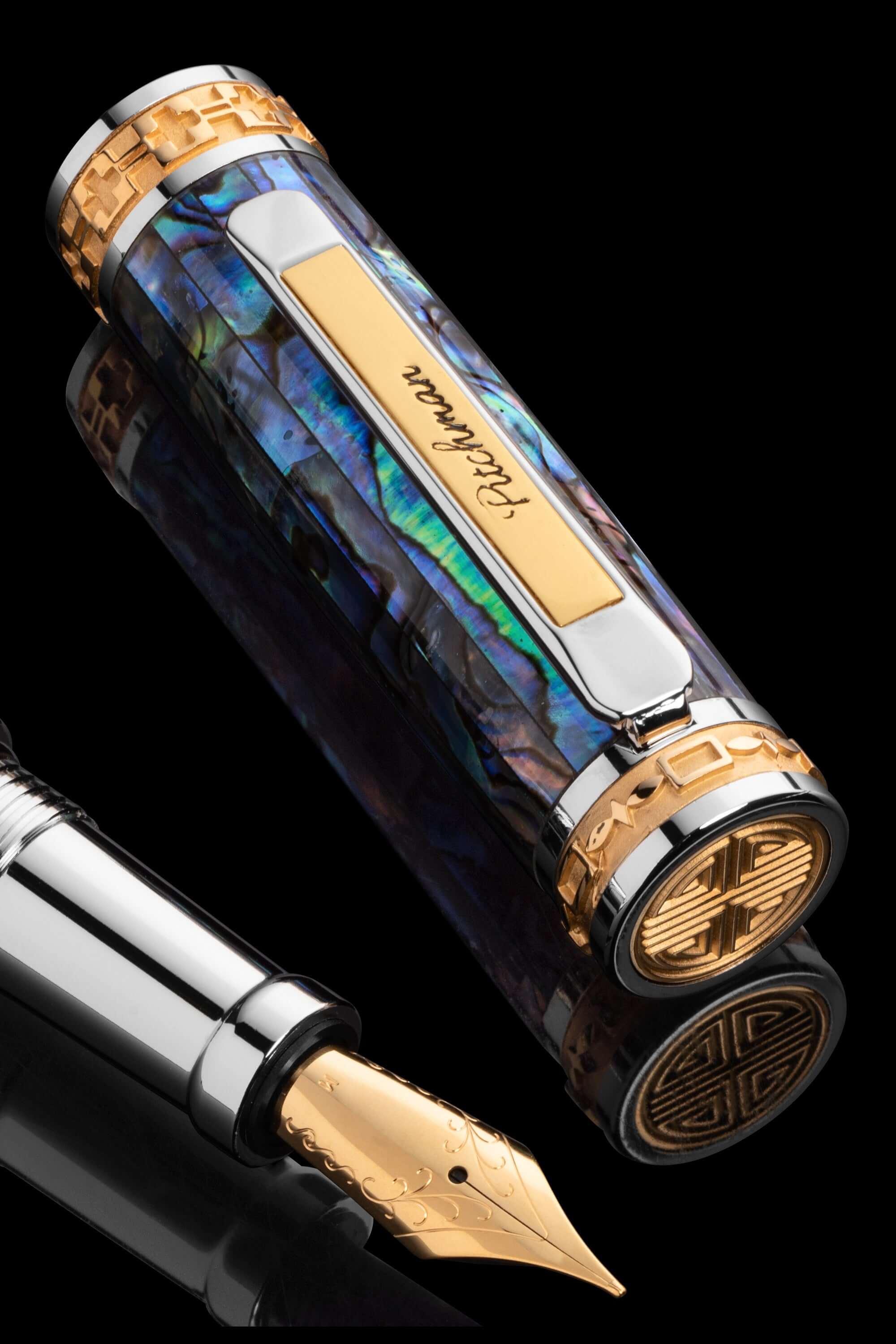
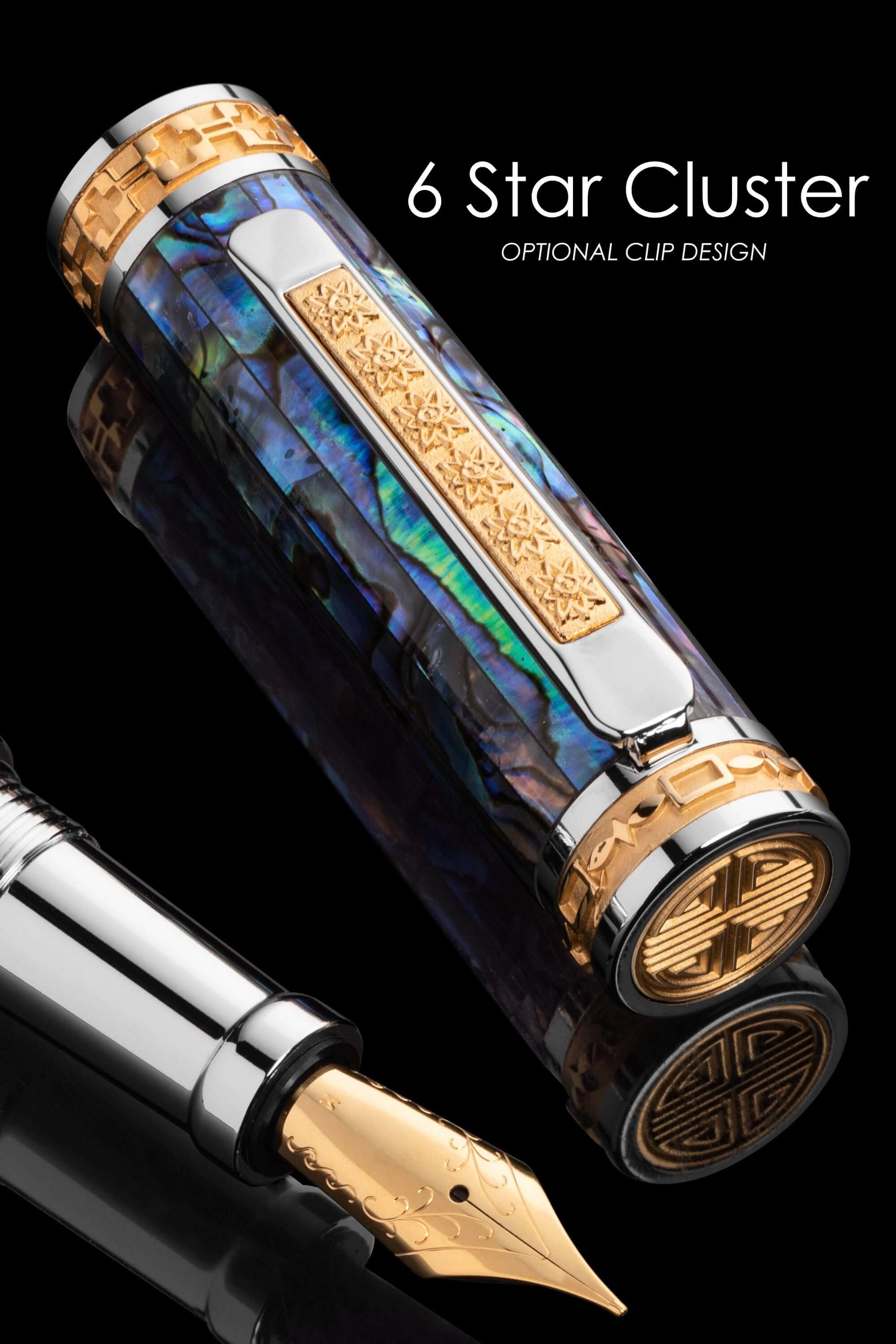
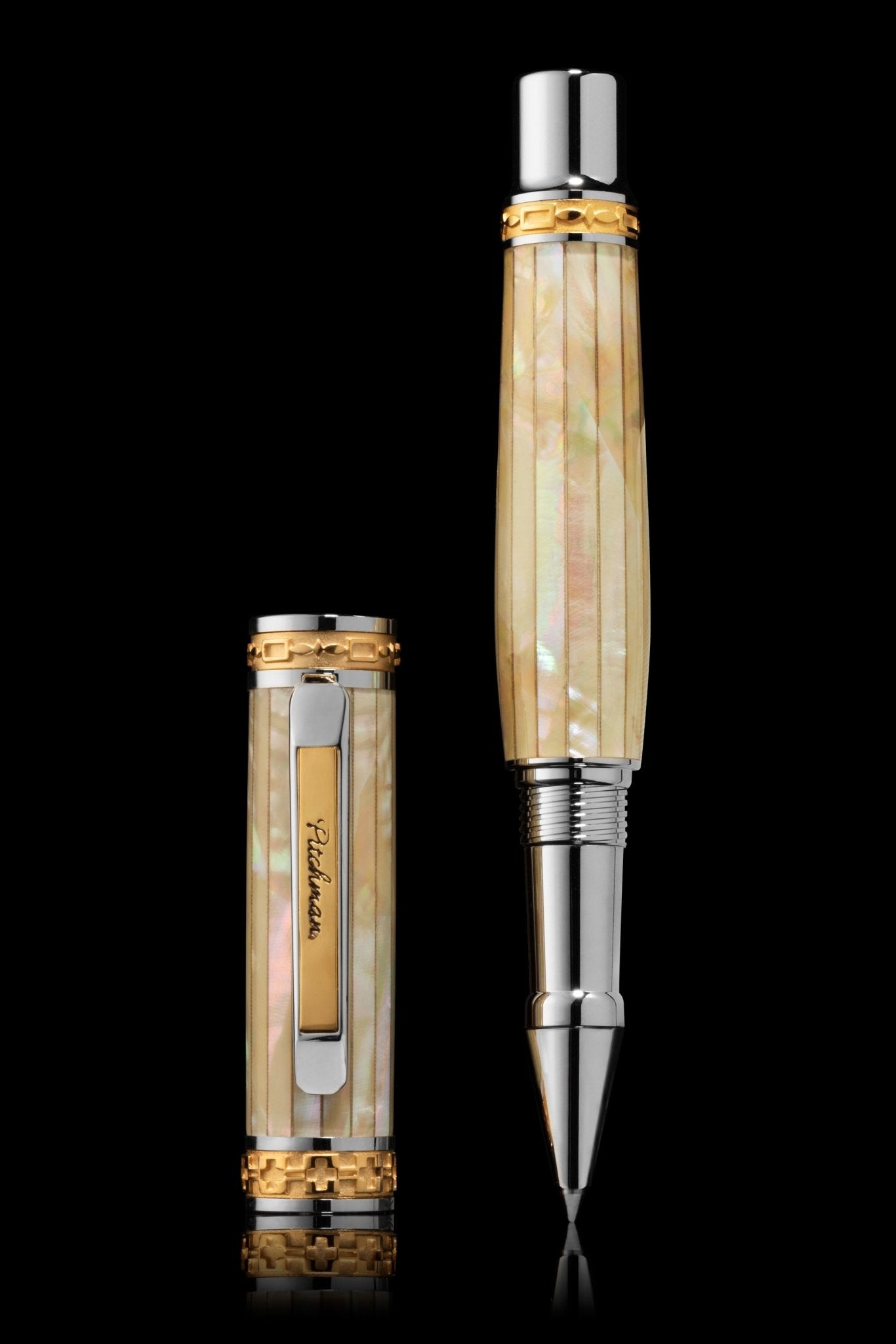
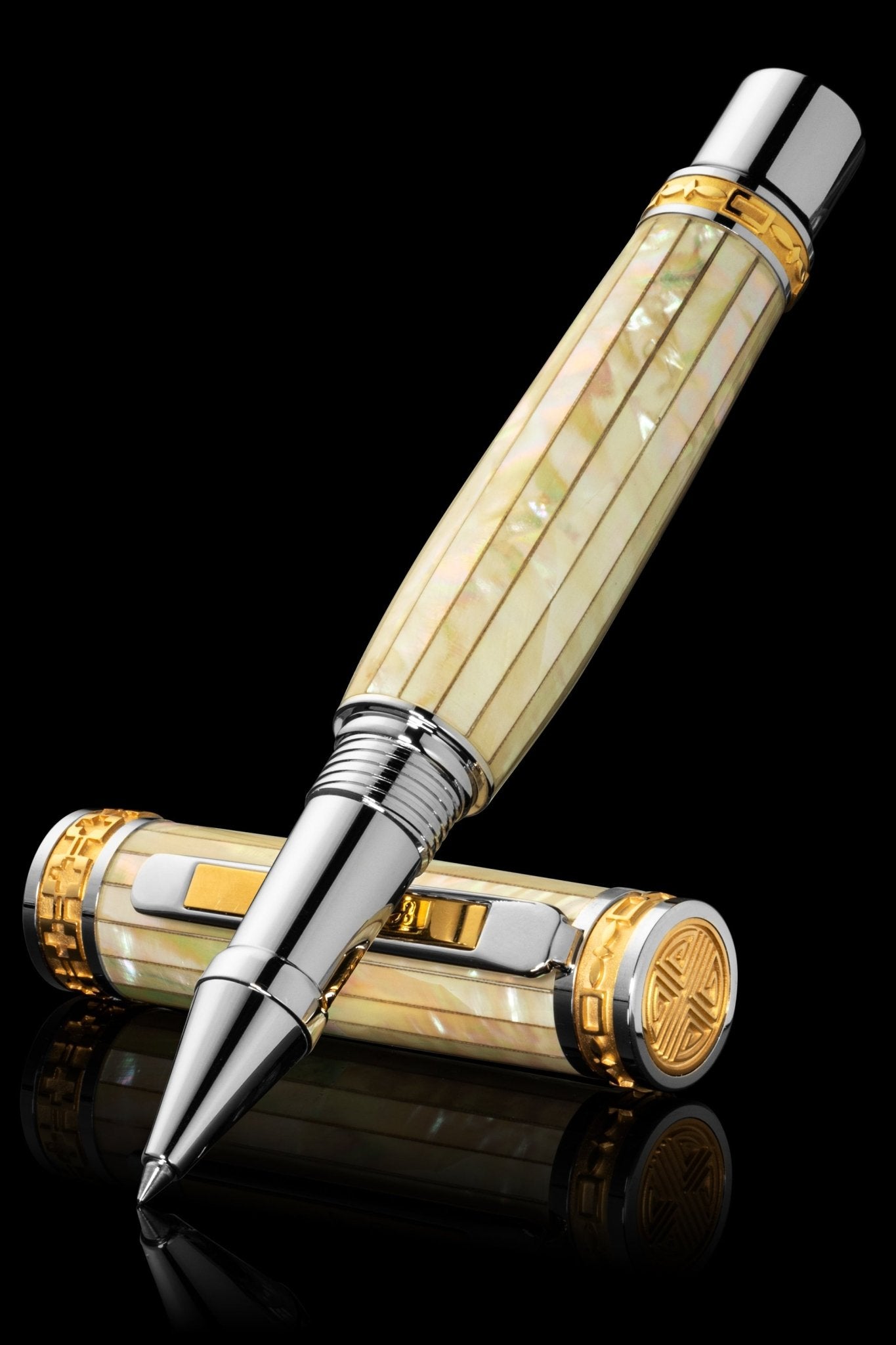
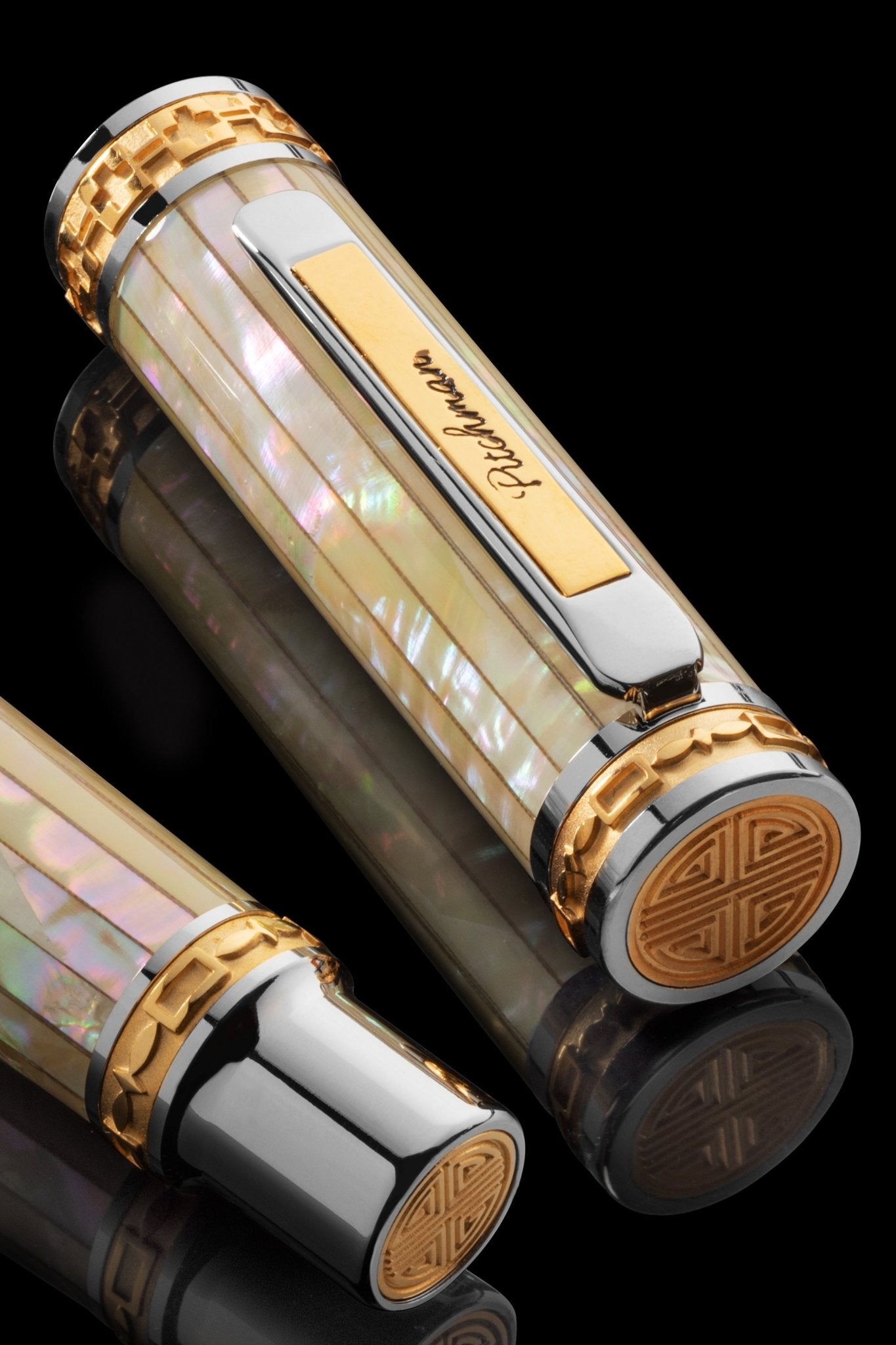
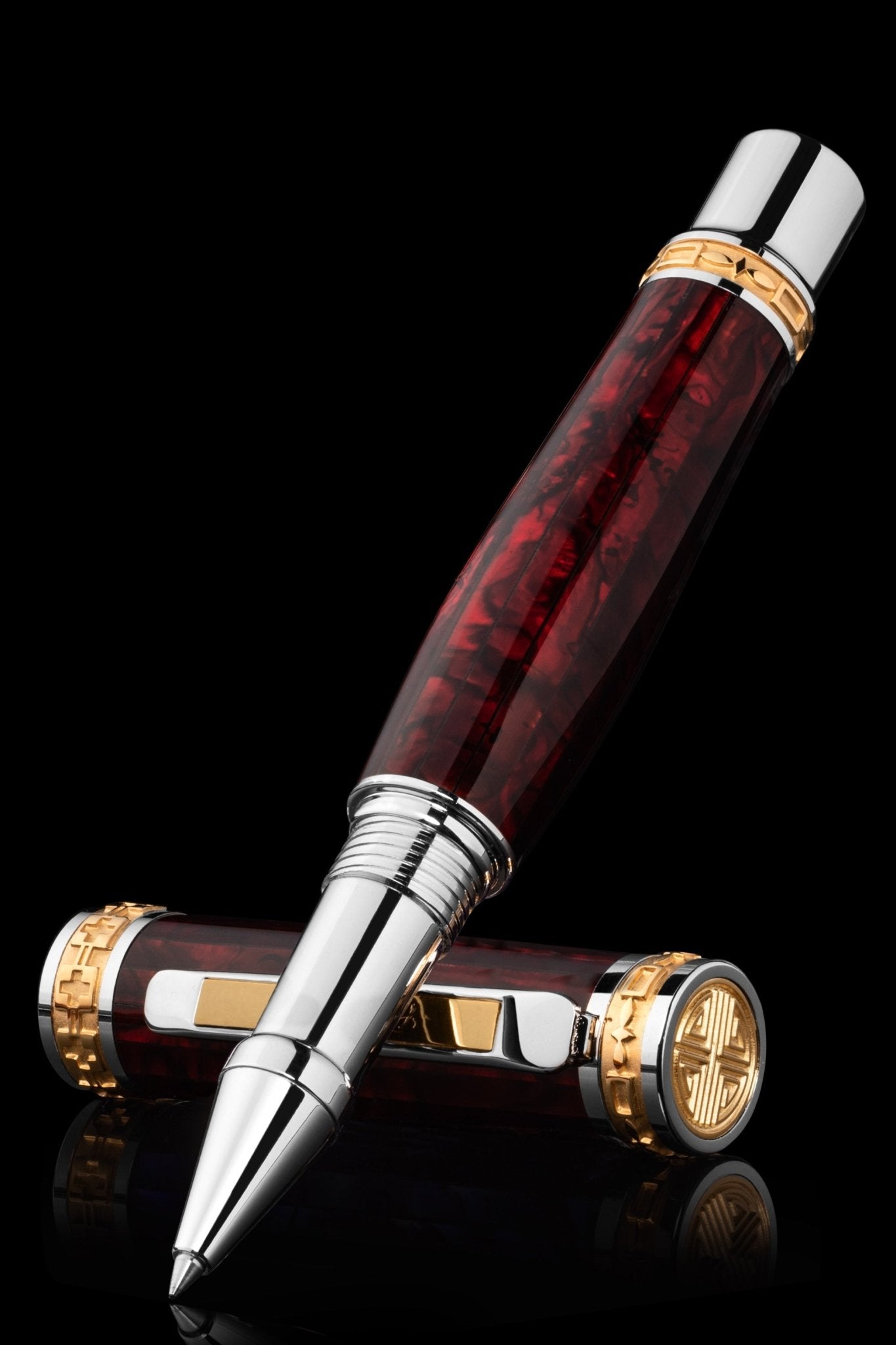
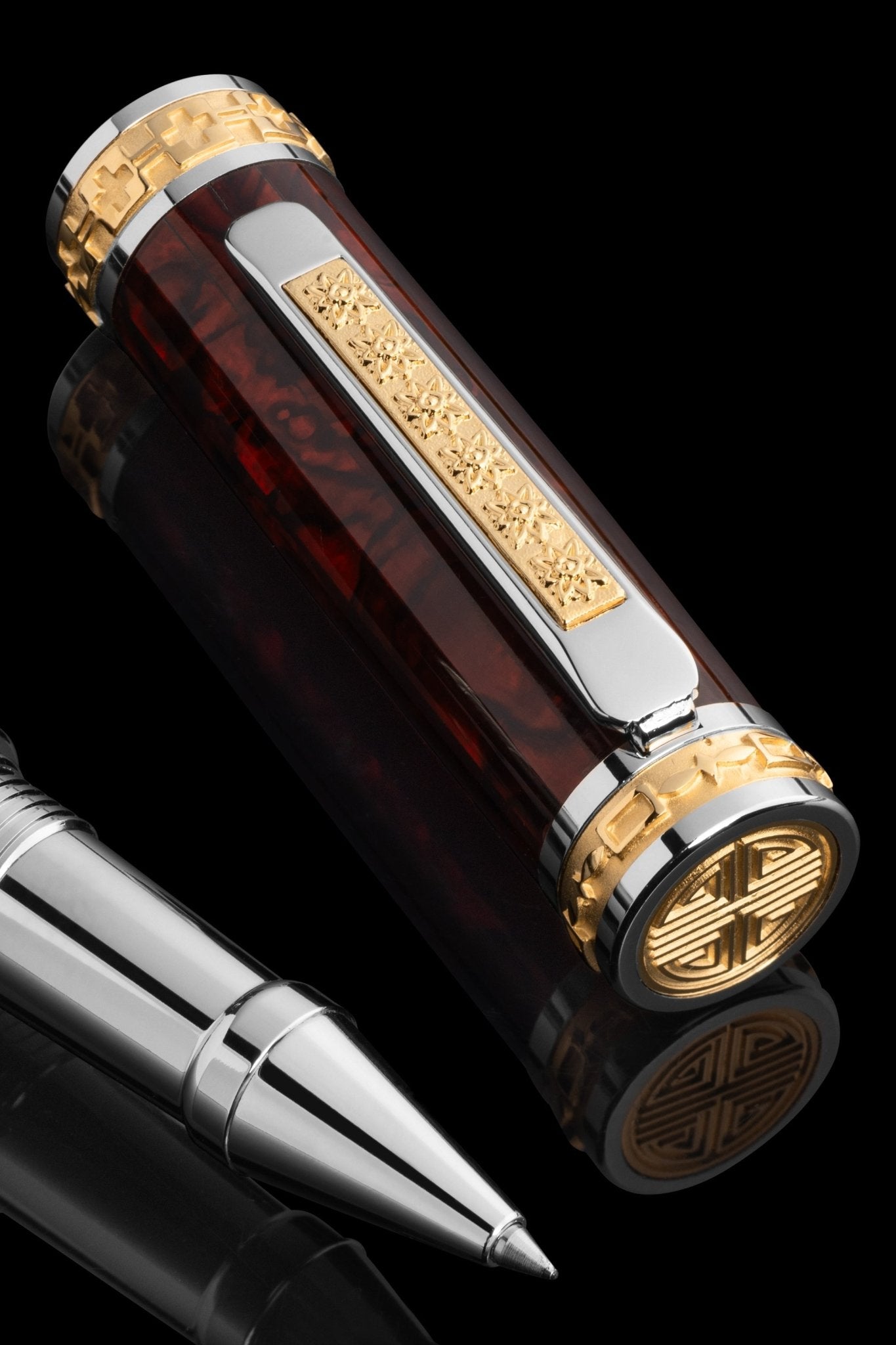
The signing ceremony pens below are selected for moments where authority is affirmed, roles are formalized, and commitments are made official.
Need help choosing the right Pitchman for yourself or as a gift? Explore our guide to find your fit.