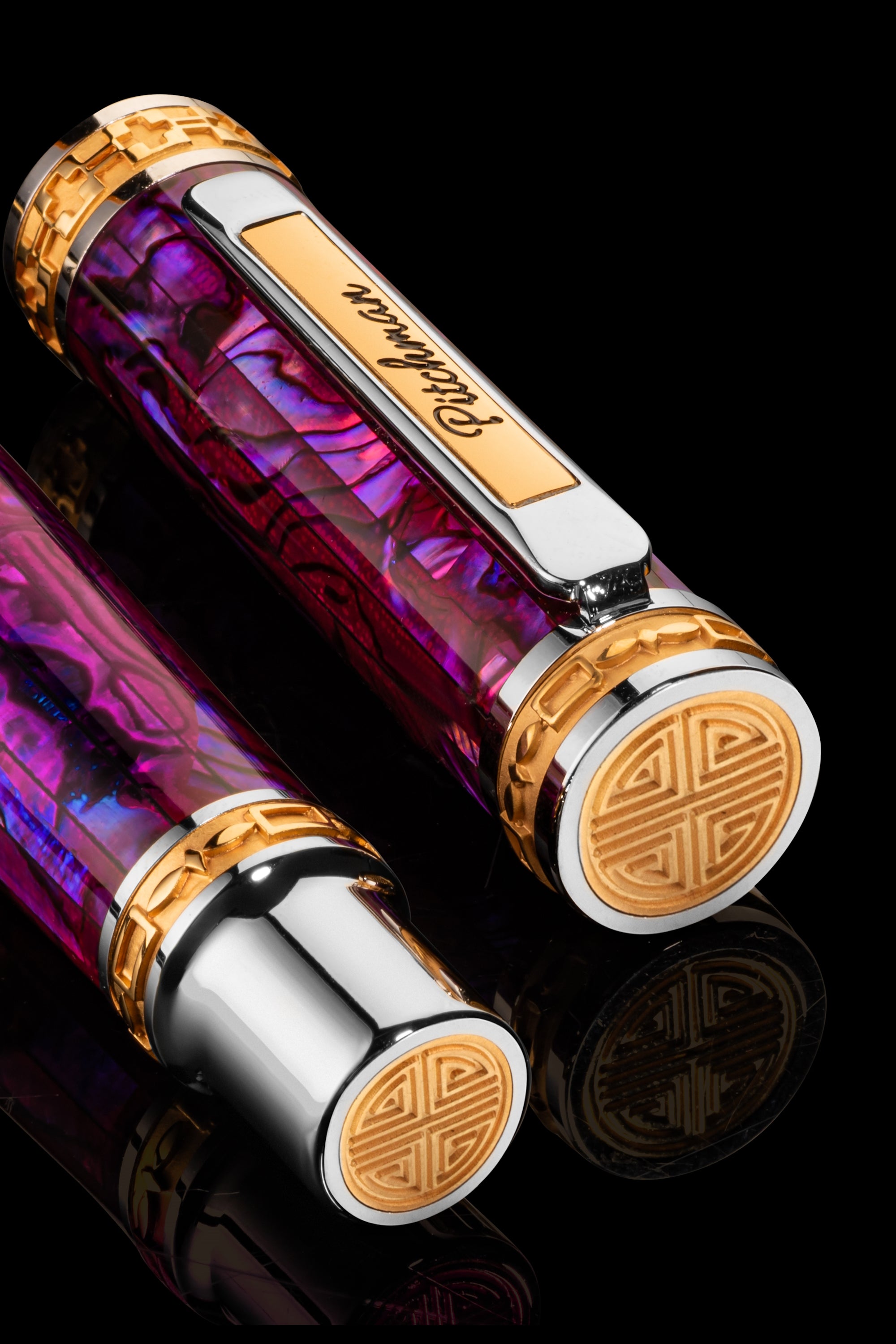
This Is Not a Celebration
Founding a company is not a victory lap.
It is not proof that something has worked.
It is the moment you accept responsibility for something that has not yet been validated.
Before revenue, before customers, before momentum, there is a quieter threshold: the point where an idea becomes an obligation. Founding a company means putting your name on something that did not exist before—and standing behind it without guarantees. This page exists to help founders and those closest to them decide whether and how to mark that moment with intention, not applause.
What Founding a Company Actually Represents
The founding of a company is often misunderstood as a beginning filled with optimism. In reality, it represents a narrowing of choice.
When you sign founding documents, partnership agreements, or operating structures, you move from possibility to ownership. You are no longer imagining outcomes—you are accountable for them. Your name becomes attached to decisions that will outlast early enthusiasm and test conviction over time.
This is the first signature.
The moment authorship becomes real.
Why Most “Startup Gifts” Miss the Moment
Many well-intended gifts misunderstand what founding actually is.
Branded merchandise, novelty items, or celebratory tokens assume success before it has been earned. Trophies imply outcomes. Loud gestures reduce a serious commitment to a social signal. These gifts speak to optics rather than responsibility.
Founding is not loud.
It is weighty, private, and unresolved.
Marking it correctly requires recognizing uncertainty, not masking it.
When It Is Appropriate to Mark the Founding
While this moment is often private, there are clear points when marking it becomes meaningful:
-
Legal formation or incorporation
-
Signing partnership or shareholder agreements
-
The first capital commitment
-
Approval of initial operating documents or governance
-
A founder choosing to mark the moment personally
These are not celebrations. They are acknowledgments—quiet markers of belief placed at the beginning of a long arc.
What Makes a Gift Appropriate at the Beginning
A founding-appropriate gift must meet a higher standard than most milestones.
It should:
-
Respect uncertainty rather than assume outcomes
-
Acknowledge responsibility, not reward success
-
Endure beyond the company’s first phase
-
Be functional, not ornamental
This is not about price or prestige. It is about choosing something that remains relevant whether the path ahead is smooth or difficult.
Why Writing Instruments Belong at the Beginning
Founding a company is defined by signing.
Agreements, commitments, governing documents, vision statements—these moments of authorship establish direction and accountability. A writing instrument used at the beginning becomes quietly linked to decisions made before certainty existed.
Over time, it carries memory rather than symbolism.
Not a product, but an anchor.
Founder vs. Giver Perspective
There are two distinct ways this moment is marked.
Founder to self:
A private acknowledgment of belief. A reminder of why the commitment was made before anyone else believed in it.
Partner, spouse, investor, advisor:
A signal of trust, not expectation. The message is not “this will succeed,” but “this matters.”
Not everyone should give a founding gift. Distance often weakens meaning. Proximity strengthens it.
What This Moment Is Not
This moment is not for:
-
Hype culture
-
Early employee swag
-
Social media optics
-
Premature recognition
Protecting the seriousness of founding protects the integrity of what comes next.
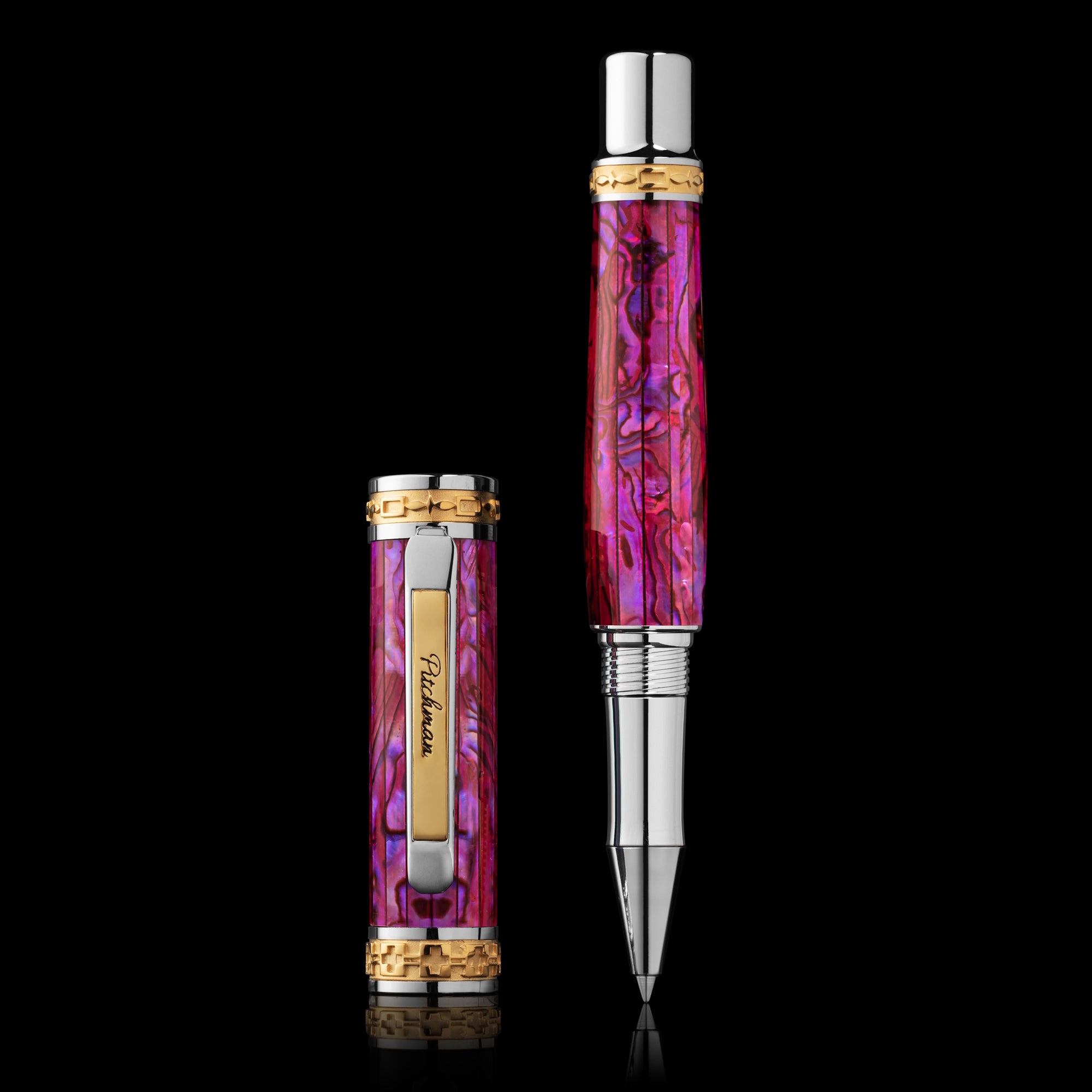
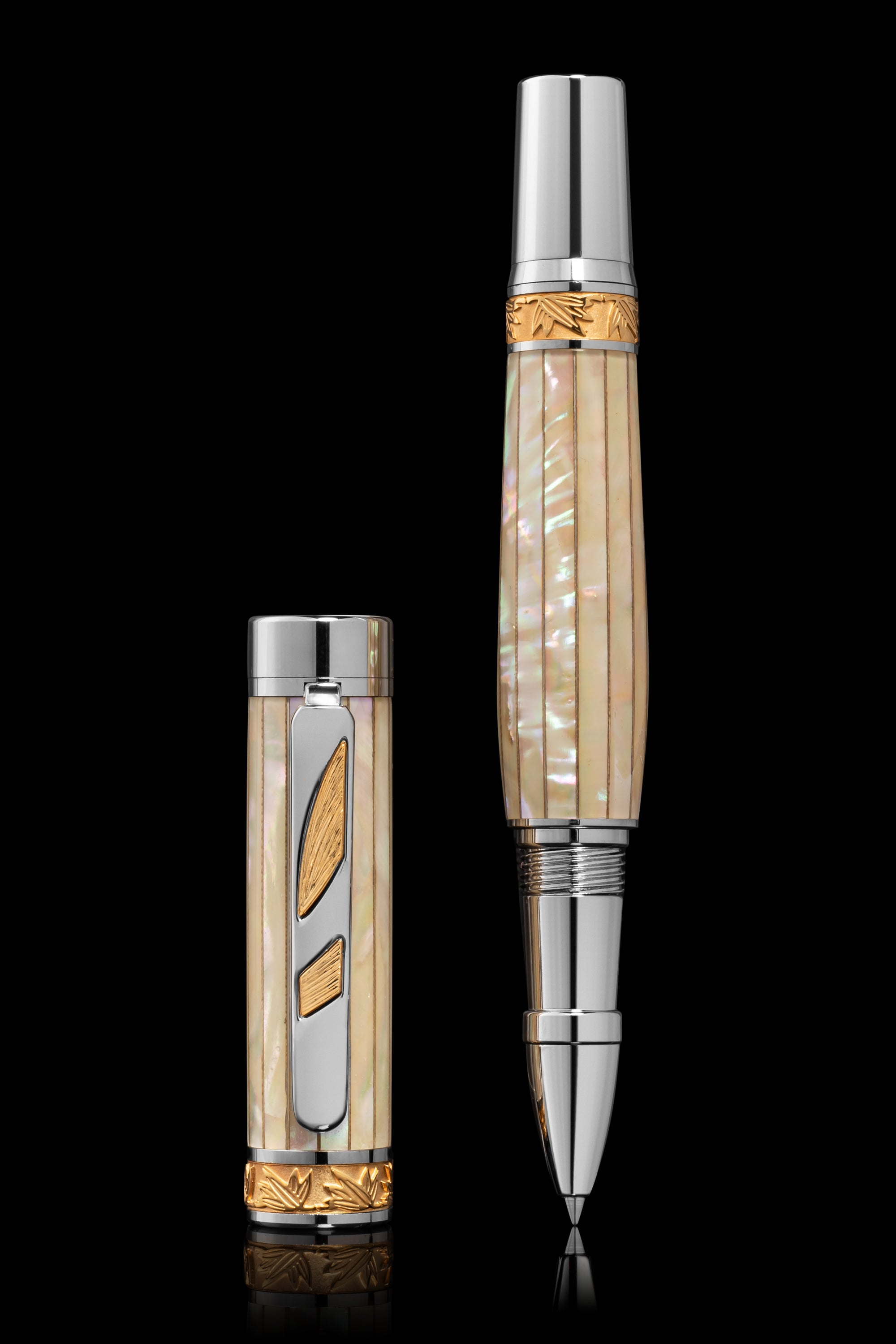
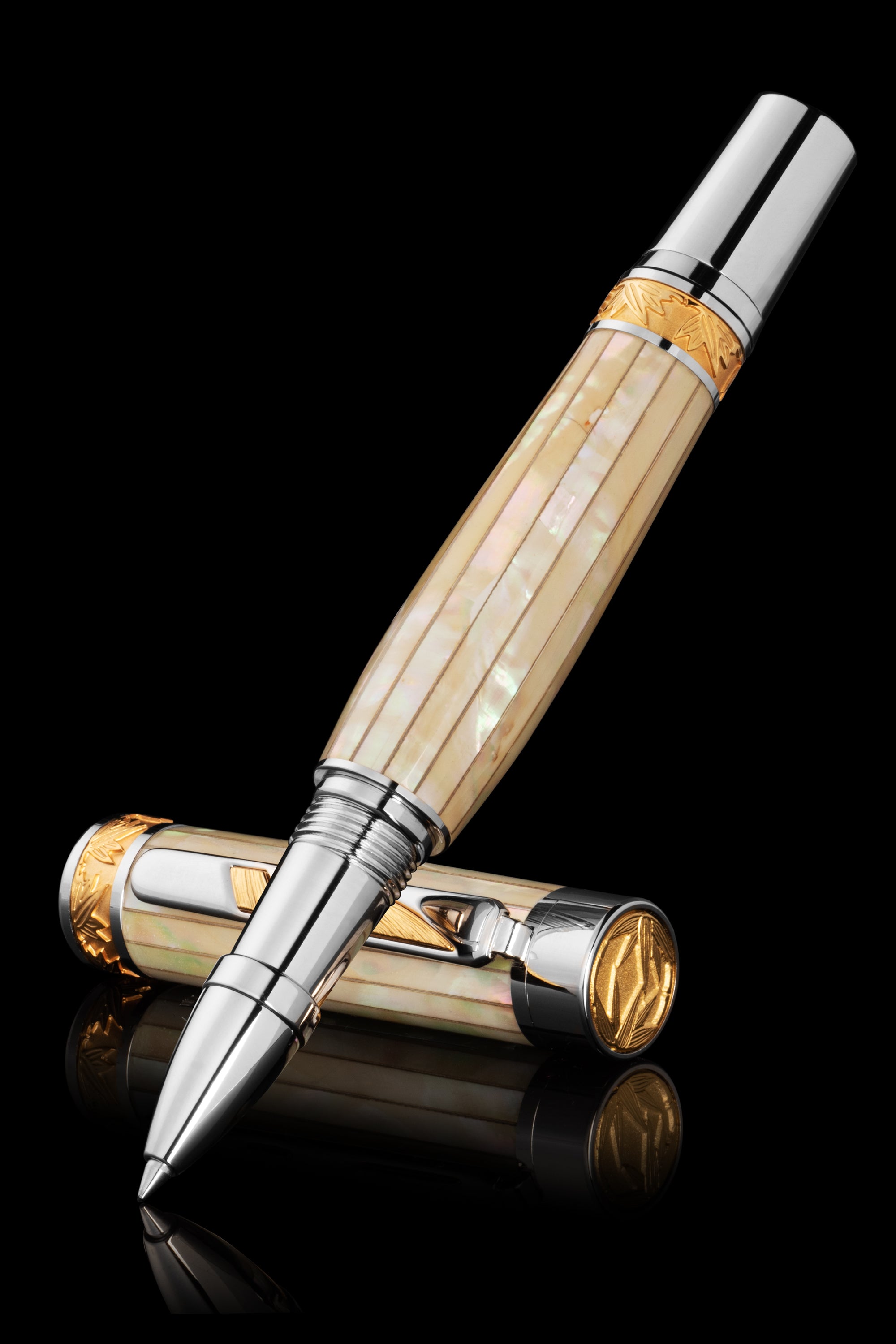
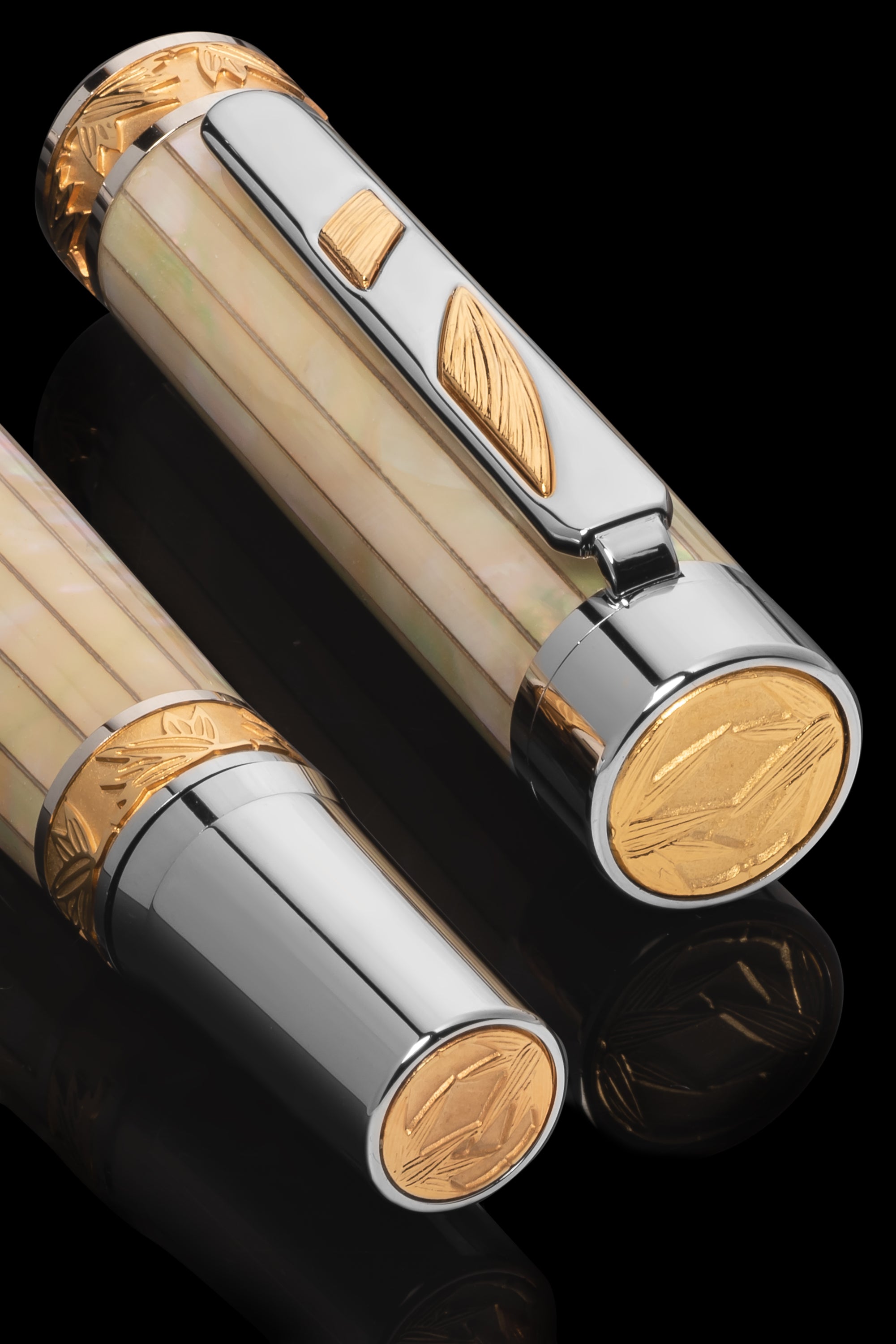
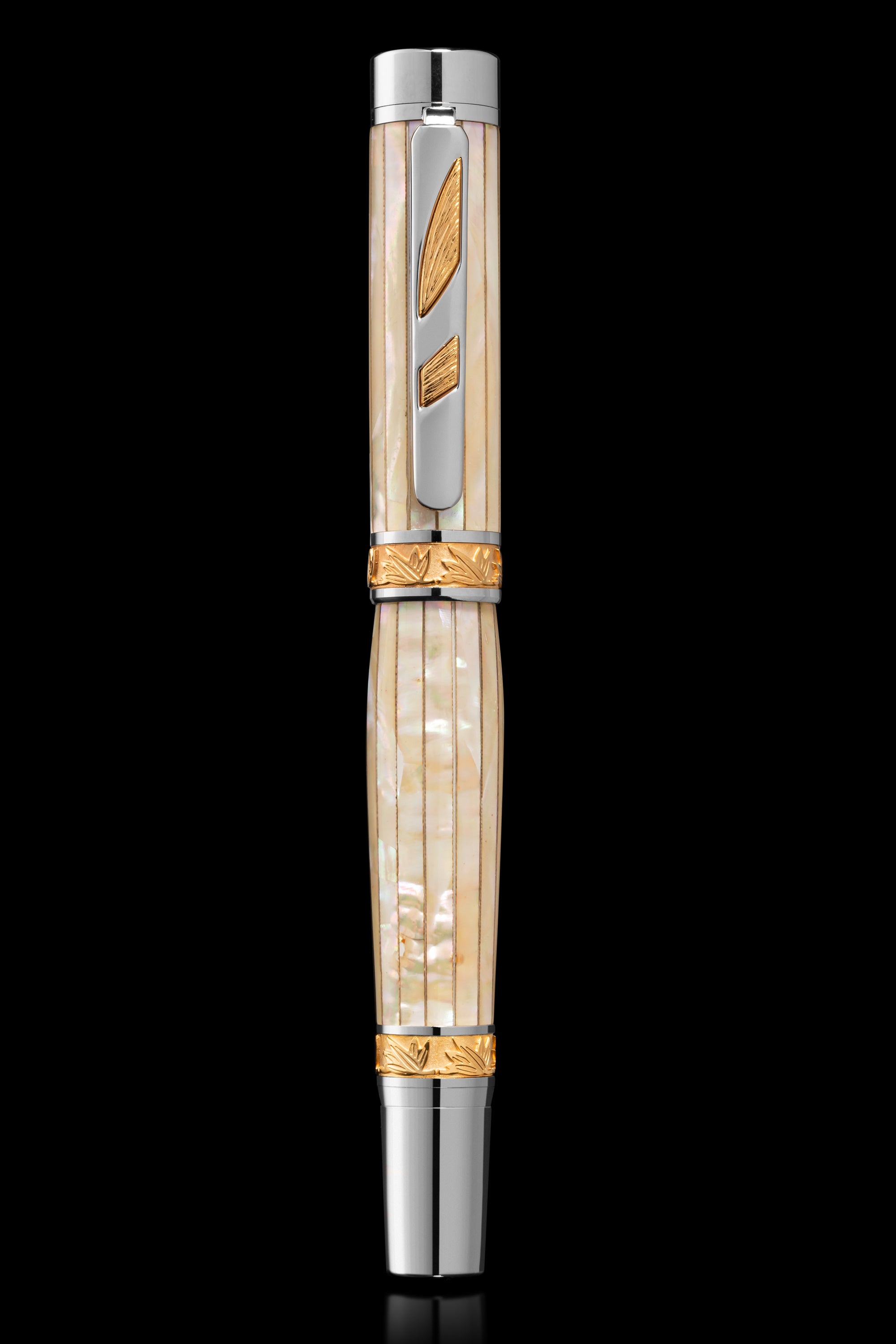
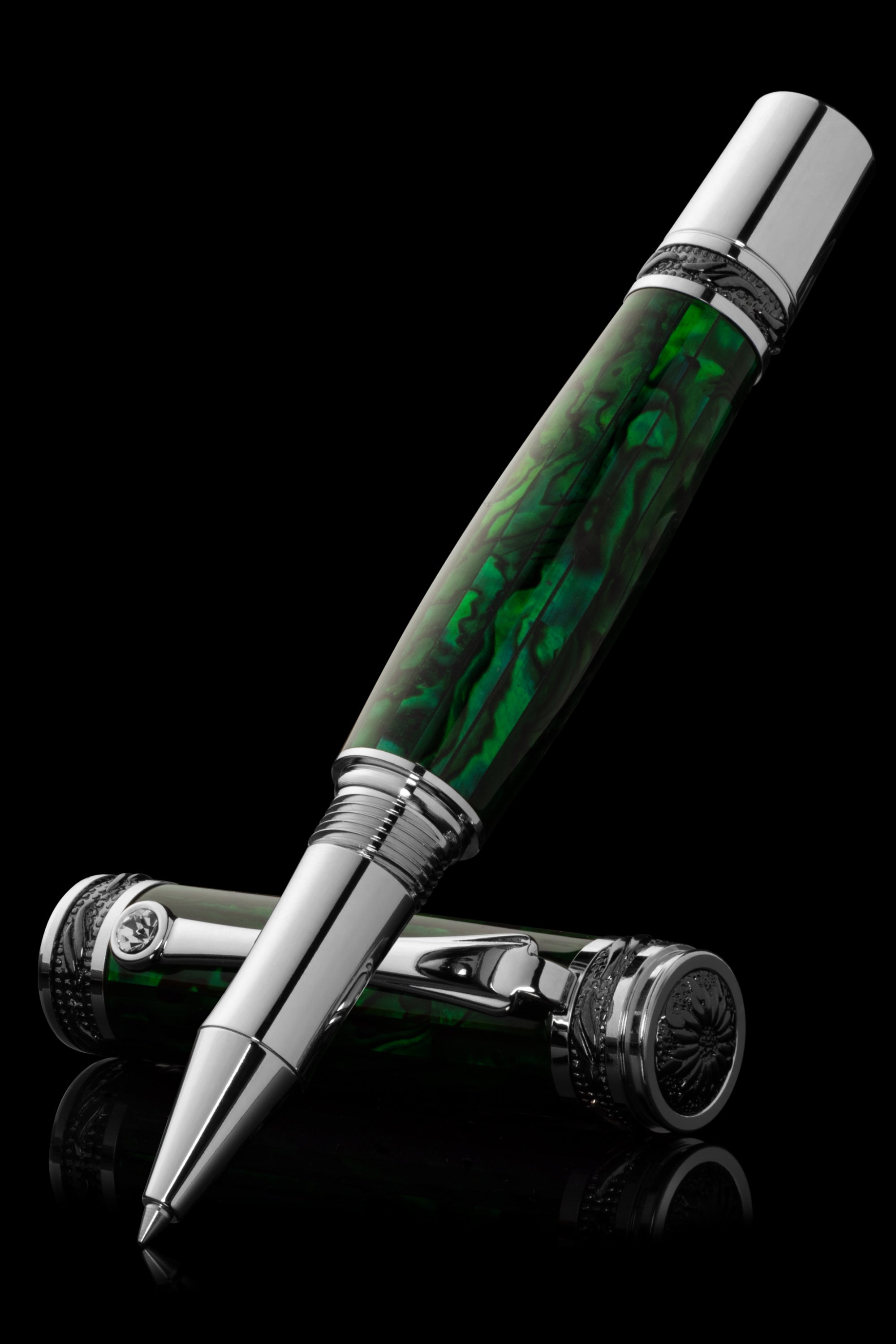
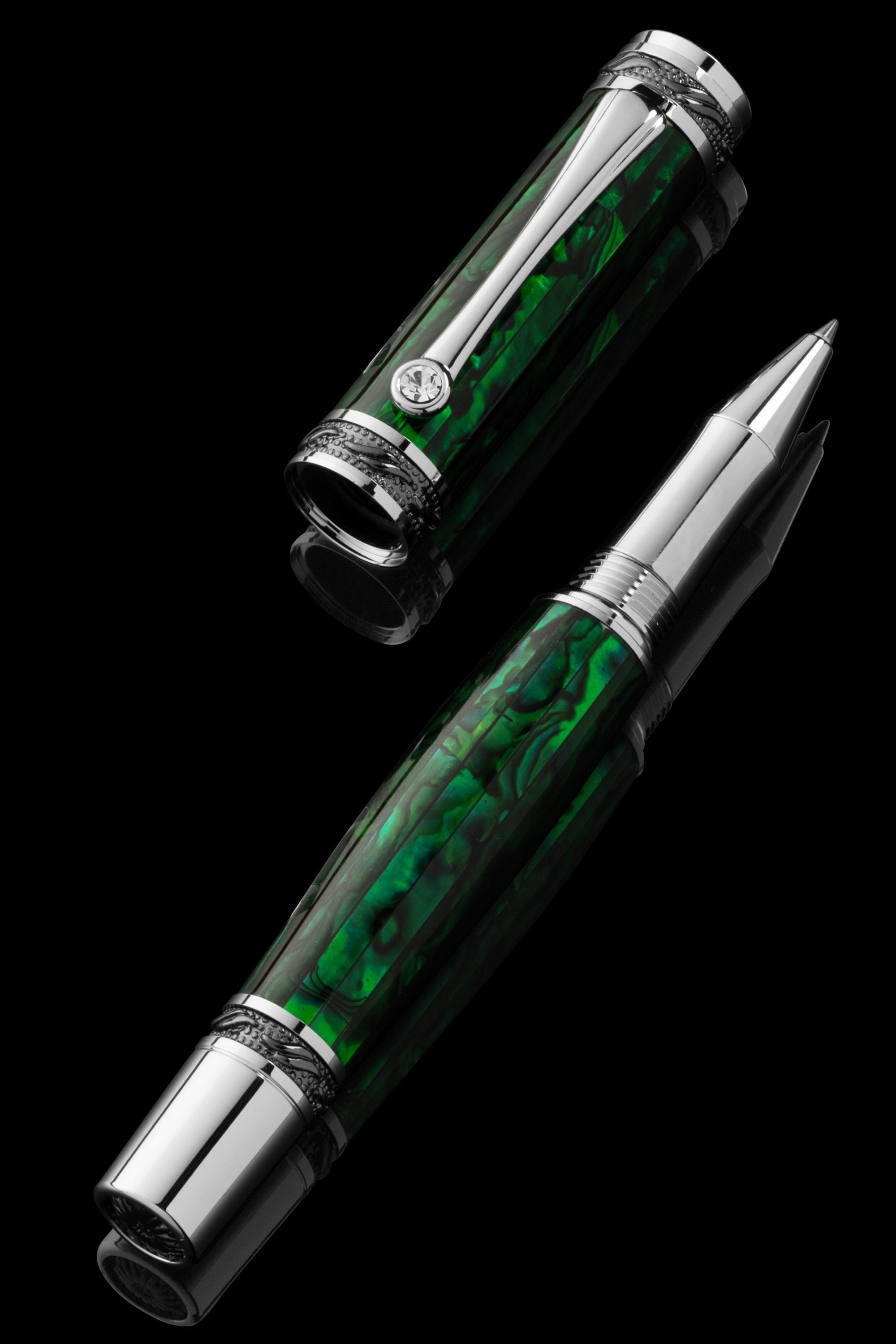
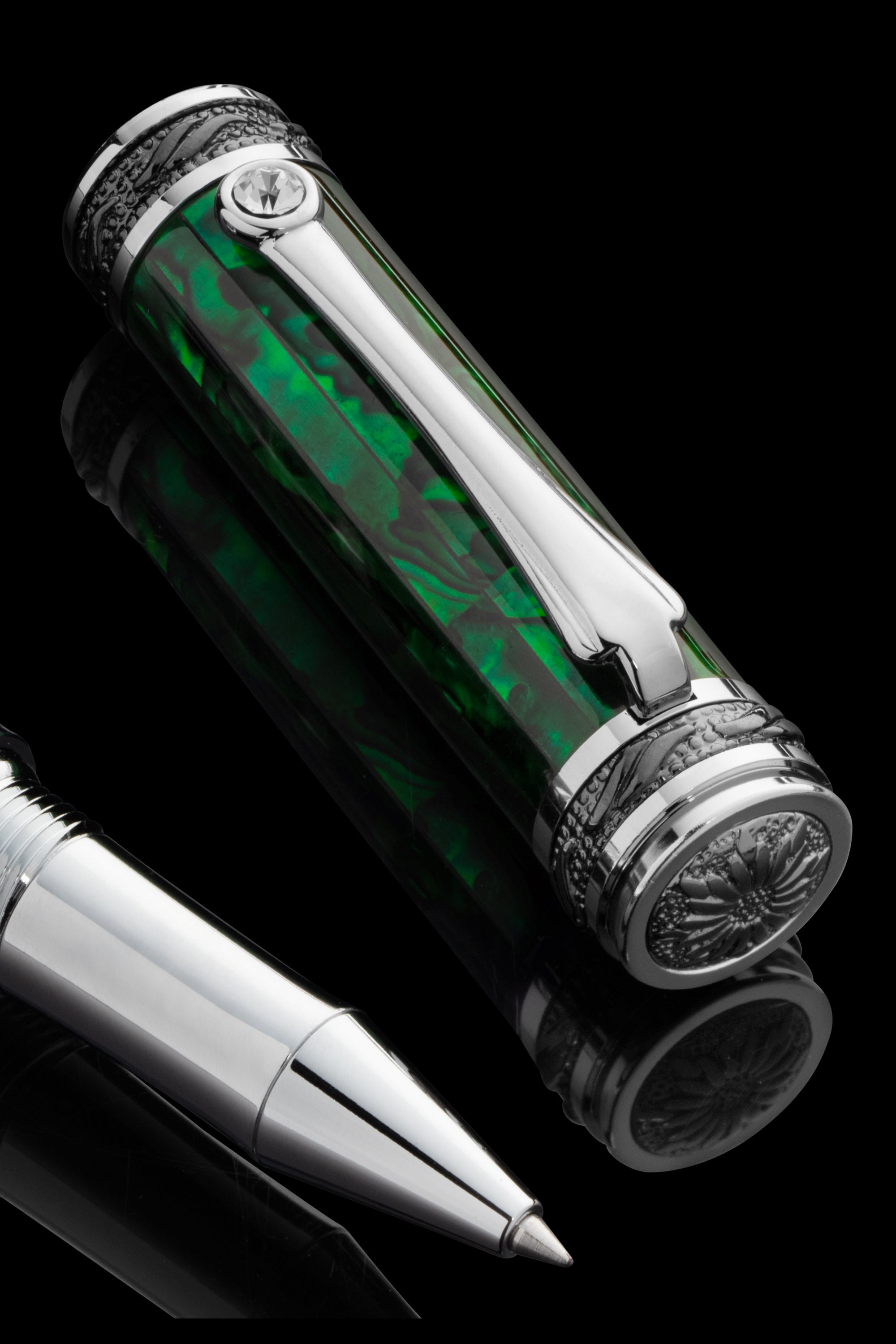
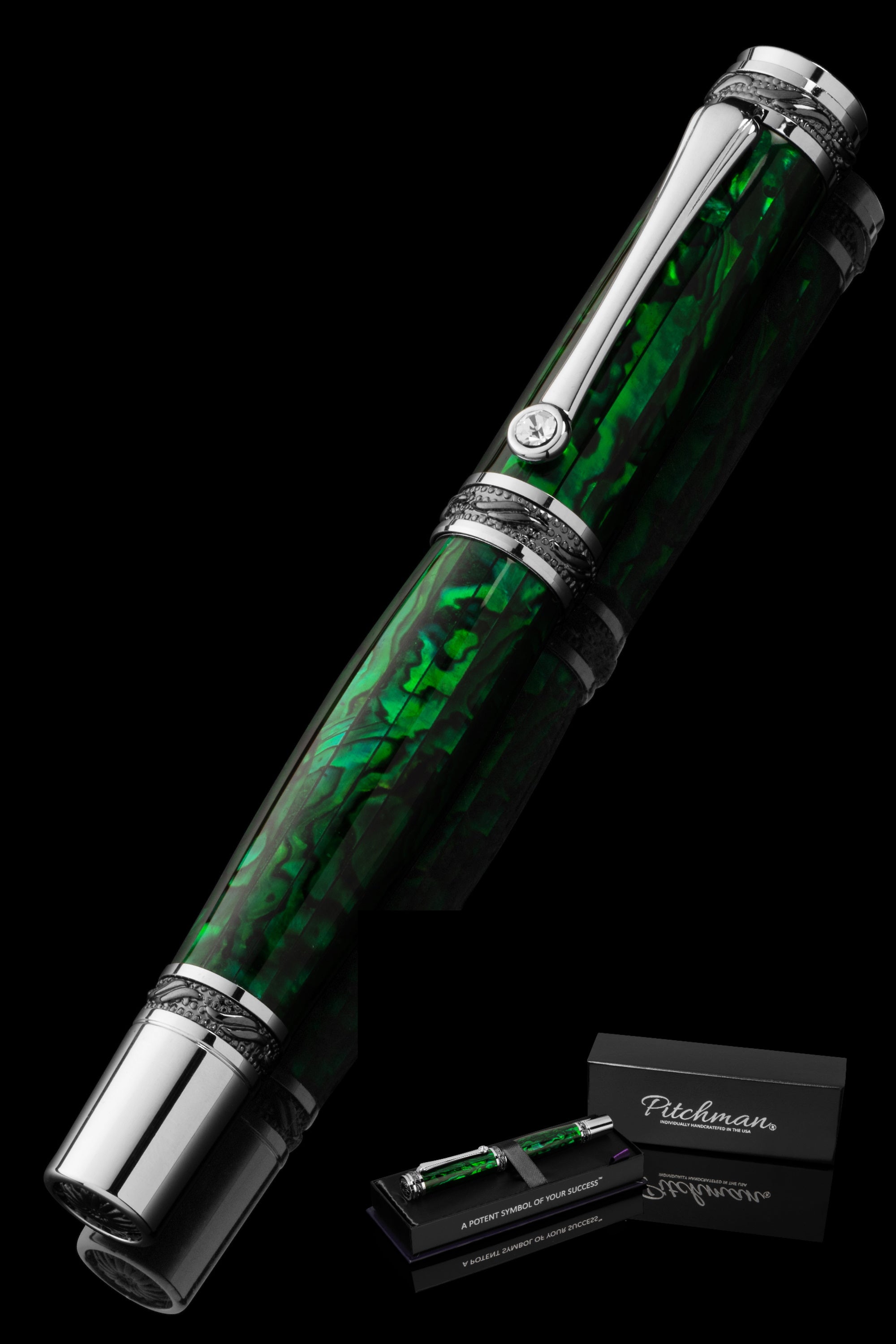
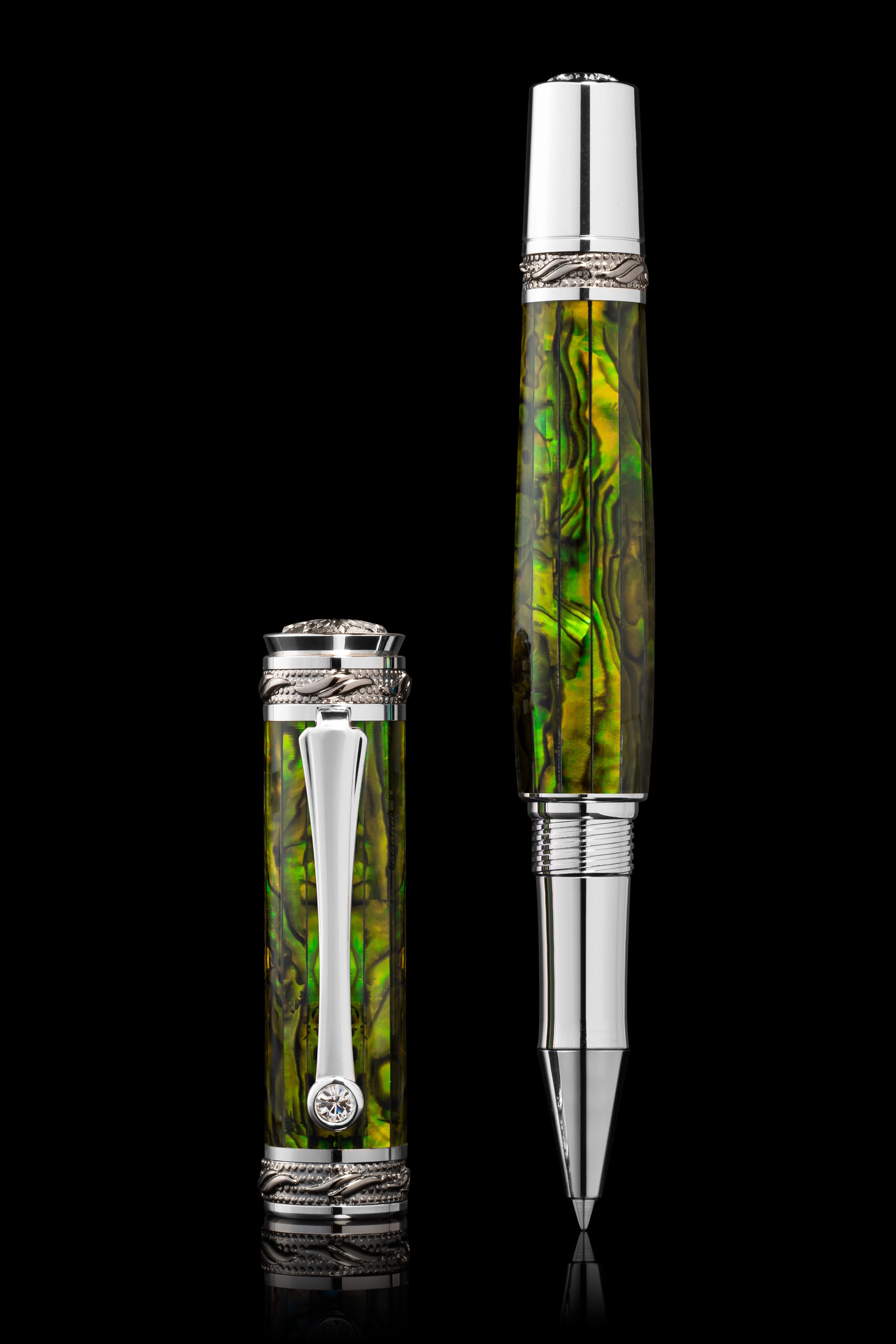
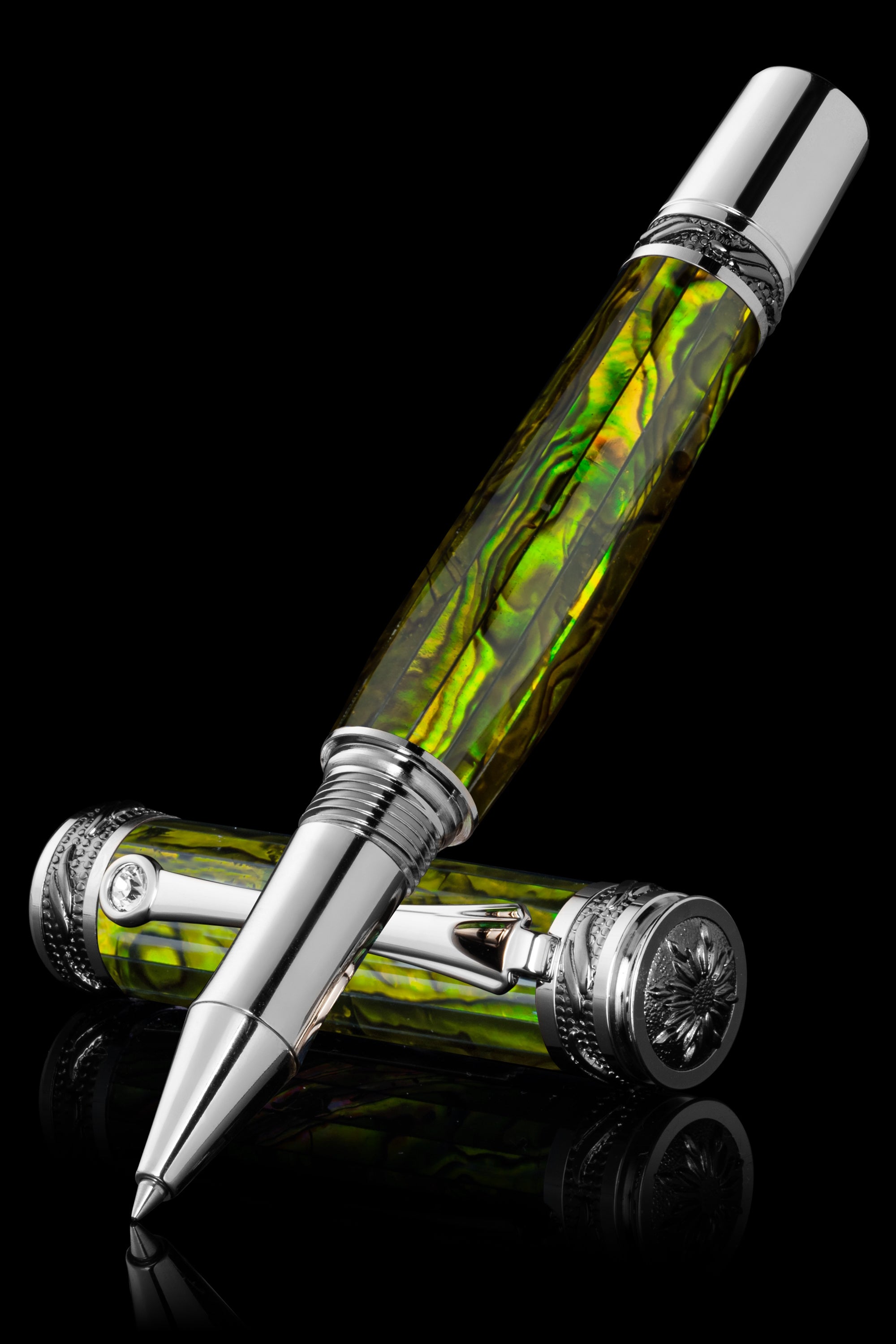
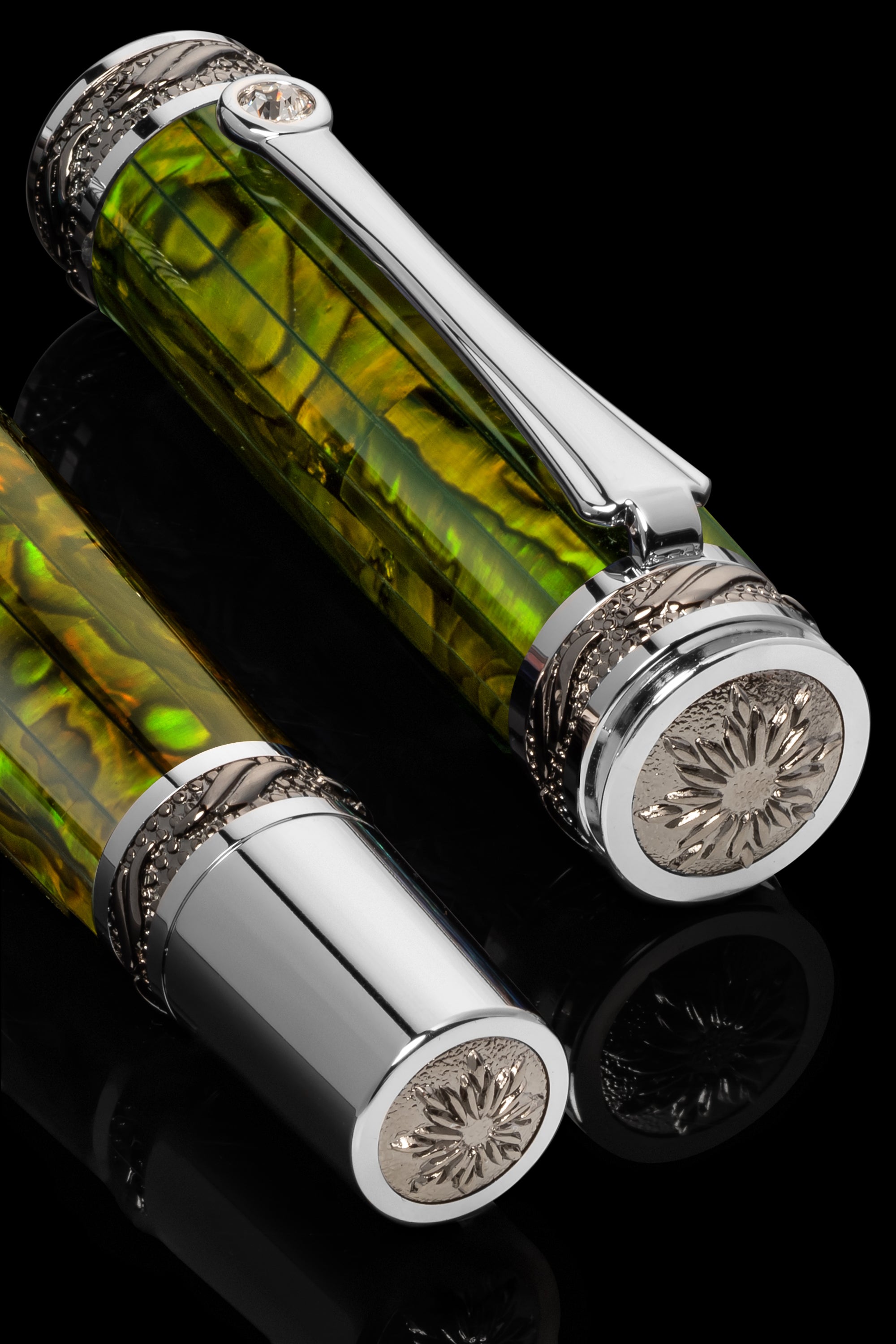
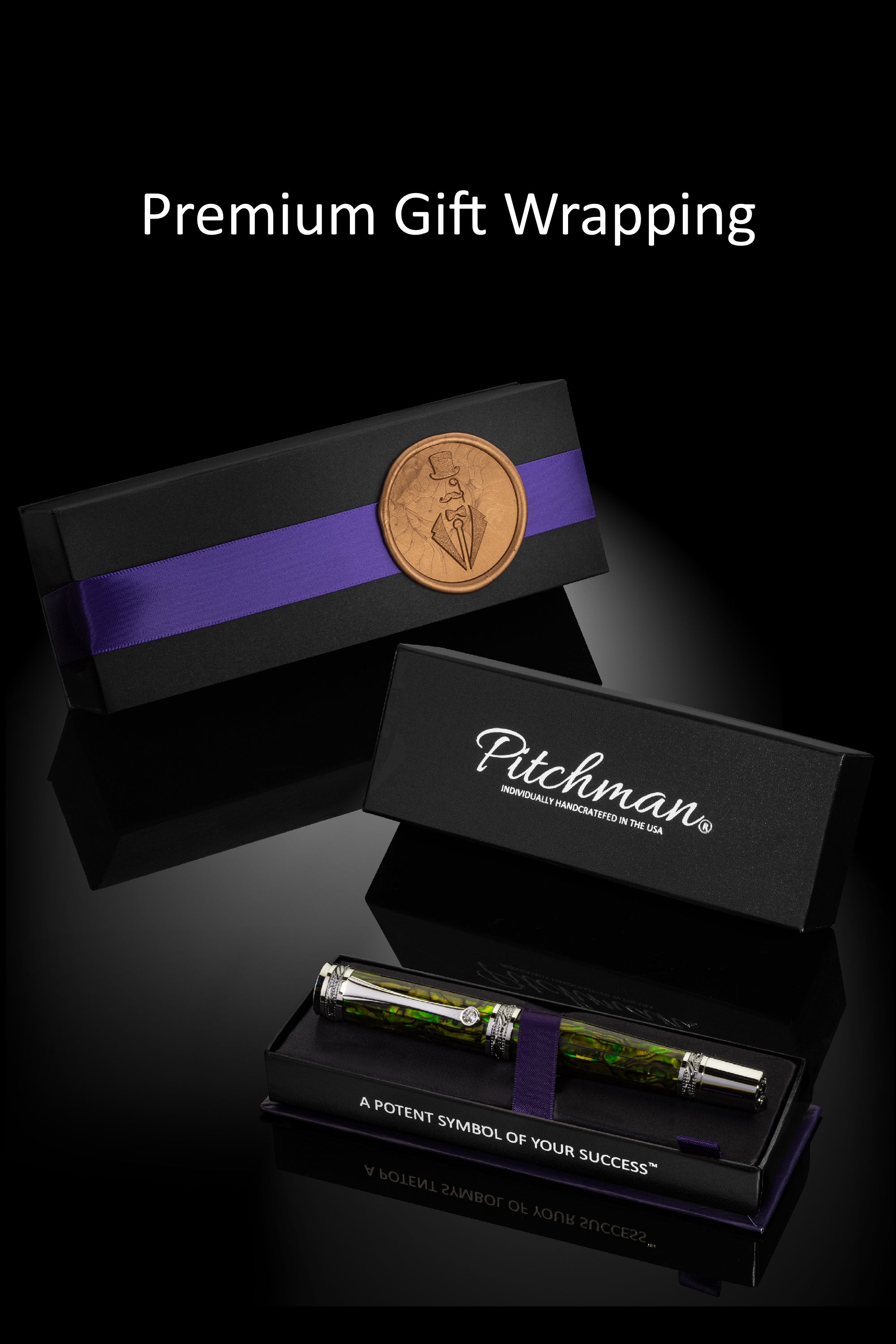
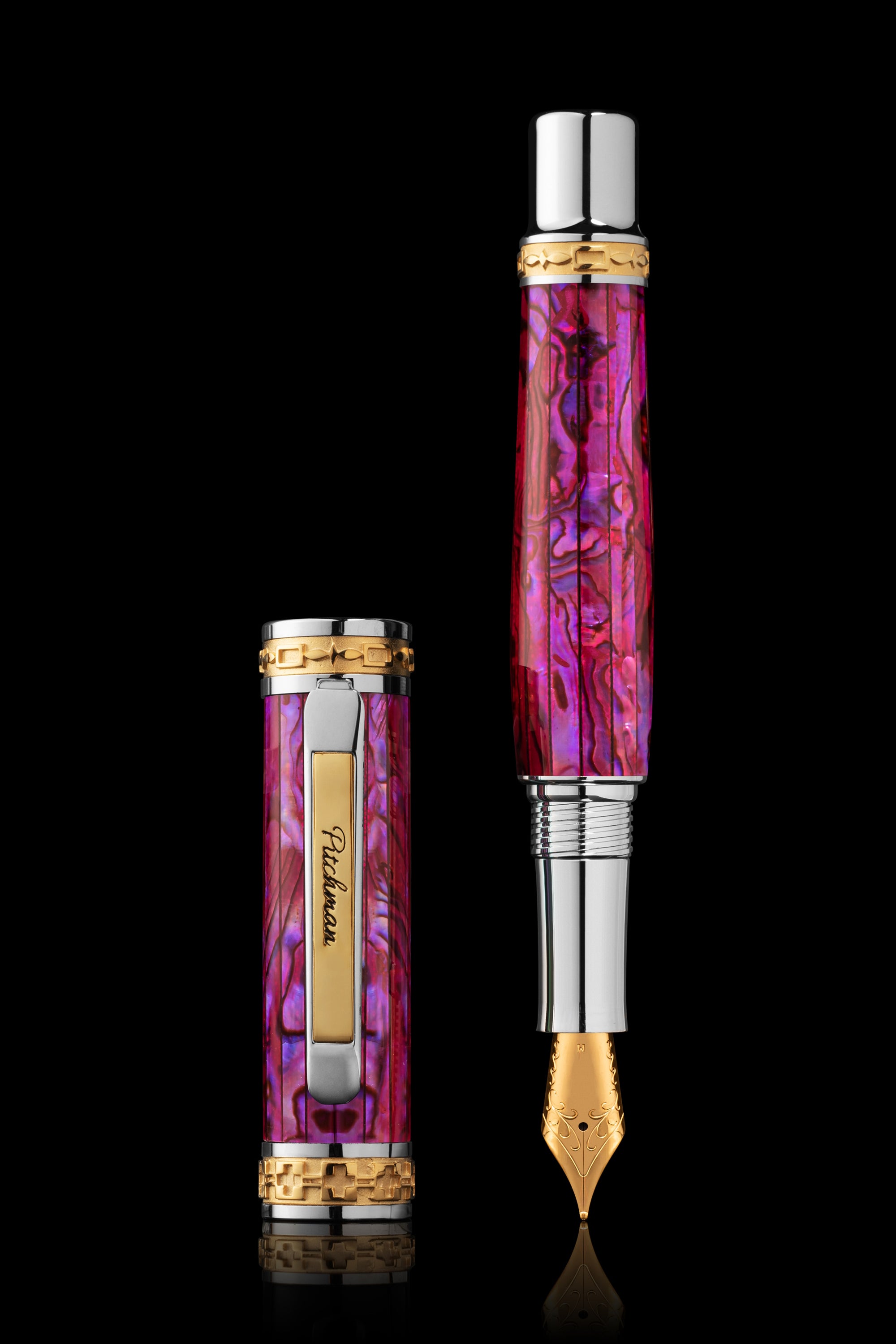
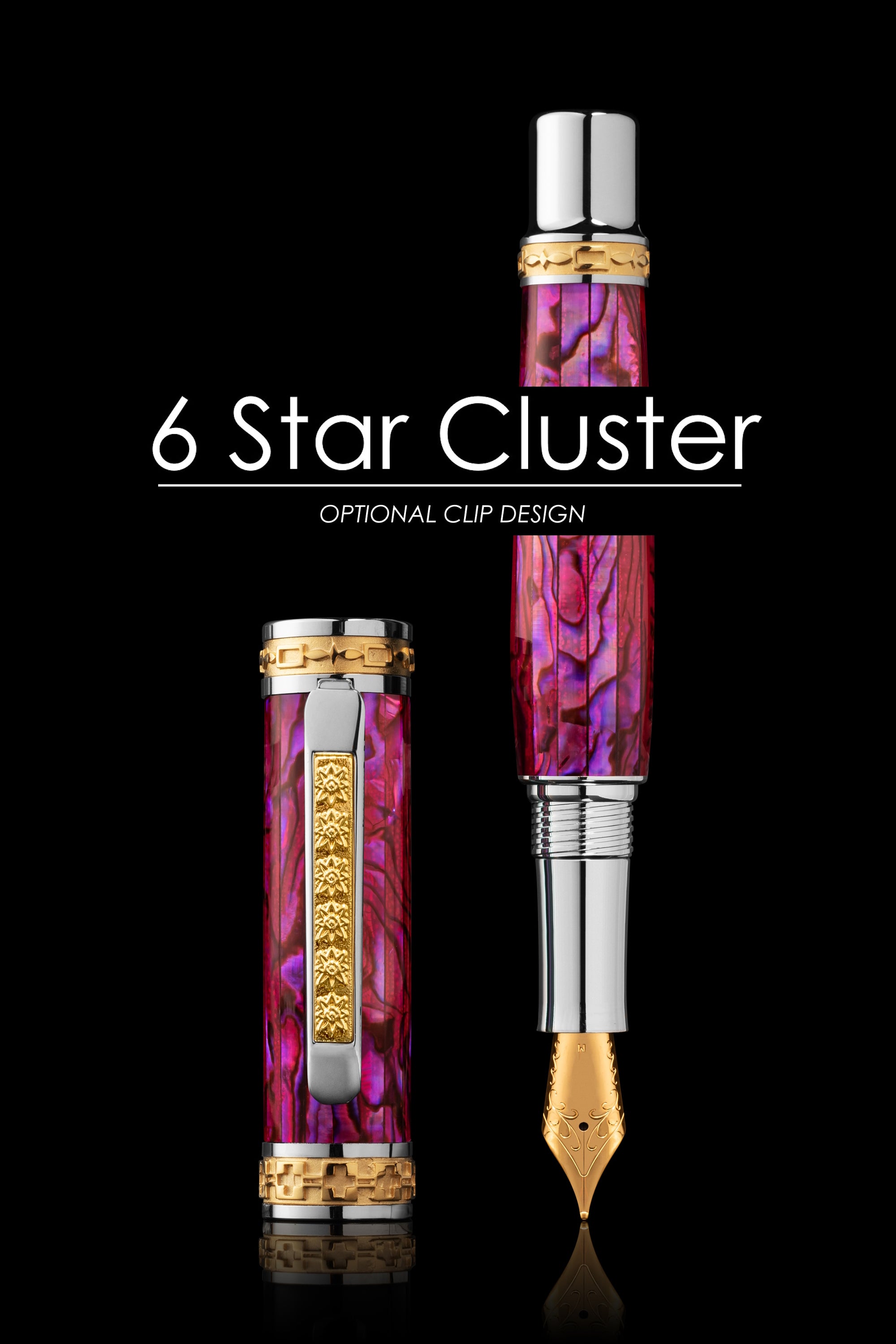
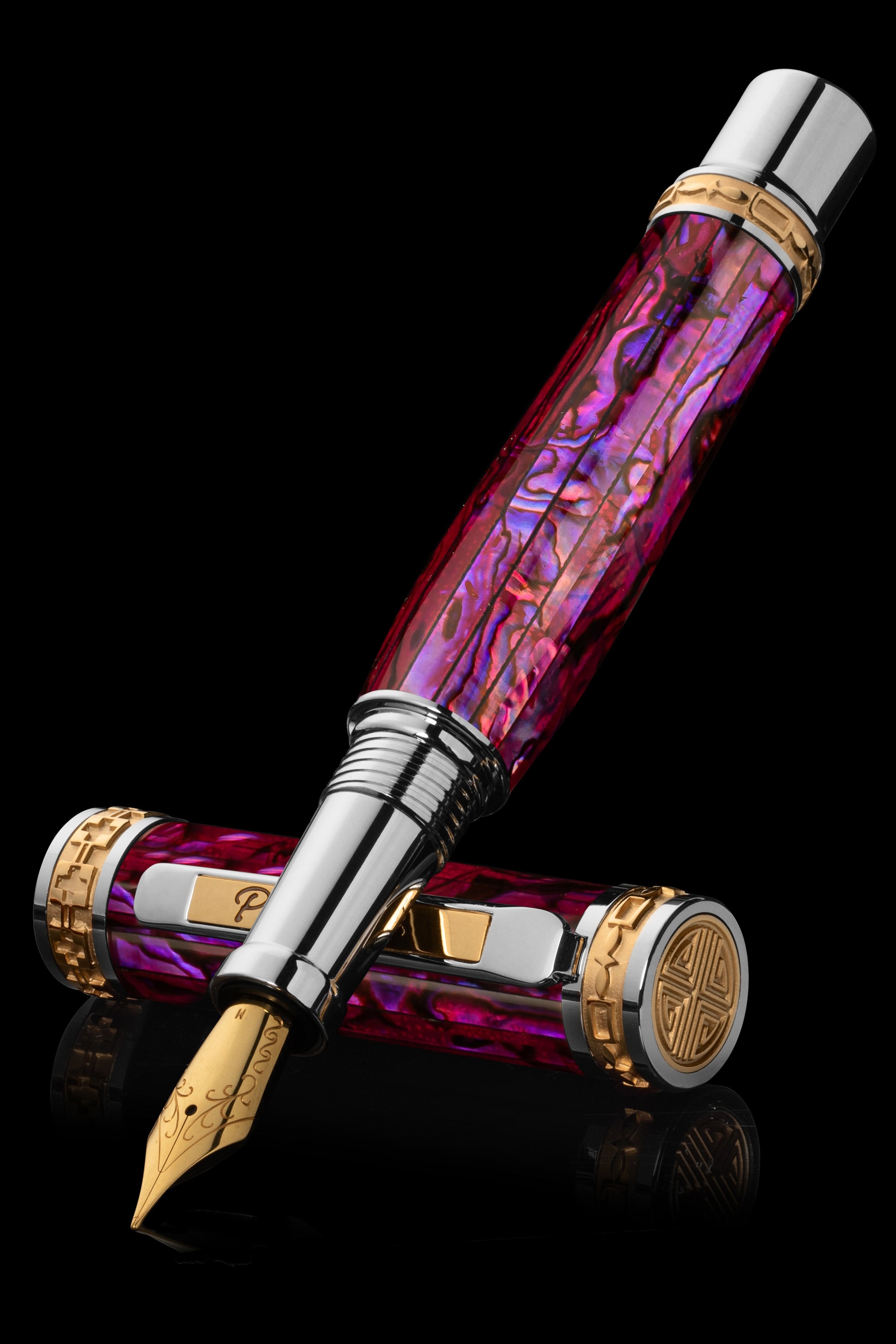
Some instruments are designed to accompany beginnings rather than commemorate endings. They are chosen for balance, longevity, and presence—made to serve during years of decision-making rather than moments of display.
For those seeking to mark the first signature with care, these instruments quietly belong at the start.
See below for a few suggestions.