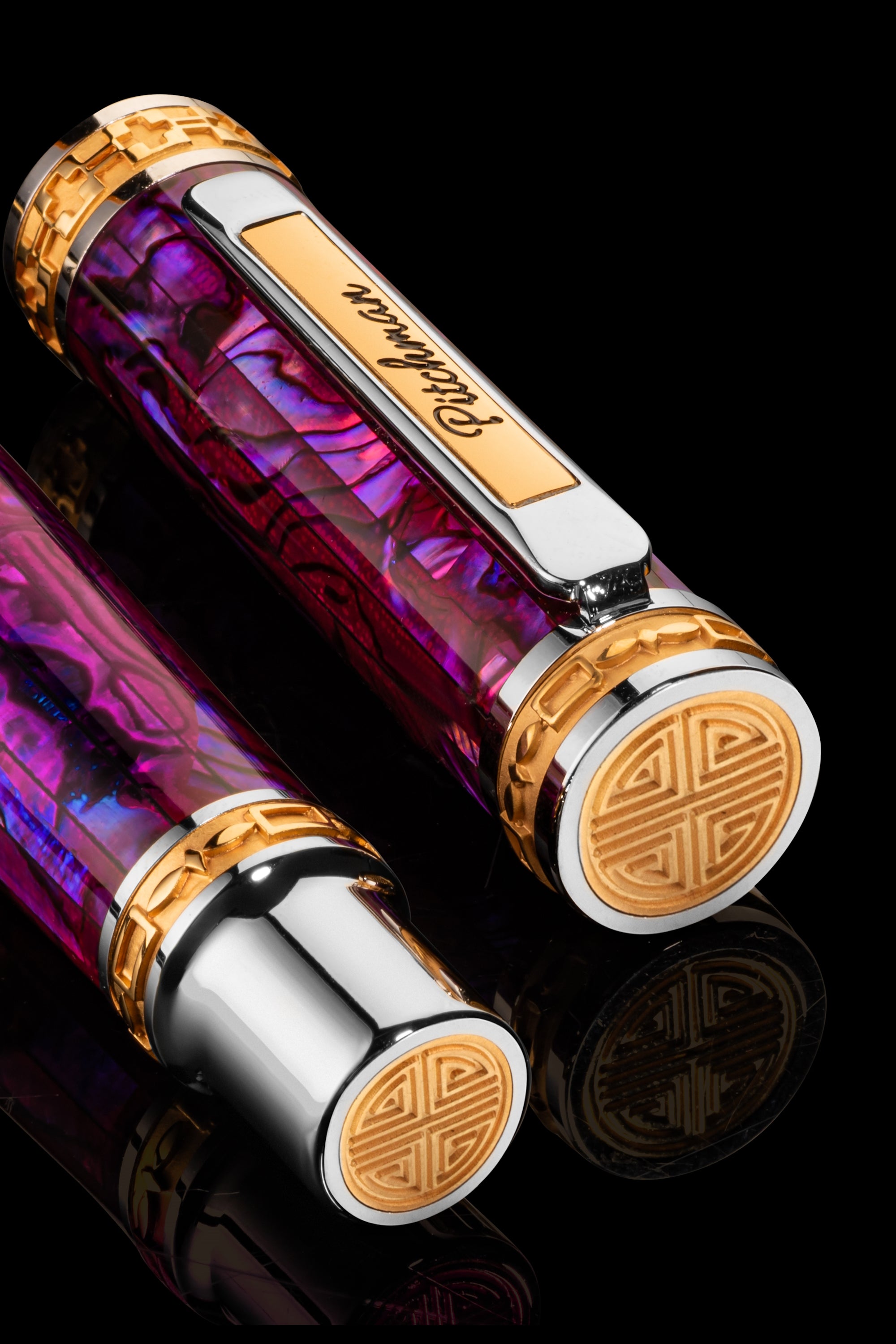
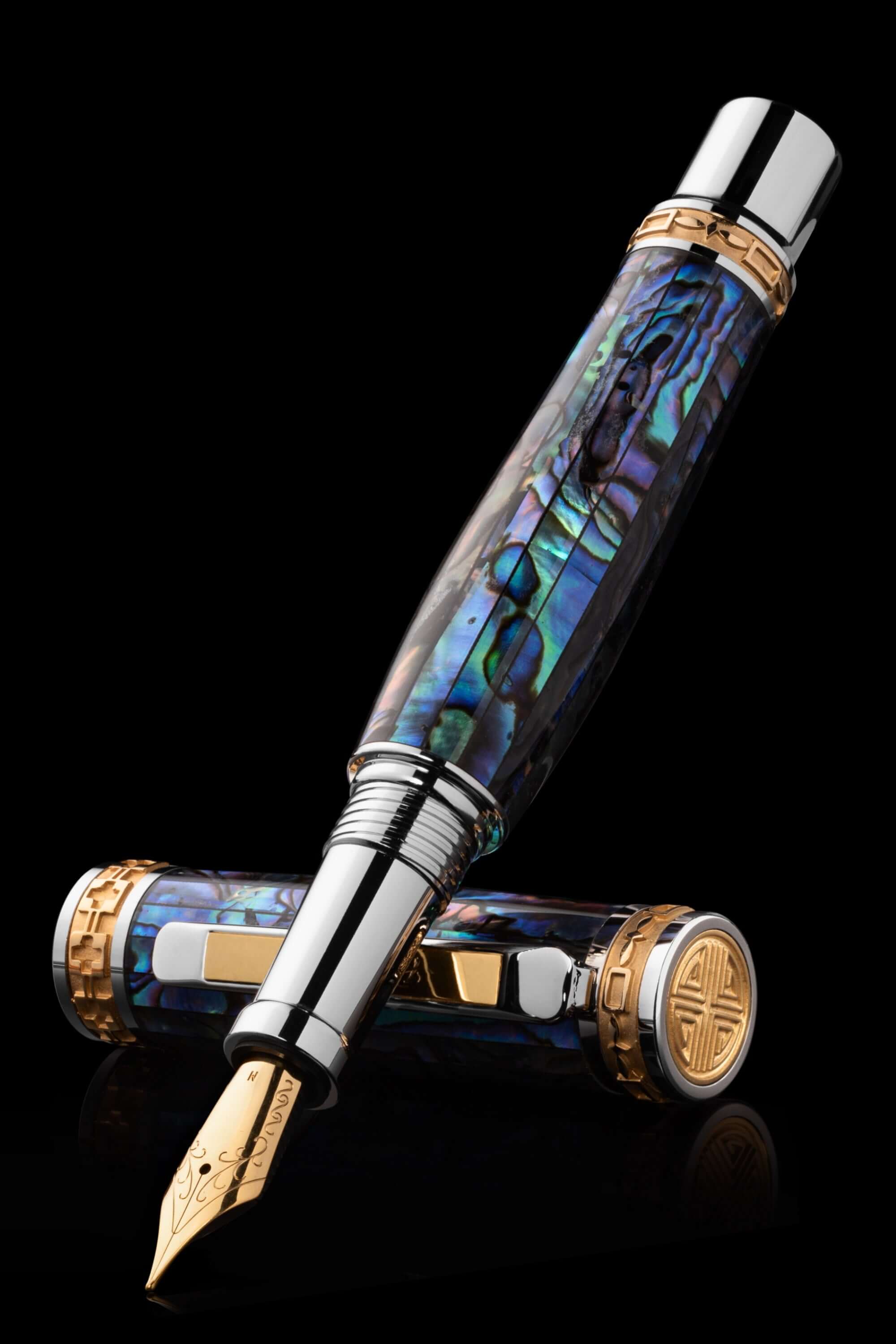
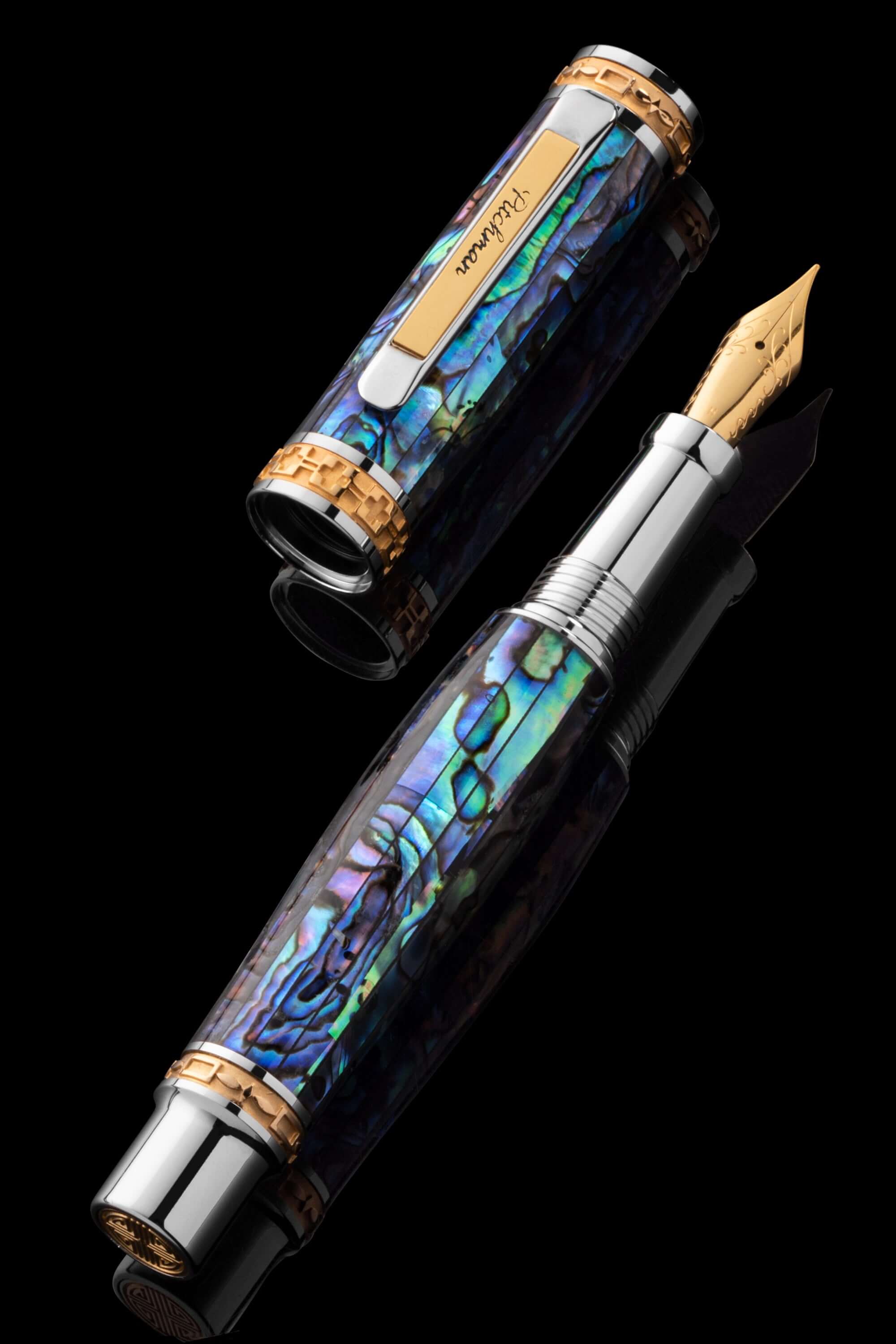
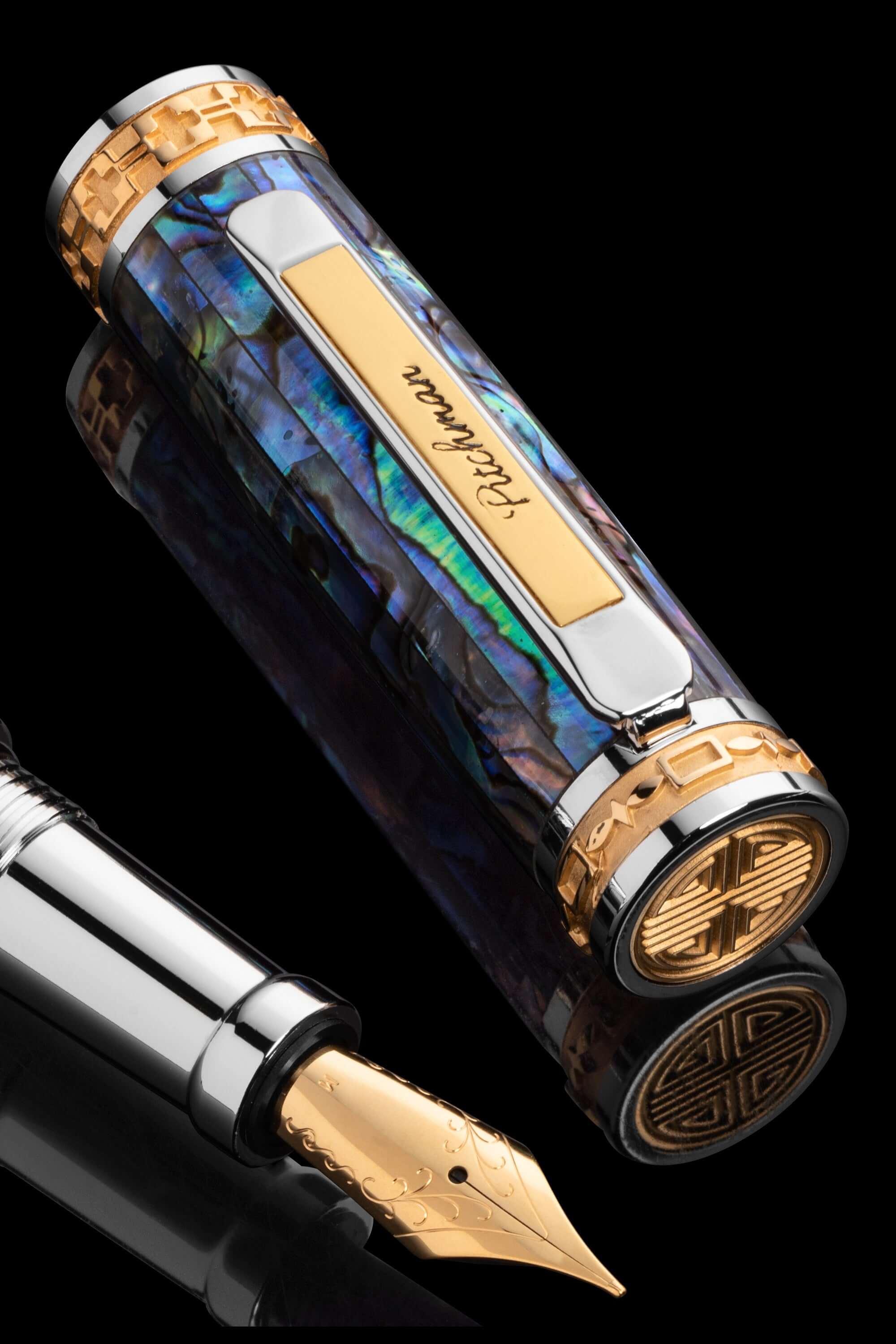
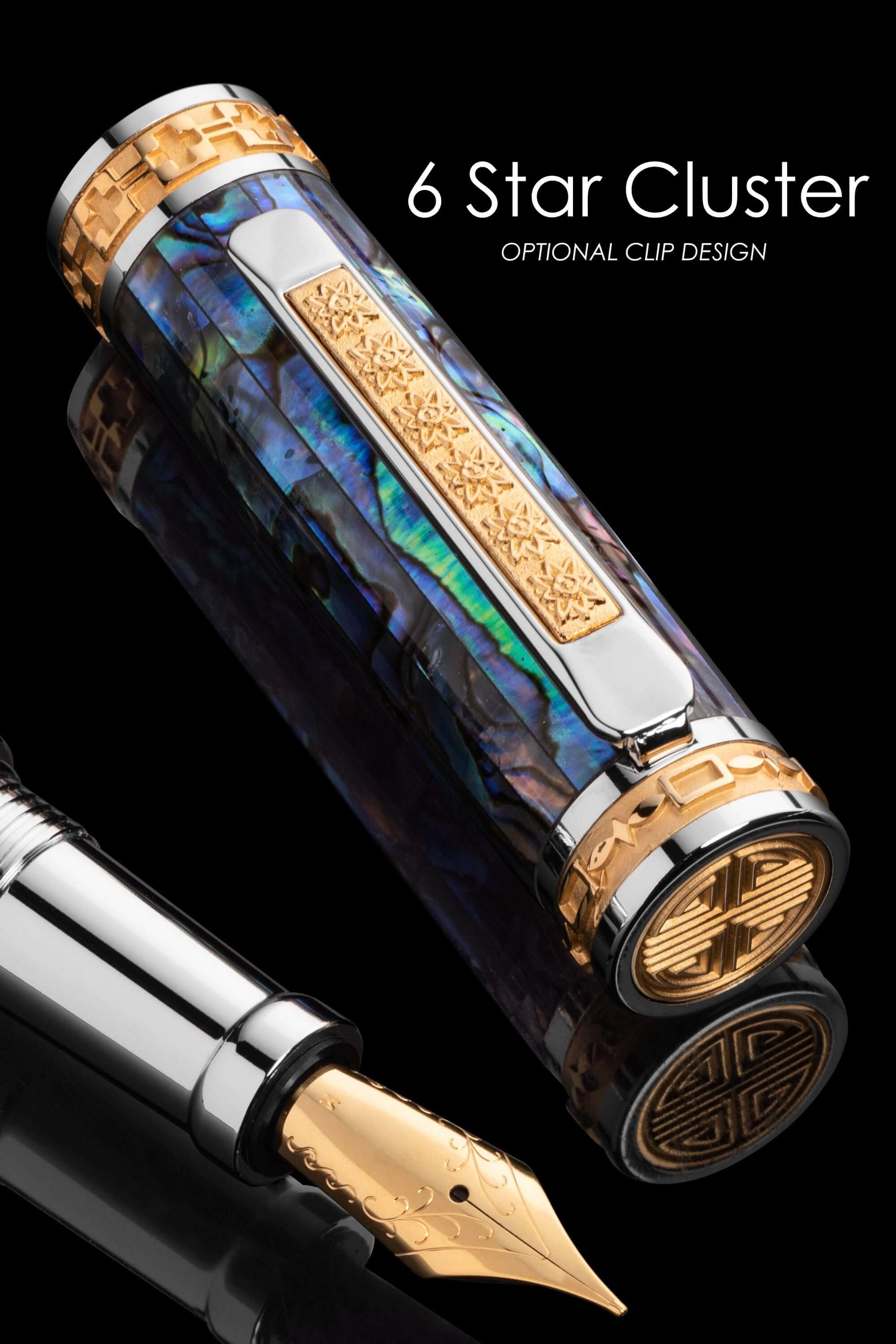
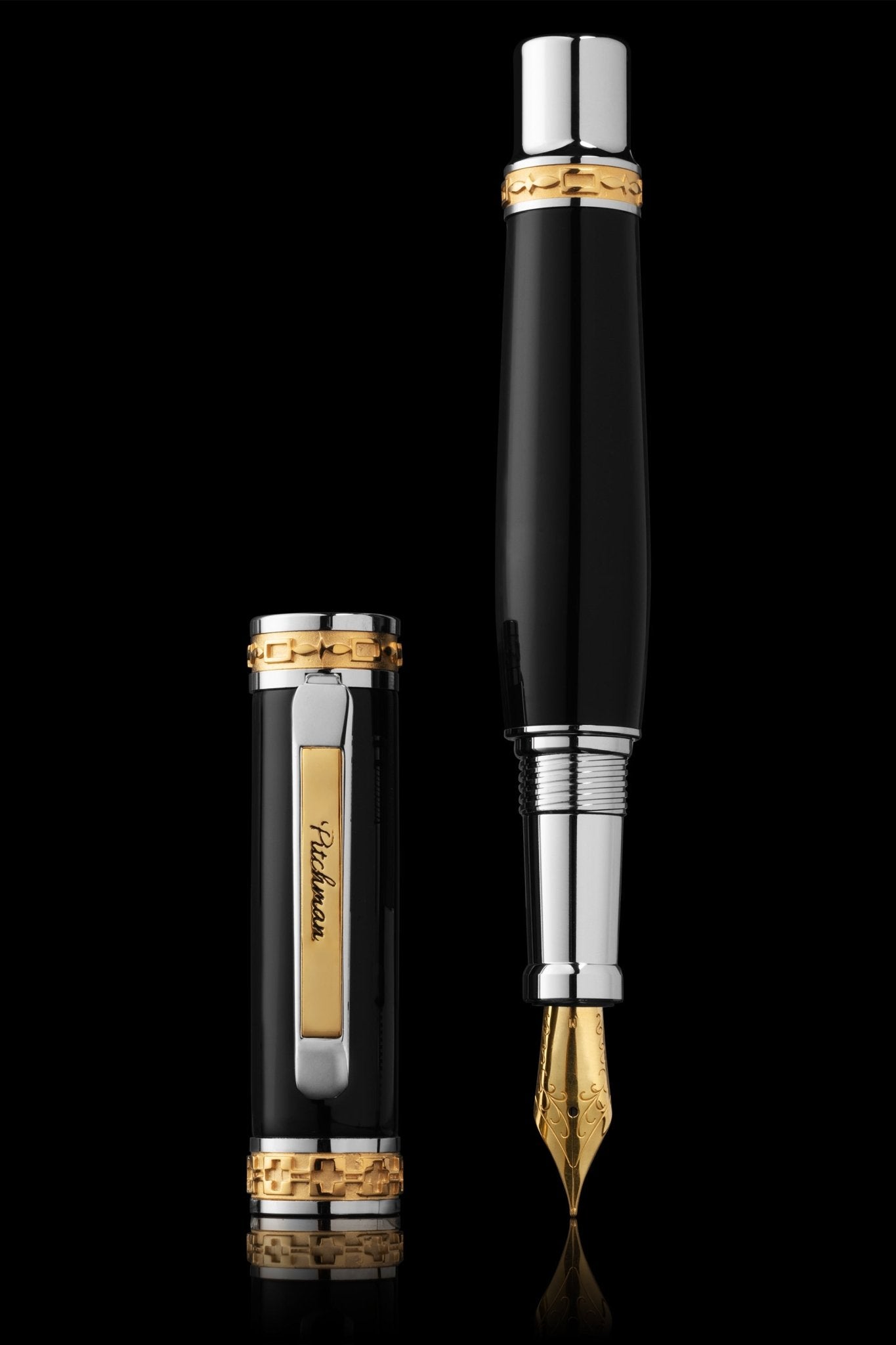
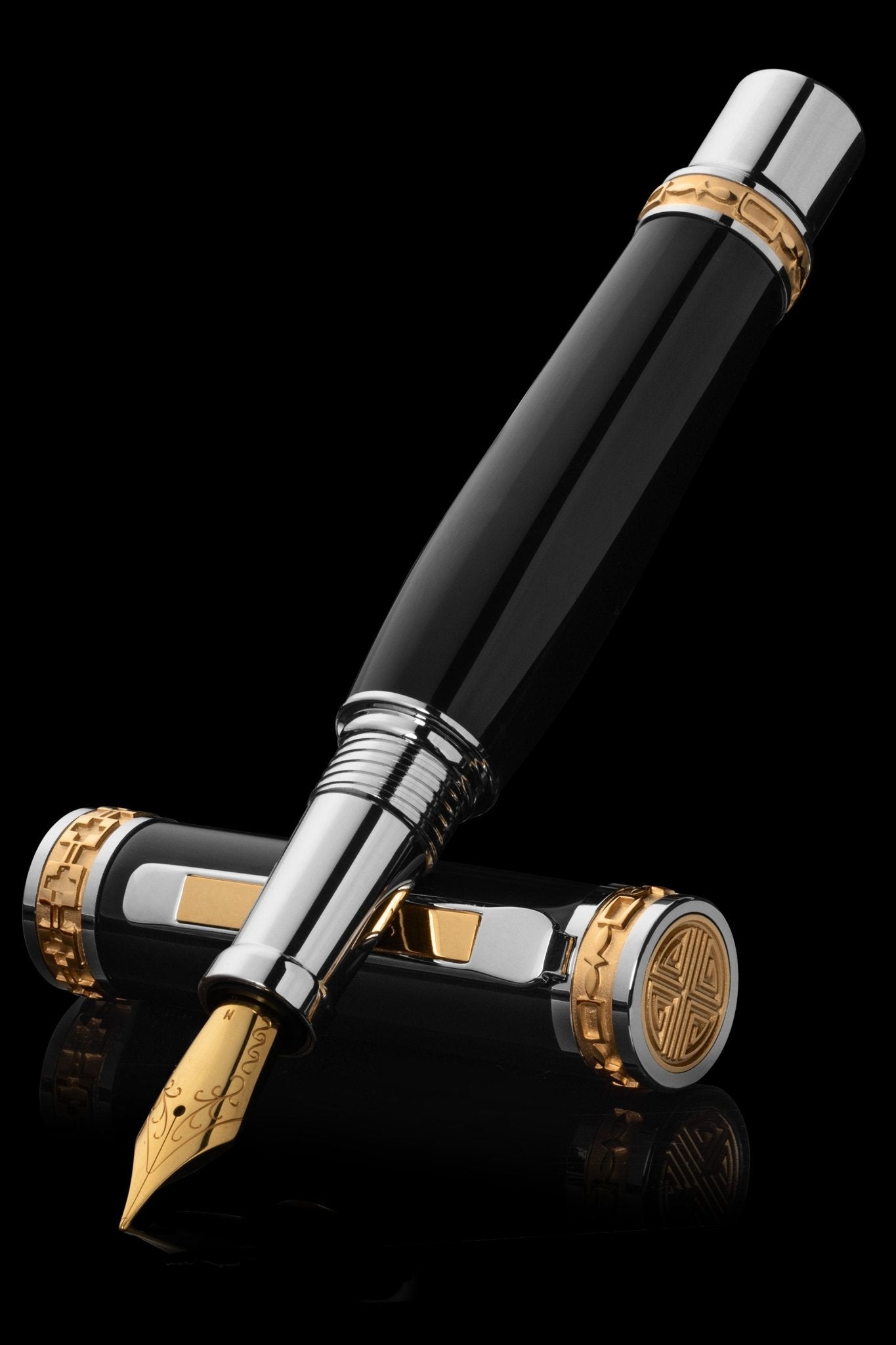
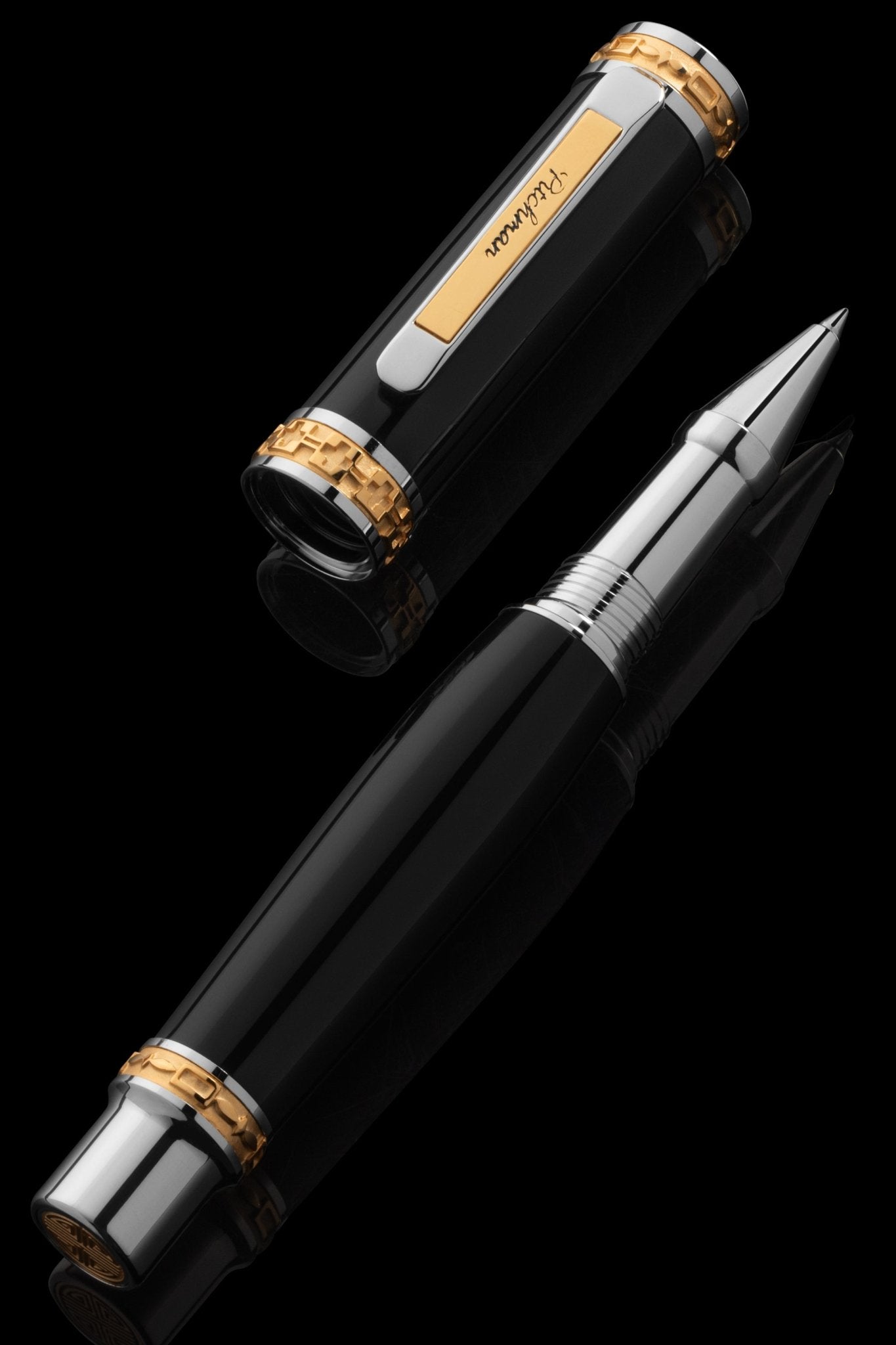
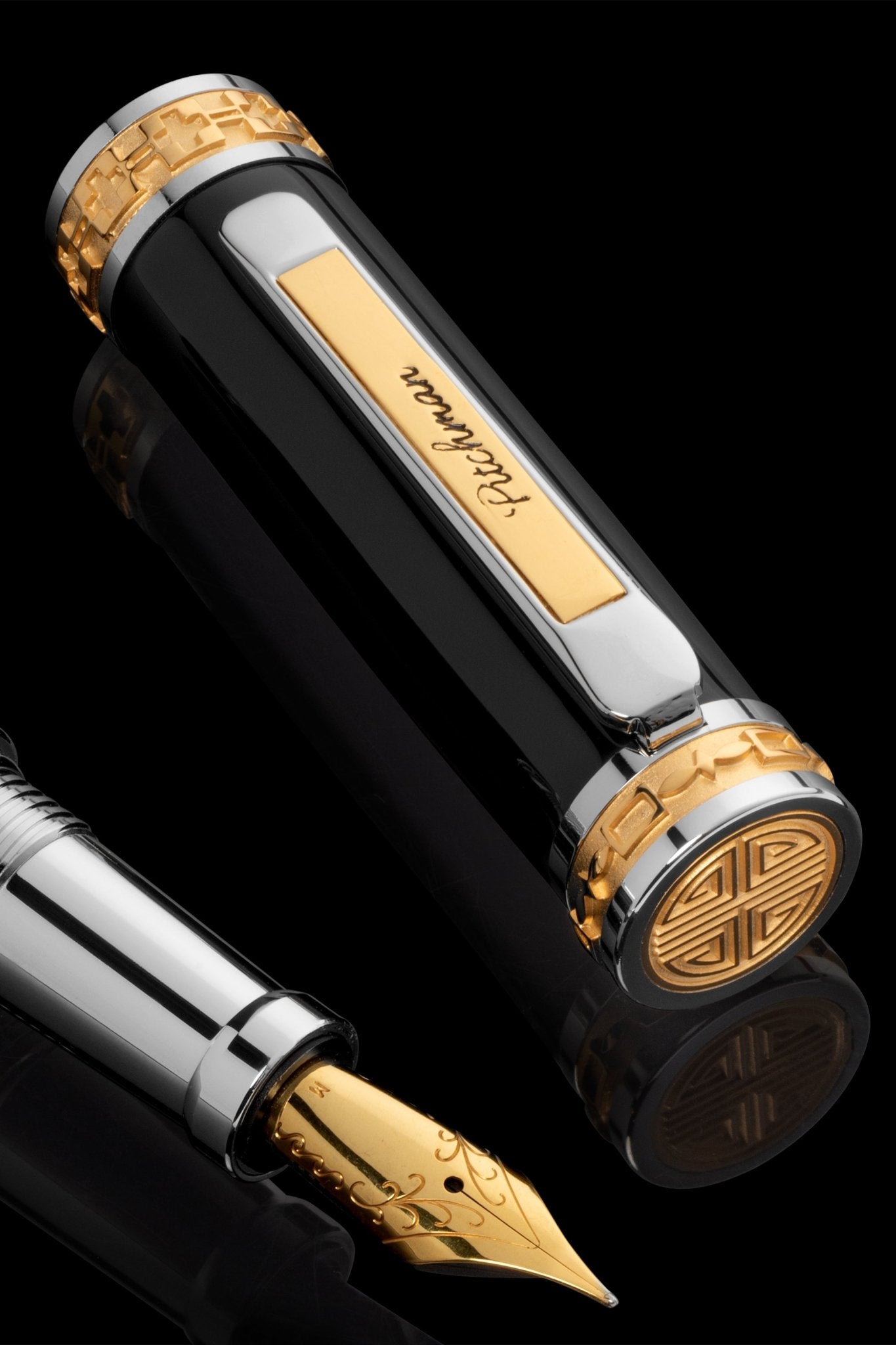
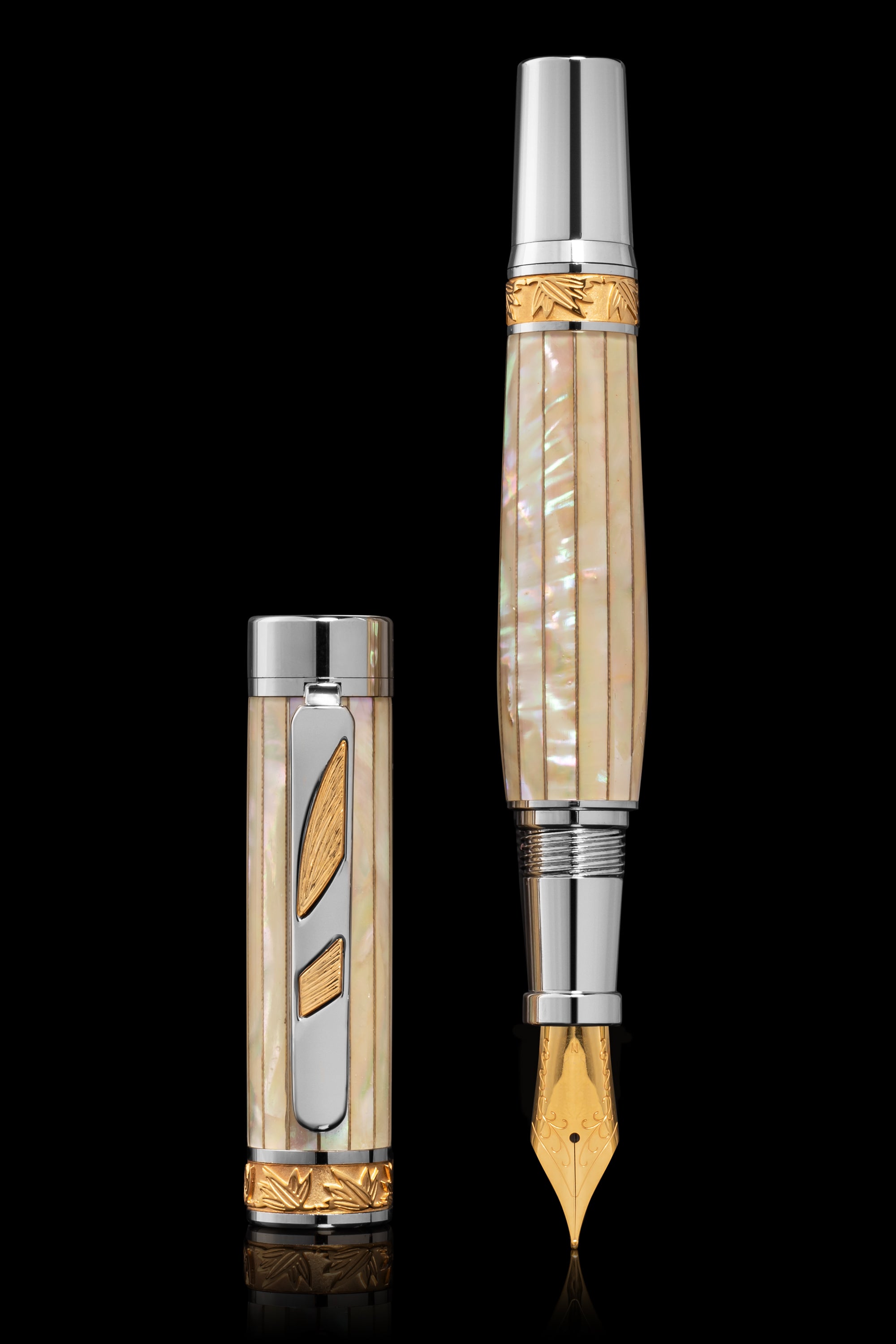
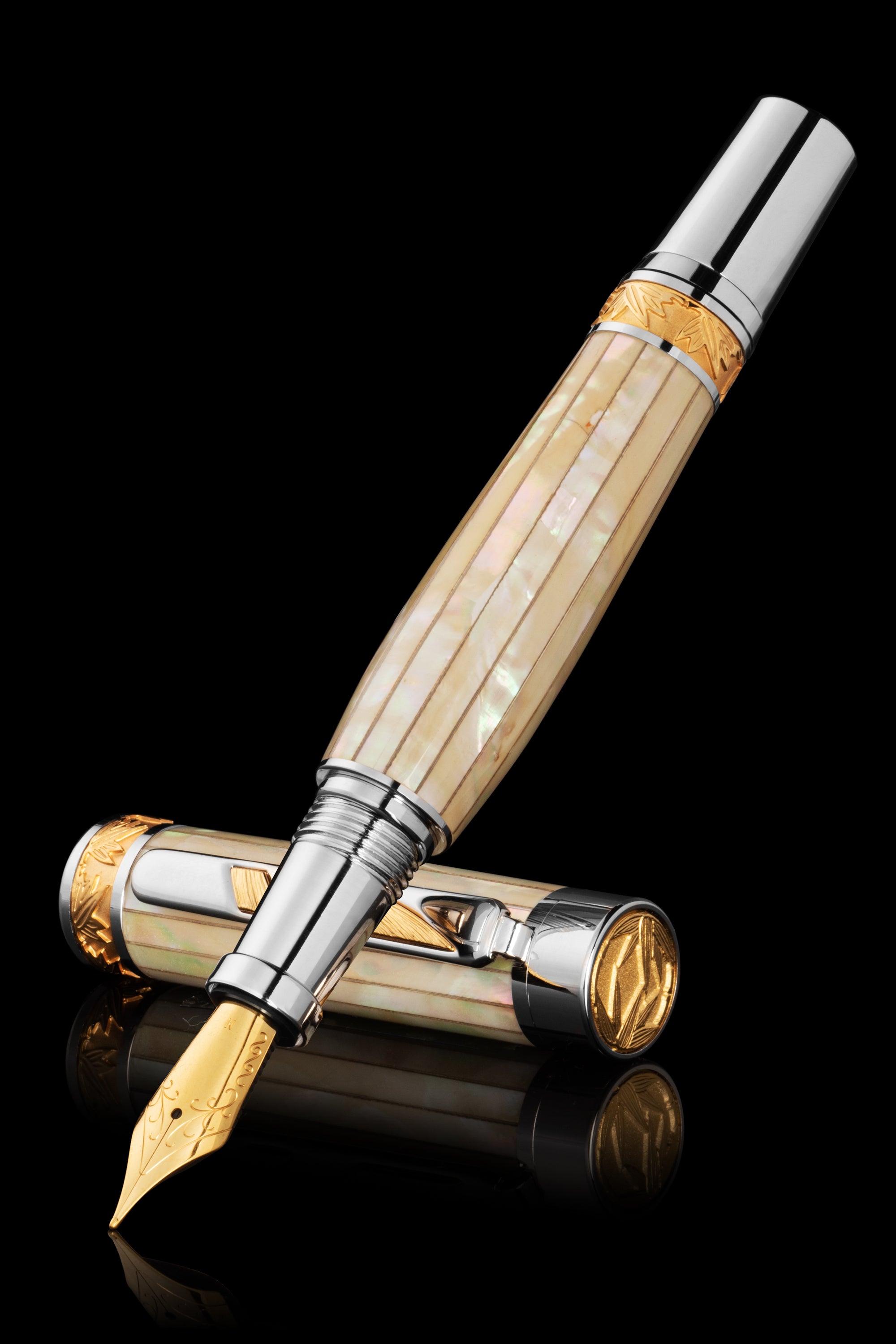
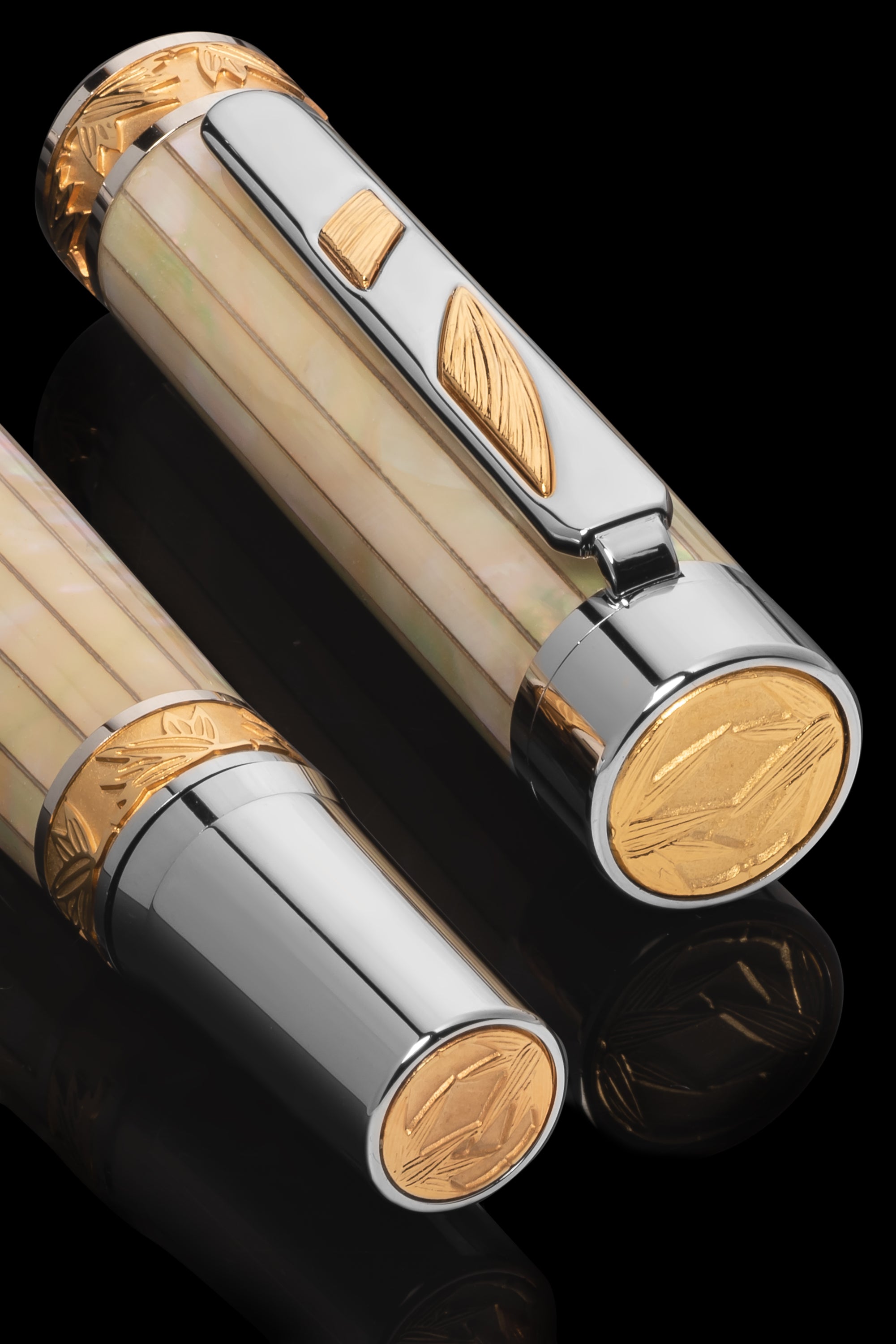
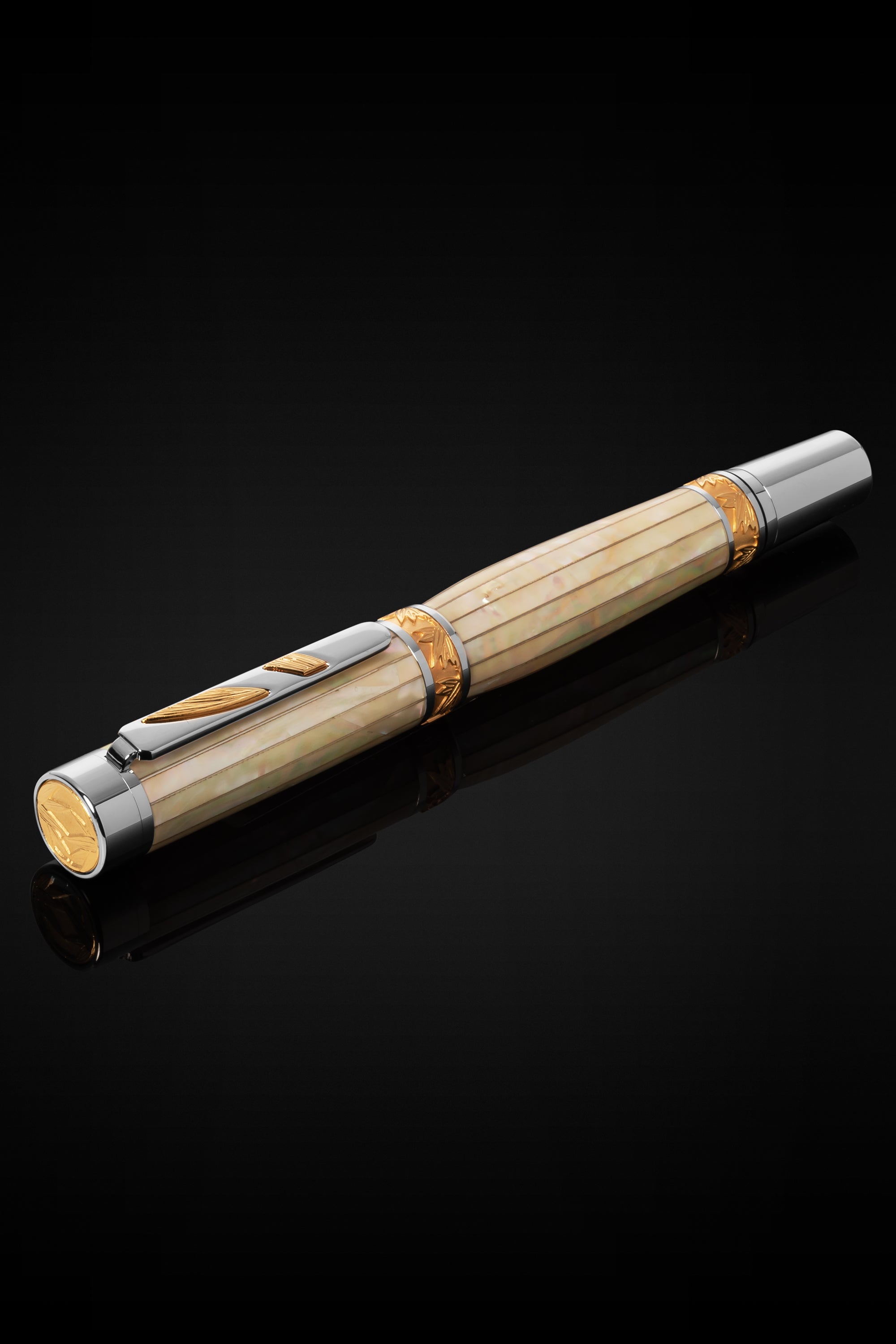
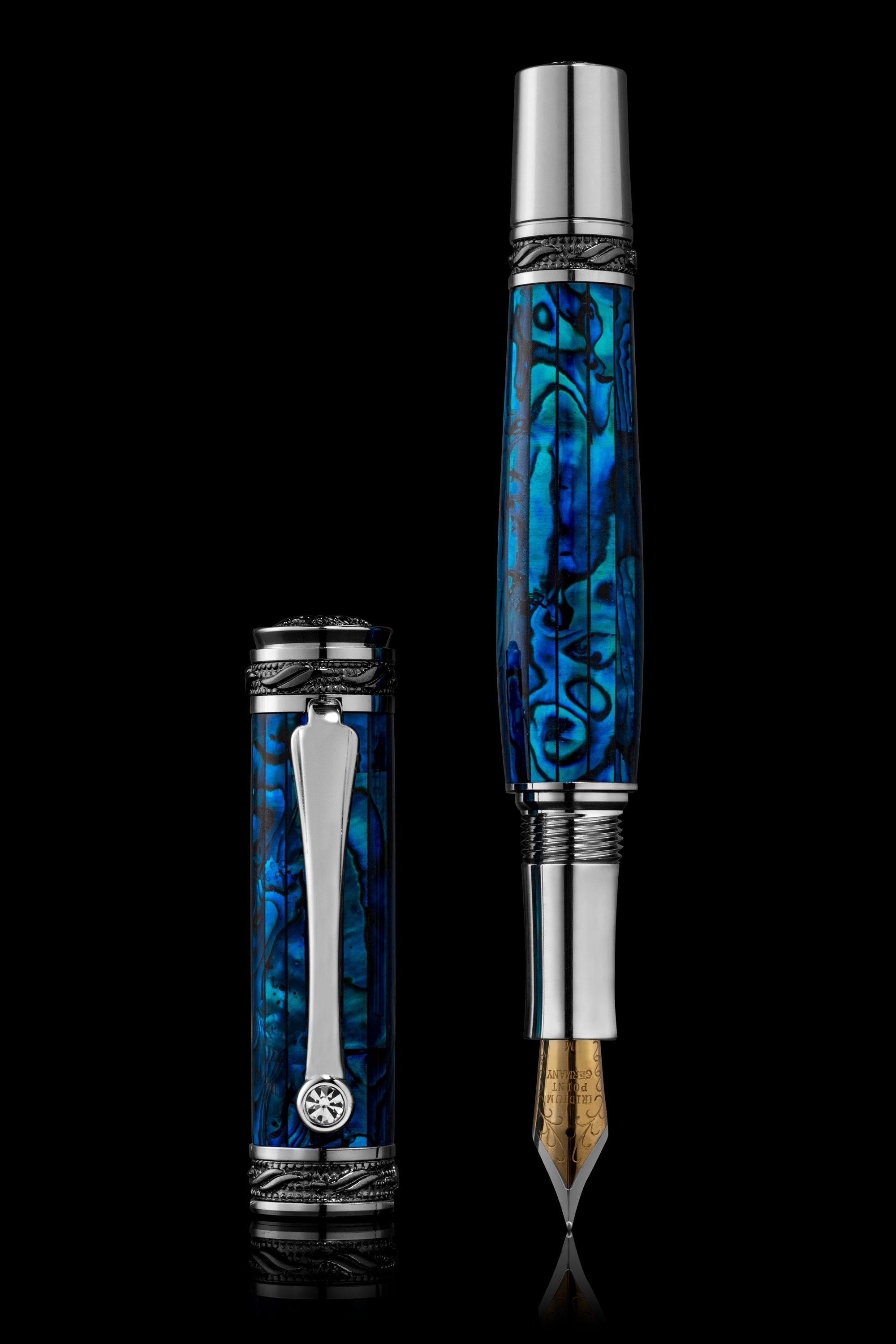
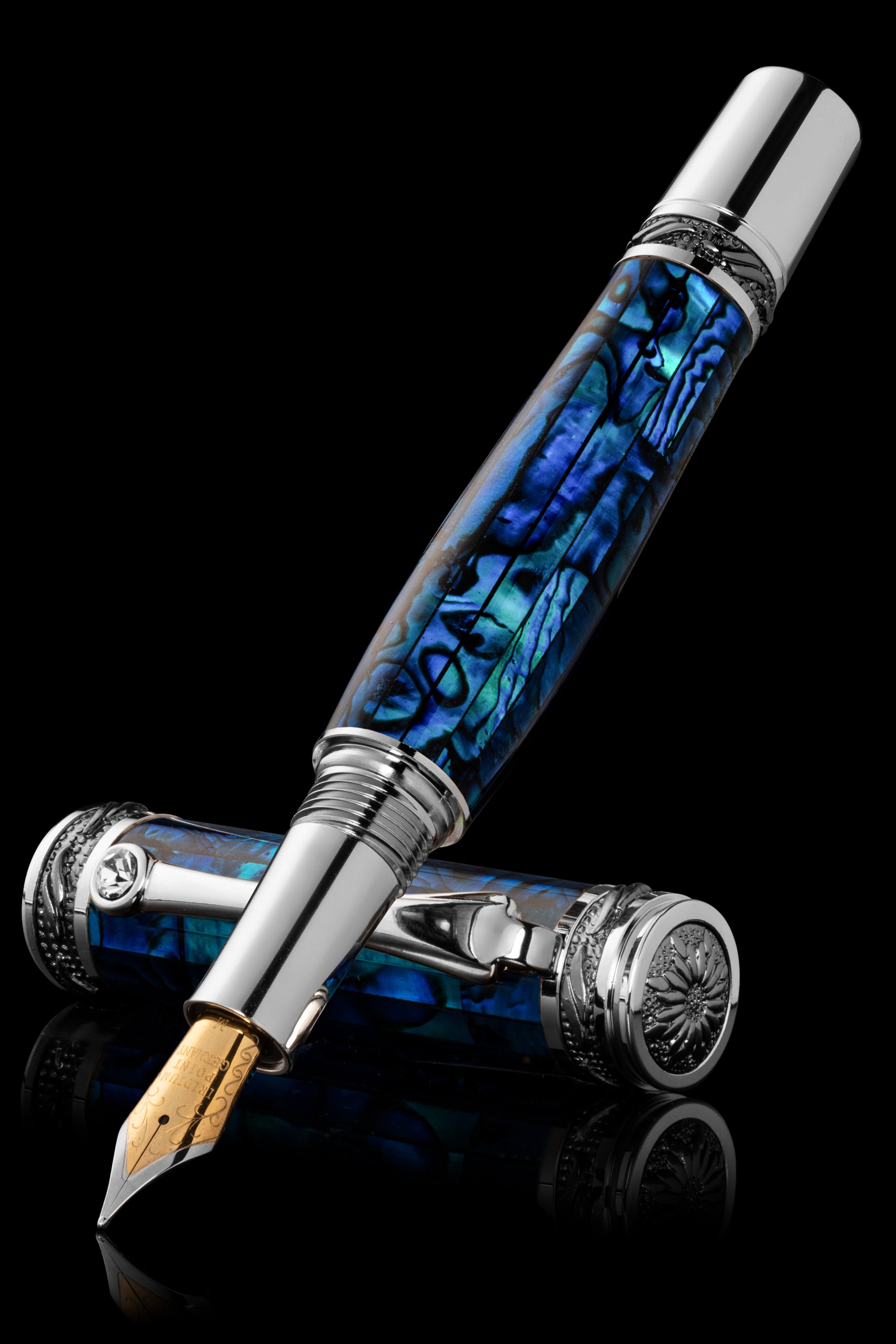
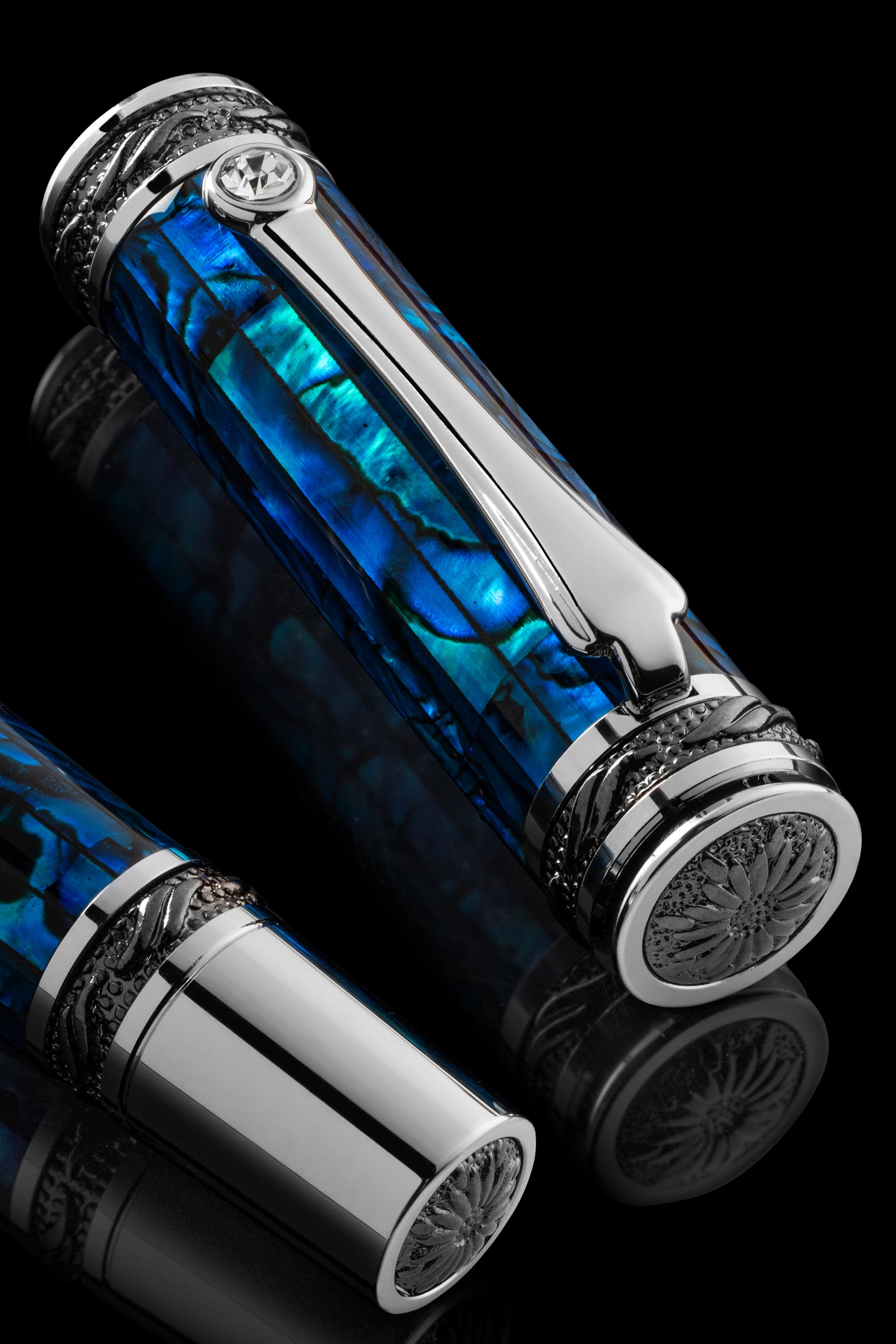
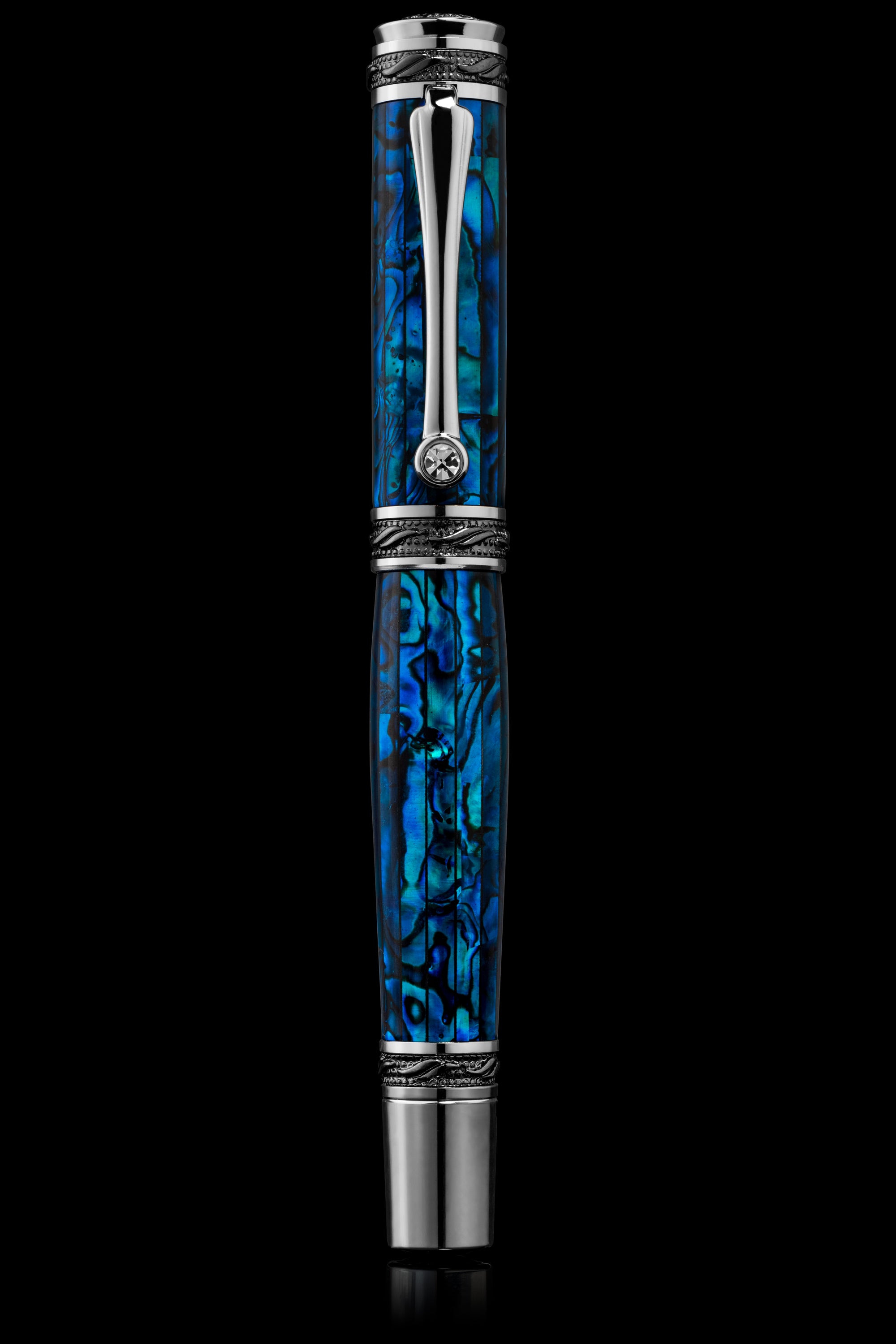
Fountain pens occupy a distinct place in the world of writing instruments—not because they are rare or ornate, but because they demand something of the person who uses them. Beyond their basic mechanics, fountain pens represent a deliberate approach to writing. They slow the hand, heighten awareness, and turn the act of putting words on paper into a considered experience rather than a reflex.
For professionals, writers, and those who value intention, a fountain pen is not a casual purchase. It is a choice rooted in how one wishes to work, sign, reflect, or mark a moment. This page exists to clarify that choice—what defines a fountain pen at its core, why it continues to endure, and when it truly belongs in your hand.
What Defines a Fountain Pen
At its essence, a fountain pen is defined by how it writes, not how it looks. Ink flows freely from a reservoir through a nib, responding directly to pressure, angle, and movement. This creates a writing experience that is expressive, fluid, and tactile—qualities absent from disposable writing tools designed for speed and uniformity.
Balance and feedback matter. A well-made fountain pen rests comfortably in the hand, encouraging a relaxed grip and consistent rhythm. The writer becomes more aware of line weight, spacing, and motion. Because the pen responds to the user rather than forcing uniform output, it requires intention. Fountain pens reward attentiveness and punish haste, which is precisely why they remain relevant to those who take writing seriously.
Why Fountain Pens Endure
Fountain pens have persisted through centuries of technological change not because they resisted progress, but because they serve a purpose that newer tools do not replace. When writing matters—when words carry weight, permanence, or personal significance—people continue to reach for instruments that reflect that gravity.
Professionals often choose fountain pens for moments that demand presence: signing documents, composing correspondence, or recording ideas that matter. Writers value them for their ability to translate thought to paper with nuance and control. Unlike disposable pens, which prioritize convenience and replacement, fountain pens are designed to be used, maintained, and kept. Their endurance is tied not to nostalgia, but to function aligned with meaning.
Materials, Balance, and Craft
Materials in fountain pens are not selected solely for appearance. They influence weight, balance, temperature, and long-term durability. Resin, metal, and natural materials each offer different tactile experiences, affecting how the pen feels over extended writing sessions. What matters most is proportion—how the pen distributes weight across the hand and maintains stability as it moves.
Craftsmanship reveals itself in these details. A well-crafted fountain pen feels neither top-heavy nor insubstantial. Its components align with purpose, allowing the pen to disappear during use while still asserting quiet presence. Limited production fountain pens often emerge from this level of care. Their scarcity is not manufactured for effect, but a natural outcome of hands-on processes that prioritize consistency and quality over volume.
When a Fountain Pen Is the Right Choice
Fountain pens are particularly suited to moments where writing is more than functional. Writing rituals—journaling, correspondence, reflective note-taking—benefit from tools that encourage focus and continuity. Career milestones, such as promotions or leadership appointments, often call for objects that symbolize progression and responsibility.
Recognition moments also align naturally with fountain pens. Whether marking years of service or acknowledging achievement, a pen becomes an enduring reminder of trust and respect. On a personal level, many individuals choose fountain pens as objects of identity—tools that reflect how they approach their work and the standards they hold for themselves.
When a Fountain Pen Is Not the Right Choice
Fountain pens are not designed for everyone or every situation. They are poorly suited to novelty seekers, impulse buyers, or those looking for instant gratification. If writing is purely utilitarian—quick notes, disposable use, or environments that demand uniform output—other tools are more appropriate.
They also require care. Ink refilling, cleaning, and mindful handling are part of ownership. Those unwilling to engage in this relationship with the instrument will likely find a fountain pen frustrating rather than rewarding. Saying no in these cases is not exclusionary; it is an honest acknowledgment of what fountain pens are meant to be.
How to Choose the Right Fountain Pen
Choosing a fountain pen begins with understanding how you write. Consider balance before appearance, comfort before decoration. A pen that feels natural in your hand will always outperform one chosen solely for visual appeal. Think about when you will use it—long writing sessions, formal signing, or reflective work—and let that context guide the decision.
Avoid becoming overwhelmed by specifications. The most important factors are how the pen responds to your movement and whether it encourages the kind of writing experience you seek. A thoughtfully chosen fountain pen should feel like an extension of your intention, not an object that demands attention for its own sake.
Understanding fountain pens is ultimately about clarity—knowing when they belong in your life and why. Once that understanding is in place, selecting a pen becomes less about comparison and more about alignment. The fountain pens presented here reflect the principles outlined above: balance, considered materials, and a writing experience shaped by intention. Exploring them is not about urgency, but about finding the instrument that fits how you choose to write.