Publishing a first book is when the author’s ideas stop being private.
Before publication, the work sits in drafts and files that can still be changed or scrapped. After publication, the book stands on its own. People can read it, quote it, review it, or criticize it without the author being there to explain it.
Finishing a manuscript only means the writing is done. Publishing means the ideas are now public and tied to the author’s name.
What Changes When Someone Publishes a First Book
Before publication, the author controls who sees the work and how it is shared. After publication, that control ends. The book can be read by people the author does not know and never meets.
Passages can be quoted without context. Reviews can focus on parts the author did not intend to emphasize. Criticism can appear long after the book is released. Even if the author’s thinking changes, the book stays attached to their name.
Publishing also changes how others see the author. They are no longer someone working toward a book. They are an author who has published one, regardless of how many copies sell or who notices.
Why Publishing a First Book Is Worth Commemorating
Publishing a first book is worth commemorating because the author chose to put their ideas on public record. Once published, the work can be read, judged, disagreed with, or reused without the author’s involvement.
This is not about sales, praise, or attention. Many first books reach a small audience. What matters is the decision to publish rather than keep the work private.
Any gift or recognition tied to this moment should commemorate that decision. It should acknowledge the act of publishing itself, not the results that come afterward.
What Kind of Gift Makes Sense When Someone Publishes a First Book
Give a gift the author can keep using after the book is published. The gift should support the work that continues, not comment on the release itself.
Avoid gifts that exist only to commemorate the day. Plaques, trophies, framed quotes, and decorative keepsakes focus on the moment instead of the work. If the gift will feel dated once time passes, it does not fit.
Choose something practical and durable. Tools that remain useful months or years later make sense for commemorating a first book. Items meant to sit on a shelf do not.
Why a Pen Makes Sense for Commemorating a First Book
A pen is a practical gift for someone who has published a first book. Authors still use pens to outline ideas, mark up drafts, review printed pages, and sign copies.
A pen is used to write, edit, and sign work. It does its job without explaining the moment or adding a message.
A fountain pen is a good choice because it encourages slower writing and more careful revision. Many authors use fountain pens when they want focus or when signing finished work. A simple journal can also make sense, giving the author a place to capture notes and develop ideas after publication.
What to Avoid Giving When Someone Publishes a First Book
Do not give novelty items or decorative objects. Gifts meant to be displayed instead of used do not fit this moment.
Avoid plaques, trophies, framed quotes, or keepsakes that exist only to commemorate the day. These items focus on the event rather than the work that continues afterward.
Publishing a first book usually represents years of sustained effort, so the gift should not feel casual or disposable.
Do not engrave dates, quotes, or congratulatory messages. Engraving fixes the gift to the publication date, which may not be the date the author considers most important, such as when the idea first formed or when the work truly began.
A Practical Way to Commemorate a First Book
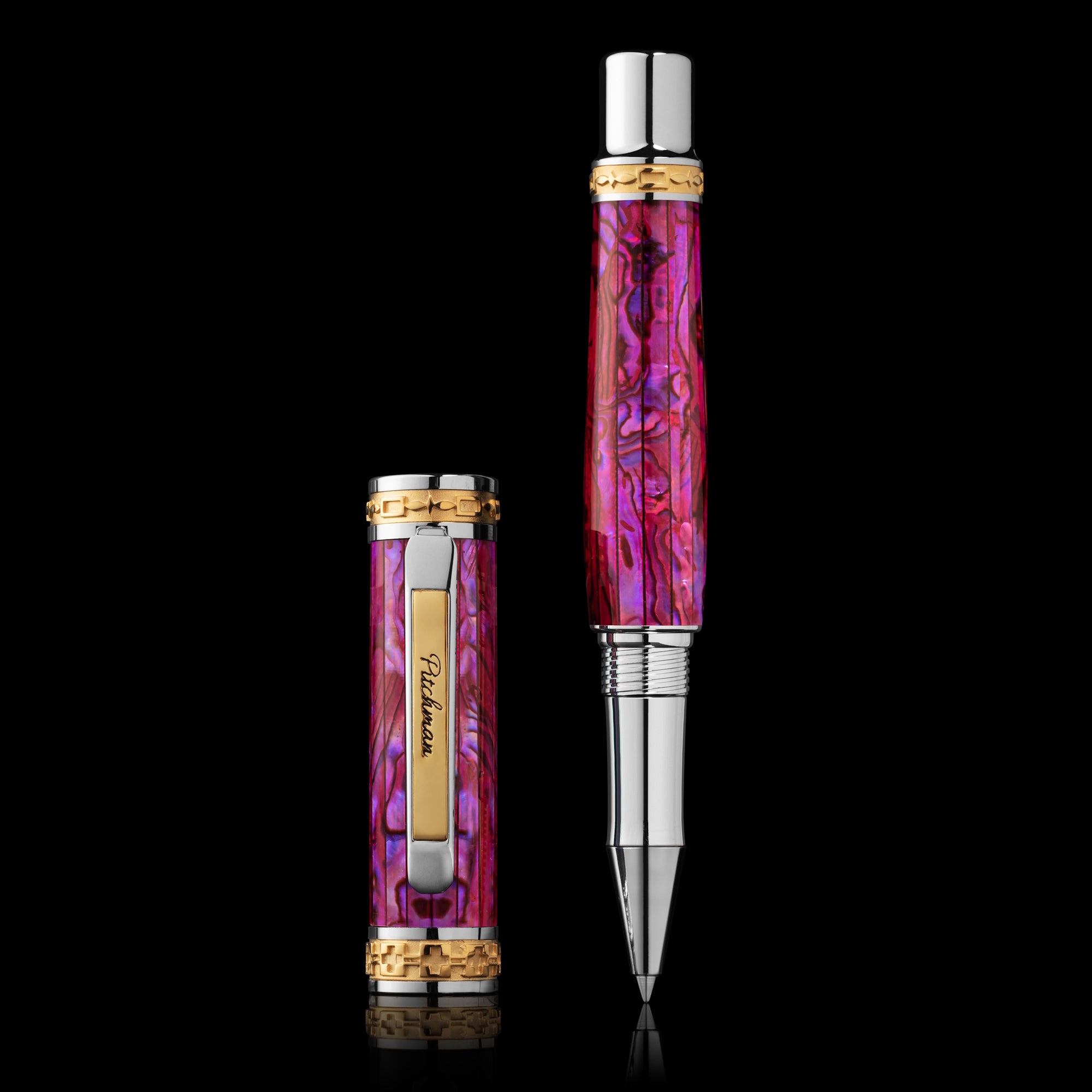
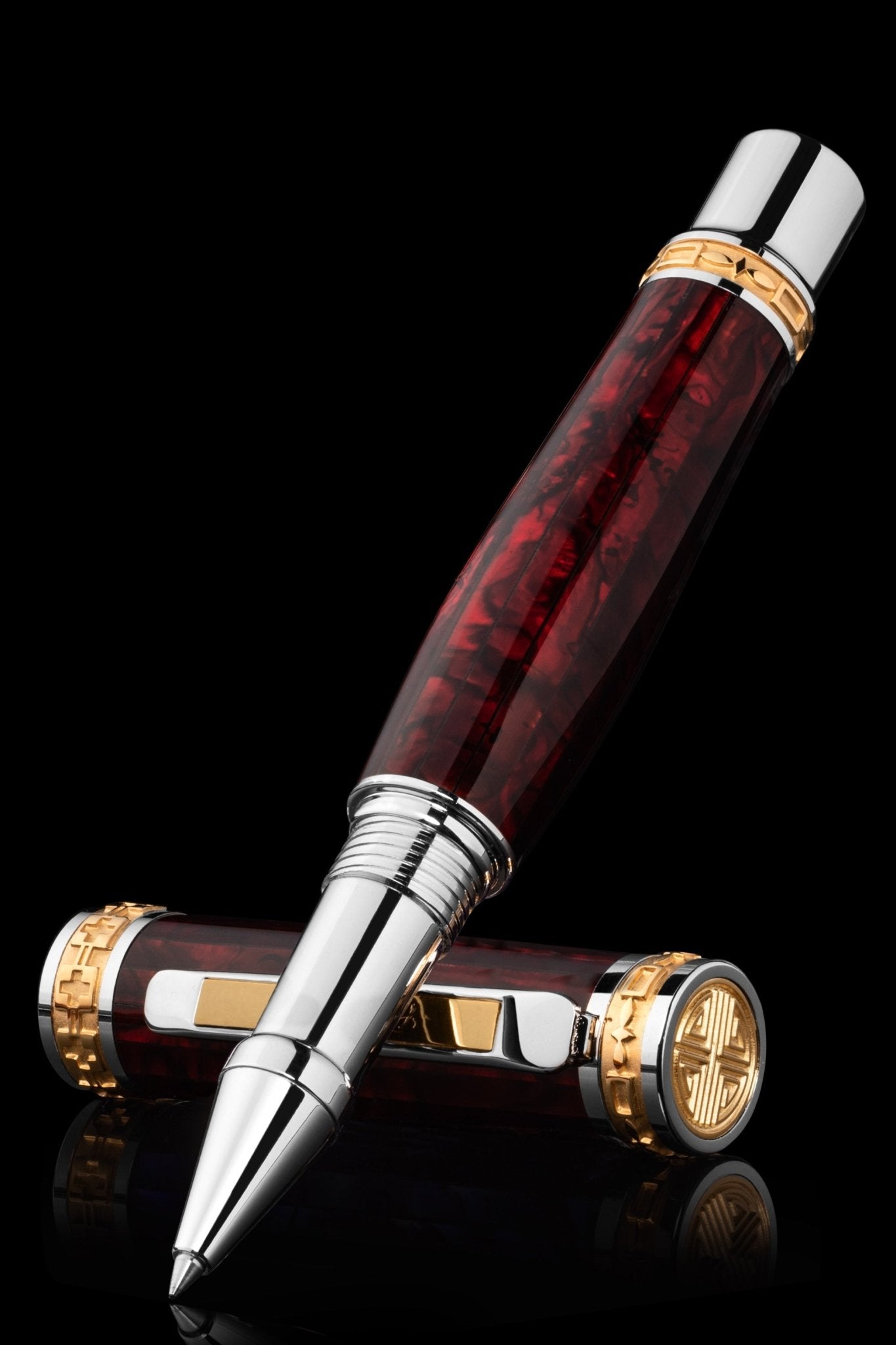
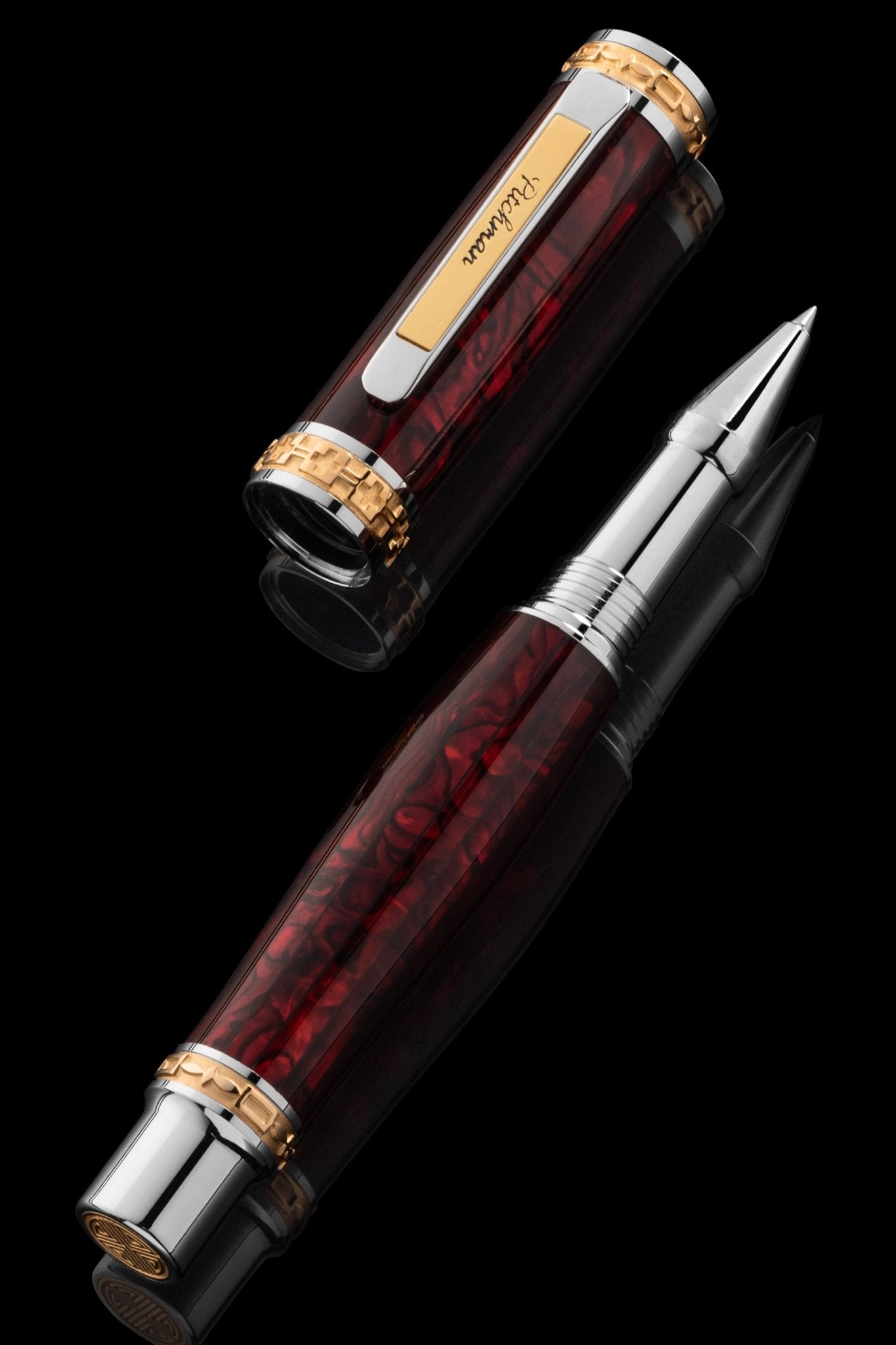
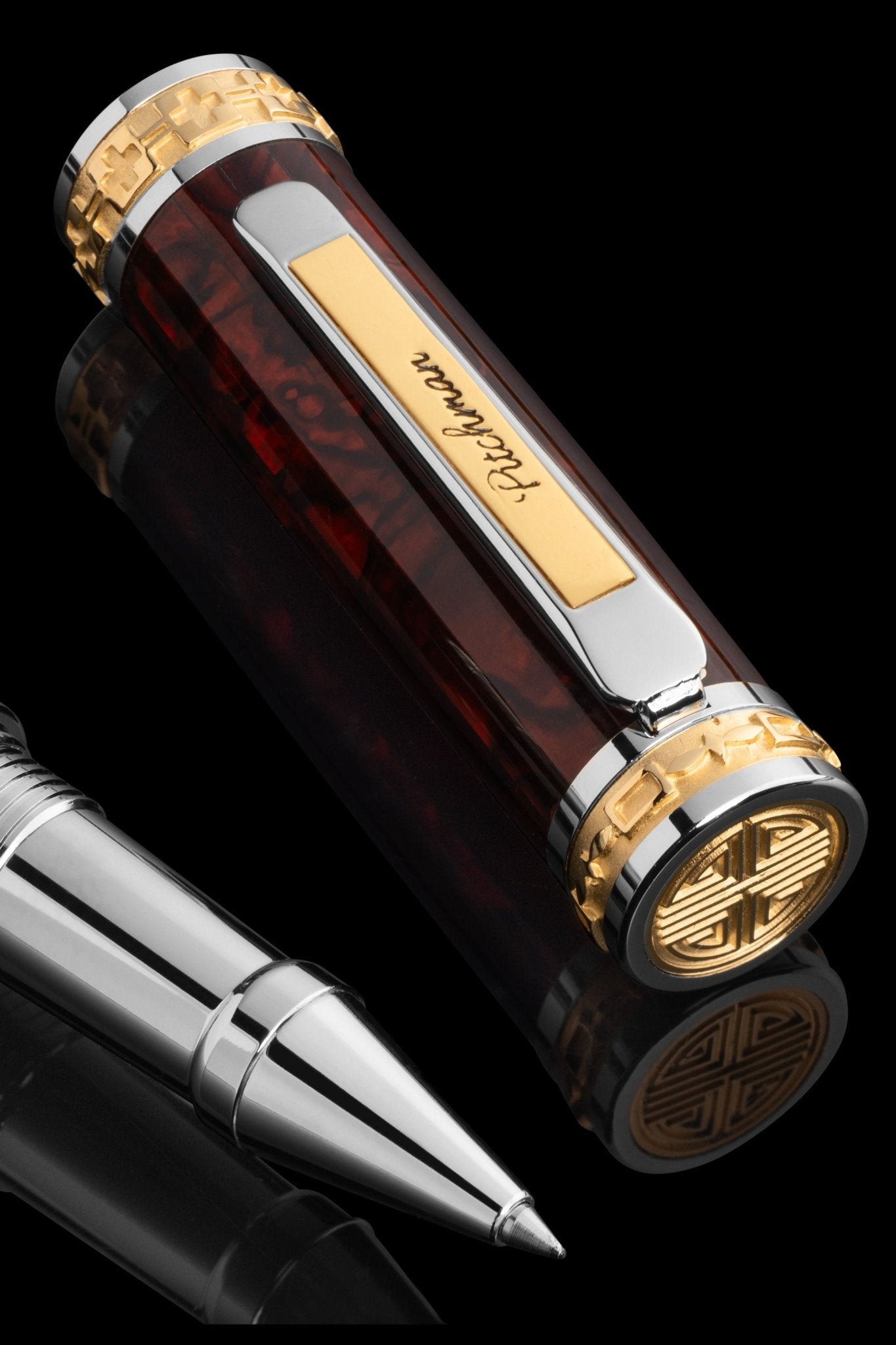
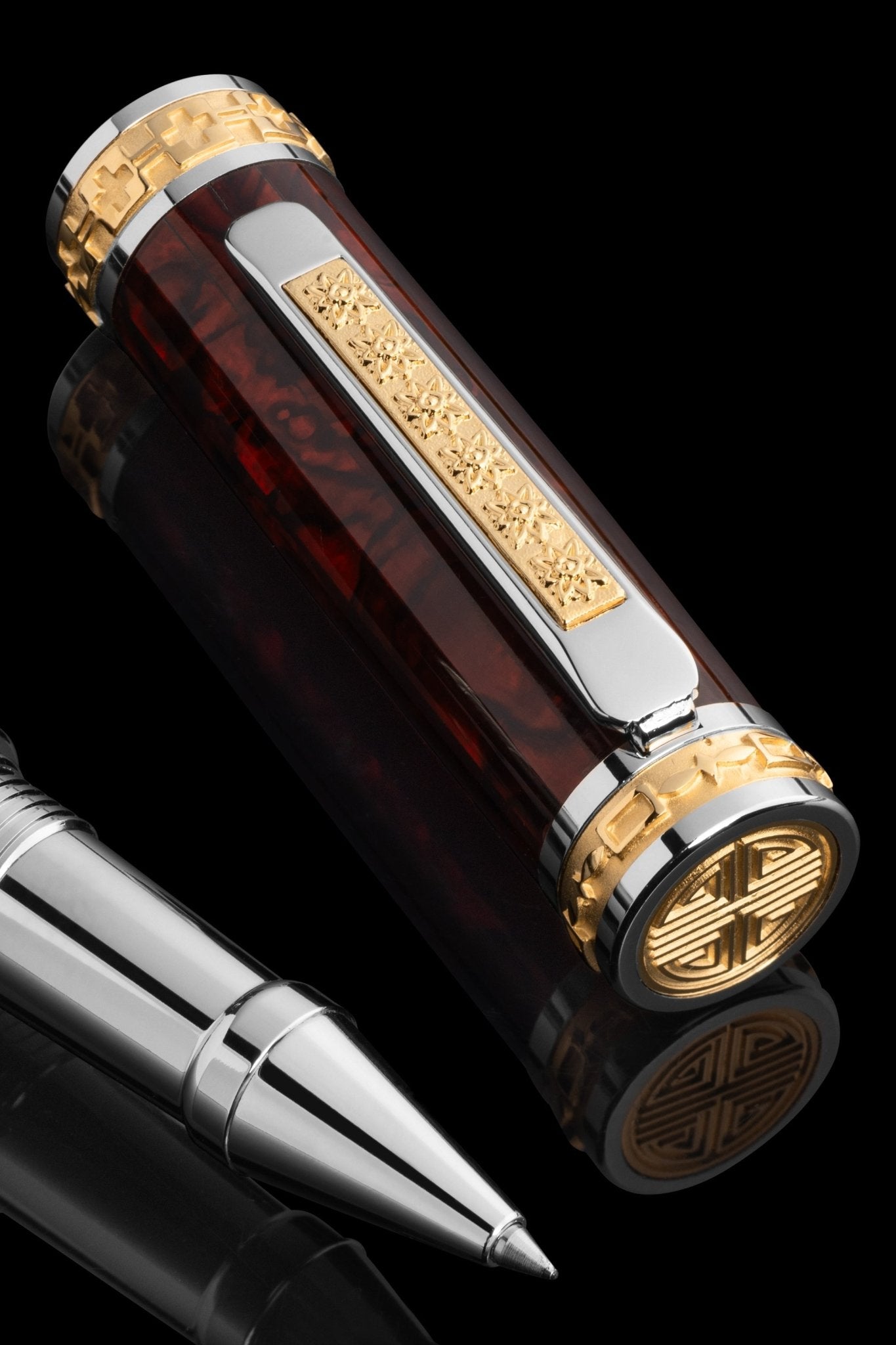
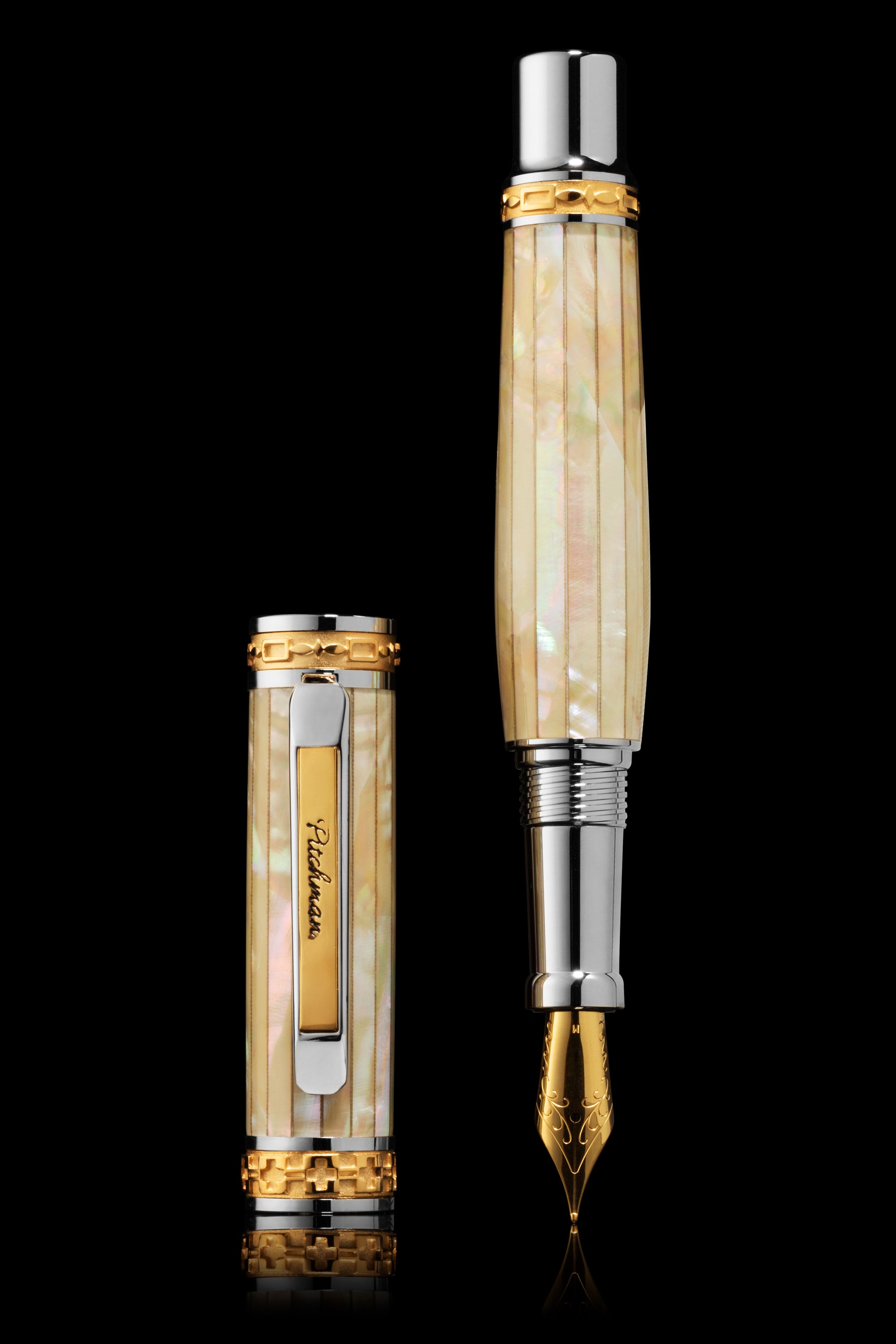
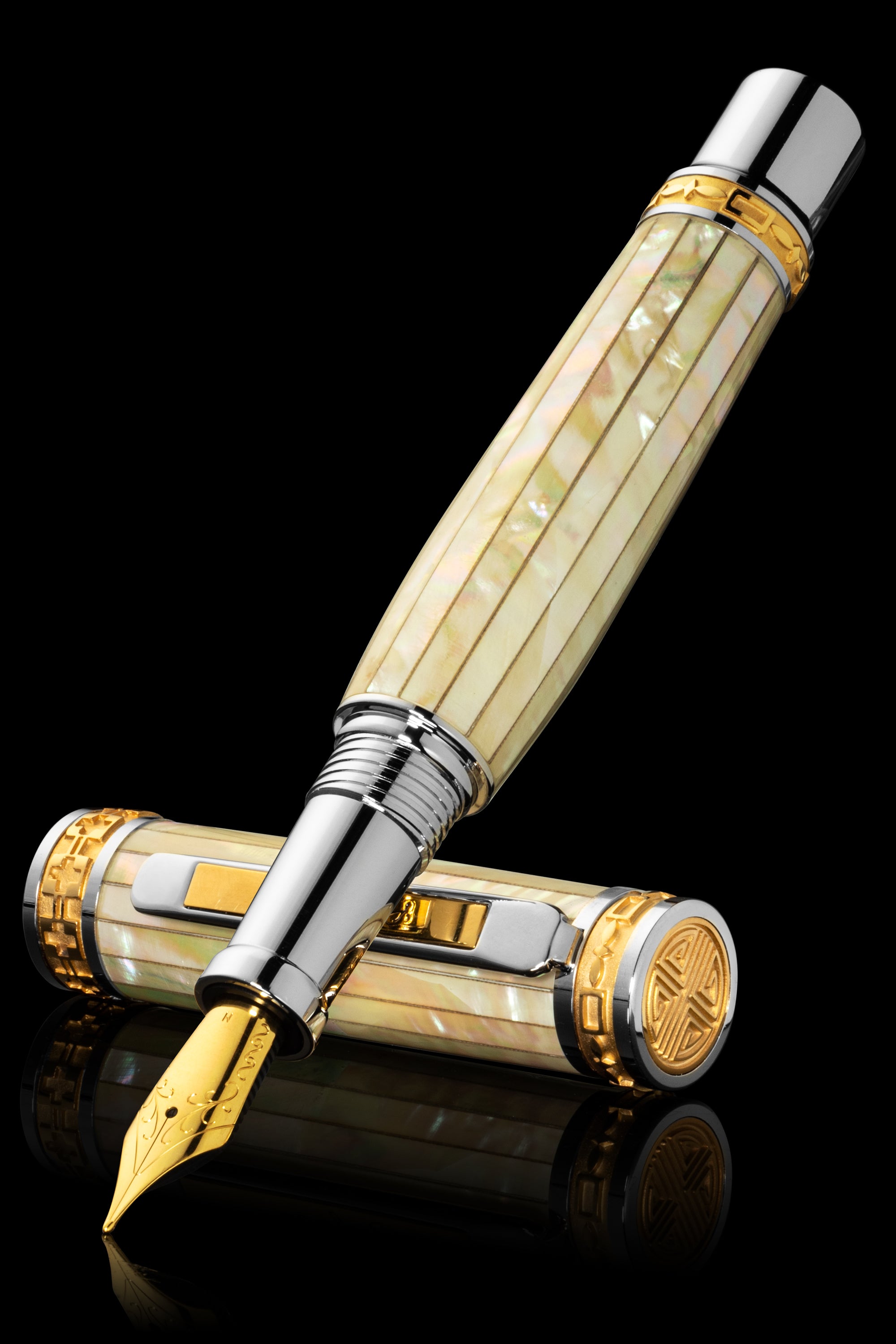
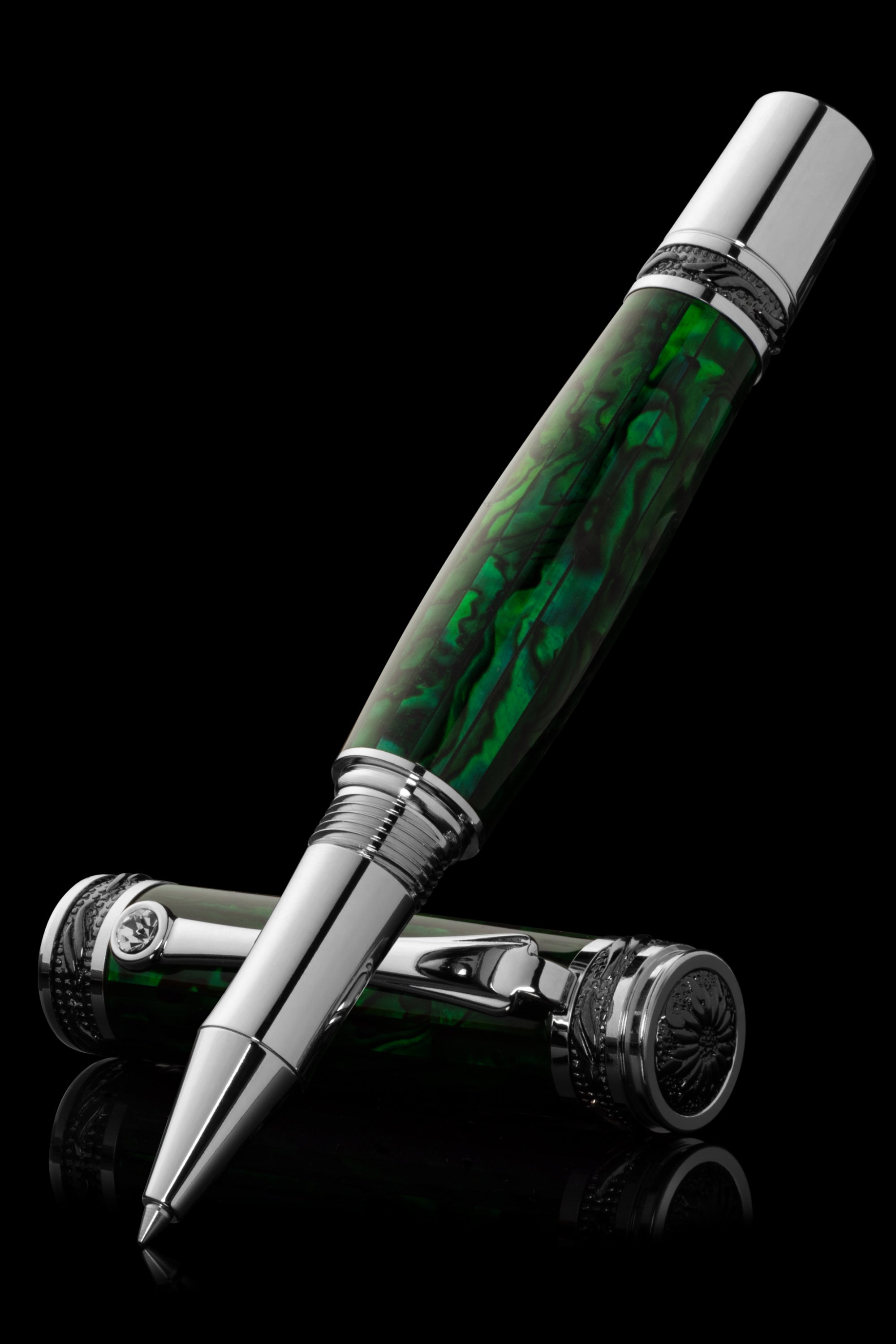
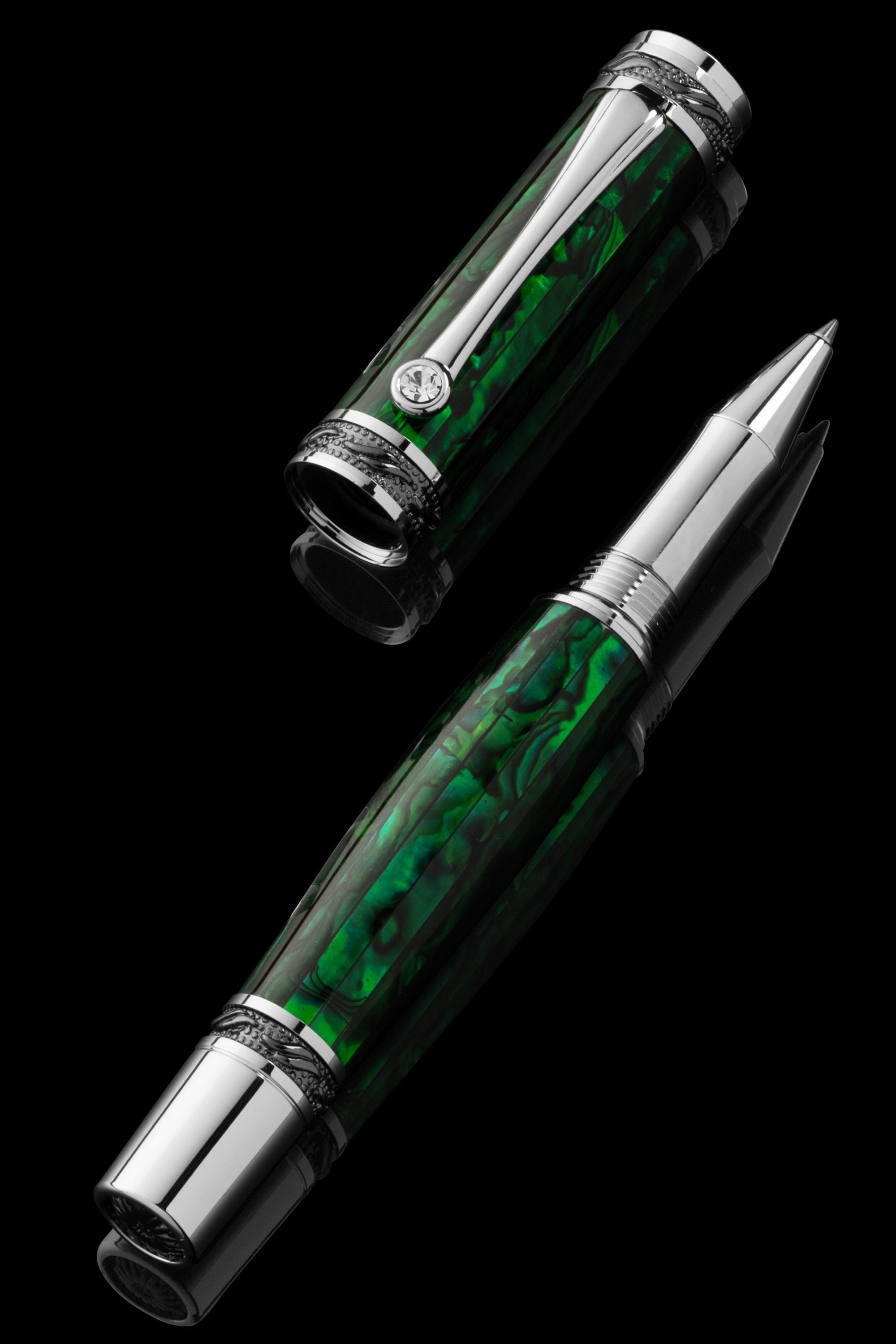
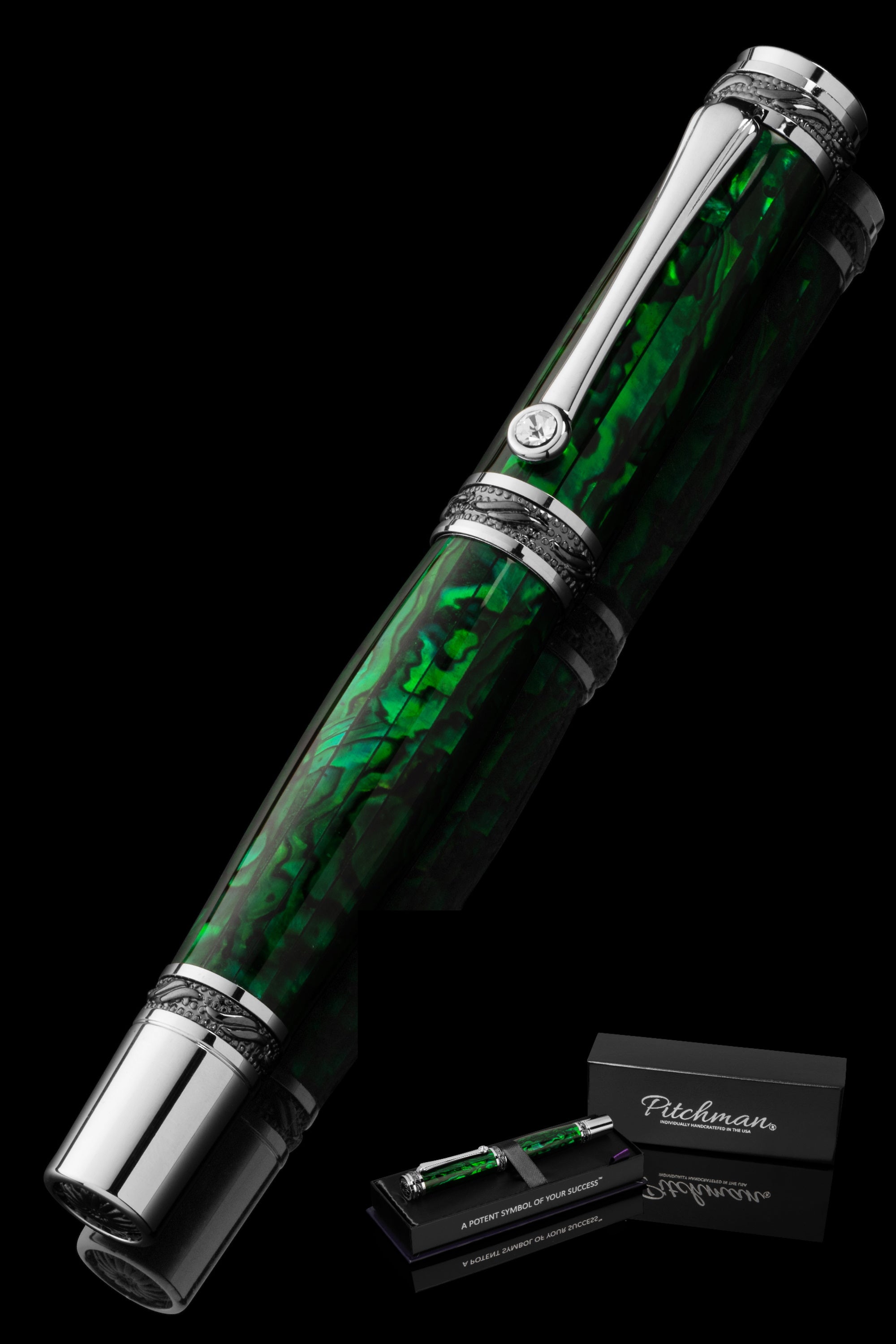
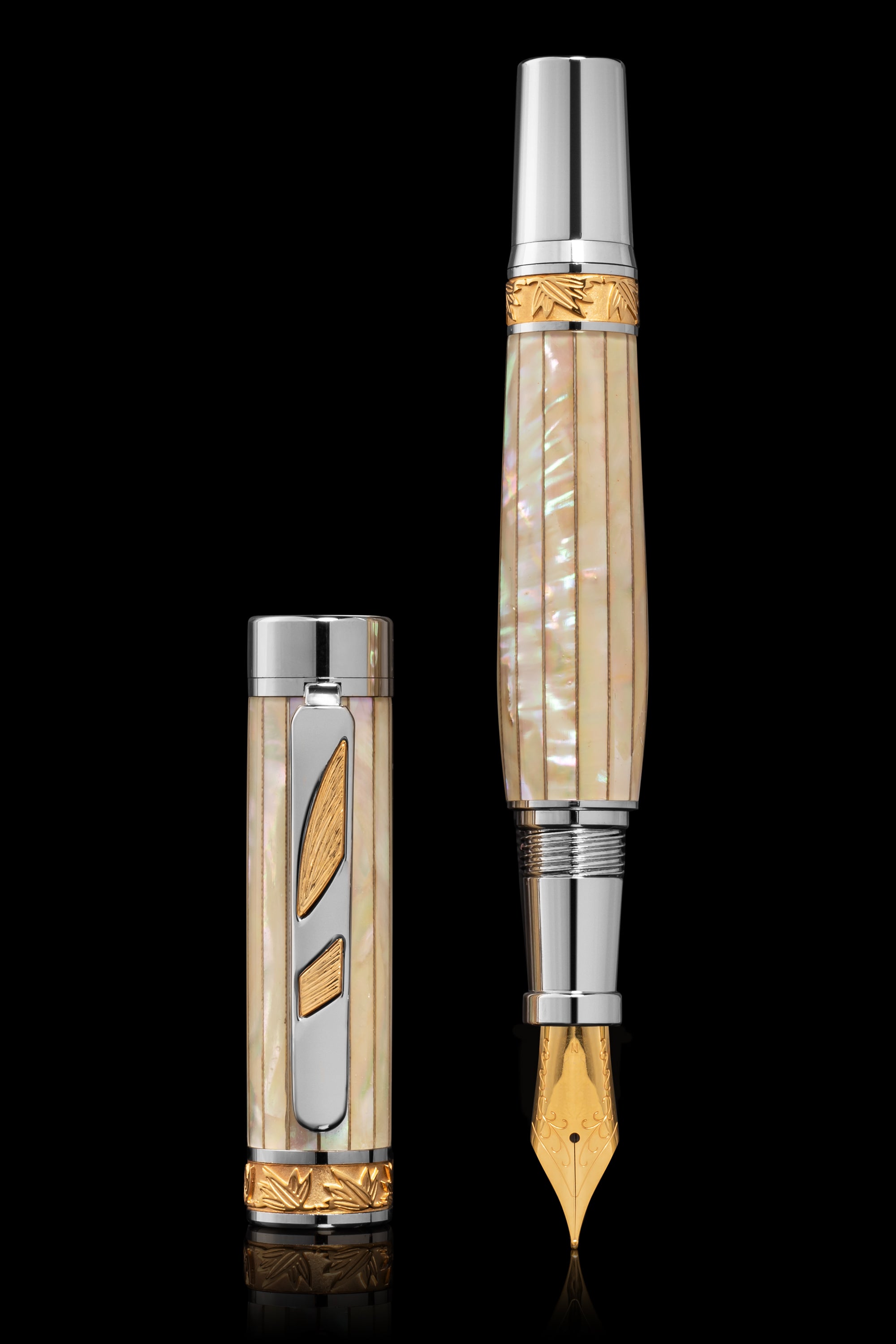
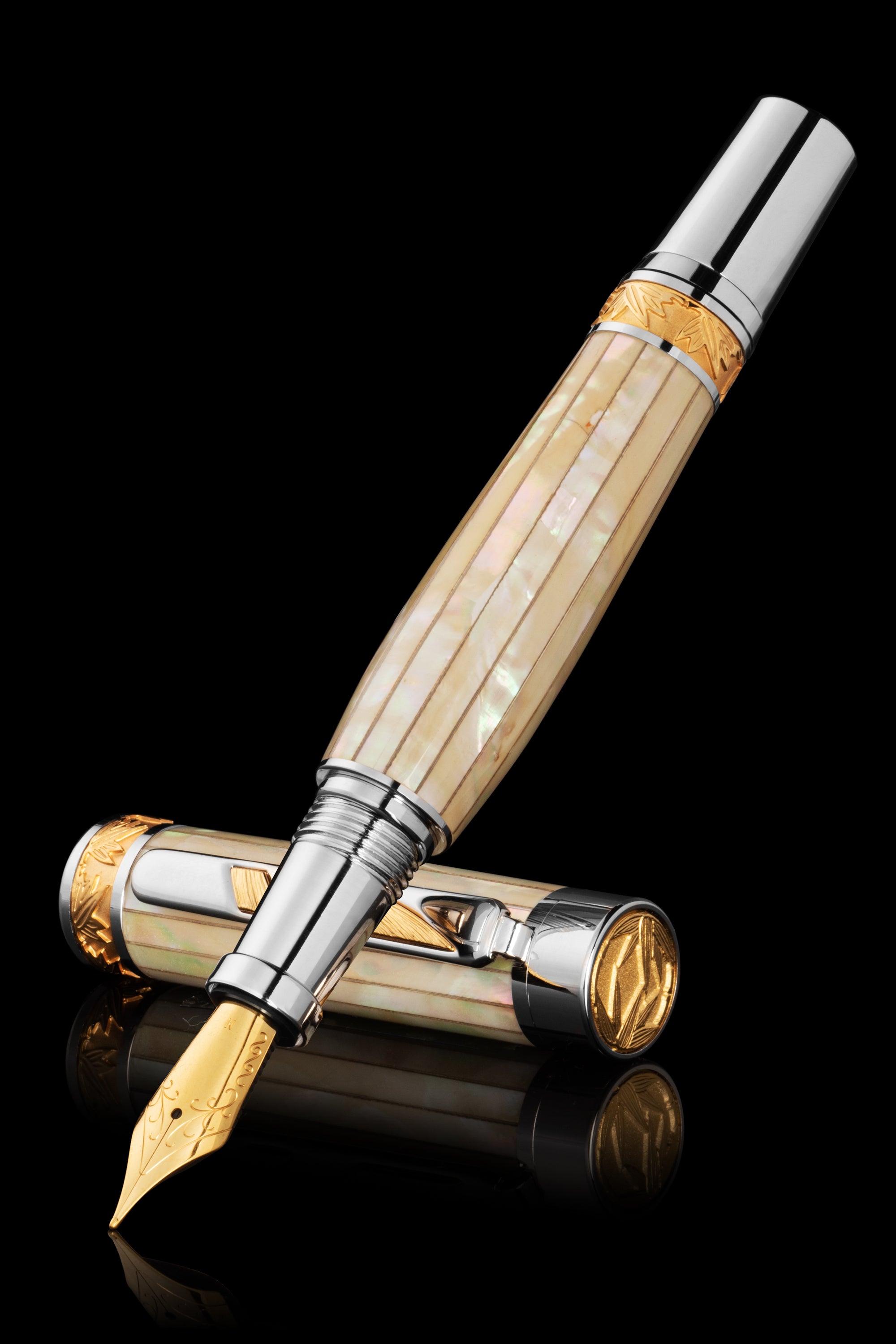
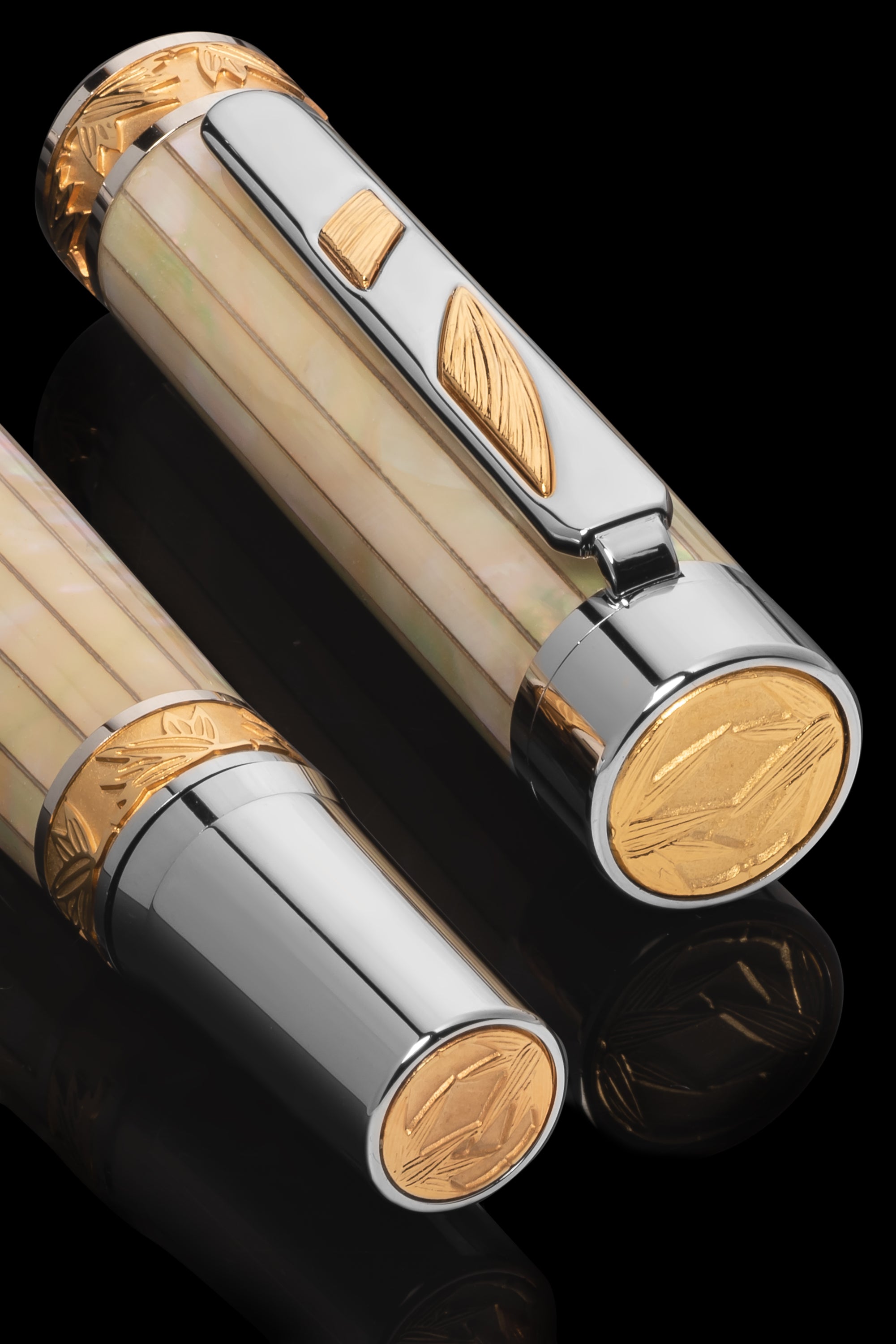
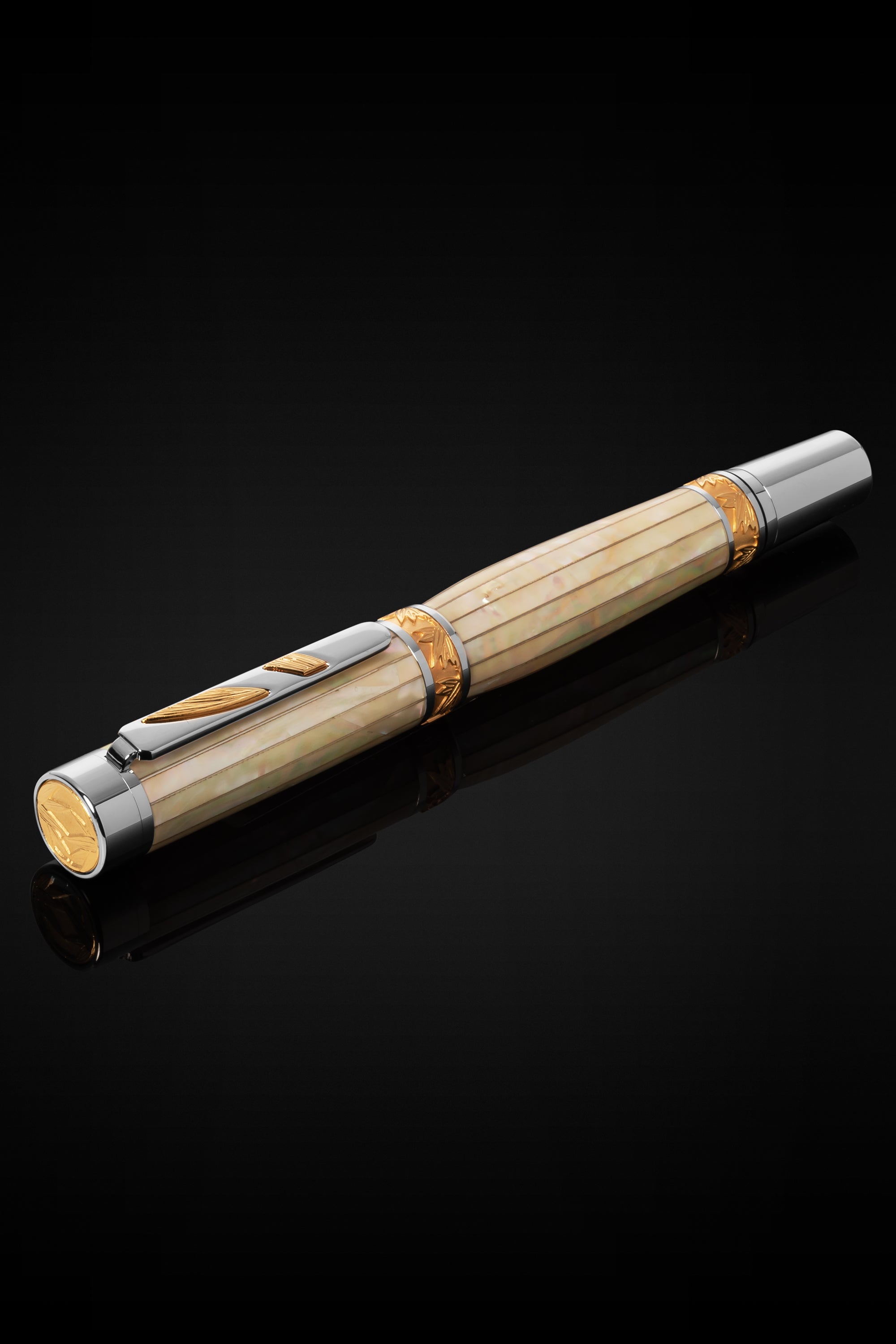
Below are four pens selected specifically for commemorating a first book. They were chosen because they are made to be used regularly, not displayed, and because they fit the kind of long-term work authors continue after publication.
These are not the only pens that could make sense for this moment, but they represent a clear starting point. Each offers durability, balance, and everyday usefulness for writing, editing, and signing over time.