Why Thanking a Mentor Becomes a Moment
Most people don’t set out to buy a gift for a mentor.
It usually starts with a moment of reflection.
You look back and realize someone didn’t just give advice — they helped shape how you think, decide, or lead. Maybe they challenged you when it mattered. Maybe they stood by you when things were uncertain. Maybe they saw potential before you did.
A simple thank-you often feels right. Sometimes, it doesn’t feel like enough.
That’s when this moment appears. Not out of obligation, but out of clarity. You want to acknowledge the role someone played in your path, in a way that feels thoughtful and appropriate.
This isn’t about celebration or attention. It’s about recognition — quietly acknowledging the impact a mentor had on who you are today.
When This Moment Happens
This moment usually shows up after something changes.
It might follow a promotion, a new leadership role, or the decision to start a business. Sometimes it comes after finishing school, changing careers, or stepping into responsibility for the first time. In other cases, it appears at the end of a long mentoring relationship, when someone retires or moves on.
In these moments, people often look back and see how much influence someone actually had. You realize that a conversation, a push in the right direction, or steady guidance over time made a real difference.
That realization doesn’t always come immediately. But when it does, many people feel the urge to say more than thank you — to recognize the influence someone had at a turning point in their life.
When a Mentor Gift Is Not Necessary
Not every mentoring relationship calls for a gift.
In many cases, a sincere note or a straightforward thank-you is more than enough. If the relationship is ongoing, or the guidance was brief or situational, giving a gift can sometimes feel forced or out of place.
This is especially true when a mentor has offered advice as part of their role — a manager, professor, or colleague who helps as part of their job. In those situations, recognition doesn’t need to take the form of an object to be meaningful.
The goal isn’t to give something just to give it. It’s to respond to a genuine sense of appreciation. If that feeling isn’t there, a gift isn’t required — and often isn’t expected.
What Makes a Mentor Gift Feel Right
A mentor gift should feel appropriate to the relationship.
It doesn’t need to be impressive or expensive. It should feel intentional. Something chosen with care, not picked quickly or out of obligation.
The best gifts in this situation are practical, lasting, and easy to accept. They don’t draw attention or create discomfort. They fit naturally with the role the mentor played and the way the relationship worked.
Most importantly, the gift should match the reason you’re giving it. This isn’t about making a statement. It’s about acknowledging that someone’s guidance had real value.
What to Avoid When Choosing a Mentor Gift
Some gifts can unintentionally miss the mark.
Items that are trendy, humorous, or overly personal can feel awkward in a mentor relationship. The same goes for gifts that are disposable or meant to be used once and forgotten.
It’s also best to avoid anything that feels promotional or branded. A mentor gift shouldn’t look like swag or a thank-you tied to a transaction.
If you find yourself worrying about how the gift will be received, that’s often a sign it may not be the right choice. When in doubt, simpler and more neutral tends to feel more appropriate.
Why a Writing Instrument Fits This Moment
A writing instrument fits this moment because it’s part of how people plan, sign, and move forward.
Mentors help others think through decisions and take the next step with confidence. Writing often plays a role in those same moments — whether it’s outlining an idea, signing something important, or putting thoughts into words.
A pen is personal without being intimate. It’s useful, long-lasting, and easy to accept. It doesn’t feel ceremonial or performative. It simply becomes something the mentor uses.
For many people, that makes it a natural way to recognize guidance that had real impact — practical, quiet, and appropriate to the relationship.
A Thoughtful Way to Acknowledge a Mentor
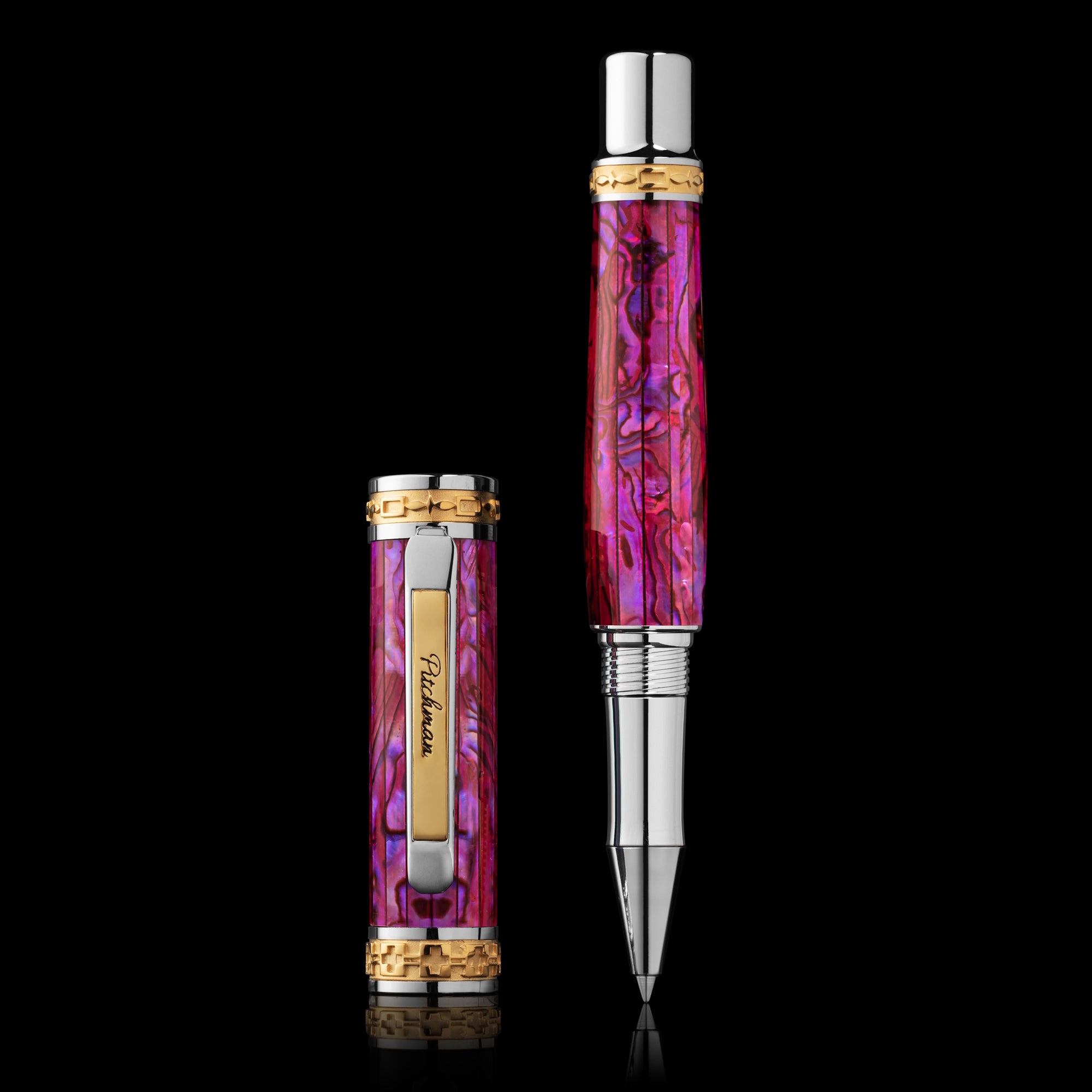
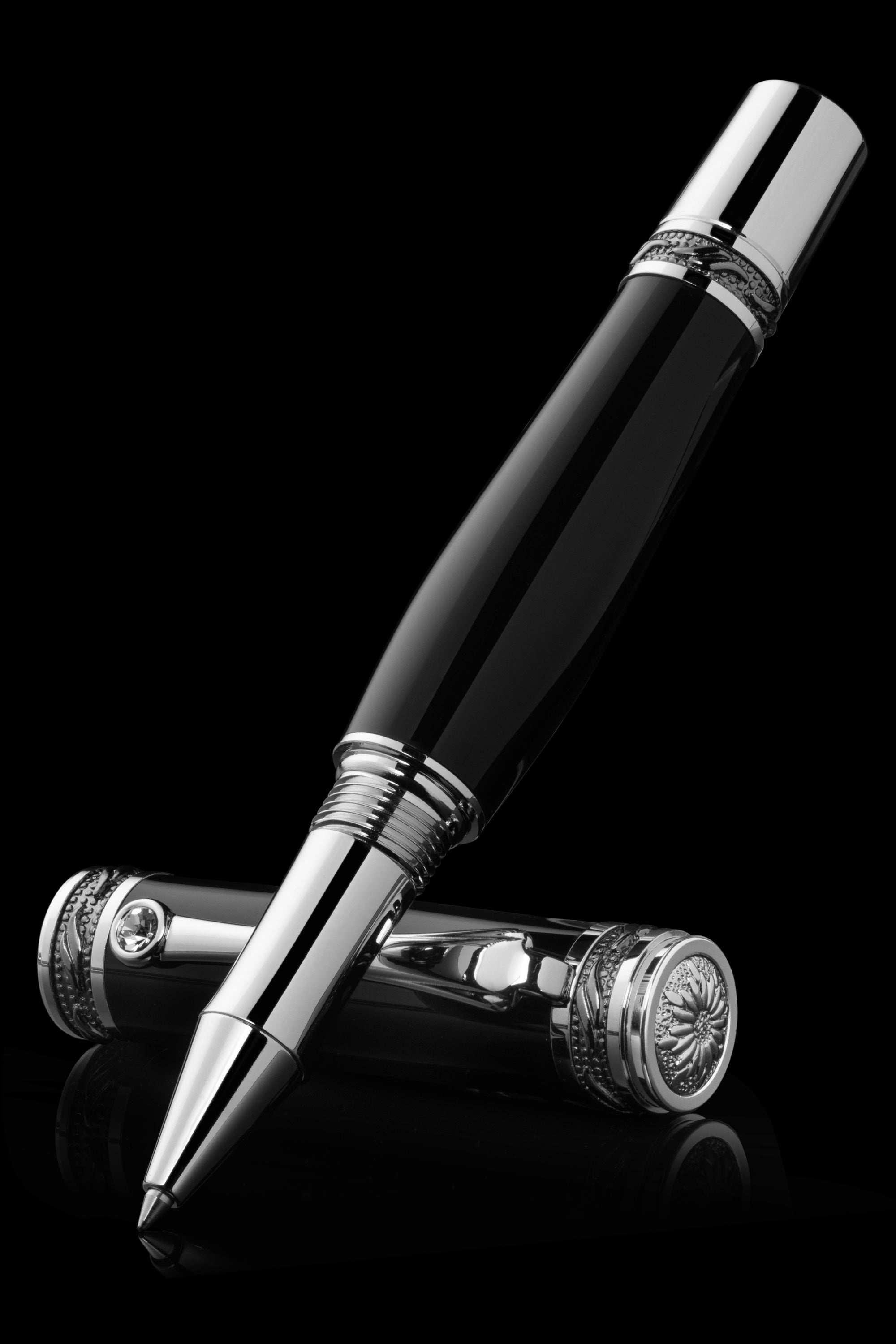
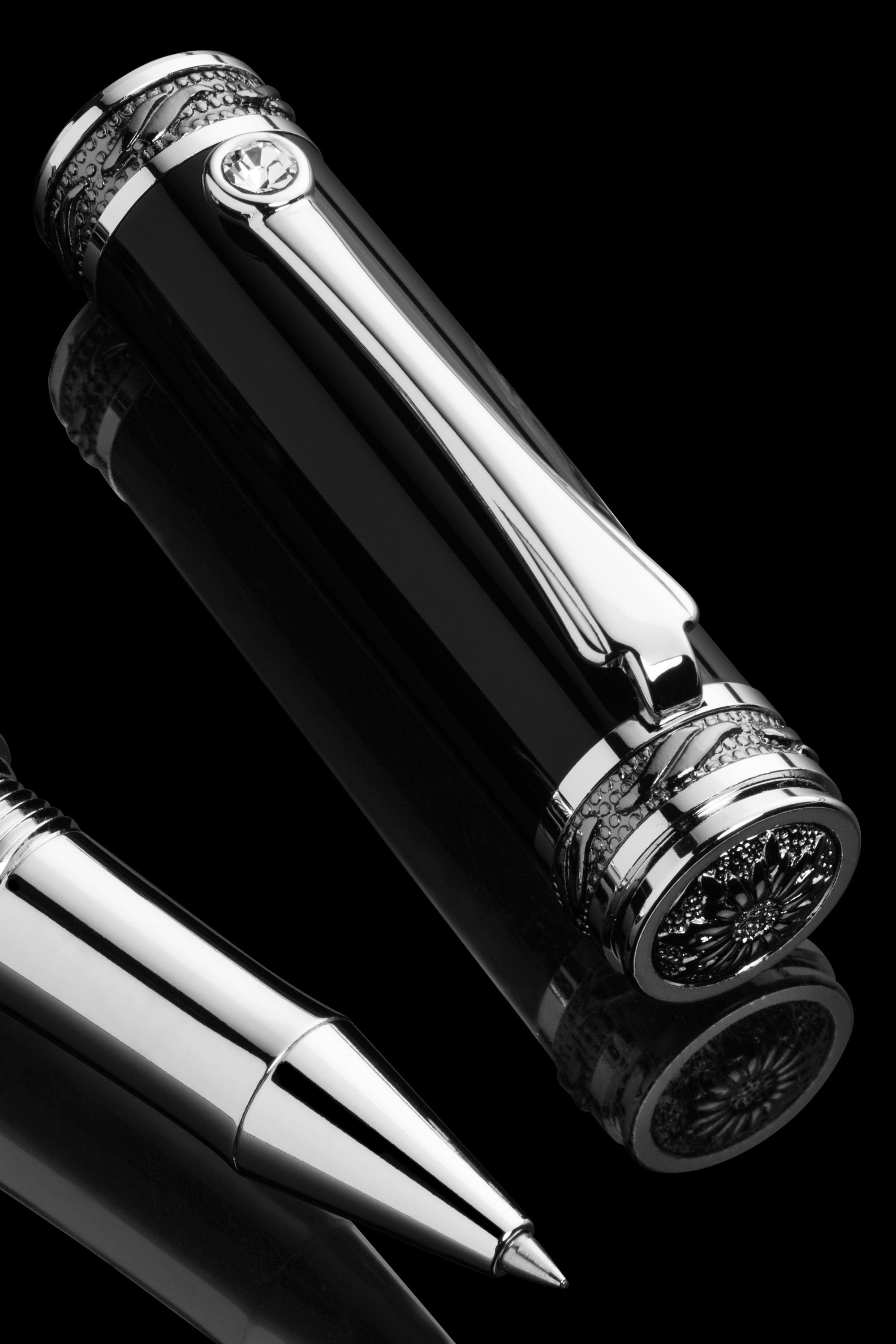
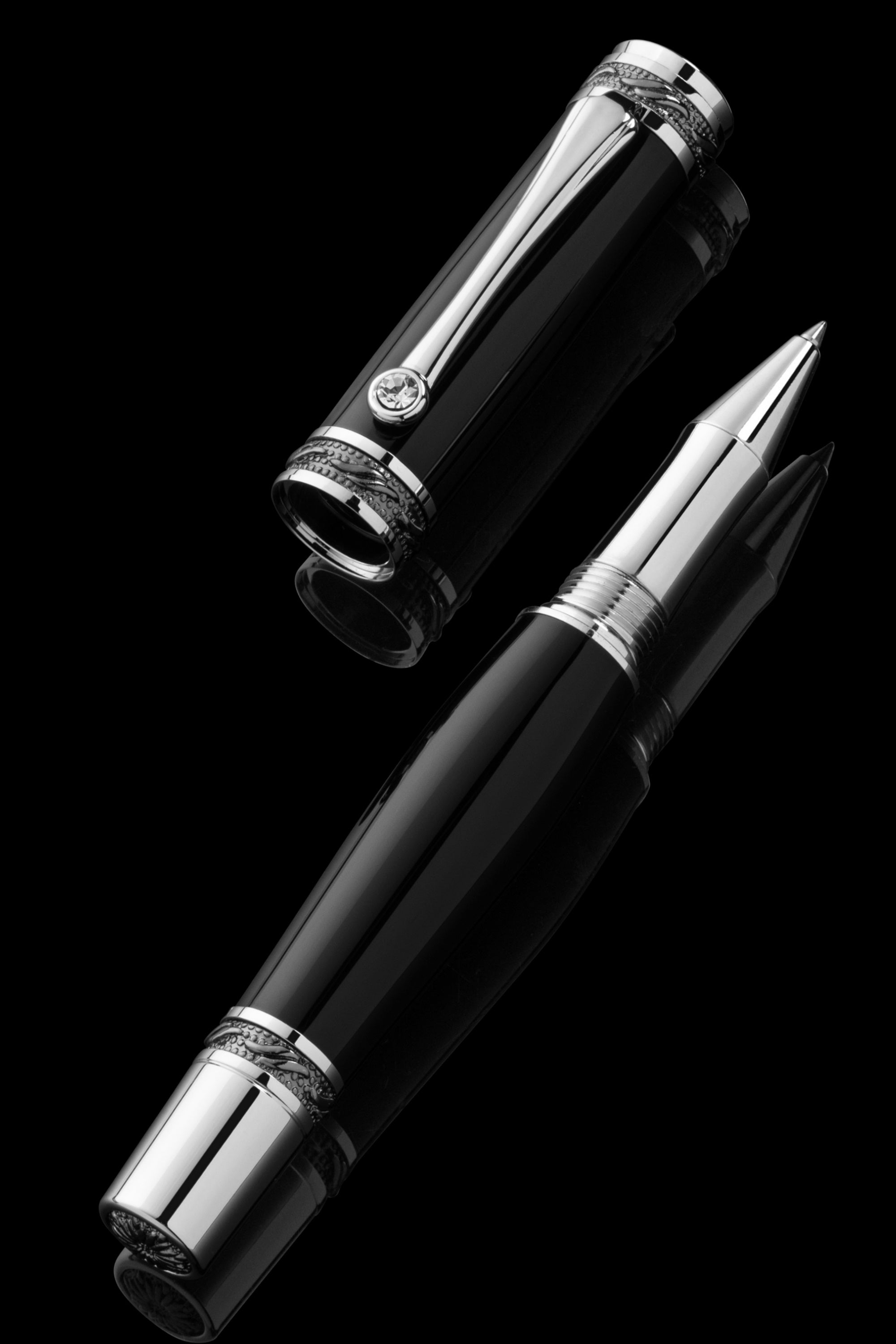
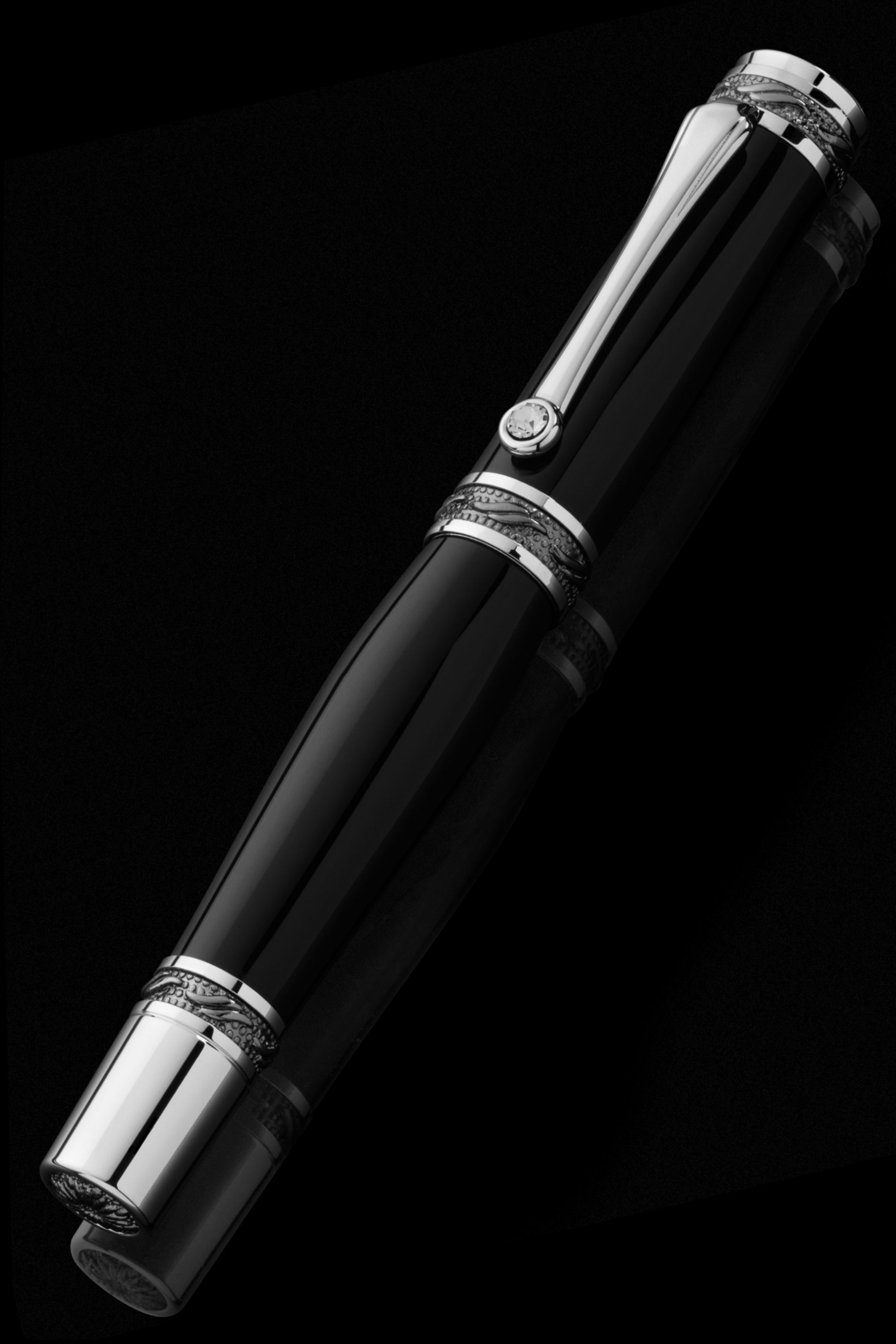
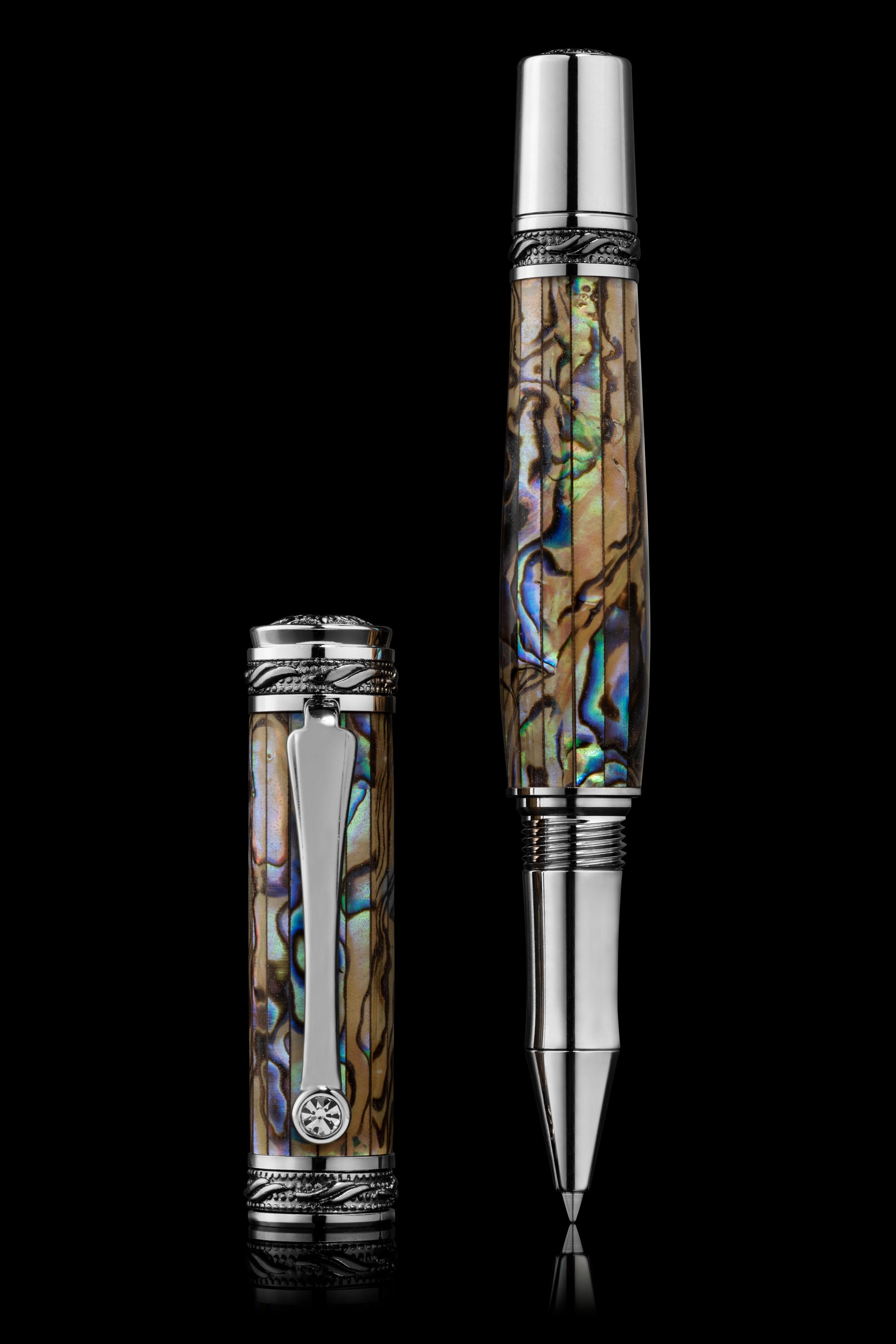
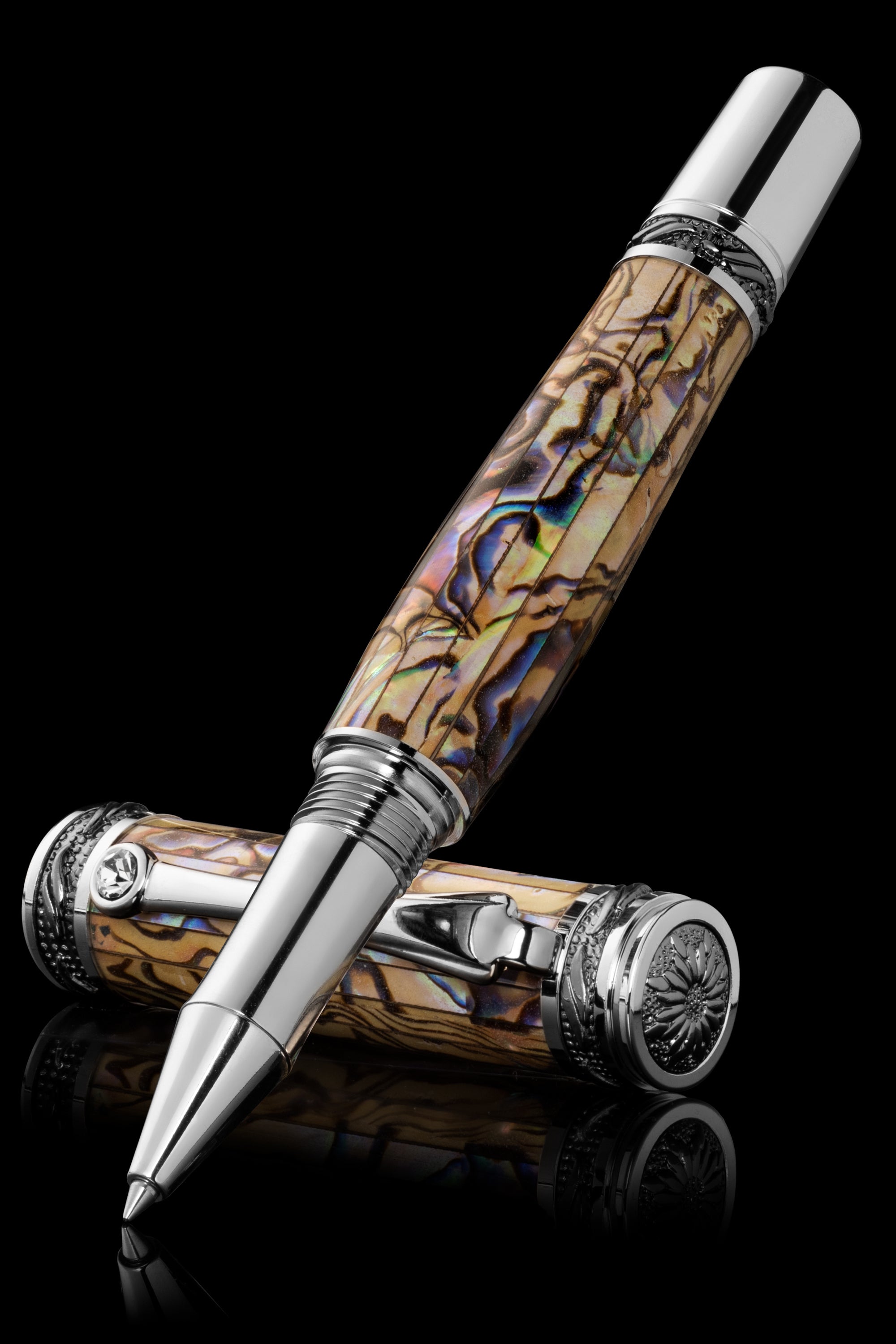
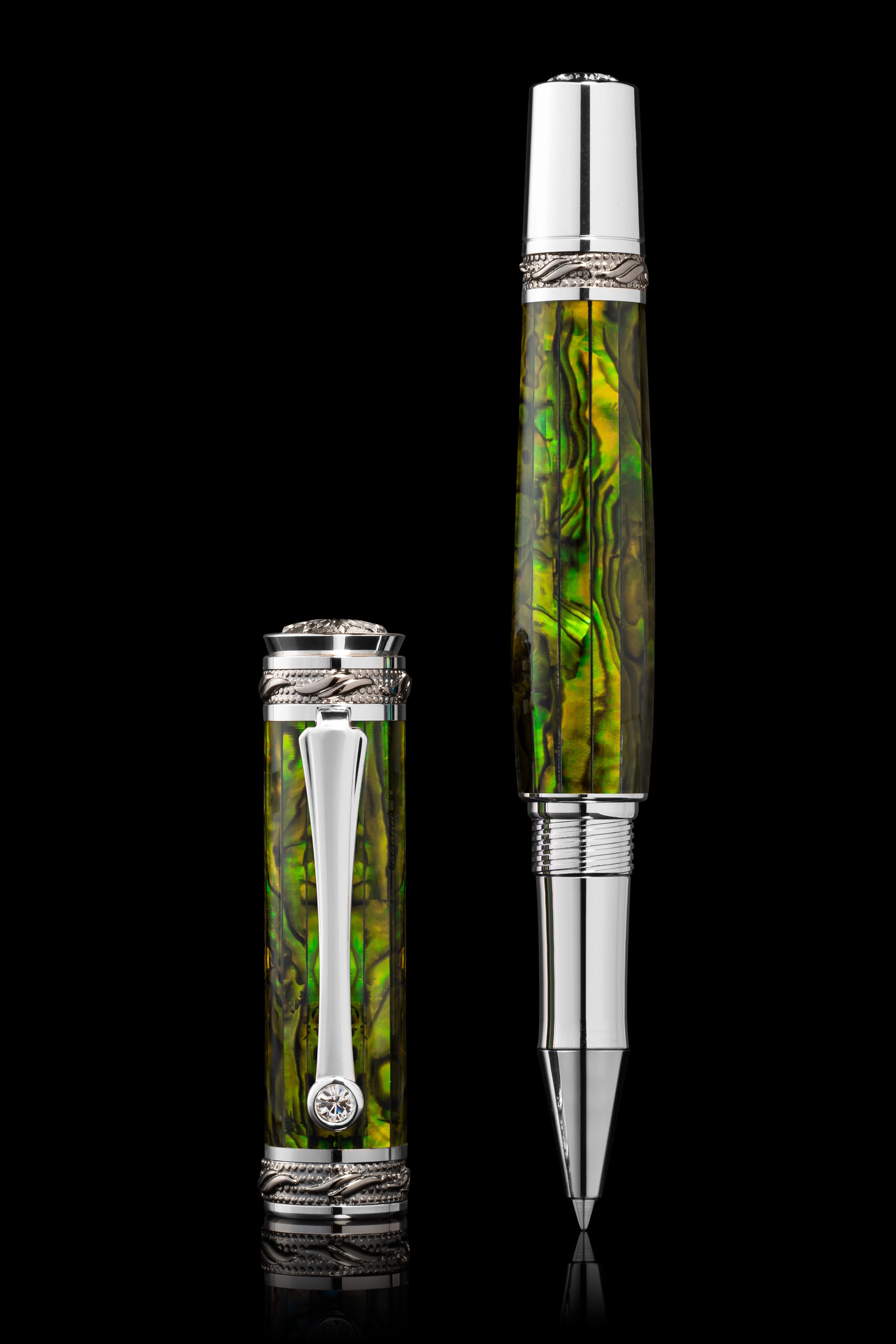
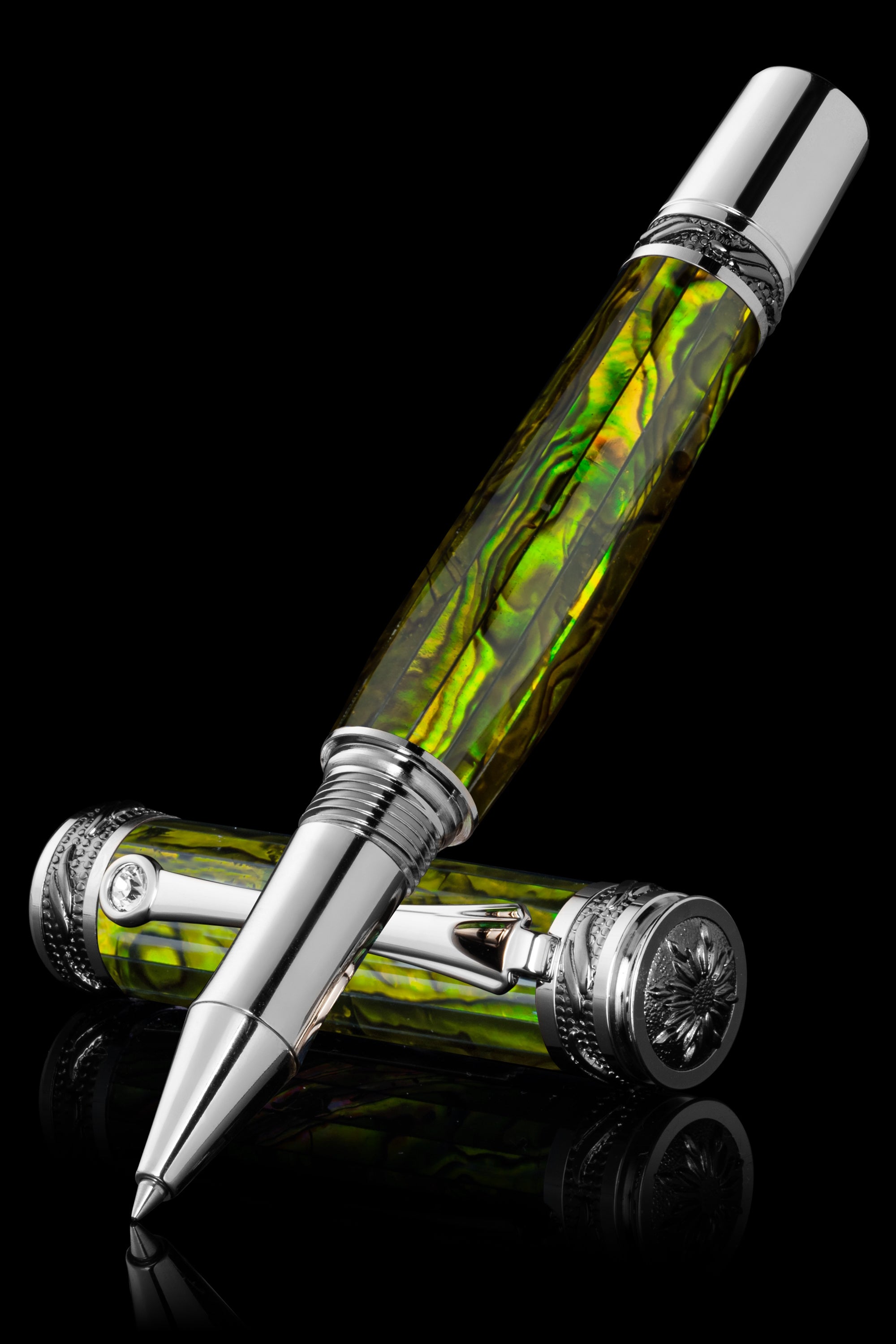
Below are writing instruments often chosen by people who want to thank a mentor in a way that feels appropriate, useful, and lasting — without turning the moment into a performance.